Stepping into a world of luxury beauty should feel like an embrace, a moment where your unique radiance is not just seen, but celebrated. Yet, for many Black women, these spaces—from the gleaming counters of prestige department stores to the tranquil havens of high-end spas—can sometimes feel less like an invitation and more like an interrogation. It’s time to reclaim these experiences, to ensure every interaction is as enriching and affirming as the treatments themselves. Start with the related BBB cluster guide for the broader map.
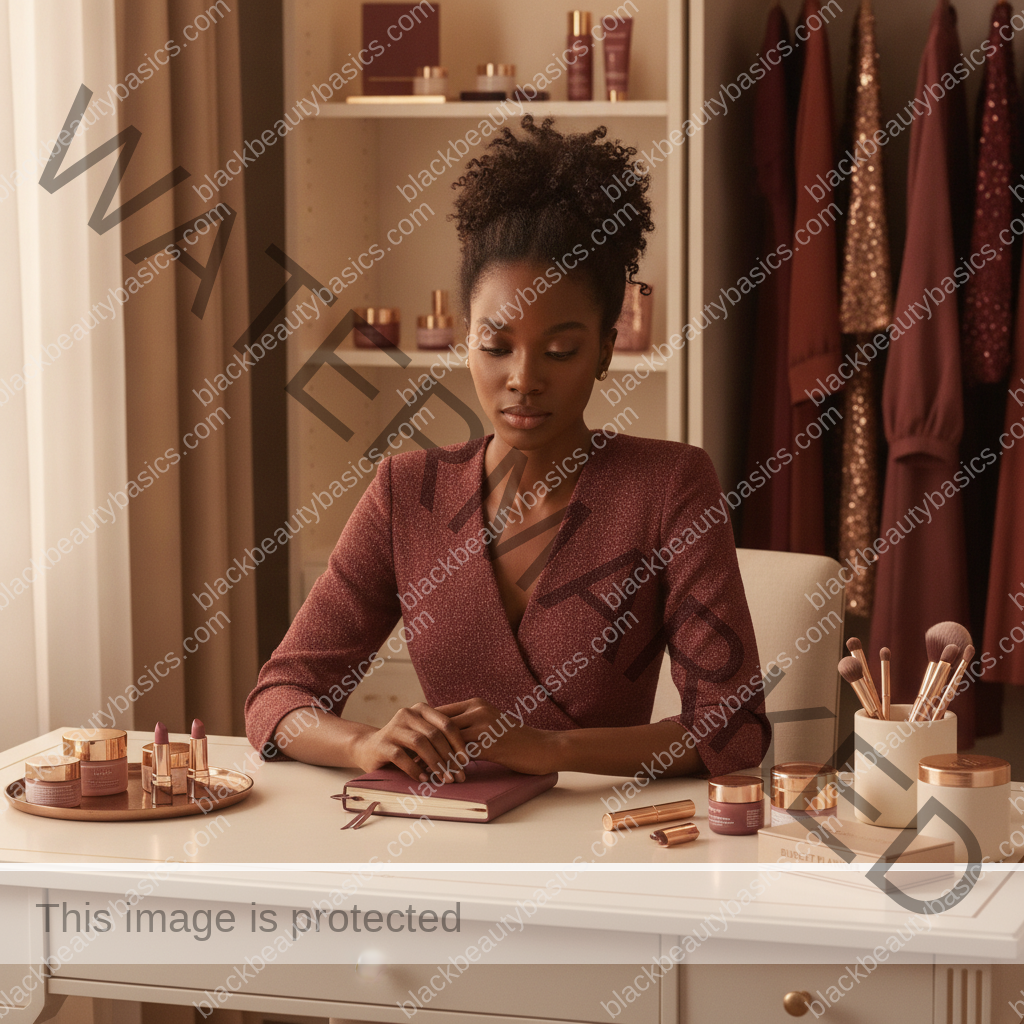
Embracing Your Power: Why Advocacy Matters in Luxury Beauty
The journey of self-care for Black women is deeply rooted in our history and our present. It’s an act of defiance, a declaration of worth, and a vital practice for holistic well-being. When we seek out prestige beauty services, we’re not just looking for products or treatments; we’re seeking an experience that honors our skin, our hair, and our spirit. Unfortunately, the beauty industry, despite its strides, still has blind spots when it comes to catering to the diverse needs and tones of Black women. This is where advocacy becomes not just a tool, but a necessity.
Advocacy in this context means ensuring your needs are met, your concerns are heard, and your beauty is understood and respected. It’s about empowering yourself to navigate these spaces with confidence, demanding the expertise and personalized attention you deserve. It’s about transforming potential frustrations into fulfilling self-care rituals.
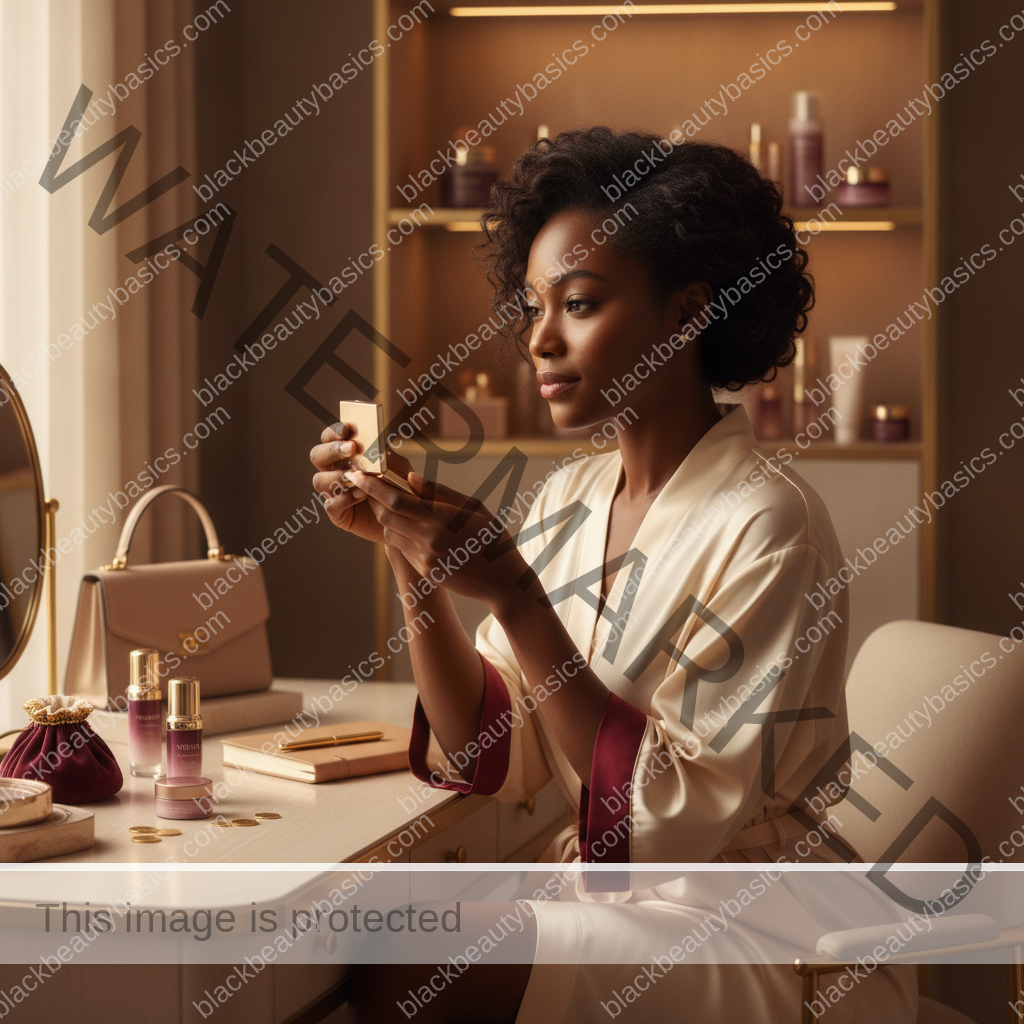
Understanding the Landscape: Prestige Beauty Counters vs. Luxury Spas
While both offer elevated beauty experiences, the dynamics of advocacy differ slightly between prestige beauty counters and luxury spas. Understanding these nuances is your first step toward mastering self-advocacy.
Prestige Beauty Counters: Navigating the Retail Experience
At a beauty counter, you’re often engaging with brand representatives whose primary goal is product education and sales. Their expertise is typically brand-specific. Your advocacy here revolves around demanding shade matching accuracy, product suitability for melanin-rich skin concerns, and respectful, knowledgeable service.
- The Challenge: Limited shade ranges, lack of understanding of hyperpigmentation or specific skin textures, and sometimes, implicit bias from staff.
- Your Power: Informed questions, clear communication of your needs, and the confidence to walk away if your expectations aren’t met.
Luxury Spas: Curating Your Wellness Journey
Spas offer services like facials, massages, and body treatments. Here, advocacy centers on ensuring therapists understand your skin type, any sensitivities, and specific concerns relevant to Black skin, such as post-inflammatory hyperpigmentation (PIH) or keloid scarring tendencies. It’s also about ensuring a truly relaxing and inclusive environment.
- The Challenge: Therapists unfamiliar with Black skin’s unique needs, use of products that may not be ideal, or a general lack of cultural sensitivity.
- Your Power: Pre-service consultations, explicit communication of concerns, and the right to request a different therapist or modify a treatment.
Pre-Visit Preparation: Arming Yourself with Knowledge
The most powerful form of advocacy begins before you even step foot into the establishment. Preparation is key to a seamless and satisfying experience.
Researching Brands and Services
Before you commit your time and resources, do your homework. Look for brands and spas that explicitly cater to or have a strong reputation for serving diverse clientele, particularly Black women.
- Online Reviews: Search for reviews that mention experiences of Black customers. Look for comments on shade matching, product efficacy on melanin-rich skin, and staff inclusivity.
- Brand Inclusivity Statements: Does the brand actively promote diversity in its marketing? Do they offer a wide range of shades and products formulated for various skin types and concerns common in Black skin?
- Spa Menus & Therapist Bios: Review the spa’s service menu. Do they offer treatments specifically addressing concerns like hyperpigmentation or sensitive skin? Some spas even list therapist specialties, which can be helpful.
Knowing Your Skin: Your Personal Dossier
You are the expert on your own skin. Understanding its unique characteristics and needs empowers you to articulate them clearly.
- Skin Type: Is your skin oily, dry, combination, or normal? Shop Skin Type Quizzes on Amazon
- Concerns: What are your primary concerns? Hyperpigmentation, acne, fine lines, sensitivity, dryness, uneven tone? Be specific.
- Allergies & Sensitivities: Crucial for both product and treatment safety. List any known allergies to ingredients (e.g., fragrance, specific botanicals) or sensitivities (e.g., easily irritated, prone to breakouts from certain oils).
- Current Routine: Be prepared to share your current skincare routine. This helps staff understand what your skin is accustomed to and what might be missing. Shop Skincare Routine Journals on Amazon
- Desired Outcomes: What do you hope to achieve from this product or service? Clearer skin? A radiant glow? Relaxation?
Preparing Your Questions
Having a list of questions ready ensures you cover all your bases and demonstrate your informed approach. This also helps gauge the staff’s knowledge and willingness to engage thoughtfully.
For Beauty Counters:
- “Do you have foundation shades specifically formulated for deeper skin tones with various undertones (red, gold, neutral)?”
- “Can you recommend products that address hyperpigmentation without causing irritation on melanin-rich skin?” Shop Hyperpigmentation Serums on Amazon
- “What ingredients in this product are beneficial for my skin type, and are there any I should be cautious of given my sensitivities?”
- “Can you swatch this product on my jawline and allow me to step into natural light to check the match?”
- “What is your return policy if this product doesn’t work out for me?”
For Spas:
- “Are your estheticians trained in treating melanin-rich skin, specifically concerns like hyperpigmentation or keloid scarring?”
- “What products do you use during facials, and are they suitable for sensitive, Black skin?” Shop Sensitive Skin Facial Products on Amazon
- “Can you describe the steps of this facial and explain how each step benefits my skin type?”
- “Do you offer patch tests for any new products or treatments before full application?”
- “What is your policy if I feel uncomfortable during a treatment or need to adjust something?”
During Your Visit: Asserting Your Needs with Grace and Confidence
This is where your preparation pays off. Approach every interaction with an air of confident expectation. Remember, you are a discerning client deserving of exceptional service.
At the Beauty Counter: Mastering the Consultation
Your interaction with a beauty advisor is a two-way street. Be clear, be firm, and don’t settle.
- Initiate the Conversation: Don’t wait to be asked. Start by stating your purpose: “I’m looking for a foundation that perfectly matches my undertones and addresses my hyperpigmentation concerns.”
- Be Specific About Your Needs: “I have combination skin, prone to hyperpigmentation, and I’m looking for a serum that brightens without irritation.”
- Demand Accurate Shade Matching: Insist on being matched in natural light. Ask for multiple options if the first isn’t right. Don’t be afraid to say, “That looks a little too ashy/red/orange for my skin. Do you have other options?” Shop Foundation Shade Finder Tools on Amazon
- Question Product Recommendations: “Why do you recommend this particular product for my skin type and concerns? What are the key ingredients, and how do they work?”
- Request Samples: Always ask for samples of foundations, concealers, and skincare products to test at home before committing to a full-size purchase. This is non-negotiable. Shop Empty Beauty Sample Jars on Amazon
- Trust Your Gut: If you feel rushed, unheard, or disrespected, politely end the interaction and seek assistance elsewhere or at a different counter.
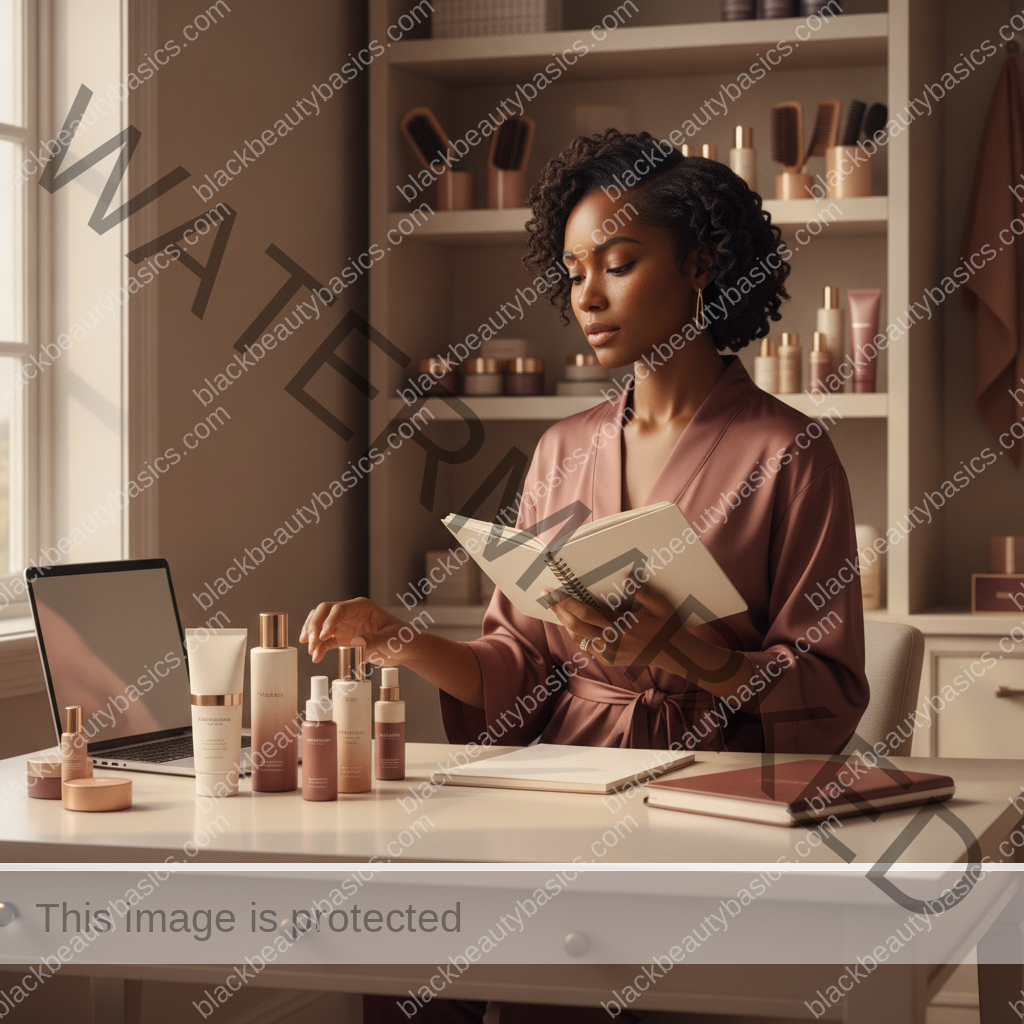
At the Spa: Ensuring a Personalized and Respectful Experience
A spa visit should be a sanctuary. Ensure your peace is not disturbed by inadequate service.
- The Consultation Form: Fill it out thoroughly. Be explicit about allergies, sensitivities, and skin concerns. Don’t assume the therapist will read between the lines.
- Pre-Treatment Discussion: Before the treatment begins, reiterate your concerns to the therapist. “Just to confirm, I mentioned on my form that I have sensitive skin prone to hyperpigmentation, so I’d like to avoid harsh exfoliants or anything with strong fragrance.”
- Ask About Products Used: “What products will you be using today, and are they suitable for my skin type?”
- Communicate During the Treatment: If anything feels uncomfortable (pressure, temperature, product sensation), speak up immediately. “Could you adjust the pressure here?” or “This product feels a bit tingly, is that normal for my skin type?”
- Set Boundaries: If you prefer silence, say so. If you have a preference for certain music or scents, politely request it if available.
- Post-Treatment Follow-Up: Ask for recommendations for at-home care. Ensure they are tailored to your skin and not generic suggestions.
Table: Advocating at Beauty Counters vs. Spas
| Aspect | Prestige Beauty Counters | Luxury Spas |
|---|---|---|
| Primary Goal | Accurate product matching & suitable recommendations | Personalized treatment & inclusive experience |
| Key Challenges | Shade range, ingredient knowledge for Black skin, sales pressure | Therapist training for Black skin, product suitability, cultural sensitivity |
| Pre-Visit Prep | Research brands, know your skin type & concerns, list questions for products | Research spa reputation, fill out consultation form thoroughly, list questions for treatments |
| During Visit Action | Insist on natural light for shade match, ask for samples, question recommendations, walk away if needed | Reiterate concerns to therapist, ask about products used, communicate discomfort, set boundaries |
| Empowering Phrase | “Can you show me options that truly match my undertone?” | “I need to ensure this treatment is safe and effective for my melanin-rich skin.” |
Post-Visit Reflection: Sustaining Your Standards
Your advocacy doesn’t end when you leave the store or spa. Your feedback is invaluable, not just for your future experiences, but for the wider Black beauty community.
Providing Constructive Feedback
Whether your experience was stellar or subpar, sharing your feedback helps shape the industry.
- Positive Experiences: If you received exceptional service, commend the staff member by name to their manager. This reinforces good behavior and encourages more inclusive practices.
- Negative Experiences: If your experience was unsatisfactory, consider providing constructive feedback.
- In-Store/Spa Management: Speak to a manager directly. Clearly articulate what went wrong and what you expected.
- Corporate Customer Service: Many brands and spa chains have dedicated customer service lines or email addresses. This can often lead to more impactful change.
- Online Reviews: Share your experience on platforms like Yelp, Google Reviews, or the brand’s own website. Be factual and detailed. Your review can guide other Black women.
Knowing When to Walk Away (and Where to Go Instead)
Your time and money are valuable. If a brand or establishment consistently fails to meet your needs or treat you with respect, it’s time to take your business elsewhere.
Seek Out Black-Owned Beauty Brands and Spas: This is perhaps the most powerful form of advocacy. Black-owned businesses are often founded precisely because of the unmet needs in the mainstream market. They inherently understand and cater to melanin-rich skin and hair with expertise and cultural sensitivity. Shop Black-Owned Skincare Brands on Amazon
Tip List: Empowering Phrases for Advocacy
Having the right words at your fingertips can make all the difference. Here are some phrases to use in various situations:
- When seeking a shade match: “I’m looking for a foundation that truly disappears into my skin, matching my undertone. Can we test this in natural light?”
- When a product is recommended without consideration for your skin: “I appreciate the suggestion, but I’m concerned about how [ingredient/texture] might affect my sensitive/acne-prone/hyperpigmentation-prone skin. Do you have an alternative that’s specifically formulated for those concerns?”
- When you feel rushed or unheard: “I’d like to take a moment to ensure we’re addressing all my concerns. Can we slow down and discuss [specific point]?”
- When a spa treatment feels uncomfortable: “I need to pause for a moment. This pressure/product is feeling a bit intense for me. Can we adjust it?”
- When you’re not seeing results from a sample: “I tried the sample, and unfortunately, it didn’t quite work for me. Can you help me explore other options that might be a better fit for [my concern]?”
- When providing feedback on an unsatisfactory experience: “I want to share my experience because I believe in the quality of your brand/spa, but my recent visit fell short of expectations due to [specific issue].”
- When advocating for a friend or family member: “My friend has a deeper skin tone, and we’re looking for products that truly cater to her unique needs. Can you recommend someone who specializes in that?”
FAQ: Your Advocacy Questions Answered
Q1: What if I feel intimidated by the staff at a prestige counter or spa?
A1: It’s completely normal to feel this way, but remember, you are the client, and your comfort is paramount. Reframe the interaction in your mind: you are not asking for a favor, but seeking a service you are paying for. Start by taking a deep breath. Use your prepared questions and phrases. If the intimidation persists, politely excuse yourself and seek assistance from another staff member, or visit a different location or brand. Your peace of mind is more valuable than any product.
Q2: How can I ensure a spa therapist understands my specific skin concerns as a Black woman, like hyperpigmentation?
A2: Be explicit and proactive. On your consultation form, write down “prone to post-inflammatory hyperpigmentation (PIH)” and emphasize your desire to avoid harsh exfoliants, excessive heat, or ingredients that could trigger it. During the pre-treatment discussion, reiterate this to your therapist. Ask them to confirm their understanding and outline how they will tailor the treatment to address this. Don’t hesitate to ask, “Are you experienced in treating melanin-rich skin and concerns like PIH?”
Q3: Is it rude to ask for samples, especially for expensive products?
A3: Absolutely not. Requesting samples, especially for foundation, concealer, and skincare, is standard practice at prestige beauty counters. It allows you to test the product in real-world conditions (different lighting, wear time, interaction with your existing routine) before making a significant investment. If a sales associate seems reluctant, politely explain that you want to ensure the product is the right fit for your unique skin before purchasing. It’s a smart consumer move, not a rude one. Shop Travel Size Skincare Containers on Amazon
Q4: What if I’m matched with a foundation shade that looks wrong, but the associate insists it’s correct?
A4: Trust your eyes, not theirs. Politely but firmly state, “I appreciate your expertise, but I’m not seeing the match I’m looking for. It appears [too warm/too cool/too light/too dark] on my skin. Could we try another shade, or perhaps a different formula?” Insist on stepping outside or to a window with natural light to verify. If they continue to push a shade you know is incorrect, thank them for their time and move on to another brand or counter. Your perfect match is out there.
Q5: How do I handle a situation where I feel discriminated against or disrespected?
A5: This is a serious concern and should be addressed. If you feel comfortable and safe, you can address the individual directly: “I feel that your comment/action was disrespectful, and it’s not the experience I expect here.” If you prefer not to confront, or if the behavior continues, immediately ask to speak with a manager. Clearly and calmly explain the situation. If you still feel unheard, escalate to corporate customer service or leave an online review detailing your experience. Documenting the incident (date, time, names if possible) can be helpful. Remember, you have every right to be treated with dignity and respect.
Q6: Should I specifically seek out Black estheticians or beauty advisors?
A6: While not a requirement for a good experience, seeking out Black estheticians or beauty advisors can often lead to a more inherently understanding and affirming interaction. They often possess firsthand knowledge and experience with melanin-rich skin, its nuances, and specific concerns. Many Black-owned spas and beauty businesses are founded on this very principle. If you have the option, and it makes you feel more comfortable and confident, absolutely seek them out. It’s about finding the best fit for your unique needs.
Q7: What if I have a skin condition like eczema or psoriasis? How do I advocate for that?
A7: Be very clear about your condition on any consultation forms and verbally to the staff. Explain any triggers, current treatments, and areas to avoid. For beauty counters, ask for hypoallergenic, fragrance-free, and non-comedogenic products. For spas, ensure the therapist understands the condition and can modify treatments (e.g., avoiding exfoliation on inflamed areas, using specific gentle products). Always prioritize your skin’s health over trying a new treatment. If they seem unsure, it’s best to consult with a dermatologist before proceeding. Shop Eczema-Friendly Skincare on Amazon
Your beauty journey, from the products you choose to the experiences you seek, should always be one of empowerment and joy. By embracing self-advocacy, you not only elevate your own self-care rituals but also contribute to a more inclusive and understanding beauty landscape for all Black women. Step into these spaces with your head held high, knowing your voice is a powerful instrument for change and celebration.
Why this deserves more than surface advice
For Black women, beauty is often asked to carry too much: workplace respectability, colorism, texturism, budget pressure, trend cycles, service gaps, and the quiet work of being understood. This guide focuses on advocating for yourself at prestige counters and spas when shade range, texture knowledge, dark-skin safety, and service quality are uneven. Start with the related BBB cluster guide if you want the wider map for this conversation.
The BBB position is clear: your skin tone, hair texture, budget, caregiving role, or refusal to chase every trend does not make you less polished, less beautiful, or less worthy of care. Beauty systems should work for your life, not punish you for having one.
A practical beauty philosophy can hold more than products. It can include boundaries, spending rules, workplace survival, cultural memory, pleasure, rest, and the right to say, “This does not fit me.” That is not opting out of beauty. It is refusing to let beauty be defined only by pressure.
What to notice before changing anything
- What expectation is shaping the decision: workplace pressure, trend pressure, budget pressure, or genuine care?
- Whether the product, service, or style respects deep skin, textured hair, and your actual needs.
- What you are hoping the purchase, routine, or style will solve emotionally.
- Which practices still support you and which ones ask you to shrink.
- What one boundary would make beauty feel more honest this season.
What to stop normalizing
Stop normalizing beauty advice that treats lighter skin, looser texture, expensive products, or constant polish as the default. Those standards are not neutral. They come from systems that often ask Black women to edit themselves before they are considered acceptable.
Stop buying from panic. A product can be popular and still not fit your undertone, scalp, curl pattern, sensitivity, budget, values, or schedule. Pausing before purchase is not deprivation. It is protection.
Stop accepting poor service in spaces that charge luxury prices but do not understand dark skin, textured hair, shade matching, scalp comfort, or respectful consultation. You are allowed to ask questions, ask for another option, or leave.
What to do next
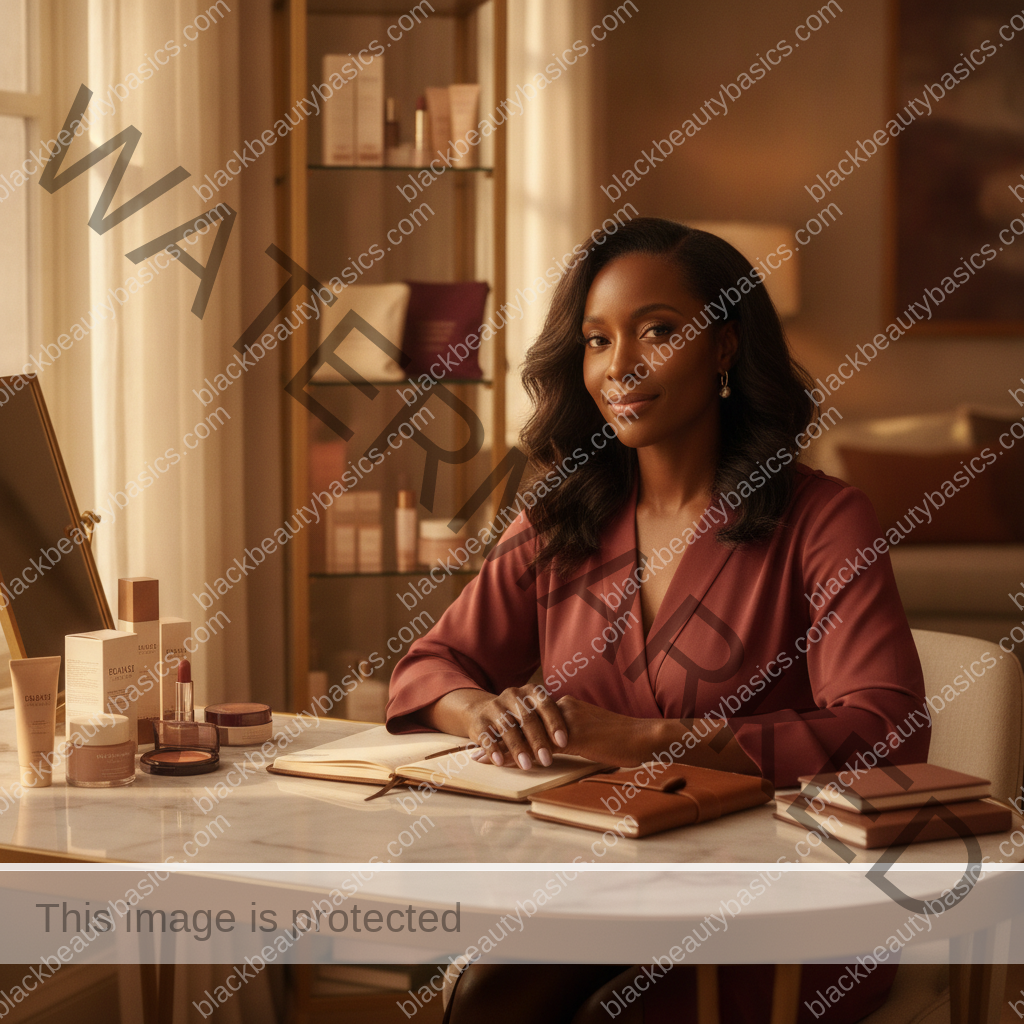
Choose one beauty pressure to name out loud: work polish, spending, trend chasing, texture respect, shade respect, service quality, or time. Then use the related guides below to keep this final cluster connected.
- Self-Care Rituals & Black-Owned Beauty
- The related BBB cluster guide
- luxury beauty narratives for Black women
- define luxury beauty on your own terms
- where to save and spend
- professional beauty pressure
How to make the decision feel like yours
A useful beauty decision usually starts with a question that has nothing to do with a trend: What do I need this to do for my real life? Maybe you need a style that survives a busy caregiving week. Maybe you need a foundation match that does not turn gray. Maybe you need to stop proving professionalism through hair choices that hurt.
Once you name the real need, the options get clearer. You can decide what deserves money, what can be drugstore, what needs professional help, what should wait, and what does not belong in your routine at all. That clarity is not boring. It is freeing.
You also get to keep beauty joyful. A budget does not mean beauty has to be joyless. A workplace does not get to define your whole identity. A trend does not get to override your face, scalp, skin, texture, schedule, or values.
Let this be the final reminder from the 200-post system: BBB beauty is not about chasing a standard that was never built with enough care. It is about building systems, rituals, routines, and language that let Black women be seen clearly and cared for well.
Related next steps
Related posts:
 Navigating Prestige Counters & Spas as a Black Woman
 Black-Owned Luxury & Prestige Beauty Brands to Build Rituals Around
 Drugstore, Mid-Range, and Prestige: Where to Save and Where to Spend
 Reframing “Treat Yourself” for Black Women: From Obligation to Intentional Luxury and Deep Care
 5-Minute Self-Care Journal for Women | Prioritize Yourself in Just Minutes
 Self-Love Journal for Teen Girls | Build Confidence & Embrace Yourself