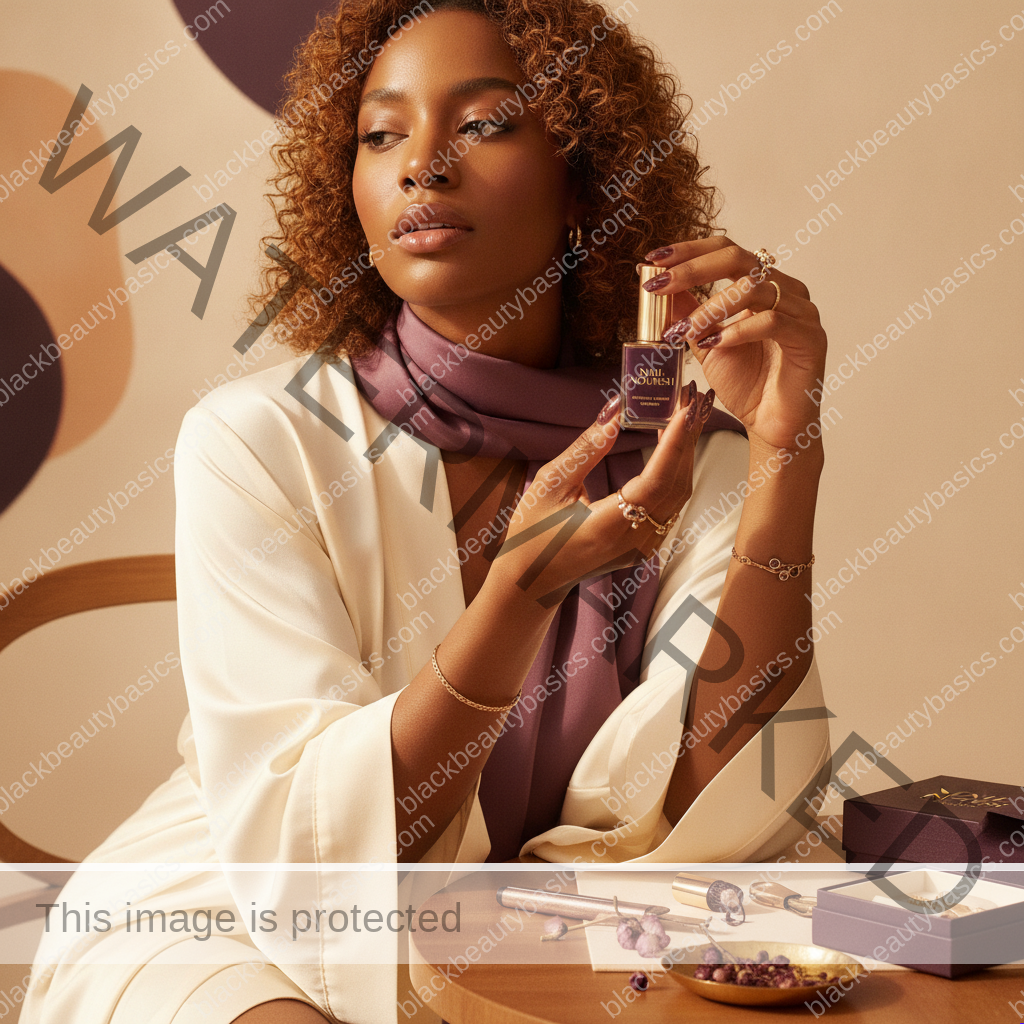
From the vibrant hues of a fresh manicure to the intricate designs of a sculpted enhancement, our nails tell a story. For Black women, this narrative is often deeply intertwined with self-expression, cultural pride, and an unwavering commitment to beauty that transcends trends. Our hands, adorned with artistry, become canvases reflecting our strength, creativity, and unique identities. But beneath the dazzling polish and captivating designs lies the foundation of it all: our natural nails. How do we ensure they remain healthy, resilient, and ready for their next masterpiece, especially when we love to experiment with bold nail art and protective enhancements? This comprehensive guide from Black Beauty Basics delves into the art of nurturing your natural nails while celebrating the boundless world of Black nail art and self-expression.
The Rich Tapestry of Black Nail Art: A Legacy of Expression
Black nail art is more than just a trend; it’s a vibrant continuation of a long-standing tradition of adornment and self-expression within the Black community. From ancient African civilizations using henna and natural dyes to modern-day intricate designs, our nails have always been a powerful medium for showcasing identity, status, and creativity. Today, Black nail artists are at the forefront of innovation, pushing boundaries with intricate patterns, bold colors, and revolutionary techniques that speak directly to our experiences and aesthetics.
Beyond the Basic Mani: The Spectrum of Black Nail Art
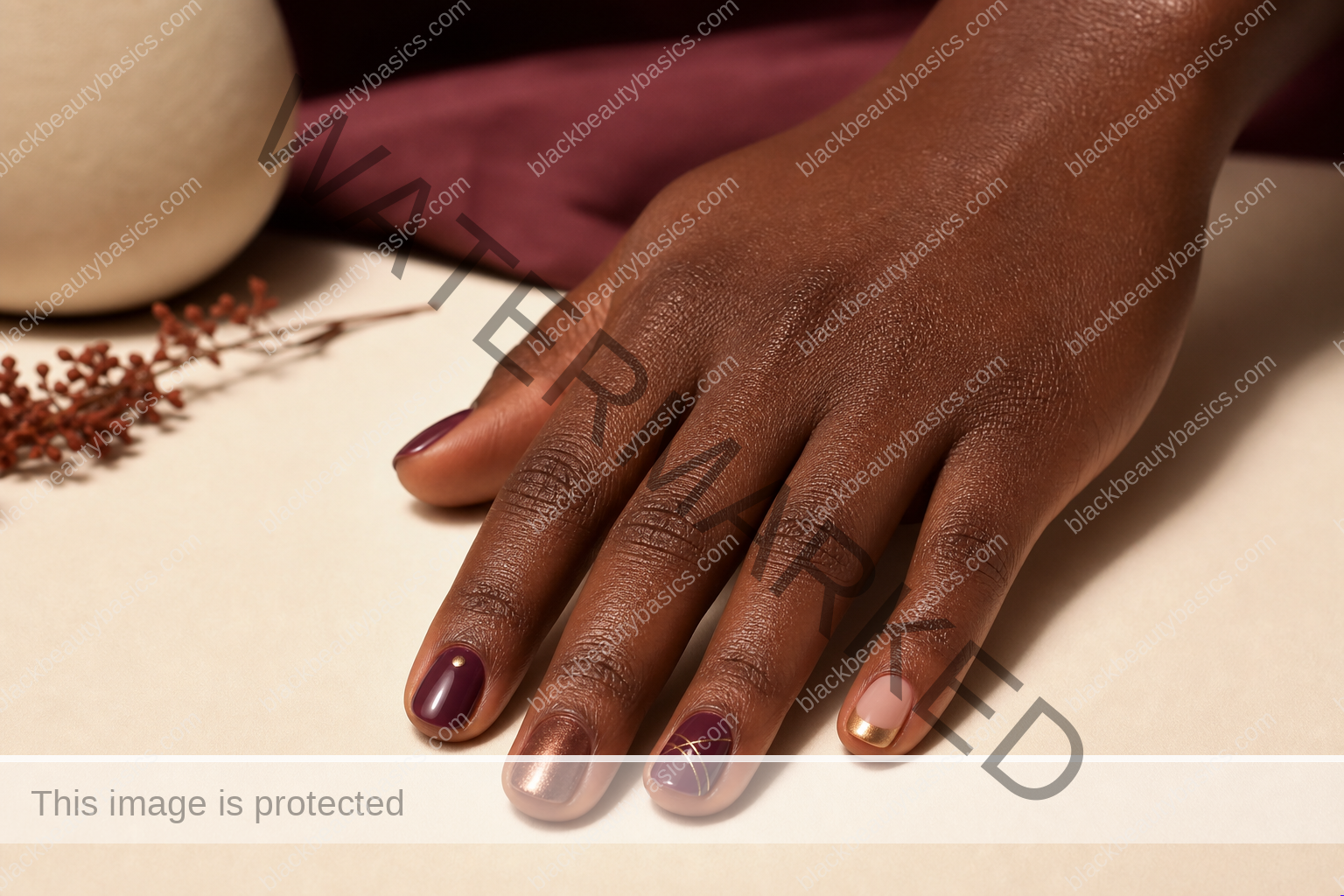
The beauty of Black nail art lies in its incredible diversity. It’s not a monolithic style but a rich tapestry woven from countless influences and individual expressions. Think about:
- Cultural Motifs: Incorporating Adinkra symbols, Ankara prints, or traditional tribal patterns that connect us to our heritage.
- Afrocentric Designs: Celebrating natural hair textures, melanin-rich skin tones, and iconic Black figures through intricate hand-painted designs.
- Bold Colors & Finishes: Embracing vibrant neons, deep jewel tones, and luxurious metallics that pop against our beautiful skin.
- Gemstone & Embellishment Work: Adorning nails with rhinestones, pearls, glitter, and charms for a truly regal and opulent look.
- Abstract & Geometric Art: Modern, edgy designs that showcase precision and contemporary flair.
- Storytelling Nails: Using nails as a canvas to depict personal narratives, social statements, or celebratory themes.
This boundless creativity, while visually stunning, often involves various products and techniques that can impact the health of our natural nails. Understanding how to care for them is paramount to maintaining both beauty and well-being.
The Foundation: Understanding Your Natural Nails
Before we dive into care routines, let’s understand what we’re working with. Your natural nail plate is composed of layers of keratin, a protein also found in your hair and skin. It grows from the nail matrix, located at the base of your nail under the cuticle. Healthy nails are typically smooth, strong, and have a consistent color. Factors like genetics, diet, hydration, and daily activities all play a role in their overall health.
Common Nail Concerns for Melanin-Rich Skin
While nail health principles are universal, some considerations might be more pertinent for Black women:
- Hyperpigmentation: Trauma to the nail bed (e.g., from aggressive filing or ill-fitting enhancements) can sometimes lead to post-inflammatory hyperpigmentation under or around the nail.
- Dryness & Brittleness: Our skin, and by extension our nails, can sometimes be prone to dryness. This can be exacerbated by harsh chemicals in polishes or removers, leading to brittle nails that are more susceptible to breakage.
- Cuticle Health: Dry or neglected cuticles can lead to hangnails, infections, and impede healthy nail growth.
- Fungal Infections: While not exclusive, improper application or removal of enhancements, especially in humid environments, can create conditions ripe for fungal growth.
The Art of Preparation: Laying the Groundwork for Healthy Nails
A beautiful manicure starts with a healthy foundation. Proper preparation is key, whether you’re applying polish yourself or heading to a salon.
Step-by-Step Natural Nail Prep
- Gentle Cleaning: Start by washing your hands with a mild soap. Remove any old polish with an acetone-free nail polish remover. explore Acetone-Free Nail Polish Remover on Amazon
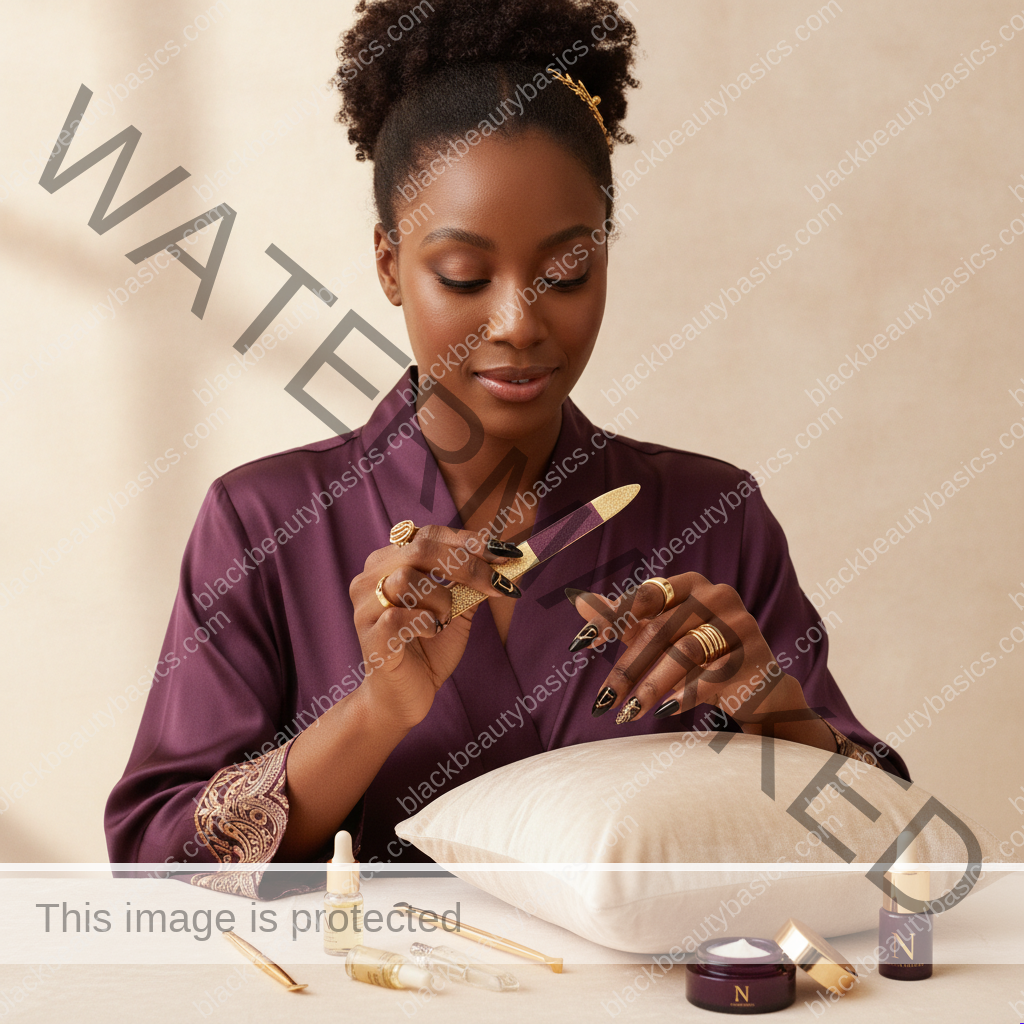
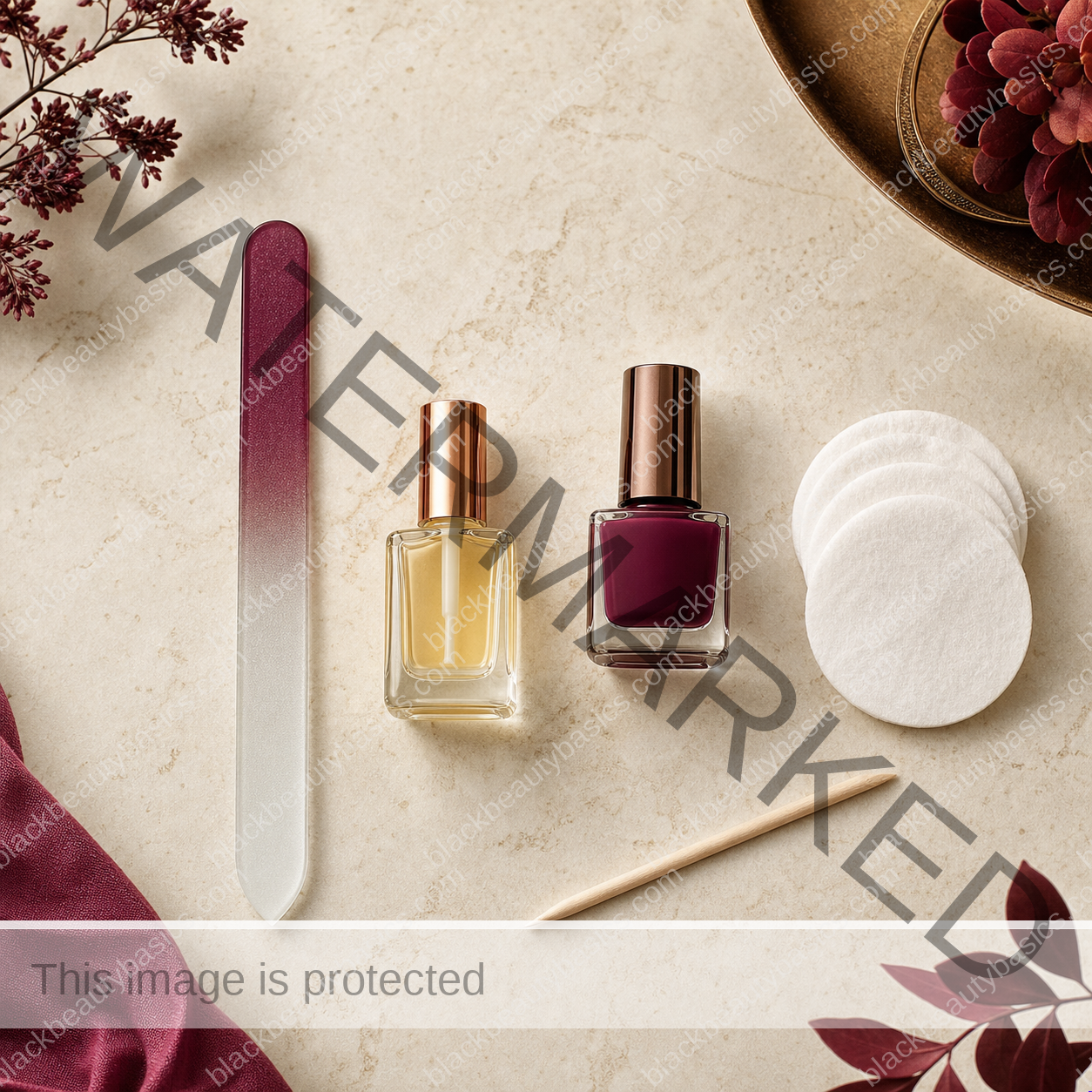
- Shaping & Filing: File your nails in one direction to prevent splitting. Opt for a shape that complements your finger length and lifestyle. Avoid metal files, which can be too harsh. explore Glass Nail Files on Amazon
- Cuticle Care: Gently push back cuticles using a wooden or rubber cuticle pusher after softening them with a cuticle remover. Never cut your cuticles, as they protect your nail matrix from infection. explore Cuticle Remover on Amazon
- Buffing (Sparingly): Lightly buff the nail surface to smooth out ridges and create an even canvas. Avoid over-buffing, which can thin the nail plate.
- Dehydration: Before applying any polish or base coat, wipe your nails with rubbing alcohol or a nail dehydrator to remove any oils and ensure better adhesion.
Caring for Natural Nails Under Polish: The Everyday Ritual
For those who love a classic polish, gel, or dip powder manicure, consistent care is essential to prevent damage and maintain nail integrity.
The Power of a Good Base and Top Coat
These aren’t optional; they are non-negotiable guardians for your nails.
- Base Coat: Creates a protective barrier between your nail plate and the polish, preventing staining (especially with dark colors) and promoting better adhesion, which extends the life of your manicure. Look for strengthening or ridge-filling base coats if you have specific concerns.
- Top Coat: Seals in your polish, adds shine, and protects against chips and scratches. A good top coat can significantly prolong the vibrancy and longevity of your nail art.
`n
Hydration is Key: Moisturizing for Nail Health
Just like our skin, our nails and cuticles thrive on moisture. This is perhaps the most overlooked yet crucial step in natural nail care.
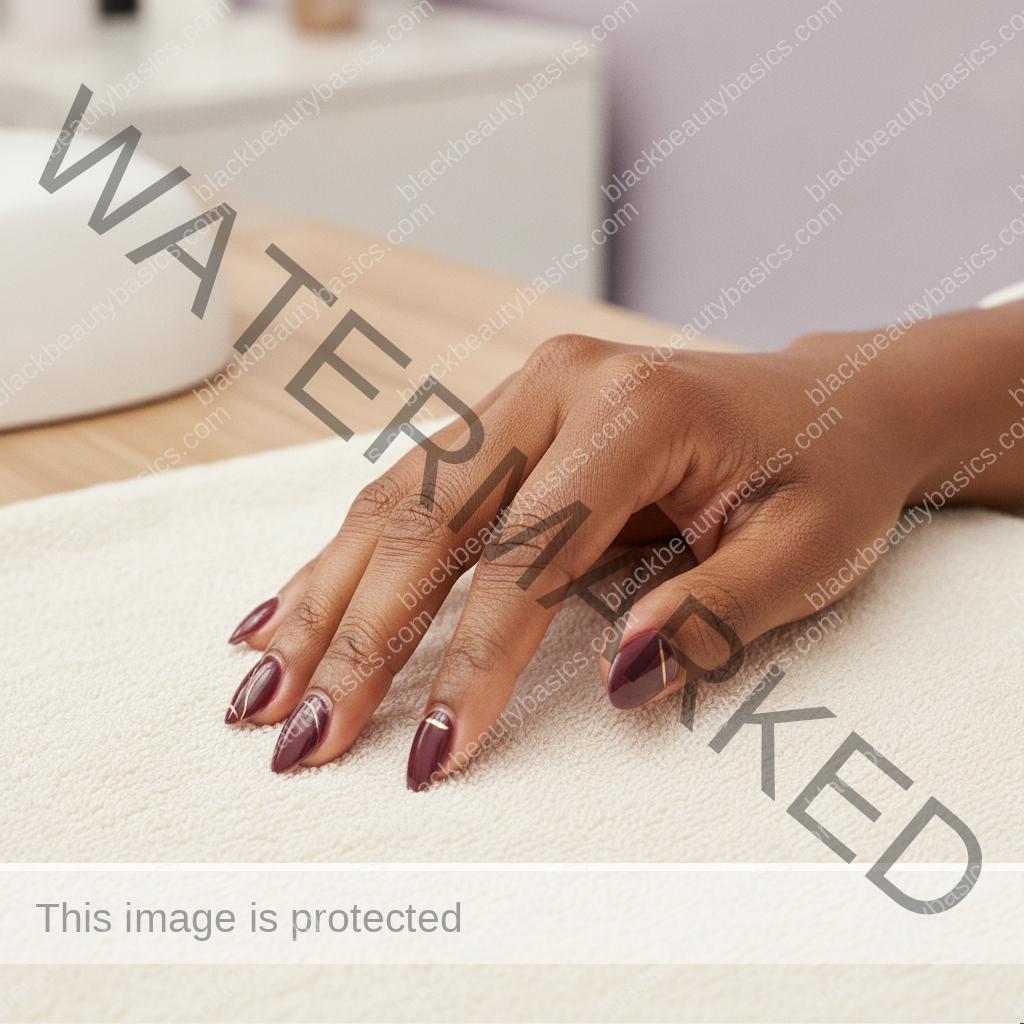
- Cuticle Oil: A daily application of cuticle oil keeps the cuticles soft, prevents hangnails, and nourishes the nail matrix, promoting healthy growth. Massage it in gently.
- Hand Cream: Regular use of a rich hand cream, especially after washing hands, helps to keep the skin around your nails supple and hydrated.
Smart Polish Removal
The way you remove polish is just as important as how you apply it.
- Acetone vs. Non-Acetone: While non-acetone removers are gentler, they often struggle with glitter or gel polishes. For gel, a proper soak-off method with acetone is usually necessary. When using acetone, opt for formulas enriched with conditioning agents.
- Gentle Technique: Soak a cotton pad and hold it on your nail for a few seconds to allow the polish to dissolve before gently wiping. Avoid aggressive scrubbing.
Navigating Enhancements: Acrylics, Gels, and Dip Powders
Enhancements offer incredible versatility for nail art, providing a strong, durable canvas for elaborate designs. However, they require diligent care to protect your natural nails underneath.
The Science Behind Enhancements and Your Natural Nail
Each enhancement type works differently:
- Acrylics: A mixture of liquid monomer and powdered polymer creates a hard protective layer. They are known for their strength and durability.
- Hard Gels: Applied as a gel and cured under a UV/LED light, hard gels are strong and non-porous. They must be filed off.
- Soft Gels (Gel Polish): Also cured under UV/LED, these are more flexible and can be soaked off.
- Dip Powder (SNS, etc.): Nails are prepped, a base coat is applied, and then the nail is dipped into a colored powder. This process is repeated, and then a sealant is applied.
The common thread is that they all adhere to your natural nail, and improper application or removal can cause significant damage.
Key Strategies for Protecting Natural Nails Under Enhancements
- Choose a Reputable Nail Technician: This is paramount. A skilled technician will prioritize your nail health, use quality products, and apply/remove enhancements correctly. Look for certifications and read reviews.
- Avoid Aggressive Filing: Over-filing the natural nail before application can thin it, making it weak and prone to damage.
- Proper Application: Ensure the technician doesn’t flood your cuticles, which can lead to lifting and potential infections.
- Timely Fills & Removals: Don’t leave enhancements on for too long. As your natural nail grows, the enhancement shifts, creating stress points that can cause breakage or lifting. Follow your technician’s advice for fills (typically every 2-3 weeks) and full removals.
- NEVER Peel or Pick: This is the cardinal sin of nail care under enhancements. Peeling off gel or acrylic rips off layers of your natural nail, leading to severe thinning and damage.
- Professional Removal: Always have enhancements professionally removed. For soak-off gels, this involves soaking in acetone for an adequate amount of time, followed by gentle pushing to remove the softened product. For hard gels and acrylics, it involves careful filing.
- Post-Removal Care: After removal, your nails will likely feel softer and thinner. This is normal. Immediately begin an intensive hydration routine with cuticle oil and strengthening treatments. Give your nails a “breather” between enhancement applications.
Table: Pros and Cons of Popular Nail Enhancements for Natural Nail Health
| Enhancement Type | Pros for Natural Nails | Cons for Natural Nails | Care Tips |
|---|---|---|---|
| Gel Polish (Soft Gel) | Adds a protective layer, can strengthen weak nails, soak-off removal is less damaging than filing. | Requires UV/LED light exposure, improper removal (peeling) is very damaging. | Always get professional removal; use sunscreen on hands or fingerless gloves during curing. |
| Dip Powder | Often feels lighter than acrylics, no UV/LED light needed for application, can add strength. | Can be bulky, improper removal (peeling/forceful filing) is damaging, sanitation concerns if dipping directly into shared powder. | Ensure technician pours powder over nail or uses individual pots; professional soak-off removal is crucial. |
| Acrylics | Very strong and durable, excellent for extending length and creating intricate shapes, long-lasting. | Can be rigid and heavy, improper application/filing can thin natural nail, strong fumes. | Choose a highly skilled technician; never pick or bite; prioritize professional fills and removals. |
| Hard Gel | Strong and flexible, provides a natural look, no odor. | Must be filed off, which can be damaging if done incorrectly; requires UV/LED light. | Requires a highly skilled technician for both application and removal; avoid over-filing. |
Nourishment from Within: Diet and Supplements for Stronger Nails
True beauty, and true nail health, radiates from the inside out. What you consume plays a significant role in the strength and growth of your nails.
Essential Nutrients for Nail Health
- Biotin (Vitamin B7): Widely recognized for its role in strengthening hair and nails. Found in eggs, nuts, whole grains, and salmon.
- Protein: Nails are made of keratin, a protein. Ensure adequate protein intake from lean meats, fish, beans, and legumes.
- Iron: Iron deficiency can lead to brittle or spoon-shaped nails. Rich sources include red meat, spinach, and lentils.
- Zinc: Important for cell growth and division, which includes nail growth. Found in oysters, beef, pumpkin seeds, and cashews.
- Vitamin C: Essential for collagen production, which contributes to nail strength. Citrus fruits, berries, and bell peppers are excellent sources.
- Omega-3 Fatty Acids: Help keep nails moisturized and prevent brittleness. Found in fatty fish, flaxseeds, and walnuts.
Always consult with a healthcare professional before starting any new supplement regimen.
Daily Habits for Long-Term Nail Health
Beyond specific treatments, consistent daily habits make a world of difference.
- Wear Gloves: Protect your hands and nails from harsh chemicals when cleaning, washing dishes, or gardening.
- Avoid Using Nails as Tools: Don’t use your nails to open cans, scrape labels, or pry things open. This puts unnecessary stress on the nail plate.
- Stay Hydrated: Drinking plenty of water benefits your entire body, including your nails.
- Regular Breaks: If you frequently wear polish or enhancements, consider giving your nails a “breather” period every few months. During this time, focus on intensive moisturizing and strengthening treatments.
- Address Issues Promptly: Don’t ignore nail problems like discoloration, pain, or persistent lifting. Consult a dermatologist or podiatrist if you suspect a fungal infection or other medical condition.
Spotlight on Black-Owned Nail Care Brands
Supporting Black-owned businesses is not just a trend; it’s an investment in our community and a celebration of innovation. Many incredible Black-owned brands are creating high-quality, nourishing nail care products that cater to our unique needs and aesthetic sensibilities.
Here are a few types of products to look for and support:
- Nail Lacquers: Explore vibrant, chip-resistant polishes in shades that beautifully complement melanin-rich skin. Look for “5-free” or “7-free” formulas to minimize exposure to harsh chemicals.
- Cuticle Oils & Balms: Seek out nourishing blends featuring natural ingredients like jojoba, almond, and vitamin E oils to keep cuticles soft and healthy.
- Hand & Nail Creams: Discover luxurious, deeply moisturizing creams designed to hydrate and protect both your hands and nails.
- Nail Strengtheners & Treatments: Invest in treatments formulated to fortify weak, brittle nails and promote healthy growth.
By choosing these brands, you’re not only getting exceptional products but also contributing to the economic empowerment and visibility of Black entrepreneurs in the beauty industry.
FAQ: Your Most Pressing Nail Care Questions Answered
Q1: How often should I take a break from gel polish or acrylics?
A1: While there’s no universally agreed-upon “rule,” many nail technicians and dermatologists recommend taking a break every 2-3 months for at least 1-2 weeks. This allows your natural nails to rehydrate, repair, and breathe. During this period, focus on intensive moisturizing with cuticle oil and a good nail strengthener. Observe your nails for any signs of damage or thinning. If they appear healthy and strong, you can resume your enhancements. If they are weak or brittle, extend your break and continue with restorative treatments.
Q2: My nails are peeling and brittle after removing enhancements. What should I do?
A2: This is a common issue, often due to improper removal or prolonged wear. The first step is to resist the urge to peel or pick further. Keep your nails trimmed short to prevent snagging and further damage. Immediately start an intensive repair routine: apply cuticle oil multiple times a day, use a high-quality nail strengthener, and moisturize your hands regularly. Avoid harsh chemicals and wear gloves when cleaning. Consider a biotin supplement after consulting your doctor. Patience is key; it can take several weeks or even months for damaged nails to fully grow out and recover.
Q3: Is UV light from gel manicures dangerous?
A3: The scientific community has varying opinions on the long-term risks of UV exposure from nail lamps. While the exposure is intermittent and relatively low compared to direct sun exposure, some studies suggest a potential, albeit small, risk of skin damage or premature aging. To minimize any potential risk, you can apply broad-spectrum sunscreen to your hands before your gel manicure or wear fingerless UV-protective gloves. Many salons are also transitioning to LED lamps, which cure gels faster and typically emit a different spectrum of light, though they are not entirely UV-free.
Q4: How can I prevent my dark nail polish from staining my natural nails?
A4: The secret weapon against staining is a good quality base coat. A clear base coat creates a protective barrier between your nail plate and the pigment in the polish, preventing direct contact and absorption. Ensure your base coat fully dries before applying your colored polish. For stubborn stains that might still occur, gently buffing the nail surface (sparingly) or using a lemon juice and baking soda paste can help, but prevention with a base coat is always the best approach.
Q5: What’s the difference between a nail strengthener and a nail hardener?
A5: While often used interchangeably, there’s a subtle but important difference. A nail strengthener typically contains ingredients like keratin, biotin, or vitamins that aim to improve the overall health and flexibility of the nail, making it less prone to breakage. It nourishes the nail. A nail hardener, on the other hand, often contains ingredients like formaldehyde or nylon that create a rigid, protective layer on the nail surface. While it makes nails feel harder, it can sometimes make them more brittle and prone to snapping if overused. For most people, especially those with naturally dry or brittle nails, a strengthener that promotes flexibility is often a better choice than a hardener that might increase rigidity.
Q6: Can I do my own gel or dip powder nails at home?
A6: While at-home gel and dip powder kits are readily available, professional application is generally recommended, especially for beginners. Improper application can lead to lifting, which traps moisture and can cause fungal infections. Incorrect removal, particularly peeling or aggressive filing, is a significant cause of natural nail damage. If you choose to do it at home, invest in high-quality products, meticulously follow all instructions, and prioritize gentle, proper removal techniques. Consider watching reputable online tutorials from licensed nail technicians for guidance.
Q7: My cuticles are always dry and cracked. What’s the best way to care for them?
A7: Dry, cracked cuticles are often a sign of dehydration and lack of protection. The most effective solution is consistent, daily moisturizing. Apply a high-quality cuticle oil or balm multiple times a day, especially after washing your hands and before bed. Massage it into your cuticles and the skin around your nails. Avoid cutting your cuticles, as this can lead to infection and further dryness. Instead, gently push them back after a shower or after applying a cuticle remover. Wear gloves when doing household chores to protect them from harsh chemicals and excessive water exposure.
Protect the Natural Nail Beneath the Design
Nail art can be joyful, political, elegant, playful, or simply the detail that makes you feel finished. The design and the health of the natural nail do not have to compete. The protective work happens before application, during removal, and in the quiet days between appointments. Keep the nail plate clean and dry before polish or enhancements, and avoid aggressive filing that leaves the surface thin or tender.
At a salon, notice sanitation before color selection. Reusable metal tools should be properly disinfected, while porous files and buffers should be new or assigned only to you. Cuticles are living protection around the nail. They can be softened and tidied, but deep cutting creates openings for irritation and infection. Speak up if a drill feels hot, a product burns, or a technician keeps working through pain.
Plan Removal Before Application
Peeling off gel, acrylic, or press-on adhesive can lift layers of the natural nail. Decide how you will remove the set before you commit to it. Give yourself enough time, use the method appropriate to the product, and stop if the nail becomes painful. After removal, keep the routine simple: gentle filing, cuticle oil, hand cream, and protection from repeated water exposure when practical.
When to Pause Enhancements
Discoloration, separation from the nail bed, swelling, drainage, persistent pain, or a changing dark streak deserves attention rather than another coat of polish. Remove cosmetic coverage when it is safe to do so and seek a qualified clinician for concerning changes. Darker skin can also show inflammation differently, so trust discomfort and change even when redness is not obvious.
What to Do Next
For your next set, choose the design and one nail-health boundary together. That may be no cuticle cutting, a shorter length, a scheduled removal date, or a break after two consecutive sets. Photograph the natural nails before application so you have a baseline. Creativity should leave you feeling expressed, not trapped in a cycle of hiding damage.
Place nail care inside the broader Self-Care Rituals and Black-Owned Beauty system. For a more intentional beauty collection, continue with curating a beauty wardrobe and where to save and spend in beauty.
At-Home Care Between Appointments
Keep nails at a length that fits your work, caregiving, exercise, and daily tasks. File small snags before they become larger tears. Apply cuticle oil or a simple moisturizer around the nail folds, especially after frequent handwashing. Gloves can reduce repeated water and cleaning-product exposure, but they should be comfortable and dry inside.
If polish chips, decide whether a small repair still looks clean or whether removal is kinder to the nail. Avoid layering coat after coat over lifting product. The goal is not to keep every set looking untouched forever. It is to enjoy the art while staying able to see and care for the natural nail.
Use Nail Art as Expression, Not Obligation
You never have to keep enhancements on because bare nails feel unfinished. A clean, moisturized natural nail is a complete look. Rotate elaborate sets, simple polish, and bare-nail weeks according to your time and comfort. The art should expand your choices, not make you anxious about being seen without it.
Before the next appointment, write down any tenderness, lifting, or product reaction from the last set. Sharing that history helps you and the technician choose a gentler length, prep method, adhesive, or removal plan.
The Grand Finale: Adornment with Intention
Our nails are more than just an accessory; they are a canvas for our stories, our heritage, and our ever-evolving sense of self. For the Black woman, nail art is a powerful declaration of presence, style, and cultural pride. By embracing a holistic approach to natural nail care – from diligent daily routines and mindful product choices to nourishing our bodies from within – we ensure that our foundation remains as strong and radiant as the artistry we choose to adorn it with. Let your nails be a testament to your unwavering commitment to self-care, self-expression, and the beautiful legacy of Black beauty. Continue to explore, create, and celebrate your unique nail journey with confidence and grace.
Ready to elevate your nail care routine and explore stunning Black nail art? and let your self-expression shine!
Related next steps
Related posts:
 Self-Love Journal for Women: Boost Confidence, Self-Worth, and Self-Care
 Self-Love Workbook for Women | Release Self-Doubt & Embrace Your True Self
 Mastering the Art of Natural Hair Prep: Your Ultimate Guide to Protective Styles Without Breakage
 How to Safely Color Natural Hair Without Causing Damage
 Repairing Heat Damage in Natural Hair: What’s Possible and What Isn’t
 The Art of Layering Skincare Products for Maximum Benefits in Black Women