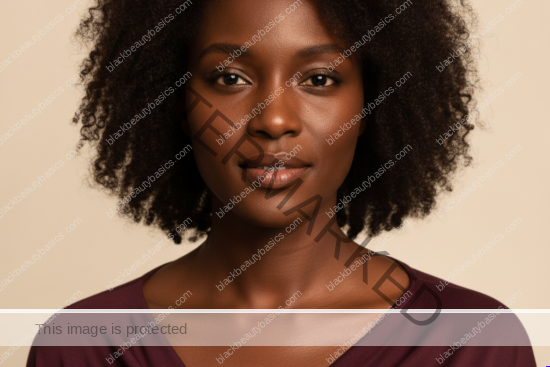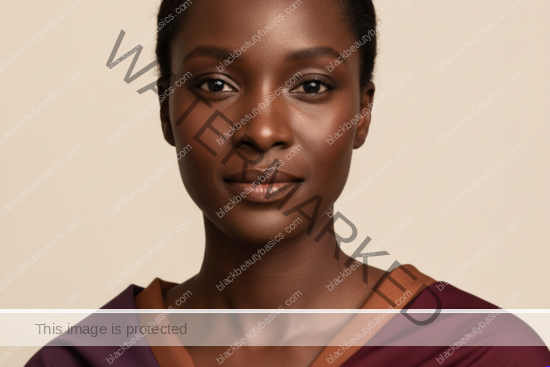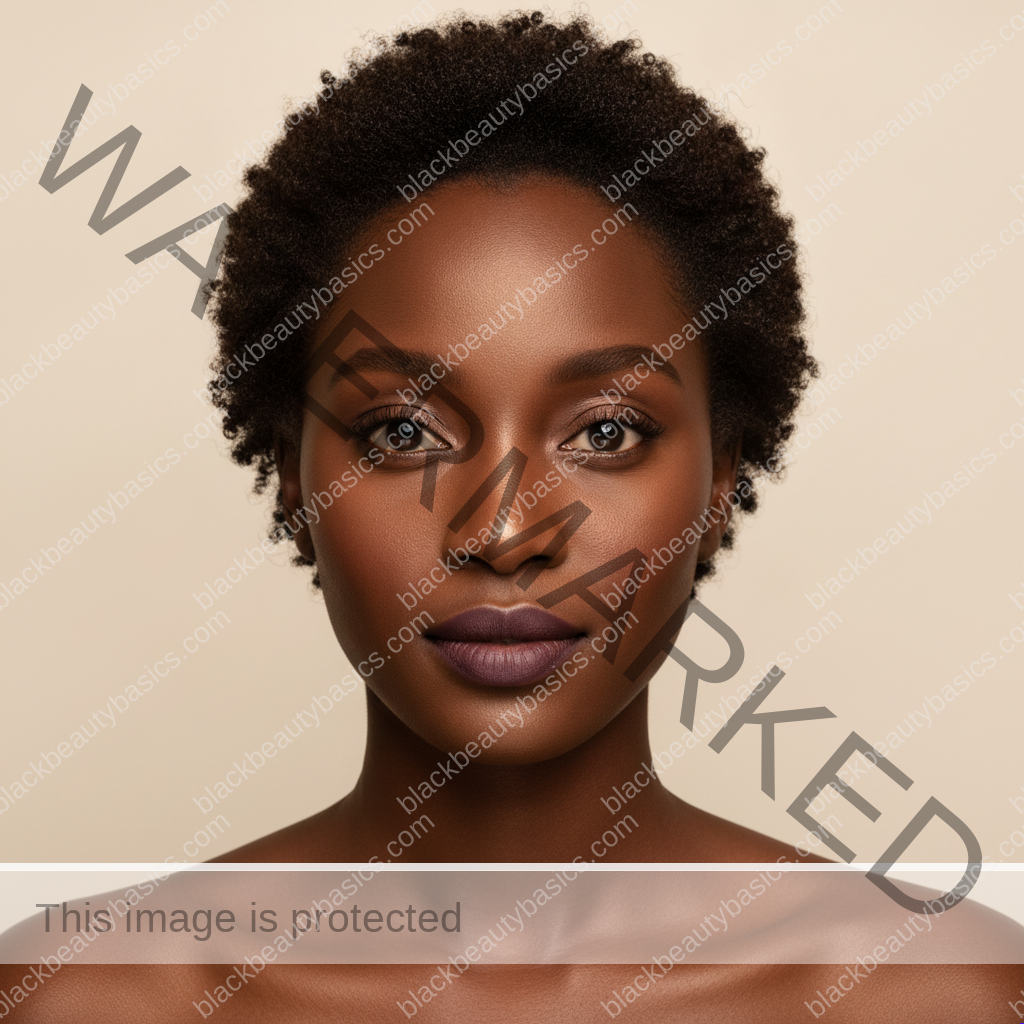
In the vibrant tapestry of Black beauty, every detail is an opportunity to celebrate our unique radiance. From the deepest hues of our skin to the rich textures of our hair, our aesthetic is a testament to natural grandeur. Yet, when it comes to enhancing our eyes, a seemingly simple product like mascara can often feel like a quest for the perfect fit. For far too long, the beauty industry has offered a one-size-fits-all approach, leaving many Black women to navigate a sea of formulas that don’t quite deliver the definition, volume, curl, or comfortable wear our lashes deserve. But no more. Welcome to your definitive guide to finding the mascara that doesn’t just coat your lashes, but truly elevates them, honoring the strength and beauty of your gaze.
The Undeniable Power of Mascara for Black Women
Mascara is more than just a cosmetic; it’s a statement. It frames the windows to our souls, adding depth, intensity, and allure. For Black women, with our diverse lash types—from naturally voluminous to subtly sparse, from beautifully curled to luxuriously long—the right mascara can transform our entire look. It can open up the eyes, making them appear brighter and more awake, or add a touch of drama for an evening out. The key lies in understanding what our lashes need and how to choose a formula that addresses those specific desires without compromising on comfort or wearability.
Why Our Lashes Deserve Special Consideration
Our lashes, much like our hair, possess unique characteristics. They can be fine, coarse, straight, or naturally curled. The pigment in our lashes, often a rich, deep black, means that some mascaras might not provide the desired intensity or definition. Furthermore, sensitivity to certain ingredients can be a concern, making comfortable wear paramount. This guide is crafted with these nuances in mind, ensuring that your mascara choice enhances, rather than detracts from, your natural beauty.
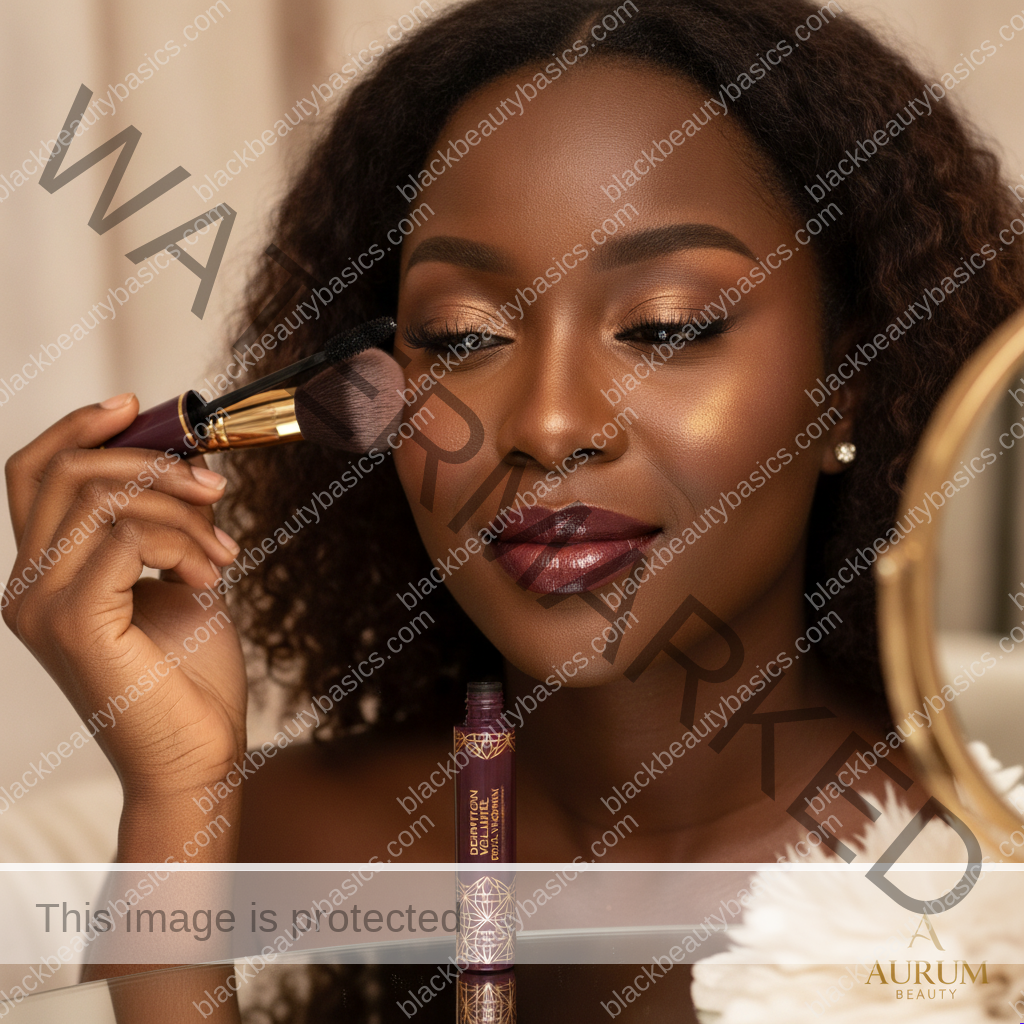
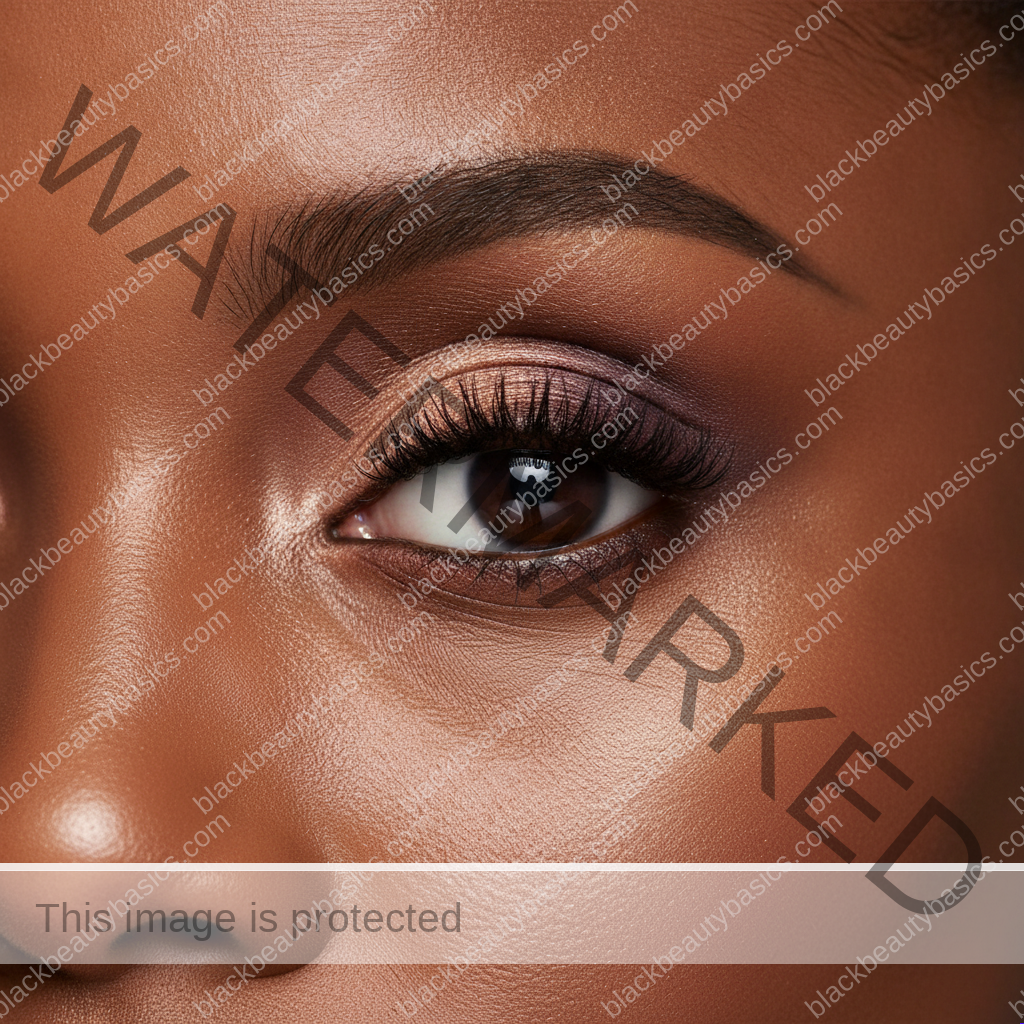
Decoding Your Lash Desires: Definition, Volume, Curl, and Wear
Before diving into product recommendations, let’s identify what you truly seek in a mascara. Do you crave lashes that are individually separated and strikingly defined? Or perhaps a plush, full-bodied look that adds dramatic volume? Is a gravity-defying curl your ultimate goal? And above all, do you demand a formula that feels weightless and lasts all day without flaking or smudging?
The Quest for Definition: Lashes That Stand Apart
Defined lashes are about separation and length, creating a fanned-out effect that makes each lash visible and distinct. This look is elegant, polished, and perfect for everyday wear or when you want your eyes to look naturally enhanced. Often, mascaras designed for definition feature finely bristled brushes that comb through lashes, coating each one evenly from root to tip.
- What to look for: Long, slender wands with densely packed, short bristles. Formulas that are lightweight and buildable.
- Ingredients to note: Polymers that create a thin, even coat without clumping.
explore Defining Mascara on Amazon
Embracing Volume: Fullness and Drama
Volume is about creating the illusion of more lashes, making them appear thicker and denser. This is often achieved through formulas that contain waxes, fibers, or thickening agents, applied with brushes designed to deposit a significant amount of product. Volumizing mascaras are perfect for a more dramatic look, ideal for evenings or when you want your eyes to truly pop.
- What to look for: Thicker, often hourglass-shaped brushes with more widely spaced bristles. Formulas rich in waxes, fibers, or collagen.
- Ingredients to note: Beeswax, carnauba wax, synthetic fibers (nylon, rayon), collagen.
explore Volumizing Mascara on Amazon
Achieving Curl: Lifting Our Gaze
For those with naturally straight lashes, or who simply desire an extra lift, curling mascaras are a game-changer. These formulas often contain film-forming polymers that help to hold a curl once it’s created (often with the aid of an eyelash curler). The right curling mascara can make your eyes appear more open and awake, defying gravity with every blink.
- What to look for: Curved brushes that help to lift and shape lashes. Lightweight, quick-drying formulas that set the curl.
- Ingredients to note: Film-forming polymers like acrylates copolymer, PVP.
explore Curling Mascara on Amazon
The Essential Factor: Comfortable Wear
No matter how stunning a mascara makes your lashes look, if it flakes, smudges, irritates your eyes, or feels heavy, it’s not the right fit. Comfortable wear is non-negotiable, especially for those with sensitive eyes or contact lens wearers. This means seeking out formulas that are ophthalmologist-tested, hypoallergenic, and designed for long-lasting, smudge-proof performance.
- What to look for: Hypoallergenic, ophthalmologist-tested formulas. Smudge-proof and flake-resistant claims. Easy removal options (e.g., warm water removable).
- Ingredients to note: Avoid harsh chemicals, fragrances, and certain preservatives if you have sensitivities. Consider tubing mascaras for ultimate smudge-proof wear.
The Art of Application: Maximizing Your Mascara’s Potential
Even the best mascara can fall short without proper application. Here are some techniques to ensure your lashes reach their full potential:
Prepping Your Lashes
- Clean Canvas: Always start with clean, dry lashes. Any residual makeup or oil can prevent mascara from adhering properly.
- Eyelash Curler (Optional but Recommended): For an extra lift, gently curl your lashes at the base, middle, and tips before applying mascara. Hold for a few seconds at each point.
- Primer (For Extra Oomph): A lash primer can add an extra layer of volume, length, and help mascara adhere better, leading to longer wear.
Applying Your Mascara Like a Pro
- Wipe Excess: Before applying, gently wipe any excess product from the wand onto the rim of the tube or a tissue. This prevents clumping.
- Wiggle and Lift: Place the wand at the base of your upper lashes and wiggle it back and forth as you sweep upwards towards the tips. This technique ensures maximum product deposition at the root, giving the illusion of thicker lashes and better curl hold.
- Lower Lashes: For lower lashes, use the tip of the wand or hold it vertically to lightly coat them, avoiding a heavy, clumpy look.
- Layering (If Desired): For more drama, apply a second or even third coat while the first is still slightly wet. If it dries completely, you risk clumping.
- Comb Through: If clumps occur, use a clean spoolie or lash comb to gently separate lashes before the mascara dries.
Beyond the Basics: Specialized Mascara Formulas for Black Women
The beauty landscape is ever-evolving, offering innovative solutions for every lash need. Let’s explore some specialized formulas that might be your next holy grail.
Tubing Mascaras: The Smudge-Proof Solution
Tubing mascaras are a revelation for those who battle smudging and flaking. Instead of coating lashes with pigment, these formulas wrap each
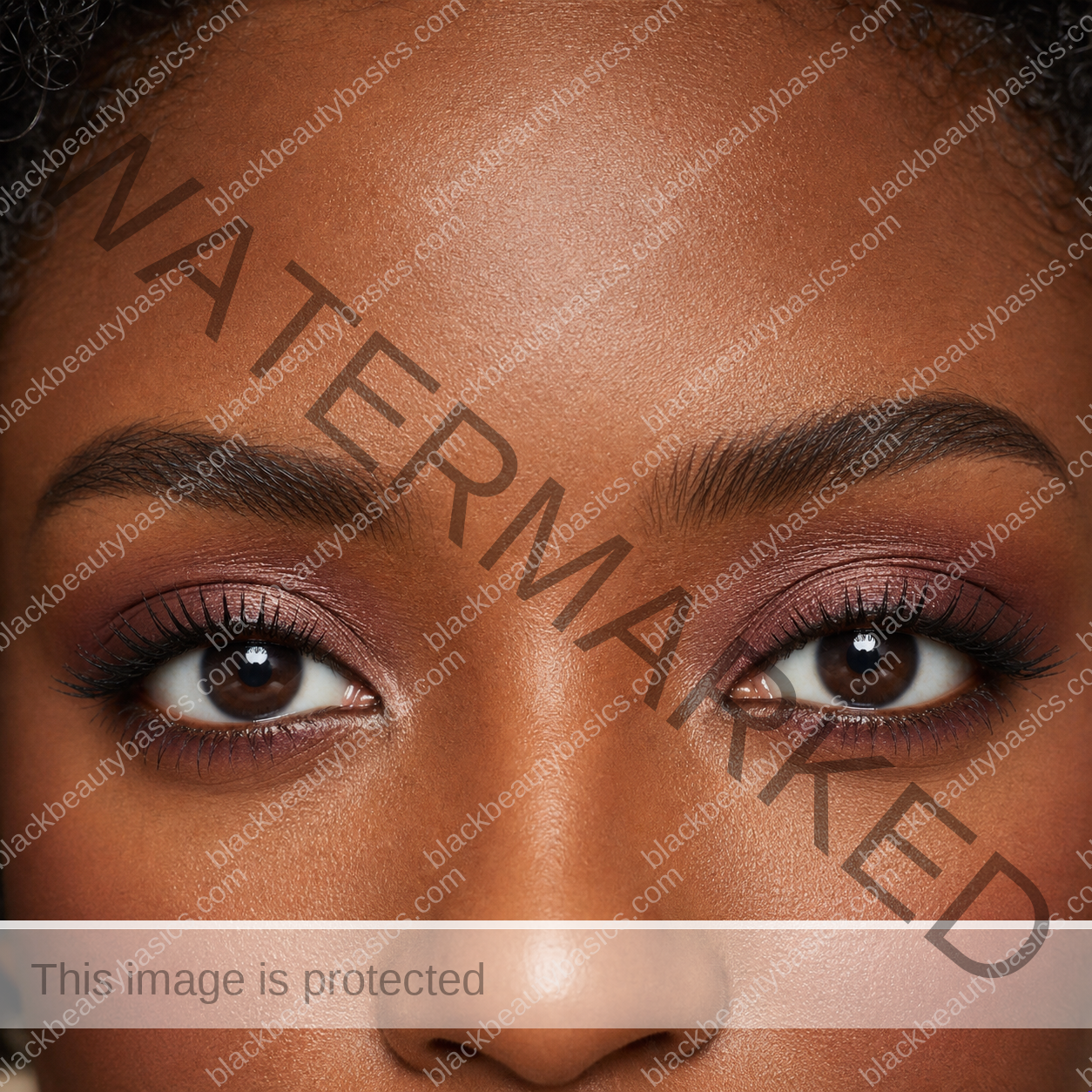
lash in a water-resistant, polymer-based “tube.” They offer incredible wear, are virtually smudge-proof, and remove easily with warm water, often sliding off in tiny tubes without harsh rubbing. This makes them ideal for sensitive eyes and those prone to raccoon eyes.
Waterproof Mascaras: For Life’s Unpredictable Moments
Whether you’re facing a humid day, a tear-jerking movie, or a poolside event, waterproof mascara is your ally. These formulas are designed to resist water, sweat, and tears, ensuring your lashes stay perfectly intact. However, they can be more challenging to remove and may require an oil-based makeup remover. Use them judiciously to avoid unnecessary tugging on your delicate lashes.
Fiber Mascaras: The Illusion of Extensions
Fiber mascaras contain tiny synthetic or natural fibers (like rayon or cellulose) that adhere to your lashes, effectively extending their length and adding volume. They can create a dramatic, almost false-lash effect. However, some individuals may find the fibers irritating if they shed into the eyes. Always test a small amount first if you have sensitivities.
Ingredient Spotlight: What to Look For and What to Avoid
Understanding mascara ingredients can empower you to make informed choices, especially if you have sensitivities or specific preferences.
Beneficial Ingredients
| Ingredient | Benefit |
|---|---|
| Waxes (Beeswax, Carnauba Wax) | Provide volume, hold, and help the formula adhere to lashes. |
| Polymers (Acrylates Copolymer, PVP) | Create film for definition, hold curl, and prevent smudging. |
| Oils (Jojoba Oil, Castor Oil) | Condition lashes, prevent brittleness, and aid in smooth application. |
| Panthenol (Vitamin B5) | Hydrates and strengthens lashes, promoting flexibility. |
| Peptides | Can support lash health and growth over time. |
Ingredients to Approach with Caution (Especially for Sensitive Eyes)
- Fragrance: Can be irritating for sensitive eyes.
- Parabens: Preservatives that some individuals prefer to avoid.
- Phthalates: Often used in fragrances, also a common ingredient to avoid.
- Carbon Black (CI 77266): While common for deep black pigment, some individuals may react to it. Look for iron oxides (CI 77499) as an alternative if sensitive.
- Propylene Glycol: A humectant that can sometimes cause irritation.
Curated Picks: Mascaras That Deliver for Black Women
While personal preference reigns supreme, here are categories of mascaras that consistently receive high praise for their performance on diverse lash types, particularly within the Black community. Remember to consider your specific lash goals when making your selection.
For Unrivaled Definition & Length
- Product Type 1: Mascaras known for their precise wands and lengthening formulas that separate lashes beautifully. They often feature a thin, flexible brush that coats each lash without clumping.
For Bold Volume & Fullness
- Product Type 2: Mascaras with rich, creamy formulas and larger, denser brushes designed to build significant volume. These are perfect for creating a dramatic, impactful eye look.
`n
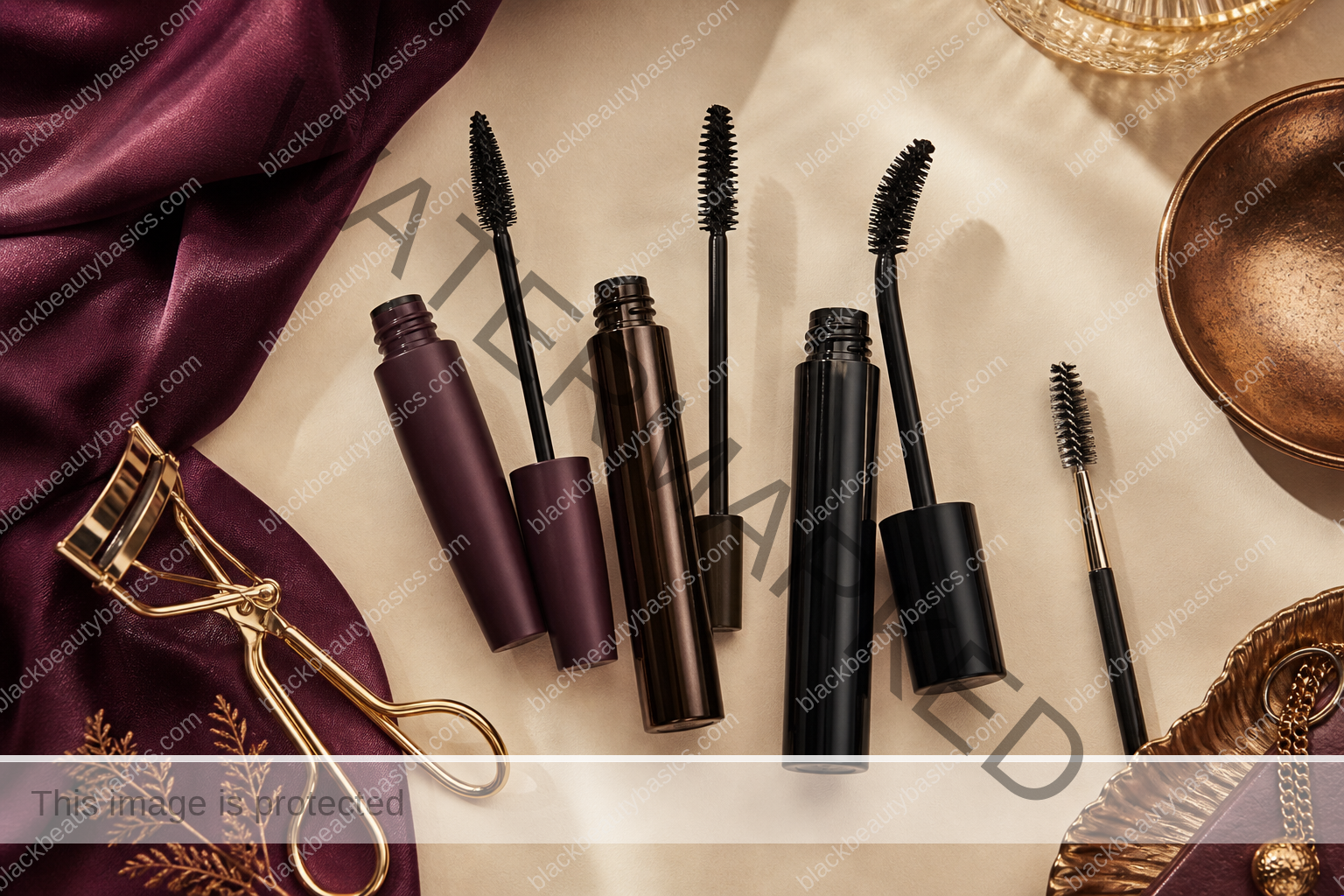
For Lasting Curl & Lift
- Product Type 3: Mascaras specifically formulated to hold a curl, often featuring a curved wand and a lightweight, quick-drying formula. They work wonders in lifting and opening up the eyes.
For Ultimate Comfortable & Smudge-Proof Wear
- Product Type 4: Tubing mascaras or those explicitly labeled as smudge-proof and flake-resistant. These ensure your mascara stays put all day without irritation, ideal for sensitive eyes or long wear.
FAQ: Your Mascara Questions Answered
Q1: How often should I replace my mascara?
A1: Mascara should be replaced every three to six months. This is crucial for eye health, as the dark, moist environment inside the tube is a breeding ground for bacteria. Using old mascara can lead to eye infections, irritation, and product performance degradation. If you notice a change in smell, texture, or performance before the six-month mark, it’s best to discard it immediately.
Q2: Can I use an eyelash curler after applying mascara?
A2: It is generally recommended to use an eyelash curler before applying mascara. Using it after mascara can cause your lashes to stick to the curler, potentially pulling them out or causing them to break. It can also create a clumpy, unnatural look. For best results, curl clean, dry lashes, then apply your mascara.
Q3: What’s the difference between washable and waterproof mascara?
A3: Washable mascaras are formulated to be easily removed with water and a gentle cleanser, making them ideal for everyday wear and sensitive eyes. They are less likely to cause irritation or damage during removal. Waterproof mascaras, on the other hand, contain water-resistant ingredients that make them impervious to water, sweat, and tears, offering superior longevity. However, they require an oil-based makeup remover for effective removal, which can sometimes be harsher on lashes and eyes.
Q4: My mascara always smudges under my eyes. What can I do?
A4: Smudging can be a common issue, especially in humid climates or for those with oily skin. To combat this, consider using a tubing mascara, which forms individual “tubes” around each lash that are resistant to smudging and flaking. Alternatively, look for mascaras specifically labeled as “smudge-proof” or “long-wearing.” Setting your under-eye area with a light layer of translucent powder can also help absorb excess oil and prevent transfer.
Q5: Is it safe to wear mascara with contact lenses?
A5: Yes, it is generally safe to wear mascara with contact lenses, but choosing the right type is important. Opt for mascaras that are labeled “ophthalmologist-tested” and “hypoallergenic” to minimize the risk of irritation. Avoid fiber mascaras, as the tiny fibers can sometimes shed and get trapped under your lenses, causing discomfort. Always insert your contact lenses before applying mascara and remove them before taking off your makeup to prevent product transfer onto the lenses.
Q6: How can I prevent my mascara from clumping?
A6: Preventing clumps starts with your application technique and product choice. Firstly, always wipe any excess mascara off the wand before applying. Secondly, use a wiggle-and-sweep motion from the base to the tip of your lashes to ensure even coating and separation. Avoid pumping the wand in and out of the tube, as this pushes air in and dries out the formula faster, leading to clumps. If clumps still form, use a clean, dry spoolie or a lash comb to brush through your lashes immediately after application, while the mascara is still wet.
Q7: Can mascara help my lashes grow?
A7: While mascara itself doesn’t typically promote lash growth, some formulas are enriched with conditioning ingredients like peptides, biotin, or panthenol that can help strengthen lashes, reduce breakage, and improve their overall health. These “lash-caring” mascaras can make your lashes appear fuller and longer over time by preventing damage. For actual growth, you would need a dedicated lash serum.
Match the Mascara to the Job You Actually Need
Mascara labels often promise everything at once, but one formula rarely gives maximum length, volume, curl, separation, softness, and easy removal. Decide which result matters most. A narrow rubber brush can reach short lashes and separate well. A curved brush can support lift. A thicker fiber brush can deposit more product for volume, though it may feel less precise on small eyes or lower lashes.
Formula matters as much as the wand. Tubing mascara forms small sleeves around the lashes and often removes with warm water and gentle pressure. Traditional washable mascara is usually easy to work with but may smudge on oily lids. Waterproof mascara can hold curl and resist tears or humidity, yet it requires more patient removal. If your eyes are sensitive, fragrance-free and ophthalmologist-tested claims may help narrow the field, but your own response is still the final test.
Application Without Clumps or Lash Stress
Wipe excess product from the tip of the wand. Place the brush near the roots, wiggle lightly, and pull through the ends. One controlled coat may be enough for daytime. For more volume, let the first coat become tacky but not fully dry before adding a second. Repeatedly combing dry mascara can make lashes stiff and flaky. Use the remaining product on the wand for lower lashes instead of reloading it.
Do not pump the wand in and out of the tube; that pushes air inside and can dry the formula faster. Close the tube firmly and replace mascara regularly, especially after an eye infection. Never add water, oil, or saliva to revive a dry product. Eye-area products need a higher hygiene standard because the consequences of contamination are not worth stretching the purchase.
Curling, Lower Lashes, and Deep-Set Eyes
If you curl your lashes, use the curler before mascara unless the tool is specifically designed otherwise. Make sure the pad is intact and the lashes are not pinched at the skin. For lower lashes, hold the wand vertically or use a smaller brush. If mascara transfers to the brow bone, give the lashes a moment to set while looking downward, then adjust the amount you apply at the tips.
Removal Is Part of the Mascara Routine
At night, press a suitable remover against closed eyes long enough to loosen the product. Wipe gently instead of rubbing back and forth. Waterproof formulas may need an oil-based remover or balm followed by a gentle cleanse. Stop if the eye burns, and rinse according to the product directions. Lashes that shed from rough removal are not a sign that you need a stronger growth claim; they may need less friction.
Know When the Problem Is Not Cosmetic
Persistent itching, swelling, crusting, pain, sudden lash loss, or changes in vision are reasons to stop using the product and seek professional care. A mascara guide cannot diagnose an eye condition. Do not cover symptoms with another formula or share eye products while irritation is active.
What to Do Next
Choose one priority: separation, volume, curl hold, or smudge resistance. Test one mascara for a normal day before trusting it for an event. Note how it feels after six hours and how easily it removes. A comfortable product that you can apply and remove gently is often a better long-term choice than the most dramatic formula.
Keep mascara inside BBB’s Makeup for Deep Skin Tones system. Pair it with eyes and liner strategies or simplify the whole routine with the minimalist five-product makeup kit.
Black, Brown, Plum, and Color Mascara
Black mascara gives the strongest contrast and is easy to find, but it is not the only polished option. Deep brown can soften a daytime look while still defining dark lashes. Plum, burgundy, navy, and emerald can read as subtle color against rich brown skin, especially in natural light. The effect depends on lash color, eye color, and how opaque the formula is.
If colored mascara feels too bright, apply it only to the lower lashes or over the tips of a black base. If the pigment looks dusty, choose deeper jewel tones rather than pastel formulas. Color should look like a choice, not like ash sitting on the lashes.
Glasses, Contacts, and Long Days
With glasses, prioritize separation and curl so lashes do not brush the lenses. Too much length at the tips can leave marks. For contact-lens wearers, apply lenses before makeup if that matches professional guidance for your lenses, keep fibers away from the waterline, and stop using any formula that causes persistent irritation. A clean application matters more than forcing a product to work because it was expensive.
For long days, test transfer by checking the brow bone and under-eye area after a few hours. Oily lids may need a light eye primer or a small amount of powder above the crease, but avoid crowding the lash line with too many products. If a mascara flakes, adding more coats later usually makes it worse. Remove loose flakes carefully and plan a different formula for the next wear.
A Budget-Smart Way to Compare Formulas
Compare one variable at a time. Try a washable lengthening formula before buying three different mascaras that make the same promise. Keep notes on brush comfort, drying time, smudging, removal, and how your lashes feel afterward. Drugstore formulas can perform beautifully; prestige pricing does not guarantee better wear or safer ingredients for your eyes.
Check return policies where hygiene rules allow, and never buy used eye makeup. Replace the tube when recommended by the manufacturer or sooner if the scent, texture, or performance changes. A smaller routine with one reliable mascara is more useful than a drawer of formulas you do not trust.
Layering Two Mascaras Without Making Removal Harder
If one mascara separates well but lacks volume, you can layer a second formula strategically. Apply the separating formula first, then add volume only to the outer or upper lashes. Avoid mixing formulas when either one already flakes or feels stiff. More products create more removal work, and the lashes should still bend rather than feel coated like wire.
For special events, test the combination before the event day. Check whether the formulas interact, transfer, or become difficult to remove. If they do, choose the more reliable single mascara. A dramatic result is not worth losing lashes through aggressive cleansing.
Lower-Cost Tools That Improve Application
A clean spoolie, lash comb, cotton swab, and intact curler pad can improve application more than another tube. Clean reusable tools regularly and let them dry completely. Replace damaged tools that pinch or scratch. Small technique changes often solve clumping and transfer without requiring a more expensive formula.
Natural lash direction varies. Some lashes cross, point downward, or grow more densely on one eye. Apply to the lashes you have instead of forcing both eyes into identical results. Use the wand angle, a clean comb, and placement to create balance. If one eye needs an extra pass, add it there rather than coating both sides automatically.
On makeup-free days, mascara is optional. Healthy lashes do not require a cosmetic product, and taking a break can make it easier to notice irritation or changes in shedding.
When in doubt, choose the formula you can remove gently at the end of a tired day. Ease of removal is part of performance, not an afterthought.
A dependable mascara should make the morning easier and leave the eye area comfortable when the day is finished.
Embrace Your Gaze with Confidence
Our lashes are a delicate yet powerful feature, deserving of products that truly understand and enhance their unique beauty. As Black women, we’ve learned to navigate a world that often overlooks our specific needs, but when it comes to mascara, the journey to finding your perfect match doesn’t have to be a struggle. By understanding your lash desires—be it definition, volume, curl, or unparalleled comfort—and by exploring the innovative formulas available, you can unlock the full potential of your gaze. Let your eyes tell a story of confidence, elegance, and undeniable allure, framed by lashes that are as magnificent as you are. Choose wisely, apply with intention, and let your beautiful eyes shine their brightest.
Related next steps
Related posts:
 Brow Shaping and Filling for Black Women: Natural Definition
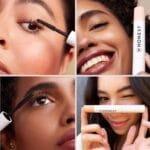 Honest Beauty 2-in-1 Extreme Length Clean Mascara + Lash Primer Review
 Zizor Men’s Doyle Memory Foam Moccasin Slippers: Comfort & Style for Home
 Winter Skincare for Melanin-Rich Skin: Embrace Comfort & Glow
 SPF for Dry or Dehydrated Dark Skin: Comfort, Flaking, and Glow
 Does Scalp Massage Help Hair Growth or Just Scalp Comfort?