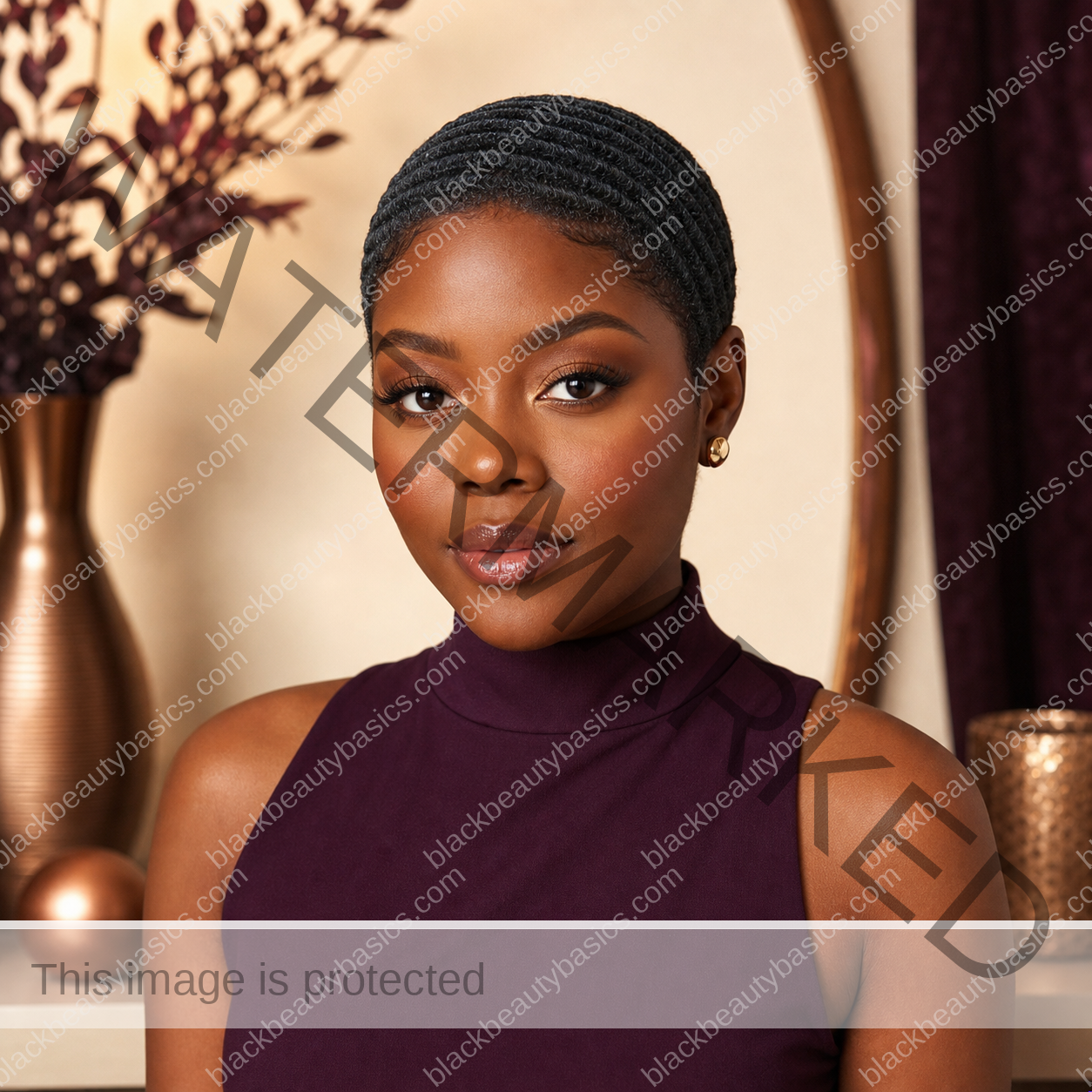
The rhythmic undulation of 360 waves is more than just a hairstyle; it’s a profound statement of elegance, discipline, and cultural pride, especially when gracing the crowns of Black women. For generations, this captivating ripple effect has been a hallmark of sophisticated grooming, transforming short natural hair into a canvas of swirling patterns that catch the light with every turn. While often associated with men, the allure of 360 waves is undeniably universal, offering a chic, low-maintenance yet high-impact style that celebrates the unique texture and resilience of our hair. If you’ve ever admired those mesmerizing, concentric circles and wondered if this iconic look is within your reach, particularly with your short natural tresses, prepare to be captivated. This comprehensive guide is your definitive roadmap to mastering 360 waves, tailored specifically for Black women with short natural hair, ensuring every strand contributes to a masterpiece of motion and shine.
Embracing the Wave: What Are 360 Waves?
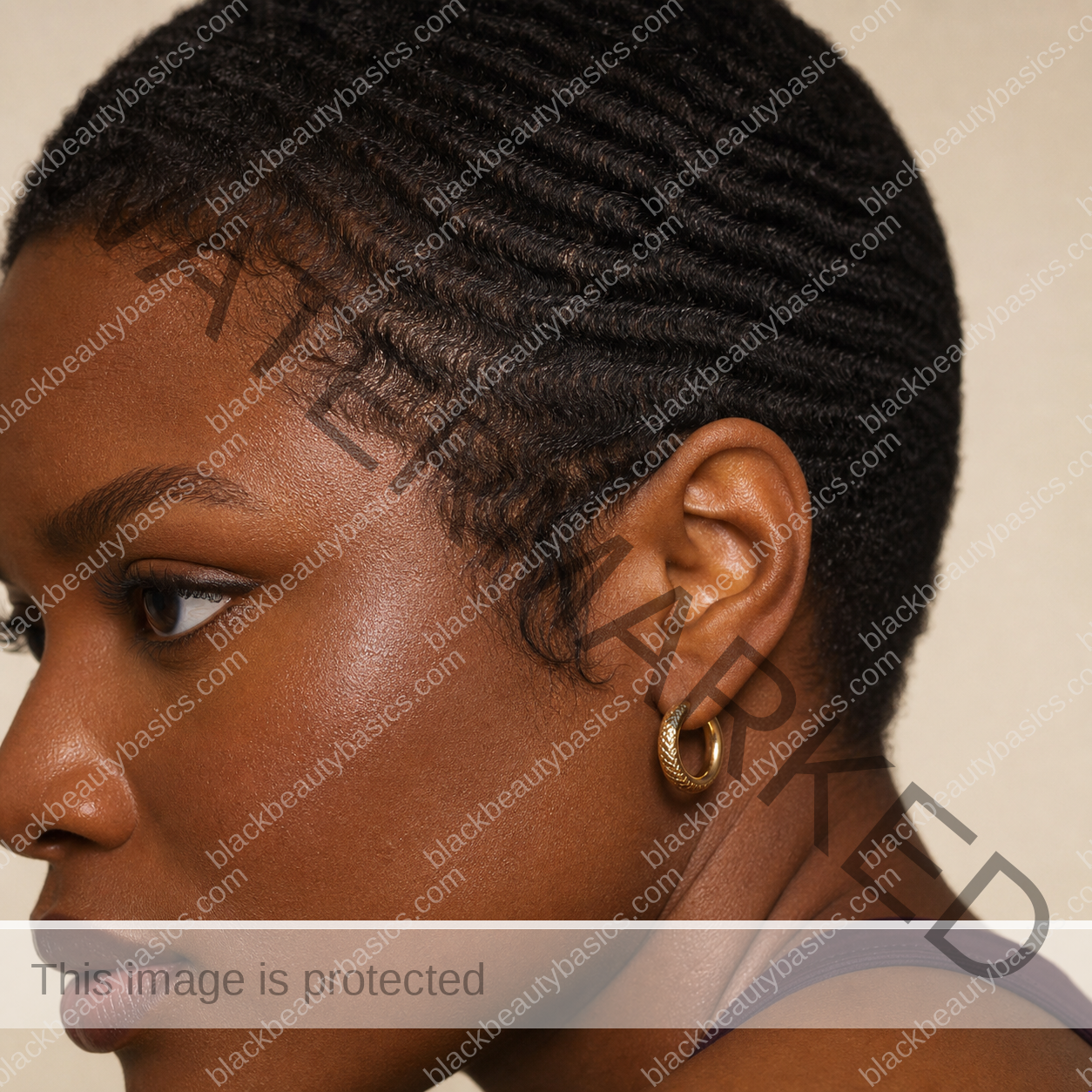
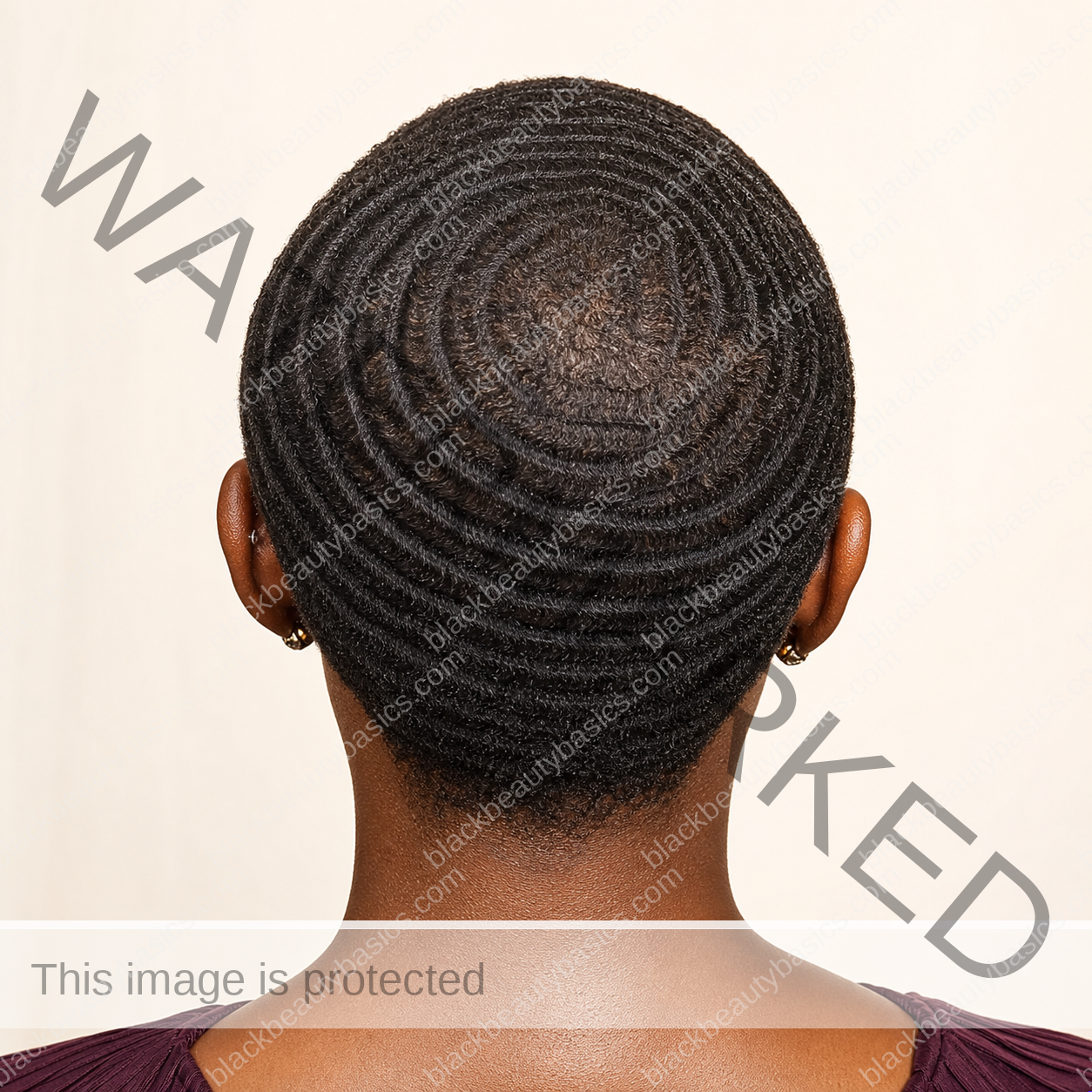
At its heart, 360 waves are a hairstyle where the hair lies down in a ripple pattern, creating the illusion of waves that emanate from the crown and flow outwards in all directions. This distinctive look is achieved through a meticulous process of brushing, moisturizing, and compressing the hair, training it to lie flat and form these desired patterns. It’s a testament to patience and consistency, transforming the natural curl pattern into a smooth, undulating surface that reflects light beautifully, giving an unparalleled sheen. For Black women, particularly those with a tighter curl pattern, this style showcases the versatility and inherent beauty of our hair, proving that with the right technique, our coils can be coaxed into stunning, sleek formations.
The Allure of 360 Waves for Short Natural Hair
Why do 360 waves hold such a special place in our hearts and hair routines? Beyond their undeniable aesthetic appeal, they offer a multitude of benefits, especially for those rocking short natural hair:
- Defined Elegance: They elevate a simple short cut into a sophisticated, polished statement.
- Low Maintenance, High Impact: Once established, the daily routine is relatively quick, yet the visual impact is significant.
- Hair Health: The consistent brushing and moisturizing promote scalp stimulation and hair health, minimizing breakage.
- Versatility: While the waves themselves are the style, they can be paired with fades, tapers, and various line-ups for personalized flair.
- Cultural Connection: It’s a style deeply rooted in Black hair culture, carrying a legacy of pride and self-expression.
The Foundation: Preparing Your Hair for Waves
Before you embark on your waving journey, proper preparation is paramount. Think of it as laying the groundwork for a magnificent structure; a strong foundation ensures lasting beauty. This phase focuses on cleansing, conditioning, and getting your hair to the optimal length and texture.
Step 1: The Initial Cut – Getting Wave-Ready
The journey to perfect 360 waves begins with the right haircut. Your hair needs to be short enough to lay down easily but long enough to form the ripple effect. An ideal starting length is typically between 1/2 inch to 1 inch, depending on your curl pattern. A professional barber who understands wave cuts is your best ally here. They can create a uniform length all around your head, often with a slight taper or fade on the sides and back, which enhances the wave pattern as it develops.
- Consultation is Key: Discuss your wave goals with your barber.
- Even Length: Ensure the hair on top is cut to a consistent length.
- Clean Lines: A crisp lineup will frame your waves beautifully.
Step 2: Cleansing and Conditioning – The Canvas
Healthy waves start with healthy hair. A clean, well-moisturized scalp and hair strands are crucial for optimal wave formation and shine. Your wash day routine will be slightly different from a typical wash-and-go, as the goal is to prepare the hair to lay down.
Recommended Products:
| Product Type | Why It’s Essential | Recommendation |
|---|---|---|
| Sulfate-Free Shampoo | Cleanses without stripping natural oils, preserving hair’s moisture. | explore Sulfate-Free Shampoo on Amazon |
| Hydrating Conditioner | Softens hair, making it more pliable and easier to brush into waves. | explore Hydrating Conditioner on Amazon |
| Deep Conditioner/Hair Mask | Provides intense moisture and strengthens hair, crucial for consistent brushing. | explore Deep Conditioner on Amazon |
Routine:
- Pre-Poo (Optional but Recommended): Apply a light oil (like coconut or olive oil) to your hair before shampooing to protect it from stripping.
- Shampoo Gently: Use a small amount of sulfate-free shampoo, massaging your scalp with your fingertips. Rinse thoroughly.
- Condition Deeply: Apply a generous amount of hydrating conditioner. Detangle gently with your fingers or a wide-tooth comb while the conditioner is in. For an extra boost, use a deep conditioner or hair mask once a week.
- Rinse and Dry: Rinse with cool water to seal the cuticles. Gently pat your hair dry with a microfiber towel to remove excess water, leaving it slightly damp.
The Art of Waving: Your Daily Routine
Consistency is the undisputed queen of 360 waves. This daily ritual is where the magic truly happens, training your hair to lay down and form those coveted patterns. Dedicate at least 30 minutes, twice a day, to this process.
Step 1: Moisturize and Soften
Before any brushing begins, your hair needs to be adequately moisturized. This makes it pliable, reduces friction during brushing, and adds shine. Avoid heavy products that can weigh your hair down or cause build-up.
Recommended Products:
| Product Type | Why It’s Essential | Recommendation |
|---|---|---|
| Leave-In Conditioner | Provides a base layer of moisture, detangles, and softens. | |
| Wave Pomade/Cream | Adds hold and definition, helping to lay the hair down. Look for non-greasy formulas. | |
| Natural Oil (e.g., Argan, Jojoba) | Adds shine, seals in moisture, and nourishes the scalp. Use sparingly. |
Application:
- Start with damp hair (if not freshly washed, lightly mist with water).
- Apply a dime-sized amount of leave-in conditioner, distributing it evenly.
- Follow with a small amount of wave pomade or cream. Emulsify it in your hands before applying to ensure even distribution.
- Finish with a few drops of natural oil, focusing on the surface of your hair for shine.
Step 2: The Art of Brushing – Training Your Waves
This is the most critical step. Brushing trains your hair to grow in the desired direction, creating the wave pattern. You’ll need a variety of brushes.
Essential Tools:
- Hard Brush: For the initial stages and deeper training, especially on thicker hair.
- Medium Brush: Your workhorse brush for daily brushing, versatile for all stages.
- Soft Brush: For laying down the top layer of hair, adding shine, and for sensitive scalps.
Brushing Technique:
The direction of your brush strokes is paramount. Imagine your crown as the center point, and brush outwards in all directions. Consistency in these directions is what forms the 360 pattern.
- Top: Brush from your crown towards your forehead.
- Sides: Brush from your crown towards your ears.
- Back: Brush from your crown towards the nape of your neck.
The “Wolfing” Phase:
Wolfing refers to the period where you let your hair grow out longer than usual while continuously brushing. This extended length provides more hair to lay down, deepening your wave pattern. It’s often recommended to wolf for 4-6 weeks before getting a trim. During wolfing, you’ll need to brush even more diligently to keep the longer hair laying down.
Step 3: The Durag – Compressing for Perfection
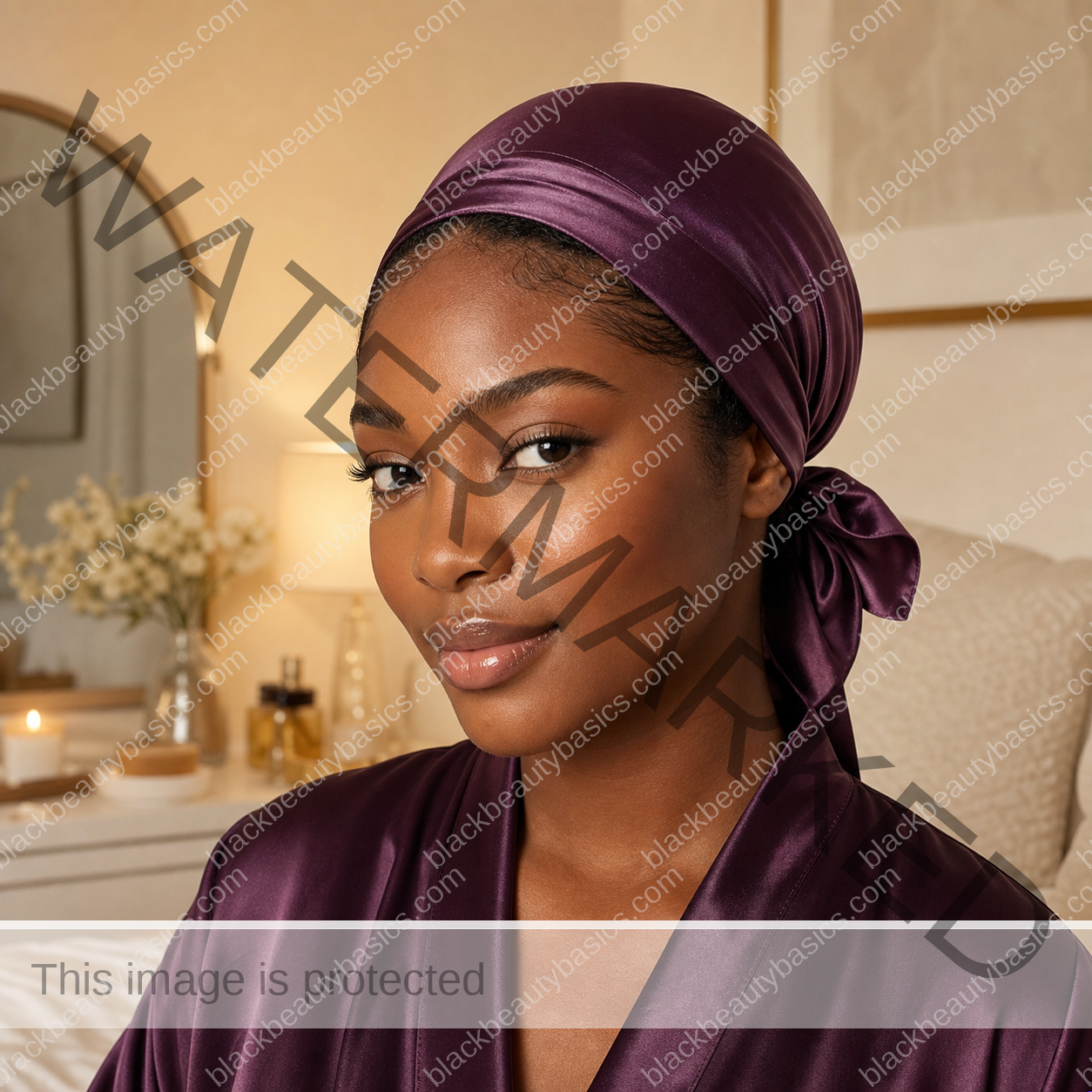
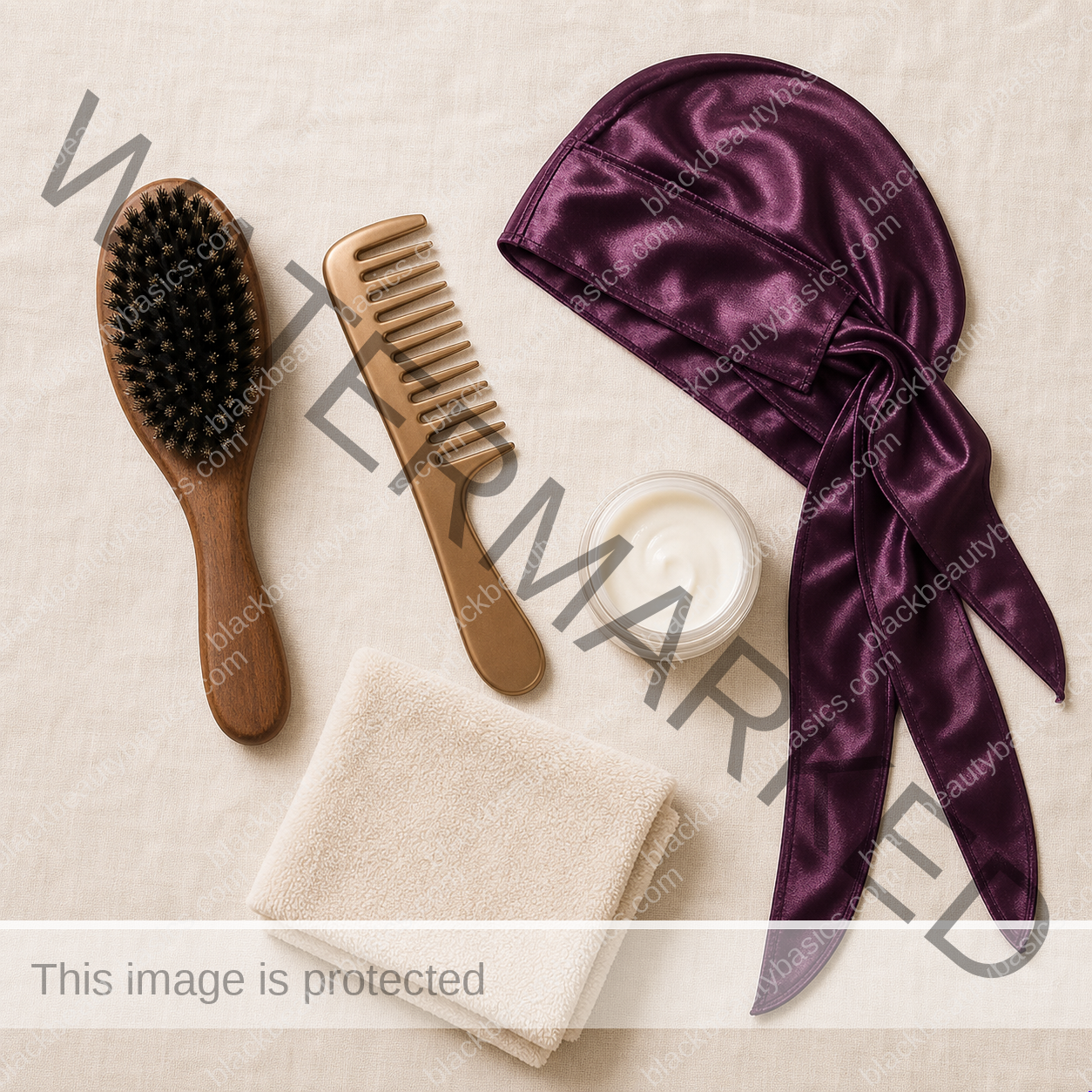
The durag is your secret weapon. It compresses your hair, locking in moisture and holding the wave pattern in place as your hair dries and sets. It’s non-negotiable for anyone serious about 360 waves.
Recommended Product:
- Silk or Satin Durag: Essential for compression without absorbing moisture from your hair.
How to Tie a Durag:
- Place the durag on your head with the seam running down the center of your forehead.
- Pull the two long straps back, crossing them behind your head, just above the nape of your neck.
- Bring the straps forward, crossing them over your forehead.
- Pull the straps back again, tying them securely at the back of your head. Ensure it’s snug but not uncomfortably tight.
- Pull down the flap at the back to create extra compression.
Wear your durag:
- Immediately after brushing sessions.
- While you sleep (every single night).
- After washing your hair, until it dries.
Advanced Techniques and Troubleshooting
As you progress, you might encounter common challenges or seek to refine your wave game. Here’s how to navigate them.
Maintaining Your Waves: Trims and Washes
- Regular Trims: Get a fresh cut every 2-4 weeks, depending on your wolfing schedule. Instruct your barber to “cut with the grain” (in the direction of your waves) to maintain the pattern.
- Wash and Brush: When washing, continue to brush your hair in the wave pattern while shampooing and conditioning. This reinforces the training. Consider a “wash and style” method where you apply products and brush extensively after washing, then durag up until dry.
Troubleshooting Common Wave Issues
Even the most dedicated wavers face hurdles. Here’s how to address them:
- Frizz: Often due to lack of moisture or improper durag use. Ensure consistent moisturizing and always wear your durag to bed. A soft brush can help lay down frizz.
- Lack of Definition: This usually means you need more brushing, longer wolfing periods, or better product application. Review your brushing angles and ensure even distribution of pomade.
- Breakage: Could be from over-brushing with a hard brush, dry hair, or using harsh products. Focus on deep conditioning and gentle brushing.
- Uneven Waves: This points to inconsistent brushing angles or pressure. Use a mirror to ensure your strokes are uniform in direction and intensity across your entire head.
The Black Beauty Basics Product Guide for 360 Waves
Choosing the right products is crucial. We’ve curated a list of categories to help you build your wave arsenal, with an emphasis on nourishing ingredients for our unique hair textures.
Cleansers & Conditioners
- Sulfate-Free Shampoo: Look for ingredients like shea butter, argan oil, and aloe vera. Avoid harsh detergents.
- Hydrating Conditioner: Essential for softness and manageability. Ingredients like coconut oil, avocado oil, and honey are excellent.
- Deep Conditioner/Hair Mask: For weekly intensive treatments. Seek out protein-free options if your hair is protein-sensitive, or balanced formulas if it needs strengthening.
Moisturizers & Stylers
- Leave-In Conditioner: A lightweight, water-based leave-in is perfect for daily moisture.
- Wave Pomade/Cream: Opt for water-soluble formulas that don’t cause excessive build-up. Ingredients like lanolin, beeswax (in moderation), and natural oils can provide hold and shine. Avoid petrolatum-heavy products if you’re prone to clogged pores or scalp issues.
- Hair Oils: Light oils like jojoba, argan, or grapeseed oil add shine and seal in moisture without greasiness.
Tools & Accessories
- Wave Brushes (Hard, Medium, Soft): Invest in quality boar bristle brushes. The bristles gently stimulate the scalp and distribute natural oils.
- Silk/Satin Durags: Crucial for compression and protecting your hair while you sleep. They prevent moisture loss and friction.
- Hand Mirror: Essential for checking your progress and ensuring even brushing, especially on the back and sides.
- Spray Bottle: For lightly dampening hair before product application and brushing.
FAQs: Your Waving Queries Answered
Q1: How long does it take to get 360 waves?
A1: The initial wave pattern can start to become visible within 2-4 weeks of consistent brushing and durag use. However, to achieve deep, well-defined 360 waves, it typically takes 2-3 months of dedicated effort. Some individuals may take longer, up to 6 months, depending on their hair texture, curl pattern, and consistency of their routine. The “wolfing” process, where you allow your hair to grow longer between cuts while continuously brushing, is crucial for developing deeper waves, and this phase alone can last 4-6 weeks at a time. Patience and consistency are truly key to seeing significant results.
Q2: Can all hair types achieve 360 waves?
A2: While 360 waves are most commonly seen and achieved on coarser, curlier hair textures (like those typically found i
n Black hair), they can be achieved on various hair types. The key is that the hair must have some natural curl or coil pattern that can be trained to lay down. Straighter hair types will find it much more challenging, if not impossible, to create the ripple effect. For Black women, our diverse range of natural curl patterns, from loose curls to tight coils, are generally excellent candidates for developing waves with the right technique and dedication. The tighter the curl, the more brushing and compression might be needed to train it.
Q3: How often should I brush my hair for waves?
A3: For optimal results, you should aim to brush your hair for at least 30 minutes, twice a day. Many dedicated wavers brush for even longer, sometimes breaking their sessions into 10-15 minute intervals throughout the day, totaling an hour or more. The more consistent and frequent your brushing, the faster your hair will be trained to form the wave pattern. Always brush outwards from your crown in all directions, ensuring even coverage and pressure. Remember to use the appropriate brush (hard, medium, or soft) for your hair’s current length and stage of waving.
Q4: What is “wolfing” and why is it important?
A4: “Wolfing” is a critical phase in the 360 wave journey where you allow your hair to grow out longer than your typical wave cut, usually for 4-6 weeks (or even longer for advanced wavers), while maintaining your rigorous brushing routine. The importance of wolfing lies in the fact that longer hair provides more length for the waves to form and deepen. As the hair grows, the continuous brushing trains these longer strands to lay down, creating a more pronounced and defined wave pattern. Without adequate wolfing, your waves might appear shallow or less defined. During wolfing, you’ll need to increase your brushing time and ensure your durag is worn consistently to keep the longer hair compressed and in place.
Q5: How do I prevent frizz and dryness?
A5: Frizz and dryness are common challenges for wavers, especially with natural hair. To combat them:
- Moisture is Key: Ensure your hair is always well-moisturized. Use a good leave-in conditioner daily, followed by a light wave cream or pomade. Consider lightly misting your hair with water before applying products if it feels dry.
- Protect with a Durag: Always wear a silk or satin durag, especially when sleeping. This prevents friction against pillows, which can cause frizz, and helps to lock in moisture.
- Gentle Cleansing: Use sulfate-free shampoos that won’t strip your hair of its natural oils. Follow with a hydrating conditioner and a weekly deep conditioning treatment.
- Avoid Over-Washing: Don’t wash your hair too frequently, as this can lead to dryness. Aim for 1-2 times a week, or even less if your hair is particularly dry.
- Use Natural Oils: A few drops of light natural oil (like jojoba or argan) can seal in moisture and add shine without greasiness.
Q6: Can I use heat on my waves?
A6: It is generally recommended to avoid using heat on your 360 waves. Heat, especially direct heat from blow dryers or flat irons, can damage your hair, alter your natural curl pattern, and make it harder for your waves to lay down. The goal of waving is to train your natural hair texture, and heat can counteract this process. If you must dry your hair after washing, gently pat it with a microfiber towel and allow it to air dry while wearing your durag. This helps to compress the hair and set the waves as it dries naturally.
Q7: What’s the difference between a hard, medium, and soft brush?
A7: The different brushes serve distinct purposes in your waving routine:
- Hard Brush: Features stiff bristles and is best for the initial stages of waving, especially when your hair is longer (during wolfing) or if you have a very coarse, thick hair texture. It provides maximum pull and helps to train stubborn hairs.
- Medium Brush: Has bristles of moderate stiffness and is your most versatile, everyday brush. It’s excellent for daily brushing sessions once your waves start to form, providing good pull without being too harsh.
- Soft Brush: Has very gentle bristles and is used for laying down the top layer of your hair, adding shine, and finishing your waves. It’s also ideal for sensitive scalps or when your hair is freshly cut and very short. It helps to smooth out any frizz and enhance the wave’s sheen.
Using all three brushes strategically throughout your routine ensures comprehensive wave development and maintenance.
- Swimming: Chlorine and saltwater can be very drying and damaging to your hair. If you plan to swim, wet your hair with clean water first (this helps prevent it from absorbing as much chlorine/saltwater), apply a leave-in conditioner, and then wear a swim cap. Immediately after swimming, rinse your hair thoroughly with clean water, shampoo and condition, and resume your wave routine.
- Exercising: Sweat can cause your hair to revert and frizz. Wear a durag or a compression cap during your workout to keep your hair laid down and absorb sweat. After exercising, if your hair is very damp, you might need to lightly mist it, apply a small amount of product, and brush it back into place before putting your durag back on.
The key is to protect your waves from external elements and promptly address any reversion or dryness that occurs.
Build the Pattern Without Punishing Your Hairline
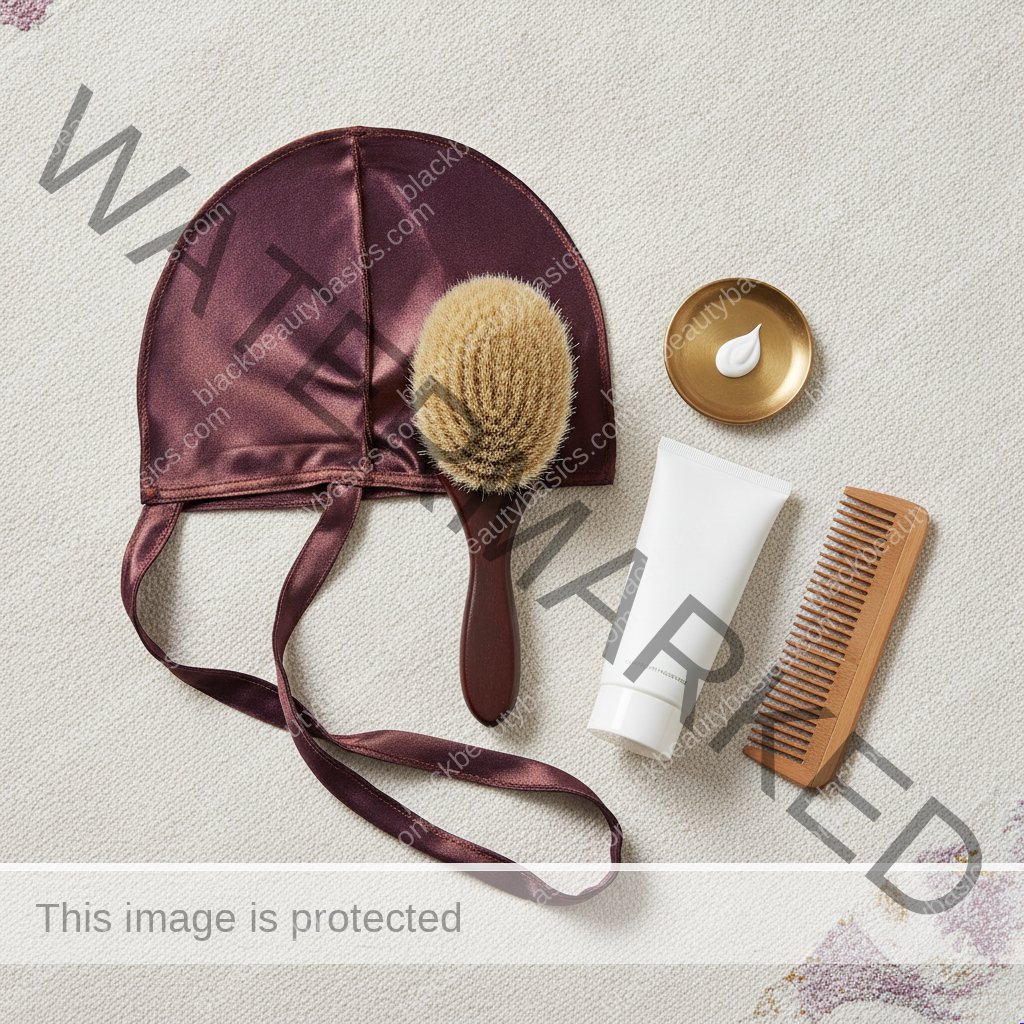
Waves form through a combination of short hair length, natural curl pattern, moisture, compression, and repeated brushing in consistent directions. They do not require painful pressure. A brush should guide the hair, not scrape the scalp. Start with a softer brush while the hair and scalp are adapting, and save firmer tools for enough length and density to tolerate them.
Choose the pattern you are training before brushing. Work from the crown outward in deliberate sections, using the same angles each session. Short, focused sessions are easier to sustain than marathon brushing. Use a mirror only to check direction, not to chase perfect symmetry. Cowlicks, crown placement, density, and curl pattern all influence the final look.
Moisture, Product Amount, and Buildup
Use enough moisture to keep the hair flexible, then add only the hold or sealing layer you need. Heavy pomade is not the definition of a serious wave routine. Too much product can create buildup, flatten the hair, and make the scalp harder to cleanse. If the hair feels coated, itchy, or dull, clarify the routine before adding more.
Compression Without Hairline Stress
A durag or wave cap should feel secure, not painful. Position seams and ties so they do not repeatedly press the same area. Avoid pulling tightly across the temples or knotting directly over sensitive spots. Give the hairline breaks, especially if you notice tenderness, bumps, thinning, or breakage. A wave pattern is never worth traction damage.
What to Do Next
For the next two weeks, keep the routine simple: cleanse on a schedule that matches your scalp, moisturize lightly, brush in consistent sections, and compress comfortably. Photograph the crown and hairline once a week in the same light. Progress is easier to judge over time than after every session. Your short natural hair is allowed to look good while the pattern develops.
Keep this routine connected to Natural Hair Care and Protective Styles. For scalp comfort and moisture decisions, continue with mapping a realistic hair and scalp week and moisture, protein, and strength balance.
Haircuts and Pattern Continuity
Tell the barber or stylist that you are training waves and show the brushing pattern when helpful. Cutting too low can make progress seem lost, while allowing too much bulk can make the pattern harder to manage. The right length depends on curl pattern and density. Keep the crown visible enough to follow its direction, and protect the hairline from overly sharp or frequent cleanup.
After a cut, return to softer brushing and lighter pressure until the scalp feels settled. Consistency across haircuts matters more than trying to force the deepest possible pattern in one cycle.
Let the Scalp Set the Pace
Persistent itching, scaling, sores, tenderness, or sudden thinning should not be brushed through. Pause the most irritating steps and seek appropriate care. Product buildup and pressure can mimic a discipline problem when the scalp is actually asking for a simpler routine. Healthy-looking waves begin with a scalp that can tolerate the process.
The Enduring Ripple: A Call to Confidence
The journey to achieving and maintaining flawless 360 waves is one of dedication, patience, and an intimate understanding of your hair’s unique texture. It’s a ritual that transcends mere grooming, becoming a daily affirmation of self-care and a celebration of Black beauty. As you meticulously brush, moisturize, and compress, you’re not just creating a hairstyle; you’re crafting a crown that speaks volumes about your discipline, your style, and your unwavering pride in your natural hair. Embrace each stroke, each product application, and each durag tie as a step towards a masterpiece that reflects the light and the strength within you. Let your waves be a testament to your radiant confidence, a ripple effect of elegance that inspires all who behold it. Continue to explore, experiment, and refine your routine, for the perfect wave is a continuous journey of discovery. Your crown awaits its magnificent undulation.
Related next steps
Related posts:
 Planning Travel-Friendly Hair Strategies for Short and Long Trips
 SEGO Clip in Short Hair Extensions Review
 Fancy Hair Full Lace Short Passion Twist Wig with Baby Hair – Elevate Your Style Effortlessly!
 Mastering Seasonal Shifts: The Ultimate Winter vs. Summer Natural Hair Routine for Black Women
 Natural-Hair Routine for Black Women in Hard-Water Areas
 Self-Care Activities for Women: 101 Practical Ways to Reconnect & Relax