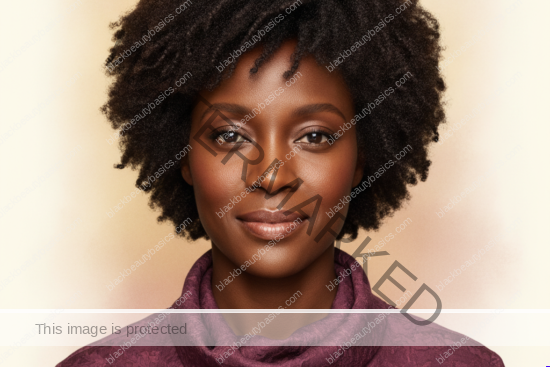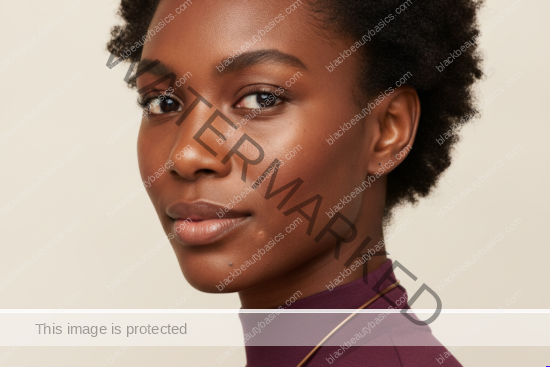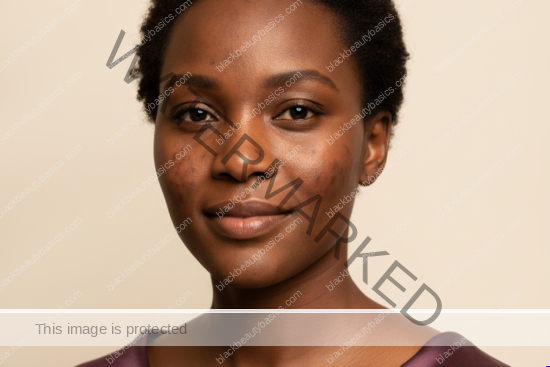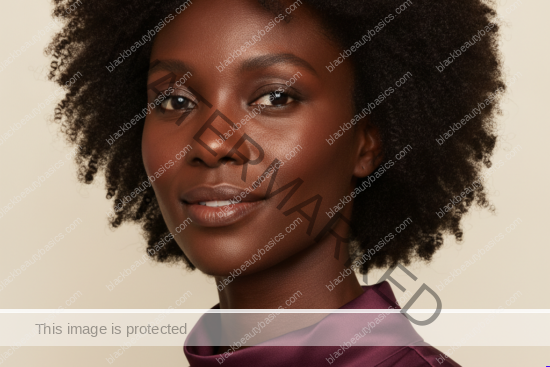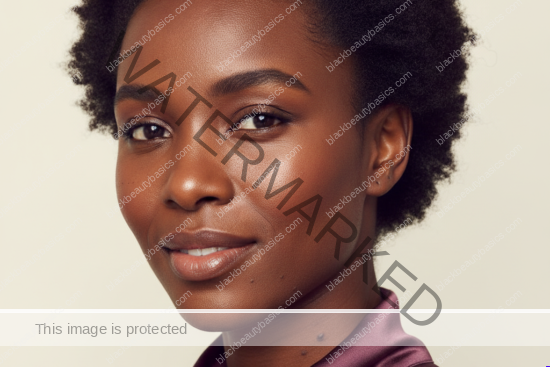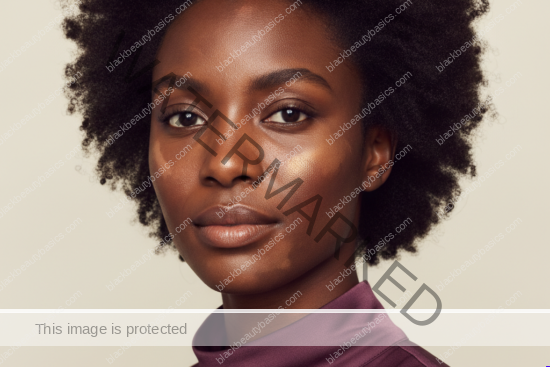
Makeup for Deep Skin Tones
Makeup advice often centers lighter skin first, leaving Black women and other deep‑toned women to guess at undertones, mix multiple foundations, or settle for products that turn gray, red, or flat on melanin‑rich skin. If you have ever watched a tutorial and thought, “That shade range stops before me,” or “That blush would never show up on my face,” you are not imagining it. This pillar on Makeup for Deep Skin Tones is here to give deep and dark skin its own starting point—not an afterthought.
Instead of chasing one “perfect” product, we focus on systems: how to understand your undertone, map out your base products, choose color that actually shows up and flatters, adapt your routine to texture and dark spots, and build capsule kits for everyday life. This pillar connects closely with the Hyperpigmentation & Dark Spots and Acne & Sensitive Skin in Black Women pillars so your makeup choices work with, not against, your long‑term skin goals.
What This Pillar Covers
This pillar centers makeup decisions around deep, melanin‑rich skin and the realities of daily life.
- Shade‑matching systems and undertones for deep skin.
- Base makeup architecture: foundation, concealer, powder, and correctors.
- Color products that pop on deep skin: blush, bronzer, highlight, eyes, and lips.
- Everyday versus occasion routines (office, night‑out, camera‑ready looks).
- Makeup strategies for textured, acne‑prone, and PIH‑prone skin.
- Product capsule systems: minimalist kits, travel kits, and work kits.
Clusters in This Pillar
Each cluster below functions as a mini‑guide, with its own set of articles you can explore in more detail.

- Shade‑matching systems & undertones for deep skin
- Base makeup architecture (foundation, concealer, powder, correctors)
- Color products for deep skin (blush, bronzer, highlight, eyes, lips)
- Everyday vs occasion routines (office, night‑out, camera)
- Makeup for textured/PIH‑prone skin
- Product capsule systems (minimalist kits, travel kits, work kits)
Quick Map of Clusters & Focus
Use this table to find your starting point based on what is frustrating you most right now.
| Your main question | Cluster to start with | Core focus | Example next stop |
|---|---|---|---|
| “Why does foundation always look too red, gray, or dull on me?” | Shade‑matching & undertones | Undertones, depth, and practical ways to match deep skin in store and online. | Base architecture |
| “How do I build a base that looks smooth in person and on camera?” | Base makeup architecture | Layering foundation, concealer, correctors, and powder on deep skin. | Textured/PIH‑prone skin |
| “Which blushes, bronzers, and highlights actually show up on my face?” | Color products for deep skin | Shade families, textures, and placements that flatter melanin‑rich skin. | Everyday vs occasion routines |
| “I need one routine for work and another for big events—without starting from zero.” | Everyday vs occasion routines | Scaling your base and color from soft office looks to night‑out and camera‑ready. | Product capsule systems |
| “My skin is textured and has dark spots; heavy coverage makes it look worse.” | Makeup for textured/PIH‑prone skin | Placement‑first coverage, correctors, and texture‑aware product choices. | Hyperpigmentation & Dark Spots |
| “I want a small, reliable kit for everyday, work, or travel—not a drawer full of maybes.” | Product capsule systems | Designing minimalist, work, and travel kits that still serve deep skin well. | Base architecture |
How This Pillar Connects to Skin Health & Other Pillars
Makeup for deep skin sits on top of real skin concerns: hyperpigmentation, acne, sensitivity, and texture. This pillar intentionally links to the Hyperpigmentation & Dark Spots pillar for pigment‑aware coverage strategies and to the Acne & Sensitive Skin in Black Women pillar for non‑comedogenic and irritation‑aware product choices. It also connects with the main Skincare for Black Women pillar so your prep and removal routines support barrier health and long‑term glow.
As you move through these clusters, you will see pointers back to skincare routines, sunscreen guidance, and professional care pathways where relevant. Those connections are intentional: they help keep makeup in conversation with your long‑term skin story instead of treating it as a separate, purely cosmetic project.
Quick Makeup Principles for Deep, Melanin‑Rich Skin
- Your undertone and depth deserve their own system; you are not just “the darkest shade.”
- Base products work best as a team—shade, undertone, coverage, and finish—rather than as one perfect foundation.
- Color on deep skin does not have to be timid; bolder blush, bronzer, and lips often look naturally balanced on melanin‑rich faces.
- Texture and PIH call for strategic placement and correctors more than endless layers of full‑coverage foundation.
- A small, well‑chosen kit that respects your skin tone and lifestyle beats a crowded drawer of mismatched products.
Embracing Your Melanin: The Foundation of Flawless Makeup
For Black women, makeup is more than just cosmetics; it’s a celebration of our unique beauty, a tool for self-expression, and often, a journey of discovery. Our melanin-rich skin presents a stunning canvas, but it also comes with specific needs and nuances that mainstream beauty often overlooks. This is why understanding the intricate dance of undertones, the art of shade matching, and the power of strategic product choices is not just helpful—it’s essential for achieving that truly radiant, confident look.
We’ve all been there: the foundation that looks perfect in the bottle but turns ashy or orange on our skin, the blush that disappears, or the concealer that highlights rather than hides. These experiences can be frustrating, even disheartening. But here at Black Beauty Basics, we believe every Black woman deserves to feel seen, understood, and exquisitely beautiful in her makeup. This pillar is designed to demystify makeup for deep skin tones, transforming those past frustrations into empowered choices.
The Science of Shade: Understanding Your Unique Undertones
The secret to a truly harmonious makeup look begins with a profound understanding of your skin’s undertone. For deep skin, this is particularly critical. While many systems categorize undertones as cool, warm, or neutral, melanin-rich skin often exhibits a beautiful complexity that can include golden, red, olive, or even deep blue-red nuances. Ignoring these can lead to foundations that look flat, gray, or mismatched.

Why Undertones Matter for Deep Skin:
- Avoiding Ashiness: Foundations that are too cool or lack sufficient warmth can make deep skin appear ashy or gray.
- Preventing Orange Casts: Conversely, too much red or orange in a foundation can make skin look unnatural or muddy.
- Enhancing Natural Radiance: When your foundation perfectly complements your undertone, your skin glows from within, looking healthy and vibrant.
- Seamless Blending: A well-matched undertone ensures your foundation blends invisibly into your neck and décolletage, creating a cohesive look.
Our dedicated cluster on Shade‑matching systems & undertones for deep skin dives deep into practical methods for identifying your unique undertone, whether you’re in a store or shopping online. We’ll explore the ‘vein test,’ the ‘jewelry test,’ and the ‘white towel test’ through the lens of deep skin, offering nuanced interpretations that truly apply to us. We also discuss how to identify common undertone mistakes and how to correct them, ensuring your base is always your best asset.
Building Your Base: The Architecture of a Flawless Canvas
Once your undertone is identified, the next step is to construct a base that provides coverage, evens skin tone, and enhances your natural beauty without masking it. For deep skin, this often means a multi-faceted approach involving correctors, foundation, concealer, and powder, each chosen for its specific role and how it interacts with melanin.
The Elements of a Strong Base:
- Color Correctors: These are your secret weapons for neutralizing hyperpigmentation, dark circles, and uneven skin tone. Peachy, orange, or even red correctors can work wonders on deep skin, canceling out blues and purples before foundation application. Understanding the color wheel for deep skin is paramount here.
- Foundation: The cornerstone of your base. We’ll guide you through selecting the right formula (liquid, cream, stick, powder) and finish (matte, dewy, natural) for your skin type and desired look. Emphasis will be placed on finding foundations that offer true-to-tone shades for deep complexions, resisting oxidation, and providing buildable coverage that feels comfortable.
- Concealer: Used strategically to brighten, highlight, and further conceal specific areas. For deep skin, having two concealer shades—one closer to your foundation for blemishes and one slightly lighter for brightening—is often ideal. We’ll discuss placement techniques that lift and define without looking stark.
- Setting Powder: Essential for setting liquid products, controlling oil, and blurring imperfections. For deep skin, translucent powders can sometimes appear ashy. We’ll explore finely milled, tinted powders that complement your undertone or specific setting powders designed to be truly invisible on deeper complexions.
Our Base makeup architecture cluster breaks down each component, offering product recommendations and application techniques tailored for deep skin. We’ll discuss the importance of proper skin prep, primer selection, and blending tools to ensure a seamless, long-wearing finish that looks like skin, not makeup.
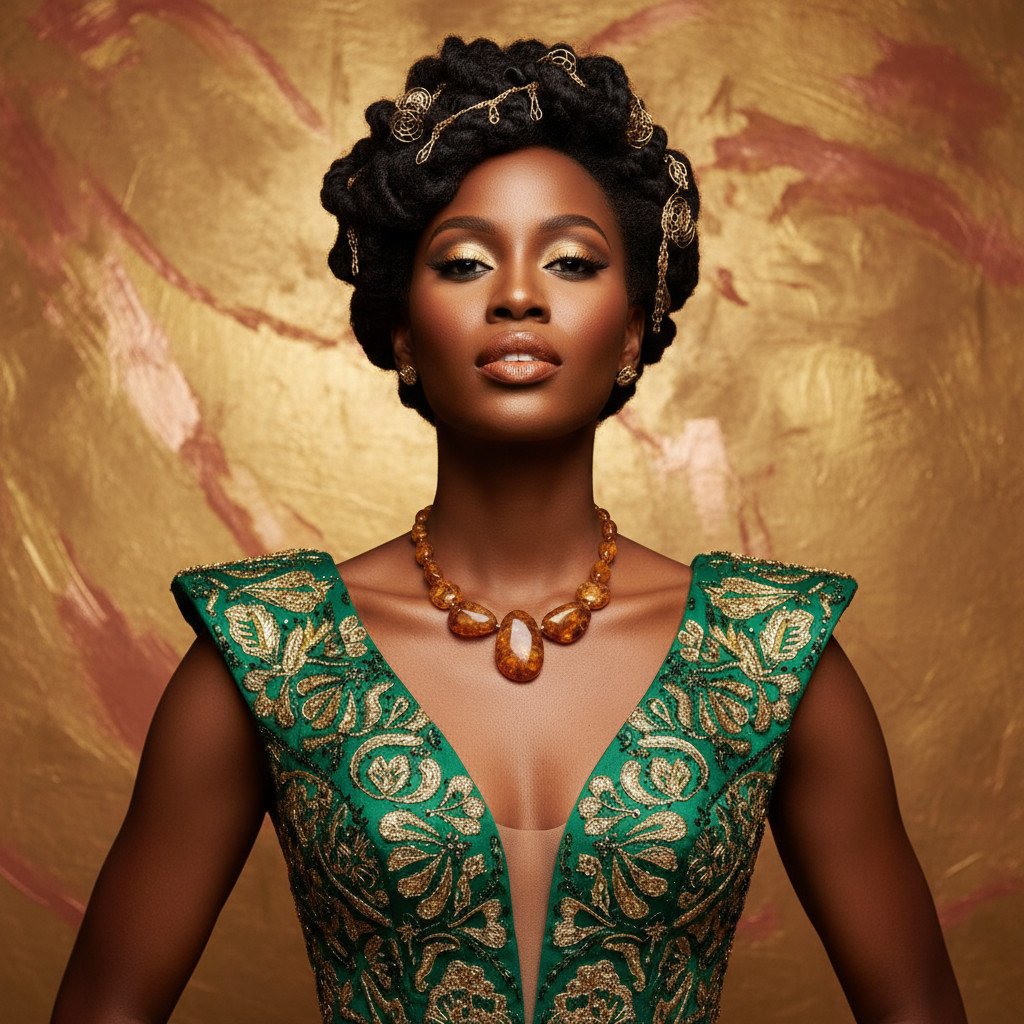
Color That Pops: Blush, Bronzer, Highlight, Eyes, and Lips for Melanin-Rich Skin
The joy of makeup truly comes alive with color. For deep skin, the right shades of blush, bronzer, and highlight can transform a look, adding warmth, dimension, and a vibrant glow. Forget the notion that only bright, intense colors work; it’s about understanding saturation, tone, and placement.
Unlocking Color Potential:
- Blush: On deep skin, blushes in rich berries, deep plums, warm terracotta, vibrant fuchsias, and true oranges truly sing. These shades provide a natural flush that enhances our inherent warmth. We’ll explore cream versus powder formulas and how to apply them for a lifted, radiant effect.
- Bronzer: Often misunderstood for deep skin, bronzer isn’t about making you look tanner; it’s about adding warmth and dimension. Look for rich, warm browns with red or golden undertones, avoiding anything too cool or gray. We’ll guide you on contouring versus bronzing for deep skin, ensuring a sculpted, sun-kissed look.
- Highlighter: The goal is a luminous glow, not a stark stripe. Golden, copper, bronze, and rose gold highlighters beautifully complement deep skin. We’ll discuss liquid, cream, and powder highlighters and strategic placement to catch the light in all the right places.
- Eyes: From everyday neutrals to dramatic statements, deep skin provides a stunning backdrop for eye makeup. Rich jewel tones, metallics, and vibrant mattes all look incredible. We’ll delve into eyeshadow palettes that flatter, eyeliner techniques that define, and mascara choices that volumize and lengthen.
- Lips: The possibilities are endless! From classic nudes that truly match our lip tone (think warm browns, deep caramels, and rosy mauves) to bold reds, purples, and berries, deep skin can carry a wide range of lip colors. We’ll discuss lip liners for definition, long-wearing formulas, and how to choose shades that brighten your complexion.
Our Color products for deep skin cluster is a vibrant exploration of shades, textures, and application techniques that will empower you to embrace color with confidence, ensuring every shade you choose enhances your natural beauty.
From Day to Night: Adapting Your Routine for Every Occasion
Life is dynamic, and your makeup routine should be too. Whether you’re heading to a corporate meeting, a casual brunch, or a glamorous evening event, knowing how to adapt your core makeup principles will save you time and ensure you always look your best. It’s about scaling your look, not starting from scratch.
Scaling Your Look:
- Everyday & Office Makeup: Focus on a polished, natural look that enhances your features without being distracting. This might involve a lighter coverage base, subtle blush and bronzer, defined brows, and a neutral lip. The emphasis is on looking fresh, confident, and approachable.
- Night Out & Special Events: This is where you can dial up the glam! Think fuller coverage, more sculpted contour and highlight, a bolder eye look, and a statement lip. The goal is to create a more impactful, long-lasting look that shines under different lighting conditions.
- Camera-Ready Looks: Whether for photoshoots, video calls, or social media, camera makeup has its own rules. This often involves strategic matte finishes to prevent flashback, careful contouring to add dimension that the camera can pick up, and ensuring your colors are vibrant enough to translate on screen.
The Everyday vs occasion routines cluster provides step-by-step guidance on how to transition your makeup, offering tips on product selection, layering, and touch-up strategies for different settings. We’ll help you build versatile routines that empower you to effortlessly switch from a minimalist daytime glow to a captivating evening allure.
Addressing Skin Concerns: Makeup for Textured & PIH-Prone Skin
Many Black women navigate skin concerns like hyperpigmentation (PIH), acne, and textured skin. It’s crucial that our makeup choices work in harmony with these realities, providing coverage and confidence without exacerbating issues or looking heavy. The key is strategic application and product selection.
Strategic Makeup for Challenging Skin:
- Hyperpigmentation (PIH): Instead of layering heavy foundation, we emphasize color correction as the first step. Using peach or orange correctors to neutralize dark spots allows for lighter foundation application, resulting in a more natural finish. We’ll discuss non-comedogenic formulas that won’t clog pores and contribute to further breakouts.
- Acne & Blemishes: The goal is to conceal without caking. Spot concealing with a precise brush and a full-coverage concealer, followed by a light layer of foundation, is often more effective than full-face heavy coverage. We also explore ingredients to avoid that can irritate active breakouts.
- Textured Skin: Products with a dewy or satin finish often look more flattering on textured skin than ultra-matte formulas, which can sometimes emphasize bumps or unevenness. Primer selection is crucial for smoothing the canvas, and gentle application techniques are key to preventing product from settling into fine lines or pores.
Our Makeup for textured/PIH‑prone skin cluster provides sensitive, practical advice. We link directly to our Hyperpigmentation & Dark Spots and Acne & Sensitive Skin in Black Women pillars, reinforcing the idea that makeup and skincare are interconnected. You’ll learn how to choose products that not only cover but also care for your skin, promoting long-term skin health.
Curating Your Collection: Product Capsule Systems for Every Woman
A cluttered makeup bag filled with unused products can be overwhelming and wasteful. Building a curated capsule collection—a small, versatile selection of products that meet your needs—is an empowering way to simplify your routine and ensure every item serves a purpose. This approach is especially beneficial for deep skin, as it encourages thoughtful selection of truly effective products.
Designing Your Essential Kits:
- Minimalist Kit: For the woman who loves a quick, effortless routine. This kit focuses on multi-tasking products and essentials that create a polished look in minutes. Think tinted moisturizer, a cream blush/lip combo, mascara, and brow gel.
- Work Kit: Designed for professionalism and longevity. This kit emphasizes products that last through a long day, offer a refined finish, and are easy to touch up discreetly. It might include a medium-coverage foundation, neutral eyeshadows, and a reliable setting powder.
- Travel Kit: Compact, secure, and versatile. This kit prioritizes space-saving products, spill-proof packaging, and items that can create multiple looks. Solid stick foundations, cream products, and travel-sized essentials are key.
The Product capsule systems cluster guides you through the process of decluttering your current collection and intentionally building new ones. We’ll provide checklists, product recommendations, and strategies for making smart investments in makeup that truly works for your deep skin tone and lifestyle, freeing you from the endless search for
Frequently Asked Questions
Why do foundations often look ashy or orange on deep skin tones?
Foundations can appear ashy if they lack the correct warmth or have too much gray pigment for your specific undertone. Conversely, an orange cast often occurs when a foundation has too much red or yellow pigment that doesn’t harmonize with your skin’s natural undertones, or if it oxidizes on your skin. Understanding your unique undertone (golden, red, olive, or blue-red) is crucial for finding a truly complementary shade.
How can I find my correct undertone if I have deep skin?
For deep skin, traditional undertone tests can be tricky. Look for hints of gold, red, or olive in your skin. The ‘vein test’ (blue/purple veins often indicate cool, green veins warm) can be a starting point, but also observe how gold vs. silver jewelry looks on you, or how your skin reacts to bright white fabric. Many Black women have warm, golden, or red undertones, but some can be neutral or even cool. Our ‘Shade-matching systems & undertones’ cluster offers more in-depth guidance.
What are the best blush and bronzer shades for deep skin tones?
For blush, rich berries, deep plums, vibrant fuchsias, warm terracotta, and true oranges beautifully complement deep skin, offering a natural flush that truly shows up. For bronzer, look for warm, rich browns with red or golden undertones to add dimension and warmth without looking muddy or gray. Avoid anything too cool-toned. Our ‘Color products for deep skin’ cluster provides specific shade recommendations.
How do I use color correctors for hyperpigmentation on deep skin?
Color correctors are essential for deep skin with hyperpigmentation. Use peach, orange, or even red correctors (depending on the depth of your skin and the darkness of the spots) to neutralize blue, purple, or brown tones in dark spots or under-eye circles. Apply a thin layer only to the discolored areas, blend gently, and then apply your foundation on top. This technique allows for lighter foundation coverage and a more natural finish. Consult our ‘Makeup for textured/PIH-prone skin’ cluster for detailed application tips.
What’s the best way to apply foundation for textured or acne-prone deep skin?
For textured or acne-prone deep skin, focus on strategic placement and light layers. Start with a smoothing or hydrating primer. Instead of full-face heavy coverage, use color correctors on hyperpigmentation, then spot conceal blemishes with a precise brush. Apply a medium-coverage foundation, blending outwards from the center of your face. Opt for satin or natural-finish foundations over ultra-matte ones, as they tend to look less heavy and don’t emphasize texture as much. Our ‘Makeup for textured/PIH-prone skin’ cluster has more specific techniques.
Are there specific ingredients in makeup I should avoid for sensitive or acne-prone deep skin?
Yes, for sensitive or acne-prone deep skin, it’s wise to avoid common irritants and pore-clogging ingredients. Look for products labeled ‘non-comedogenic’ and ‘fragrance-free.’ Be cautious with heavy oils, alcohol, and certain synthetic dyes. Patch testing new products is always recommended. Our ‘Acne & Sensitive Skin in Black Women’ pillar provides a comprehensive guide to skincare ingredients that can impact your makeup choices.
How can I build a minimalist makeup kit that truly works for deep skin tones?
Building a minimalist kit for deep skin involves selecting versatile, multi-tasking products. Focus on a tinted moisturizer or light-to-medium coverage foundation that matches your undertone perfectly. Include a cream blush/lip tint in a rich berry or terracotta shade, a good mascara, and a brow product. A translucent or finely milled setting powder in a complementary tone is also key. The goal is to choose items that enhance your natural features with minimal effort. Explore our ‘Product capsule systems’ cluster for curated kit ideas.