Moisturizers for Black Women: Barrier Repair vs Lightweight Hydration
Standing before a shelf brimming with skincare, the quest for the perfect moisturizer often feels like navigating a labyrinth. For Black women, this journey is frequently compounded by conflicting advice and products that seem to miss the mark entirely. Perhaps you’ve experienced the frustration of slathering on a rich, promising cream only to find it suffocating your pores, leading to unwelcome breakouts. Or, conversely, you’ve embraced a ‘lightweight’ gel, only for your skin to feel tight, dull, and ashy mere hours later, betraying the very hydration it promised.
The beauty industry, for too long, has operated under a narrow understanding of melanin-rich skin, perpetuating myths like ‘Black skin is always oily’ or ‘doesn’t need much moisture.’ These generalizations fail to acknowledge the diverse needs and inherent resilience of our skin, often pushing us towards solutions that are either too aggressive or simply inadequate. You deserve more than a one-size-fits-all approach; you deserve formulations that honor the unique biology and aesthetic of your complexion.
This guide is crafted to cut through the noise, offering clarity and empowering you with the knowledge to make informed choices. We will demystify the essential differences between barrier-repair moisturizers and lightweight hydration, illustrating when and why each is crucial for melanin-rich skin. By the end, you will possess a clear understanding of how to select the ideal moisturizer based on your skin type, concerns, and even the changing seasons, ensuring your skin remains radiant, balanced, and deeply nourished, without compromise.
What Moisturizer Really Does for Melanin-Rich Skin
At the heart of healthy skin lies an intact skin barrier – the outermost layer, often likened to a protective brick wall. This intricate structure is composed of skin cells (corneocytes) bound together by a lipid matrix, primarily ceramides, cholesterol, and fatty acids. Its primary function is twofold: to keep essential moisture locked within the skin and to shield against environmental aggressors, irritants, and pathogens. When this barrier is compromised, the consequences for melanin-rich skin can be particularly noticeable and frustrating.
Repeated dryness, the use of harsh cleansing agents, over-exfoliation, or even environmental stressors can disrupt this delicate balance. For dark skin tones, a compromised barrier often manifests as persistent dullness, an ashy appearance, rough or uneven texture, increased sensitivity, and a heightened susceptibility to post-inflammatory hyperpigmentation (PIH) – those stubborn dark marks that linger long after a blemish or irritation has healed. This is because a weakened barrier makes the skin more vulnerable to inflammation, which in turn triggers melanin production.
Understanding moisturizers requires differentiating between two key concepts: hydration and barrier support. Hydration refers to the water content within the skin. Humectants, such as glycerin, hyaluronic acid, and urea, are ingredients that draw water from the atmosphere or deeper skin layers into the epidermis, plumping it up and making it feel supple. Barrier support, on the other hand, focuses on replenishing the skin’s natural lipids and creating an occlusive layer to prevent transepidermal water loss (TEWL) – the evaporation of water from the skin’s surface. Emollients (like fatty acids, cholesterol, and plant oils) smooth and soften the skin, while occlusives (like petrolatum, dimethicone, and lanolin) form a physical seal to trap moisture.
It’s a common misconception that melanin-rich skin, especially if it appears oily on the surface, doesn’t require significant barrier support. However, even oily skin can be dehydrated or have a compromised barrier. The skin’s sebaceous glands produce oil (sebum), but this doesn’t always equate to sufficient water content or a robust lipid barrier. In fact, aggressive oil-stripping routines can inadvertently damage the barrier, leading to rebound oiliness as the skin tries to compensate, alongside dryness and sensitivity. Therefore, moisturizers play a critical role in maintaining the health, resilience, and radiant appearance of all melanin-rich skin, regardless of its surface oiliness.
Barrier Repair vs Lightweight Hydration – What’s the Difference?
The distinction between barrier repair and lightweight hydration is fundamental to selecting the right moisturizer for your skin’s evolving needs. While both aim to keep skin comfortable and healthy, their mechanisms and ideal applications differ significantly. Recognizing these differences empowers you to tailor your routine with precision, moving beyond generic recommendations to truly address what your melanin-rich skin requires.
Barrier Repair Moisturizers are formulated with a primary focus on rebuilding and fortifying the skin’s natural protective barrier. These products are typically richer in texture, often presenting as creams, balms, or thicker lotions. Their ingredient profiles are intentionally designed to mimic the skin’s natural lipid composition, featuring key components such as ceramides, cholesterol, and fatty acids. Beyond these foundational lipids, barrier repair moisturizers frequently incorporate occlusive agents like petrolatum, dimethicone, or shea butter, which create a protective seal on the skin’s surface, minimizing transepidermal water loss (TEWL). They may also include nourishing plant oils (like jojoba, squalane, or sunflower seed oil) and soothing ingredients (such as colloidal oatmeal or allantoin) to calm irritation and support healing. These formulations are particularly beneficial for skin that feels dry, tight, sensitive, or has been compromised by environmental factors, harsh treatments, or the overuse of active ingredients. They are an indispensable ally during colder months, after intensive skincare procedures, or when your skin is simply signaling that it needs deep nourishment and protection.
Lightweight Hydration, conversely, focuses on delivering immediate and ample water content to the skin. These moisturizers typically come in the form of gels, gel-creams, or light lotions, characterized by their refreshing, non-greasy feel and rapid absorption. Their efficacy hinges on a high concentration of humectants—ingredients that attract and bind water. Common humectants include hyaluronic acid, glycerin, sodium PCA, and urea. While they might contain some light emollients to smooth the skin, their primary goal is to quench thirst without adding significant occlusive weight. Lightweight hydrators are ideal for individuals with oily or combination skin, those living in humid climates, or anyone seeking a non-comedogenic option that layers seamlessly under makeup or sunscreen. They provide a burst of moisture, leaving the skin feeling plump and refreshed, but may not offer the same long-lasting barrier reinforcement as their richer counterparts. They are excellent for daily maintenance when the skin barrier is already healthy and robust, or as a foundational layer before applying a more protective product.
Understanding this dichotomy allows for a more strategic approach to skincare. It’s not about choosing one over the other permanently, but rather discerning when each type serves your skin best. Your skin’s needs are dynamic, influenced by internal factors like hormonal fluctuations and external factors like weather and your skincare routine. A well-rounded approach often involves having access to both, allowing you to intuitively respond to your skin’s signals. For instance, you might reach for a lightweight gel in the morning during summer and switch to a barrier-repair cream at night during winter, or after using potent actives. This adaptability is key to maintaining optimal skin health and radiance, ensuring your melanin-rich complexion always looks and feels its best.
To further illustrate the distinctions, consider the following comparison:
| Feature | Barrier Repair Moisturizers | Lightweight Hydration |
|---|---|---|
| Texture | Creamy, rich, balm-like, thicker lotions | Gel, gel-cream, light lotion, fluid |
| Primary Function | Rebuild and fortify skin barrier, prevent TEWL, soothe | Increase water content, provide immediate moisture |
| Key Ingredients | Ceramides, cholesterol, fatty acids, occlusives (petrolatum, dimethicone), nourishing oils | Humectants (hyaluronic acid, glycerin), light emollients |
| Ideal Skin Types | Dry, very dry, sensitive, compromised, mature, post-procedure | Oily, combination, normal, acne-prone, humid climates |
| Best Times to Use | PM, AM (if very dry), colder seasons, after actives/peels | AM, warmer seasons, under makeup/SPF, layering |
| Pros | Deeply nourishing, long-lasting protection, reduces sensitivity, supports healing | Fast-absorbing, non-greasy, refreshing, non-comedogenic, good for layering |
| Considerations | Can feel heavy, may not suit very oily skin in humid climates, potential for pore clogging if too rich for skin type | May not provide enough barrier support for very dry or compromised skin, hydration can be fleeting without occlusives |
Incorporating this nuanced understanding into your daily regimen begins with your cleansing step. A gentle, non-stripping cleanser is the first line of defense for maintaining your skin’s barrier integrity, setting the stage for your chosen moisturizer to perform optimally. For guidance on selecting the right cleanser, refer to our comprehensive guide: How to Choose a Cleanser for Melanin-Rich Skin.
Best Moisturizers for Oily and Acne-Prone Melanin-Rich Skin
For Black women with oily and acne-prone skin, the notion of applying moisturizer can sometimes feel counterintuitive. There’s a persistent myth that adding moisture will only exacerbate oiliness and trigger more breakouts. However, this couldn’t be further from the truth. Oily skin, despite its abundant sebum production, still requires hydration and barrier support to function optimally. In fact, neglecting to moisturize can lead to a dehydrated surface, prompting the skin to produce even more oil in an attempt to compensate, creating a vicious cycle of oiliness and breakouts.
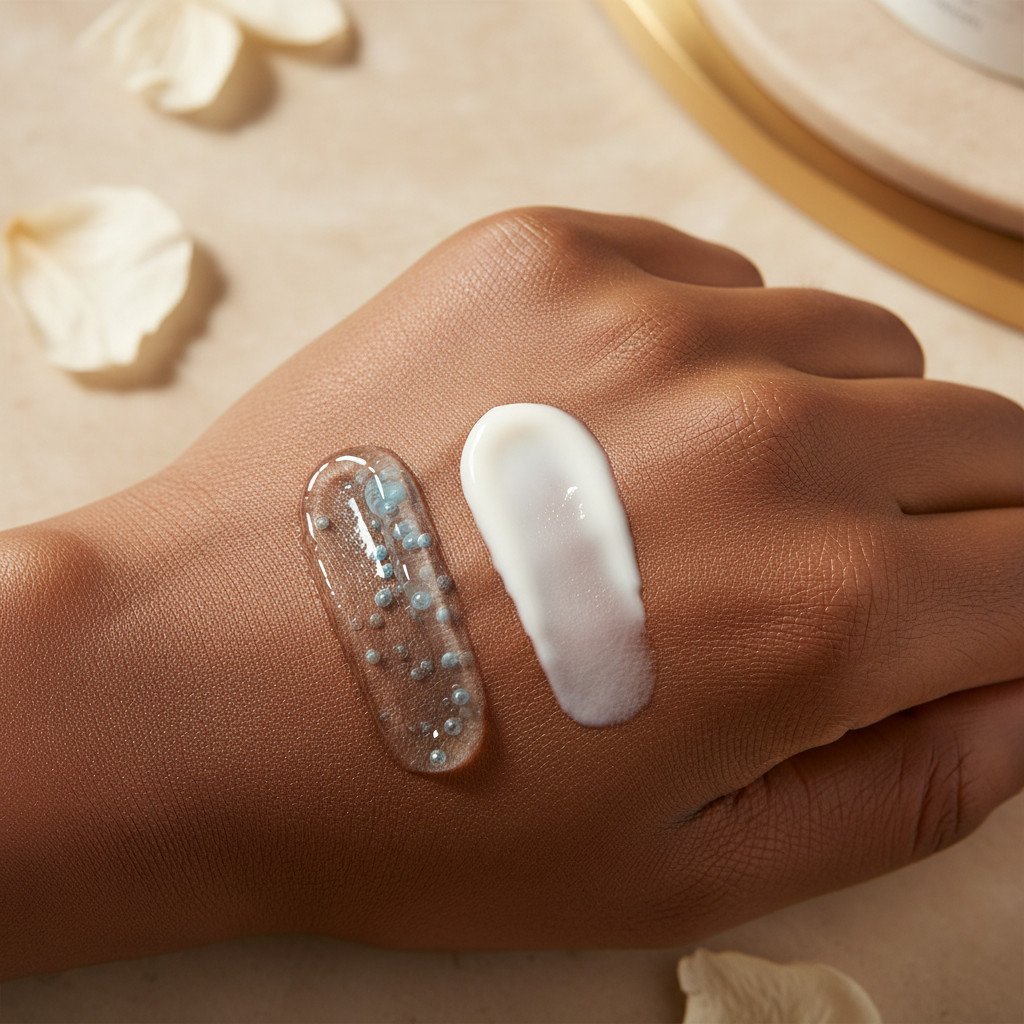
The key lies in selecting formulations that are specifically designed to balance hydration without contributing to congestion. For oily and acne-prone melanin-rich skin, the focus should be on oil-free or very low-oil gel creams, lightweight lotions, and non-comedogenic formulas. These products are engineered to deliver essential moisture and light barrier support without feeling heavy, greasy, or occlusive. They help to maintain a healthy skin barrier, which is crucial for reducing inflammation, preventing post-inflammatory hyperpigmentation (PIH), and supporting the skin’s natural healing processes, especially when dealing with active breakouts or the aftermath of blemishes. A well-moisturized barrier is less reactive and more resilient, allowing your skin to better tolerate acne treatments and recover more effectively.
When your skin is oily and prone to breakouts, the goal is to provide sufficient hydration and gentle barrier reinforcement without overloading the pores. Look for textures that feel refreshing and absorb quickly, leaving a matte or natural finish rather than a shiny residue. These types of moisturizers are particularly beneficial in the morning routine, as they create a smooth canvas for sunscreen and makeup without contributing to midday shine. They also play a vital role in your evening routine, especially if you are using active ingredients like retinoids or salicylic acid, which can be drying. A lightweight moisturizer can help mitigate potential irritation and dryness, ensuring your skin remains comfortable and resilient.
- What textures to look for: Prioritize gel, gel-cream, or very fluid lotion textures. These are typically water-based, non-greasy, and absorb quickly without leaving a heavy film. They provide a burst of hydration that feels refreshing and won’t weigh down the skin.
- Ingredient patterns that help: Seek out ingredients like niacinamide, which helps regulate oil production, reduce inflammation, and improve barrier function. Glycerin and hyaluronic acid are excellent humectants that draw moisture into the skin without adding oil. Look for soothing agents such as centella asiatica (Cica), green tea extract, or allantoin to calm redness and irritation. Non-heavy emollients like squalane or dimethicone can provide a silky feel and light barrier support without clogging pores. Salicylic acid in very low concentrations can also be beneficial in a moisturizer for its pore-clearing properties, but ensure it’s balanced with hydrating ingredients.
- What to be cautious with: Be wary of very rich, occlusive creams or thick butters, especially if applied heavily over active routines. While some occlusives are non-comedogenic, their density can sometimes feel suffocating on oily skin, particularly in humid climates. Avoid products with a high concentration of heavy, pore-clogging oils (like coconut oil or cocoa butter) if your skin is highly acne-prone. Always check for labels like ‘non-comedogenic’ and ‘oil-free’ to minimize the risk of breakouts.
Integrating a suitable lightweight moisturizer into your routine is a foundational step towards balanced, clear, and radiant skin. It supports the efficacy of your other skincare steps, particularly those focused on treating acne and hyperpigmentation. For a comprehensive morning regimen that incorporates these principles, explore our guide on Morning Skincare Routine for Black Women by Skin Type. Additionally, proper exfoliation is crucial for preventing clogged pores and promoting skin clarity; learn more in our article How Often Should Black Women Exfoliate?
To explore suitable options, you can browse oil-free gel moisturizers specifically formulated for oily dark skin on Amazon.
Best Moisturizers for Dry, Dehydrated, and Ashy Melanin-Rich Skin
For many Black women, dry, dehydrated, or ashy skin is a persistent concern, often manifesting as a dull complexion, a tight sensation after cleansing, visible flaking, or a rough texture that can sometimes be mistaken for uneven tone. This dryness can even coexist with occasional breakouts, creating a complex skin profile that requires careful consideration. The challenge lies in finding moisturizers that provide profound, lasting nourishment without feeling heavy or occlusive to the point of congestion. The goal is to restore suppleness, luminosity, and comfort, effectively banishing ashiness and promoting a healthy, vibrant glow.
When melanin-rich skin is dry or dehydrated, its natural barrier is often compromised, leading to increased transepidermal water loss (TEWL) and a heightened susceptibility to environmental stressors. This can exacerbate existing concerns like hyperpigmentation, as irritated skin is more prone to producing excess melanin. Therefore, the best moisturizers for these skin types are those that not only hydrate but also actively repair and reinforce the skin’s barrier. This means seeking out richer creams, balms, and thoughtfully formulated butter blends that deliver a powerful cocktail of humectants, emollients, and occlusives, ensuring moisture is drawn in, sealed, and protected.
These richer formulations are designed to provide a sustained release of nourishing ingredients, helping to restore the skin’s lipid matrix and prevent moisture evaporation throughout the day and night. While they are more substantial in texture, modern formulations are increasingly sophisticated, offering deep hydration without necessarily feeling heavy or greasy. The key is to find products that feel luxurious and comforting, melting into the skin rather than sitting on top, and that are non-comedogenic despite their richness. Layering these over hydrating serums (containing ingredients like hyaluronic acid or polyglutamic acid) can further amplify their benefits, creating a multi-layered approach to combating dryness and restoring a plump, dewy complexion.
- When to choose a classic cream vs a balm vs a butter blend:
- Classic Cream: A versatile choice for daily use, offering a good balance of hydration and barrier support. Ideal for moderately dry skin or as a step up from a lightweight lotion. Look for creams rich in ceramides, cholesterol, and fatty acids.
- Balm: Best for severely dry, compromised, or very sensitive skin. Balms are typically anhydrous (water-free) or contain very little water, making them highly occlusive and protective. They create a strong barrier to prevent TEWL and are excellent for soothing irritation and supporting intense repair, particularly overnight or in harsh conditions.
- Butter Blend: Formulations featuring natural butters like shea, cocoa, or mango butter can be deeply nourishing and emollient. Choose blends that are balanced with other non-comedogenic oils and humectants to ensure they don’t feel too heavy or potentially clog pores. These are wonderful for providing a luxurious feel and intense moisture, especially for body care, but for the face, opt for those specifically formulated to be non-comedogenic.
- How to use them at night vs in the morning under SPF:
- Night: This is when your skin’s repair processes are most active, making it the ideal time for richer, more potent moisturizers. Apply a generous layer of your chosen cream, balm, or butter blend after serums and treatments. This allows the product to deeply nourish and repair your barrier undisturbed overnight.
- Morning: While barrier support is still crucial, consider the texture of your SPF and makeup. If your SPF is already rich, you might opt for a slightly lighter cream or use less of your rich moisturizer. The goal is to create a comfortable, hydrated base that allows your SPF to sit well without pilling or feeling heavy. If your skin is extremely dry, a rich cream is still appropriate, ensuring it has time to absorb before SPF application.
- Adjusting thickness with seasons and climate: Your skin’s needs fluctuate with the environment. In colder, drier months or climates, you’ll likely need a thicker, more occlusive moisturizer to combat the harsh elements and prevent moisture loss. During warmer, more humid seasons, you might find you can switch to a slightly lighter cream or use less product, as the ambient humidity naturally aids in hydration. Pay attention to how your skin feels and adjust accordingly; flexibility is key.
For those managing hyperpigmentation alongside dryness, a healthy, resilient skin barrier is paramount. A compromised barrier can exacerbate inflammation, leading to more stubborn dark marks. Therefore, consistent use of a nourishing moisturizer is a non-negotiable step in any routine targeting uneven tone. For a deeper dive into evening routines designed to address these concerns, consult our guide: Nighttime Routine for Black Women with Hyperpigmentation. You can also find comprehensive information on managing dark spots in our Hyperpigmentation Pillar Hub.
To find suitable options, you can browse rich face creams for dry dark skin that work well under makeup on Amazon.
Moisturizers for Combination and Sensitive Melanin-Rich Skin
Combination and sensitive skin types present a unique set of challenges for Black women. You might experience an oily T-zone, dry patches on the cheeks, and an overall reactivity that leads to stinging, redness, or irritation with certain products. This complex profile often leaves individuals feeling as though they are constantly battling their skin, struggling to find a moisturizer that addresses all concerns without exacerbating others. The goal is to achieve balance and comfort, soothing sensitive areas while managing oiliness, all without triggering further reactivity or congestion.
The key to caring for combination and sensitive melanin-rich skin lies in strategic product selection and application. Instead of trying to force one product to do everything, a nuanced approach often yields the best results. This might involve using a single, well-balanced lotion all over the face, or employing a technique known as ‘zone-treating,’ where different products or application methods are used for different areas of the face. The emphasis should always be on gentle, fragrance-free formulations that support the skin barrier without introducing potential irritants. This approach helps to calm sensitivity, normalize oil production, and ensure all areas of the face receive appropriate hydration and protection.
For sensitive skin, ingredient lists become even more critical. Look for products with minimal ingredients, free from common irritants like fragrance, essential oils, and certain harsh preservatives. Soothing ingredients such as ceramides, niacinamide, panthenol, and colloidal oatmeal are invaluable for strengthening the barrier and reducing reactivity. For combination skin, the texture should be light enough not to overwhelm the oily T-zone but nourishing enough to comfort dry cheeks. A lightweight cream or a gel-cream often strikes this delicate balance, providing broad-spectrum benefits without feeling too heavy or too light.
- A basic day pattern:
- Start with a gentle, hydrating cleanser.
- Apply a lightweight, fragrance-free lotion or gel-cream evenly across your entire face. Look for formulations that are non-comedogenic and contain soothing ingredients like niacinamide or panthenol. This provides a balanced level of hydration and barrier support for both oily and dry areas.
- Follow with a broad-spectrum SPF. If your T-zone gets particularly oily, you might opt for a matte-finish sunscreen.
- A basic night pattern:
- After cleansing, apply any targeted treatments (e.g., a hydrating serum for dry areas or a gentle active for breakouts).
- Apply your balanced lightweight lotion or gel-cream all over.
- If your cheeks or other areas are particularly dry or sensitive, consider spot-layering a small amount of a richer, barrier-repair cream specifically on those areas. This allows you to provide targeted nourishment where needed without overwhelming your oily T-zone.
- How to test new moisturizers if you’re easily irritated:
- Patch Test: Before applying a new moisturizer to your entire face, perform a patch test. Apply a small amount to an inconspicuous area, like behind your ear or on your inner forearm, for several days. Monitor for any redness, itching, burning, or breakouts.
- Introduce Slowly: Once the patch test is clear, introduce the new moisturizer slowly into your routine. Start by using it every other day for a week, then gradually increase to daily use if your skin tolerates it well.
- One Product at a Time: Avoid introducing multiple new products simultaneously. If you experience a reaction, it will be much easier to identify the culprit if you’ve only changed one item in your routine.
- Listen to Your Skin: Pay close attention to how your skin feels. Any persistent stinging, burning, or tightness is a sign that the product might not be suitable for your sensitive skin.
Managing combination and sensitive skin requires patience and a willingness to adapt your routine. The goal is to create a harmonious environment where all areas of your skin feel comfortable and balanced. When incorporating active ingredients, understanding how to layer them effectively is crucial to prevent irritation. Our guide on How to Layer Actives on Dark Skin provides valuable insights. Furthermore, being aware of common skincare pitfalls can help you avoid unnecessary sensitivity and dark marks; explore our article on Skincare Mistakes Causing Dark Marks and Sensitivity.
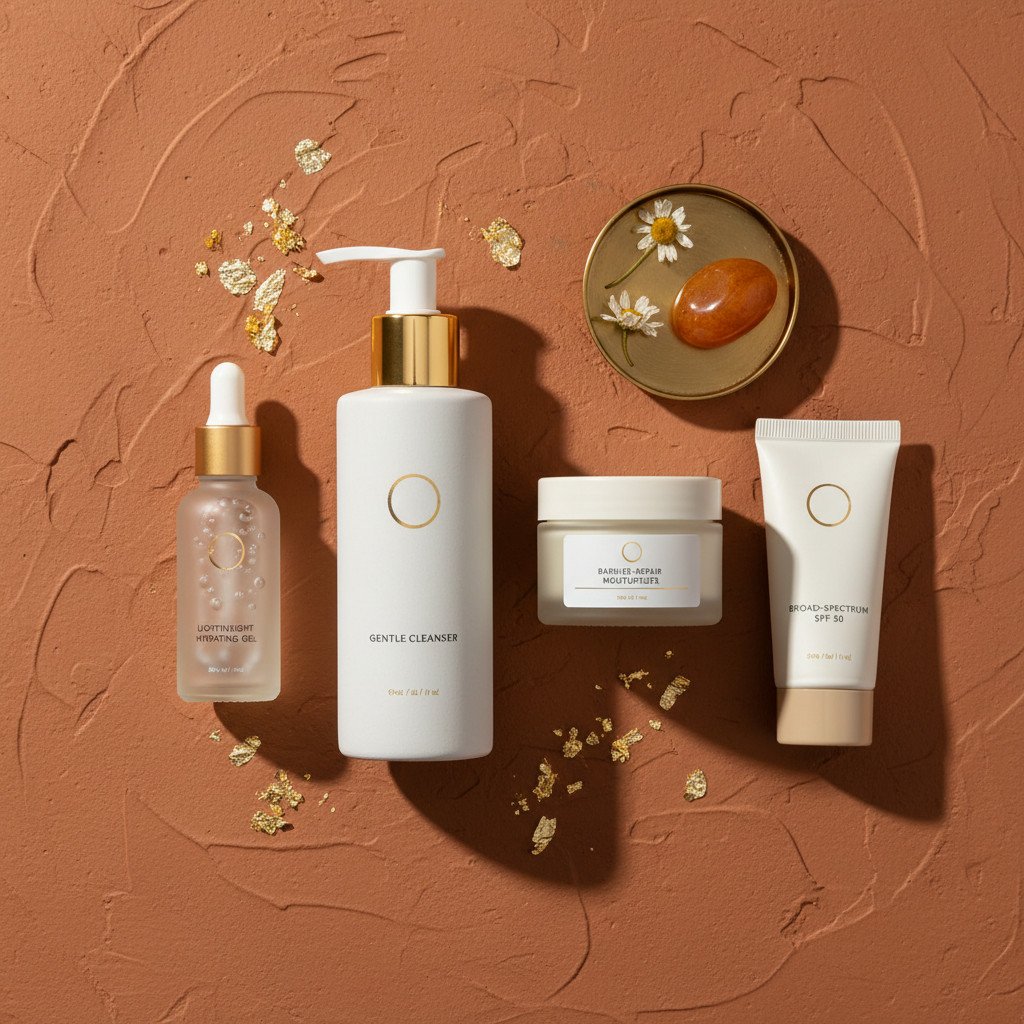
To explore suitable options, you can browse fragrance-free moisturizers for sensitive dark skin on Amazon.
When You Need True Barrier Repair (Not Just a Lighter Lotion)
While lightweight hydration is a cornerstone of many healthy skincare routines, there are distinct moments when your melanin-rich skin signals a deeper need—a call for true barrier repair. This isn’t merely about feeling a bit dry; it’s about a fundamental compromise in your skin’s protective function, demanding a more robust and targeted intervention. Recognizing these signals is crucial for preventing further damage, reducing inflammation, and maintaining the radiant health of your complexion.
The signs that your skin barrier needs extra help are often unmistakable. You might experience a persistent burning or stinging sensation even with products that were previously well-tolerated, or a chronic tightness that no amount of light lotion seems to alleviate. Flaking, unusual redness, or a sudden increase in reactivity to environmental factors are also strong indicators. For melanin-rich skin, a particularly concerning sign is the appearance of more pronounced or persistent dark marks (PIH) after even minor irritations or blemishes, as this suggests the barrier is too weak to effectively manage inflammation. Your skin might feel rough to the touch, lose its natural luminosity, and appear dull or unusually sensitive.
Several situations can trigger this need for intensive barrier repair. Overuse of potent active ingredients, such as retinoids, AHAs, or BHAs, can strip the skin of its natural lipids and compromise its integrity. Similarly, professional treatments like chemical peels or microdermabrasion, while beneficial, intentionally create controlled damage that necessitates robust post-procedure barrier support. Environmental factors also play a significant role: harsh winter weather, extreme humidity changes, or even prolonged exposure to air conditioning or airplane cabins can dehydrate and weaken the barrier. Finally, simplifying a routine to focus purely on repair can be a deliberate choice when your skin feels overwhelmed or reactive, allowing it to reset and regain its strength.
- How to temporarily simplify routine (cleanser + barrier cream + SPF): When your barrier is compromised, less is often more. Strip your routine back to the absolute essentials.
- Gentle Cleanser: Use a mild, hydrating, non-foaming cleanser to remove impurities without stripping the skin. Avoid harsh scrubbing or hot water.
- Barrier Repair Cream: This is your hero product. Apply a generous layer of a rich, ceramide-rich barrier repair cream twice daily. Focus on formulations that contain ceramides, cholesterol, fatty acids, and soothing ingredients like panthenol or colloidal oatmeal.
- Broad-Spectrum SPF: During the day, always follow with a broad-spectrum sunscreen of SPF 30 or higher. A compromised barrier is more susceptible to UV damage, which can exacerbate sensitivity and hyperpigmentation. Choose a mineral-based SPF if your skin is particularly reactive.
- How long to test before layering in more actives: Patience is paramount during barrier repair. Allow your skin a minimum of 2-4 weeks with this simplified routine to fully recover. Look for signs of improvement: reduced redness, less stinging, improved texture, and a return to comfortable, supple skin. Only once your skin feels completely calm and resilient should you consider slowly reintroducing active ingredients, one at a time, and at lower concentrations initially. Always listen to your skin’s feedback.
- When to consider speaking with a dermatologist: While barrier repair creams can work wonders, there are instances when professional guidance is warranted. If your skin barrier remains severely compromised despite consistent use of a simplified, barrier-focused routine, or if you experience persistent pain, extreme redness, swelling, or signs of infection, it’s time to consult a board-certified dermatologist. They can assess underlying conditions, rule out allergies, and provide prescription-strength treatments or tailored advice to restore your skin’s health. Remember, this guidance is not a substitute for professional medical advice.
Prioritizing true barrier repair is an act of self-love and a testament to listening to your skin’s deepest needs. It’s a foundational step that ultimately enhances the efficacy of all other products in your regimen and ensures your melanin-rich skin maintains its natural resilience and luminosity. For further foundational knowledge, revisit our Skincare for Black Women – The Complete Melanin-Rich Skin Guide. If you are struggling with persistent acne or hyperpigmentation, understanding the role of a healthy barrier is crucial, and you can find more information in our dedicated Hyperpigmentation Pillar Hub.
Moisturizer, SPF, and Makeup – Making Them Work Together
The harmonious interplay between your moisturizer, sunscreen, and makeup is crucial for achieving a flawless, radiant finish on melanin-rich skin. A mismatched combination can lead to common frustrations like pilling, where products roll off the skin in tiny balls; sliding, where makeup fails to adhere and seems to melt away; or an undesirable ashy cast that detracts from your natural glow. Conversely, a well-chosen trio creates a seamless canvas, allowing each product to perform its best, resulting in skin that looks vibrant, protected, and beautifully even-toned throughout the day.
The texture and finish of your moisturizer significantly influence how subsequent layers of SPF and makeup will sit. A moisturizer that is too rich or occlusive for your skin type, especially in warmer climates, can create a slippery surface that causes sunscreen to pill or makeup to slide. Conversely, a moisturizer that is too light or absorbs too quickly without leaving adequate emollience can leave the skin feeling tight, making it difficult for SPF to spread evenly, potentially leading to an ashy appearance, or causing makeup to cling to dry patches and emphasize texture. The goal is to strike a balance that provides sufficient hydration and a smooth, receptive surface without excess residue.
Strategic pairing is key. If you prefer a richer, more nourishing moisturizer, particularly in the morning, consider pairing it with a lighter, cosmetically elegant sunscreen. Many modern chemical sunscreens or tinted mineral sunscreens are formulated to be sheer and blend seamlessly, minimizing the risk of pilling or a white cast. Allow your rich moisturizer ample time to absorb (5-10 minutes) before applying SPF. On the other hand, if your daily SPF is already a rich, emollient formula, you might opt for a lighter, gel-based or fluid moisturizer underneath. This prevents an overly heavy feeling and ensures your skin isn’t suffocated. For makeup, a well-hydrated and protected base is essential. Makeup, especially foundation and concealer, adheres better to supple, moisturized skin, resulting in a smoother application and longer wear. Experiment with different combinations to find what works best for your skin’s unique needs and the specific products you use.
The choice of sunscreen is particularly vital for melanin-rich skin, not only for protection against UV damage but also for its cosmetic finish. Many sunscreens, especially older mineral formulations, can leave a noticeable white or purple cast on darker skin tones, which is both aesthetically displeasing and a barrier to consistent use. Thankfully, innovations in sunscreen technology have led to a plethora of options that blend invisibly, offering robust protection without compromise. Look for sunscreens specifically marketed as ‘no white cast’ or those with a slight tint that complements deeper complexions. The right sunscreen, layered over the right moisturizer, is the ultimate duo for daily skin health and beauty.
For comprehensive guidance on selecting sun protection that respects and enhances your melanin-rich skin, explore our Sunscreen for Dark Skin Pillar Hub. This resource delves into the nuances of SPF, offering insights into formulations that provide effective protection without the dreaded white cast. Additionally, integrating these steps into a cohesive morning routine is essential for optimal results. Our Morning Skincare Routine for Black Women by Skin Type provides a detailed framework for layering your products effectively, ensuring your skin is prepped, protected, and ready for the day ahead.
To find sunscreens specifically designed for dark skin without a white cast, you can browse sunscreens for dark skin with no white cast to layer over moisturizer on Amazon.
Final Thoughts
Navigating the world of moisturizers for melanin-rich skin can feel like a complex endeavor, but it is ultimately a journey of self-discovery and empowerment. Understanding the distinct roles of barrier repair and lightweight hydration is not about adhering to rigid rules, but about cultivating a deeper, more intuitive relationship with your skin. When your skin calls for more moisture, richer textures, or the ‘boring’ but essential support of a barrier-repair cream, recognize that this is not a failure; it is your skin communicating its needs, and your willingness to listen is a profound act of self-care.
View your moisturizers not as magic fixes, but as supportive partners in your skincare journey. Their true value is revealed not in immediate, dramatic transformations, but in the consistent, long-term health and resilience they impart. Judge them by how your skin feels and looks over weeks and months – the subtle reduction in tightness, the sustained luminosity, the improved texture, and the enhanced ability to withstand environmental stressors. This patient, observational approach allows you to truly discern what works best for your unique complexion, moving beyond fleeting trends to embrace sustainable skin health.

As you continue to refine your skincare regimen, remember that Black Beauty Basics is your trusted resource. Pair the insights from this guide with our comprehensive Morning Routine, our deep dive into Cleanser selection, and our guidance on Exfoliation. Let our Skincare pillar hub serve as your anchor, a reliable source of wisdom and clarity whenever you feel tempted to overhaul your routine or feel overwhelmed by the sheer volume of information available. Your skin deserves consistent, informed care, and by embracing this knowledge, you are investing in its enduring radiance and your own deep feminine confidence.
Frequently Asked Questions
Do Black women really need moisturizer if their skin is oily?
Yes, absolutely. Oily melanin-rich skin still requires hydration and barrier support. Neglecting moisturizer can lead to dehydration, prompting the skin to produce even more oil to compensate, potentially exacerbating breakouts and compromising the skin’s protective barrier, which is crucial for preventing hyperpigmentation.
How do I know if my moisturizer is too heavy for my dark skin?
Signs a moisturizer is too heavy include feeling greasy or suffocating on the skin, leading to increased breakouts or clogged pores, pilling under sunscreen or makeup, or simply not absorbing well. Your skin may also appear excessively shiny or feel uncomfortable after application, especially in humid climates.
Can I use the same moisturizer morning and night?
While it’s possible, it’s often beneficial to use different moisturizers. A lighter, fast-absorbing formula is typically preferred in the morning to layer under SPF and makeup, while a richer, more nourishing barrier-repair cream can be ideal at night to support the skin’s natural regeneration process without interference from environmental factors or makeup.
How should I change my moisturizer between summer and winter?
In colder, drier winter months, your skin will likely benefit from a richer, more occlusive barrier-repair cream to combat harsh elements and prevent moisture loss. During warmer, more humid summer months, you might prefer a lighter, gel-based or fluid moisturizer that provides hydration without feeling heavy or contributing to excess shine.
What if every moisturizer seems to break me out?
If every moisturizer causes breakouts, it’s crucial to ensure your skin barrier isn’t compromised. Look for non-comedogenic, fragrance-free formulas with minimal ingredients. Consider patch testing new products extensively and simplifying your routine to only a gentle cleanser and a very basic, non-comedogenic moisturizer to allow your skin to reset. Consulting a dermatologist can also help identify specific triggers or underlying conditions.
How long does it take to see a difference after switching to a barrier-repair cream?
Improvements from a barrier-repair cream can often be felt relatively quickly, with reduced tightness and increased comfort within a few days. However, for significant visible changes in skin texture, redness, and overall resilience, allow at least 2-4 weeks of consistent use. Full barrier restoration can take longer, depending on the initial state of compromise.
Shop oil-free gel moisturizer on Amazon
Shop rich face cream on Amazon
Shop fragrance-free moisturizer on Amazon
Shop sunscreen for dark skin on Amazon
Related next steps
Related posts:
 Barrier Repair Routine for Sensitive Dark Skin: Your Gentle Guide
 The Melanin Guide to Barrier Repair: How to Heal and Strengthen Your Skin’s Protective Shield
 Postpartum Skin Reset: Pigmentation, Acne, and Barrier Repair on Melanin-Rich Skin
 Cleansers, Serums, and Moisturizers for Black Women
 Signs of a Damaged Skin Barrier on Melanin-Rich Skin: A Guide for Black Women
 The Importance of Hydration in Skincare for African American Women