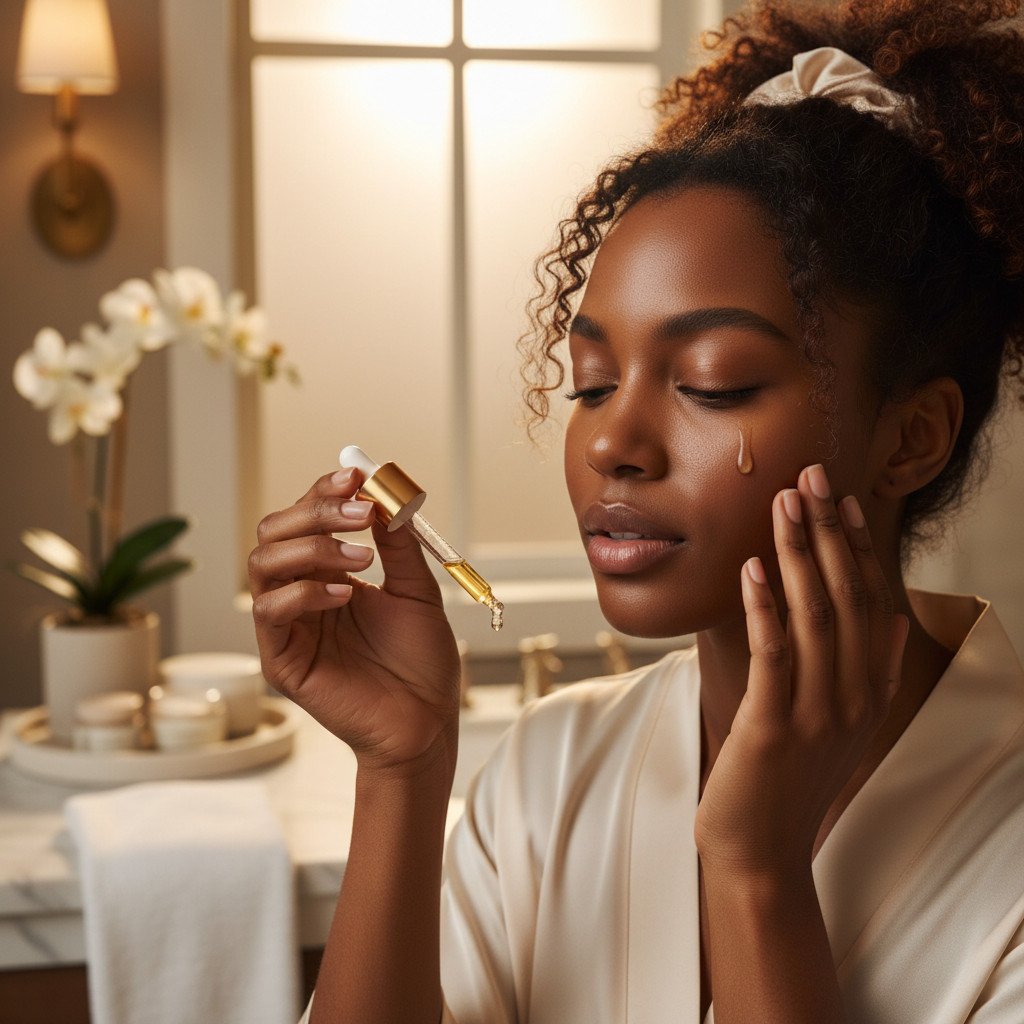
Vitamin C on Dark Skin: Benefits, Risks, and Routine Examples for Melanin-Rich Complexions
If you have melanin-rich skin, you’ve probably seen vitamin C serums everywhere, usually promised as the shortcut to glow and dark-spot fading. But if you’ve ever tried one that stung, pilled under sunscreen, or seemed to do nothing, you also know the gap between hype and reality.
Vitamin C can be a powerful ingredient for Black women and other people with dark skin—especially for hyperpigmentation—when you choose the right formula and place it properly in your routine. This guide walks through what vitamin C actually does on dark skin, the risks to watch for, and practical routine examples so you can use it with confidence instead of trial and error. We’ll delve into the science, the nuances of formulation, and how to integrate this powerhouse antioxidant into your daily regimen for truly radiant results, without compromising your skin’s natural beauty or triggering unwanted inflammation.
Understanding Vitamin C: More Than Just an Antioxidant for Melanin-Rich Skin
Vitamin C, scientifically known as L-ascorbic acid, is an essential nutrient that plays a crucial role in many bodily functions, including skin health. As an antioxidant, it’s a formidable defender against environmental aggressors. For melanin-rich skin, this protective quality is particularly significant, as oxidative stress can be a major trigger for hyperpigmentation. But its benefits extend far beyond simply neutralizing free radicals; it’s a multifaceted ingredient that addresses several key concerns pertinent to darker skin tones.
Its primary mechanism of action in skincare revolves around its ability to donate electrons, effectively disarming reactive oxygen species (ROS) generated by UV radiation, pollution, and other stressors. These ROS can damage skin cells, leading to inflammation and, crucially for darker skin, stimulating melanocytes to produce excess melanin. By mitigating this damage, vitamin C acts as a proactive shield, helping to prevent the formation of new dark spots and maintaining overall skin health.
Beyond its antioxidant prowess, vitamin C is a vital cofactor for collagen synthesis. Collagen, the most abundant protein in the skin, is responsible for its firmness, elasticity, and youthful appearance. While melanin-rich skin often exhibits a slower rate of collagen degradation compared to lighter skin tones, supporting its production remains essential for maintaining skin structure, reducing the appearance of fine lines, and ensuring a smooth, resilient texture. This is especially important when addressing the textural changes that can accompany chronic inflammation or sun damage.
Furthermore, vitamin C influences the skin’s natural healing process. It aids in wound repair and can help improve the overall integrity of the skin barrier. A healthy skin barrier is paramount for all skin types, but for melanin-rich skin, a compromised barrier can lead to increased transepidermal water loss (TEWL), dryness, and heightened susceptibility to inflammatory responses, which, again, can manifest as post-inflammatory hyperpigmentation (PIH). By strengthening the barrier, vitamin C indirectly contributes to a more even tone and a healthier complexion.
The journey to understanding vitamin C’s full potential for melanin-rich skin requires appreciating these interconnected roles. It’s not just about fading a spot; it’s about building a foundation of resilience, protection, and optimal cellular function that allows your natural radiance to shine through.
What Vitamin C Does on Melanin-Rich Skin: A Deeper Dive into its Mechanisms
Vitamin C (ascorbic acid and its derivatives) is a multitasker. It acts as a strong antioxidant, helping neutralize free radicals from UV light and pollution, which would otherwise drive inflammation and extra melanin production over time. It also supports collagen synthesis, which matters for how smooth and resilient your skin looks as dark spots fade.
When it comes to hyperpigmentation, vitamin C helps by inhibiting tyrosinase—the enzyme that drives melanin production—so your skin makes less excess pigment in response to triggers. Over consistent use, that means new dark spots form less easily and existing patches gradually soften, especially when vitamin C is paired with diligent sunscreen use.
Let’s unpack these mechanisms further, as they are key to understanding why vitamin C is such a valuable asset for darker skin tones. The inhibition of tyrosinase is perhaps its most celebrated function in the context of hyperpigmentation. Tyrosinase is the rate-limiting enzyme in the synthesis of melanin. By directly interfering with its activity, vitamin C reduces the amount of melanin produced by melanocytes. This doesn’t bleach the skin or alter its natural tone; rather, it helps to regulate and normalize melanin production, preventing the overproduction that leads to dark spots.
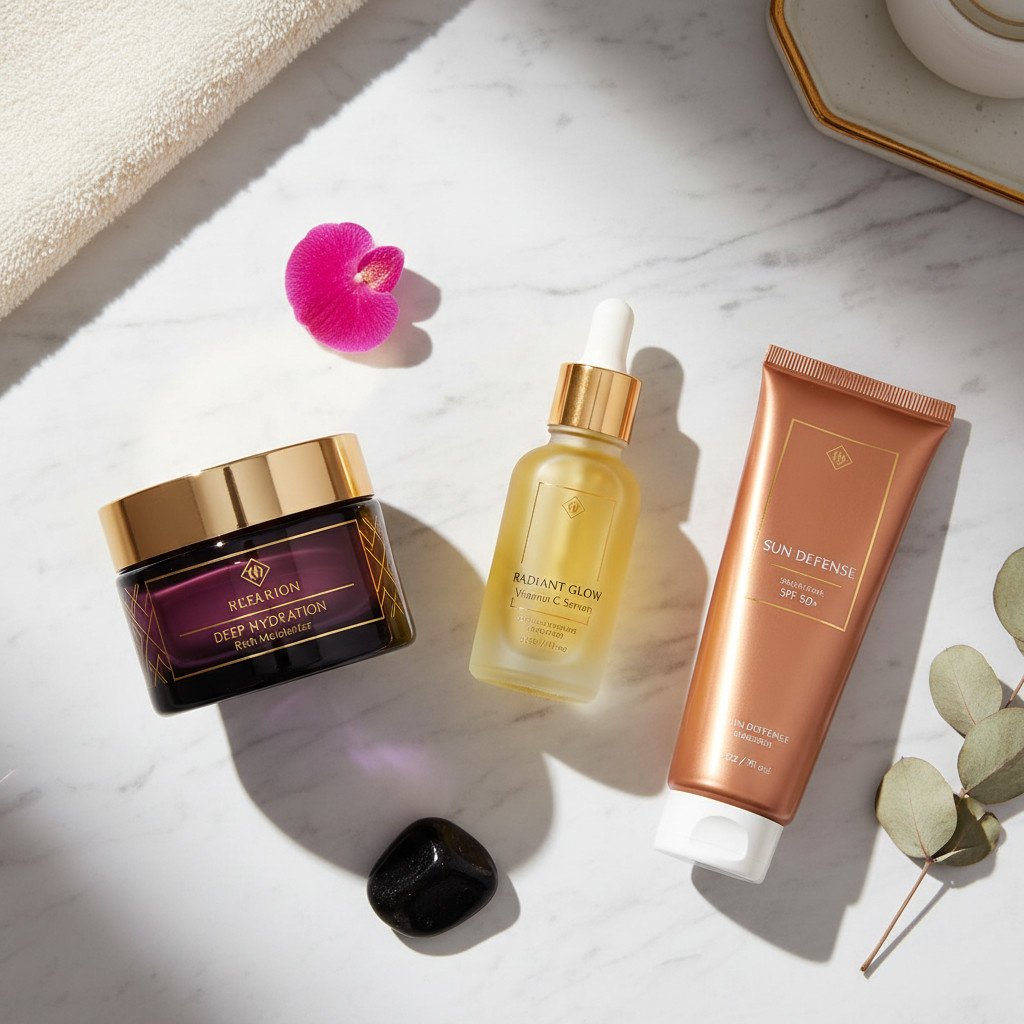
This tyrosinase inhibition is particularly beneficial for conditions like post-inflammatory hyperpigmentation (PIH) and melasma, which are prevalent in melanin-rich skin. PIH occurs after an inflammatory event (like acne, cuts, or rashes) triggers melanocytes to produce excess pigment. Melasma, often hormonally driven, also involves an overproduction of melanin, exacerbated by sun exposure. By calming inflammation and reducing tyrosinase activity, vitamin C addresses both the cause and the manifestation of these concerns.
Moreover, vitamin C has been shown to reduce melanin oxidation, meaning it can lighten existing melanin. This is a subtle but important distinction. It doesn’t remove melanin, but it can make existing dark spots appear less intense over time. This dual action—preventing new pigment formation and lightening existing pigment—makes it a comprehensive solution for uneven skin tone.
The antioxidant effect works synergistically with its pigment-regulating properties. UV radiation and environmental pollutants generate free radicals that not only damage skin cells but also stimulate melanocytes to produce more melanin as a protective response. By quenching these free radicals, vitamin C reduces the initial trigger for excess pigmentation, thereby lessening the burden on the tyrosinase inhibition pathway. This makes it an excellent partner to sunscreen, enhancing photoprotection and preventing sun-induced dark spots. Think of it as a double defense system: sunscreen blocks UV rays, and vitamin C neutralizes any free radicals that manage to get through, further safeguarding your skin.
The role of vitamin C in collagen synthesis also contributes to an overall healthier and more even complexion. As dark spots fade, the underlying skin needs to be strong and resilient. Collagen support ensures that the skin structure is robust, leading to a smoother texture and a more uniform surface. This can make dark spots appear less prominent even before they fully fade, as the surrounding skin is healthier and more reflective.
Finally, vitamin C can improve microcirculation, leading to a healthier, more vibrant complexion. This improved blood flow can help deliver essential nutrients to skin cells and remove waste products more efficiently, contributing to that coveted ‘lit-from-within’ glow that is often sought after, especially in melanin-rich skin that can sometimes appear dull or ashy without proper care.
Key Benefits for Dark Skin: Beyond the Surface
On melanin-rich skin, the most relevant benefits of vitamin C cluster around tone, protection, and skin quality rather than instant “lightening.” Used well, vitamin C can make your skin look more even, resilient, and lit from within rather than greyed out or stripped.
- Fades hyperpigmentation gradually: By slowing tyrosinase and reducing oxidative stress, vitamin C helps dark spots from acne, sun, and mild melasma fade more evenly. This gradual approach is crucial for darker skin tones, as aggressive treatments can often lead to further irritation and rebound hyperpigmentation. Vitamin C offers a gentle yet effective path to clearer skin.
- Boosts brightness without bleaching: It evens the overall canvas by reducing excess pigment production, not by erasing your natural undertone, which is crucial on dark skin. The goal is to achieve a uniform, luminous complexion that celebrates your inherent skin color, not to lighten it. Vitamin C enhances your natural glow, making your skin appear more vibrant and less dull.
- Supports collagen and texture: It plays a role in collagen formation, which helps the skin look smoother and more elastic as discoloration fades. This means not only addressing the color of the spots but also improving the overall feel and resilience of your skin. Over time, this leads to a more refined texture and a youthful bounce.
- Shields against future dark marks: Its antioxidant action reduces UV-induced damage and inflammation that would otherwise trigger new pigmentation, especially when combined with sunscreen. This preventive aspect is invaluable. By incorporating vitamin C into your morning routine, you’re actively building a defense against the daily onslaught of environmental stressors that can lead to new dark spots.
- Reduces inflammation: Vitamin C has anti-inflammatory properties that can help calm irritated skin. Given that inflammation is a primary trigger for hyperpigmentation in melanin-rich skin, reducing it can prevent the cascade of events that leads to dark spots. This makes it a soothing ingredient for those prone to breakouts or sensitivity.
- Enhances sunscreen efficacy: When applied before sunscreen, vitamin C can boost the protective capabilities of your SPF. While it doesn’t replace sunscreen, it adds an extra layer of defense against UV-induced damage, making your sun protection regimen even more robust. This synergy is a powerful tool in preventing sun damage and subsequent hyperpigmentation.
- Improves overall skin health: Beyond specific concerns, vitamin C contributes to the general health and vitality of your skin. It supports cellular repair, improves skin barrier function, and helps maintain optimal hydration levels. A healthy skin barrier is less prone to irritation, dryness, and inflammation, all of which can exacerbate hyperpigmentation in darker skin tones.
These benefits highlight vitamin C’s role as a foundational ingredient for anyone with melanin-rich skin seeking to achieve and maintain a clear, radiant, and resilient complexion. It’s about nurturing your skin’s natural processes to reveal its best self.
Forms of Vitamin C and What They Mean for Dark Skin: Navigating the Nuances
Not all vitamin C products feel the same on melanin-rich skin, and the form matters for both effectiveness and irritation. The main divide is between pure ascorbic acid and its more stable or buffered derivatives. Understanding these differences is paramount to choosing a product that will deliver results without causing adverse reactions, especially for skin prone to hyperpigmentation.
L-Ascorbic Acid (LAA)
- The Gold Standard: L-ascorbic acid is the most biologically active and well-researched form of vitamin C. It’s often effective in the 10–20% range and is known for its potent antioxidant, collagen-boosting, and skin-brightening properties. When formulated correctly, it delivers the most direct and powerful benefits.
- The Challenge: LAA is notoriously unstable. It oxidizes rapidly when exposed to light, air, and heat, turning yellow or brown. Once oxidized, it loses its efficacy and can even become pro-oxidant, potentially causing irritation. Its acidic nature (low pH) can also be irritating, especially in very watery formulas, leading to stinging, redness, or dryness, which can trigger PIH on darker skin.
- Best for: Those seeking maximum efficacy and who have resilient, non-sensitive skin. Look for formulations that include synergistic antioxidants like vitamin E and ferulic acid, which stabilize LAA and boost its efficacy. Packaging (dark, air-tight bottles) is also crucial.
Vitamin C Derivatives
These are modified forms of L-ascorbic acid designed for enhanced stability, better penetration, and reduced irritation. While they may need to be converted into L-ascorbic acid within the skin, which can make them slightly less potent or slower-acting, their gentleness often makes them a superior choice for sensitive or melanin-rich skin.

- Ascorbyl Glucoside: A water-soluble derivative that is stable and gentle. It’s slowly converted to L-ascorbic acid by enzymes in the skin. Good for overall brightening and antioxidant protection, especially for sensitive skin.
- Magnesium Ascorbyl Phosphate (MAP): Another water-soluble, stable derivative that is less irritating than LAA and has good antioxidant and collagen-boosting properties. It’s often found in creams and lotions, making it suitable for drier skin types. It’s also known for its hydrating properties.
- Sodium Ascorbyl Phosphate (SAP): A water-soluble derivative with strong antioxidant and anti-acne properties. It’s particularly beneficial for oily and acne-prone skin, as it can help reduce breakouts and subsequent PIH. It’s very stable and less irritating than LAA.
- Tetrahexyldecyl Ascorbate (THD Ascorbate): An oil-soluble derivative that can penetrate deeper into the skin due to its lipid solubility. It’s highly stable, non-irritating, and very effective at lower concentrations. THD Ascorbate is excellent for anti-aging, collagen synthesis, and brightening, making it a premium choice for many skin types, including sensitive and dry skin.
- Ascorbyl Palmitate: An oil-soluble derivative that is relatively stable but less potent than LAA or THD Ascorbate. It’s often used in conjunction with other forms of vitamin C or antioxidants.
- Ethyl Ascorbic Acid (EAA): A highly stable, water and oil-soluble derivative that offers excellent penetration and efficacy. It’s known for its potent brightening and collagen-boosting effects with less irritation than LAA, making it a strong contender for melanin-rich skin.
Serums vs. Creams: Texture and Delivery
- Serums: Water-light serums tend to suit oily or acne-prone dark skin, as they are often formulated to be non-comedogenic and absorb quickly. They typically deliver higher concentrations of actives.
- Creams: Creamier textures may feel better on drier or more sensitive complexions, providing additional hydration and a buffer against potential irritation. They can also be excellent vehicles for oil-soluble derivatives like THD Ascorbate.
If your skin tends to sting, flush, or develop new dark spots easily, you’ll usually do better starting with a derivative or a lower-strength, well-formulated ascorbic serum rather than jumping straight into the strongest option you can find. The key is to find a product that your skin tolerates well and that you can use consistently. Consistency with a gentler, stable derivative will yield far better results than sporadic use of an irritating LAA serum.
Risks and Pitfalls for Melanin-Rich Skin: Navigating Potential Setbacks
On darker skin tones, the main risk with vitamin C is not permanent bleaching—it’s irritation that leads to more hyperpigmentation. Strong, unstable, or poorly formulated products can destabilize your barrier and spark the same inflammatory pathways you’re trying to calm. This is a critical point that cannot be overstated: for melanin-rich skin, inflammation is the enemy, as it almost invariably leads to post-inflammatory hyperpigmentation (PIH) or exacerbates existing dark spots.
Understanding the Irritation-Hyperpigmentation Cycle
Melanin-rich skin is inherently more prone to PIH. When the skin experiences irritation, inflammation, or trauma, melanocytes (the cells responsible for producing melanin) go into overdrive as a protective response. This results in an overproduction of melanin, leading to dark spots that can linger for months or even years. Therefore, any skincare ingredient that causes excessive irritation, even one intended to brighten, can inadvertently worsen the very condition it aims to treat.
Specific Risks to Watch For:
- Stinging and burning: Very low-pH, high-strength L-ascorbic formulas can sting on application; persistent burning is a sign to step back rather than push through on dark skin. A mild, momentary tingle might be acceptable for some, but any prolonged or intense sensation of heat, discomfort, or burning indicates that the product is too aggressive for your skin. This is especially true around delicate areas like the eyes or mouth.
- Redness and inflammation: Beyond stinging, look for visible redness, blotchiness, or an overall inflamed appearance. These are clear indicators of irritation. On darker skin, redness might manifest as a deeper purple or brown hue, or simply an exacerbation of existing hyperpigmentation.
- Dryness and flaking: While vitamin C isn’t typically drying, an irritating formula can compromise the skin barrier, leading to increased transepidermal water loss (TEWL). This can result in dryness, flaking, and a tight sensation, all of which signify a disrupted barrier and potential for PIH.
- Oxidized product: Vitamin C breaks down with light, heat, and air; an orange-brown color or off smell suggests oxidation, which means less benefit and potentially more irritation. Oxidized vitamin C not only loses its antioxidant power but can also generate free radicals, effectively becoming pro-oxidant. Applying such a product can actively harm your skin and trigger inflammation. Always store vitamin C products in cool, dark places and discard them if they change color or smell.
- Over-layering with strong actives: Combining high-strength vitamin C, strong acids (AHAs/BHAs), and retinoids in the same routine increases irritation and PIH risk more than it increases benefits on melanin-rich skin. Each of these ingredients is potent on its own. Using them all at once, or even too closely together, can overwhelm the skin’s natural defenses, leading to a compromised barrier and inflammation. It’s often best to alternate these actives or use them at different times of the day (e.g., vitamin C in the morning, retinoid at night).
- Pilling or poor absorption: While not directly irritating, products that pill or don’t absorb well can indicate an incompatible formulation or a sign that your skin barrier isn’t optimally prepared to receive the product. This can lead to uneven application and reduced efficacy.
Before blaming vitamin C itself, check the formula, the age of the product, and what you’re layering with it. Sometimes the problem is the combination, not the ingredient. Always introduce new products one at a time, patch test diligently, and listen to your skin. If you experience any persistent adverse reactions, it’s crucial to pause use and re-evaluate your routine. Remember, for melanin-rich skin, gentle consistency trumps aggressive treatment every time.
Who Vitamin C Helps Most on Dark Skin: Tailoring Your Approach
Vitamin C is particularly useful if your main concerns are overall dullness, mild uneven tone, or lingering spots from acne or sun exposure. It’s also a strong ally when you live in a city, spend time outdoors, or already work on hyperpigmentation with other actives. Its broad range of benefits makes it a versatile ingredient, but certain skin concerns in melanin-rich individuals particularly stand to gain.
Primary Beneficiaries:
- Acne-linked dark marks (Post-Inflammatory Hyperpigmentation – PIH): Vitamin C helps reduce the depth and persistence of post-inflammatory hyperpigmentation after pimples and ingrowns when used alongside acne-safe routines and sunscreen. By calming inflammation and inhibiting tyrosinase, it prevents new PIH from forming and gradually fades existing marks. This is one of its most significant roles for darker skin, as PIH is a common and often stubborn concern following breakouts.
- Mild melasma or sun-induced patches: It supports pigment regulation and UV defense, but usually works best combined with sunscreen, hats, and sometimes other brighteners under professional guidance. While vitamin C alone may not be sufficient for severe melasma, it is an excellent supportive ingredient, enhancing the efficacy of other treatments and providing crucial antioxidant protection against sun-triggered flares.
- Preventive brightening: If you’re not in a major flare but want to maintain an even, radiant tone, vitamin C is a logical morning anchor ingredient. Its antioxidant properties help shield the skin from daily environmental damage that can lead to future dark spots and dullness. It’s an investment in long-term skin health and radiance.
- Dullness and lack of radiance: Melanin-rich skin can sometimes appear dull or ashy due to environmental factors, dehydration, or uneven skin cell turnover. Vitamin C’s ability to boost microcirculation, support collagen, and subtly even out tone can restore a vibrant, healthy glow, making the skin look more alive and luminous.
- Uneven skin texture: Through its role in collagen synthesis, vitamin C can contribute to a smoother skin surface. As dark spots fade, the underlying skin texture improves, leading to a more uniform and refined complexion. This is particularly beneficial for those who have experienced textural irregularities alongside hyperpigmentation.
- Those seeking enhanced sun protection: While not a sunscreen, vitamin C’s antioxidant properties significantly boost the skin’s defense against UV-induced free radical damage. When used in conjunction with a broad-spectrum SPF, it provides a powerful synergistic effect, offering an extra layer of protection against photoaging and sun-induced hyperpigmentation. This is especially important for individuals who spend considerable time outdoors or live in sunny climates.
- Individuals with environmental exposure: If you live in an urban environment with high pollution levels, or if your lifestyle exposes you to significant environmental stressors, vitamin C is an invaluable addition. Its potent antioxidant action helps neutralize the damaging effects of pollutants, which can otherwise contribute to premature aging and hyperpigmentation.
In essence, vitamin C is a versatile ally for melanin-rich skin, offering both corrective and preventive benefits. Its gentle yet effective approach to brightening and evening tone, coupled with its protective qualities, makes it a cornerstone ingredient for a healthy, radiant complexion. The key is to select the right formulation and integrate it thoughtfully into a holistic skincare routine.
When to Be Cautious or Skip It: Prioritizing Skin Health
There are times when vitamin C is better paused or kept in the background. If your skin is already angry—burning, peeling, or reacting to new actives—adding more stimulation, even in the name of brightening, can prolong recovery and deepen PIH. The principle here is simple: a healthy, calm skin barrier is always the priority, especially for melanin-rich skin prone to hyperpigmentation.
Situations Requiring Caution or Avoidance:
- Compromised barrier: When you’re recovering from over-exfoliation, a strong peel, a flare of eczema, or any significant skin trauma, focus on non-irritating moisture and sunscreen first, then reintroduce vitamin C slowly. A compromised barrier is characterized by dryness, flaking, redness, tightness, and increased sensitivity. Applying active ingredients like vitamin C to such a state can exacerbate the damage, lead to further irritation, and significantly increase the risk of PIH. Prioritize barrier repair with gentle cleansers, rich moisturizers, and soothing ingredients like ceramides, hyaluronic acid, and colloidal oatmeal.
- Severe, active inflammation: With active cystic acne, painful rashes, or undiagnosed patches, vitamin C is not the priority—professional evaluation and calming care come first. Introducing any active ingredient to severely inflamed skin can worsen the condition, prolong healing, and inevitably lead to more pronounced and stubborn hyperpigmentation. Seek advice from a dermatologist to address the underlying inflammatory condition before considering brightening agents.
- Very reactive skin: If you’ve repeatedly reacted to vitamin C despite careful choices (e.g., trying different derivatives, lower strengths, and gentle formulations), you may be better served by other brighteners like niacinamide or azelaic acid as your “front line” while revisiting vitamin C later, if at all. Some individuals simply have a sensitivity to vitamin C, regardless of the form. It’s important to recognize when an ingredient, despite its benefits for many, is simply not compatible with your unique skin biology.
- During certain medical treatments: If you are undergoing specific dermatological procedures (e.g., intense laser treatments, deep chemical peels) or using prescription medications that significantly sensitize the skin (e.g., high-strength retinoids), consult your dermatologist before incorporating vitamin C. The combination could lead to excessive irritation.
- Immediately after waxing or shaving: The skin is often more sensitive and prone to micro-traumas immediately after hair removal. Applying vitamin C to freshly waxed or shaved areas, especially on the face, can cause stinging and irritation. It’s best to wait at least 24 hours, or until the skin has fully calmed, before reintroducing.
- If the product has oxidized: As mentioned, an oxidized vitamin C product (brownish color, off smell) can become pro-oxidant and irritating. Using such a product is counterproductive and can lead to inflammation and dark spots. Always discard oxidized products.
The overarching message is to approach skincare with mindfulness and respect for your skin’s current state. Listen to your skin’s signals. If it’s telling you it’s unhappy, it’s time to simplify and soothe, not to add more active ingredients. A well-rested, calm skin barrier is the most receptive canvas for any brightening treatment, including vitamin C, and will yield the most consistent and positive results for melanin-rich skin.
How to Introduce Vitamin C on Dark Skin: A Gentle and Strategic Approach
The safest way to bring vitamin C into a melanin-rich routine is to treat it like any other active: choose carefully, start slowly, and give it time to speak before you stack more. That reduces the risk of irritation and shows you whether your skin actually likes this category. This methodical approach minimizes the risk of triggering inflammation and subsequent hyperpigmentation, which is a primary concern for darker skin tones.

Step-by-Step Introduction Guide:
- Step 1: Choose the Right Formula (Revisit
Frequently Asked Questions
Is vitamin C safe for Black skin?
When well formulated and used thoughtfully, vitamin C is not only safe but particularly useful on Black skin. It helps reduce excess melanin production, fade dark spots, and protect against UV and pollution-related damage without bleaching your natural tone. The key is choosing products that don’t sting or peel your skin, introducing them gradually, and pairing them with sunscreen so any new, fresher skin isn’t immediately re-pigmented by sun exposure.
What strength of vitamin C should I start with on dark skin?
Most people with melanin-rich skin do best starting with moderate strengths or derivatives instead of the highest percentage they can find. Many effective products fall in the 10–20% range for L-ascorbic acid, but sensitive or reactive skin often prefers lower strengths or gentler derivatives. It’s more important to tolerate a formula you can use consistently than to chase a percentage that reads impressive but leaves you irritated and dealing with more PIH.
How long does vitamin C take to fade dark spots?
Timelines vary, but clinical and expert reports suggest noticeable brightening and early smoothing in roughly 4–6 weeks, with more substantial changes in dark spots over 8–12+ weeks of daily use when combined with sunscreen. On darker skin, deeper pigmentation and ongoing triggers (like breakouts or sun exposure) can stretch those timelines, which is why consistency and trigger control matter as much as the ingredient itself.
Can vitamin C make hyperpigmentation worse on dark skin?
Vitamin C itself doesn’t drive pigment; the problem is irritation. If a formula is too strong, unstable, or layered with too many other actives, it can inflame your skin and that inflammation can lead to new or deeper hyperpigmentation. Choosing stable products, avoiding strong combinations (like high-dose acids plus retinoids in the same routine), and backing off at the first sign of persistent burning are what keep vitamin C on your side rather than triggering setbacks.
Should I use vitamin C in the morning or at night?
Most people benefit from using vitamin C in the morning because its antioxidant action helps counteract the day’s UV and pollution exposure while working alongside sunscreen. Many routines then reserve retinoids or exfoliants for the evening. That said, if your skin is extremely sensitive, you might experiment with nighttime use when you’re not layering many other actives. The ingredient can technically work either way; the question is where it fits most comfortably into your life and routine.
What should I pair with vitamin C for best results on dark spots?
Vitamin C shows its best work when combined with daily broad-spectrum sunscreen and at least one other gentle brightener, like niacinamide or azelaic acid, plus a barrier-supportive moisturizer. This combination reduces the formation of new spots while slowly lifting old ones. For more stubborn pigmentation, a dermatologist may suggest layering in additional ingredients or prescription options. But even then, those stronger tools rely on the same foundation: UV protection, calm skin, and a routine that doesn’t inflame your pigment in the name of fading it.
Shop vitamin C serum on Amazon
Related next steps
Start Here → Hyperpigmentation And Dark Spots → Skincare For Black Women 101 Simple Routines → Skincare For Black Women → Skin Typing And Fundamentals For Melanin Rich Skin → Barrier Repair And Moisture Balance → Cleansing And Exfoliation Best Practices → Hyperpigmentation In Black Women Causes Types Treatment Roadmap →Related posts:
 Post-Exfoliation Care for Dark Skin: Nurturing Melanin-Rich Complexions
 Skin Cancer Risks and Delayed Diagnosis in People of Color: Understanding the Nuance
 Ingredient-Based Solutions for Hyperpigmentation & Dark Spots on Melanin-Rich Skin: Vitamin C, Niacinamide, Azelaic, Tranexamic, Retinoids
 How to Find Your Undertone as a Black Woman (With Examples)
 Best Ingredients to Fade Dark Spots on Dark Skin (Vitamin C, Azelaic, Kojic, etc.)
 Vitamin C on Melanin-Rich Skin: Glow, Tone, and Sensitivity