Retinoids for Black Women: Anti‑Aging and Hyperpigmentation Without Irritation
Retinoids have a reputation: they are the dermatologist‑backed ingredient for texture, fine lines, and stubborn dark marks—and the same ingredient that can leave skin burning, peeling, or darker when things go wrong. For Black women with melanin‑rich, hyperpigmentation‑prone skin, that risk feels anything but theoretical. The journey to radiant, even-toned skin often involves navigating powerful ingredients, and retinoids, while transformative, demand a nuanced approach when it comes to melanin-rich complexions. The fear of exacerbating existing dark spots or creating new ones due to irritation is a valid concern, deeply rooted in the unique physiological responses of Black skin. This isn’t just about cosmetic discomfort; it’s about protecting the very pigment that defines our beauty.
The good news is that retinoids can absolutely work on dark skin when they are chosen and used with care. This guide walks through what retinoids actually do, why they’re uniquely powerful for melanin‑rich skin, where the pitfalls lie, and how to build a low‑and‑slow routine that respects both your barrier and your pigment. We’ll delve into the science, the practical application, and the essential safeguards to ensure your retinoid journey is one of empowerment and visible improvement, not frustration or setback. Our aim is to demystify retinoid use for Black women, providing a clear, actionable roadmap to harness their benefits while sidestepping common challenges. Understanding the ‘why’ behind each recommendation is key to building confidence in your skincare choices.
What Retinoids Do for Melanin‑Rich Skin: A Deep Dive into Cellular Renewal
“Retinoids” is the umbrella term for vitamin A derivatives that speed up cell turnover and influence how skin cells behave. Once converted in the skin to their active form, they bind to specific receptors and help normalize how cells mature, shed, and make collagen. This cellular communication is profound, essentially ‘re-educating’ skin cells to function optimally, mimicking the behavior of younger, healthier skin. The active form, retinoic acid, is the maestro orchestrating these changes, and the various retinoid types are simply different pathways to deliver this powerful compound to the skin. The beauty of retinoids lies in their multifaceted action, addressing a spectrum of concerns from the surface to the deeper layers of the dermis.
On dark skin, that translates to several high‑value benefits, often with a particular advantage due to the inherent resilience and structural differences of melanin-rich skin:
The Anti‑Aging Powerhouse: Beyond “Black Don’t Crack”
- Collagen and Elastin Stimulation: Retinoids are unparalleled in their ability to stimulate the production of new collagen and elastin fibers. These are the structural proteins that give skin its firmness, elasticity, and youthful bounce. While melanin offers natural protection against some photoaging, fine lines and wrinkles eventually appear. Retinoids work to plump the skin from within, softening the appearance of existing lines and preventing new ones. This isn’t about erasing your history, but about maintaining the vitality and resilience of your skin. The increased collagen density contributes to a more robust skin architecture, making it less prone to sagging and more capable of retaining its youthful contours. This process is gradual, requiring consistent application over several months, but the long-term benefits are substantial, contributing to a more refined and resilient complexion.
- Improved Skin Firmness and Tone: Beyond just reducing wrinkles, retinoids contribute to overall skin firmness. By strengthening the dermal matrix, they help to lift and tighten the skin, improving its overall tone and resilience. This can lead to a more sculpted appearance and a reduction in the subtle signs of gravitational pull that become more apparent with age. The sustained production of healthy collagen and elastin ensures that the skin maintains its structural integrity, resisting the gradual loss of elasticity that characterizes the aging process.
- Enhanced Cellular Communication: Retinoids don’t just stimulate; they also normalize cellular function. They help cells communicate more effectively, leading to more organized and efficient skin processes. This contributes to a healthier, more vibrant complexion that is better equipped to repair itself and resist environmental damage. This fundamental improvement in cellular health lays the groundwork for all other benefits, ensuring that the skin is functioning at its peak capacity.
Texture Smoothing and Refinement: The Path to Silky Skin
- Accelerated Cell Turnover: One of the primary actions of retinoids is to speed up the rate at which skin cells turn over. This means old, dead, and dull surface cells are shed more quickly, making way for fresh, new cells. This process effectively exfoliates the skin from within, leading to a smoother, more refined texture. Small bumps, rough patches, and an uneven feel are gradually diminished, revealing a softer, more luminous surface. This continuous renewal prevents the buildup of dead skin cells that can contribute to a lackluster appearance and clogged pores.
- Reduced Roughness and Bumps: For those who experience milia, tiny white bumps, or general textural unevenness, retinoids can be particularly effective. By normalizing the shedding process, they prevent keratin from becoming trapped in the pores, leading to a visibly smoother surface. This gentle yet consistent exfoliation helps to resolve minor textural irregularities that can make skin feel less refined.
- Pore Refinement: While retinoids don’t shrink pores, they can make them appear smaller by keeping them clear and preventing them from becoming stretched by debris. By regulating cell turnover and reducing sebum production, they minimize the accumulation of dead skin cells and oil that can enlarge pores, leading to a more refined and uniform skin surface.
Acne and Congestion Control: A Clearer Future
- Pore Unclogging and Regulation: Retinoids are a gold standard for acne treatment because they prevent pores from becoming clogged. They normalize the desquamation process (shedding of dead skin cells), ensuring that cells don’t stick together and block the follicle. This reduces the formation of comedones (blackheads and whiteheads), which are the precursors to inflammatory acne lesions. By keeping pores clear, retinoids address acne at its root cause.
- Oil Regulation: Some retinoids, particularly prescription-strength options, can help to regulate sebum (oil) production. While not their primary mechanism, a reduction in excessive oil can further contribute to clearer pores and a less hospitable environment for acne-causing bacteria. This dual action of unclogging pores and managing oil makes them highly effective against various forms of acne.
- Anti-inflammatory Properties: Beyond their direct action on pores, retinoids also possess anti-inflammatory properties. They can help to calm existing breakouts and reduce the redness and swelling associated with inflammatory acne. This makes them valuable not just for preventing new lesions but also for managing the severity of current ones.
- Prevention of Post-Inflammatory Hyperpigmentation (PIH): By effectively treating active acne and reducing inflammation, retinoids indirectly prevent the formation of new PIH. Fewer breakouts mean fewer opportunities for the skin to react with melanin overproduction, which is crucial for melanin-rich skin. This preventative aspect is as important as their ability to fade existing marks.
Hyperpigmentation Management: Fading Dark Marks with Precision
- Accelerated Pigmented Cell Shedding: Faster, more organized turnover means pigmented cells in the upper layers are shed more efficiently, helping post‑inflammatory dark spots fade more evenly. When skin is irritated or inflamed (e.g., from acne, cuts, or sun exposure), melanocytes (pigment-producing cells) can go into overdrive, depositing excess melanin. Retinoids encourage these melanin-laden cells to rise to the surface and flake off more quickly, revealing fresher, less pigmented skin underneath. This is a crucial mechanism for addressing both PIH and melasma.
- Inhibition of Melanin Transfer: Some studies suggest that retinoids may also interfere with the transfer of melanin from melanocytes to keratinocytes (skin cells). By disrupting this transfer, they can help to reduce the overall amount of pigment visible on the skin’s surface, contributing to a more even skin tone. This dual action of shedding existing pigment and potentially reducing new pigment transfer makes them highly effective for various forms of hyperpigmentation.
- Improved Penetration of Other Brightening Agents: By thinning the stratum corneum (the outermost layer of skin), retinoids can enhance the penetration and efficacy of other pigment-targeting ingredients like vitamin C, niacinamide, or azelaic acid. This synergistic effect allows for a more comprehensive approach to hyperpigmentation treatment, making retinoids a valuable foundation in a multi-ingredient regimen.
The cumulative effect of these actions is a significant improvement in skin health, appearance, and resilience. For Black women, where concerns like hyperpigmentation and acne scarring are particularly prevalent, retinoids offer a powerful, evidence-based solution when used judiciously.
Why Black Women Need a Different Retinoid Strategy: Understanding the Melanin-Rich Response
All of those benefits come with a shared catch: retinoids can be irritating. Dryness, burning, and peeling are common, especially early on or at higher strengths. For skin of color, irritation is not just a nuisance—it’s a direct trigger for post‑inflammatory hyperpigmentation. This fundamental difference in skin response is why a ‘one-size-fits-all’ approach to retinoids is not only inadequate but potentially detrimental for Black women. Our skin, while often lauded for its resilience and natural protection against sun damage, is also exquisitely sensitive to inflammation, responding to even minor trauma with an overproduction of melanin. This means that the very irritation that might be a temporary inconvenience for lighter skin tones can translate into persistent, challenging dark marks for us.
Dermatologists who work with skin of color emphasize that dark skin is often more reactive to trauma or strong products, and that irritation from retinoids can lead to long‑lasting dark marks if not handled carefully. This heightened reactivity is due to the larger, more active melanocytes present in melanin-rich skin. When these cells detect inflammation, they rapidly produce and deposit melanin as a protective response, leading to PIH. This isn’t a flaw; it’s a physiological characteristic that demands respect and a tailored strategy. Therefore, the traditional advice to ‘push through the irritation’ is not only unhelpful but actively harmful for Black skin. The goal is not to tolerate discomfort, but to avoid it entirely. That’s why “low and slow,” generous moisturization, and diligent sunscreen are non‑negotiable parts of retinoid use for Black women, not optional add‑ons. These aren’t just best practices; they are essential safeguards against the very outcome we are trying to prevent. Embracing this cautious approach ensures that the powerful benefits of retinoids are realized without the unwanted side effects that can undermine confidence and prolong the journey to clear, even-toned skin.
The Science of Melanin and Inflammation: Why PIH is a Primary Concern
To truly understand why a different strategy is needed, we must delve deeper into the biology of melanin. Melanin is a natural photoprotectant, offering a degree of intrinsic SPF and delaying the onset of visible aging. However, this same protective mechanism makes melanin-rich skin highly susceptible to hyperpigmentation. When inflammation occurs—whether from acne, a scratch, or irritation from a skincare product—the body’s immune response triggers melanocytes to produce more melanin. This excess pigment is then deposited in the surrounding skin cells, resulting in a dark spot that can take months, or even years, to fade. For Black women, these dark spots are often more prominent and persistent than for individuals with lighter skin tones. This means that any product that causes significant irritation, including retinoids, carries a higher risk of triggering PIH. The inflammatory cascade initiated by retinoid irritation is a direct pathway to melanin overproduction, turning a beneficial treatment into a potential source of frustration.
The Imperative of a Healthy Skin Barrier: Your First Line of Defense
The skin barrier, also known as the stratum corneum, is the outermost layer of the epidermis, composed of skin cells (corneocytes) embedded in a lipid matrix. It acts as a protective shield, preventing water loss and blocking the entry of irritants, allergens, and microbes. Retinoids, by accelerating cell turnover, can temporarily compromise this barrier, leading to increased transepidermal water loss (TEWL) and heightened sensitivity. For melanin-rich skin, a compromised barrier is not just about dryness; it’s an open invitation for inflammation and subsequent PIH. When the barrier is weakened, irritants can penetrate more easily, triggering the inflammatory response that leads to dark spots. Therefore, maintaining and strengthening the skin barrier is paramount when using retinoids. This involves selecting gentle cleansers, incorporating barrier-supporting moisturizers, and avoiding harsh exfoliants or aggressive treatments that could further compromise its integrity. A healthy barrier is the foundation upon which successful retinoid use for Black women is built.
Beyond the Face: Whole-Body Considerations
While retinoid discussions often focus on facial application, it’s important to remember that Black skin on the body is also prone to PIH. Acne on the chest, back, or buttocks, ingrown hairs, or even friction from clothing can lead to dark marks that are just as challenging to treat as those on the face. If considering retinoids for body concerns, the same ‘low and slow’ approach, coupled with diligent moisturization and sun protection (especially for exposed areas), is essential. The skin on the body can sometimes be thicker and less sensitive than facial skin, but it is by no means immune to irritation and subsequent hyperpigmentation. Therefore, extending the same careful strategy to body care is a crucial aspect of a comprehensive retinoid regimen for Black women.
Retinoids vs Retinol vs “Gentle” Vitamin A: Navigating the Spectrum of Potency
It helps to know where your product sits on the retinoid spectrum. Different forms have different strengths and irritation potential, largely depending on how many conversion steps they require to become retinoic acid, the active form in the skin. Understanding this hierarchy is crucial for making informed choices, especially when prioritizing irritation prevention for melanin-rich skin. Starting too strong can lead to a cascade of negative effects, whereas a gradual introduction allows the skin to adapt and build tolerance effectively.
The Retinoid Family Tree: From Mild to Mighty
- Prescription Retinoids (e.g., Tretinoin, Adapalene, Tazarotene): These are the most potent forms of retinoids, often referred to as ‘retinoic acid’ or its direct derivatives. They are available only by prescription and are the strongest and most studied for treating severe acne, significant hyperpigmentation, and advanced signs of aging. Their direct action means they don’t require conversion in the skin, making them highly effective but also the most likely to cause irritation, dryness, and peeling. For Black women, starting with a prescription retinoid typically requires close dermatologist supervision, meticulous adherence to a buffering routine, and an unwavering commitment to sun protection. While incredibly powerful, their potential for irritation and subsequent PIH means they are usually reserved for more stubborn concerns or when OTC options have proven insufficient. Adapalene (Differin), however, is now available over-the-counter in some countries and is often considered a gentler prescription-strength option, particularly for acne, due to its specific receptor binding profile which may reduce some side effects.
- Retinaldehyde (Retinal): This form sits one conversion step away from retinoic acid, making it significantly more potent than retinol but generally less irritating than prescription retinoids. Retinaldehyde is gaining popularity for its faster action compared to retinol and its good tolerability profile. It offers a compelling middle ground for those seeking stronger results than OTC retinol but who are not yet ready for or do not require prescription strength. Its antibacterial properties also make it particularly beneficial for acne-prone skin. Many brands are now formulating retinaldehyde with advanced delivery systems to further minimize irritation.
- Over‑the‑Counter Retinol: This is the most common and widely available form of retinoid. Retinol needs to undergo two conversion steps in the skin (retinol to retinaldehyde, then retinaldehyde to retinoic acid) before it becomes active. This slower conversion process makes it generally gentler and slower-acting than prescription retinoids or retinaldehyde. For Black women, retinol is often the ideal starting point for addressing early signs of aging, mild texture concerns, and general tone evening. Its milder nature allows for a more gradual introduction, giving the skin ample time to adapt and reducing the risk of irritation and PIH. Retinol concentrations in OTC products typically range from 0.01% to 1%, with lower percentages recommended for beginners.
- Retinyl Esters (e.g., Retinyl Palmitate, Retinyl Acetate, Retinyl Linoleate): These are the mildest forms of retinoids, requiring multiple conversion steps to become retinoic acid. They are often found in products marketed for sensitive skin or as an entry-level vitamin A. While very gentle and unlikely to cause irritation, their efficacy is also significantly lower than retinol, retinaldehyde, or prescription retinoids. They may offer antioxidant benefits but are generally not potent enough to deliver significant anti-aging or hyperpigmentation correction. For those with extremely sensitive skin or as a very first step, they might be considered, but most Black women looking for tangible results will likely progress to retinol.
- Newer “Slow‑Release” and Encapsulated Formats: Innovation in retinoid delivery systems has led to products designed to reduce irritation. Encapsulated retinoids, for example, deliver the active ingredient gradually over time, preventing a sudden influx that can overwhelm the skin. Slow-release technologies aim to improve tolerability without sacrificing efficacy. These formulations can be particularly beneficial for melanin-rich skin, as they provide a controlled release of the retinoid, minimizing the potential for an inflammatory response. When choosing a product, looking for terms like ‘encapsulated retinol’ or ‘slow-release retinal’ can indicate a more skin-friendly option.
For many Black women, starting with a low‑strength, over‑the‑counter retinol or derm‑guided mild prescription makes more sense than jumping straight to the highest available dose. The goal is not maximal strength; it’s sustainable use without triggering new hyperpigmentation. Patience and consistency are far more valuable than aggressive strength when it comes to retinoids and melanin-rich skin. A gradual approach ensures that your skin benefits from the cellular renewal without the detrimental side effects that can set back your progress and confidence. Always remember that the journey to radiant skin is a marathon, not a sprint, especially when navigating powerful actives like retinoids.
Choosing Your Starting Point: A Practical Guide
When selecting a retinoid, consider your primary concerns and skin sensitivity:
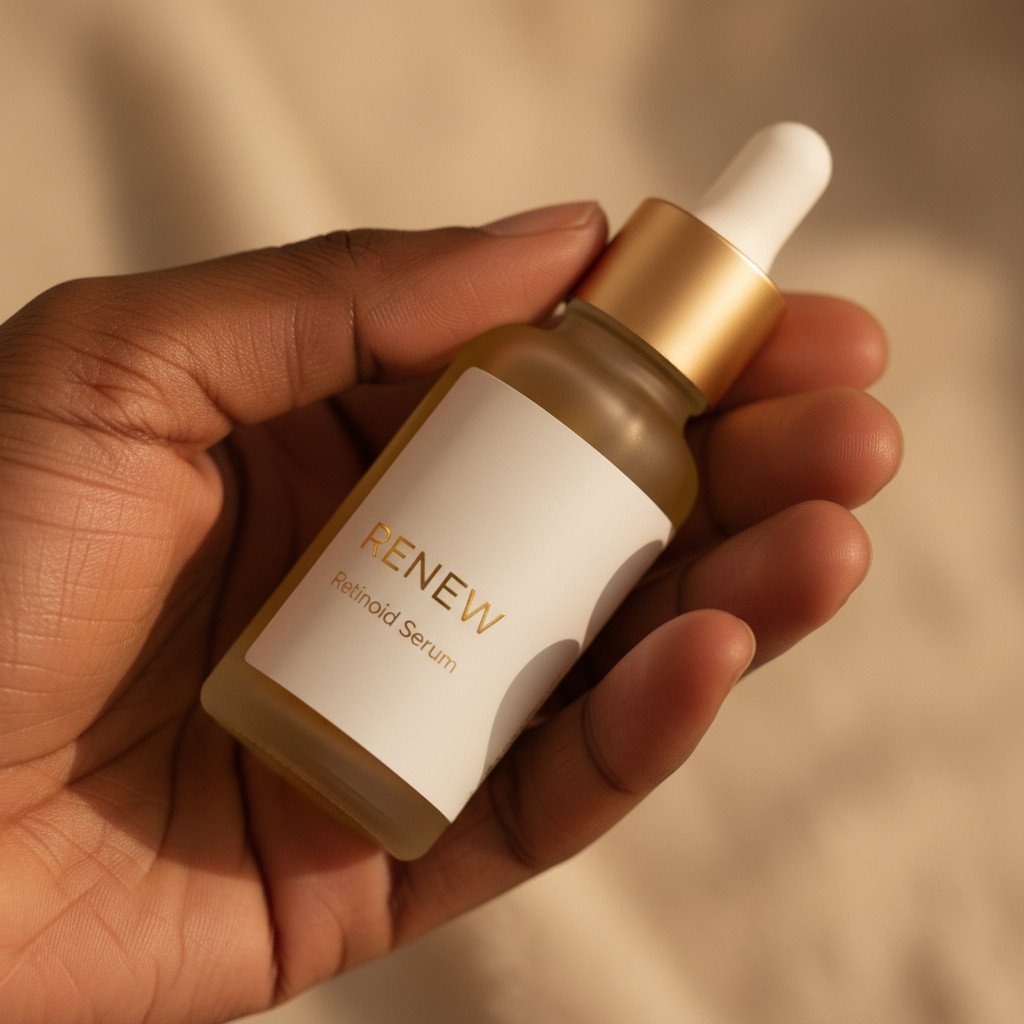
- For First-Timers or Sensitive Skin: Begin with a low-concentration retinol (0.01% to 0.03%) or a product with encapsulated retinol. This allows your skin to gradually acclimate. Shop gentle retinol serums on Amazon.
- For Mild Acne or Texture: A slightly higher retinol concentration (0.05% to 0.1%) or an over-the-counter adapalene gel might be appropriate.
- For More Stubborn Hyperpigmentation or Moderate Acne: Consider retinaldehyde, or consult a dermatologist for prescription options like tretinoin, especially if OTC options haven’t yielded desired results.
Always prioritize formulations that include soothing and barrier-supporting ingredients like ceramides, hyaluronic acid, and niacinamide, as these can help mitigate potential irritation.
Common Side Effects—and Why They Matter More on Dark Skin: The PIH Connection
Most retinoid side effects come down to irritation and barrier disruption. Typical early reactions include redness, burning, dryness, flaking, and a transient flare of breakouts as pores clear (often called “purging”). These are often collectively referred to as “retinization,” the period during which the skin adjusts to the retinoid. For individuals with lighter skin tones, these symptoms, while uncomfortable, are generally temporary and resolve as the skin builds tolerance. The focus is often on managing the discomfort until the skin adapts. However, for melanin-rich skin, the implications of these side effects are far more significant and potentially long-lasting.
For melanin‑rich skin, those same reactions can convert directly into PIH if the barrier stays compromised or inflammation is repeated. Reports and expert commentary note that poorly tolerated retinoids can cause skin darkening via post‑inflammatory hyperpigmentation, particularly in people of color. This isn’t just a theoretical risk; it’s a well-documented phenomenon that underscores the critical need for a modified approach. The inflammatory cascade triggered by retinoid irritation stimulates melanocytes to produce excess melanin, leading to dark spots that can be more challenging to fade than the original concerns you were trying to address. This means that the ‘purging’ phase, while normal, must be carefully monitored. If purging is accompanied by significant redness, itching, or prolonged irritation, it’s a red flag that your skin is reacting too strongly. That doesn’t mean retinoids inevitably cause darkening; it means that the way you use them determines whether they help fade spots or create new ones. The distinction between beneficial cellular turnover and harmful irritation is paramount for Black women. Our strategy must always prioritize barrier integrity and minimize inflammation to prevent the very hyperpigmentation we seek to resolve.
Understanding the Retinization Process in Melanin-Rich Skin
The retinization period is a normal physiological response where the skin adapts to the increased cell turnover and other effects of retinoids. This phase typically lasts 2-6 weeks. During this time, the skin may experience:
- Dryness and Flaking: As cell turnover accelerates, the skin may shed more rapidly, leading to visible flaking and a feeling of dryness. This is often exacerbated by a temporary disruption of the skin barrier.
- Redness and Sensitivity: Increased cell renewal can make the skin more reactive and prone to redness, especially during the initial weeks. This sensitivity can manifest as a stinging or burning sensation upon application of other products.
- Purging: For individuals prone to acne, retinoids can initially cause a temporary increase in breakouts. This ‘purging’ occurs as retinoids accelerate the shedding of dead skin cells and sebum that are already trapped beneath the skin’s surface, bringing them to a head more quickly. While often a sign that the retinoid is working, excessive or prolonged purging, especially if accompanied by significant inflammation, needs careful management.
While these symptoms are common, for Black skin, the key is to ensure they remain mild and transient. Any persistent or severe manifestation of these side effects should be interpreted as a sign of excessive irritation, requiring an adjustment to your routine. The line between normal retinization and harmful irritation is finer for melanin-rich skin, making vigilance and a proactive approach to barrier support absolutely essential.
The Long-Term Impact of Unmanaged Irritation
If retinoid irritation is not properly managed, the consequences for Black skin can extend beyond temporary discomfort:
- Persistent Post-Inflammatory Hyperpigmentation (PIH): This is the most significant risk. Repeated or severe irritation triggers a chronic inflammatory response, leading to the sustained overproduction of melanin. These dark spots can be very stubborn and take months or even years to fade, potentially negating any benefits gained from the retinoid.
- Compromised Skin Barrier: Chronic irritation can severely weaken the skin barrier, making the skin perpetually dry, sensitive, and vulnerable to environmental aggressors. A compromised barrier is less effective at retaining moisture and more susceptible to further inflammation, creating a vicious cycle.
- Increased Sensitivity: Unmanaged irritation can lead to a state of heightened skin sensitivity, where even mild products can cause stinging or redness. This can limit future skincare options and make it difficult to incorporate other beneficial actives.
- Loss of Confidence and Frustration: Experiencing worsening hyperpigmentation or chronic irritation can be deeply frustrating and undermine confidence in one’s skin and skincare routine. The goal of using retinoids is to enhance skin health and appearance, not to create new sources of distress.
Therefore, understanding these risks is not meant to deter Black women from using retinoids, but rather to empower them with the knowledge to use them safely and effectively. The emphasis is always on prevention and proactive management of potential side effects, ensuring that the retinoid journey is a positive and transformative one.
Low‑and‑Slow: How to Introduce Retinoids on Dark Skin with Precision
A cautious, stepwise introduction gives your skin time to adapt and limits the risk of retinoid‑induced hyperpigmentation. This isn’t just a suggestion; it’s a fundamental principle for successful retinoid integration into a melanin-rich skincare routine. Leading dermatology sources and skin‑of‑color experts converge on a similar approach, emphasizing patience and a deep respect for the skin’s natural responses. Rushing the process, or attempting to ‘power through’ irritation, is a direct pathway to exacerbating hyperpigmentation and compromising the skin barrier. The goal is to allow your skin’s cells to gradually acclimate to the increased turnover and cellular communication without triggering an inflammatory cascade. Think of it as a gentle dance with your skin, rather than a forceful push.
The Foundational Principles of Retinoid Introduction
- Start with a low strength: Choose a gentle over‑the‑counter retinol (e.g., 0.01% to 0.03%) or a low‑dose prescription if a dermatologist recommends it; avoid high percentages at the beginning. The initial concentration should be low enough that your skin can adapt without significant signs of irritation. Even if you’ve used retinoids in the past, if you’re restarting or switching to a more potent form, it’s wise to begin with a lower strength to re-establish tolerance. The lowest effective dose is always the best dose when starting out.
- Use it only a few nights per week: Begin with once or twice weekly use, non‑consecutive nights, and stay there for at least two weeks before increasing. This allows your skin ample recovery time between applications. For example, you might apply it on Monday and Thursday nights. If your skin shows no signs of irritation after two to four weeks at this frequency, you can consider increasing to three nights a week. This gradual escalation is crucial for monitoring your skin’s response and preventing cumulative irritation. Some individuals with very sensitive skin may even start with once a week for a month before attempting twice a week.
- Apply at night only: Retinoids increase photosensitivity and are best used in the evening; mornings are for antioxidants and SPF. The active compounds in retinoids can degrade when exposed to sunlight, making them less effective. More importantly, retinoids make your skin more vulnerable to UV radiation, which is a major trigger for hyperpigmentation. Therefore, nightly application maximizes efficacy and minimizes risk. Your morning routine should always include a broad-spectrum sunscreen, regardless of retinoid use, but it becomes absolutely non-negotiable when retinoids are part of your regimen.
- Buffer with moisturizer: Applying moisturizer before and/or after retinoid (“sandwich” method) can significantly reduce irritation and is specifically recommended for skin of color. This technique creates a protective layer between the retinoid and your skin, slowing down its absorption and mitigating its immediate impact. The ‘sandwich’ method involves applying a thin layer of a bland, barrier-supporting moisturizer, waiting for it to absorb, applying the retinoid, and then following up with another layer of moisturizer. This is a game-changer for preventing dryness, flaking, and irritation, making the retinoid experience much more comfortable and sustainable for melanin-rich skin.
- Use a pea-sized amount for the entire face: More is not better when it comes to retinoids. A pea-sized amount is sufficient to cover the entire face. Using too much product increases the likelihood of irritation without enhancing efficacy. Distribute it evenly, avoiding sensitive areas like the corners of the nose, mouth, and eyelids, unless specifically advised by a dermatologist.
- Apply to dry skin: Ensure your skin is completely dry after cleansing before applying your retinoid. Applying retinoids to damp skin can increase penetration and lead to greater irritation. Wait at least 15-20 minutes after cleansing to ensure your skin is thoroughly dry.
- Listen to your skin: This is perhaps the most important rule. Your skin will communicate its tolerance level. If you experience persistent redness, stinging, excessive flaking, or new dark spots, it’s a clear signal to reduce frequency, lower the strength, or pause use entirely until your skin recovers. Pushing through severe irritation is counterproductive and will likely lead to setbacks.
The Importance of Consistency Over Intensity
It’s a common misconception that faster results come from higher strength or more frequent application. For melanin-rich skin, consistent, gentle use over time yields the best and most sustainable results. The skin needs time to build tolerance and adapt to the cellular changes induced by retinoids. A routine that causes chronic irritation will ultimately do more harm than good, leading to a cycle of inflammation and hyperpigmentation that is difficult to break. By prioritizing consistency and patience, you allow your skin to gradually transform, revealing a clearer, more even, and youthful complexion without the unwanted side effects. Remember, the journey with retinoids is a marathon, not a sprint.
Barrier‑First Night Routine Examples: Practical Application for Melanin-Rich Skin
Building a night routine that prioritizes skin barrier health is paramount when incorporating retinoids, especially for Black women. These examples illustrate how to integrate retinoids safely, with an emphasis on buffering and hydration to minimize irritation and prevent PIH. The key is to create a nurturing environment for your skin, allowing it to reap the benefits of retinoids without succumbing to their potential harshness.
Beginner Retinoid Routine for Black Women: The Gentle Introduction
This routine is designed for those new to retinoids or restarting after a break, focusing on maximum barrier protection and minimal irritation.
- Step 1 – Cleanse (Gentle and Hydrating): Use a gentle, non‑stripping cleanser; pat dry. Opt for a creamy, hydrating cleanser that removes impurities without leaving your skin feeling tight or dry. Avoid harsh foaming cleansers or those with active exfoliants on retinoid nights. Pat your skin dry with a soft towel, ensuring it is completely dry before proceeding to the next step.
- Step 2 – First Moisturizer Layer (The Buffer): Apply a thin layer of a simple, non‑active moisturizer and let it absorb. This acts as your primary buffer, creating a protective shield between your skin and the retinoid. Choose a moisturizer rich in ceramides, hyaluronic acid, or glycerin, free from fragrances or active ingredients like AHAs/BHAs. Allow it to fully absorb for 5-10 minutes. Shop ceramide moisturizers on Amazon.
- Step 3 – Retinoid (Pea-Sized Precision): Apply a pea‑sized amount of retinol to the whole face, avoiding eyelids, corners of nose, and lips. Dispense a small, pea-sized amount onto your fingertip. Gently dot it across your forehead, cheeks, chin, and nose, then lightly spread it evenly over your entire face. Be mindful of the delicate skin around your eyes, nostrils, and mouth, as these areas are more prone to irritation. Less is truly more here.
- Step 4 – Second Moisturizer Layer (The Seal): Finish with another layer of moisturizer to lock in hydration and buffer the active. This second layer acts as a seal, further trapping moisture and ensuring a slow, controlled release of the retinoid into your skin. It also provides additional comfort and helps to mitigate any potential dryness. Use the same barrier-supporting moisturizer as in Step 2.
Use this on one or two nights per week at first. If, after two to four weeks, your skin feels comfortable (no persistent stinging, flaking, or new dark patches), you can gradually add an extra night. For example, if you started with Monday and Thursday, you might add a Wednesday application. Always observe your skin’s response and adjust frequency accordingly. Patience is your most valuable tool in this phase.
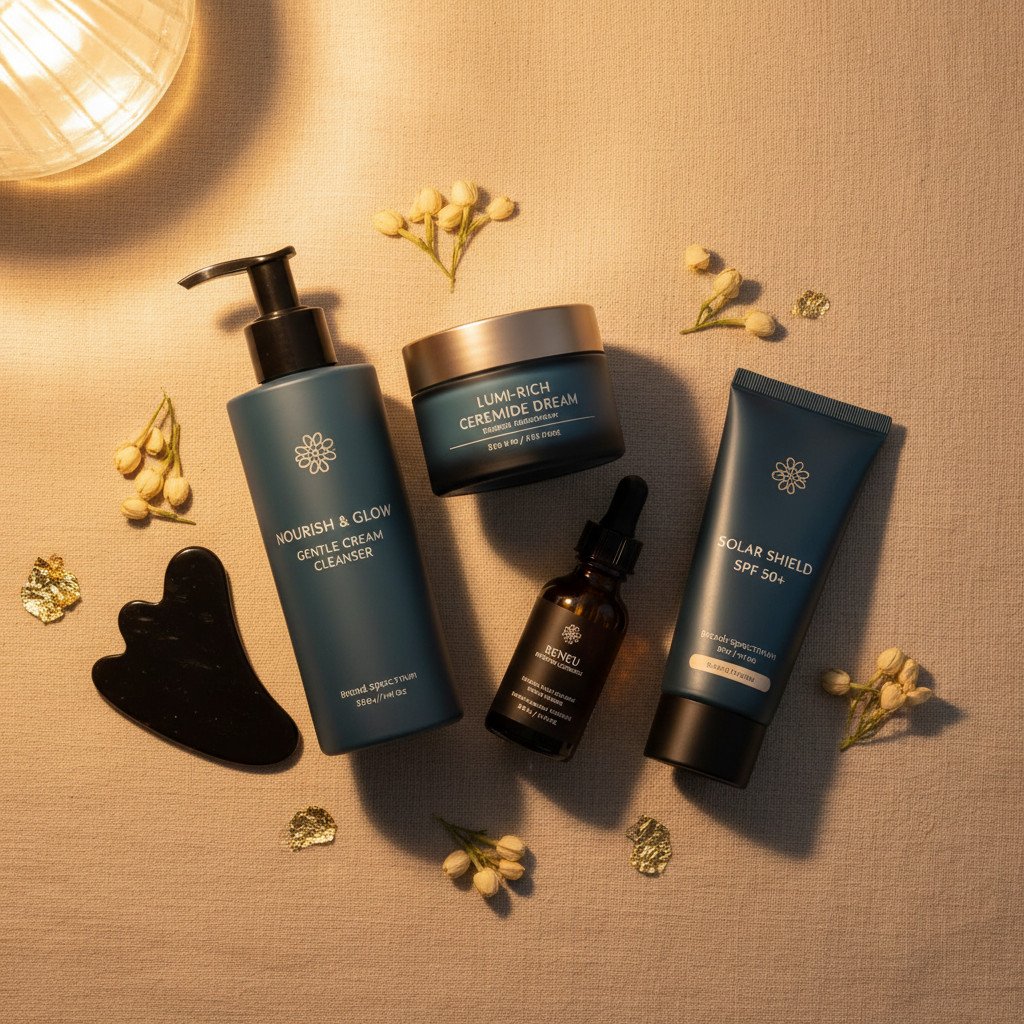
Intermediate Routine (Once Your Skin Has Adjusted): Building Tolerance
Once your skin has comfortably adapted to the beginner routine for several weeks or months, you can gradually transition to an intermediate approach. This routine offers slightly more direct contact with the retinoid while still prioritizing barrier support.
- Step 1 – Cleanse (Gentle and Thorough): Gentle cleanse. Again, opt for a mild, hydrating cleanser. Ensure your skin is thoroughly dry after cleansing—wait 15-20 minutes to prevent increased retinoid penetration and potential irritation.
- Step 2 – Optional Hydrating Serum (Nourishment and Prep): Apply a hydrating or niacinamide serum if your skin tolerates it well. This step is optional but highly recommended. A hydrating serum (e.g., hyaluronic acid) can plump the skin and provide an extra layer of moisture. A niacinamide serum (5-10%) can further support the skin barrier, reduce inflammation, and help with hyperpigmentation, making it an excellent partner for retinoids. Apply this before your retinoid to prep the skin, but ensure it’s fully absorbed.
- Step 3 – Retinoid (Direct Application): Apply your retinoid directly to dry skin. At this stage, your skin has built enough tolerance that direct application (without the first buffering layer of moisturizer) is generally well-tolerated. This allows the retinoid to penetrate more efficiently. Still, use only a pea-sized amount and avoid sensitive areas.
- Step 4 – Moisturizer (Barrier Support and Comfort): Seal with a barrier‑supporting cream. This final layer is still crucial. Choose a rich, occlusive moisturizer to lock in moisture, support the skin barrier, and soothe any potential mild irritation. This ensures your skin remains hydrated and protected throughout the night.
At this stage, many can tolerate retinoids two to three nights per week, but there’s no prize for using them nightly if your skin doesn’t like that. Some individuals with very resilient skin might even progress to every other night. However, if you notice any signs of irritation, revert to the beginner routine or reduce frequency. The right frequency is the one your skin can sustain without chronic irritation. It’s better to use a retinoid consistently two or three times a week without irritation than to use it nightly with constant flaking and redness. Listen to your skin, always.
Advanced Routine (For Highly Tolerant Skin, with Caution)
For those who have been using retinoids for a year or more, have built significant tolerance, and are not prone to PIH from mild irritation, an advanced routine might involve using retinoids four to five nights a week, or even nightly. This might also be the stage where a dermatologist might consider increasing the strength of a prescription retinoid. However, for Black women, even at this advanced stage, the principles of barrier support and sun protection remain non-negotiable. The ‘sandwich’ method can still be employed on nights when skin feels particularly sensitive, or a rich barrier cream should always follow direct retinoid application. Introducing other actives should still be done on alternating nights to prevent overwhelming the skin. Even with high tolerance, vigilance against irritation is key to preventing PIH.
Pairing Retinoids with Hyperpigmentation Treatments: A Synergistic Approach
Retinoids work well for hyperpigmentation because they boost turnover and make pigment‑targeting ingredients work more efficiently. By accelerating the shedding of melanin-laden cells and improving overall skin health, retinoids create a more receptive canvas for other actives designed to fade dark spots. However, the delicate balance required for melanin-rich skin means that stacking too many strong actives in the same routine backfires quickly on dark skin. The temptation to combine multiple potent ingredients to achieve faster results is understandable, but for Black women, this often leads to increased irritation, inflammation, and ultimately, more post-inflammatory hyperpigmentation. The strategy must be one of thoughtful integration and strategic alternation, ensuring that each active has its moment to shine without overwhelming the skin’s natural defenses.
Strategic Partners: Complementary Actives for Even Tone
- Good partners on alternating nights: Azelaic acid, niacinamide, and some vitamin C derivatives can complement retinoids, particularly for acne‑linked PIH and uneven tone. These ingredients work through different mechanisms to address hyperpigmentation and inflammation, making them excellent companions when used judiciously.
- Azelaic Acid: Known for its anti-inflammatory, antibacterial, and tyrosinase-inhibiting properties (tyrosinase is an enzyme crucial for melanin production). Azelaic acid is particularly effective for acne and rosacea, and its ability to calm inflammation makes it an ideal partner for retinoids. It can be used on alternating nights with retinoids or even in the morning routine. Shop azelaic acid serums on Amazon.
- Niacinamide (Vitamin B3): A powerhouse ingredient that strengthens the skin barrier, reduces inflammation, and inhibits the transfer of melanin from melanocytes to keratinocytes. Niacinamide is incredibly versatile and well-tolerated. It can often be used in the same routine as retinoids (applied before or after, depending on preference and product texture) or on alternating nights. Its barrier-supporting benefits are particularly valuable for mitigating retinoid irritation.
- Vitamin C Derivatives (e.g., Ascorbyl Glucoside, Tetrahexyldecyl Ascorbate): While L-Ascorbic Acid (pure vitamin C) can be potent and potentially irritating when combined with retinoids, gentler, more stable derivatives can be excellent brightening agents. They work as antioxidants, protect against UV damage, and inhibit melanin production. These are best used in the morning routine, followed by sunscreen, or on alternating nights from retinoids to avoid potential pH conflicts and irritation.
- Timing matters: Use exfoliating acids (AHAs/BHAs) and strong vitamin C on nights when you are not using retinoids, especially if you’re early in your journey. Combining these potent exfoliants with retinoids can lead to over-exfoliation, increased irritation, and a compromised barrier—all direct triggers for PIH. Dedicate specific nights to these actives. For example, if you use retinoids on Monday and Thursday, you might use an AHA serum on Tuesday and Friday.
- One “big” active per night: Especially for Black women prone to PIH, limiting each evening to one major active (retinoid or peel or strong vitamin C) helps protect the barrier. This golden rule ensures that your skin isn’t overwhelmed. Your routine might look like this: Monday (Retinoid), Tuesday (Hydrating/Barrier Support), Wednesday (AHA/BHA), Thursday (Retinoid), Friday (Hydrating/Barrier Support), Saturday (Vitamin C Serum), Sunday (Rest/Mask). This strategic rotation allows each active to work effectively without causing undue stress to the skin.
Ingredients to Avoid or Use with Extreme Caution Alongside Retinoids
- Benzoyl Peroxide: Traditionally, it was thought that benzoyl peroxide inactivated tretinoin. While newer formulations may be more stable, it’s generally still recommended to use benzoyl peroxide on alternating nights or in the morning if you are using a prescription retinoid. For OTC retinols, some mild combinations might be tolerated, but caution is advised.
- Physical Exfoliants: Harsh scrubs or abrasive tools should be avoided entirely, especially during the initial retinization phase. Retinoids already provide chemical exfoliation, and adding physical exfoliation can lead to over-exfoliation, micro-tears, and significant irritation, increasing the risk of PIH.
- Other Potent Actives: Be wary of combining retinoids with other highly active ingredients like hydroquinone (unless under strict dermatologist supervision and for a limited time), or multiple strong peptides without careful consideration. The cumulative effect can be too much for melanin-rich skin.
The key to successful pairing is to understand the mechanism of each ingredient and to introduce them one at a time, allowing your skin to adjust before adding another. When in doubt, consult with a dermatologist who specializes in skin of color. They can help you craft a personalized regimen that maximizes benefits while minimizing risks, ensuring your journey to even-toned skin is smooth and effective.
Retinoids for Anti‑Aging on Black Skin: Preserving Youthful Radiance
Even with the “Black don’t crack” reality—that melanin offers some protection against fine lines—retinoids still have a place in long‑term skin health for Black women. While melanin does provide a natural SPF and helps to delay the visible signs of aging compared to lighter skin tones, it does not make us immune to the passage of time. Environmental factors, lifestyle choices, and the natural process of collagen degradation still lead to the eventual appearance of fine lines, wrinkles, and a loss of firmness. Studies show retinoids improve collagen density, fine wrinkles, and texture in all skin types when tolerated. This universal benefit underscores their value regardless of skin tone, but the approach for melanin-rich skin must always be tailored to prevent hyperpigmentation.
For melanin‑rich skin, the aim is subtle, steady refinement rather than chasing dramatic peeling. The goal is not to aggressively resurface the skin, which can lead to inflammation and PIH, but to gently stimulate cellular renewal and collagen production. Used consistently at a tolerable strength, retinoids can help maintain firm, plump, and even skin as you move through your 30s, 40s, 50s, and beyond without compromising your natural pigment or barrier. This long-term, preventative approach ensures that your skin ages gracefully, retaining its inherent luminosity and resilience. It’s about investing in the longevity of your skin’s health and beauty, rather than seeking quick fixes that might come with unwanted side effects.
The Nuance of Anti-Aging for Melanin-Rich Skin
While the visible signs of aging may appear later for Black women, specific concerns often arise:
- Loss of Firmness and Elasticity: Over time, the natural decline in collagen and elastin production can lead to a loss of skin firmness, particularly around the jawline and neck. Retinoids actively stimulate the synthesis of these proteins, helping to counteract this process and maintain a more lifted, youthful contour.
- Fine Lines and Wrinkles: While deep wrinkles may be less common, fine lines, especially around the eyes and mouth, are a natural part of aging. Retinoids help to smooth these lines by increasing cell turnover and plumping the skin from within, making them less noticeable.
- Uneven Skin Tone and Texture: Sun exposure and past inflammation can lead to subtle unevenness in skin tone and texture, even in the absence of prominent dark spots. Retinoids promote a more uniform cell turnover, leading to a smoother surface and a more consistent complexion.
- Dullness: As cell turnover slows with age, dead skin cells can accumulate on the surface, leading to a dull or lackluster appearance. Retinoids gently accelerate this process, revealing fresh, radiant skin underneath.
Beyond Collagen: The Holistic Anti-Aging Benefits
Retinoids contribute to anti-aging in ways that extend beyond just collagen production:
- Improved Skin Cell Function: They normalize the way skin cells behave, leading to healthier, more resilient skin overall. This means cells are better equipped to repair themselves and withstand environmental stressors.
- Antioxidant Properties: Some retinoids, particularly retinyl esters, also possess antioxidant properties, helping to neutralize free radicals that contribute to premature aging.
- Enhanced Skin Radiance: By promoting healthy cell turnover, retinoids help to remove the dull, dead skin cells that can obscure your natural glow, revealing a more vibrant and luminous complexion.
The strategy for anti-aging with retinoids on Black skin is one of gentle, consistent, and long-term commitment. It’s about nurturing your skin to maintain its inherent vitality, rather than aggressively fighting the signs of aging. By integrating retinoids thoughtfully, Black women can confidently embrace their journey through time, knowing their skin is supported and celebrated.
Retinoids for Acne and PIH in Black Women: A Targeted Approach
Retinoids are a cornerstone of acne management because they unclog pores, reduce inflammation, and regulate cell shedding. In people of color, that acne‑clearing effect also means fewer new dark marks—if you avoid excess irritation that could create its own PIH. This distinction is crucial: retinoids are powerful tools for breaking the acne-PIH cycle, but only when used with precision and care. The goal is to prevent breakouts and heal existing ones without triggering the inflammatory response that leads to stubborn dark spots. For many Black women, acne is not just a temporary skin concern; it’s a significant contributor to long-lasting hyperpigmentation, making the choice of treatment particularly impactful.
Targeting Acne and PIH on the Face
- Unclogging Pores: Retinoids normalize the shedding of dead skin cells, preventing them from accumulating and blocking pores. This reduces the formation of comedones (blackheads and whiteheads), which are the primary lesions of acne. By keeping pores clear, retinoids address acne at its root.
- Reducing Inflammation: Beyond their pore-clearing action, retinoids also possess anti-inflammatory properties, which help to calm existing breakouts and reduce the redness and swelling associated with inflammatory acne. This is particularly important for Black skin, as inflammation is a direct trigger for PIH.
- Fading Existing Dark Spots: As discussed, retinoids accelerate cell turnover, helping to shed melanin-laden cells more quickly. This means that the dark spots left behind by previous breakouts (PIH) can fade more efficiently, leading to a more even skin tone.
- Synergistic Pairing: Retinoids work effectively when combined with other acne-fighting and pigment-reducing ingredients, but on alternating nights. For example, a routine might involve retinoids on some nights and a niacinamide or azelaic acid serum on others. Niacinamide strengthens the barrier and reduces inflammation, while azelaic acid fights bacteria and inhibits melanin production. This multi-pronged approach tackles acne and PIH from various angles.
Addressing Body Acne and PIH
- Body Acne: For chest, back, or buttock acne, dermatologist‑guided retinoids can be very effective. The skin on the body can be thicker and sometimes more resilient than facial skin, but it is still prone to PIH. Using a retinoid body lotion or cream can help to clear breakouts and prevent new ones.
- Ingrown Hairs and Folliculitis: Retinoids can also be beneficial for preventing and treating ingrown hairs (pseudofolliculitis barbae), which are common in individuals with curly hair textures and can lead to significant PIH on the face, neck, and body. By promoting proper cell turnover, retinoids help to keep hair follicles clear and prevent hairs from becoming trapped.
- Cautious Application: When using retinoids on the body, especially in dry, sensitive, or friction‑heavy areas (like the inner thighs or underarms), extra moisturization and cautious use are crucial. The skin in these areas can be more prone to irritation. Start with a very low concentration and apply less frequently, gradually increasing as tolerated. Always follow with a rich, barrier-supporting body moisturizer.
When to Seek Professional Guidance
If your acne is painful, cystic, scarring, or significantly impacting your quality of life, prescription retinoids and a full acne plan are worth discussing with a dermatologist rather than relying solely on over‑the‑counter options. A dermatologist specializing in skin of color can accurately diagnose the type of acne, recommend the most appropriate retinoid (e.g., tretinoin, tazarotene, or oral retinoids in severe cases), and provide a comprehensive treatment strategy that includes managing PIH. They can also prescribe other medications or procedures that may be necessary for stubborn or severe cases, ensuring that your treatment is both effective and safe for your melanin-rich skin.

The Role of Consistency and Patience
Treating acne and PIH with retinoids requires consistency and patience. Visible improvements in active breakouts typically begin within 4-8 weeks, but significant fading of dark spots can take 3-6 months or even longer, especially for deeper PIH. Regular use, adherence to the ‘low and slow’ method, and diligent sun protection are the cornerstones of success. Remember, the goal is not just to clear acne, but to do so in a way that minimizes the risk of new hyperpigmentation, leading to a truly clear and even-toned complexion.
The Non‑Negotiable Partner: Sunscreen for Retinoid Users
Retinoids increase the skin’s sensitivity to UV, and UV exposure is a major driver of hyperpigmentation and photoaging—particularly in melanin‑rich skin, where dark marks can deepen and linger. This is not merely a recommendation; it is an absolute, non-negotiable requirement for anyone using retinoids, and even more so for Black women. Using retinoids without daily sunscreen is, effectively, pushing the accelerator and the brake at the same time. You are actively working to improve skin tone and texture, while simultaneously exposing your vulnerable, retinoid-sensitized skin to the very factor that can undo all that progress and trigger new, stubborn dark spots. Melanin provides some natural protection, but it is not a shield against all UV damage, especially when the skin’s barrier is undergoing retinization.
Why Sunscreen is Critical with Retinoids
- Increased Photosensitivity: Retinoids thin the stratum corneum (the outermost layer of skin) and increase cell turnover, making the skin more susceptible to sun damage. This heightened sensitivity means that even incidental sun exposure can lead to sunburn, irritation, and, most importantly for Black skin, PIH.
- Prevention of Hyperpigmentation: UV radiation is the number one trigger for hyperpigmentation. It stimulates melanocytes to produce more melanin, deepening existing dark spots and creating new ones. For Black women, who are already prone to PIH, this risk is amplified. Consistent, daily sunscreen use is the most effective way to prevent this.
- Protection Against Photoaging: While melanin offers some protection, prolonged sun exposure still contributes to collagen breakdown and the formation of fine lines and wrinkles over time. Sunscreen helps to preserve the anti-aging benefits gained from retinoids by shielding the skin from UV-induced damage.
- Maintaining Barrier Health: Sunburn and UV damage compromise the skin barrier, leading to dryness, irritation, and increased sensitivity. Sunscreen helps to maintain the integrity of the barrier, which is already under stress from retinoid use.
Choosing and Using Sunscreen Effectively
- Use at least SPF 30–50 daily: Even on cloudy days and especially if you live somewhere with strong sun or spend time near windows. The American Academy of Dermatology recommends a minimum of SPF 30 for daily use. For retinoid users, particularly those with melanin-rich skin, aiming for SPF 50 provides an extra layer of protection. Reapply every two hours when exposed to direct sunlight, or more frequently if swimming or sweating.
- Choose broad-spectrum protection: Ensure your sunscreen protects against both UVA (aging rays) and UVB (burning rays). Look for labels indicating
Frequently Asked Questions
Are retinoids safe for Black women, or will they make my skin darker?
Retinoids can be safe and very effective for Black women when used correctly. Clinical and expert sources note that retinoids improve texture, acne, and hyperpigmentation in darker skin, but they also emphasize that irritation can cause post-inflammatory hyperpigmentation if you go too strong or too fast. Starting with low strengths, using retinoids only a few nights per week at first, buffering with moisturizer, and wearing sunscreen every day are the key strategies that let melanin-rich skin benefit from retinoids without ending up darker or more sensitive.
Should I choose over‑the‑counter retinol or a prescription retinoid?
Over-the-counter retinol is often the best entry point if you’re focused on early anti-aging, mild texture, or light hyperpigmentation and you’ve never used a vitamin A product before. It is converted in the skin and tends to cause less irritation than prescription-strength retinoids, making it more forgiving for first-time users and darker skin. Prescription retinoids are typically reserved for more significant acne, scarring, or stubborn pigmentation and should be used under dermatologist supervision. Whichever you choose, the principles of slow introduction, moisturizing, and sunscreen remain the same.
How often should I apply retinoids on dark skin?
Most dermatology guidance suggests starting with once or twice per week, then gradually increasing frequency as your skin tolerates it. Some people with melanin-rich skin eventually reach every-other-night or even nightly use, but there is no requirement to get there for retinoids to be effective. If you notice persistent dryness, stinging, or new dark marks, that’s a signal to reduce frequency, enhance moisturization, or pause entirely while your barrier recovers rather than pushing for daily use.
Can I use acids and retinoids together on the same night?
It’s technically possible, but for hyperpigmentation-prone dark skin it’s rarely the safest starting point. Combining strong acids and retinoids in the same routine significantly increases irritation risk, which in turn increases the risk of post-inflammatory hyperpigmentation. Most experts recommend alternating them on different nights—acids on some evenings, retinoids on others—or limiting acids to very gentle options used infrequently while your skin adapts to retinoids.
How long does it take to see results from retinoids on dark spots and aging?
Retinoid changes are gradual. Many users see early improvements in smoothness and glow within 4–8 weeks, with more visible reductions in fine lines, acne, and hyperpigmentation emerging over 3–6 months of consistent use. On melanin-rich skin, especially with deeper PIH or melasma, timelines can stretch longer. Tracking progress with photos every few weeks is often more honest than relying on day-to-day mirror checks, which tend to under-appreciate slow, cumulative shifts.
What should I do if retinoids are making my dark skin red, itchy, or darker?
If you develop sustained redness, burning, flaking, or new dark patches, that’s a signal your skin is irritated. Experts recommend stopping the retinoid, focusing on gentle cleansing, rich moisturization, and sunscreen, and giving your skin time—often several weeks—to fully settle before reintroducing anything. When you restart, consider a lower-strength product, less frequent use, or a moisturizer “sandwich,” and avoid stacking other strong actives. If the reaction is severe, persistent, or accompanied by swelling, pain, or significant color change, a dermatologist visit is the safest next step.
Shop gentle retinol serum on Amazon
Shop ceramide moisturizer on Amazon
Shop azelaic acid serum on Amazon
Related next steps
Start Here → Hyperpigmentation And Dark Spots → Skincare For Black Women 101 Simple Routines → Skincare For Black Women → Skin Typing And Fundamentals For Melanin Rich Skin → Barrier Repair And Moisture Balance → Cleansing And Exfoliation Best Practices → Hyperpigmentation In Black Women Causes Types Treatment Roadmap →Related posts:
 Ingredient-Based Solutions for Hyperpigmentation & Dark Spots on Melanin-Rich Skin: Vitamin C, Niacinamide, Azelaic, Tranexamic, Retinoids
 DRMTLGY Anti Aging Clear Face Sunscreen Review
 Retinal vs. Retinol: Which Night Cream Is Best for Anti‑Aging? (2026 Guide)
 Raising Children With Anti-Colorist, Anti-Texturist Beauty Messages
 Retinoids for Uneven Tone on Melanin-Rich Skin: A Gentle, Informed Approach
 Color Correcting 101: How to Neutralize Dark Circles & Hyperpigmentation on Melanin Skin (Without Looking Gray)