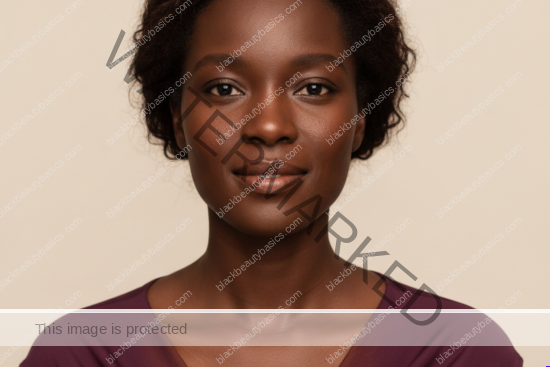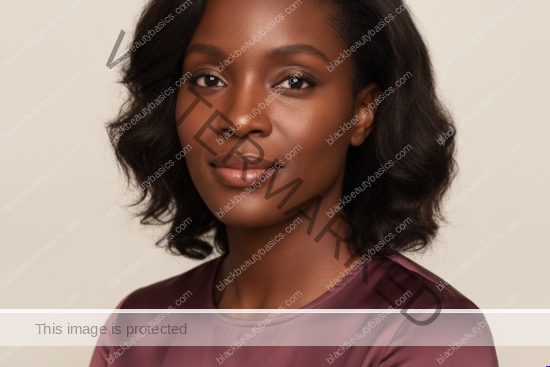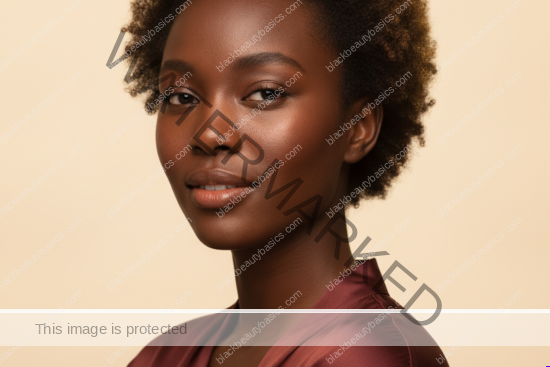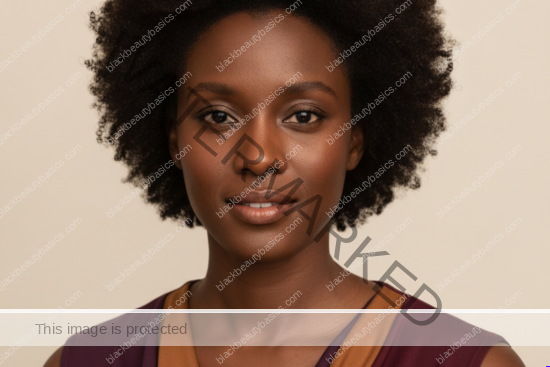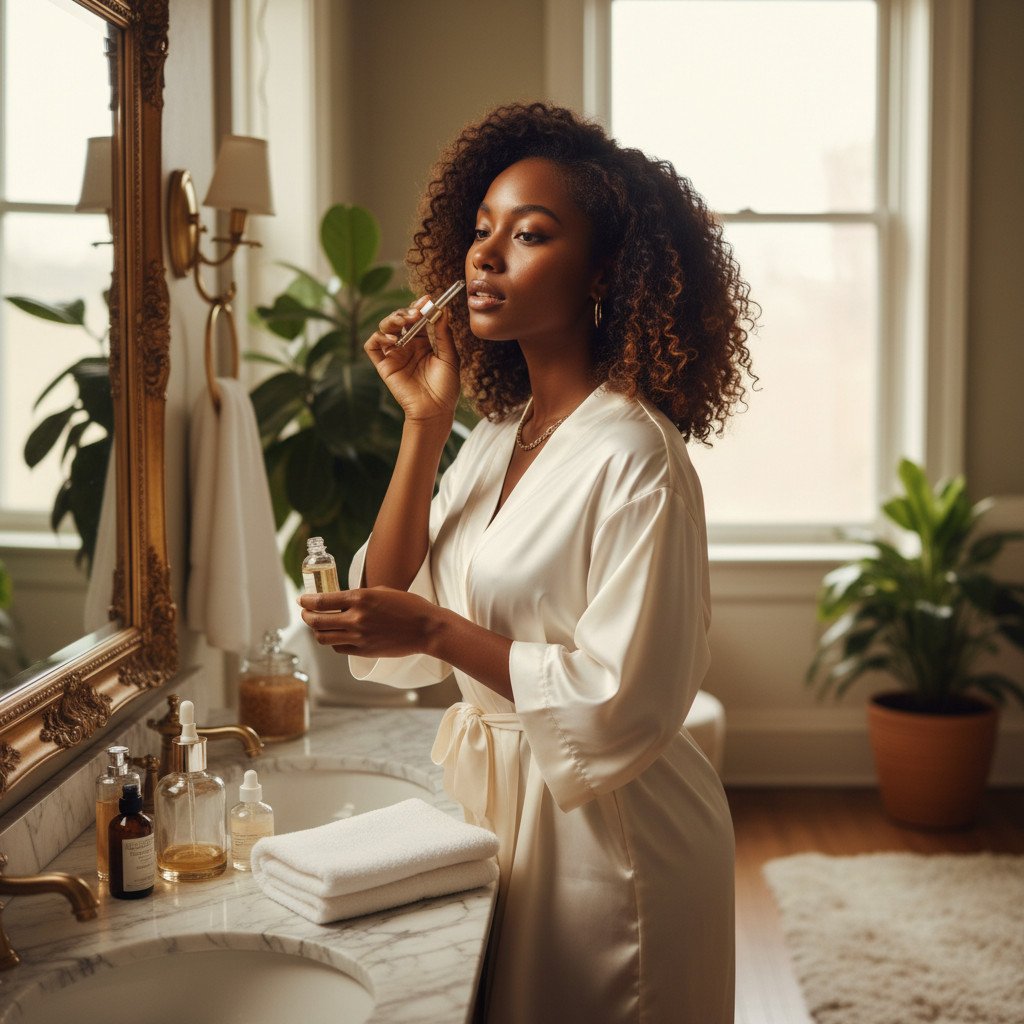
For many of us with melanin-rich skin, the arrival of summer often brings a mix of anticipation and a touch of apprehension when it comes to our skin. We’re often told that warmer weather means our skin will magically “clear up” or require “less” product because the air is no longer dry. While there’s a certain truth to the idea that some skin concerns can ease with increased humidity, the reality for melanin-rich skin in humid climates is often far more nuanced and, frankly, more complicated than generic advice suggests.
Instead of a simple reprieve, humid summer days can usher in a unique set of challenges: an unwelcome sheen of oil, persistent sweat, frustratingly clogged pores, the discomfort of sunscreen that feels heavy or pills, and the ever-present concern of uneven tone or lingering dark marks. It’s a delicate balance to maintain skin that feels comfortable, looks clear, and stays protected without resorting to harsh measures that ultimately do more harm than good. This is especially true when our skin, designed to protect us with its rich melanin, can react to irritation or inflammation with a heightened risk of post-inflammatory hyperpigmentation (PIH), turning a simple breakout into a long-lasting reminder.
This guide from Black Beauty Basics is designed to help you navigate the complexities of summer skincare in humid environments. We understand that melanin-rich skin may show irritation, congestion, and PIH in ways that often go unaddressed by mainstream beauty advice. Here, we’ll explore how to build a realistic summer routine that respects your skin’s unique needs, ensuring it remains comfortable, clear, hydrated, and protected without over-stripping or over-layering. For more insights into how seasonal changes impact your skin, explore our comprehensive guide on Seasonal Routines: Summer, Winter & Climate-Specific, and delve deeper into general care for Skincare for Black Women.
What This Post Covers
This article will empower you with the knowledge and strategies to care for your melanin-rich skin during the humid summer months. We’ll demystify common challenges and offer practical solutions.
- How humid weather uniquely changes the behavior of melanin-rich skin, especially regarding oil and sweat production.
- Why oily skin in summer doesn’t automatically mean your skin is well-hydrated, and how to tell the difference.
- Effective strategies to reduce clogged pores and congestion without resorting to harsh, stripping treatments.
- Tips for layering skincare products, including sunscreen, when sweat and humidity are constant factors.
- Understanding the interconnectedness of summer breakouts, irritation, and the risk of post-inflammatory hyperpigmentation (PIH).
- Detailed guidance on what a realistic and effective morning and evening summer skincare routine can look like.
- When and how to simplify your routine to prevent overwhelm and product fatigue, rather than adding more steps.
- Specific product texture recommendations that thrive in humid conditions.
- How to manage common summer skin concerns like forehead breakouts, sweat-related bumps, and uneven tone.
Why Humid Weather Can Still Stress Dark Skin
It’s a common misconception that humid weather is universally “good” for all skin types, especially if you’re accustomed to dry winter air. While the increased moisture in the air can indeed prevent the extreme dryness some experience in colder months, for melanin-rich skin, particularly those prone to oiliness or congestion, humidity presents its own unique set of stressors. The elevated moisture content in the air can signal to your skin that it doesn’t need to produce as much of its own moisture, but it often simultaneously increases surface oil and sweat production. This combination creates a perfect storm for a feeling of greasiness and stickiness, even as the skin underneath might be craving hydration.
This internal conflict within the skin can be incredibly confusing. You might look in the mirror and see a shiny, almost slick complexion, leading you to believe your skin is adequately moisturized, or even over-moisturized. The natural inclination is then to over-cleanse, using harsh foaming cleansers or astringents, or to skip moisturizer entirely. However, this often backfires. Aggressive cleansing strips the skin of its natural barrier, triggering it to produce even more oil in an attempt to compensate. Skipping moisturizer, especially lightweight, water-based options, can leave the deeper layers of your skin dehydrated, making it feel tight, dull, or even more reactive.
For melanin-rich skin, this cycle of overcorrection is particularly problematic. Any irritation, whether from harsh products, excessive rubbing, or barrier disruption, can easily lead to inflammation. And for us, inflammation is a direct pathway to post-inflammatory hyperpigmentation (PIH) – those stubborn dark spots that seem to linger long after the initial irritation has subsided. What might be a temporary redness for lighter skin tones can become a lasting dark mark for us. Therefore, understanding this delicate balance and resisting the urge to strip the skin is paramount to maintaining an even, healthy complexion throughout the summer.
How Summer Often Shows Up on Melanin-Rich Skin
Summer on melanin-rich skin isn’t just about a sun-kissed glow; it’s also about navigating specific challenges that warm, humid weather can exacerbate. The increased heat and moisture in the air often manifest in several common patterns that require a thoughtful approach to skincare.
One of the most noticeable changes is increased shine and oiliness. Our sebaceous glands can become more active in higher temperatures, leading to a more pronounced oily T-zone or an overall greasy feeling. This isn’t just cosmetic; excess oil, combined with sweat and environmental pollutants, can contribute to clogged pores and congestion. Sweat-related issues are also prevalent, from tiny bumps along the hairline or chest to general discomfort and stickiness. This can be particularly frustrating when trying to keep makeup from sliding or simply feeling fresh throughout the day.
Sunscreen layering can become a major point of frustration. While we know the critical importance of daily sun protection, finding a sunscreen that doesn’t leave a white cast, feel heavy, pill under makeup, or run into our eyes with sweat can be a perpetual summer quest. The wrong formula can deter consistent use, leaving our skin vulnerable.
Uneven tone and acne flares are also common summer concerns. Increased inflammation from heat, sweat, or friction, combined with UV exposure, can trigger breakouts. And as we know, for melanin-rich skin, every breakout carries the risk of leaving behind a dark mark. This brings us to a crucial point: irritation on darker skin tones often presents differently. While lighter skin might show a vivid red flush, our skin might instead exhibit a subtle ashiness, a rough or bumpy texture, a feeling of tenderness or stinging, or a direct progression to post-inflammatory hyperpigmentation without much visible redness beforehand. This means we need to be attuned to these more subtle cues of irritation and respond with gentle, barrier-supporting care rather than aggressive treatments.
Why “Oily” and “Dehydrated” Can Happen at the Same Time
It might seem contradictory to describe skin as both “oily” and “dehydrated” simultaneously, but this is a common reality for many with melanin-rich skin, especially in humid summer climates. Understanding the difference between oil and water in the skin is key to addressing this paradox effectively.
Oil, or sebum, is produced by your sebaceous glands and forms a protective lipid barrier on the skin’s surface. It helps to keep moisture in and irritants out. Water, on the other hand, is found in the deeper layers of the epidermis and dermis, contributing to the skin’s plumpness, elasticity, and overall health. When we talk about “hydration,” we’re referring to the water content in the skin.
In humid weather, your skin’s sebaceous glands might be working overtime, leading to increased surface oiliness and that characteristic summer shine. However, this doesn’t automatically mean your skin has sufficient water content. Factors like excessive sweating, spending time in air-conditioned environments (which can be surprisingly drying), over-cleansing, or simply not consuming enough water can deplete the skin’s internal water reserves. The result? Your skin might look greasy on the surface, but underneath, it feels tight, lacks suppleness, appears dull, or even becomes reactive and sensitive. It’s like a juicy fruit with a waxy peel – the surface looks fine, but the inside is shriveling.
Recognizing this distinction is crucial. If your skin is both oily and dehydrated, simply trying to “dry out” the oil will only exacerbate the dehydration, potentially leading to further irritation, barrier compromise, and a rebound effect where your skin produces even more oil to compensate. Instead, the goal is to manage surface oil with gentle, non-stripping methods while simultaneously replenishing internal water content with lightweight, humectant-rich hydrators. This approach respects the skin’s natural balance and prevents the cycle of irritation and PIH that often accompanies imbalanced summer skincare.
The Core Goals of a Humid-Climate Summer Routine
Navigating summer skincare in humid conditions for melanin-rich skin requires a strategic approach that prioritizes balance, protection, and gentle efficacy. Our core goals are not about fighting our skin, but rather supporting its natural functions in a challenging environment.
- Keep Skin Clean Without Stripping: The aim is to remove excess oil, sweat, and environmental impurities without compromising the skin’s natural moisture barrier. Harsh cleansers can trigger rebound oiliness and irritation.
- Support Hydration with Lighter Textures: While skin may feel oily, it still needs water-based hydration. Opt for lightweight, non-comedogenic formulas that provide moisture without feeling heavy or occlusive.
- Protect Against UV and Pigment Worsening: Consistent and effective sun protection is non-negotiable to prevent sun damage and, crucially, to minimize the worsening or formation of post-inflammatory hyperpigmentation.
- Reduce Unnecessary Friction and Over-Exfoliation: Summer skin, especially when sweaty or prone to breakouts, can be more sensitive. Minimizing physical exfoliation and being mindful of chemical exfoliant strength can prevent irritation that leads to PIH.
- Keep Routines Breathable and Realistic: Over-layering products in humidity can feel suffocating and lead to pilling or congestion. A streamlined, effective routine is easier to adhere to and allows the skin to breathe.
- Manage Acne Risk Without Turning the Barrier into Collateral Damage: Address breakouts with targeted, gentle ingredients that don’t compromise the skin barrier, understanding that a healthy barrier is key to preventing PIH.
Morning Routine for Humid Summer Weather
Your morning routine in humid summer weather is all about setting your skin up for protection and comfort throughout the day. It should be efficient, effective, and focused on lightweight layers that won’t feel heavy as temperatures rise.
Cleanse based on what your skin actually needs
In the morning, after a night of sleep, your skin likely doesn’t need a rigorous cleanse, especially if you cleansed thoroughly the night before. For many with melanin-rich skin in humid climates, a simple splash of cool water can be enough to refresh the skin and remove any overnight residue. If you wake up feeling particularly oily or sweaty, or if you use heavier nighttime treatments, a very gentle, low-foaming cleanser or micellar water can be used. The key is to avoid anything that leaves your skin feeling tight or squeaky clean, as this indicates barrier disruption. Remember, the goal is to refresh, not to strip. You can explore gentle cleanser options on Amazon that are formulated for melanin-rich skin.
Use lightweight hydration, not no hydration
Even if your skin feels oily, skipping moisturizer altogether is a common mistake that can lead to dehydration and even increased oil production. In humid climates, the trick is to choose your hydrator wisely. Opt for lightweight, water-based formulas like gel moisturizers, hydrating serums with hyaluronic acid or glycerin, or fluid lotions. These provide essential moisture without adding a heavy, occlusive layer that can feel suffocating or contribute to congestion. A well-hydrated skin barrier functions better, looks smoother, and is less prone to irritation. Less can indeed be enough, but completely skipping this supportive step is rarely the answer.
Finish with sunscreen that you will really wear
This is arguably the most critical step in your morning summer routine, especially for melanin-rich skin where UV exposure can significantly worsen hyperpigmentation. The best sunscreen is the one you will consistently wear every single day. Look for broad-spectrum formulas with an SPF of 30 or higher. For humid climates, seek out lightweight, non-comedogenic, and often fluid or gel-cream textures that absorb quickly and don’t leave a white cast on darker skin tones. Modern formulations have come a long way in addressing these concerns. Apply a generous amount and allow it to set before applying makeup, if you wear it. Consistency is key, even on cloudy days or when you’re mostly indoors near windows. You can browse sunscreens for dark skin with no white cast on Amazon.
Evening Routine After Sweat, Sunscreen, and Long Days
Your evening routine in humid summer weather is a crucial opportunity to cleanse away the day’s accumulation, treat specific concerns, and replenish your skin, preparing it for overnight repair. After enduring sweat, layers of sunscreen, environmental pollutants, and perhaps makeup, a thoughtful evening ritual is essential for maintaining skin health and preventing congestion or irritation.
Remove buildup gently
The first and most important step is a thorough yet gentle cleanse to remove all traces of sunscreen, makeup, sweat, and daily grime. For many, a double cleanse works wonders in the summer. Start with an oil-based cleanser, balm, or micellar water to effectively dissolve oil-soluble impurities like sunscreen and makeup without harsh scrubbing. Follow this with a gentle, water-based cleanser to clean the skin itself. This two-step process ensures everything is removed without stripping your skin’s natural oils, which is vital for preventing barrier damage and subsequent irritation. After long days, especially those involving travel or significant time outdoors, this step is non-negotiable. For more tips on maintaining your routine on the go, see our article on Travel Skincare for Melanin-Rich Skin.
Keep treatment steps focused
Once your skin is clean, it’s time for targeted treatments. In summer, you might want to focus on ingredients that address concerns like congestion, post-inflammatory hyperpigmentation, or mild breakouts. Consider a gentle chemical exfoliant (like a low-strength AHA or BHA) a few times a week to help keep pores clear, or a serum with niacinamide to help with oil regulation and barrier support. Vitamin C serums can be excellent for brightening and antioxidant protection. If you’re using retinoids, you might consider adjusting the frequency or strength in summer, especially if you’re spending more time in the sun or experiencing increased sensitivity. The key is to be selective and not overwhelm your skin with too many active ingredients, particularly when it might already be under stress from heat and humidity.
Seal in comfort without heaviness
Finally, seal in your treatments and provide essential overnight hydration with a moisturizer. Just like in the morning, opt for textures that are suitable for humid conditions. A lightweight lotion, a hydrating gel-cream, or a serum-like moisturizer can provide ample nourishment without feeling occlusive or contributing to overnight stickiness. Look for ingredients like ceramides, hyaluronic acid, and glycerin to support your skin barrier and draw moisture into the skin. Even if your skin feels oily, a well-chosen evening moisturizer helps to balance oil production and supports the skin’s natural repair processes while you sleep. The goal is to wake up with skin that feels balanced, soft, and ready for another day, not greasy or tight.
Best Texture Types for Summer on Dark Skin
The texture of your skincare products becomes incredibly important when navigating humid summer weather. Heavy, occlusive creams that feel wonderful in dry, cold conditions can feel suffocating and contribute to congestion when the air is thick with moisture. For melanin-rich skin, which can already be prone to oiliness and PIH, choosing the right textures is key to comfort and clarity.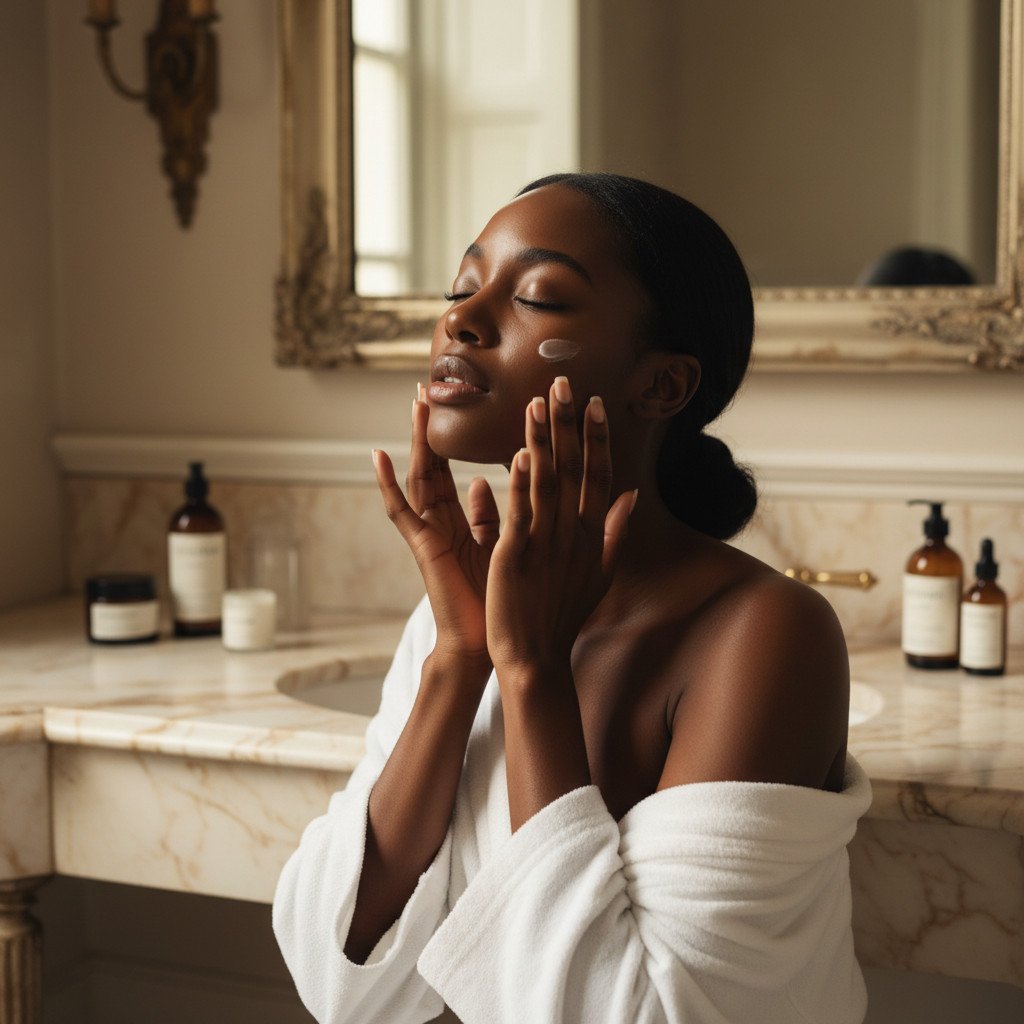
Gels and Gel-Creams: These are often the heroes of humid-climate skincare. Gels are typically water-based and feel incredibly light on the skin, absorbing quickly without leaving a residue. Gel-creams offer a bit more nourishment than a pure gel but still maintain a refreshing, non-greasy feel. They provide excellent hydration without the heaviness, making them ideal for moisturizers and even some serums.
Lightweight Lotions and Emulsions: These are usually lighter than traditional creams but offer more substance than a gel. They can be a great option for those who need a bit more moisture but still want a breathable feel. Look for oil-free or non-comedogenic formulations to prevent clogged pores.
Milky Layers and Serums: Serums, by nature, are often concentrated and lightweight. In summer, opt for milky or watery serum textures that deliver active ingredients without adding bulk. Layering a hydrating serum under a lightweight moisturizer can provide ample moisture without feeling heavy.
Fluid Sunscreens: Sunscreen is non-negotiable, and thankfully, formulations have evolved significantly. Seek out fluid, serum-like, or gel-based sunscreens that blend seamlessly into melanin-rich skin without a white cast. These tend to feel less heavy and are less likely to pill or run when you sweat. “Lighter” in this context should always mean comfortable and supportive, not harsh or alcohol-heavy by default. Avoid products with a high alcohol content, as these can be drying and irritating, potentially compromising your skin barrier and leading to PIH.
The goal is to provide your skin with everything it needs – hydration, protection, and targeted treatments – in formats that allow it to breathe and feel comfortable, even when the humidity is at its peak. Experiment with different light textures to find what feels best for your unique skin.
Cleansing Without Overdoing It
In humid summer weather, when your skin might feel oilier, sweatier, and potentially more congested, the temptation to aggressively cleanse can be strong. The thought is often, “If I just scrub harder or use a stronger cleanser, I’ll get rid of this shine and prevent breakouts.” However, for melanin-rich skin, this approach is often counterproductive and can lead to a cascade of issues.
Sweat, oil, and sunscreen do not automatically mean you need aggressive cleansing. In fact, over-cleansing can strip your skin of its natural lipid barrier, which is essential for retaining moisture and protecting against environmental aggressors. When this barrier is compromised, your skin can become irritated, leading to redness (which might appear as ashiness or a dull tone on darker skin), tightness, and even increased sensitivity. Paradoxically, stripping the skin can also trigger it to produce *more* oil in an attempt to compensate for the lost moisture, creating a vicious cycle of oiliness and irritation.
Instead, focus on gentle, effective cleansing. As mentioned in the evening routine, a double cleanse can be highly beneficial: an oil-based cleanser or micellar water first to break down sunscreen and makeup, followed by a mild, pH-balanced, non-foaming or low-foaming water-based cleanser. Look for ingredients like glycerin, ceramides, or hyaluronic acid in your cleansers to support hydration rather than stripping it away. Your skin should feel clean and refreshed after washing, not tight, dry, or uncomfortable. Remember, a healthy skin barrier is your first line of defense against breakouts and irritation, which are direct precursors to post-inflammatory hyperpigmentation. For more on managing skin concerns, you can find helpful resources on Acne and Sensitive Skin in Black Women. You can also browse gentle cleansers for dark skin on Amazon to find suitable options.
Summer Exfoliation Without Triggering PIH
Exfoliation is a vital step in many skincare routines, helping to remove dead skin cells and promote cell turnover for a smoother, brighter complexion. However, in the summer, especially for melanin-rich skin in humid climates, the approach to exfoliation needs to be particularly mindful to avoid triggering post-inflammatory hyperpigmentation (PIH).
It’s a common misconception that more exfoliation equals more glow. In reality, some readers may actually need *less* exfoliation in summer than they assume. Why? Because summer often brings increased sun exposure, more sweating, potential friction from clothing or hats, and sometimes more active breakouts. All of these factors can already stress the skin, making it more vulnerable to irritation. Adding aggressive exfoliation on top of these stressors can push the skin over the edge, leading to inflammation that, for melanin-rich skin, almost inevitably results in dark spots.
The framing here must be gentle and PIH-aware. Instead of harsh physical scrubs, which can create micro-tears and uneven irritation, consider chemical exfoliants. However, even with chemical exfoliants, moderation is key. Opt for lower concentrations of AHAs (alpha hydroxy acids like lactic or mandelic acid, which are gentler) or BHAs (beta hydroxy acids like salicylic acid, excellent for oil control and pore clearing). Start with using them 1-2 times a week and observe how your skin responds. If you’re already using a retinoid, be extra cautious, as combining multiple active exfoliants can quickly lead to over-exfoliation and sensitivity. Listen to your skin: if it feels tingly, tight, or shows any signs of discomfort, reduce frequency or stop altogether.
Remember, a healthy glow comes from balanced, well-cared-for skin, not from constantly stripping away layers. Protecting your skin from the sun after exfoliation is also paramount, as exfoliated skin is more susceptible to UV damage, which can directly worsen PIH. Prioritize gentle support for cell turnover rather than aggressive removal, especially when your skin is already navigating the unique challenges of summer.
Managing Sweat, Congestion, and Breakouts
Summer’s heat and humidity often bring an unwelcome surge in sweat, which, when combined with oil, sunscreen, and environmental factors, can lead to increased congestion and breakouts. For melanin-rich skin, these breakouts are not just a nuisance; they carry the significant risk of leaving behind stubborn post-inflammatory hyperpigmentation. Understanding the common patterns and adopting a gentle, preventative approach is key.
Forehead and hairline breakouts
Breakouts along the forehead and hairline are incredibly common in humid summer weather. This area is prone to sweat accumulation, especially if you’re active or wear hats, headscarves, or wigs. Hair products, particularly heavier oils, gels, or pomades, can also migrate onto the skin, clogging pores. The combination of sweat, oil, and product residue creates an ideal environment for bacteria to thrive. To manage this, ensure you’re cleansing your face thoroughly, paying extra attention to the hairline. Consider using non-comedogenic hair products and keeping hair off your face, especially during workouts or very hot days. Gentle cleansing wipes can be useful for quick refreshes after sweating, but always follow up with a proper cleanse when possible.
Sweat-related bumps after heat and workouts
After intense workouts or prolonged exposure to heat, you might notice small, itchy bumps on your face, chest, or back. These can often be heat rash (miliaria) or folliculitis, where sweat and bacteria irritate hair follicles. It’s important not to pick or scratch these, as this can lead to further inflammation and PIH. The best approach is to cleanse your skin as soon as possible after sweating. A quick shower with a gentle, pH-balanced body wash is ideal. For facial bumps, a gentle cleanser followed by a lightweight, soothing moisturizer can help. Wearing breathable fabrics and avoiding tight clothing during workouts can also reduce friction and sweat buildup. Remember, your skin is working hard to regulate temperature; support it with gentle care, not punishment.
Chin and jawline flares that still need a gentle approach
Breakouts on the chin and jawline can be influenced by hormonal fluctuations, but in summer, they can also be exacerbated by factors like touching your face more often, resting your chin on your hands, or friction from masks or collars combined with sweat and oil. These areas can also be sensitive, and aggressive treatments can easily lead to irritation and PIH. When dealing with flares in these areas, resist the urge to pick or squeeze. Instead, focus on consistent gentle cleansing, targeted spot treatments with ingredients like salicylic acid or benzoyl peroxide (used sparingly and carefully), and barrier-supporting hydration. Over-drying the area can lead to further irritation and a prolonged healing process, increasing the risk of dark marks. For a deeper dive into managing various types of breakouts and skin sensitivity, our article on Acne and Sensitive Skin in Black Women offers comprehensive guidance.
Why Sunscreen Matters Even More in Summer
For melanin-rich skin, sunscreen is not merely a recommendation; it is an absolute necessity, and its importance intensifies dramatically during the summer months. While our natural melanin provides some inherent protection against UV radiation, it is by no means a complete shield. Relying solely on our melanin for sun protection is a dangerous misconception that can lead to significant skin concerns, particularly the worsening of post-inflammatory hyperpigmentation (PIH) and uneven tone.
Increased UV exposure in summer, whether from direct sunlight or ambient radiation, acts as a powerful trigger for melanocytes (the cells that produce melanin). When these cells are stimulated by UV rays, they produce more melanin, which, in areas already prone to hyperpigmentation (like old acne marks or injury sites), can deepen existing dark spots and make them more resistant to fading. This is why many find their PIH becomes more pronounced or stubborn during the summer, even if they’re not actively burning. Sun exposure also contributes to overall skin aging, including fine lines, wrinkles, and texture changes, which are often less visible on darker skin tones until they are more advanced.
We acknowledge the very real barriers that have historically made consistent sunscreen wear challenging for Black women. The dreaded white cast from mineral sunscreens, the heavy or greasy feel of some chemical formulas, pilling under makeup, and the discomfort of sunscreen running into eyes with sweat are all valid frustrations. These experiences have often led to inconsistent use or avoidance, inadvertently putting our skin at greater risk. However, the beauty industry has made significant strides. There are now numerous elegant, broad-spectrum sunscreens specifically formulated to be invisible on darker skin tones, with lightweight, non-comedogenic textures that stand up to humidity and sweat. Comfort and consistency matter more than striving for a “perfect” sunscreen that you won’t wear. Find one you love and commit to daily application.
For a comprehensive guide on choosing the right protection, explore our dedicated resource: Sunscreen for Dark Skin. Making sunscreen a non-negotiable part of your daily summer routine is the single most impactful step you can take to protect your skin’s health, prevent PIH from deepening, and maintain an even, radiant complexion. You can also browse sunscreens for dark skin with no white cast on Amazon to find suitable options.
Summer and Seasonal Hyperpigmentation
For individuals with melanin-rich skin, summer can be a particularly challenging season for managing hyperpigmentation. While we often associate dark spots with past breakouts or injuries, the summer environment can significantly exacerbate and prolong their presence, leading to what we might call “seasonal hyperpigmentation.” This isn’t just about new spots forming; it’s about existing ones becoming darker, more stubborn, and new ones appearing more readily.
Several factors converge in summer to create this perfect storm for hyperpigmentation. Firstly, increased sun exposure is a primary culprit. Even incidental exposure, without a noticeable sunburn, can stimulate melanocytes and deepen existing post-inflammatory hyperpigmentation (PIH) or trigger new spots. This is why consistent, broad-spectrum sunscreen application is non-negotiable. Secondly, inflammation plays a crucial role. Heat, humidity, sweat irritation, friction from clothing, and even minor bug bites can all induce inflammation. For melanin-rich skin, any inflammatory response is a direct signal for melanocytes to produce more pigment, leading to PIH.
Picking at sweat-related breakouts, mosquito bites, or any skin imperfection is another common summer pitfall that directly contributes to PIH. The physical trauma and subsequent inflammation almost guarantee a dark mark will be left behind. Furthermore, over-cleansing or using harsh products in an attempt to combat summer oiliness can compromise the skin barrier, leading to irritation and, once again, a heightened risk of PIH. The cycle is clear: irritation leads to inflammation, which leads to hyperpigmentation. This is why a gentle, barrier-first approach is so critical during these months.
Understanding these interconnected factors is the first step in prevention. By diligently protecting your skin from the sun, managing inflammation with gentle care, and resisting the urge to pick or over-treat, you can significantly reduce the impact of seasonal hyperpigmentation. For more in-depth strategies on managing and preventing dark spots, refer to our comprehensive guide on Hyperpigmentation and Dark Spots. Additionally, our article on Preventing Seasonal Hyperpigmentation in Dark Skin offers specific insights for different seasons.
What to Do if Your Skin Feels Greasy but Irritated
This is a dilemma many with melanin-rich skin face in humid climates: your skin looks shiny and feels oily, perhaps even congested with tiny bumps, but at the same time, it feels tight, sensitive, or even stings when you apply products. This frustrating combination of “greasy but irritated” is a classic sign of a compromised skin barrier coupled with dehydration, often exacerbated by the humid environment.
When your skin is in this state, the natural inclination might be to reach for more aggressive products – stronger cleansers, harsher exfoliants, or a cocktail of spot treatments to “dry out” the oil and clear the congestion. However, this is precisely the wrong approach. Your skin is already sending distress signals; adding more harshness will only push it further into imbalance, worsening the irritation, potentially increasing oil production, and significantly raising the risk of post-inflammatory hyperpigmentation.
Instead, this situation calls for a complete reset with a barrier-first mindset. Think of it as hitting the “reset” button on your routine. The goal is to calm, soothe, and repair your skin’s protective barrier. Here’s how to approach it in plain language:
- Simplify Drastically: Strip your routine down to the absolute basics. For a few days to a week, use only a very gentle, hydrating cleanser, a lightweight, barrier-supporting moisturizer (look for ceramides, hyaluronic acid, niacinamide), and, critically, a broad-spectrum sunscreen in the morning. Eliminate all active ingredients like retinoids, AHAs/BHAs, vitamin C, and even some targeted serums.
- Prioritize Gentle Cleansing: Ensure your cleanser is non-stripping. If it makes your skin feel tight, switch to something milder. Double cleansing is fine, but ensure both steps are gentle.
- Hydrate, Don’t Dry Out: Opt for lightweight, non-comedogenic hydrators. These will provide essential water to your dehydrated skin without adding to the greasy feeling. Gel or fluid textures are excellent choices.
- Protect Diligently: Continue with sunscreen daily. This prevents further irritation from UV exposure and allows your skin to heal without additional stressors.
- Listen to Your Skin: As your skin calms down, you can slowly reintroduce one active ingredient at a time, observing how your skin responds. If irritation returns, pull back.
This barrier-first reset allows your skin to recover its natural defenses, reduce inflammation, and ultimately find its balance. It’s about nurturing your skin back to health, not punishing it into submission.
Summer Skincare by Skin Pattern
While the general principles of summer skincare in humid climates apply to all melanin-rich skin, tailoring your approach to your specific skin pattern can yield even better results. Flexibility and observation are key, as your skin’s needs can shift even within the summer months.
Oily or combination melanin-rich skin
For those with oily or combination skin, summer’s humidity can feel like a constant battle against shine and congestion. The main seasonal priorities are effective oil management without stripping, maintaining clear pores, and ensuring lightweight hydration. Focus on gel or fluid cleansers that remove excess oil without leaving your skin tight. Incorporate a BHA (salicylic acid) toner or serum 2-3 times a week to help keep pores clear and reduce blackheads. Your moisturizer should be a non-comedogenic gel or a very light lotion. Consider blotting papers or a mattifying primer for midday shine control. Remember, even oily skin needs hydration, so don’t skip your moisturizer, just choose the right texture.
Dry but sweaty summer skin
This might seem contradictory, but it’s possible to have skin that feels dry or dehydrated underneath, yet still sweats profusely on the surface in humid weather. The priorities here are to provide ample water-based hydration, protect the barrier, and manage sweat without further drying. Use a hydrating, non-foaming cleanser. Layer hydrating serums (with hyaluronic acid, glycerin) under a lightweight, ceramide-rich lotion or gel-cream. You might find your skin benefits from a hydrating mist throughout the day. While you’ll still sweat, focus on gentle cleansing after activities and reapplying a light layer of moisturizer to prevent dehydration. Avoid harsh astringents that can exacerbate underlying dryness.
Acne-prone and PIH-prone skin
For skin prone to acne and post-inflammatory hyperpigmentation, summer is a critical time for prevention and gentle treatment. The priorities are to prevent new breakouts, minimize inflammation, and protect against PIH worsening. Focus on gentle, consistent cleansing. Incorporate anti-inflammatory ingredients like niacinamide into your routine. Use targeted treatments for breakouts, such as salicylic acid or a low-strength benzoyl peroxide, but apply them sparingly to avoid excessive drying or irritation. Sunscreen is your absolute best friend here; consistent daily use prevents existing PIH from darkening and reduces the likelihood of new spots. Avoid picking at blemishes at all costs, as this is a direct pathway to PIH.
Sensitive or reactive skin in humid weather
Sensitive skin can become even more reactive in humid summer conditions due to increased sweat, heat, and potential friction. The priorities are calming inflammation, strengthening the skin barrier, and minimizing exposure to potential irritants. Opt for minimalist routines with fragrance-free, hypoallergenic products. Look for ingredients like ceramides, centella asiatica (Cica), and colloidal oatmeal to soothe and repair the barrier. Avoid harsh exfoliants, strong actives, and excessive layering. Patch test new products carefully. Even physical friction from towels or clothing can trigger sensitivity, so be gentle in all your movements. Sunscreen is vital, but choose mineral-based options (zinc oxide, titanium dioxide) if chemical filters cause irritation, ensuring they blend seamlessly into your skin.
What a Realistic Humid-Climate Routine Can Look Like
Building a summer skincare routine for humid climates doesn’t mean adding endless steps or striving for perfection. It’s about creating a sustainable, effective regimen that supports your skin’s needs without feeling burdensome. Here are some practical, realistic examples:
A minimal morning routine
- Rinse: Splash face with cool water or use a micellar water on a cotton pad to refresh.
- Hydrate: Apply 2-3 drops of a lightweight hydrating serum (e.g., hyaluronic acid) or a small amount of a gel moisturizer.
- Protect: Generously apply a broad-spectrum, non-white-cast sunscreen (SPF 30+) that you enjoy wearing.
This routine takes less than 5 minutes and provides essential hydration and critical sun protection without feeling heavy.
A post-workout or mid-summer reset
- Cleanse: As soon as possible after sweating, use a gentle facial cleanser or a quick shower with a mild body wash.
- Soothe & Hydrate: Apply a hydrating mist or a thin layer of a soothing, lightweight moisturizer to calm the skin and replenish moisture lost through sweat.
- Blot (Optional): If excessive shine is a concern, gently blot with blotting papers, don’t rub.
This isn’t a full routine, but a quick intervention to prevent sweat and oil from lingering and causing issues.
A low-energy evening routine
- Double Cleanse (if wearing sunscreen/makeup): Use an oil cleanser or micellar water, followed by a gentle, hydrating cream or gel cleanser. If no sunscreen/makeup, one gentle cleanse is enough.
- Targeted Treatment (Optional, 2-3x/week): Apply a niacinamide serum or a low-strength BHA/AHA serum. Skip if your skin feels sensitive or you’re too tired.
- Moisturize: Apply a lightweight, non-comedogenic lotion or gel-cream to seal in hydration and support overnight repair.
This routine prioritizes effective cleansing and essential hydration, allowing for optional treatment steps when energy permits, without guilt or pressure.
Common Mistakes in Summer Skincare for Dark Skin
Navigating summer skincare can be tricky, and even with the best intentions, it’s easy to fall into common pitfalls that can exacerbate concerns for melanin-rich skin. Being aware of these mistakes can help you adjust your approach and protect your skin more effectively.
- Stripping the skin because of shine: The most frequent mistake is using harsh, foaming cleansers or astringent toners to combat perceived oiliness. This strips the skin’s natural barrier, leading to dehydration, increased oil production, and heightened sensitivity, which for us, often means PIH.
- Skipping moisturizer completely: Believing that oily skin in humidity doesn’t need moisturizer is a myth. Skipping hydration can lead to dehydration, making your skin feel tight and dull, and paradoxically, can trigger more oil production.
- Using too many acids because of breakouts: While chemical exfoliants can be beneficial, overdoing it with multiple strong acids (AHAs, BHAs, retinoids) can overwhelm and irritate the skin, especially when it’s already stressed by heat and sweat, leading to inflammation and PIH.
- Not adjusting product textures for heat and sweat: Sticking to heavy creams and occlusive balms designed for dry, cold weather will feel suffocating in humidity, contributing to congestion and discomfort.
- Wearing sunscreen inconsistently because of cast or pilling: Acknowledging the frustrations with sunscreen is important, but inconsistent use leaves melanin-rich skin vulnerable to sun damage and the worsening of hyperpigmentation. The best sunscreen is the one you *will* wear daily.
- Picking sweat-related breakouts: Any physical trauma to the skin, especially from picking at bumps or blemishes, directly leads to inflammation and almost guarantees a post-inflammatory hyperpigmentation mark.
- Assuming summer automatically fixes dryness or dullness: While humidity can alleviate some dryness, it doesn’t solve all skin concerns. Underlying dehydration can still occur, and dullness can persist if the skin barrier isn’t supported.
Summer Routine vs Overcorrecting
The distinction between a balanced summer routine and an overcorrecting, reactive approach is crucial for the health and appearance of melanin-rich skin in humid climates. Many of us, in an attempt to combat shine or breakouts, inadvertently fall into patterns that ultimately do more harm than good. Let’s compare these two approaches:
| Category | Balanced Humid-Weather Routine | Over-Stripped, Over-Treated Routine |
|---|---|---|
| Cleansing | Gentle, pH-balanced cleansers (often double cleanse). Skin feels clean, soft, and comfortable. | Harsh, foaming, “squeaky clean” cleansers. Skin feels tight, dry, and sometimes irritated. |
| Hydration | Lightweight, water-based hydrators (gels, serums, fluid lotions). Skin feels hydrated, supple, and balanced. | Skipping moisturizer or using only drying spot treatments. Skin feels tight, dull, and dehydrated despite surface oil. |
| Treatment Load | Targeted actives (e.g., BHA, niacinamide) used sparingly (2-3x/week). Focus on prevention and barrier support. | Multiple strong acids, retinoids, and spot treatments used daily. Skin often feels sensitive, red (or ashy), and reactive. |
| Sunscreen Wear | Consistent daily application of a comfortable, no-white-cast SPF 30+. Prioritizes protection over perfection. | Inconsistent use due to white cast, heaviness, or pilling. Skin is vulnerable to UV damage and PIH worsening. |
| Skin Feel | Comfortable, breathable, balanced, with a healthy (not greasy) glow. Occasional shine is managed gently. | Greasy on the surface but tight and dry underneath. Often feels irritated, sensitive, or bumpy. |
| Dark-Mark Risk | Minimized due to reduced inflammation, consistent sun protection, and gentle care. PIH fades more readily. | Heightened due to increased irritation, inflammation, and UV exposure. PIH is more stubborn and frequent. |
The balanced approach recognizes that melanin-rich skin in humidity needs support, not punishment. It prioritizes barrier health, gentle care, and consistent protection, understanding that these are the foundations for clear, comfortable, and even-toned skin. The over-treated approach, driven by a desire to control symptoms, often creates a cycle of irritation and rebound, making skin concerns worse in the long run.
How to Transition Out of Peak Summer
As the vibrant energy of peak summer begins to wane and the subtle hints of autumn emerge, your skin’s needs will gradually shift. Transitioning out of your peak summer routine is not about an abrupt overhaul, but rather a thoughtful, gradual adjustment that respects your skin’s evolving environment. The air might become less humid, temperatures might drop slightly, and your skin might begin to crave different types of support.
Late summer or early fall may call for subtle changes, not a total skincare identity shift overnight. You might notice that your skin feels slightly less oily or that the lightweight gel moisturizer that was perfect in July now feels just a touch too light. This is the cue to begin reintroducing slightly richer textures or increasing the frequency of certain actives if you had scaled them back. For instance, you might swap your gel moisturizer for a light lotion, or reintroduce a gentle retinoid a few nights a week if you paused it during the sunniest months. Pay attention to how your skin feels: if it starts to feel tight or dry, it’s a clear sign to lean into more nourishing products.
It’s also a good time to assess any lingering summer concerns, such as new or stubborn post-inflammatory hyperpigmentation. As sun exposure lessens, your skin may be more receptive to treatments aimed at fading dark spots. However, continue with daily sunscreen, as UV radiation is still present and can still impact PIH. For a deeper dive into how to smoothly adjust your skincare as seasons change, our article on Transition Routines Between Seasons for Melanin-Rich Skin provides comprehensive guidance.
How Indoor AC Can Complicate Summer Skin
While the outdoor humidity might be your primary concern in summer, the artificial environments we create indoors with air conditioning can introduce a whole new layer of complexity for melanin-rich skin. It’s a classic push-pull effect: you step from the thick, moist outdoor air into a cool, dry, air-conditioned space, and your skin has to constantly adapt to these fluctuating conditions.
Air conditioning works by removing moisture from the air, creating a significantly drier environment than the humid outdoors. This can be surprisingly dehydrating for your skin, even if you’re battling oiliness outside. Prolonged exposure to dry AC air can lead to increased transepidermal water loss (TEWL), meaning moisture evaporates from your skin at a faster rate. This can leave your skin feeling tight, dull, and even more sensitive. The irony is that your skin might still feel oily on the surface from the residual effects of outdoor humidity, but be severely dehydrated underneath due to the AC, creating that confusing “greasy but tight” sensation we discussed earlier.
This constant oscillation between humid and dry environments can stress the skin barrier, making it more prone to irritation and reactivity. For melanin-rich skin, this increased sensitivity and barrier compromise can, once again, escalate the risk of post-inflammatory hyperpigmentation. To mitigate the effects of indoor AC, consider incorporating hydrating mists throughout the day, especially if you spend long hours in an air-conditioned office. Ensure your moisturizer contains humectants like hyaluronic acid or glycerin to draw moisture into the skin, and ceramides to fortify the barrier. Don’t forget to drink plenty of water to support internal hydration. For more insights into how artificial climates impact your skin, refer to our article on How Indoor Heating and AC Affect Dark Skin.
How to Navigate This Topic
This article, “Summer Skincare for Melanin-Rich Skin in Humid Climates,” is an integral part of our broader discussion on Seasonal Routines: Summer, Winter & Climate-Specific. It’s designed to provide targeted, in-depth guidance for a specific seasonal challenge, acknowledging that summer is not a one-size-fits-all experience for our skin.
If you’ve found yourself grappling with the unique combination of oiliness, sweat, congestion, and the ever-present risk of dark marks in warm, humid weather, this article serves as your primary resource. However, your skincare journey doesn’t end here. Depending on your specific concerns and where you are in the seasonal cycle, you might find the following articles particularly helpful as your next step:
- If you’re already looking ahead or live in an area with distinct cold seasons, our guide on Winter Skincare Routines for Dry, Cold Weather will prepare you for the contrasting challenges of colder months.
- For those who experience significant shifts between seasons and need to adjust their entire regimen, Transition Routines Between Seasons for Melanin-Rich Skin offers practical advice on making smooth adjustments.
- If you’re struggling with the drying effects of indoor environments, even in summer, our article on How Indoor Heating and AC Affect Dark Skin provides crucial insights.
- To specifically address the challenge of dark spots that emerge or worsen with seasonal changes, delve into Preventing Seasonal Hyperpigmentation in Dark Skin.
- And for those on the move, our tips on Travel Skincare for Melanin-Rich Skin will ensure your routine stays on track no matter your destination.
Each of these resources, along with our main Skincare for Black Women pillar, is designed to provide you with comprehensive, culturally relevant, and science-backed information to empower your skincare choices throughout the year.
Quick Principles for Summer Skincare in Humid Weather
To distill the essence of effective summer skincare for melanin-rich skin in humid climates, here are some concise, empowering takeaways:
- Shine does not automatically mean your skin is fully hydrated: Surface oil and internal water content are distinct. Your skin can be oily and dehydrated simultaneously.
- Lighter textures can still support the barrier: Gels, fluids, and lightweight lotions provide essential hydration and barrier ingredients without feeling heavy or occlusive.
- Sweat and sunscreen call for gentleness, not punishment: Remove buildup thoroughly but gently. Avoid harsh scrubbing or stripping cleansers that can irritate.
- Melanin-rich skin may show irritation quietly: Redness may be less obvious. Look for ashiness, roughness, stinging, or tenderness as cues for sensitivity.
- Summer breakouts and dark marks often travel together: Any inflammation from heat, sweat, or breakouts increases the risk of post-inflammatory hyperpigmentation. Gentle prevention is key.
- Breathable routines are easier to sustain: Simplify your steps. Over-layering can feel suffocating and contribute to congestion in humid conditions.
- Consistent sunscreen matters more than perfect sunscreen fantasies: Find a broad-spectrum SPF 30+ that you genuinely enjoy wearing daily, even if it’s not “the best” on paper.
Frequently Asked Questions
What is the best summer skincare routine for melanin-rich skin in humid climates?
A balanced routine focuses on gentle cleansing, lightweight hydration, and consistent sun protection. Prioritize non-stripping cleansers, gel or fluid moisturizers, and a broad-spectrum, no-white-cast sunscreen. Incorporate targeted treatments for concerns like congestion or PIH sparingly.
Should I skip moisturizer in humid weather if my skin gets oily?
No, skipping moisturizer is a common mistake. Even oily skin needs hydration. Opt for lightweight, water-based gel or fluid moisturizers that provide essential moisture without feeling heavy or contributing to congestion. Skipping it can lead to dehydration and even trigger more oil production.
Why does my skin feel greasy and tight at the same time in summer?
This often indicates that your skin is oily on the surface but dehydrated underneath, and its barrier may be compromised. Humidity can increase surface oil, while factors like AC or over-cleansing can deplete internal water, leading to a feeling of tightness and sensitivity.
How do I prevent breakouts from sweat and sunscreen?
To prevent sweat and sunscreen-related breakouts, ensure thorough but gentle cleansing, especially a double cleanse in the evening. Choose non-comedogenic sunscreens and lightweight products. Cleanse your skin as soon as possible after sweating and avoid picking at any bumps.
Do Black women need sunscreen every day in summer?
Yes, absolutely. Melanin provides some natural protection but is not a complete shield. Daily broad-spectrum SPF 30+ sunscreen is crucial for Black women in summer to prevent sun damage, premature aging, and especially to minimize the worsening or formation of post-inflammatory hyperpigmentation.
Can humidity make hyperpigmentation worse?
Humidity itself doesn’t directly cause hyperpigmentation, but it can contribute to conditions that do. Increased sweat, heat, and friction can lead to inflammation and breakouts, which are direct triggers for post-inflammatory hyperpigmentation (PIH) in melanin-rich skin. Sun exposure in humid conditions also significantly deepens existing dark spots.
How often should I exfoliate in hot, humid weather?
In hot, humid weather, it’s often best to reduce exfoliation frequency. If you use chemical exfoliants (like AHAs or BHAs), aim for 1-2 times a week, and always listen to your skin. Over-exfoliating can lead to irritation, barrier damage, and a higher risk of post-inflammatory hyperpigmentation, especially when your skin is already stressed by the environment.
Final Thoughts
Navigating summer skincare for melanin-rich skin in humid climates is a journey of understanding, patience, and intentional care. It’s not about punishing your skin for its natural shine or chasing an elusive, perfectly matte complexion all day long. Instead, it’s about embracing a philosophy that supports your skin’s unique needs, respecting its resilience, and protecting its delicate balance.
The real goal is to cultivate skin that feels comfortable, remains protected from the sun’s intensity, breathes freely even in the thickest humidity, and is less likely to spiral into irritation, breakouts, or the lingering presence of dark marks. By choosing lightweight textures, cleansing gently, hydrating thoughtfully, and committing to consistent sun protection, you empower your skin to thrive through the summer months. Remember, your beauty is inherent, and your skincare routine is simply a loving ritual to honor and enhance it.
For more insights into creating a skincare regimen that truly works for you, explore our full Seasonal Routines cluster and the broader Skincare for Black Women pillar. Your skin deserves nothing less than this thoughtful, informed approach.
INTERNAL LINKING OPPORTUNITIES:
Seasonal Routines: Summer, Winter & Climate-SpecificThis is the primary cluster hub, offering a broader context for seasonal skincare needs.
Skincare for Black WomenThis is the main pillar page, providing foundational knowledge on skincare for melanin-rich skin.
Travel Skincare for Melanin-Rich SkinThis sibling article offers specific advice for maintaining your routine while traveling, which often involves long days or routine disruption.
Acne and Sensitive Skin in Black WomenThis cross-pillar article provides in-depth guidance on managing acne and sensitivity, which are common concerns exacerbated by summer humidity.
Sunscreen for Dark SkinThis cross-pillar article is essential for understanding why and how to choose the best sun protection for melanin-rich skin, especially vital in summer.
Hyperpigmentation and Dark SpotsThis cross-pillar article provides comprehensive strategies for addressing dark spots, a key concern that often worsens in summer.
Preventing Seasonal Hyperpigmentation in Dark SkinThis sibling article directly addresses how to prevent dark spots that are exacerbated by seasonal changes, particularly relevant for summer.
Winter Skincare Routines for Dry, Cold WeatherThis sibling article provides a contrasting perspective on skincare needs for colder, drier climates.
Transition Routines Between Seasons for Melanin-Rich SkinThis sibling article guides readers on how to smoothly adjust their skincare as seasons change, a natural follow-up to summer care.
How Indoor Heating and AC Affect Dark SkinThis sibling article delves into the often-overlooked impact of indoor environments on skin health, relevant for summer AC use.
Related next steps
Related posts:
 Skincare for Hot, Dry Climates on Dark Skin
 Winter and Cloudy-Day SPF on Dark Skin: Protecting Your Radiance Beyond Summer Sunshine
 Mastering Seasonal Shifts: The Ultimate Winter vs. Summer Natural Hair Routine for Black Women
 Winter Skincare for Melanin-Rich Skin: Embrace Comfort & Glow
 Travel Skincare for Melanin-Rich Skin: Flights, Climate, & Routines
 Skin Type vs. Skin Condition on Melanin-Rich Skin: Unlocking Your Skin’s True Needs