Daily Routines That Support Fading Facial Dark Spots
For many women with melanin-rich skin, the journey to an even, radiant complexion often involves navigating the persistent challenge of facial dark spots. These spots, whether they manifest as post-inflammatory hyperpigmentation (PIH) from a past breakout, the diffuse patches of melasma, or general unevenness, can feel like unwelcome guests that overstay their welcome. It’s a common experience, and one that often leads to a cycle of trying new products, hoping for a quick fix, and sometimes, feeling frustrated when results don’t materialize overnight. But what if the secret to fading these spots wasn’t about the latest viral serum, but about something far more foundational: consistency?
Indeed, the pursuit of an even skin tone is less about dramatic, sudden interventions and more about the quiet power of daily habits. Our skin, particularly melanin-rich skin, thrives on stability and gentle care. When we constantly switch products, over-exfoliate, or neglect fundamental steps like sun protection, we can inadvertently prolong the very issues we’re trying to resolve. This article isn’t about shaming past choices or prescribing a rigid, unattainable regimen. Instead, it’s an invitation to embrace a more sustainable, self-loving approach. We’ll explore how thoughtful, consistent daily routines can become your most potent allies in gently, yet effectively, supporting the fading of facial dark spots, honoring the unique needs and resilience of your beautiful skin.
Understanding that melanin-rich skin is more prone to hyperpigmentation means our approach must be nuanced, prioritizing protection, gentle treatment, and patience. The temptation to aggressively tackle dark spots can often backfire, leading to further irritation and even darker marks. Instead, we’ll focus on building a framework of daily care that respects your skin’s delicate balance, fosters its natural healing processes, and steadily works towards that luminous, even-toned glow you desire. Let’s embark on this journey together, transforming the daily ritual of skincare into a powerful act of self-care and consistent progress.
The Daily Habits That Matter Most for Facial Hyperpigmentation
When it comes to addressing facial hyperpigmentation, it’s easy to get caught up in the allure of potent actives and miracle cures. However, the true bedrock of progress lies not in sporadic, high-intensity treatments, but in the unwavering commitment to a few core daily habits. These foundational practices create an optimal environment for your skin to heal, protect itself, and gradually shed the visible signs of past inflammation or sun exposure. For melanin-rich skin, which is inherently more reactive to trauma and sun, these habits are not just beneficial—they are absolutely essential.
The first and arguably most critical habit is consistent sun protection. This isn’t merely about preventing new dark spots; it’s about preventing existing ones from deepening and prolonging their stay. UV radiation, even on cloudy days or indoors near windows, stimulates melanin production, acting like a constant fuel source for hyperpigmentation. Without diligent sun protection, even the most advanced brightening serums will struggle to deliver lasting results. We will delve deeper into choosing the right sunscreen for melanin-rich skin, ensuring it’s a joy to wear, not a chore.
Secondly, gentle cleansing is paramount. While it might seem like a basic step, the way we cleanse can significantly impact our skin’s barrier function and overall health. Harsh cleansers strip the skin of its natural oils, leading to dryness, irritation, and inflammation—all of which can exacerbate hyperpigmentation. A gentle, hydrating cleanser sets the stage for all subsequent products to work effectively, without compromising the skin’s delicate balance. It’s about respecting your skin’s natural defenses, not stripping them away.
Thirdly, strategic hydration and barrier support are non-negotiable. A well-hydrated, intact skin barrier is more resilient, less prone to irritation, and better equipped to heal. Moisturizers that contain ceramides, hyaluronic acid, and other barrier-supporting ingredients help to lock in moisture and protect the skin from environmental stressors. This not only makes your skin feel more comfortable but also creates a healthier canvas for brightening ingredients to perform their best work. Think of it as fortifying your skin’s natural armor against the triggers of hyperpigmentation.
Finally, the mindful incorporation of targeted brightening ingredients, applied consistently and patiently, completes this foundational approach. This isn’t about layering every active ingredient under the sun, but rather selecting one or two key players that work synergistically and introducing them gradually. Ingredients like vitamin C, niacinamide, alpha arbutin, and certain gentle retinoids can help to interrupt the melanin production process and encourage cell turnover, but their efficacy is maximized when applied to well-protected, hydrated, and calm skin. The emphasis here is on consistency over intensity, understanding that true transformation unfolds over weeks and months, not days.
Morning Routine That Supports Fading
The morning routine is your skin’s first line of defense against the day’s environmental aggressors, particularly UV radiation, which is the primary driver of hyperpigmentation. A well-constructed morning regimen focuses on protection, gentle preparation, and a touch of brightening support, all while ensuring your skin feels comfortable and ready to face the world. This isn’t about a lengthy, complicated process; it’s about purposeful steps that lay the groundwork for fading dark spots and maintaining an even tone.
Gentle Cleansing: A Fresh Start
Begin your day with a gentle cleanse. For many, especially those with drier skin or who have thoroughly cleansed the night before, a splash of lukewarm water might suffice. However, if you have oily skin or prefer a fresh feeling, opt for a mild, hydrating cleanser. Avoid anything that leaves your skin feeling tight, squeaky clean, or stripped. The goal is to remove any overnight accumulation of oils or product residue without disrupting your skin’s natural barrier. Harsh cleansing can trigger inflammation, which, for melanin-rich skin, can lead directly to new or worsened dark spots. Look for cleansers that are sulfate-free and pH-balanced, often containing ingredients like ceramides, glycerin, or hyaluronic acid to maintain moisture.
Antioxidant Power: Vitamin C Serum
After cleansing, while your skin is still slightly damp, apply an antioxidant serum. Vitamin C is a star player here, renowned for its ability to brighten the complexion, protect against free radical damage, and inhibit melanin production. It works synergistically with sunscreen to enhance UV protection, making it an ideal morning companion. When choosing a vitamin C serum for melanin-rich skin, look for stable forms like L-ascorbic acid (at concentrations between 10-20%) or derivatives like ascorbyl tetraisopalmitate, which can be less irritating. Apply a few drops gently to your face and neck, allowing it to absorb fully before moving to the next step. Consistency with vitamin C is key; its benefits accumulate over time. You can Shop vitamin c serum on Amazon to find suitable options.
Hydration and Barrier Support: Moisturizer
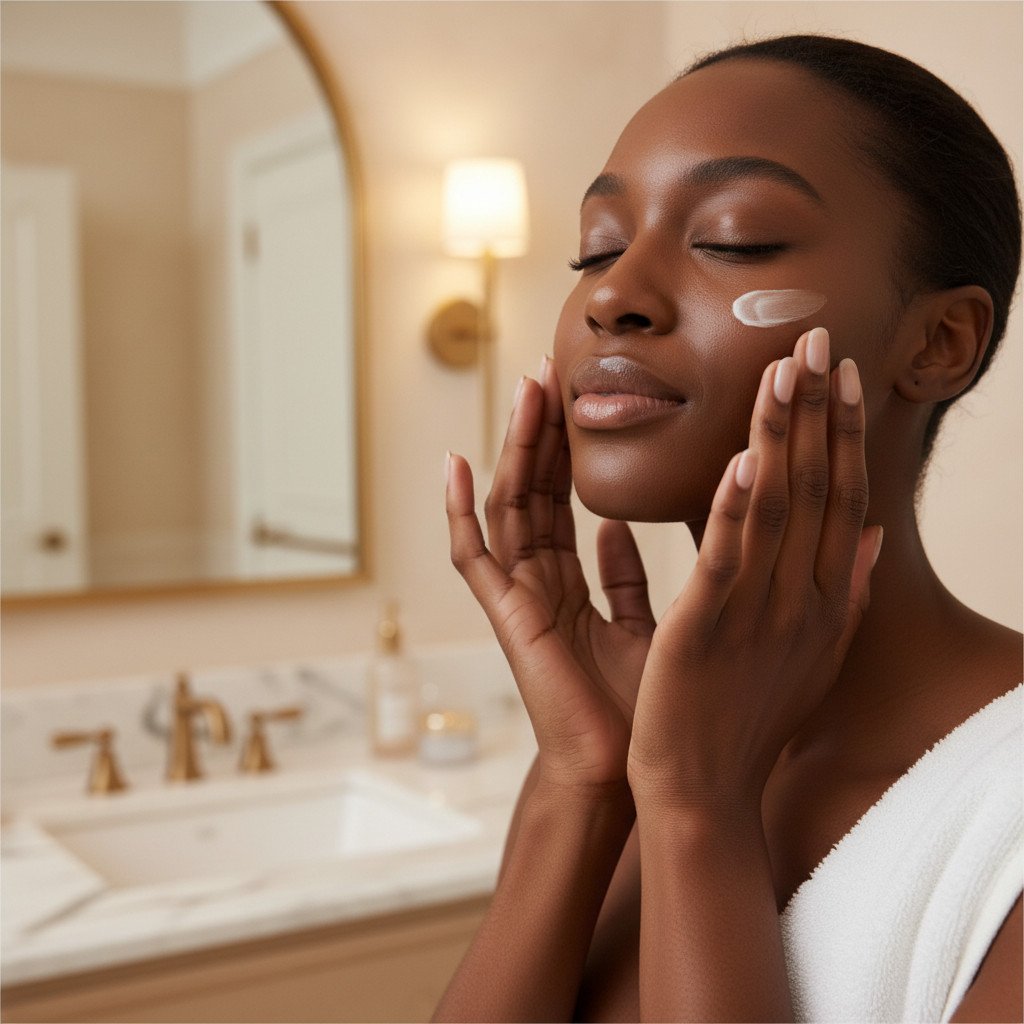
Next, apply a lightweight, hydrating moisturizer. Even if your skin tends to be oily, a moisturizer is crucial. It helps to seal in the benefits of your serum, replenish moisture, and support your skin’s barrier function. For daytime, choose a non-comedogenic formula that won’t feel heavy or greasy under makeup or sunscreen. Ingredients like hyaluronic acid, glycerin, ceramides, and niacinamide are excellent choices. Niacinamide, in particular, offers additional benefits for hyperpigmentation by helping to prevent the transfer of melanin to skin cells, and it also strengthens the skin barrier, reduces inflammation, and minimizes pore appearance. You can Shop niacinamide serum on Amazon if you prefer a dedicated serum, but many moisturizers also contain it.
Non-Negotiable Protection: Sunscreen
This is the most critical step in your morning routine for fading dark spots. Applying a broad-spectrum sunscreen with an SPF of 30 or higher, every single day, without fail, is paramount. For melanin-rich skin, the concern isn’t just sunburn; it’s the insidious darkening of existing spots and the formation of new ones, even from incidental sun exposure. Many women with darker skin tones mistakenly believe they don’t need sunscreen because they don’t burn easily. This is a dangerous misconception. While melanin provides some natural protection, it does not block all UV radiation, and it certainly doesn’t prevent UV-induced hyperpigmentation. Sunscreen is your most powerful tool against the exacerbation of dark spots and uneven tone. For more comprehensive information, explore our guide on Sunscreen for Dark Skin.
When selecting a sunscreen, look for formulas specifically designed for darker skin tones to avoid the dreaded white cast. Mineral sunscreens (zinc oxide, titanium dioxide) have come a long way, with tinted versions or micronized particles that blend seamlessly. Chemical sunscreens are often inherently sheer. Experiment to find a formula you love and will commit to wearing daily. Apply a generous amount—about a quarter-sized dollop for your face and neck—as the last step in your routine. Reapply every two hours if you’re outdoors or sweating, or more frequently if swimming. You can Shop sunscreen for dark skin on Amazon to find options that won’t leave a white cast.
Evening Routine That Supports Fading
The evening routine is where your skin gets to repair, regenerate, and truly benefit from targeted treatments without the interference of environmental stressors. This is the time to gently cleanse away the day’s impurities, nourish your skin, and apply ingredients that actively work to fade dark spots and promote an even complexion. The focus remains on gentleness and consistency, allowing your skin to do its best work while you rest.
Double Cleanse: Removing the Day
After a full day, especially if you wear makeup or sunscreen, a double cleanse is highly recommended. Start with an oil-based cleanser, balm, or micellar water to effectively dissolve makeup, sunscreen, and environmental pollutants without stripping your skin. Gently massage it onto dry skin, then emulsify with a little water before rinsing thoroughly. Follow with your gentle, hydrating water-based cleanser (the same one you might use in the morning) to ensure all residues are removed, leaving your skin clean but not tight. This thorough yet gentle approach ensures your skin is perfectly primed to absorb the beneficial ingredients that follow, without any lingering impurities blocking their path.
Targeted Treatment: Brightening and Renewal
This is the core of your evening routine for hyperpigmentation. After cleansing, apply your chosen targeted treatment. For many, this might be a serum containing ingredients known to inhibit melanin production and encourage cell turnover. Options include:
- Niacinamide: Excellent for reducing inflammation, strengthening the skin barrier, and inhibiting melanin transfer. It’s generally well-tolerated by most skin types, including sensitive skin.
- Alpha Arbutin or Kojic Acid: These are tyrosinase inhibitors, meaning they block the enzyme responsible for melanin production. They are often gentler alternatives to hydroquinone and can be very effective over time.
- Azelaic Acid: Known for its anti-inflammatory and antibacterial properties, azelaic acid also helps to inhibit tyrosinase, making it effective for both acne and hyperpigmentation, particularly for sensitive skin.
- Retinoids (Retinol, Retinaldehyde, Tretinoin): These powerful ingredients accelerate cell turnover, helping to shed pigmented skin cells more quickly. They also boost collagen production and improve overall skin texture. However, retinoids can be irritating, especially for melanin-rich skin, which is prone to post-inflammatory hyperpigmentation if irritated. Start with a low concentration (e.g., 0.25% retinol) once or twice a week, gradually increasing frequency as your skin tolerates it. Always apply to dry skin to minimize irritation and follow with a rich moisturizer. If you are using prescription retinoids, always follow your dermatologist’s instructions.
It’s crucial not to combine too many active ingredients at once, especially when starting. Choose one or two that address your primary concerns and introduce them slowly. Listen to your skin; if you experience excessive redness, stinging, or peeling, reduce frequency or concentration. Remember, consistency with one or two well-tolerated actives is far more effective than sporadic use of many irritating ones.
Nourish and Restore: Rich Moisturizer
Following your treatment serum, apply a nourishing, restorative moisturizer. In the evening, you can opt for a slightly richer formula than your daytime moisturizer, as your skin will be in repair mode. This step is vital for locking in moisture, supporting the skin barrier, and mitigating any potential dryness or irritation from your active ingredients. Look for moisturizers rich in ceramides, fatty acids, cholesterol, hyaluronic acid, and occlusive agents like shea butter or squalane. A well-hydrated and protected skin barrier is less likely to become inflamed, which directly translates to a reduced risk of new hyperpigmentation and better conditions for existing spots to fade. This step is particularly important when using retinoids, as it helps to buffer their effects and prevent excessive dryness or irritation.
Optional: Occlusive Layer
If your skin is particularly dry or you’re using a potent active like a retinoid, you might consider adding a thin layer of an occlusive balm (like petroleum jelly or a rich cream containing petrolatum or lanolin) as the very last step. This creates a protective seal, preventing transepidermal water loss and further supporting the skin barrier. It can be especially beneficial during colder months or if you wake up with dry skin. Apply a small amount, focusing on areas prone to dryness or irritation, but avoid over-applying, which can feel heavy or occlusive for some skin types.
Weekly Habits That Help Without Overdoing It
While daily routines form the backbone of fading dark spots, incorporating certain weekly habits can provide an extra boost without overwhelming your skin. The key here is moderation and careful selection, especially for melanin-rich skin, which is prone to irritation-induced hyperpigmentation. The goal is to support cell turnover and enhance product absorption, not to strip or sensitize your skin.
Gentle Exfoliation: Mindful Renewal
Exfoliation helps to shed dead skin cells, including those laden with excess melanin, revealing fresher, more even-toned skin underneath. However, for melanin-rich skin, aggressive exfoliation is a major pitfall. Physical scrubs with harsh particles can cause micro-tears and inflammation, leading to new dark spots. Strong chemical exfoliants, if used too frequently or at too high a concentration, can also trigger irritation. The mantra here is “less is more.”
Opt for gentle chemical exfoliants, such as Alpha Hydroxy Acids (AHAs) like lactic acid or mandelic acid, or Beta Hydroxy Acids (BHAs) like salicylic acid. Lactic acid and mandelic acid are particularly favored for darker skin tones because their larger molecular size makes them penetrate more slowly, reducing the risk of irritation. Salicylic acid is excellent for those with acne-prone skin, as it penetrates oil and helps to clear pores. Start by using a low-concentration AHA or BHA serum or toner once a week. Apply it after cleansing in your evening routine, allow it to absorb, then follow with your hydrating serum and moisturizer. Gradually, if your skin tolerates it well, you might increase to two or three times a week, but always pay close attention to your skin’s response. Signs of over-exfoliation include redness, stinging, increased sensitivity, or a tight, dry feeling. If you experience these, scale back immediately. Remember, the goal is gentle encouragement, not aggressive stripping.

Masks for Targeted Support: A Moment of Indulgence
Incorporating a hydrating or brightening mask once a week can be a wonderful way to give your skin a concentrated dose of beneficial ingredients. Look for masks that are rich in humectants (like hyaluronic acid or glycerin), emollients (like shea butter or squalane), or gentle brightening agents (like niacinamide, licorice root extract, or vitamin C derivatives). Clay masks can be beneficial for oily or acne-prone skin, but choose gentle formulas that don’t leave your skin feeling parched. Avoid harsh peel-off masks or those with strong fragrances, which can be irritating. A hydrating sheet mask or a creamy wash-off mask can provide a calming, nourishing boost, helping to reinforce your skin barrier and enhance its overall radiance. This is also a perfect opportunity for a moment of self-care and relaxation, reinforcing the idea that skincare is an act of love for yourself.
Spot Treatment: When Needed
For particularly stubborn or new dark spots, a targeted spot treatment can be used a few times a week, but with extreme caution. These are typically higher concentrations of brightening ingredients. Ingredients like hydroquinone (often prescription-strength, and used under medical supervision for limited periods due to potential side effects), or concentrated alpha arbutin or kojic acid, can be applied directly to the dark spot. However, always patch test first and introduce slowly. Overuse or improper application of spot treatments can lead to a halo effect (lightening the skin around the spot) or even irritation that worsens hyperpigmentation. It’s often best to consult with a dermatologist before incorporating strong spot treatments, especially for melasma or widespread hyperpigmentation, to ensure they are appropriate for your specific needs and skin type.
The overarching principle for weekly habits is to supplement, not supplant, your daily routine. These additions should feel like an enhancement, not a burden, and should always prioritize the health and integrity of your skin barrier. Consistency and patience remain your most powerful tools, allowing these weekly boosts to contribute meaningfully to your journey towards an even, luminous complexion.
Mistakes That Can Keep Facial Dark Spots Hanging On Longer
The journey to fading facial dark spots is often paved with good intentions, but sometimes, common missteps can inadvertently prolong the process or even worsen the condition. For melanin-rich skin, which is inherently more reactive and prone to post-inflammatory hyperpigmentation (PIH), understanding these pitfalls is crucial. Avoiding them is just as important as implementing beneficial routines, as it prevents a cycle of damage and repair that keeps dark spots stubbornly present.
Inconsistent Sun Protection
This is, without a doubt, the number one culprit. Even if you’re diligently using brightening serums, skipping sunscreen for even a few days, or applying too little, can undo weeks of progress. UV radiation is the primary trigger for melanin production. Every time your skin is exposed without adequate protection, existing dark spots deepen, and new ones can form. This isn’t about getting a sunburn; it’s about the daily, cumulative exposure that stimulates melanocytes. The temptation to skip sunscreen on cloudy days, during short errands, or when indoors near windows is strong, but it’s a critical error. Make sunscreen a non-negotiable, everyday habit, applied generously and reapplied as needed. For more insights on this vital step, refer to our comprehensive article on Sunscreen for Dark Skin.
Over-Exfoliation and Aggressive Treatments
The desire for quick results can lead to over-exfoliation, either through harsh physical scrubs, using chemical exfoliants too frequently or at too high concentrations, or layering too many active ingredients. For melanin-rich skin, any form of irritation or inflammation is a direct pathway to PIH. When the skin barrier is compromised by aggressive treatments, it becomes more vulnerable, leading to redness, stinging, and ultimately, darker spots. This is a common and frustrating cycle: you try to fade a spot, you irritate your skin, and a new, darker spot appears. Always introduce new actives slowly, patch test, and prioritize gentle, consistent use over aggressive, sporadic treatments. Listen to your skin; if it feels sensitive, tight, or tingly, it’s a sign to scale back.
Picking and Squeezing Blemishes
This is a difficult habit to break, but it’s one of the most direct causes of PIH. Every time you pick, pop, or squeeze a pimple, insect bite, or any other skin lesion, you are creating trauma and inflammation. This inflammation triggers melanocytes to produce excess melanin, leaving behind a dark mark that can linger for months, sometimes even years. While it’s tempting to “get rid of” a blemish, resist the urge. Allow it to heal naturally, or use gentle, targeted spot treatments designed to calm inflammation. Proper acne management is crucial for preventing the initial breakouts that lead to PIH. You can learn more about managing these marks in our article on Acne Marks and Post-Inflammatory Hyperpigmentation on Dark Facial Skin.
Product Hopping and Lack of Consistency
The beauty industry often promotes new products with promises of instant results, leading many to constantly switch serums and creams. However, fading dark spots requires patience and consistency. Most brightening ingredients take weeks, if not months, of consistent use to show noticeable results. Switching products every few weeks doesn’t give any single ingredient enough time to work, and it can also confuse and irritate your skin. Find a routine that works for you, with ingredients you tolerate well, and stick with it for at least 3-6 months before evaluating its efficacy. Trust the process and the power of steady habits.
Ignoring Internal Factors and Lifestyle
While topical routines are essential, internal factors can also play a significant role, especially in conditions like melasma. Hormonal fluctuations (pregnancy, birth control), stress, lack of sleep, and an inflammatory diet can all contribute to hyperpigmentation. While skincare products can help manage the symptoms, addressing the root causes through lifestyle adjustments, stress management, and a balanced diet can significantly support your skin’s healing process. For example, understanding Melasma-Like Patches on Melanin-Rich Skin often involves considering these internal triggers.
Using Products Not Formulated for Melanin-Rich Skin
While many products are universally beneficial, some formulations or concentrations of active ingredients might be too harsh for melanin-rich skin, increasing the risk of irritation and subsequent hyperpigmentation. Always opt for products that prioritize gentleness, hydration, and barrier support. Be wary of products with high concentrations of alcohol, strong fragrances, or abrasive physical exfoliants. Understanding How to Choose Ingredients for Facial Hyperpigmentation on Dark Skin is paramount to avoid these common pitfalls.
By being mindful of these common mistakes, you can create a more effective and supportive environment for your skin, allowing your consistent daily routines to truly shine and help those facial dark spots finally fade away.

Frequently Asked Questions
How long does it take to see results from a dark spot fading routine?
Patience is key when fading dark spots. Most individuals begin to see noticeable improvements after 8-12 weeks of consistent use of a well-formulated routine, though significant fading can take 3-6 months or even longer, depending on the depth and age of the spots. Consistency with sun protection is paramount, as it prevents existing spots from darkening further and allows brightening ingredients to work effectively.
Can I use multiple brightening ingredients at once?
While some brightening ingredients can be used together (e.g., niacinamide and vitamin C), it’s generally best to introduce them one at a time to assess your skin’s tolerance. Layering too many actives, especially potent ones like retinoids and strong AHAs, can lead to irritation, which for melanin-rich skin, can worsen hyperpigmentation. Consult with a dermatologist for personalized advice on combining ingredients safely.
Is it true that dark skin doesn’t need sunscreen?
No, this is a dangerous misconception. While melanin provides some natural protection against UV radiation, it does not block it entirely. Melanin-rich skin is still susceptible to sun damage, including premature aging, skin cancer, and most importantly for this discussion, the exacerbation and formation of hyperpigmentation (dark spots). Daily, consistent use of broad-spectrum SPF 30+ sunscreen is essential for all skin tones.
What if my skin gets irritated from a new product?
If you experience redness, stinging, excessive dryness, or increased sensitivity after introducing a new product, stop using it immediately. Your skin is signaling irritation, which can lead to new dark spots on melanin-rich skin. Revert to a gentle, hydrating routine until your skin calms down, then consider reintroducing the product at a lower frequency or concentration, or try an alternative ingredient.
Can makeup worsen my dark spots?
Makeup itself does not typically worsen dark spots, but improper removal of makeup can. If makeup, especially foundation or concealer, is not thoroughly cleansed from the skin, it can clog pores and contribute to breakouts, which then lead to post-inflammatory hyperpigmentation. Always double cleanse in the evening to ensure all makeup, sunscreen, and impurities are removed.
Are natural remedies effective for fading dark spots?
Some natural ingredients, like licorice root extract, turmeric, and aloe vera, have anecdotal evidence and some scientific backing for their brightening and anti-inflammatory properties. However, their efficacy can vary greatly depending on concentration, formulation, and stability. While they can be a gentle addition to a routine, they may not be as potent or consistently effective as scientifically formulated skincare ingredients for significant dark spot fading. Always patch test natural remedies, as they can still cause irritation.
When should I see a dermatologist for my dark spots?
It’s advisable to see a dermatologist if your dark spots are widespread, persistent despite consistent at-home care, or if you suspect conditions like melasma that might require prescription treatments. A dermatologist can accurately diagnose the type of hyperpigmentation, identify underlying causes, and recommend stronger topical treatments, in-office procedures (like chemical peels or laser treatments tailored for dark skin), or systemic therapies that are safe and effective for melanin-rich skin.
Where to Go Next
You’ve taken a significant step today by understanding the power of consistent daily routines in the journey to fade facial dark spots. Remember, your skin is a testament to your heritage and resilience, and treating it with consistent care is an act of profound self-love. The path to an even, radiant complexion is a marathon, not a sprint, and your commitment to these gentle, purposeful habits will yield beautiful, lasting results.
As you continue on this journey, we encourage you to delve deeper into specific aspects of hyperpigmentation and skincare tailored for melanin-rich skin. Understanding the nuances of different types of dark spots can further empower your choices. For instance, if you’re dealing with marks left behind by breakouts, our article on Acne Marks and Post-Inflammatory Hyperpigmentation on Dark Facial Skin offers targeted insights. If you notice diffuse, larger patches, exploring Melasma-Like Patches on Melanin-Rich Skin might provide clarity. For those concerned about specific areas, our guide on Uneven Tone Around the Mouth and Jawline on Dark Skin offers focused advice.
To further refine your product choices and ensure you’re using ingredients that truly serve your skin, revisit our comprehensive guide on How to Choose Ingredients for Facial Hyperpigmentation on Dark Skin. And for a broader perspective on nurturing your skin, our general resource on Skincare for Black Women provides a holistic foundation. Remember, every step you take towards understanding and caring for your skin is a step towards celebrating your unique beauty. Keep shining, Queen.
Related next steps
Related posts:
 Routine Frameworks That Support Fading Dark Spots Over Time
 Body Care Routines That Support Fading Dark Areas Over Time
 Intimate-Area Care Routines That Support Comfort and Even Tone
 Hyperpigmentation Treatment Methods for Melanin-Rich Skin: Topicals, Peels, Routines, and Lifestyle Support
 Acne Marks and Post-Inflammatory Hyperpigmentation on Dark Facial Skin
 Gentle Exfoliation for Dark Spots: Routines for Melanin-Rich Skin