
Barrier Support and Sunscreen While Acne Heals on Dark Skin
The journey with acne on melanin-rich skin often feels like a two-part saga: first, the battle against active breakouts, and then, the equally challenging quest to minimize the marks they leave behind. For many Black women, the moment a raised bump begins to subside offers a fleeting sense of relief, quickly replaced by the familiar dread of the dark spot that inevitably follows. This lingering discoloration, known as Post-Inflammatory Hyperpigmentation (PIH), is not just a cosmetic concern; it’s a visible reminder of inflammation, a testament to our skin’s unique response to trauma, and a significant source of frustration.
It’s easy to focus all our energy on treating the active pimple, throwing every potent ingredient at it in hopes of making it vanish. But what happens in the delicate phase *after* the inflammation begins to calm, yet before the skin has fully recovered? This often-overlooked period is profoundly critical, especially for skin tones prone to PIH. It’s a time when your skin is at its most vulnerable, actively rebuilding and repairing itself. Neglecting this healing phase can inadvertently prolong dark spots, exacerbate sensitivity, and even invite new breakouts.
This article isn’t just about managing active acne; it’s about mastering the art of healing. We’ll explore two cornerstones of post-acne care that are non-negotiable for melanin-rich skin: diligent barrier support and consistent, thoughtful sun protection. These aren’t “extra credit” steps; they are fundamental pillars that determine how gracefully your skin recovers, how quickly PIH fades, and how resilient your complexion becomes against future challenges. By understanding and implementing these strategies, you empower your skin to heal with greater efficiency, reducing the visible reminders of past inflammation and fostering a radiant, even-toned complexion that truly reflects your inner confidence.
Why Barrier Support Matters While Acne Is Healing
Imagine your skin barrier as the elegant, resilient shield protecting your inner world from external aggressors. Composed of a delicate matrix of lipids, proteins, and cells, this barrier is your first line of defense against pollution, irritants, and pathogens, while simultaneously locking in precious moisture. When acne strikes, this sophisticated shield is compromised. Inflammation, the very essence of a breakout, disrupts the barrier’s integrity, creating tiny breaches that make your skin more susceptible to dehydration, irritation, and further damage. This vulnerability is particularly pronounced during the healing phase, when your skin is actively trying to mend itself.
The Compromised Barrier: A Gateway to Lingering Issues
When acne is present, the skin’s natural healing processes are in overdrive, but often in a state of disarray. The inflammation associated with breakouts directly damages the skin barrier, leading to increased transepidermal water loss (TEWL) – meaning moisture escapes more easily, leaving the skin dry, tight, and uncomfortable. This compromised state also makes the skin more reactive to ingredients that it might normally tolerate, leading to a vicious cycle of irritation that can prolong inflammation and, crucially for melanin-rich skin, intensify the risk and severity of PIH. A weakened barrier is less efficient at regulating melanin production, making dark spots more stubborn and slower to fade.
Furthermore, many popular acne treatments, while effective at targeting breakouts, can be inherently drying and irritating. Ingredients like salicylic acid, benzoyl peroxide, and retinoids, when used without adequate barrier support, can strip the skin of its natural oils and further disrupt its protective function. This isn’t to say these ingredients are bad; rather, it highlights the absolute necessity of balancing their efficacy with robust barrier care. Without this balance, you might clear a pimple only to be left with a red, flaky, and even more hyperpigmented patch of skin.
Key Components of a Healthy Barrier and How to Support Them
Supporting your skin barrier during the healing phase involves a multi-faceted approach focused on gentle care and targeted nourishment. The primary goal is to replenish the essential building blocks of the barrier and create an optimal environment for repair. This means looking for ingredients that mimic the skin’s natural composition and support its intrinsic healing mechanisms.
Ceramides: The Skin’s Mortar
Ceramides are lipids that make up a significant portion of your skin barrier, acting like the “mortar” between your skin cells, the “bricks.” They are crucial for maintaining skin integrity and preventing moisture loss. When your skin barrier is damaged, ceramide levels often drop. Incorporating ceramides into your routine helps to rebuild and strengthen this vital protective layer, reducing sensitivity and improving overall resilience. Look for moisturizers or serums that specifically list ceramides among their active ingredients. Shop ceramide moisturizer for acne-prone dark skin on Amazon.
Fatty Acids and Cholesterol: The Supporting Cast
Alongside ceramides, fatty acids (like linoleic acid) and cholesterol are also critical lipid components of the skin barrier. A balanced ratio of these lipids is essential for optimal barrier function. Products formulated with these ingredients help to restore the skin’s natural lipid balance, enhancing its ability to retain moisture and protect against environmental stressors. Think of them as the other essential elements that make the mortar strong and cohesive.
Humectants: Drawing in Hydration
Humectants like hyaluronic acid, glycerin, and sodium PCA are like sponges, drawing moisture from the air into the skin and holding it there. While they don’t directly rebuild the barrier, they are crucial for maintaining hydration, which is a prerequisite for healthy barrier function. Hydrated skin is supple, less prone to cracking, and better equipped to repair itself. When the barrier is compromised, skin can become dehydrated even if it feels oily, making humectants an important part of the healing process.
Niacinamide: A Multi-Tasking Marvel
Niacinamide (Vitamin B3) is a powerhouse ingredient that offers numerous benefits for compromised, acne-prone skin. It helps to strengthen the skin barrier by boosting ceramide production, reduces inflammation and redness, and can even help regulate oil production. Its anti-inflammatory properties are particularly beneficial during the healing phase, calming irritation and supporting a more even skin tone. Niacinamide is gentle and well-tolerated by most skin types, making it an excellent addition to a healing routine.
The Gentle Touch: Cleansing and Moisturizing for Barrier Health
The way you cleanse and moisturize can significantly impact your barrier health. During the healing phase, harsh cleansers that strip the skin of its natural oils can exacerbate barrier damage. Opt for gentle, hydrating cleansers that remove impurities without leaving your skin feeling tight or dry. Look for formulas that are sulfate-free and pH-balanced. Shop gentle hydrating cleanser for dark skin on Amazon.
When it comes to moisturizing, consistency is key. Apply a barrier-supporting moisturizer twice daily, even if your skin feels oily. The right moisturizer will provide essential lipids and humectants without clogging pores. Look for non-comedogenic formulas specifically designed for sensitive or acne-prone skin. The act of moisturizing also helps to seal in any hydrating serums applied beforehand, creating a protective layer that supports the skin’s natural healing processes. Remember, a well-hydrated, intact barrier is your best defense against PIH and future breakouts, allowing your skin to recover gracefully and reveal its inherent radiance.
Why Sunscreen Matters Even More When PIH Is the Concern
For melanin-rich skin, the sun’s relationship with post-inflammatory hyperpigmentation is a complex and often frustrating one. While our skin naturally possesses more melanin, offering some inherent protection against UV radiation, this very melanin is also the reason PIH is such a prominent concern. When skin is inflamed by acne, the melanocytes – the cells responsible for producing melanin – become overstimulated. Exposure to UV radiation, even incidental, significantly exacerbates this overstimulation, leading to darker, more persistent, and more widespread dark spots. This makes daily, diligent sunscreen application not just a recommendation, but an absolute imperative during the acne healing phase.
The Melanin Paradox: Protection and Predisposition
It’s a common misconception that because darker skin tones don’t burn as easily, they don’t need sunscreen. This couldn’t be further from the truth, especially when PIH is a factor. While melanin does provide a natural SPF equivalent of about 13-15, it’s insufficient to fully protect against the damaging effects of UV radiation, particularly UVA rays which penetrate deeper and are primarily responsible for photoaging and exacerbating hyperpigmentation. The “melanin paradox” means that while our skin is better equipped to handle UV exposure without immediate burning, it is also highly prone to an overproduction of melanin in response to inflammation or injury, leading to stubborn dark spots.
When an acne lesion is present or has recently healed, the skin in that area is already in a state of heightened vulnerability. The inflammatory process itself triggers melanocyte activity. Introduce UV radiation into this equation, and you create a perfect storm for PIH to become darker, more entrenched, and much slower to fade. Sun exposure essentially acts as a “booster” for melanin production at the site of inflammation, turning a potentially temporary mark into a long-lasting discoloration. This is why many people notice their dark spots appear much more prominent after even brief sun exposure, even if they didn’t experience a sunburn.
UV Radiation: The Silent Saboteur of Even Tone
Understanding the different types of UV radiation helps to underscore why sunscreen is so critical:
- UVA Rays: These rays penetrate deep into the skin, contributing to premature aging, wrinkles, and, most relevant to our discussion, significant exacerbation of hyperpigmentation. UVA rays are present year-round, regardless of weather, and can penetrate clouds and glass, meaning you’re exposed even indoors near windows or on cloudy days. They are a primary driver of melanocyte overactivity in inflamed skin.
- UVB Rays: These are the primary cause of sunburn and skin cancer. While melanin offers some protection, UVB rays still contribute to inflammation and can directly damage skin cells, further compromising the healing process and increasing the risk of PIH.
Both UVA and UVB rays contribute to oxidative stress in the skin, which can prolong inflammation and hinder the natural fading process of PIH. Sunscreen acts as a physical or chemical shield, deflecting or absorbing these harmful rays before they can interact with your vulnerable skin cells and melanocytes.
Sunscreen as a PIH Prevention Tool
Think of sunscreen not just as a protective measure against sun damage, but as an active treatment for PIH prevention. By consistently applying broad-spectrum sunscreen with an SPF of 30 or higher, you are actively working to:
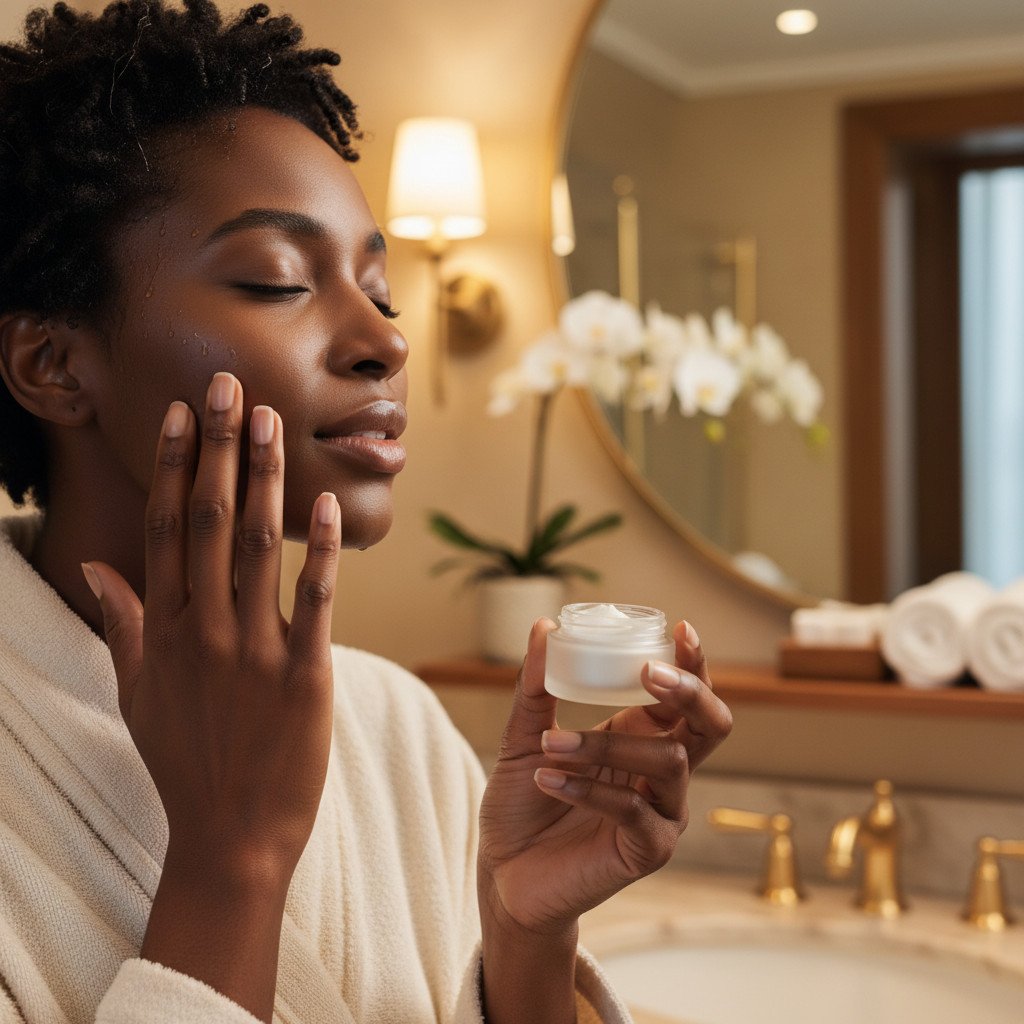
- Prevent Darkening of Existing PIH: Sunscreen creates a barrier that prevents UV radiation from further stimulating melanocytes at the site of healing acne, ensuring that existing dark spots don’t deepen in color.
- Accelerate Fading: By protecting the skin from further UV-induced melanin production, sunscreen allows the skin’s natural exfoliation and renewal processes to work more effectively, helping existing PIH to fade more quickly. Without sun protection, even the most potent PIH-fading ingredients will struggle to show significant results.
- Reduce Risk of New PIH: For active breakouts that are still inflamed, sunscreen helps to minimize the initial trigger for PIH, reducing the likelihood of a dark spot forming in the first place or lessening its intensity.
- Support Barrier Health: While not a direct barrier repair ingredient, sunscreen prevents UV-induced inflammation and damage, which in turn helps to maintain the integrity of the skin barrier. A healthy barrier is less prone to irritation and more efficient at healing.
The commitment to daily sunscreen, even on cloudy days or when indoors, is arguably the single most impactful step you can take to manage and prevent PIH on melanin-rich skin. It’s an investment in your skin’s long-term health and even tone, ensuring that the hard work you put into treating acne isn’t undone by the very environment around you. For more insights on this topic, explore how PIH and acne scars show up on melanin-rich skin.
What a Calming Healing-Phase Routine Can Look Like
Transitioning from an active acne treatment routine to one focused on healing requires a shift in mindset and product selection. The goal is to nurture, soothe, and protect, rather than aggressively treat. This calming healing-phase routine prioritizes barrier repair, gentle exfoliation, and unwavering sun protection, creating an optimal environment for your skin to recover gracefully and minimize the lingering effects of inflammation. It’s about giving your skin the space and support it needs to do what it does best: heal itself.
Morning Ritual: Protect and Prepare
Your morning routine during the healing phase should be streamlined, focusing on hydration, antioxidant protection, and, most importantly, sun defense. The less you do, the less chance there is for irritation.
- Gentle Cleanse (Optional): If your skin isn’t particularly oily or congested in the morning, a splash of lukewarm water might be sufficient. Otherwise, use a very mild, hydrating cleanser. The aim is to refresh the skin without stripping it. Avoid harsh scrubbing or abrasive textures.
- Hydrating Serum (Optional but Recommended): A serum rich in humectants like hyaluronic acid or glycerin can provide an extra layer of hydration. If your skin is still prone to redness or inflammation, a niacinamide serum can be particularly beneficial, offering anti-inflammatory and barrier-strengthening properties.
- Barrier-Supportive Moisturizer: This is a crucial step. Choose a non-comedogenic moisturizer packed with ceramides, fatty acids, and cholesterol to reinforce your skin’s protective barrier. Even if your skin feels oily, a light, hydrating formula is essential to prevent dehydration and support healing.
- Broad-Spectrum Sunscreen (Non-Negotiable): Apply a generous amount (at least a quarter teaspoon for your face) of a broad-spectrum sunscreen with an SPF of 30 or higher. For melanin-rich skin, look for formulas that blend seamlessly without a white cast. This is your primary defense against PIH darkening. Reapply every two hours if you’re outdoors or sweating, or more frequently if swimming.
Evening Ritual: Repair and Renew
The evening is your skin’s prime time for repair and regeneration. This routine focuses on gentle cleansing, targeted treatment (if necessary), and deep nourishment to support overnight healing.
- Gentle Double Cleanse: If you wear makeup or sunscreen, start with an oil-based cleanser or micellar water to gently dissolve impurities without stripping. Follow with a mild, hydrating water-based cleanser to ensure your skin is thoroughly clean and ready to absorb subsequent products.
- Targeted Treatment (If Applicable): If you’re still using a gentle retinoid or a mild exfoliating acid (like mandelic acid) to help with cell turnover and PIH fading, this is the time to apply it. However, exercise caution and listen to your skin. If your barrier feels compromised or you experience any irritation, scale back or pause these active ingredients. The focus should always be on supporting the barrier first.
- Hydrating and Barrier-Repairing Serum: Layer on a serum rich in humectants, antioxidants, or niacinamide. These ingredients will help to calm inflammation, provide deep hydration, and support the skin’s natural repair processes.
- Rich Barrier-Supportive Moisturizer: Apply a slightly richer moisturizer than your morning one, if desired, to provide sustained hydration and barrier support throughout the night. Again, prioritize non-comedogenic formulas with ceramides and other barrier-loving lipids.
- Occlusive (Optional, for very dry or compromised skin): If your skin is feeling particularly dry or compromised, a thin layer of an occlusive balm (like petrolatum or a rich cream) can be applied over your moisturizer to seal in hydration and further protect the barrier. Use sparingly if you’re prone to congestion.
Weekly Additions: Gentle Exfoliation and Soothing Masks
During the healing phase, aggressive exfoliation is a definite no-go. However, very gentle exfoliation once or twice a week can help encourage cell turnover and aid in the fading of PIH, provided your skin barrier is intact and healthy. Consider a mild enzyme mask or a very low concentration of a gentle AHA like mandelic acid. Always patch test and observe your skin’s reaction carefully.
Soothing masks, particularly those with ingredients like colloidal oatmeal, centella asiatica (Cica), or aloe vera, can be a wonderful addition to calm inflammation and provide an extra boost of hydration. These can be used once or twice a week as needed, especially if your skin feels reactive or sensitive. Remember, the key is gentleness and consistency. This routine is designed to be a supportive framework, allowing your skin to heal at its own pace while minimizing the visible aftermath of acne. For more on everyday habits that reduce scarring and PIH, check out everyday habits that reduce scarring and PIH after breakouts.
Choosing Moisturizer and SPF Textures That Work on Dark Skin
For Black women, the sensory experience of skincare products is just as important as their efficacy. This is particularly true for moisturizers and sunscreens, which are applied daily and often in generous amounts. The wrong texture can lead to a greasy feeling, a noticeable white cast, or even exacerbate breakouts, undermining consistency and confidence. When your skin is in a delicate healing phase, finding products that feel good and perform well without causing additional concerns is paramount. It’s about striking a balance between potent barrier support and sun protection, and a luxurious, comfortable application.
Moisturizer Textures: Finding Your Perfect Match
The ideal moisturizer for healing, acne-prone dark skin should provide ample hydration and barrier support without feeling heavy, occlusive, or pore-clogging. The texture you choose will largely depend on your skin type, the climate you live in, and your personal preference. Regardless of texture, always look for products labeled “non-comedogenic,” meaning they are formulated not to clog pores.
Lightweight Lotions and Gels: For Oily or Combination Skin
If your skin tends to be oily, or if you live in a humid climate, lightweight lotions or gel-creams are often the best choice. These textures are typically water-based, absorb quickly, and provide hydration without leaving a greasy residue. They often contain humectants like hyaluronic acid and glycerin, along with lighter emollients. They can feel refreshing and are less likely to contribute to a heavy feeling, which is crucial for consistent use, especially during the day.
Cream-Based Formulations: For Normal to Dry Skin
For those with normal to dry skin, or during colder, drier months, a slightly richer cream-based moisturizer might be more appropriate. These formulations tend to have a higher oil content, providing more substantial barrier support with ingredients like ceramides, fatty acids, and cholesterol. The key is to find a cream that feels nourishing but still absorbs well, leaving a soft, supple finish rather than a sticky one. Many modern cream formulations are designed to be non-comedogenic and suitable for sensitive, acne-prone skin, offering deep hydration without triggering breakouts.
Balms and Occlusives: For Severely Compromised or Dry Patches
While not for all-over daily use for acne-prone skin, a targeted balm or occlusive can be invaluable for specific dry, flaky, or severely compromised patches. These products create a protective seal over the skin, preventing moisture loss and accelerating barrier repair. Use them sparingly and strategically, perhaps overnight on a particularly dry area, rather than as a general facial moisturizer. Always ensure the product is non-comedogenic if applying to acne-prone areas.
Sunscreen Textures: The Quest for No White Cast
The hunt for a sunscreen that doesn’t leave a ghostly white cast is a perennial challenge for melanin-rich individuals. This issue primarily stems from mineral sunscreens (zinc oxide and titanium dioxide), which are physical blockers that sit on top of the skin. However, advancements in formulation have made it easier to find mineral sunscreens that blend beautifully, as well as excellent chemical sunscreens that offer reliable protection without the aesthetic drawback.
Chemical Sunscreens: Often the Easiest Blend
Chemical sunscreens work by absorbing UV rays and converting them into heat, which is then released from the skin. They typically contain ingredients like avobenzone, octinoxate, octisalate, and oxybenzone. These formulas are generally much easier to rub into dark skin without leaving a white residue, as they don’t rely on physical particles. They come in a wide range of textures, from lightweight fluids and gels to hydrating lotions, making them a popular choice for daily wear. However, some individuals with very sensitive skin may find certain chemical filters irritating, so patch testing is always advised.
Tinted Mineral Sunscreens: A Game Changer
For those who prefer mineral sunscreens or have sensitivities to chemical filters, tinted mineral sunscreens have revolutionized the experience for dark skin tones. These formulas incorporate iron oxides or other pigments that help to counteract the white cast of zinc oxide and titanium dioxide, allowing them to blend seamlessly into a variety of complexions. When choosing a tinted mineral sunscreen, look for brands that offer a diverse range of shades to ensure a true match for your skin tone. They often come in creamy or fluid textures that provide a natural, even finish. Shop sunscreen with no white cast for dark skin on Amazon.
Hybrid Sunscreens: Best of Both Worlds
Hybrid sunscreens combine both mineral and chemical filters, offering broad-spectrum protection with potentially better aesthetic appeal than pure mineral formulas. These can be a great option for those seeking comprehensive protection with a more cosmetically elegant finish. Their textures vary widely, so experimentation is key to finding one that suits your preferences.
Application Tips for Optimal Finish
- Layering: Apply your moisturizer first, allowing it to fully absorb for a few minutes before applying sunscreen. This creates a smooth canvas and prevents pilling.
- Warm it Up: If using a thicker sunscreen, rub a small amount between your fingertips to warm it up slightly before gently pressing and spreading it onto your face.
- Small Sections: Apply sunscreen in small sections, blending thoroughly before moving to the next area. This helps ensure even coverage and minimizes the risk of a white cast.
- Patting Motion: For mineral sunscreens, a gentle patting motion can sometimes help them disappear more effectively than vigorous rubbing.
Choosing the right textures for your moisturizer and SPF is not merely about aesthetics; it’s about fostering consistency in your healing routine. When products feel good on your skin, you’re far more likely to use them diligently, which is the cornerstone of effective barrier repair and PIH prevention. For more on building a gentle, PIH-safe routine, visit resetting your routine after irritation or over-exfoliation.
Mistakes That Slow Healing or Make Marks Linger Longer
Even with the best intentions, certain habits and misconceptions can inadvertently hinder your skin’s healing process, prolonging the presence of PIH and potentially leading to further irritation or breakouts. Understanding these common pitfalls is just as important as knowing what to do right, especially when your skin is in a vulnerable post-inflammatory state. For melanin-rich skin, where the stakes of lingering marks are higher, avoiding these mistakes becomes a critical part of the journey toward an even, radiant complexion.
Over-Exfoliation and Aggressive Treatments
One of the most common and detrimental mistakes during the healing phase is continuing to aggressively exfoliate or use potent acne treatments without adjusting for your skin’s current state. While active ingredients like retinoids, AHAs, and BHAs are excellent for treating acne and promoting cell turnover, overdoing them on compromised or healing skin can backfire dramatically.

- Damaging the Barrier: Excessive exfoliation strips away the protective outer layer of the skin, leading to a compromised barrier. This makes your skin more susceptible to irritation, dehydration, and inflammation, which directly exacerbates PIH.
- Increasing Inflammation: When the skin barrier is damaged, it becomes more reactive. This increased inflammation can trigger melanocytes to produce even more melanin, making existing dark spots darker and creating new ones.
- Slowing Healing: Your skin needs energy and resources to repair itself. When it’s constantly battling irritation from over-exfoliation, its healing capacity is diverted, leading to a slower recovery time for both the barrier and PIH.
The Fix: Scale back on active ingredients during the healing phase. Focus on gentle, hydrating, and barrier-repairing products. If you must exfoliate, opt for very mild enzymes or low concentrations of gentle acids (like mandelic acid) once or twice a week, and only if your skin feels robust enough. Listen to your skin: redness, stinging, flaking, or tightness are all signs you’re doing too much.
Neglecting Sun Protection
As discussed, skipping sunscreen is perhaps the most significant mistake for anyone dealing with PIH on dark skin. It’s a non-negotiable step, yet it’s often overlooked or underestimated.
- Darkening of PIH: UV radiation directly stimulates melanocytes, causing existing dark spots to become significantly darker and more stubborn. Even incidental exposure can have a profound impact.
- Prolonged Fading: Without consistent sun protection, the hard work of other PIH-fading ingredients is severely undermined. It’s like trying to empty a leaky bucket while the tap is still running.
- New PIH Formation: Sun exposure on still-inflamed areas can trigger new PIH, creating a continuous cycle of discoloration.
The Fix: Make broad-spectrum SPF 30+ sunscreen a daily, non-negotiable step, applied generously and reapplied throughout the day, especially when outdoors. Choose a formula that you enjoy using and that blends seamlessly into your skin. For more on ingredients that support PIH without overwhelming sensitive dark skin, see ingredients that support PIH without overwhelming sensitive dark skin.
Picking and Popping Breakouts
This is a classic mistake that almost everyone has been guilty of at some point. While the urge to pick at a blemish is strong, it’s one of the most damaging things you can do to your skin, especially when PIH is a concern.
- Increased Inflammation and Trauma: Picking introduces bacteria, creates more trauma to the skin, and significantly increases inflammation. This directly leads to more severe and longer-lasting PIH.
- Risk of Scarring: Physical manipulation can break down collagen and elastin fibers, leading to textural scars (atrophic or hypertrophic) in addition to discoloration.
- Spreading Bacteria: Picking can spread bacteria to surrounding areas, leading to new breakouts.
The Fix: Resist the urge to pick. Instead, apply a hydrocolloid patch to active breakouts. These patches protect the area, absorb fluid, and create a moist healing environment, often reducing inflammation and preventing you from picking. Allow your breakouts to heal naturally or with targeted, gentle spot treatments.
Ignoring Skin’s Signals
Your skin is constantly communicating with you. Ignoring signs of irritation, dryness, or sensitivity is a critical mistake that can prolong healing and worsen PIH.
- Pushing Through Irritation: If a product causes stinging, redness, excessive dryness, or flaking, your skin is telling you it’s not happy. Continuing to use it will only exacerbate the problem.
- Lack of Hydration: Dehydrated skin is compromised skin. It’s less efficient at healing, more prone to irritation, and can make PIH appear more prominent.
The Fix: Become an active listener to your skin. If something feels off, pause or reduce the frequency of active ingredients. Prioritize hydration and barrier repair. Simplify your routine when your skin is reactive, and gradually reintroduce products once your skin has stabilized. Remember, consistency with a gentle, supportive routine is far more effective than sporadic use of aggressive products.
Expecting Instant Results
The healing process, especially the fading of PIH, takes time. Melanin-rich skin’s response to inflammation means that dark spots can linger for weeks, months, or even longer. Impatience can lead to the aforementioned mistakes, such as over-exfoliation or trying too many new products at once.
- Product Overload: Introducing too many new products at once makes it impossible to identify what’s working (or what’s causing irritation).
- Frustration and Abandonment: When results aren’t immediate, it’s easy to get discouraged and abandon a consistent, effective routine.
The Fix: Embrace patience and consistency. Understand that PIH fading is a marathon, not a sprint. Stick to a gentle, barrier-supportive, and sun-protective routine for at least 6-8 weeks before evaluating its effectiveness. Document your progress with photos to help you see subtle changes over time. If you’re not seeing improvement after several months, it might be time to consult with a dermatologist for professional guidance on stubborn PIH or scarring, as discussed in when PIH and scarring may need professional support.
By consciously avoiding these common mistakes, you empower your skin to heal more efficiently, minimize the duration and intensity of PIH, and maintain a healthier, more resilient complexion in the long run.
Comparison Table: Barrier Support, Sunscreen, and Common Mistakes
To help visualize the interplay between crucial healing steps and common missteps, this table outlines the core components of a successful healing routine and contrasts them with actions that can hinder progress, especially for melanin-rich skin prone to PIH.
| Healing Component | Key Action / Product | Why It Matters for Dark Skin & PIH | Common Mistake to Avoid | Impact of Mistake on Dark Skin & PIH |
|---|---|---|---|---|
| Barrier Support | Gentle Cleanser, Ceramide-rich Moisturizer, Niacinamide Serum | Repairs skin’s protective shield, reduces inflammation, prevents moisture loss, creates optimal environment for PIH fading. Less irritation means less PIH. | Over-exfoliation, harsh cleansers, skipping moisturizer | Increased inflammation, prolonged PIH, heightened sensitivity, slower healing, potential for new breakouts. |
| Sun Protection | Broad-spectrum SPF 30+ Sunscreen (daily) | Prevents UV-induced melanocyte overstimulation, stops PIH from darkening, allows existing PIH to fade more quickly, protects against new PIH formation. | Skipping sunscreen (even on cloudy days/indoors), insufficient application, not reapplying | Significant darkening of existing PIH, stubborn and long-lasting dark spots, increased risk of new PIH, undermining all other PIH treatments. |
| Gentle Healing | Hydrocolloid patches, calming ingredients (Centella Asiatica, Aloe), patience | Minimizes physical trauma, reduces inflammation, creates a clean healing environment, prevents further damage that leads to deeper PIH. | Picking/popping breakouts, aggressive scrubbing, impatience with healing time | Increased inflammation and trauma, deeper and more persistent PIH, risk of textural scarring, potential for infection and spreading breakouts. |
| Hydration | Humectant-rich serums (Hyaluronic Acid, Glycerin), consistent moisturizing | Maintains skin’s plumpness and elasticity, supports barrier function, aids in cell turnover, ensures optimal environment for PIH fading. Hydrated skin heals better. | Believing oily skin doesn’t need moisturizer, using drying spot treatments without hydrating follow-up | Dehydrated skin, compromised barrier, increased sensitivity, dull complexion, PIH appearing more prominent and fading slower. |
| Active Ingredient Balance | Strategic use of mild retinoids, gentle AHAs (e.g., Mandelic Acid) | Promotes healthy cell turnover to gently fade PIH, but only when barrier is intact and skin is calm. | Using too many actives, too high concentrations, or too frequently on healing skin | Irritation, redness, barrier damage, increased inflammation, worsening of PIH, potential for chemical burns or increased sensitivity. |
This table underscores the interconnectedness of these elements. Neglecting one area can easily undermine the progress made in another. For melanin-rich skin, where the inflammatory response often manifests as stubborn PIH, a holistic and gentle approach that prioritizes barrier integrity and sun protection is the most effective path to a clear, even-toned complexion.
Where to Go Next
The journey to clear, even-toned skin, especially for those with melanin-rich complexions, is one of continuous learning and adaptation. You’ve now gained a deeper understanding of why barrier support and diligent sun protection are not merely suggestions, but foundational pillars for healing acne and preventing stubborn PIH. This knowledge empowers you to approach your skincare routine with greater intention and confidence, ensuring that your efforts yield lasting results.
Remember, your skin is a dynamic organ, constantly responding to its internal and external environment. The healing phase after acne is a delicate dance between repair, protection, and patience. By nurturing your skin’s barrier and shielding it from the sun’s intensifying rays, you are not just treating symptoms; you are investing in its long-term health, resilience, and radiant future. Embrace this gentle, consistent approach, and watch your skin transform.
As you continue on your path to optimal skin health, consider exploring other resources within Black Beauty Basics. Understanding the nuances of your skin’s unique needs will further equip you to make informed decisions and cultivate a routine that truly celebrates your beauty.
For a comprehensive understanding of acne and sensitive skin, start with our main pillar page: Acne and Sensitive Skin in Black Women.
To delve deeper into preventing and managing the marks that acne leaves behind, visit our cluster hub: Prevention of Scarring and PIH After Acne.
Continue your learning journey with these related articles:

- Discover the specific ways PIH and scars manifest on our skin: How PIH and Acne Scars Show Up on Melanin-Rich Skin
- Learn about daily practices that contribute to clearer, healthier skin: Everyday Habits That Reduce Scarring and PIH After Breakouts
- Explore the ingredients that effectively support PIH fading without causing irritation: Ingredients That Support PIH Without Overwhelming Sensitive Dark Skin
- Understand when professional intervention might be necessary for stubborn marks: When PIH and Scarring May Need Professional Support
- If your skin has experienced irritation, find guidance on getting back on track: Resetting Your Routine After Irritation or Over-Exfoliation
- Deepen your knowledge of sun protection with our essential guide: Face Sunscreen Fundamentals for Dark Skin
Your skin deserves consistent care and informed choices. By integrating these practices and continuing to educate yourself, you are cultivating a relationship with your skin that is rooted in self-love, cultural wisdom, and modern science. Embrace the journey, and celebrate the beauty that is uniquely yours.
Frequently Asked Questions
What is the skin barrier and why is it important for acne healing on dark skin?
The skin barrier is the outermost layer of your skin, acting as a protective shield against environmental aggressors and preventing moisture loss. For dark skin, a healthy barrier is crucial during acne healing because a compromised barrier can lead to increased inflammation, which in turn exacerbates post-inflammatory hyperpigmentation (PIH), making dark spots darker and more persistent.
Why is sunscreen so critical for dark skin when dealing with acne and PIH?
Sunscreen is critical because UV radiation, even incidental exposure, significantly stimulates melanocytes (melanin-producing cells) in areas of inflammation or healing. This overstimulation leads to darker, more stubborn PIH that takes much longer to fade. Consistent broad-spectrum SPF 30+ application prevents this darkening and allows existing PIH to fade more effectively.
Can I still use active acne treatments like retinoids or salicylic acid during the healing phase?
You can, but with extreme caution and reduced frequency. During the healing phase, your skin barrier is vulnerable. Overuse of potent active ingredients can further irritate the skin, prolong inflammation, and worsen PIH. Prioritize barrier repair and hydration, and only reintroduce actives slowly and gently once your skin has stabilized, always observing for signs of irritation.
What type of moisturizer should I look for to support my skin barrier while acne heals?
Look for non-comedogenic moisturizers rich in barrier-supporting ingredients like ceramides, fatty acids, cholesterol, and humectants (e.g., hyaluronic acid, glycerin). These ingredients help replenish the skin’s natural lipids, reduce moisture loss, and calm inflammation, providing an optimal environment for healing without clogging pores.
How can I avoid a white cast from sunscreen on my dark skin?
To avoid a white cast, consider chemical sunscreens, which typically blend seamlessly. If you prefer mineral sunscreens, look for tinted formulas that incorporate iron oxides to counteract the white residue, or those with micronized zinc oxide and titanium dioxide that are designed to be sheer. Applying in small sections and patting gently can also help.
How long does it typically take for PIH to fade on dark skin, even with proper care?
The fading of PIH on dark skin is a gradual process that can take weeks to several months, or even over a year, depending on the severity of the initial inflammation and consistent aftercare. With diligent barrier support, consistent sun protection, and gentle PIH-fading ingredients, you can significantly accelerate the process, but patience is key.
What are the biggest mistakes to avoid when my acne is healing to prevent lasting marks?
The biggest mistakes to avoid are picking or popping breakouts, neglecting daily broad-spectrum sunscreen, over-exfoliating or using harsh active ingredients on compromised skin, and ignoring your skin’s signals of irritation or dehydration. These actions can worsen inflammation, deepen PIH, and increase the risk of permanent scarring.
INTERNAL LINKING OPPORTUNITIES
Prevention of Scarring and PIH After Acne
Acne and Sensitive Skin in Black Women
how PIH and acne scars show up on melanin-rich skin
everyday habits that reduce scarring and PIH after breakouts
ingredients that support PIH without overwhelming sensitive dark skin
when PIH and scarring may need professional support
resetting your routine after irritation or over-exfoliation
Face Sunscreen Fundamentals for Dark Skin
Related next steps
Related posts:
 Signs Your Acne May Need Professional Support on Dark Skin
 Ingredients That Support PIH Without Overwhelming Sensitive Dark Skin
 Postpartum Skin Reset: Pigmentation, Acne, and Barrier Repair on Melanin-Rich Skin
 When PIH and Scarring May Need Professional Support on Melanin-Rich Skin
 Understanding Your Skin Barrier for Dark Skin
 Daily Routines That Support Fading Facial Dark Spots