
Barrier-First (Corneotherapy) Principles for Aesthetics on Dark Skin
For many of us with melanin-rich skin, the journey through aesthetics can feel like a delicate dance. We’ve been conditioned to believe that “more aggressive” often equates to “more effective,” chasing rapid transformations with treatments that promise dramatic results. Yet, time and again, we find ourselves navigating the aftermath: unexpected irritation, persistent dryness, or, most dishearteningly, the stubborn appearance of post-inflammatory hyperpigmentation (PIH) that lingers long after the initial issue has faded. This cycle can be frustrating, leaving us to question if our skin is simply “too sensitive” or if the treatments themselves are truly designed with our unique needs in mind.
This experience is not a failing of your skin, but often a misalignment with its fundamental biology. Our skin, particularly melanin-rich skin, has a profound story to tell, and it speaks volumes when its protective barrier is compromised. When we push our skin too hard, too fast, or without adequate preparation and recovery, it responds in ways that are often more pronounced and longer-lasting for us. The quest for flawless skin can inadvertently lead us down a path where our skin’s natural defenses are overlooked, leaving it vulnerable and reactive. It’s a common narrative, one where the desire for improvement sometimes overshadows the crucial need for preservation.
But what if there was a different approach? An approach that honors the skin’s innate wisdom, prioritizes its resilience, and understands that true transformation begins with a foundation of health. This is where barrier-first principles, often encapsulated by the philosophy of corneotherapy, come into play. It’s about shifting our perspective from simply “fixing” perceived imperfections to truly understanding and supporting the skin’s intricate protective systems. For melanin-rich skin, this isn’t just a gentle suggestion; it’s a profound paradigm shift that can unlock safer, more sustainable, and ultimately, more beautiful aesthetic outcomes. It’s about recognizing that sometimes, the most powerful path to radiant skin is not through aggressive intervention, but through intelligent, respectful care that puts your skin’s well-being first.
What This Post Covers
In this comprehensive guide, we will delve into the transformative world of barrier-first corneotherapy principles, specifically tailored for melanin-rich skin in the context of aesthetic treatments. We’ll explore what it truly means to adopt a barrier-first approach, moving beyond superficial fixes to embrace a deeper understanding of skin health. We’ll demystify corneotherapy, explaining its core tenets in plain language and illustrating why supporting your skin’s natural defenses is paramount, especially for skin of color. We’ll uncover common pitfalls and mistakes that can compromise your skin barrier before treatments, and outline practical strategies for integrating barrier-first planning into every stage of your aesthetic journey—before, during, and after procedures.
This article will empower you to recognize the subtle (and sometimes not-so-subtle) signals your skin sends when it needs recovery rather than further intervention. We’ll discuss how to navigate conversations with practitioners, ensuring your unique skin needs are understood and respected. Our aim is to equip you with the knowledge and confidence to advocate for treatments that prioritize your skin’s long-term health and resilience, ultimately leading to more predictable, safer, and truly satisfying results. Join us as we redefine what it means to care for melanin-rich skin in aesthetics, moving towards a future where health and beauty are inextricably linked.
What Barrier-First Really Means in Aesthetics
The term “barrier-first” might sound like a new trend, but it’s actually a foundational philosophy rooted in dermatology and skin physiology. In the context of aesthetics, it means prioritizing the health and integrity of your skin’s outermost layer – the stratum corneum – above all else, especially when considering any treatment that might intentionally or unintentionally disrupt it. Think of your skin barrier as your body’s first line of defense, a meticulously constructed wall that protects you from environmental aggressors, prevents moisture loss, and keeps irritants out. For melanin-rich skin, this barrier plays an even more critical role, as its compromise can lead to more pronounced and persistent issues like post-inflammatory hyperpigmentation (PIH) and even scarring.
A barrier-first approach fundamentally shifts the focus from solely targeting a specific concern (like acne, hyperpigmentation, or fine lines) to first ensuring the skin’s protective functions are robust and resilient. It recognizes that a healthy barrier is not just a prerequisite for effective treatment, but also a safeguard against adverse reactions. When the barrier is strong, the skin is better equipped to tolerate active ingredients, recover from procedures, and maintain its overall health and appearance. Conversely, a weakened barrier can turn even mild treatments into sources of irritation, inflammation, and potential damage, leading to a cycle of reactivity and repair that can be particularly challenging for melanin-rich skin.
This philosophy encourages a more holistic and patient-centered approach to aesthetic planning. It means evaluating the skin’s current state of health before recommending any procedure, and often, it involves a period of “pre-habilitation” where the skin barrier is actively strengthened and optimized. It’s about understanding that aggressive exfoliation or intense treatments on an already compromised barrier can do more harm than good, regardless of the desired outcome. Instead, a barrier-first strategy advocates for a measured, sequential approach, where the skin’s natural healing and protective mechanisms are supported and respected, leading to more predictable, safer, and ultimately, more satisfying results. It’s about building resilience from the inside out, ensuring your skin is not just beautiful, but fundamentally healthy and strong.
The Stratum Corneum: Your Skin’s Unsung Hero
To truly grasp the essence of barrier-first aesthetics, we must first understand the star of the show: the stratum corneum. Imagine your skin as a magnificent fortress, and the stratum corneum is its formidable outer wall. This isn’t just dead skin; it’s a highly organized, dynamic structure often described as a “brick and mortar” system. The “bricks” are corneocytes – flattened, protein-rich skin cells – and the “mortar” is a lipid matrix composed of ceramides, cholesterol, and fatty acids. Together, they form a semi-permeable membrane that is absolutely vital for your skin’s health and your body’s overall well-being.
The stratum corneum performs several critical functions. Firstly, it acts as a physical shield, protecting the delicate underlying layers from environmental aggressors like UV radiation, pollution, bacteria, and allergens. Without this shield, your skin would be vulnerable to a constant onslaught of external threats. Secondly, it is the primary regulator of transepidermal water loss (TEWL). It locks in essential moisture, preventing dehydration and maintaining the skin’s plumpness, elasticity, and smooth texture. A compromised stratum corneum leads to increased TEWL, resulting in dry, flaky, and tight-feeling skin. Thirdly, it plays a crucial role in immune defense, signaling to the deeper layers when threats are detected and initiating appropriate responses.
For melanin-rich skin, the integrity of the stratum corneum is particularly significant. While melanin itself offers some natural protection against UV, a healthy barrier is still essential for overall skin resilience. Research suggests that melanin-rich skin can sometimes be more prone to transepidermal water loss compared to lighter skin types, making barrier function even more critical for maintaining hydration. Furthermore, when the stratum corneum is damaged, it triggers an inflammatory response. In melanin-rich skin, inflammation is a direct precursor to post-inflammatory hyperpigmentation (PIH), where the skin produces excess melanin in response to injury or irritation, leading to dark spots that can be notoriously difficult to fade. Therefore, preserving and nurturing the stratum corneum is not just about comfort; it’s a strategic imperative for preventing and managing common aesthetic concerns in skin of color.
Corneotherapy in Plain Language: Support Before Aggression
Corneotherapy, at its heart, is a skin care philosophy that prioritizes the health and function of the stratum corneum – that vital outermost layer of your skin. If the stratum corneum is the skin’s protective shield, then corneotherapy is the art and science of maintaining and restoring that shield. It’s about working with your skin’s natural biology, rather than against it, to achieve optimal health and beauty. In plain language, it means supporting your skin’s natural healing and protective mechanisms before resorting to aggressive treatments that might further disrupt its delicate balance.
The core principle of corneotherapy can be distilled into “support before aggression.” This is a profound shift from traditional aesthetic approaches that often focus on stripping, exfoliating, or otherwise challenging the skin to stimulate renewal. While these methods can have their place, corneotherapy argues that they should only be considered when the skin’s barrier is robust and resilient, and even then, with careful consideration and moderation. For melanin-rich skin, where inflammatory responses can lead to persistent hyperpigmentation, this principle is not just beneficial, but essential. Unnecessary aggression can trigger a cascade of events that ultimately result in the very concerns we are trying to address.
Practically, corneotherapy involves several key strategies. It emphasizes the use of skin-identical ingredients – those that mimic the natural composition of the skin barrier, such as ceramides, fatty acids, and cholesterol – to repair and strengthen the stratum corneum. It advocates for avoiding irritants, harsh surfactants, and sensitizing ingredients that can strip the skin of its natural lipids and compromise its protective function. It also promotes a minimalist approach, encouraging individuals to simplify their routines and allow the skin to heal and rebalance itself. Rather than constantly introducing new active ingredients, corneotherapy suggests a period of nurturing and strengthening, ensuring the skin is in its optimal state to receive and benefit from any subsequent treatments.
This philosophy extends beyond just product choices; it influences the entire approach to aesthetic treatments. It means carefully assessing the skin’s barrier function before procedures like chemical peels, laser treatments, or microneedling. It means prioritizing gentle cleansing, adequate hydration, and sun protection as non-negotiable foundations. It’s about understanding that a strong, healthy barrier is the ultimate anti-aging and anti-pigmentation strategy. By embracing corneotherapy, we move towards a more respectful, sustainable, and ultimately more effective way of caring for melanin-rich skin, ensuring that our pursuit of beauty enhances, rather than diminishes, our skin’s inherent strength and vitality.
Key Pillars of Corneotherapy for Melanin-Rich Skin
While corneotherapy is universally beneficial, its application for melanin-rich skin carries specific nuances and increased importance due to the skin’s unique physiological responses. Here are the key pillars:
- Barrier Repair and Maintenance: This is the cornerstone. It involves using products rich in physiologically relevant lipids (ceramides, cholesterol, fatty acids) to rebuild and fortify the stratum corneum. For melanin-rich skin, a robust barrier directly translates to reduced inflammation and, consequently, a lower risk of PIH. Think of it as continuously reinforcing the skin’s protective wall. Learn more about barrier repair and moisture balance for Black women.
- Avoidance of Irritants and Sensitizers: Many common skincare ingredients, while tolerated by some, can be highly irritating to sensitive or melanin-rich skin. This includes harsh surfactants (like SLS), strong fragrances, certain essential oils, and excessive concentrations of active ingredients. Corneotherapy advocates for clean, minimalist formulations that support the skin without provoking an inflammatory response. This is crucial for preventing the cascade that leads to hyperpigmentation. Consider your everyday habits, such as bath and shower habits and even detergents and household products, as potential sources of irritation.
- Gentle Cleansing: Over-cleansing or using harsh cleansers can strip the skin of its natural lipids, compromising the barrier. Corneotherapy promotes the use of mild, pH-balanced cleansers that effectively remove impurities without disrupting the stratum corneum. This simple step is foundational for maintaining barrier integrity and preventing dryness, which can exacerbate many skin concerns in melanin-rich skin.
- Hydration and Humectants: While barrier lipids prevent water loss, humectants (like hyaluronic acid, glycerin, urea) attract and bind water to the skin, further enhancing hydration. Corneotherapy integrates these ingredients to ensure optimal moisture levels, which are vital for enzyme function within the stratum corneum and overall skin health. Well-hydrated skin is more pliable, resilient, and less prone to irritation.
- Gradual Introduction of Actives: When introducing potent active ingredients (e.g., retinoids, AHAs, Vitamin C), corneotherapy stresses a slow, gradual approach. This allows the skin time to adapt and build tolerance, minimizing irritation and the risk of barrier disruption. For melanin-rich skin, this measured pacing is essential to prevent inflammation-induced PIH.
- Individualized Treatment Plans: Recognizing that every skin is unique, corneotherapy emphasizes personalized care. It involves a thorough assessment of the individual’s skin condition, history, and lifestyle to create a tailored regimen that addresses specific concerns while always prioritizing barrier health. This moves away from a one-size-fits-all approach, which is particularly important for the diverse needs of melanin-rich skin.
Why Barrier Health Matters So Much for Melanin-Rich Skin
For individuals with melanin-rich skin, the concept of barrier health isn’t just a recommendation; it’s a critical cornerstone of effective and safe aesthetic care. Our skin, while incredibly resilient, responds to irritation and injury in ways that are distinct and often more challenging to manage than in lighter skin tones. Understanding these differences illuminates why prioritizing the skin barrier is not merely good practice, but an absolute necessity for achieving optimal outcomes and preventing common pitfalls.
One of the most significant reasons barrier health is paramount for melanin-rich skin is its direct link to post-inflammatory hyperpigmentation (PIH). When the skin barrier is compromised, whether through harsh products, environmental stressors, or aggressive aesthetic treatments, it triggers an inflammatory response. In melanin-rich skin, this inflammation stimulates melanocytes – the cells responsible for producing melanin – to go into overdrive, depositing excess pigment in the affected area. The result is those stubborn dark spots and patches that can take months, or even years, to fade, often becoming a more distressing concern than the original issue. A strong, intact barrier acts as a buffer, reducing the likelihood and severity of inflammatory triggers, thereby minimizing the risk of PIH.
Furthermore, studies suggest that melanin-rich skin can sometimes exhibit a higher propensity for transepidermal water loss (TEWL) compared to Caucasian skin. This means our skin may naturally lose moisture more readily, making it more susceptible to dryness, dehydration, and a compromised barrier if not adequately cared for. A weakened barrier exacerbates this issue, leading to a vicious cycle of dryness, irritation, and potential inflammation. Maintaining a robust barrier helps to seal in moisture, keeping the skin hydrated, supple, and less prone to reactivity. This intrinsic difference underscores the importance of consistent barrier-supportive skincare for our community.
Beyond PIH and TEWL, a healthy barrier is crucial for the overall resilience and tolerance of melanin-rich skin to aesthetic treatments. When the barrier is intact, the skin is better prepared to receive and recover from procedures like chemical peels, laser treatments, or microneedling. It can better withstand the controlled injury these treatments induce, reducing downtime and minimizing the risk of adverse effects. Conversely, performing these procedures on a compromised barrier is akin to building a house on a shaky foundation – the results are unpredictable, and the risk of complications (like burns, scarring, or severe PIH) significantly increases. Therefore, a barrier-first approach isn’t about avoiding treatments; it’s about ensuring your skin is in its optimal state to benefit from them safely and effectively, ultimately leading to more predictable and satisfying transformations.
The Melanin-PIH Connection: Why Inflammation is Our Foe
The relationship between melanin, inflammation, and post-inflammatory hyperpigmentation (PIH) is a central theme in understanding why barrier health is so critical for melanin-rich skin. Melanin, the pigment that gives our skin its beautiful range of tones, is produced by specialized cells called melanocytes. These cells are highly reactive to inflammation and injury. When the skin experiences any form of trauma – be it a scratch, a breakout, a burn, or even the controlled injury from an aesthetic procedure – it triggers an inflammatory cascade. In melanin-rich skin, this inflammatory response often includes an overproduction of melanin by the hyperactive melanocytes, leading to the deposition of excess pigment in the affected area. This is the mechanism behind PIH.
Unlike erythema (redness) which fades in lighter skin tones, PIH manifests as dark spots or patches that can range from light brown to deep black, depending on the individual’s skin tone and the depth of the pigment. These spots are notoriously difficult to treat and can persist for months or even years, often becoming a greater source of distress than the initial skin concern. The psychological impact of PIH cannot be overstated, as it can significantly affect self-esteem and confidence. This heightened risk of PIH means that any aesthetic treatment or skincare regimen for melanin-rich skin must be meticulously planned to minimize inflammation at every turn.
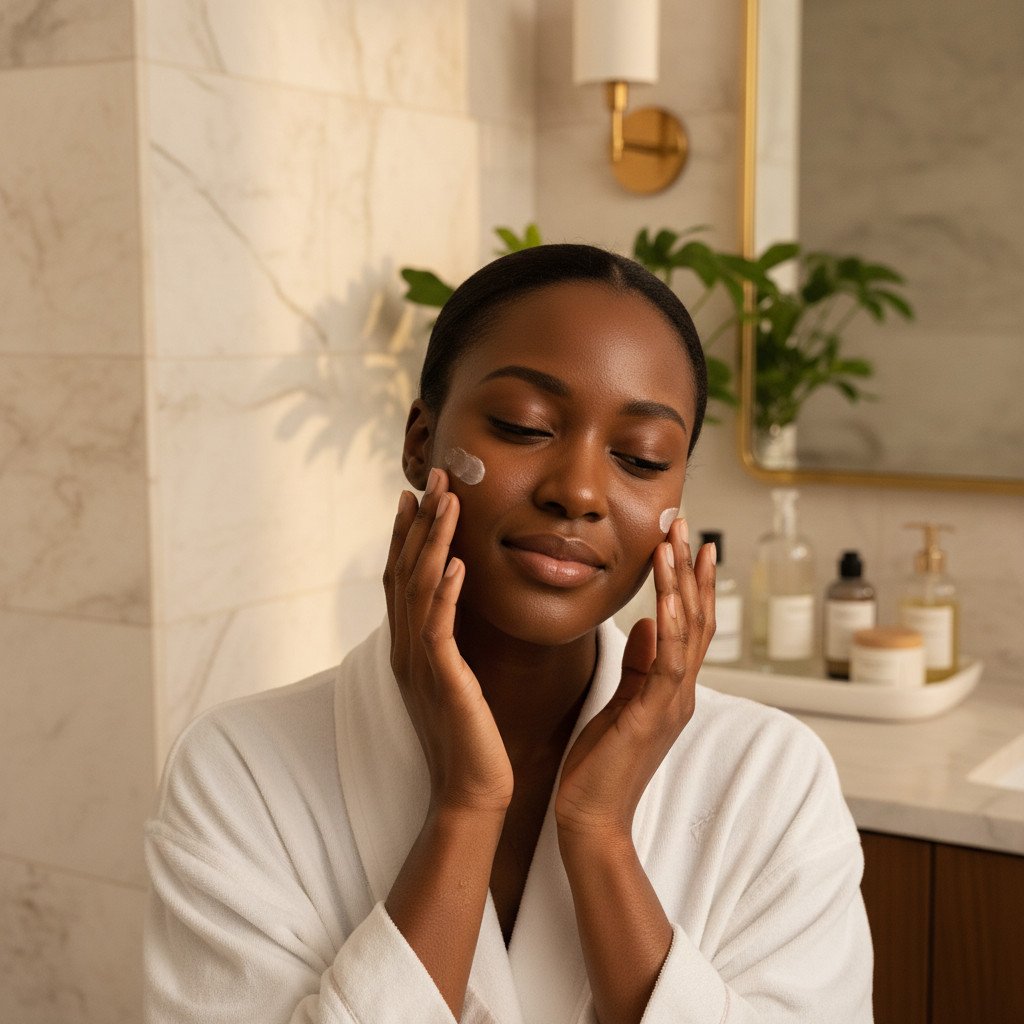
A compromised skin barrier is a direct pathway to inflammation. When the stratum corneum is disrupted, irritants, allergens, and microbes can more easily penetrate the skin, triggering an immune response. This response is inherently inflammatory. Think of it as leaving the door open for trouble. If your skin barrier is weakened before a chemical peel, for instance, the acids can penetrate too deeply and unevenly, causing excessive inflammation and a high risk of severe PIH. Similarly, using harsh cleansers or over-exfoliating in your daily routine can create a state of chronic low-grade inflammation, making your skin more susceptible to PIH from even minor triggers.
Therefore, maintaining a strong, healthy skin barrier is the most effective proactive strategy against PIH. By ensuring the stratum corneum is intact and functioning optimally, we reduce the entry points for irritants, minimize inflammatory triggers, and create a more resilient environment for the melanocytes. This allows them to function normally without being overstimulated. It’s about empowering your skin to protect itself, thereby preventing the very reactions that lead to frustrating and persistent dark marks. For melanin-rich skin, barrier health isn’t just about comfort; it’s about safeguarding our skin’s even tone and clarity, preserving its natural beauty without the burden of unwanted pigmentation.
Common Barrier Mistakes That Raise Risk Before Treatments
Before embarking on any aesthetic treatment, especially those involving controlled injury or potent actives, the state of your skin barrier is paramount. Unfortunately, many common skincare practices, often driven by a desire for quick results or a misunderstanding of skin physiology, can inadvertently compromise this vital protective layer. For melanin-rich skin, these barrier mistakes carry an elevated risk, potentially leading to increased sensitivity, prolonged downtime, and, most critically, a higher likelihood of post-inflammatory hyperpigmentation (PIH) and even scarring. Recognizing and rectifying these habits is the first step toward a safer and more effective aesthetic journey.
One of the most prevalent mistakes is over-exfoliation. In the pursuit of smooth, bright skin, many individuals, and sometimes even practitioners, recommend aggressive exfoliation with physical scrubs, harsh chemical peels, or daily use of high-concentration acids. While exfoliation has its benefits, excessive or inappropriate exfoliation strips away the protective lipids and corneocytes of the stratum corneum, leaving the skin vulnerable. For melanin-rich skin, this constant irritation creates a state of chronic inflammation, priming the melanocytes to overproduce pigment at the slightest provocation. It’s a common trap: you exfoliate to remove dark spots, but the over-exfoliation creates new ones.
Another significant error is the use of harsh, stripping cleansers. Foaming cleansers containing strong surfactants (like Sodium Lauryl Sulfate or SLS) can effectively remove dirt and oil, but they also strip away the skin’s natural moisturizing factors and barrier lipids. This leaves the skin feeling “squeaky clean” but also tight, dry, and compromised. A weakened barrier from harsh cleansing means your skin is less able to defend itself against environmental stressors and more prone to irritation from subsequent skincare products or aesthetic treatments. This is particularly problematic for melanin-rich skin which may already have a higher propensity for transepidermal water loss.
Furthermore, “product cocktailing” without understanding ingredient interactions can be detrimental. Layering multiple potent active ingredients – such as retinoids, AHAs, BHAs, and Vitamin C – all at once, especially in high concentrations, can overwhelm and irritate the skin. While each ingredient has its benefits, their combined effect can be too much for the barrier to handle, leading to redness, flaking, stinging, and inflammation. For melanin-rich skin, this irritation is a direct pathway to PIH. It’s crucial to introduce actives gradually, observe your skin’s response, and simplify your routine when preparing for treatments.
Finally, neglecting consistent sun protection and hydration are fundamental barrier mistakes. Even if you’re not actively irritating your skin, failing to protect it from UV radiation and environmental pollutants, or not providing adequate hydration, will weaken its defenses over time. UV radiation directly damages skin cells and can exacerbate inflammation, making PIH worse. Inadequate hydration impairs the skin’s natural repair processes. These seemingly basic omissions create a suboptimal environment for any aesthetic treatment, making complications more likely and recovery more challenging. Addressing these common errors is not just about improving your daily routine; it’s about laying a resilient foundation for all future aesthetic endeavors, especially for the unique needs of melanin-rich skin.
The “More Aggressive, More Effective” Myth for Melanin-Rich Skin
The beauty industry, for decades, has often propagated a narrative that “more aggressive equals more effective.” This myth suggests that the more intense a treatment, the faster and more dramatic the results will be. For many, this translates into seeking out the strongest chemical peels, the highest laser settings, or the most potent active ingredients, believing that these will provide the quickest path to desired aesthetic outcomes. While there’s a kernel of truth in the idea that certain powerful treatments can yield significant changes, this philosophy is particularly dangerous and often counterproductive when applied indiscriminately to melanin-rich skin.
For individuals with skin of color, the “more aggressive, more effective” myth can lead to a vicious cycle of damage and repair. As we’ve discussed, melanin-rich skin responds to inflammation with a heightened risk of post-inflammatory hyperpigmentation (PIH). When treatments are too aggressive – too strong, too frequent, or performed on an unprepared barrier – they induce excessive inflammation. This inflammation, instead of leading to faster improvement, often results in new dark spots that are harder to treat than the original concern. What was intended to be a corrective measure becomes a source of new aesthetic challenges, prolonging the journey to clear, even-toned skin.
Moreover, aggressive treatments can compromise the skin barrier to such an extent that it becomes chronically sensitive and reactive. This means the skin struggles to retain moisture, feels perpetually tight or irritated, and reacts poorly to even mild products. Such a compromised state makes it incredibly difficult to introduce any beneficial active ingredients without further irritation, effectively stalling progress and limiting future treatment options. The pursuit of rapid results through aggressive means can, paradoxically, lead to slower, more frustrating progress and a higher financial and emotional cost.
The truth for melanin-rich skin lies in a nuanced approach: “smarter, not harder.” This means understanding that efficacy is not solely tied to intensity, but to precision, proper preparation, and respectful pacing. A gentler, barrier-first approach, which focuses on strengthening the skin’s natural defenses and introducing actives or procedures gradually, often yields superior and more sustainable results. It minimizes inflammation, reduces the risk of PIH, and allows the skin to heal and regenerate optimally. It’s about recognizing that true effectiveness for melanin-rich skin comes from working in harmony with its unique biology, prioritizing its health and resilience over the allure of instant, but potentially damaging, transformations. This shift in mindset is not just about safety; it’s about achieving genuinely radiant, healthy skin that stands the test of time.
What a Barrier-First Plan Can Look Like Before, Between, and After Procedures
Adopting a barrier-first approach isn’t about avoiding aesthetic treatments; it’s about integrating a philosophy of skin health into every stage of your aesthetic journey. For melanin-rich skin, this structured, thoughtful planning is essential to maximize benefits, minimize risks, and ensure durable, beautiful results. Here’s how a barrier-first plan unfolds before, between, and after procedures:
Before Procedures: Pre-Habilitation for Resilience
The period leading up to an aesthetic treatment is crucial for preparing your skin. This “pre-habilitation” phase focuses on strengthening the skin barrier, reducing inflammation, and optimizing its overall health. It’s about setting your skin up for success, ensuring it can tolerate the procedure and heal effectively.
- Simplify Your Routine: Approximately 2-4 weeks before a procedure, scale back on potent active ingredients like retinoids, AHAs, BHAs, and Vitamin C. This allows your skin to recalibrate and reduces the risk of irritation. Focus on foundational products that support barrier function.
- Prioritize Gentle Cleansing: Switch to a mild, pH-balanced cleanser that doesn’t strip your skin. Avoid harsh scrubs or cleansing brushes. The goal is to cleanse effectively without compromising the lipid barrier.
- Intensify Barrier Repair and Hydration: Incorporate moisturizers rich in ceramides, fatty acids, and cholesterol. These skin-identical lipids help to rebuild and fortify the stratum corneum. Layer with humectant-rich serums (like hyaluronic acid) to boost hydration. Shop ceramide moisturizer on Amazon.
- Consistent Sun Protection: Daily use of a broad-spectrum sunscreen with SPF 30 or higher is non-negotiable. This protects against UV damage, which can exacerbate inflammation and PIH, and ensures your skin is not stressed by sun exposure before treatment.
- Avoid New Products: Do not introduce any new skincare products in the weeks leading up to your procedure. This minimizes the risk of unexpected sensitivities or allergic reactions.
- Communicate with Your Practitioner: Be transparent about your current skincare routine, any sensitivities, and your history of PIH. A knowledgeable practitioner will assess your barrier health and adjust the pre-treatment plan accordingly. They may recommend specific barrier-supportive products to use.
Between Procedures: Sustaining Health and Preparing for the Next Step
The time between aesthetic sessions is just as important as the preparation phase. This is when your skin is actively recovering and rebuilding. A barrier-first approach ensures that your skin fully heals and regains its strength before the next intervention, preventing cumulative damage and optimizing results.
- Follow Aftercare Instructions Meticulously: Your practitioner will provide specific post-procedure instructions. Adhere to them precisely, especially regarding cleansing, moisturizing, and avoiding certain activities or products.
- Continue Gentle Cleansing and Barrier Support: Maintain your mild cleansing routine and continue to apply barrier-repairing moisturizers. Your skin needs these ingredients to rebuild its protective layer and retain moisture during the healing process.
- Reintroduce Actives Gradually (If Advised): Once your skin has fully healed and your practitioner gives the green light, reintroduce any active ingredients slowly. Start with lower concentrations and less frequent application, observing your skin’s response. The goal is to gently stimulate renewal without overwhelming the barrier.
- Prioritize Sun Protection: Consistent daily sunscreen use is even more critical after treatments, as your skin may be more sensitive to UV radiation. Sun exposure can trigger PIH on vulnerable skin.
- Listen to Your Skin: Pay close attention to how your skin feels. If you experience prolonged redness, stinging, excessive dryness, or unexpected breakouts, it’s a sign that your barrier might be compromised. Communicate these concerns to your practitioner.
- Allow Adequate Healing Time: Resist the urge to rush into the next treatment too quickly. Respect the recommended intervals between sessions, allowing your skin ample time to fully recover and rebuild its barrier. More aggressive is not automatically more effective; sometimes, more patience is.
After Procedures: Long-Term Barrier Maintenance for Lasting Results
Once your series of treatments is complete, the focus shifts to maintaining the health and integrity of your skin barrier to preserve the aesthetic improvements and prevent future issues. This is where barrier-first principles become an ongoing lifestyle.
- Consistent Barrier-Supportive Routine: Continue with a daily skincare routine that emphasizes gentle cleansing, robust hydration, and barrier-repairing moisturizers. These are the foundational elements for healthy, resilient skin.
- Strategic Use of Actives: Integrate active ingredients strategically and thoughtfully. Focus on ingredients that address your specific concerns while respecting your barrier. Consider a rotational approach or using actives on alternate nights to prevent irritation.
- Year-Round Sun Protection: Make daily broad-spectrum sunscreen a non-negotiable habit, regardless of the weather or your skin tone. This is the single most effective way to prevent future hyperpigmentation and premature aging. Shop mineral sunscreen SPF 30 on Amazon.
- Regular Skin Assessments: Consider periodic check-ins with your dermatologist or aesthetician to assess your skin’s health and adjust your routine as needed. This proactive approach helps catch and address any barrier issues before they escalate.
- Mindful Lifestyle Choices: Recognize that diet, stress, sleep, and hydration all impact skin health. A holistic approach that supports overall well-being will reflect positively on your skin barrier.
By integrating barrier-first principles into every phase of your aesthetic journey, you empower your melanin-rich skin to not only achieve its desired results but to do so safely, effectively, and with lasting resilience. It’s a testament to the power of thoughtful, respectful care that truly honors the unique biology of your skin.
How to Tell When the Skin Needs Recovery More Than Another Corrective Step
One of the most crucial skills to develop when caring for melanin-rich skin, especially in the context of aesthetic treatments, is the ability to truly listen to your skin. Our skin communicates its needs through various signals, and learning to interpret these messages can prevent significant setbacks. Often, in the pursuit of perfection, we push our skin beyond its limits, believing that more intervention will lead to faster results. However, for melanin-rich skin, this can be a recipe for inflammation, irritation, and stubborn post-inflammatory hyperpigmentation (PIH). Recognizing when your skin needs recovery more than another corrective step is a cornerstone of the barrier-first philosophy.
The most obvious signs that your skin barrier is compromised and needs a break are persistent redness or unusual warmth. While some mild redness is normal after certain procedures, if it lingers for days longer than expected, or if your skin feels hot to the touch without obvious cause, it’s a clear signal of inflammation. For melanin-rich skin, this redness might manifest as a deeper, purplish hue or a general dullness rather than bright red, so it requires careful observation.
Stinging, burning, or itching sensations when applying even mild products are another strong indicator. If your usual moisturizer or a gentle serum suddenly causes discomfort, it means your skin’s protective barrier has been breached, allowing ingredients to penetrate too deeply and trigger nerve endings. This hypersensitivity is your skin screaming for a pause and repair. Similarly, an unusual feeling of tightness or discomfort, even after moisturizing, suggests significant dehydration and a compromised barrier that’s struggling to retain moisture.
Excessive dryness, flaking, or peeling beyond what is expected for a particular treatment is also a red flag. While some flaking might be desired with certain peels or retinoids, widespread, persistent, or uncomfortable peeling indicates that too many layers of the stratum corneum have been removed, leaving the underlying skin exposed and vulnerable. This is particularly problematic for melanin-rich skin, as the resulting inflammation can easily lead to PIH.
Furthermore, an increase in breakouts or new sensitivities can signal an overburdened barrier. When the barrier is weak, it can’t effectively keep out bacteria and irritants, leading to new blemishes or reactions to previously tolerated products. If your skin is suddenly reacting to everything, it’s a sign to simplify and repair. Lastly, and perhaps most subtly, a general feeling of dullness, lack of radiance, or an uneven texture that persists despite active treatment can indicate that your skin is struggling to heal and regenerate optimally. Instead of pushing for more aggressive treatments, this is often the time to pull back, focus on soothing, hydrating, and strengthening the barrier, allowing your skin to reset and regain its natural vitality. Learning to heed these signals is not a sign of weakness, but a demonstration of profound wisdom and respect for your skin’s inherent intelligence.

Here’s a simple table to help you identify when your skin needs a pause:
| Skin Signal (Barrier Compromise) | What It Looks Like (Melanin-Rich Skin) | What It Means | Action to Take |
|---|---|---|---|
| Persistent Redness/Warmth | Lingering purplish, brownish, or dull red hue; skin feels hot to touch. | Significant inflammation, high PIH risk. | Stop all actives, focus on soothing/cooling, barrier repair. |
| Stinging/Burning/Itching | Discomfort upon applying even mild products; general itchiness. | Barrier breached, nerve endings exposed. | Simplify to only gentle cleanser, barrier repair, SPF. |
| Excessive Dryness/Flaking | Widespread, uncomfortable tightness, visible peeling beyond expected. | Stratum corneum severely compromised, moisture loss. | Intensify barrier-repairing moisturizers, humidify environment. |
| Increased Sensitivity/Breakouts | Reacting to previously tolerated products; new or worsening blemishes. | Barrier unable to defend against irritants/bacteria. | Eliminate all potential irritants, focus on gentle care. |
| Dullness/Lack of Radiance | Skin looks lackluster, tired, uneven texture despite treatments. | Skin struggling to regenerate, overwhelmed by stress. | Prioritize rest, hydration, nutrient-rich diet, gentle routine. |
How to Navigate This Topic
Navigating the landscape of aesthetic treatments with a barrier-first, corneotherapy-inspired mindset requires a proactive and informed approach, especially for individuals with melanin-rich skin. It’s about becoming an empowered advocate for your skin’s health, rather than a passive recipient of treatments. This involves careful research, thoughtful communication, and a commitment to understanding your skin’s unique needs.
First and foremost, educate yourself. The more you understand about your skin’s physiology, the importance of the barrier, and the specific risks and benefits of various treatments for melanin-rich skin, the better equipped you’ll be to make informed decisions. Resources like Black Beauty Basics are designed to provide this culturally relevant, science-backed information. Knowing the “why” behind barrier-first principles will empower you to ask the right questions and challenge recommendations that don’t align with this philosophy.
Next, choose your practitioners wisely. Seek out dermatologists or aestheticians who have extensive experience and a deep understanding of melanin-rich skin. Look for professionals who emphasize a conservative, safety-first approach and who openly discuss potential risks like PIH. A good practitioner will perform a thorough assessment of your skin barrier, ask about your skincare history, and be willing to tailor treatment plans to your individual needs, rather than offering a one-size-fits-all solution. Don’t hesitate to ask about their experience with specific treatments on skin of color and their protocols for preventing and managing PIH.
Communicate openly and honestly with your chosen practitioner. Share your concerns, your history of skin reactions (especially PIH), and your current skincare routine. If something feels off during or after a treatment, speak up immediately. A respectful practitioner will welcome your input and adjust their approach accordingly. Be prepared to discuss your lifestyle, diet, and stress levels, as these can all impact skin health and barrier function. Remember, you are a partner in your skin’s care, not just a client.
Be patient and realistic about results. The barrier-first approach often means a slower, more gradual path to improvement, but it’s a path that is ultimately safer and more sustainable for melanin-rich skin. Resist the temptation to rush into aggressive treatments or to demand instant transformations. Understand that true skin health and lasting beauty are built on a foundation of consistent, gentle care and respect for your skin’s natural healing processes. A practitioner who aligns with this philosophy will manage your expectations and guide you through a realistic timeline.
Finally, trust your intuition and listen to your skin. If a treatment feels too intense, if your skin is constantly irritated, or if you’re experiencing persistent adverse reactions, it’s okay to pause, re-evaluate, and seek a second opinion. Your skin is your body’s largest organ, and its well-being should always be the priority. By embracing these strategies, you can confidently navigate the world of aesthetics, ensuring that every step you take is in harmony with the unique needs and glorious resilience of your melanin-rich skin.
Where to Go Next
Understanding barrier-first corneotherapy principles is a powerful step in empowering your aesthetic journey. To deepen your knowledge and continue building a comprehensive safety framework for your melanin-rich skin, explore these related articles on Black Beauty Basics:
- Safety Frameworks for Melanin-Rich Skin in Aesthetics: This is the cluster hub, offering a holistic overview of safe aesthetic practices for skin of color.
- The Five Risk Lenses for Melanin-Rich Skin: PIH, Scarring, Barrier, Inflammation, and Hair: Dive deeper into the specific risks that melanin-rich skin faces in aesthetic treatments, providing a crucial context for barrier health.
- Structured Pre-Treatment Assessment for Dark Skin: Learn what a thorough pre-treatment assessment should entail, ensuring your practitioner considers all aspects of your skin’s health, including barrier function.
- Fitzpatrick Type and Beyond: Building a Real Safety Picture: Understand why relying solely on the Fitzpatrick scale is insufficient for assessing risk in melanin-rich skin and how to build a more comprehensive safety profile.
- Prep and Aftercare Pillars for Melanin-Rich Skin Across Procedures: Get practical, actionable advice on preparing your skin before and caring for it after various aesthetic treatments, with a strong emphasis on barrier support.
Additionally, for a broader understanding of beauty devices and treatments, visit our main pillar page: Beauty Devices and Treatments for Dark Skin.
Quick Principles
To distill the essence of barrier-first corneotherapy principles for aesthetics on dark skin, here are the quick principles to keep at the forefront of your mind:
- Barrier First, Always: Prioritize the health and integrity of your skin’s stratum corneum above all else. A strong barrier is your best defense against irritation, inflammation, and PIH.
- Support Before Aggression: Focus on nurturing and strengthening your skin’s natural protective mechanisms before considering any treatment that intentionally or unintentionally disrupts the barrier.
- Minimize Inflammation: For melanin-rich skin, inflammation is the direct precursor to PIH. Every step, from product choice to treatment intensity, should aim to reduce inflammatory triggers.
- Gentle is Gold: Embrace gentle cleansing, mild formulations, and a minimalist approach, especially when your skin is compromised or preparing for a procedure.
- Hydration is Foundation: Ensure consistent, robust hydration with skin-identical lipids and humectants to support barrier function and prevent transepidermal water loss.
- Patience is Power: Resist the urge for quick fixes. Gradual introduction of actives, adequate healing time between treatments, and a respectful pace yield safer, more sustainable results.
- Listen to Your Skin: Learn to recognize the signals of a compromised barrier (stinging, redness, dryness, new sensitivities) and respond by pausing actives and focusing on repair.
- Sun Protection is Non-Negotiable: Daily, broad-spectrum SPF is essential to protect a vulnerable barrier, prevent inflammation, and safeguard against PIH, especially before and after treatments.
- Educate and Advocate: Understand your skin’s unique needs, choose experienced practitioners, and communicate openly to ensure your aesthetic journey is safe, effective, and tailored to you.
By integrating these principles into your skincare philosophy, you’re not just treating your skin; you’re honoring its resilience, protecting its beauty, and empowering it to thrive.
Frequently Asked Questions
What exactly is the skin barrier and why is it so important for melanin-rich skin?
The skin barrier, primarily the stratum corneum, is the outermost layer of your skin, composed of cells and lipids that act like a protective wall. For melanin-rich skin, it’s crucial because a compromised barrier can lead to increased inflammation, which directly triggers post-inflammatory hyperpigmentation (PIH), causing stubborn dark spots that are challenging to fade.
How does corneotherapy differ from traditional aesthetic approaches?
Corneotherapy prioritizes the health and integrity of the skin barrier above all else, focusing on repairing and maintaining it before, during, and after aesthetic treatments. Traditional approaches often prioritize aggressive exfoliation or intense interventions to achieve rapid results, sometimes at the expense of barrier health, which can be particularly detrimental for melanin-rich skin.
Can I still get aesthetic treatments if I follow barrier-first principles?
Absolutely. Barrier-first principles don’t mean avoiding treatments; they mean approaching them strategically and safely. By strengthening your skin barrier beforehand and supporting it during recovery, you enhance your skin’s ability to tolerate treatments, minimize adverse reactions like PIH, and achieve more predictable and lasting results.
What are the most common signs that my skin barrier is compromised?
Common signs include persistent redness (which might appear purplish or dull on melanin-rich skin), stinging or burning sensations when applying products, unusual dryness or flaking, increased sensitivity, and new or worsening breakouts. These signals indicate your skin needs a break from actives and a focus on repair.
What kind of products should I use to support my skin barrier?
Look for products rich in skin-identical lipids like ceramides, cholesterol, and fatty acids, as well as humectants like hyaluronic acid and glycerin. Mild, pH-balanced cleansers and broad-spectrum sunscreens are also essential. Avoid harsh exfoliants, strong fragrances, and excessive layering of active ingredients when your barrier is compromised.
How long should I focus on barrier repair before considering an aesthetic procedure?
The duration varies depending on the current state of your skin barrier and the intensity of the planned procedure, but generally, a 2-4 week “pre-habilitation” phase is recommended. During this time, you simplify your routine, focus on gentle cleansing, intense hydration, and barrier-repairing ingredients, and ensure consistent sun protection.
Why is sun protection so critical in a barrier-first approach for melanin-rich skin?
Sun protection is vital because UV radiation can damage the skin barrier, exacerbate inflammation, and directly trigger or worsen post-inflammatory hyperpigmentation. A compromised barrier is even more vulnerable to sun damage, making consistent daily use of a broad-spectrum SPF a non-negotiable step for protecting and preserving your skin’s health and even tone.
The journey to radiant, healthy skin is a marathon, not a sprint. For melanin-rich skin, this truth is especially profound. By embracing barrier-first corneotherapy principles, you are not just adopting a skincare routine; you are committing to a philosophy that honors your skin’s unique biology, respects its resilience, and prioritizes its long-term health. This approach empowers you to navigate the world of aesthetics with confidence, knowing that you are making choices that are not only effective but also deeply nurturing and protective of your beautiful, melanin-rich complexion. Remember, true beauty blossoms from a foundation of health, and by putting your skin barrier first, you are cultivating that foundation for a lifetime of radiance.
We invite you to continue exploring the wealth of knowledge on Black Beauty Basics, where cultural wisdom meets modern science to empower your self-care journey. Your skin deserves nothing less than informed, intentional, and loving care.
Beauty Devices and Treatments for Dark Skin
The Five Risk Lenses for Melanin-Rich Skin: PIH, Scarring, Barrier, Inflammation, and Hair
Structured Pre-Treatment Assessment for Dark Skin
Fitzpatrick Type and Beyond: Building a Real Safety Picture
Prep and Aftercare Pillars for Melanin-Rich Skin Across Procedures
Barrier Repair and Moisture Balance
Bath and Shower Habits for Eczema, Psoriasis, and Sensitive Dark Skin
Detergents, Fragrances, and Household Products That Skin Notices
Related next steps
Related posts:
 Structured Pre-Treatment Assessment for Dark Skin: Your Blueprint for Confident Aesthetics
 Core Shaving Principles for Melanin-Rich Skin
 Core Prep and Takedown Principles for Natural Hair
 The Five Risk Lenses for Melanin-Rich Skin: PIH, Scarring, Barrier, Inflammation, and Hair
 Understanding Your Skin Barrier for Dark Skin
 Environmental Factors & Dark Skin Barrier: Climate, Pollution & More