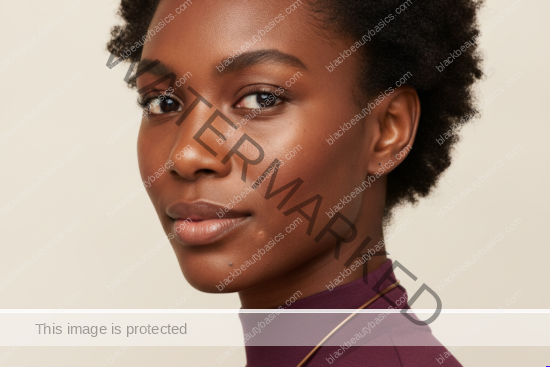
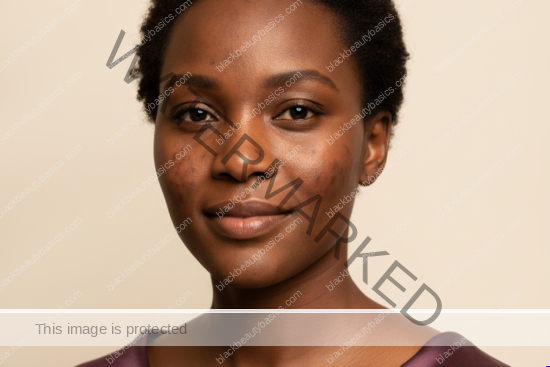
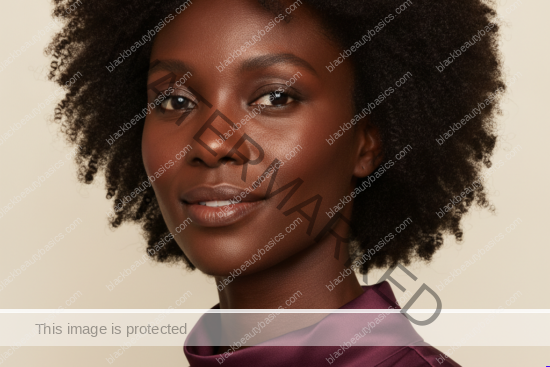
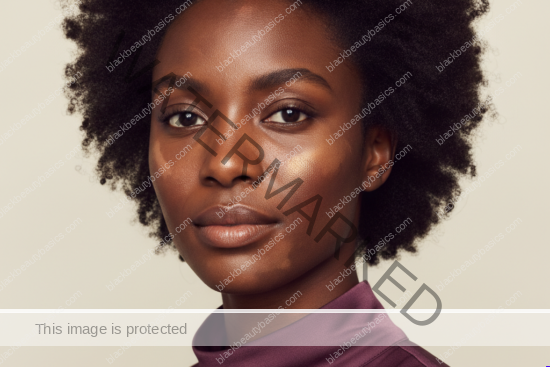
Have you ever noticed how your skin feels completely different depending on the season, the city you’re in, your workplace, or even after a long day spent outdoors? It’s a common experience, especially for Black women who are often told their skin is simply “dry” or “sensitive” without enough discussion of how external patterns truly affect melanin-rich skin.
For melanin-rich skin, barrier stress doesn’t always manifest as dramatic redness, which is often the primary indicator in mainstream skincare. Instead, it can show up as persistent tightness, a subtle ashiness that seems to return even after moisturizing, an unexpected roughness in texture, stinging or itching, or an overall dullness that no amount of glow-inducing serum seems to fix. These are often quiet signals that your skin barrier is working overtime, or perhaps, struggling under the weight of environmental demands.
It’s vital to recognize that environmental exposure can profoundly change how your skin behaves, even when your product lineup remains consistent. The air quality, the humidity (or lack thereof), the intensity of the sun, and even the water you wash with can all play a significant role. Understanding these external influences is the first step toward cultivating a resilient, comfortable, and truly radiant complexion.
This article delves into the intricate relationship between your surroundings and your skin’s protective shield, offering practical insights and barrier-first strategies tailored for melanin-rich skin. For a deeper understanding of how to maintain your skin’s protective layer, explore our comprehensive guide on Barrier Repair & Moisture Balance.
What This Post Covers
In this detailed guide, we’ll unpack the often-overlooked influence of your environment on your skin’s health and comfort. We aim to equip you with the knowledge to understand your skin’s responses and adapt your care, ensuring your routine supports its natural resilience.
- Which environmental stressors, from cold air to city pollution, can impact your skin’s barrier health.
- How these stressors may uniquely present on melanin-rich skin, often in ways that are easily dismissed or misunderstood.
- Why irritation on darker skin can be subtle and how to recognize the signs beyond conventional redness.
- Practical, barrier-first strategies to adjust your skincare routine without overcomplicating it, ensuring your skin remains balanced and comfortable.
- When seasonal shifts, travel, or changes in your daily environment signal that your skin needs a thoughtful reset.
- The critical link between environmental stress, inflammation, and the heightened risk of post-inflammatory hyperpigmentation (PIH) for melanin-rich skin.
- Common pitfalls to avoid when your skin is reacting to external factors, and how to foster a flexible approach to skincare.
Why Environment Matters for Barrier Health on Melanin-Rich Skin
Our skin is a remarkable organ, constantly interacting with the world around us. It’s not just a canvas for products; it’s a living, breathing shield that responds to everything from the air we breathe to the water we use. For melanin-rich skin, this interaction is particularly nuanced, and understanding it is key to maintaining comfort and clarity.
The environment plays a profound role in the health of our skin barrier. Think of your skin barrier as the outermost layer of your skin, a sophisticated wall of cells and lipids that protects you from external threats while keeping vital moisture locked in. When this barrier is compromised by environmental factors, its ability to perform these functions diminishes, leading to a cascade of issues.
For melanin-rich skin, the signs of irritation or barrier compromise often differ from those typically highlighted in mainstream skincare discussions. While lighter skin tones might show irritation through obvious redness, darker skin tones may exhibit it as a change in texture – perhaps a sudden rough patch, an unusual tightness, or a persistent ashiness that seems to defy even the richest moisturizers. Sometimes, it’s a dullness that makes your complexion appear less vibrant, or an increased sensitivity to products that previously worked well. These are not mere cosmetic concerns; they are signals from your skin that its protective barrier is under stress.
Repeated or prolonged exposure to harsh environmental conditions – be it the biting cold of winter, the dry heat of indoor spaces, or the pervasive pollution of urban living – can gradually wear down this protective barrier. Over time, this can leave your skin feeling less comfortable, more reactive, and significantly less resilient. It becomes more susceptible to moisture loss, more vulnerable to irritants, and, crucially for melanin-rich skin, more prone to inflammation that can lead to lingering dark marks. Recognizing these subtle cues and understanding their environmental origins empowers us to provide our skin with the specific care it needs, fostering a stronger, healthier barrier that can better withstand the demands of daily life.
What the Skin Barrier Is Protecting You From
At its core, your skin barrier is the unsung hero of your complexion. Often described as a “brick and mortar” structure, it’s composed of skin cells (the “bricks”) held together by lipids (the “mortar”), forming a formidable wall. This outer protective system is your body’s first line of defense, a sophisticated guardian that works tirelessly to maintain your skin’s health and integrity.
The primary role of this barrier is twofold: to keep the good things in and the bad things out. Firstly, it acts as a crucial moisture regulator, preventing transepidermal water loss (TEWL). This means it locks in your skin’s natural hydration, keeping it plump, supple, and comfortable. Without a healthy barrier, moisture evaporates rapidly, leading to dryness, tightness, and a compromised texture.
Secondly, the barrier shields your skin from the constant onslaught of external aggressors. This includes environmental irritants like pollutants, allergens, bacteria, and harsh chemicals. It also protects against physical stressors such as friction, wind, and extreme temperatures. A robust barrier ensures these potential threats don’t penetrate deeper into the skin, where they could trigger inflammation, sensitivity, or more significant damage.
Why does a healthy barrier matter so profoundly for comfort, predictable skin behavior, and lower reactivity? When your barrier is intact and functioning optimally, your skin feels smooth, looks even, and is less prone to irritation. Products absorb better, and your skin is less likely to react negatively to new ingredients. It’s a state of calm and resilience.
For melanin-rich skin, the health of the barrier is particularly critical due to the heightened risk of post-inflammatory hyperpigmentation (PIH). When the skin barrier is repeatedly irritated or damaged, it triggers an inflammatory response. In darker skin tones, this inflammation often stimulates melanocytes (the cells that produce melanin) to produce excess pigment, resulting in dark spots or patches that can linger for months, sometimes even years. Therefore, maintaining a strong, healthy barrier isn’t just about comfort; it’s a proactive strategy to prevent the very inflammation that can lead to frustrating and persistent hyperpigmentation. By nurturing your barrier, you’re investing in both immediate comfort and long-term clarity for your complexion.
The Main Environmental Stressors That Can Disrupt the Barrier
Our skin is constantly adapting to the world around us, and this continuous interaction means it’s frequently exposed to various environmental stressors. For melanin-rich skin, understanding these factors is crucial because their impact can be subtle yet significant, often leading to barrier compromise and increased reactivity. Let’s explore the primary environmental culprits that can disrupt your skin’s protective shield.
Cold weather and wind
When the temperatures drop and the wind picks up, your skin barrier faces a formidable challenge. Cold air typically holds less moisture, leading to a drier atmosphere that actively draws hydration away from your skin. Add strong winds to the equation, and you have a recipe for accelerated moisture loss. The constant buffetting by cold, dry wind can physically abrade the skin’s surface, weakening the lipid matrix that holds your barrier cells together.
On melanin-rich skin, this often manifests as a noticeable tightness, especially after being outdoors. You might feel a distinct “parched” sensation, even if you’ve moisturized. Ashiness becomes more pronounced, particularly on exposed areas like the face, hands, and neck, as the skin struggles to retain its natural oils and moisture. The texture can become rough or flaky, and sometimes, a subtle stinging or burning sensation may accompany the dryness, indicating that the barrier is compromised and nerve endings are more exposed. This isn’t just about feeling dry; it’s about the very structure of your skin being challenged, making it more vulnerable to further irritation and sensitivity.
Indoor heat and air conditioning
While we seek refuge indoors from extreme weather, our indoor environments present their own set of challenges for the skin barrier. Central heating in winter and air conditioning in summer both operate by altering indoor humidity levels, often to the detriment of our skin. Heaters dry out the air, creating an arid environment that mimics a desert climate for your skin. Air conditioners, designed to remove humidity, do much the same.
The constant exposure to low-humidity air, whether hot or cold, can lead to a phenomenon known as transepidermal water loss (TEWL). Your skin’s natural moisture evaporates more quickly into the dry air, leaving the barrier depleted and vulnerable. For melanin-rich skin, this often translates into persistent dehydration, even if your skin type is naturally oily. You might experience a feeling of tautness or stiffness, especially across the cheeks and forehead. Fine lines can appear more pronounced, and the skin can look dull and lack its usual vibrancy. This chronic dehydration, even if not overtly visible as flaking, weakens the barrier over time, making your skin more susceptible to irritation and less able to defend itself against other stressors.
Sun and prolonged outdoor exposure
While melanin offers some natural protection against UV radiation, it’s crucial to understand that it does not make melanin-rich skin immune to sun damage or its impact on the barrier. Prolonged exposure to the sun, especially without adequate protection, is a significant environmental stressor. UV rays can directly damage skin cells and the lipid matrix of the barrier, impairing its function. This damage can lead to increased water loss, reduced elasticity, and a weakened defense against external aggressors.

For melanin-rich skin, the effects of sun exposure on the barrier often manifest as increased sensitivity, a feeling of heat or tightness, and a tendency towards dryness. More critically, sun exposure is a primary trigger for post-inflammatory hyperpigmentation (PIH). When the barrier is compromised by UV radiation, it can lead to inflammation, which in turn stimulates melanocytes to produce excess pigment, resulting in new or exacerbated dark spots. This makes consistent sun protection not just about preventing burns, but a fundamental strategy for maintaining barrier integrity and preventing discoloration. The cumulative effect of sun exposure, even without a visible burn, can silently erode barrier health, making skin more reactive and prone to PIH.
Pollution and city living
Urban environments, with their bustling activity and dense populations, expose our skin to a cocktail of pollutants. These include particulate matter (tiny airborne particles), nitrogen dioxide, ozone, and volatile organic compounds (VOCs). These microscopic aggressors don’t just sit on the skin’s surface; they can penetrate the barrier, generating free radicals that cause oxidative stress.
Oxidative stress damages collagen, elastin, and the lipids that form the skin barrier, leading to increased inflammation and a weakened protective shield. For melanin-rich skin, this constant exposure can lead to a dull, uneven complexion. You might notice a subtle grittiness or congestion, even with regular cleansing. The skin can become more reactive, developing unexplained sensitivity or breakouts. The inflammation triggered by pollution can also contribute to the development or worsening of hyperpigmentation, as the skin’s immune response to these irritants can stimulate melanin production. Living in a polluted environment means your skin barrier is under continuous assault, making it work harder to protect itself and often leading to chronic low-grade inflammation that affects both its health and appearance.
Hard water and frequent washing
The water we use to cleanse our faces and bodies can also be a silent aggressor. Hard water, which contains a high concentration of dissolved minerals like calcium and magnesium, can leave a film on the skin after washing. These minerals can disrupt the skin’s natural pH balance, which is slightly acidic and crucial for barrier function. A shift to a more alkaline pH can weaken the barrier, making it more permeable and susceptible to moisture loss and irritants.
Frequent washing, especially with harsh cleansers or hot water, further strips the skin of its natural oils and lipids, essential components of the barrier. For melanin-rich skin, the effects of hard water and over-cleansing can be particularly noticeable. You might experience an immediate feeling of tightness or “squeaky clean” dryness after washing, which is a red flag for barrier disruption. Ashiness can become more prevalent, and the skin may feel rough or irritated. This repeated stripping of the barrier can lead to chronic dryness, sensitivity, and an increased risk of inflammatory responses, which, as we know, can easily translate into post-inflammatory hyperpigmentation. It’s a subtle but persistent stressor that can silently undermine your skin’s resilience over time.
Travel, altitude, and routine disruption
Traveling, while often exciting, can be incredibly taxing on your skin barrier. Long flights, in particular, expose your skin to extremely low humidity environments. The air inside an airplane cabin is typically drier than any desert, actively pulling moisture from your skin and leading to rapid dehydration. This sudden and prolonged exposure to arid conditions can severely compromise the barrier, leaving skin feeling tight, parched, and sensitive.
Changes in altitude, whether flying or visiting mountainous regions, also affect atmospheric pressure and humidity, further stressing the skin. Beyond the immediate environmental shifts, travel often involves disruptions to your usual routine: different water quality, irregular sleep patterns, increased stress, and exposure to new climates (e.g., going from a cold winter to a humid tropical destination). These cumulative factors can throw your skin barrier into disarray. For melanin-rich skin, this often means a sudden onset of dryness, unexpected breakouts, increased sensitivity to products, or a flare-up of existing conditions. The stress of travel can also trigger inflammation, making your skin more vulnerable to developing new dark spots or exacerbating existing ones. Understanding these travel-related stressors allows for proactive barrier support, ensuring your skin remains as resilient as your adventurous spirit.
How Environmental Stress Can Look on Dark Skin
One of the most significant challenges for Black women in skincare is recognizing signs of irritation or barrier damage when mainstream examples often focus on visible redness. Melanin-rich skin typically doesn’t show irritation as a bright pink or red flush. Instead, the signals are often more subtle, yet just as important to heed. Learning to “read” these cues is fundamental to maintaining a healthy, comfortable complexion.
Ashiness and Tightness: This is perhaps one of the most common and immediate indicators of environmental stress on dark skin. When the barrier is compromised, it struggles to retain moisture, leading to a dull, greyish cast, particularly on the cheeks, forehead, and around the mouth. This ashiness is often accompanied by a distinct feeling of tightness or stiffness, as if your skin is stretched too thin. It’s not just a superficial dryness; it’s a sign that your skin’s protective layer is depleted and thirsty.
Stinging or Itching: A healthy barrier acts as a shield, but when it’s weakened, nerve endings can become more exposed and reactive. You might experience a sudden stinging or burning sensation when applying products that were previously fine, or an inexplicable itchiness, especially after cleansing or being exposed to harsh weather. This discomfort is a clear signal that your barrier is compromised and needs gentle, soothing care.
Rough Patches and Texture Changes: The smooth, even texture of healthy skin can give way to rough, bumpy, or scaly patches when the barrier is under stress. These areas might feel sandpapery to the touch and can appear duller than the surrounding skin. Sometimes, these rough patches can even look slightly discolored or flaky, appearing greyish rather than white, which can be easily missed if you’re not looking closely.
Increased Product Sensitivity: If products you’ve used for months suddenly start to irritate your skin, causing redness (though often subtle), itching, or breakouts, it’s a strong indication that your barrier is weakened. A compromised barrier allows ingredients to penetrate more deeply and rapidly than intended, leading to adverse reactions even from otherwise gentle formulations.
Dullness and Lack of Radiance: A healthy skin barrier reflects light beautifully, contributing to a natural glow. When the barrier is damaged, the skin’s surface becomes uneven and dehydrated, scattering light rather than reflecting it. This can lead to an overall dull, lackluster appearance, making your complexion seem less vibrant and alive.
Dark Marks After Irritation Settles: This is a critical point for melanin-rich skin. Any form of inflammation or irritation, whether from environmental stress, a breakout, or a product reaction, can trigger melanocytes to produce excess pigment. Even minor barrier disruptions that cause temporary sensitivity or dryness can, once they heal, leave behind persistent dark spots or patches. This is post-inflammatory hyperpigmentation (PIH), and it’s a constant consideration for dark skin. Understanding these subtle signs is the first step toward effective barrier care and preventing long-term discoloration. For a more in-depth look at how to identify these signals, refer to our guide on the Signs of a Damaged Barrier on Melanin-Rich Skin.
Everyday Situations That Quietly Wear the Barrier Down
It’s easy to overlook the cumulative impact of daily life on our skin barrier. We often focus on dramatic events or specific products, but the truth is, many common, seemingly innocuous situations can quietly erode our skin’s protective shield over time. For melanin-rich skin, these continuous micro-aggressions can lead to chronic barrier compromise and increase the risk of issues like persistent dryness and hyperpigmentation.
Consider the daily commute: stepping from a warm, humid home into biting cold winds, or from an air-conditioned office into a hot, humid street. These rapid shifts in temperature and humidity force your skin to constantly adapt, which can be taxing on its barrier. The cold air strips moisture, while the heat can lead to increased perspiration and potential irritation if not managed. This constant environmental flux, day in and day out, can slowly deplete your skin’s resilience.
Frequent hand and face washing, while essential for hygiene, can also be a quiet barrier disruptor, especially if you’re using harsh soaps or very hot water. Each wash, particularly with foaming cleansers, can strip away natural lipids, leaving your skin vulnerable. Similarly, long, hot showers might feel relaxing, but the high temperature and prolonged water exposure can leach moisture from your skin, contributing to dryness and barrier weakness across your entire body.
The ubiquitous presence of HVAC systems in our workplaces and homes also plays a significant role. Office air conditioning and heating, while providing comfort, often create consistently low-humidity environments. Spending eight hours a day, five days a week, in such conditions means your skin is constantly battling moisture loss, leading to a state of chronic dehydration and a weakened barrier. This is a prime example of how the issue is often accumulation, not one dramatic event.
Even healthy habits can have a barrier impact. After a vigorous gym session, the combination of sweat, friction from clothing, and the subsequent need for cleansing can stress the skin. If not followed by proper rehydration and barrier support, this routine can contribute to dryness and sensitivity. Similarly, long flights, with their extremely dry cabin air, can dehydrate skin rapidly, making it feel tight and uncomfortable for days afterward. Even a simple pool day, with chlorine exposure and sun, can be a barrier challenge if not approached with protective measures. For more on adapting your routine to these shifts, explore our guidance on Seasonal Routines: Summer, Winter, Climate-Specific.

And let’s not forget the impact of quickly switching climates, whether for work or leisure. Traveling from a dry, cold environment to a humid, tropical one, or vice-versa, demands rapid adjustments from your skin. These sudden changes can overwhelm the barrier, leading to breakouts, increased sensitivity, or a general feeling of imbalance. This constant adaptation, coupled with the daily grind, highlights why a flexible and barrier-first approach to skincare is not a luxury, but a necessity. Remember to always protect your skin from the sun’s rays, especially when outdoors or traveling, by incorporating a broad-spectrum sunscreen. You can find excellent options tailored for melanin-rich skin by exploring mineral sunscreen for dark skin on Amazon, which provides critical protection against UV damage that can further compromise your barrier. For more on this, check out our dedicated resource on Sunscreen for Dark Skin.
Barrier-Supportive Adjustments That Make Sense in Real Life
Navigating environmental stressors doesn’t mean overhauling your entire life or adopting an impossibly complex routine. Instead, it’s about making thoughtful, barrier-supportive adjustments that integrate seamlessly into your real life. The goal isn’t perfection, but rather a flexible and responsive approach that allows your skin to thrive, even when external conditions are challenging.
Gentler Cleansing is Paramount: When your skin is exposed to harsh environments, it’s already working hard. Aggressive cleansing only adds to the burden. Opt for creamy, non-foaming, or oil-based cleansers that remove impurities without stripping your skin of its natural lipids. In times of extreme dryness or sensitivity, consider reducing the frequency of cleansing in the morning, perhaps opting for just a splash of water or a micellar water cleanse, reserving your full cleanse for the evening. You can browse fragrance-free cleansers for sensitive dark skin on Amazon to find suitable options.
Protect Moisture Immediately After Washing: The “golden minute” rule is particularly important in challenging environments. After cleansing, while your skin is still damp, apply your hydrating serums and moisturizer. This helps to trap the water on your skin’s surface, enhancing absorption and preventing rapid moisture loss. Consider incorporating a hydrating toner or essence as an immediate first layer of moisture.
Adjust Moisturizer Texture by Season and Environment: Your skin’s needs aren’t static. In cold, dry climates or heated indoor environments, a richer, more occlusive moisturizer can provide a much-needed protective layer. Look for creams that contain ceramides, cholesterol, and fatty acids to replenish barrier lipids. In more humid conditions, you might opt for lighter lotions or gel-creams. The key is to listen to your skin and adjust accordingly, rather than sticking rigidly to one formula year-round.
Reduce Friction and Physical Irritation: Be mindful of how you treat your skin. Pat your face dry with a soft towel instead of rubbing vigorously. Avoid harsh scrubbing or using abrasive tools, especially when your skin feels sensitive or tight. Even the friction from scarves or rough clothing in cold weather can contribute to barrier compromise, so choose soft, breathable fabrics where possible.
Simplify When Reactive: When your skin is clearly stressed by environmental factors – showing signs of ashiness, tightness, stinging, or increased sensitivity – it’s time to hit the reset button. Temporarily pare down your routine to the absolute essentials: a gentle cleanser, a soothing moisturizer, and broad-spectrum sunscreen. Avoid active ingredients like retinoids, AHAs, or vitamin C until your barrier has recovered. This simplification allows your skin to focus its energy on repair and recovery, rather than processing multiple ingredients.
Consider Environmental Aids: In persistently dry indoor environments, a humidifier can be a game-changer. Placing one in your bedroom or office can significantly increase ambient humidity, reducing the rate at which your skin loses moisture. For travel, especially on flights, consider using a hydrating facial mist and a rich balm or occlusive cream to create an extra layer of protection. You can explore humidifier options for dry skin at home on Amazon.
These adjustments are not about achieving skincare perfection, but about cultivating a routine that is responsive and supportive. By tuning into your skin’s needs and understanding the environmental context, you can empower your barrier to remain strong, resilient, and comfortable, no matter what the world throws at it.
When Your Products Are Fine but the Environment Is the Problem
It’s a common and often frustrating scenario: you’ve found a skincare routine that works for you, your products are well-chosen, and yet, suddenly, your skin starts acting up. It might feel unusually dry, tight, sensitive, or even break out. Our first instinct is often to blame a product – “Did this serum suddenly stop working?” or “Is this moisturizer no longer enough?” However, it’s crucial to consider that sometimes, the fault lies not in your skincare cabinet, but in your surroundings.
Recognizing when the environment, rather than your products, is the primary culprit is a pivotal shift in understanding your skin. This awareness prevents unnecessary product hopping, which can further stress an already compromised barrier. Instead of immediately swapping out serums or cleansers, take a moment to observe the context:
- Weather Shifts: Has there been a sudden drop in temperature, an increase in wind, or a significant change in humidity? The transition from humid summer to dry autumn, or from mild spring to harsh winter, can dramatically alter your skin’s needs, even if your products remain the same.
- Indoor Climate: Are you spending more time in heated or air-conditioned environments? The constant exposure to low humidity can silently dehydrate your skin, making it feel tighter and more sensitive, regardless of your diligently applied moisturizer.
- Travel: Have you recently traveled, especially by air or to a different climate zone? The extreme dryness of airplane cabins and the stress of adapting to new environments can throw your barrier into disarray, leading to unexpected reactions.
- Water Quality: Has your water source changed, or have you noticed your tap water feels “harder” or more drying? The mineral content in water can impact your skin’s pH and strip its natural oils.
- Daily Exposure Patterns: Are you spending more time outdoors, perhaps for a new hobby or commute? Increased exposure to sun, wind, or pollution can accumulate, gradually weakening your barrier.
When you notice your skin behaving differently, pause and consider these external factors. Instead of reaching for a new “fix-it” product, think about how you can support your existing routine to counteract environmental stress. This might mean layering a hydrating serum under your moisturizer, adding an occlusive balm at night, or simply being more diligent with sunscreen. For those dealing with noticeable barrier damage, exploring a dedicated Barrier Repair Routine for Sensitive Dark Skin can provide targeted support. Similarly, if your skin feels oily but still tight and uncomfortable, you might be experiencing dehydration, which is often exacerbated by environmental factors; our guide on Moisture Balance for Oily but Dehydrated Dark Skin offers valuable insights. By shifting your perspective from product-blame to environmental awareness, you empower yourself to make more informed, effective choices for your skin’s health and comfort.
Texture, Cleansing, and Climate
The interplay between your skincare product textures, your cleansing habits, and the prevailing climate is more significant than often acknowledged, especially for maintaining a healthy barrier on melanin-rich skin. What works beautifully in a humid summer might feel completely inadequate in a dry winter, and vice-versa. Adapting these choices is a cornerstone of responsive skincare.
Choosing the Right Cleanser for Your Environment
Cleansing is the first step in most routines, and its impact on barrier health is profound. In harsh, dry, or cold environments, over-cleansing or using a stripping cleanser can be particularly detrimental. Foaming cleansers, especially those with sulfates, can aggressively remove natural lipids, leaving the skin feeling tight, dry, and vulnerable. In these conditions, opting for creamy, milky, or oil-based cleansers is a game-changer. These formulations effectively remove impurities, makeup, and sunscreen without stripping the skin, preserving its precious moisture barrier. They leave skin feeling soft and comfortable, not “squeaky clean” (which is often a sign of barrier disruption).
Conversely, in very humid or hot climates, some individuals with melanin-rich skin might find richer cleansers too heavy or feel like they don’t provide enough “cleanliness.” Even then, it’s crucial to avoid harsh, high-pH cleansers. A gentle, low-foaming gel cleanser can be a good compromise, offering a refreshing feel without compromising the barrier. The key is to always choose a cleanser that respects your skin’s pH and lipid barrier, regardless of the climate. For comprehensive guidance on gentle cleansing practices, refer to our article on Cleansing and Exfoliation Best Practices.
Adapting Moisturizer Textures to Climate
The texture of your moisturizer should be one of the most flexible elements of your routine, directly influenced by your environment. Think of your moisturizer as a protective cloak for your skin, and you need different cloaks for different weather.
- Cold, Dry Climates (Winter, Heated Indoor Spaces): In these conditions, your skin is constantly battling moisture loss. This is when richer, more occlusive moisturizer textures shine. Look for thick creams, balms, or even ointments that contain a blend of humectants (like glycerin, hyaluronic acid), emollients (like ceramides, fatty acids, cholesterol), and occlusives (like petrolatum, shea butter, squalane). These ingredients work synergistically to draw moisture in, soften the skin, and create a protective seal that minimizes transepidermal water loss. A heavier texture provides a physical barrier against harsh elements. You can browse ceramide moisturizers for dark skin women on Amazon to find formulas that replenish essential barrier lipids.
- Warm, Humid Climates (Summer, Tropical Destinations): In contrast, very humid environments mean there’s plenty of moisture in the air, and your skin might not need as much occlusive support. Lighter textures like lotions, gel-creams, or even hydrating serums might be sufficient. These formulations often focus more on humectants and lighter emollients, providing hydration without feeling heavy or occlusive, which can sometimes lead to congestion in very humid conditions.
- Moderate or Fluctuating Climates: For those in regions with distinct seasonal changes, a medium-weight cream might be your year-round staple, with the addition of a hydrating serum underneath in drier months, or a lighter lotion on top in more humid periods.
The principle is simple: match your moisturizer’s protective strength to the environmental challenge. A thicker, more robust moisturizer in dry conditions acts as a vital shield, while a lighter one in humid conditions prevents feelings of heaviness. For more detailed insights into selecting the perfect moisturizer for your skin type and environment, delve into our article on Choosing Moisturizer Textures for Melanin-Rich Skin.
Ultimately, understanding how climate dictates your skin’s needs for cleansing and moisturizing is a powerful tool. It allows you to be proactive, adapting your routine before your skin shows signs of distress, ensuring your barrier remains strong, comfortable, and resilient against whatever the environment throws its way.
Environmental Stress, Inflammation, and Dark Marks
For melanin-rich skin, the conversation around environmental stress takes on an additional, critical dimension: the heightened risk of post-inflammatory hyperpigmentation (PIH). It’s a reality that any form of irritation or inflammation, even subtle and seemingly minor, can leave a lasting mark in the form of dark spots or patches. This makes proactive barrier care not just about comfort, but about preserving an even, radiant complexion.

When your skin barrier is compromised by environmental stressors – be it the biting cold, the dry indoor heat, pervasive pollution, or excessive sun exposure – it triggers a protective response. This response often involves inflammation. Think of inflammation as your skin’s alarm system, signaling that something is wrong and help is needed. While inflammation is a natural part of the healing process, in melanin-rich skin, it has a unique side effect.
The melanocytes, the cells responsible for producing melanin (our natural pigment), are highly reactive to inflammatory signals. When inflammation occurs, these melanocytes can go into overdrive, producing an excess of melanin in the affected area. This surplus pigment then deposits into the surrounding skin cells, resulting in the appearance of dark spots or patches long after the initial irritation has subsided. This is the essence of PIH.
Therefore, repeated environmental irritation, even if it doesn’t manifest as overt redness or a dramatic rash, can contribute to a cycle of inflammation and subsequent hyperpigmentation. A compromised barrier is more permeable, allowing irritants to penetrate more easily and trigger this inflammatory cascade. This means that chronic dryness, persistent tightness, or subtle stinging caused by environmental factors are not just uncomfortable; they are potential precursors to dark marks that can be challenging to fade.
Understanding this link empowers us to be more vigilant about barrier protection. By minimizing environmental stress and proactively supporting our skin’s protective shield, we can reduce the likelihood of triggering the inflammatory response that leads to PIH. This includes consistent use of sunscreen, thoughtful cleansing, strategic moisturizing, and adapting our routines to environmental shifts. It’s a holistic approach that recognizes the unique needs of melanin-rich skin and prioritizes prevention. For a deeper dive into this connection, our article on The Impact of Barrier Health on Hyperpigmentation provides more context. Additionally, if you’re experiencing various skin conditions on dark skin, including those exacerbated by environmental factors, our comprehensive resource on Skin Conditions on Dark Skin offers further guidance and support.
How to Navigate This Topic
This article serves as a foundational piece within our Barrier Repair & Moisture Balance cluster, designed to illuminate the often-overlooked influence of environmental factors on your skin. We’ve explored how everything from the air you breathe to the water you wash with can impact your skin’s protective shield, especially for melanin-rich skin where the signs of stress can be subtle yet lead to significant concerns like post-inflammatory hyperpigmentation.
Now that you understand the “why” behind environmental impact, you might be wondering what steps to take next. Your journey through this topic depends on what your skin is currently telling you:
- If you’re noticing persistent dryness, tightness, or unexpected sensitivity and suspect your barrier might be compromised, we encourage you to read our guide on the Signs of a Damaged Barrier on Melanin-Rich Skin. This will help you confirm if your observations align with common indicators of barrier distress.
- Once you’ve identified potential barrier issues, or if you’re looking for a proactive approach to strengthen your skin, our article on a Barrier Repair Routine for Sensitive Dark Skin provides actionable steps and product recommendations to help restore balance and resilience.
- For those who experience oily skin but still struggle with tightness or dehydration, which can be exacerbated by environmental factors, our piece on Moisture Balance for Oily but Dehydrated Dark Skin offers tailored advice to address this common concern.
- If you’re grappling with dark marks or hyperpigmentation that seems to follow any irritation, understanding the root cause is key. Our article on The Impact of Barrier Health on Hyperpigmentation will provide crucial insights into how a healthy barrier can mitigate this risk.
- Finally, to ensure your products are truly supporting your skin’s needs throughout the year and across different environments, explore our guide on Choosing Moisturizer Textures for Melanin-Rich Skin. This will help you select formulations that best protect and nourish your barrier in varying conditions.
This journey through the nuances of environmental impact on your skin barrier is part of a larger conversation about Skincare for Black Women. Each step you take in understanding and supporting your barrier contributes to a more comfortable, resilient, and radiantly healthy complexion. We encourage you to explore these resources as they resonate with your current skin concerns, empowering you with knowledge and practical solutions.
Common Mistakes When Environment Is Affecting Your Skin
When our skin starts to act up due to environmental factors, it’s easy to fall into common traps that can inadvertently worsen the situation. Recognizing these pitfalls is just as important as knowing what to do, as it helps us avoid counterproductive habits and foster a more intuitive relationship with our skin.
- Keeping the Same Routine Through Every Season Without Adjustment: This is perhaps the most frequent mistake. Assuming your summer routine will serve you well in winter, or that your home climate products will work on a tropical vacation, ignores the fundamental fact that skin needs change with its environment. Rigidity in routine can lead to chronic dehydration in dry climates or unnecessary heaviness in humid ones.
- Assuming Shine Means the Barrier Is Fine: Especially for those with naturally oily skin, a shiny complexion can be mistaken for well-hydrated skin. However, environmental stressors can lead to a phenomenon known as “oily but dehydrated” skin. The skin produces more oil to compensate for a compromised barrier and moisture loss, resulting in shine and breakouts alongside tightness and sensitivity.
- Washing More Often Every Time Skin Feels Uncomfortable: When skin feels tight, gritty, or congested, the instinct might be to cleanse more frequently or more aggressively. This is often the exact opposite of what a compromised barrier needs. Over-cleansing strips the skin further, exacerbating dryness and irritation, and weakening the barrier even more.
- Using Stronger Exfoliants When Skin Is Reacting to Weather or Water Changes: If your skin feels rough or flaky due to environmental stress, your barrier is already vulnerable. Introducing strong chemical exfoliants (like high concentrations of AHAs or BHAs) or harsh physical scrubs can overwhelm the skin, leading to increased sensitivity, redness, and a greater risk of post-inflammatory hyperpigmentation.
- Ignoring Indoor Heat, Long Flights, or Travel Stress: We often focus on outdoor elements, but the controlled environments we spend so much time in can be just as damaging. Dismissing the drying effects of central heating, air conditioning, or airplane cabin air means missing crucial opportunities to provide proactive barrier support.
- Blaming One Product When the Bigger Issue Is Cumulative Exposure: It’s easy to point fingers at a new serum or moisturizer when your skin reacts. However, sometimes the “trigger” product is merely the last straw in a series of cumulative environmental stressors that have already weakened your barrier. Learning to look at the broader context of your daily exposures can prevent unnecessary product elimination and help you identify the true root cause of your skin’s distress.
By being aware of these common missteps, you can approach your skincare with greater wisdom and compassion, ensuring your actions truly support your skin’s resilience rather than inadvertently undermining it.
Quick Principles for Protecting the Barrier in Changing Environments
Navigating the ever-changing demands of our environment on our skin barrier doesn’t have to be complicated. Here are some concise, empowering principles to guide your approach, ensuring your melanin-rich skin remains comfortable, resilient, and radiant, no matter the external conditions:
- Your environment can change your skin even when your products stay the same: Recognize that external factors are powerful. Don’t immediately blame your products; consider the weather, your indoor climate, and your daily exposures first.
- Ashiness, tightness, and stinging can be barrier clues: For melanin-rich skin, these are often the primary signals of a compromised barrier, not just simple dryness. Learn to interpret these subtle cues as calls for support.
- Routine flexibility is often smarter than routine rigidity: Be willing to adjust your cleanser, moisturizer, and even the frequency of certain steps based on seasonal shifts, travel, or changes in your daily environment. Your skin’s needs are not static.
- More cleansing is not always the answer: When your skin feels uncomfortable or reactive, resist the urge to cleanse more. Often, gentler cleansing, or even reducing cleansing frequency, is what your barrier truly needs to recover.
- Calmer skin often handles climate stress better: A strong, healthy barrier is a resilient barrier. Prioritize soothing and strengthening your skin’s protective shield, and it will be better equipped to withstand environmental challenges without reacting.
- Your skin is responding, not failing: When your skin shows signs of stress, it’s not a failure on your part. It’s your body’s intelligent way of communicating its needs. Listen to these signals with kindness and provide the support it requires.
- Proactive protection is key to preventing PIH: For melanin-rich skin, every environmental stressor that triggers inflammation is a potential precursor to dark marks. Consistent barrier support and sun protection are your best defense against post-inflammatory hyperpigmentation.
Frequently Asked Questions
Can weather damage the skin barrier on dark skin?
Absolutely, weather can significantly impact the skin barrier on dark skin. Cold air, strong winds, and dry heat (indoors or out) can strip moisture and lipids from the skin, leading to a compromised barrier. This often manifests as tightness, ashiness, and increased sensitivity, rather than typical redness.
Why does my skin get ashy and tight even when I use moisturizer?
Ashiness and tightness, even with moisturizer, are common signs that your skin barrier is struggling to retain moisture, often due to environmental factors. The moisturizer might not be occlusive enough for the conditions, or the environment (like dry indoor air) is actively pulling moisture away faster than your products can replenish it, indicating a need for barrier repair and more robust hydration.
Can indoor heat or air conditioning make my skin more sensitive?
Yes, prolonged exposure to indoor heating in winter or air conditioning in summer can make your skin more sensitive. Both systems drastically reduce indoor humidity, causing increased transepidermal water loss. This constant dehydration weakens the skin barrier, making it more permeable to irritants and leading to heightened sensitivity, stinging, or rough texture.
Does pollution affect barrier health on melanin-rich skin?
Pollution significantly affects barrier health on melanin-rich skin. Airborne pollutants generate free radicals that cause oxidative stress, damaging barrier lipids and triggering inflammation. This can lead to dullness, congestion, increased reactivity, and crucially, can stimulate melanocytes, contributing to post-inflammatory hyperpigmentation.
Why does my skin act up when I travel?
Travel often exposes your skin to multiple stressors simultaneously. The extremely dry air in airplane cabins, rapid changes in climate, different water quality, and disruptions to your routine can all overwhelm your skin barrier. This can result in sudden dryness, breakouts, increased sensitivity, or a general feeling of imbalance as your skin struggles to adapt.
Should I change my moisturizer with the seasons?
Yes, it’s highly beneficial to adjust your moisturizer with the seasons and changing environments. In cold, dry conditions, opt for richer, more occlusive creams to provide a stronger protective barrier. In warmer, more humid climates, lighter lotions or gel-creams might be more appropriate to prevent heaviness and congestion, ensuring your skin receives optimal support.
Can environmental irritation lead to dark marks?
For melanin-rich skin, environmental irritation is a significant precursor to dark marks. Any form of irritation or inflammation, even subtle barrier disruption from environmental stressors, can trigger melanocytes to produce excess pigment. This leads to post-inflammatory hyperpigmentation (PIH), which can be persistent and challenging to fade, underscoring the importance of barrier protection.
Final Thoughts
Understanding the profound impact of environmental factors on your skin barrier is a powerful step in your skincare journey, especially for Black women whose experiences are often overlooked in mainstream narratives. Your skin is not simply “dry” or “sensitive” in isolation; it’s constantly responding to the world around it – the biting cold, the dry indoor air, the pervasive pollution, the stress of travel, and even the water you wash with.
We hope this deep dive has validated your experiences and provided clarity on why your skin might feel tight, appear ashy, develop rough patches, or become unexpectedly sensitive. These are not signs of failure, but rather intelligent communications from your skin, signaling that its protective shield needs support. By learning to observe these cues and understanding their environmental context, you can move away from self-blame and towards a more compassionate, effective approach to skincare.
Embrace routine flexibility, prioritize gentle care, and remember that supporting your barrier is a continuous act of self-love. It’s about empowering your skin to be resilient, comfortable, and radiantly healthy, no matter what the day or the season brings. Continue exploring our Barrier Repair & Moisture Balance cluster and the broader Skincare for Black Women pillar to deepen your knowledge and refine your personalized path to glowing skin.
INTERNAL LINKING OPPORTUNITIES:
https://blackbeautybasics.com/skincare-for-black-women/barrier-repair-and-moisture-balance/
https://blackbeautybasics.com/skincare-for-black-women/
https://blackbeautybasics.com/skincare-for-black-women/barrier-repair-and-moisture-balance/signs-of-a-damaged-barrier-on-melanin-rich-skin/
https://blackbeautybasics.com/skincare-for-black-women/seasonal-routines-summer-winter-climate-specific/
https://blackbeautybasics.com/sunscreen-for-dark-skin/
https://blackbeautybasics.com/skincare-for-black-women/barrier-repair-and-moisture-balance/barrier-repair-routine-for-sensitive-dark-skin/
https://blackbeautybasics.com/skincare-for-black-women/barrier-repair-and-moisture-balance/moisture-balance-for-oily-but-dehydrated-dark-skin/
https://blackbeautybasics.com/skincare-for-black-women/cleansing-and-exfoliation-best-practices/
https://blackbeautybasics.com/skincare-for-black-women/barrier-repair-and-moisture-balance/choosing-moisturizer-textures-for-melanin-rich-skin/
https://blackbeautybasics.com/skincare-for-black-women/barrier-repair-and-moisture-balance/the-impact-of-barrier-health-on-hyperpigmentation/
https://blackbeautybasics.com/skin-conditions-on-dark-skin/
https://blackbeautybasics.com/skincare-for-black-women/barrier-repair-and-moisture-balance/repairing-your-barrier-after-over-exfoliation-on-dark-skin/
Related next steps
Related posts:
 Travel Skincare for Melanin-Rich Skin: Flights, Climate, & Routines
 How Hormones and Climate Shift Your Skin’s Behavior
 Protecting African American Skin and Hair from Environmental Stressors
 Skincare Products for Urban Living – Protecting Skin from Environmental Stressors
 Repairing Your Barrier After Over-Exfoliation on Dark Skin
 Understanding Your Skin Barrier for Dark Skin