In the symphony of our melanin-rich skin, every note, every hue, tells a story of resilience, beauty, and grace. Yet, sometimes, an unwelcome discord emerges – the subtle, often frustrating, appearance of friction darkening in intimate areas like our inner thighs and underarms. This isn’t a flaw, but a common experience, a whisper from our skin asking for a little extra tenderness and understanding. At Black Beauty Basics, we believe in embracing every aspect of our beauty journey, transforming challenges into opportunities for deeper self-care and radiant confidence. Start with the related BBB body-care cluster guide if you want the broader map.
Embracing Your Melanin: Understanding Friction Darkening
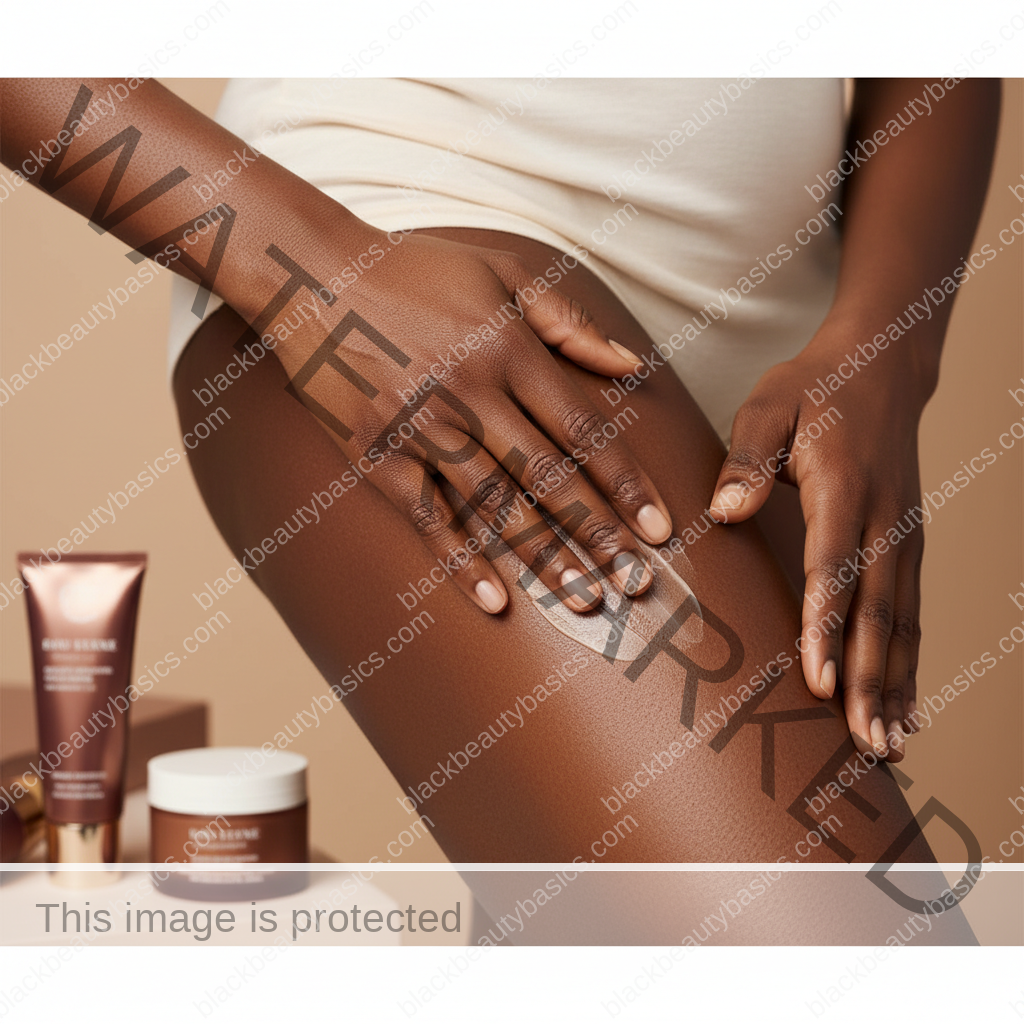
Our skin, a magnificent canvas, is uniquely predisposed to certain phenomena, and hyperpigmentation is one of them. For women of color, our melanocytes – the cells responsible for producing melanin – are more active and reactive. This heightened sensitivity means that any form of irritation, inflammation, or friction can trigger an overproduction of melanin, leading to areas of skin that appear darker than the surrounding tissue. This is precisely what happens with friction darkening, also known as post-inflammatory hyperpigmentation (PIH) or frictional melanosis, particularly in areas prone to rubbing and moisture.
The Science Behind the Shade: Why Melanin Reacts
Imagine your skin as a vigilant guardian. When it senses a threat – be it constant rubbing, chafing, or even certain shaving practices – it deploys its defense mechanism: melanin. This pigment acts as a natural shield, absorbing UV radiation and protecting skin cells from damage. However, when this defense mechanism is overstimulated, it can lead to an excess of melanin deposits, resulting in the visible darkening we observe. For us, this process can be more pronounced and persistent, making understanding its triggers paramount to effective management.
Common Culprits: What Causes Friction Darkening?
While melanin’s reactivity is a primary factor, several lifestyle and environmental elements contribute to friction darkening. Identifying these can be the first step toward prevention and treatment.
- Chafing from Clothing: Tight clothing, especially synthetic fabrics, can create constant friction against the skin, particularly in the inner thighs and underarms. This continuous rubbing irritates the skin, prompting melanin production.
- Sweat and Moisture: Humid environments and excessive sweating exacerbate friction, as moisture can make skin more susceptible to irritation and bacterial growth, further contributing to darkening.
- Shaving and Hair Removal: Aggressive shaving, using dull razors, or certain waxing techniques can cause micro-traumas to the skin, leading to inflammation and subsequent hyperpigmentation. Ingrown hairs, a common concern for textured hair, can also contribute to localized darkening.
- Lack of Exfoliation: Dead skin cells can accumulate on the surface, making areas appear dull and darker. Without regular, gentle exfoliation, these cells can build up, trapping pigment.
- Hormonal Fluctuations: Conditions like PCOS (Polycystic Ovary Syndrome) or hormonal changes during pregnancy can sometimes contribute to hyperpigmentation in various body areas.
- Genetics and Skin Type: Our individual genetic makeup plays a significant role in how our skin responds to stimuli. Those with richer melanin tones are inherently more prone to PIH.
The Black Beauty Basics Approach: A Holistic Regimen for Luminous Skin
Addressing friction darkening requires a multi-faceted approach that combines gentle care, strategic product choices, and mindful habits. Our philosophy centers on nurturing your skin, not stripping it, to reveal its inherent radiance.
Pillar 1: Gentle Cleansing & Exfoliation
The foundation of any effective body care regimen begins with cleansing. For areas prone to darkening, it’s crucial to use products that cleanse without stripping, followed by thoughtful exfoliation.
H3.1: The Art of Cleansing
Opt for mild, pH-balanced cleansers that respect your skin’s natural barrier. Harsh soaps can disrupt the skin’s pH, leading to dryness and increased irritation. Look for ingredients like glycerin, ceramides, and hyaluronic acid that hydrate while cleansing.
- Daily Ritual: Gently cleanse affected areas twice daily using lukewarm water.
- Product Recommendation: A creamy, hydrating body wash. Shop Hydrating Body Wash on Amazon
H3.2: Thoughtful Exfoliation: Unveiling Brightness
Exfoliation is key to removing accumulated dead skin cells and promoting cell turnover, which helps to fade existing dark spots. However, for melanin-rich skin, the approach must be gentle to avoid further irritation.
Chemical Exfoliants (Preferred): These are often more effective and less irritating than physical scrubs for hyperpigmentation. Look for products containing:
- Alpha Hydroxy Acids (AHAs): Glycolic acid and lactic acid are excellent for surface exfoliation, improving skin texture and tone. Start with lower concentrations (5-10%) and use 2-3 times a week.
- Beta Hydroxy Acids (BHAs): Salicylic acid is oil-soluble, making it ideal for congested pores and areas prone to ingrown hairs, which can exacerbate darkening.
- Polyhydroxy Acids (PHAs): Gluconolactone and lactobionic acid are even gentler than AHAs, suitable for sensitive skin.
Physical Exfoliants (Use with Caution): If you choose a physical exfoliant, ensure it’s very fine-grained and used with a light touch. Avoid harsh scrubs with large, jagged particles, which can create micro-tears and worsen hyperpigmentation.
Application Tip: Apply chemical exfoliants to clean, dry skin. Allow them to absorb before applying other products. Always follow with a moisturizer. Start slowly, perhaps 2-3 times a week, and increase frequency as your skin tolerates it.
Shop AHA/BHA Body Exfoliant on Amazon
Pillar 2: Targeted Treatment & Brightening
Once the skin is prepped, targeted treatments can work more effectively to diminish existing dark spots and prevent new ones.
H3.1: The Power of Brightening Ingredients
These ingredients work by inhibiting melanin production or accelerating its breakdown. Consistency is paramount for visible results.
Key Brightening Actives for Melanin-Rich Skin:
- Niacinamide (Vitamin B3): A powerhouse ingredient that reduces inflammation, strengthens the skin barrier, and interferes with the transfer of melanin to skin cells. It’s well-tolerated and beneficial for overall skin health.
- Vitamin C (Ascorbic Acid): A potent antioxidant that brightens the skin, reduces melanin production, and protects against environmental damage. Look for stable forms like L-Ascorbic Acid or Sodium Ascorbyl Phosphate.
- Kojic Acid: Derived from fungi, it inhibits tyrosinase, an enzyme essential for melanin production.
- Alpha Arbutin: A gentler derivative of hydroquinone, it effectively brightens without the potential irritation.
- Licorice Root Extract: Contains glabridin, which inhibits tyrosinase activity and offers anti-inflammatory benefits.
- Tranexamic Acid: Increasingly popular for its ability to reduce hyperpigmentation, especially post-inflammatory.
Product Formulations: These ingredients are often found in serums, creams, and lotions specifically formulated for body use. Apply after cleansing and exfoliating, before moisturizing.
Shop Niacinamide Body Serum on Amazon
Shop Vitamin C Body Lotion on Amazon
H3.2: The Role of Retinoids (with Caution)
Retinoids (Vitamin A derivatives) can accelerate cell turnover and improve hyperpigmentation. However, they can be irritating, especially for sensitive areas. If considering a retinoid for body use, start with a low concentration (e.g., retinaldehyde or a gentle retinol body lotion) and introduce it slowly, 1-2 times a week. Always pair with robust moisturization and sun protection.
Shop Retinol Body Lotion on Amazon
Pillar 3: Hydration & Barrier Support
A healthy skin barrier is crucial for preventing irritation and allowing brightening ingredients to work effectively. Hydration is non-negotiable.
H3.1: Locking in Moisture
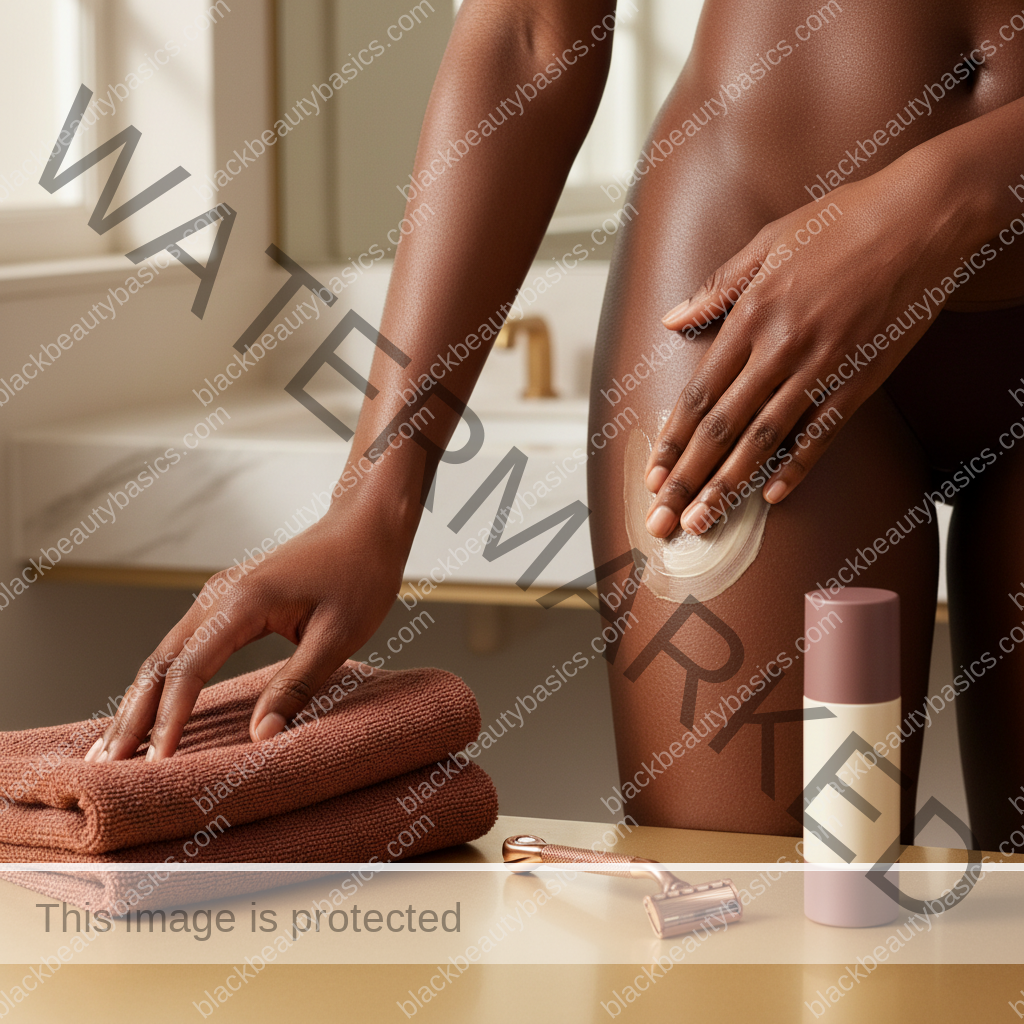
After cleansing and treating, seal everything in with a rich, emollient moisturizer. Look for ingredients that not only hydrate but also strengthen the skin barrier:
- Ceramides: Essential lipids that help maintain the skin’s barrier function.
- Hyaluronic Acid: A humectant that draws moisture into the skin.
- Shea Butter & Cocoa Butter: Rich emollients that provide deep hydration and nourishment.
- Glycerin: A humectant that attracts and retains moisture.
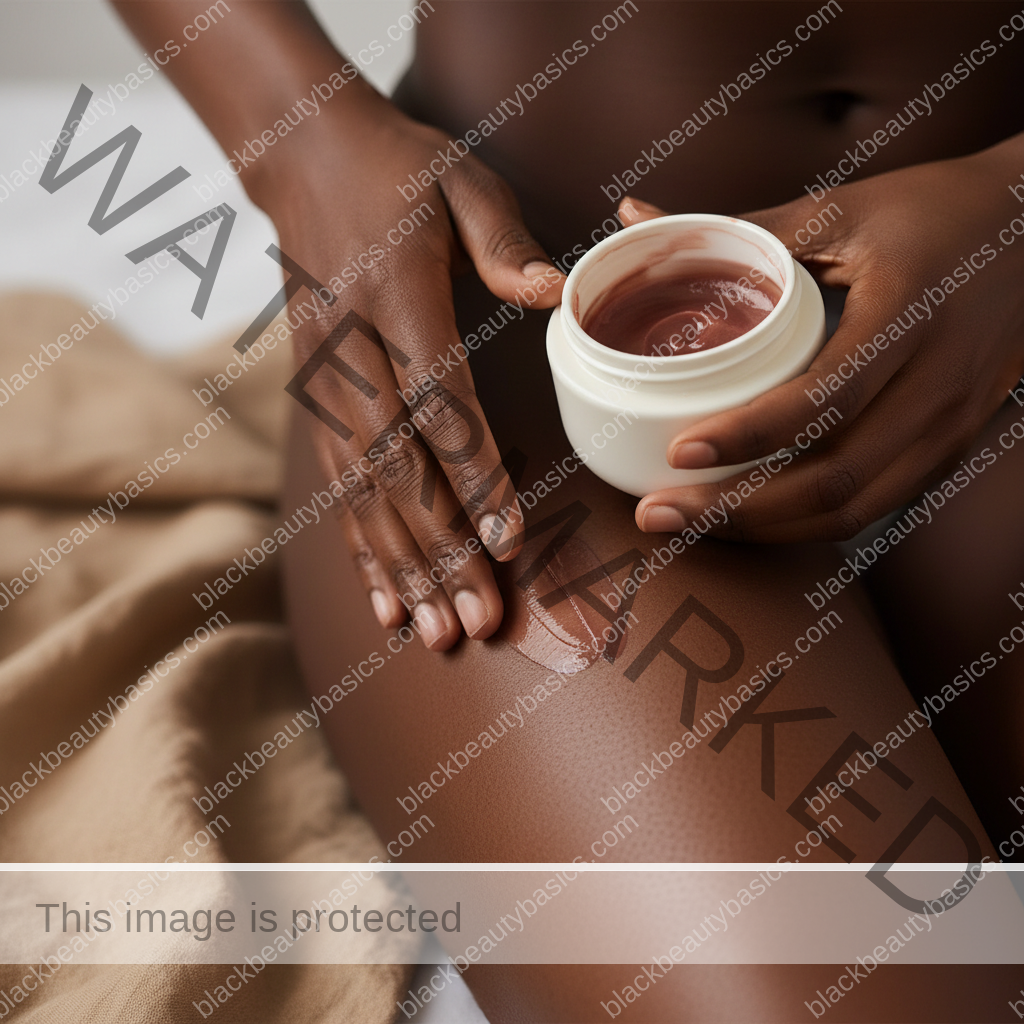
Application Tip: Apply moisturizer to slightly damp skin to lock in maximum hydration. Pay extra attention to the inner thighs and underarms.
Shop Ceramide-Rich Body Cream on Amazon
Pillar 4: Prevention is Key: Lifestyle Adjustments
Beyond topical treatments, modifying daily habits can significantly reduce friction and prevent new darkening.
H3.1: Clothing Choices
- Breathable Fabrics: Opt for natural, breathable fabrics like cotton, linen, and bamboo, especially for undergarments and clothing that directly contacts friction-prone areas.
- Loose-Fitting Attire: Whenever possible, choose looser clothing that minimizes rubbing, particularly during physical activity or in warm weather.
- Moisture-Wicking Materials: For workouts, invest in activewear made from moisture-wicking fabrics to keep skin dry.
H3.2: Managing Moisture & Friction
- Anti-Chafe Balms/Sticks: These create a protective barrier on the skin, reducing friction. Apply them to inner thighs before activities or wearing certain clothing. Shop Anti-Chafe Balm on Amazon
- Powders: Talc-free body powders (e.g., cornstarch-based) can help absorb moisture in underarms and inner thighs, keeping the area dry. Shop Talc-Free Body Powder on Amazon
- Antiperspirants: For underarms, a good antiperspirant can significantly reduce sweat, thereby minimizing friction and irritation. Look for formulas with skin-soothing ingredients. Shop Gentle Antiperspirant on Amazon
H3.3: Mindful Hair Removal
How you remove hair can have a profound impact on skin health and hyperpigmentation.
- Shaving:
- Always shave with a sharp, clean razor. Shop Sharp Razors on Amazon
- Use a generous amount of shaving cream or gel. Shop Hydrating Shaving Cream on Amazon
- Shave in the direction of hair growth to minimize irritation and ingrown hairs.
- Rinse the blade frequently and replace it often.
- Follow with a soothing, non-comedogenic aftershave balm. Shop Soothing Aftershave Balm on Amazon
- Waxing:
- Ensure waxing is done by a professional, especially for sensitive areas.
- Proper pre- and post-wax care is essential to prevent irritation and ingrown hairs.
- Depilatory Creams: Perform a patch test first, as these can sometimes be irritating. Choose formulas designed for sensitive skin. Shop Depilatory Cream for Sensitive Skin on Amazon
- Laser Hair Removal: This can be an excellent long-term solution for reducing hair growth and, consequently, friction and irritation. Ensure you choose a practitioner experienced with treating melanin-rich skin to prevent complications like burns or paradoxical hyperpigmentation.
Pillar 5: Sun Protection
While inner thighs and underarms are less exposed to direct sunlight, UV radiation can still exacerbate hyperpigmentation. If these areas are exposed, or if you’re using brightening ingredients that can increase photosensitivity, sun protection is vital.
- Broad-Spectrum SPF: Apply a broad-spectrum sunscreen with at least SPF 30 to any exposed areas, especially if you’re engaging in outdoor activities. Shop Broad Spectrum Body Sunscreen SPF 30 on Amazon
- Clothing as Protection: Loose, protective clothing is your best defense against incidental sun exposure.
Curated Regimens for Your Radiance
Building a routine can feel overwhelming, so we’ve crafted two pathways to guide you, depending on your skin’s needs.
Table 1: Daily Routine for Mild Darkening & Prevention
| Step | Product Type | Key Ingredients | Frequency | Benefit |
|---|---|---|---|---|
| Morning Cleansing | Hydrating Body Wash | Glycerin, Ceramides | Daily | Gently cleanses without stripping. |
| Morning Protection | Anti-Chafe Balm/Powder | Dimethicone, Cornstarch | Daily (as needed) | Reduces friction, absorbs moisture. |
| Morning Hydration | Niacinamide Body Lotion | Niacinamide, Hyaluronic Acid | Daily | Hydrates, brightens, strengthens barrier. |
| Evening Cleansing | Hydrating Body Wash | Glycerin, Ceramides | Daily | Removes impurities, preps skin. |
| Evening Exfoliation | AHA/PHA Body Lotion | Lactic Acid, Gluconolactone | 2-3 times/week | Gently exfoliates, promotes cell turnover. |
| Evening Hydration | Ceramide-Rich Body Cream | Ceramides, Shea Butter | Daily | Deeply moisturizes, repairs barrier. |
Table 2: Intensive Regimen for Stubborn Darkening
| Step | Product Type | Key Ingredients | Frequency | Benefit |
|---|---|---|---|---|
| Morning Cleansing | Gentle Body Cleanser | Glycerin, Oat Extract | Daily | Soothes and cleanses. |
| Morning Treatment | Vitamin C Body Serum | L-Ascorbic Acid, Ferulic Acid | Daily | Potent antioxidant, brightens. |
| Morning Protection | Anti-Chafe Balm + SPF | Zinc Oxide, Dimethicone | Daily (as needed) | Protects from friction & sun. |
| Evening Cleansing | Gentle Body Cleanser | Glycerin, Oat Extract | Daily | Preps skin for treatment. |
| Evening Exfoliation | Glycolic/Salicylic Acid Body Treatment | Glycolic Acid (10%), Salicylic Acid (2%) | 3-4 times/week | Exfoliates deeply, targets ingrowns. |
| Evening Targeted Treatment | Kojic Acid/Alpha Arbutin Serum | Kojic Acid, Alpha Arbutin, Tranexamic Acid | Daily (on non-exfoliation nights) | Directly inhibits melanin production. |
| Evening Hydration & Barrier Support | Rich Emollient Body Butter | Shea Butter, Ceramides, Squalane | Daily | Intense hydration, barrier repair. |
How to think through this body-care concern without overcorrecting
For Black women and people with richly melanated skin, body care works best when it starts with the real pattern. This guide focuses on reducing friction, supporting the barrier, and caring for thigh and underarm darkening without harsh lightening pressure, while keeping the related BBB body-care cluster as the home base. The goal is not a perfectly poreless or one-shade body. The goal is comfort, less irritation, fewer preventable marks, and a routine you can repeat.
The most protective first move is usually to reduce the thing that keeps restarting the problem. That may be friction, pressure, fragrance, shaving too closely, exfoliating too often, skipping moisture, or exposing fresh marks to daylight without protection. Products can help, but they work better when the routine stops creating new irritation every week.
Melanin-rich skin can hold onto evidence of irritation. A bump, nick, rash, or raw patch may fade slowly, especially on areas that rub against clothing or get shaved often. That does not mean your skin is doing something wrong. It means the routine needs to respect inflammation, barrier support, and time.
A gentler decision framework
- Name the main issue before adding a new product.
- Reduce friction and pressure where you can.
- Keep moisture steady, especially after cleansing or hair removal.
- Use exfoliation as a measured tool, not a daily punishment.
- Seek professional care for painful, spreading, infected-looking, or scar-forming concerns.
What usually makes this harder
One common mistake is stacking too many corrective steps. Shaving, scrubbing, acids, fragrance, tight clothing, and sweat can pile up quickly. When the skin starts to sting, burn, peel, or mark more easily, simplify the routine instead of adding another active.
Another mistake is treating darker areas as if they are dirty. Knees, elbows, underarms, thighs, bikini lines, and areas with hair removal can all be deeper in tone. Care can help with comfort and irritation, but the language matters. The goal is not to bleach your body into sameness.
The third issue is judging too fast. Body skin often needs several weeks of less irritation before it looks calmer. Track comfort first: less itching, less tenderness, fewer bumps, and less rawness. Visible tone changes usually follow after the irritation cycle quiets down.
What to do next
Keep this article connected to the Body Care & Hair Removal on Dark Skin system. Choose the next guide based on whether your main issue is bumps, hair removal, friction, texture, body SPF, or post-care.
- Body Care & Hair Removal on Dark Skin
- The related body-care cluster guide
- full-body tone and texture maintenance
- body exfoliation without overdoing it
- post-shave dark marks on the bikini line
How to make the routine easier to keep
A realistic routine needs a short version. On busy days, choose the one or two steps that prevent the most irritation: gentle cleansing, moisture, less friction, or skipping a hair-removal step when the skin already feels tender. You are allowed to care for your skin without making every day a full ritual.
A slower version can include exfoliation, careful shaving prep, body sunscreen, or richer aftercare. Keep those steps in the parts of the week where you can pay attention. That way you are not rushing through strong products or hair removal when your skin is already stressed.
If a product or step makes your skin feel raw, hot, swollen, or unusually itchy, pause it. A routine should earn trust over time. Especially on richly melanated skin, comfort is not a small detail; it is part of preventing the irritation that can lead to stubborn marks.
This is a care routine, not a worthiness routine. Your body can have hair, texture, deeper areas, scars, stretch marks, and softness at the same time. The work is to support the skin you live in, not to chase an edited version of it.
How to make the routine easier to keep
A realistic routine needs a short version. On busy days, choose the one or two steps that prevent the most irritation: gentle cleansing, moisture, less friction, or skipping a hair-removal step when the skin already feels tender. You are allowed to care for your skin without making every day a full ritual.
A slower version can include exfoliation, careful shaving prep, body sunscreen, or richer aftercare. Keep those steps in the parts of the week where you can pay attention. That way you are not rushing through strong products or hair removal when your skin is already stressed.
If a product or step makes your skin feel raw, hot, swollen, or unusually itchy, pause it. A routine should earn trust over time. Especially on richly melanated skin, comfort is not a small detail; it is part of preventing the irritation that can lead to stubborn marks.
This is a care routine, not a worthiness routine. Your body can have hair, texture, deeper areas, scars, stretch marks, and softness at the same time. The work is to support the skin you live in, not to chase an edited version of it.
Frequently Asked Questions (FAQ)
Q1: How long does it take to see results from a body care routine for friction darkening?
A: Patience is a virtue, especially when addressing hyperpigmentation. You can typically expect to see initial improvements in texture and slight lightening within 4-8 weeks of consistent use. Significant fading of established dark spots usually takes 3-6 months, and sometimes longer, depending on the severity and how long the darkening has been present. Consistency with your routine and adherence to preventative measures are key.
Q2: Can I use facial brightening products on my body?
A: Generally, yes, but with a few considerations. Facial products are often more concentrated and expensive. For larger body areas, look for body-specific formulations that contain similar active ingredients (AHAs, Vitamin C, Niacinamide, etc.) but are designed for larger application and are more cost-effective. Always patch test any new product, especially if it’s a facial product with higher concentrations, as body skin can sometimes be more sensitive than facial skin in certain areas.
Q3: Are there any natural remedies that can help with friction darkening?
A: While many natural remedies are popular, their efficacy is often not as scientifically robust as dermatologist-recommended ingredients. Ingredients like aloe vera, lemon juice, or potato slices are often suggested. However, lemon juice can be highly irritating and photosensitizing, potentially worsening hyperpigmentation. Aloe vera can be soothing and hydrating but isn’t a primary brightening agent. We recommend sticking to proven ingredients like those listed above for reliable and safe results. If you prefer natural options, look for products that incorporate botanical extracts with known brightening properties, such as licorice root extract or bearberry extract (which contains arbutin).
Q4: Can friction darkening be a sign of an underlying medical condition?
A: Yes, sometimes. While often benign and related to friction, persistent or widespread darkening, especially if accompanied by other symptoms, could indicate an underlying condition. For example, acanthosis nigricans, characterized by thickened, velvety, dark patches, is often associated with insulin resistance, diabetes, or hormonal imbalances like PCOS. If you notice significant changes, unusual textures, or if your darkening doesn’t respond to topical treatments, it’s always wise to consult a dermatologist or your primary care physician for a proper diagnosis.
Q5: Is laser treatment an option for friction darkening on the body?
A: Laser treatments can be effective for hyperpigmentation, but they require careful consideration, especially for melanin-rich skin. Certain lasers (like Nd:YAG or picosecond lasers) can target pigment without causing excessive heat, reducing the risk of post-inflammatory hyperpigmentation. However, it is crucial to seek a board-certified dermatologist who has extensive experience treating skin of color. Improper laser settings can lead to burns or worsen hyperpigmentation. Laser treatment is often considered after topical treatments have been explored.
Q6: How can I prevent ingrown hairs, which often contribute to darkening in these areas?
A: Preventing ingrown hairs is crucial for managing hyperpigmentation. Key strategies include:
- Proper Hair Removal: Shave with a sharp, clean razor in the direction of hair growth, or consider alternatives like laser hair removal.
- Gentle Exfoliation: Regular, gentle chemical exfoliation (with AHAs or BHAs) helps keep pores clear and prevents hair from getting trapped under the skin.
- Moisturize: Keeping the skin hydrated and supple allows hair to grow out more easily.
- Avoid Tight Clothing: Especially after hair removal, tight clothing can push hairs back into the skin.
Q7: What is the most important step in preventing friction darkening?
A: The most crucial step is to reduce friction and irritation. This means wearing breathable, loose-fitting clothing, using anti-chafe balms, managing sweat, and employing gentle hair removal techniques. If the underlying cause (friction/irritation) isn’t addressed, even the best brightening products will struggle to provide lasting results.
Our journey to radiant skin is a testament to our dedication to self-care, a celebration of our unique beauty, and a commitment to understanding the nuances of our melanin-rich canvas. By embracing these principles of gentle care, targeted treatment, and mindful prevention, you empower your skin to reclaim its luminous, even-toned glory. Remember, every step you take in nurturing your skin is a step towards deeper self-love and confidence. Continue to shine, beautifully and unapologetically, for your radiance is truly boundless.
Related next steps
Related posts:
 Inner Thigh and Bikini-Adjacent Darkening from Friction: Understanding and Nurturing Melanin-Rich Skin
 Inner Thigh Darkening Near the Groin: Friction, Hair, and Fabrics
 Underarm Darkening on Dark Skin: Friction, Shaving, and Deodorant Factors
 Focused Care for Knees, Elbows, Heels, and Inner Thighs
 Hair Removal, Friction, and Body Hyperpigmentation on Dark Skin
 Underarm Darkening on Melanin-Rich Skin: Common Patterns & Care