For the woman of color, our skin tells a story of resilience, beauty, and a unique sensitivity that demands a discerning touch, especially when it comes to hair removal. We understand the delicate balance of achieving silky-smooth skin without inviting the unwelcome guest of post-inflammatory hyperpigmentation (PIH) – those persistent dark spots that can linger long after a beauty treatment. Today, we delve into the age-old debate of waxing versus sugaring, exploring which method truly honors and protects our melanin-rich canvas. Start with the related BBB body-care cluster guide if you want the broader map.
The Melanin Advantage: Understanding Our Skin’s Unique Needs
Our beautiful dark skin, rich in melanin, possesses an inherent glow and a natural shield against sun damage. However, this very richness also makes us more susceptible to hyperpigmentation, a condition where inflammation or trauma to the skin triggers an overproduction of melanin, resulting in dark spots or patches. This is particularly true for post-inflammatory hyperpigmentation (PIH), a common concern after procedures like hair removal.
When we talk about hair removal, especially methods that pull hair from the follicle, the potential for irritation and inflammation is significant. For women with darker skin tones, this inflammation can easily translate into PIH. The key to successful hair removal, therefore, lies not just in effectiveness but in minimizing trauma and soothing the skin. Our goal at Black Beauty Basics is always to empower you with knowledge that leads to informed choices, ensuring your beauty rituals enhance, rather than detract from, your skin’s natural splendor.
Why PIH is a Primary Concern for Dark Skin
PIH isn’t merely a cosmetic inconvenience; it can impact confidence and require significant time and effort to fade. The melanocytes in darker skin are more reactive, meaning any form of irritation – be it from a harsh product, a scratch, or the pulling action of hair removal – can stimulate them to produce excess melanin. This leads to those stubborn brown or black marks that can take months, or even years, to fully disappear without proper care. Therefore, selecting a hair removal method that is inherently gentler and less likely to cause inflammation is paramount for PIH-prone skin.
Waxing: The Traditional Approach and Its Nuances
Waxing has long been a go-to method for achieving smooth, hair-free skin. It involves applying a warm wax to the skin, allowing it to adhere to the hair, and then quickly pulling it off, removing the hair from the follicle. There are primarily two types of wax used: soft wax (strip wax) and hard wax (stripless wax).
Soft Wax: The Stripping Truth
Soft wax is applied in a thin layer and removed with a cloth or paper strip. It adheres not only to the hair but also to the top layer of dead skin cells. While effective for fine to medium hair and larger areas, this dual adhesion can be a double-edged sword for sensitive, PIH-prone skin.
- Pros: Efficient for large areas, quick application, often more affordable.
- Cons for Dark, PIH-Prone Skin:
- Skin Adhesion: Because it adheres to the skin, soft wax can cause more trauma, lifting the top layer of skin along with the hair. This can lead to significant irritation, redness, and inflammation, directly increasing the risk of PIH.
- Hair Breakage: If not applied and removed correctly, soft wax can sometimes break hairs at the surface rather than pulling them from the root, leading to quicker regrowth and potential ingrown hairs.
- Temperature: If the wax is too hot, it can burn or irritate the skin, exacerbating inflammation and PIH risk.
For those considering soft wax, ensure your esthetician is highly experienced with dark skin and uses high-quality, hypoallergenic waxes. Always perform a patch test if you’re trying a new product or salon.
Shop Soft Wax for Hair Removal on Amazon
Hard Wax: A Softer Touch?
Hard wax is applied in a thicker layer and hardens on its own, allowing it to be removed without a strip. It primarily encapsulates the hair, adhering less to the skin itself. This characteristic makes it generally preferred for sensitive areas and for individuals prone to irritation.
- Pros:
- Less Skin Adhesion: Hard wax adheres mainly to the hair, reducing the pull on the skin and minimizing trauma. This significantly lowers the risk of irritation and, consequently, PIH.
- Ideal for Sensitive Areas: Often used for bikini lines, underarms, and facial hair due to its gentler nature.
- Effective for Coarse Hair: It can effectively remove thicker, coarser hairs, which are common in darker skin tones.
- Cons for Dark, PIH-Prone Skin:
- Temperature: While generally gentler, if applied too hot, it can still cause burns or irritation.
- Multiple Applications: Sometimes requires multiple applications in an area to remove all hair, which can still cause cumulative irritation.
- Technique Dependent: Proper application and removal technique are crucial to prevent hair breakage and skin irritation.
When opting for hard wax, seek out an esthetician who specializes in waxing dark skin and understands the nuances of melanin-rich complexions. The right technique can make all the difference.
Shop Hard Wax for Hair Removal on Amazon
Pre- and Post-Waxing Care for Dark Skin
Regardless of the wax type, proper preparation and aftercare are non-negotiable for PIH-prone skin.
Pre-Waxing Essentials:
- Exfoliation: Gently exfoliate 24-48 hours before your appointment to remove dead skin cells and help prevent ingrown hairs. Opt for chemical exfoliants like AHAs or BHAs over harsh physical scrubs. Shop Gentle Exfoliants on Amazon
- Clean Skin: Ensure your skin is clean, dry, and free of oils or lotions.
- Avoid Sun Exposure: Stay out of direct sun for at least 24 hours prior to waxing.
Post-Waxing Sanctuary:
- Soothe Immediately: Apply a calming, anti-inflammatory serum or cream containing ingredients like aloe vera, chamomile, or colloidal oatmeal. Shop Aloe Vera Gel on Amazon
- Avoid Heat: For 24-48 hours, avoid hot showers, saunas, steam rooms, and strenuous exercise that can cause sweating and irritation.
- Loose Clothing: Wear loose, breathable cotton clothing to prevent friction and allow the skin to heal.
- Prevent Ingrowns: Begin gentle exfoliation 2-3 days post-waxing to keep follicles clear. Use products specifically designed to prevent ingrown hairs, often containing salicylic acid or glycolic acid. Shop Ingrown Hair Serums on Amazon
- Moisturize: Keep the skin hydrated with a non-comedogenic, fragrance-free moisturizer. Shop Non-Comedogenic Moisturizers on Amazon
- Sun Protection: Always protect newly waxed skin from the sun with a broad-spectrum SPF 30 or higher, especially on exposed areas. Sun exposure on irritated skin can worsen PIH. Shop Broad-Spectrum SPF on Amazon
Sugaring: The Ancient Art of Hair Removal
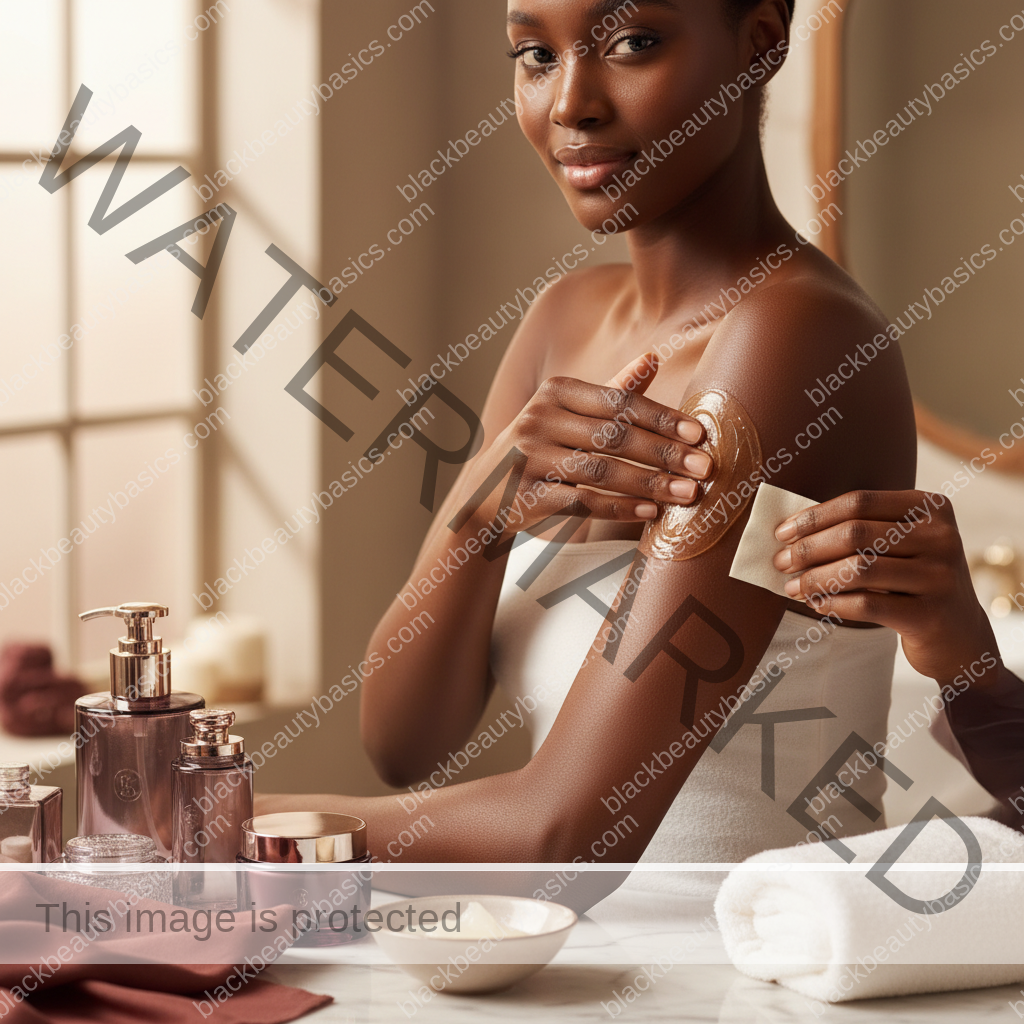
Sugaring is an ancient Middle Eastern hair removal technique that has gained significant popularity for its gentler approach, particularly among those with sensitive or PIH-prone skin. It uses a paste made from natural ingredients: sugar, lemon juice, and water. This paste is applied to the skin, typically against the direction of hair growth, and then flicked off in the direction of hair growth, pulling the hair from the follicle.
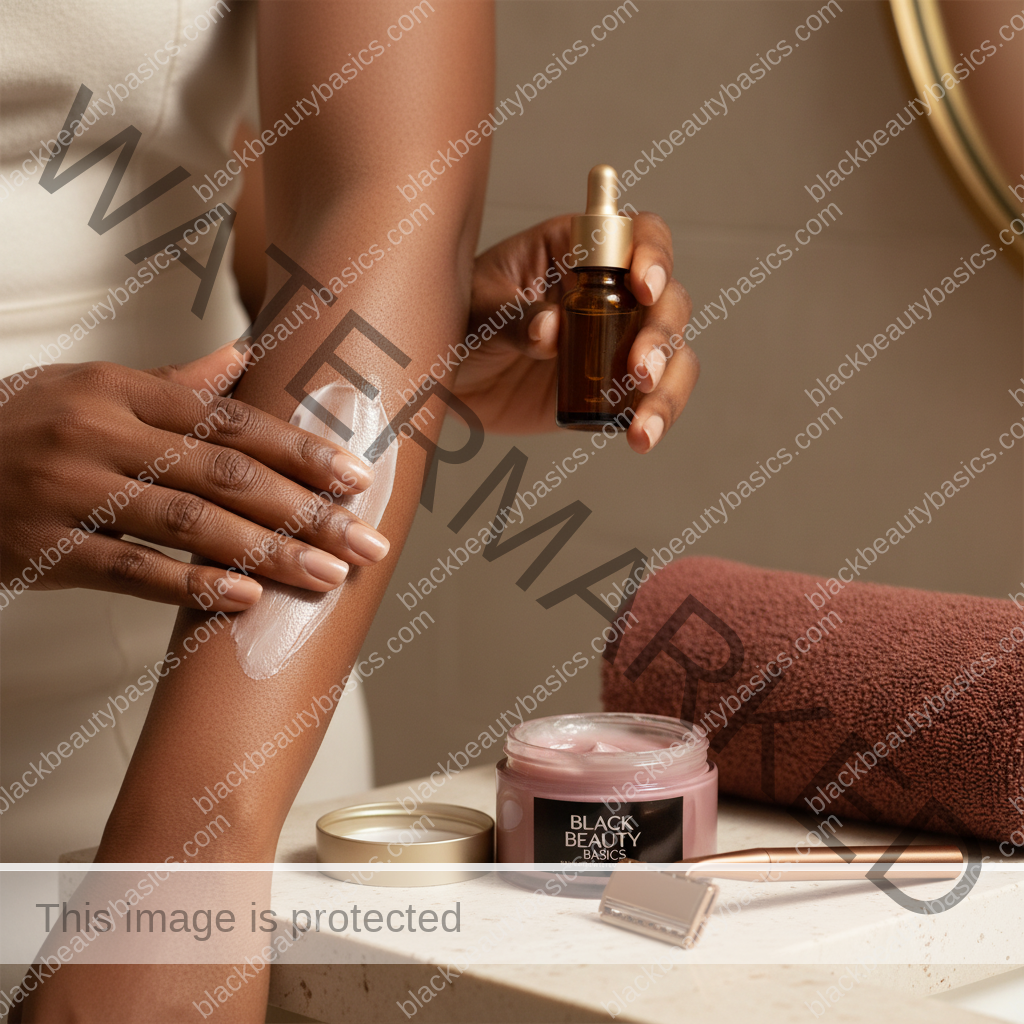
The Sweet Science of Sugaring
The unique properties of sugar paste make it inherently different from wax and often more suitable for darker skin tones.
- Natural Ingredients: The simple, natural composition of sugar paste means fewer chemicals and potential irritants. This is a significant advantage for sensitive skin.
- Temperature: Sugar paste is used at body temperature or slightly warmer, eliminating the risk of burns associated with hot waxes.
- Adhesion to Hair, Not Skin: A key differentiator is that sugar paste primarily adheres to the hair and dead skin cells, but minimally to live skin cells. This significantly reduces the pulling and trauma to the skin, thus lowering the risk of inflammation and PIH.
- Hair Removal Direction: Sugaring removes hair in the direction of its natural growth. This technique minimizes hair breakage, reduces discomfort, and significantly decreases the likelihood of ingrown hairs and follicle irritation.
- Exfoliation: The sugar paste gently exfoliates the skin, removing dead cells, which can contribute to a smoother feel and help prevent ingrown hairs.
- Water Soluble: Any residue left on the skin can be easily rinsed off with water, unlike wax which often requires oil-based removers.
Benefits of Sugaring for Dark, PIH-Prone Skin
- Significantly Reduced PIH Risk: By minimizing skin trauma and inflammation, sugaring is often hailed as the gentler alternative, making it ideal for those prone to dark spots.
- Fewer Ingrown Hairs: Removing hair in the direction of growth greatly reduces the chance of hair breaking and curling back into the skin.
- Less Painful: Many report sugaring to be less painful than waxing, especially with consistent treatments, as the hair becomes finer and sparser.
- Hypoallergenic: The natural ingredients are less likely to cause allergic reactions.
- Suitable for Sensitive Areas: Its gentle nature makes it excellent for delicate areas like the face, bikini line, and underarms.
Considerations for Sugaring
- Technique Dependent: Sugaring requires a skilled practitioner. Improper technique can still lead to hair breakage or irritation.
- Hair Length: Hair needs to be a certain length (typically 1/8 to 1/4 inch) for the sugar paste to properly adhere.
- Cost: Sugaring can sometimes be more expensive per session than waxing, reflecting the specialized technique and natural ingredients.
Shop Sugar Wax Kits on Amazon
Pre- and Post-Sugaring Care for Dark Skin
The care routine for sugaring mirrors that of waxing, with a few key distinctions, emphasizing gentleness.
Pre-Sugaring Ritual:
- Gentle Exfoliation: 24-48 hours prior, use a mild exfoliant to prepare the skin.
- Clean & Dry: Ensure skin is clean and completely dry. Avoid applying lotions or oils.
- Optimal Hair Length: Allow hair to grow to the recommended length for best results.
Post-Sugaring Nurturing:
- Soothe & Calm: Apply a soothing, anti-inflammatory product immediately after. Look for ingredients like colloidal silver, calendula, or witch hazel. Shop Calming Post Hair Removal Lotions on Amazon
- Avoid Friction & Heat: Similar to waxing, avoid tight clothing, hot baths, saunas, and intense exercise for 24-48 hours.
- Prevent Ingrowns: Continue gentle exfoliation a few days after treatment. Sugaring’s method already reduces ingrowns, but consistent care is still beneficial.
- Hydrate: Maintain skin hydration with a lightweight, non-comedogenic moisturizer.
- Sun Protection: Crucial for preventing PIH. Use broad-spectrum SPF 30+ on any exposed, treated areas.
Waxing vs. Sugaring: A Side-by-Side Comparison for Dark Skin
To help you make an informed decision, let’s compare these two popular hair removal methods directly, keeping the unique needs of dark, PIH-prone skin at the forefront.
Comparison Table: Waxing vs. Sugaring for Dark Skin
| Feature | Waxing (Hard Wax) | Sugaring |
|---|---|---|
| Primary Adhesion | Mainly to hair, some to skin | Mainly to hair & dead skin, minimal to live skin |
| Removal Direction | Against hair growth | With hair growth |
| Temperature | Warm to hot | Body temperature or slightly warm |
| Ingredients | Resins, oils, chemicals (can be natural or synthetic) | Sugar, lemon juice, water (all natural) |
| Risk of PIH | Moderate (lower with hard wax) | Low |
| Risk of Ingrown Hairs | Moderate (due to hair breakage potential) | Low (due to removal with growth) |
| Pain Level | Moderate to high | Mild to moderate (often less painful) |
| Clean-up | Oil-based remover | Water soluble |
| Exfoliation | Removes dead skin (can be harsh) | Gentle exfoliation |
| Ideal For | Coarse hair, larger areas (with soft wax) | Sensitive skin, all hair types, delicate areas |
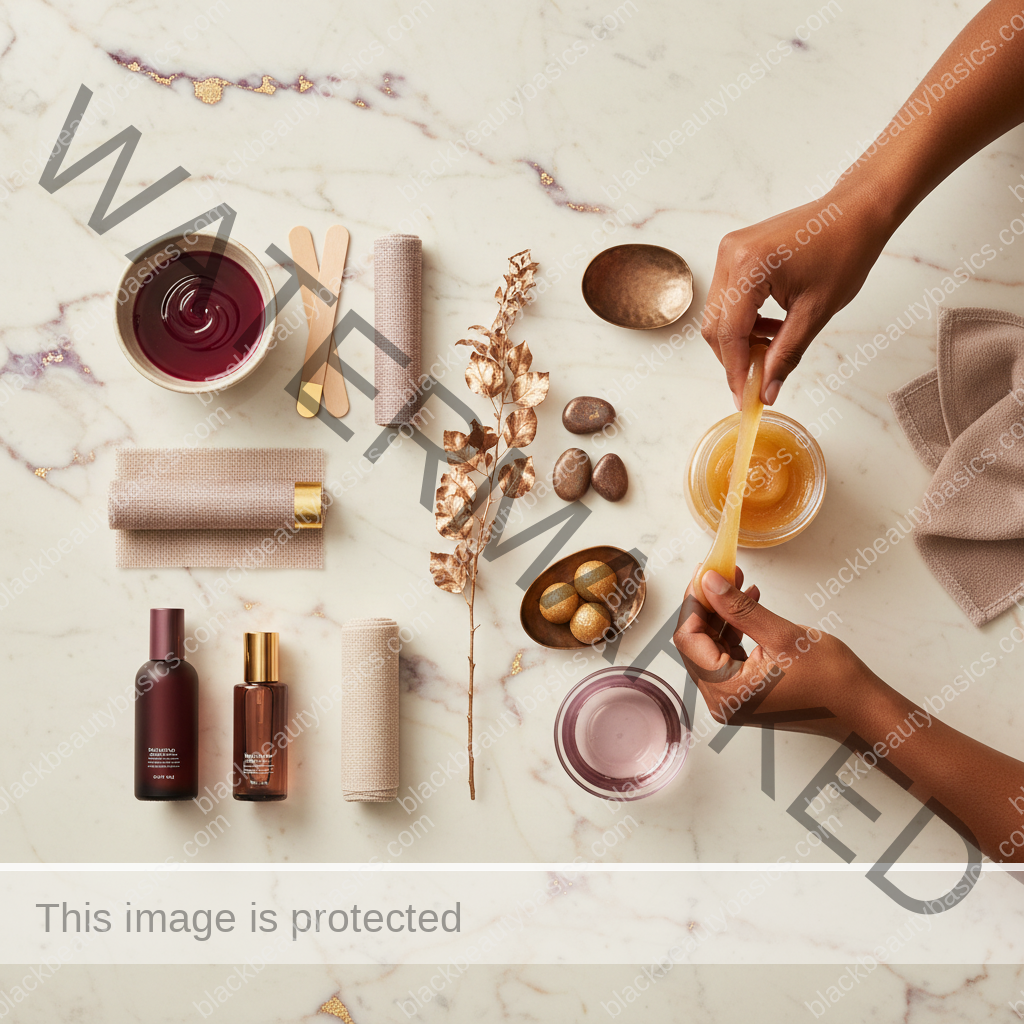
Making Your Choice: Recommendations for PIH-Prone Skin
Given the sensitivity of melanin-rich skin to inflammation and hyperpigmentation, our recommendation leans strongly towards methods that prioritize gentleness and minimize trauma.
For the Ultimate Gentle Experience: Sugaring
For most women with dark, PIH-prone skin, sugaring emerges as the superior choice. Its natural ingredients, body-temperature application, and unique hair removal direction significantly reduce the risk of irritation, inflammation, and subsequent PIH. It’s a method that truly respects the delicate nature of our skin, promoting smoother results with fewer adverse reactions.
If Waxing is Your Preference: Choose Hard Wax Wisely
If you prefer waxing, hard wax is the recommended option over soft wax. Its ability to adhere primarily to the hair rather than the skin makes it a much gentler alternative, reducing the likelihood of skin lifting and irritation. Always ensure your esthetician is highly skilled and experienced with dark skin, using high-quality, hypoallergenic hard waxes.
Essential Tips for Any Hair Removal Method on Dark Skin
Black Beauty Basics Tips for Hair Removal on Dark Skin
- Patch Test Always: Before a full treatment, especially with a new product or esthetician, request a patch test on a small, inconspicuous area.
- Seek Experienced Professionals: Your esthetician’s expertise is paramount. Choose someone who has extensive experience working with dark skin and understands its unique needs. Ask about their training and experience with PIH-prone clients.
- Communicate: Don’t hesitate to voice any discomfort or concerns during the process.
- Consistency is Key: Regular hair removal treatments (every 3-6 weeks) can lead to finer, sparser hair, making future sessions less painful and less irritating.
- Invest in Quality Aftercare: Your post-treatment routine is just as important as the treatment itself. Stock up on soothing, anti-inflammatory, and ingrown-preventing products. Shop Post Hair Removal Care Kits on Amazon
- Hydrate from Within: Drinking plenty of water keeps your skin supple and resilient, aiding in recovery.
- Sun Protection is Non-Negotiable: Always, always protect treated areas from the sun to prevent PIH from darkening.
Beyond Waxing and Sugaring: Alternative Considerations
While waxing and sugaring are popular, it’s worth noting other options for hair removal, especially for those with severe PIH concerns or very sensitive skin.
Laser Hair Removal
Modern laser hair removal technologies, particularly those using Nd:YAG lasers, are safe and highly effective for darker skin tones. These lasers target the melanin in the hair follicle while bypassing the melanin in the surrounding skin, significantly reducing the risk of PIH. It’s a long-term solution that can lead to permanent hair reduction. However, it requires multiple sessions and can be a significant investment. Always choose a reputable clinic with experienced technicians who specialize in treating dark skin.
Shop At-Home Laser Hair Removal Devices on Amazon
Threading
Primarily used for facial hair (eyebrows, upper lip), threading uses a cotton thread to pull hair from the follicle. It’s very precise and generally gentle on the skin, as it doesn’t involve chemicals or heat. It’s an excellent option for those prone to PIH on the face.
Depilatory Creams
These creams dissolve hair at or just below the skin’s surface. While convenient, many contain harsh chemicals that can cause irritation, chemical burns, and allergic reactions, making them a high-risk option for PIH-prone dark skin. If you choose to use them, always perform a patch test and opt for formulas designed for sensitive skin. Shop Sensitive Skin Depilatory Creams on Amazon
Shaving
Shaving is a common method, but it cuts hair at the skin’s surface, often leading to quicker regrowth, razor bumps (pseudofolliculitis barbae), and ingrown hairs, all of which can trigger PIH. If you shave, use a sharp, clean razor, shave with the grain, and use a moisturizing shave cream. Follow with a soothing aftershave balm. Shop Razors for Dark Skin on Amazon
How to build the routine around what your skin is actually telling you
For Black women and people with richly melanated skin, body care is rarely just about feeling smooth for one day. The larger goal is comfort, less irritation, fewer preventable bumps, and fewer marks left behind after friction, shaving, dryness, or inflammation. This guide focuses on comparing waxing and sugaring through friction, heat, technique, aftercare, sensitivity, and dark-mark risk, while keeping the correct body-care cluster as the home base.
The first step is to stop treating every body concern as a need for stronger products. Dryness may need better moisture timing. Bumps may need less pressure and less friction. Texture may need gentle exfoliation, not daily scrubbing. Dark marks may need the irritation cycle to calm down before any brightening step can make sense. When the routine starts with the real cause, the skin has less to recover from.
This is also where tone matters. A body-care routine should never imply that lighter, perfectly even, poreless skin is the goal. Rich brown skin can have texture, deeper areas, stretch, folds, hair, and changing tone. The goal is not to erase your body. The goal is to care for it in a way that feels steady, respectful, and repeatable.
A practical checkpoint before you add anything new
- Notice whether the issue is dryness, friction, bumps, hair removal, sweat, or product residue.
- Keep the routine simple enough to repeat for several weeks.
- Add only one new treatment step at a time so irritation is easier to trace.
- Use moisture and barrier support as the default, not as an afterthought.
- Pause any step that causes burning, rawness, swelling, or new persistent dark marks.
What usually makes this worse
The biggest mistake is trying to force a fast result. Whether you are dealing with ashiness, bumps, shaving irritation, or dark marks, pushing harder usually creates more inflammation. Melanin-rich skin can respond to that inflammation with marks that last longer than the original problem. That is why slow, boring consistency is often more protective than a dramatic reset.
Another common issue is mixing too many strong steps in the same week. A harsh scrub, an exfoliating acid, shaving, fragrance, tight clothing, and a drying cleanser can all overlap. Each step may seem small by itself, but together they can leave body skin tender and reactive. When that happens, simplify before you intensify.
Finally, do not ignore friction. Waistbands, sports bras, underwear seams, leggings, deodorant, shaving direction, towels, and even how quickly you moisturize after a shower can change how the skin behaves. If friction is part of the pattern, product alone will not carry the whole routine.
What to do next
Keep this article connected to the Body Care & Hair Removal on Dark Skin system. The most useful next read depends on whether your main issue is moisture, exfoliation, shaving, ingrowns, or post-shave dark marks.
- Body Care & Hair Removal on Dark Skin
- The related body-care cluster guide
- waxing and sugaring considerations on dark skin
- pre- and post-hair removal care
- post-shave dark marks on the bikini line
Frequently Asked Questions About Hair Removal and PIH on Dark Skin
Q1: Can I really avoid PIH with the right hair removal method?
A1: While no method can guarantee 100% prevention of PIH, choosing gentler methods like sugaring or hard waxing, coupled with diligent pre- and post-care, significantly reduces the risk. The goal is to minimize skin trauma and inflammation, which are the primary triggers for PIH in melanin-rich skin.
Q2: How long does PIH typically last after hair removal?
A2: The duration of PIH varies greatly. Mild spots can fade in a few weeks to months, while more severe or deeper hyperpigmentation can take six months to a year, or even longer, to fully resolve. Consistent sun protection and targeted treatments (like those with niacinamide, vitamin C, or alpha arbutin) can help accelerate the fading process. Shop PIH Treatment Serums on Amazon
Q3: Is it safe to use at-home sugaring kits?
A3: At-home sugaring kits can be safe if you follow the instructions carefully and have good technique. However, for sensitive areas or if you’re new to sugaring, it’s always best to visit a professional first to learn the proper method. Improper technique can lead to hair breakage and irritation, even with sugaring.
Q4: What ingredients should I look for in post-hair removal products to prevent PIH?
A4: Look for ingredients that soothe inflammation and have brightening properties. Examples include aloe vera, chamomile, calendula, colloidal oatmeal for soothing; salicylic acid or glycolic acid for gentle exfoliation and ingrown prevention; and niacinamide, vitamin C, alpha arbutin, or licorice root extract for their melanin-inhibiting and brightening effects. Shop Niacinamide Serums on Amazon
Q5: Can I get laser hair removal if I’m prone to PIH?
A5: Yes, modern laser hair removal, particularly using Nd:YAG lasers, is generally safe and effective for dark skin tones prone to PIH. These lasers are designed to target the hair follicle without excessively heating the surrounding skin. However, it is crucial to choose a board-certified dermatologist or a highly experienced technician who specializes in treating darker skin types to minimize risks.
Q6: How often should I get sugared or waxed for the best results and PIH prevention?
A6: For optimal results and to minimize irritation, aim for treatments every 3-6 weeks. This timing allows the hair to grow to an ideal length for removal while also catching hairs in their anagen (growth) phase, leading to more effective and less painful removal over time. Consistent removal can also lead to finer, sparser hair, further reducing the risk of PIH.
Q7: What about body scrubs? Are they good for preventing ingrowns and PIH?
A7: Physical body scrubs can be too harsh for PIH-prone skin, especially immediately before or after hair removal, as they can cause micro-tears and inflammation. Instead, opt for gentle chemical exfoliants (like lotions or serums with AHAs or BHAs) 2-3 days before and 2-3 days after hair removal to prevent ingrowns and keep skin smooth without causing excessive irritation. Shop AHA BHA Body Lotions on Amazon
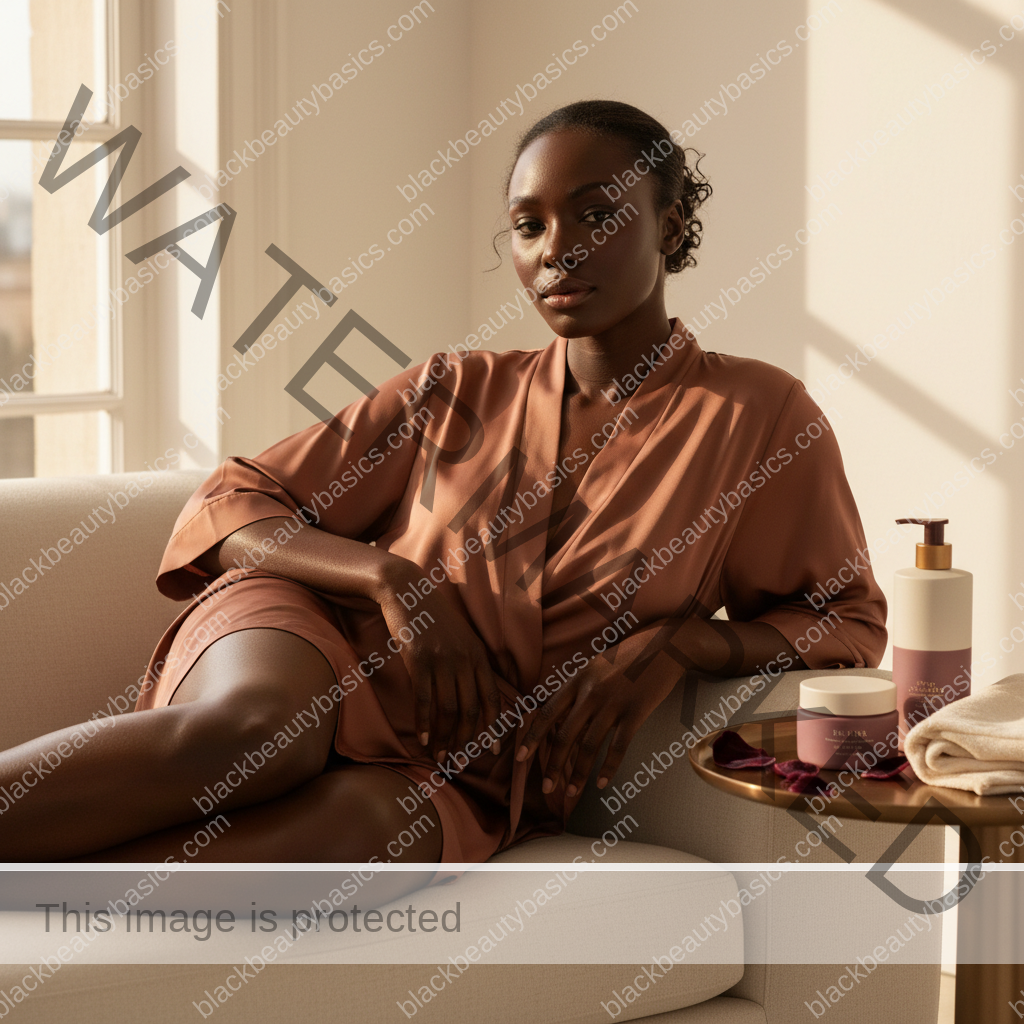
The journey to smooth, hair-free skin for the woman of color is one that requires intention, knowledge, and a commitment to gentle care. By understanding the unique needs of our melanin-rich skin and choosing methods that honor its delicate balance, we can achieve beautiful results without the lingering concern of PIH. Whether you choose the ancient art of sugaring or the refined technique of hard waxing, remember that your skin deserves the utmost respect and care. Embrace these insights, consult with trusted professionals, and step forward with confidence, knowing you are making choices that celebrate your unparalleled beauty.
Related next steps
Related posts:
 Bikini and Brazilian Waxing and Sugaring for PIH-Prone Skin
 Underarm and Leg Waxing and Sugaring on Dark Skin
 Face Waxing and Sugaring on Dark Skin: Navigating Hair Removal with Care
 Waxing vs Sugaring on Melanin-Rich Skin: A Gentle Guide to Hair Removal Choices
 Waxing vs Sugaring for Black Women: Which is Better for Razor Bumps and Ingrowns?
 Bikini-Line and Intimate Shaving for PIH-Prone Skin: A Gentle Approach for Melanin-Rich Skin