How Hormonal Acne from PCOS Looks on Dark Skin
For many women with melanin-rich skin, the journey with acne is often more complex than standard beauty narratives suggest. When Polycystic Ovary Syndrome (PCOS) enters the picture, this complexity deepens significantly. You might have experienced acne that feels different, more stubborn, or leaves behind marks that linger long after the initial breakout has faded. Perhaps you’ve felt dismissed or misunderstood when trying to explain the unique characteristics of your skin concerns to healthcare providers who aren’t accustomed to seeing inflammation or pigment changes on darker complexions.
This article is for you. We understand that PCOS-related acne is not just about a few pimples; it’s about deep, tender lesions, specific patterns of breakouts, and the profound emotional impact of persistent post-inflammatory hyperpigmentation (PIH). It’s about recognizing that the signs of inflammation on dark skin manifest differently than on lighter skin tones, meaning that what might be described as “redness” in general dermatology often appears as a deeper purplish hue, a brown discoloration, or simply an area of increased warmth and tenderness on your skin. This distinction is crucial, yet frequently overlooked, leading to delayed diagnosis and ineffective treatment strategies.
At Black Beauty Basics, we believe in empowering you with knowledge that combines cultural wisdom, modern science, and an unwavering commitment to self-love. We validate your experiences and provide practical, elegant solutions tailored to your unique needs. In this guide, we will explore the nuanced ways hormonal acne from PCOS presents itself on dark skin, helping you to identify common patterns, understand why these manifestations might be missed or minimized, and grasp how pigment change and acne timing profoundly shape your skin journey. This isn’t just about identifying a problem; it’s about giving you the language and understanding to advocate for yourself and find effective paths to healing and confidence.
What This Post Covers
Navigating the landscape of hormonal skin issues, particularly those stemming from PCOS, can feel like a labyrinth, especially when your skin tone adds another layer of complexity to the diagnostic process. This article is designed to illuminate the specific ways that hormonal acne, driven by PCOS, manifests on melanin-rich skin. We aim to provide a comprehensive understanding that goes beyond surface-level observations, delving into the underlying mechanisms and visible signs that are unique to darker complexions.
We will begin by exploring the fundamental reasons why PCOS-related acne can present differently on dark skin, highlighting the physiological nuances that influence how inflammation, breakouts, and subsequent healing processes unfold. This foundational understanding is critical for recognizing the subtle yet significant distinctions that often go unaddressed in general dermatological discussions. From there, we will meticulously detail the common breakout patterns associated with hormonal acne from PCOS, focusing on specific areas like the jawline, chin, cheeks, chest, and back. Understanding these patterns is key to differentiating hormonal acne from other forms of acne and can serve as an important clue for you and your healthcare provider.
A significant portion of our discussion will be dedicated to the characteristics of deep bumps and tenderness. We will explain why the traditional emphasis on “redness” as a primary sign of inflammation is often inadequate for dark skin, and how inflammation manifests through other crucial indicators such as warmth, swelling, and a deeper discoloration. This section is vital for validating your experience of pain and discomfort, even when overt redness isn’t present. Following this, we will dive into the pervasive issue of post-acne dark marks, or post-inflammatory hyperpigmentation (PIH), explaining why these marks can stubbornly outlast the initial breakout and how they contribute to the overall skin concern for women of color. We will also touch upon the cyclical nature of hormonal acne, examining how hormonal timing and flares create predictable patterns that, once recognized, can empower you to better manage your skin.
Finally, we will discuss when acne might be a crucial clue in a larger PCOS picture, emphasizing the importance of a holistic approach to diagnosis and treatment. We will provide guidance on how to effectively navigate discussions with healthcare professionals, ensuring your concerns are heard and addressed with the specificity your skin deserves. This article serves as a powerful resource, equipping you with the knowledge to understand your skin, advocate for your health, and embark on a path toward clearer, more confident skin.
Why PCOS Acne Can Look Different on Dark Skin
Understanding why PCOS-related acne presents uniquely on dark skin requires a deep dive into the intrinsic biological differences of melanin-rich complexions and how these interact with hormonal imbalances. Our skin is not merely a canvas; it’s a dynamic organ with distinct characteristics that influence every aspect of its health and appearance. For Black women and others with deep skin tones, these characteristics play a pivotal role in how acne develops, how it looks, and how it ultimately resolves.
One of the most significant factors is the presence of eumelanin, the primary pigment responsible for darker skin tones. While melanin provides natural protection against UV radiation, it also makes the skin more prone to post-inflammatory hyperpigmentation (PIH). When inflammation occurs, whether from acne, injury, or irritation, the melanocytes (melanin-producing cells) in dark skin are highly reactive. They tend to produce an excess of melanin in response to this inflammation, leading to stubborn dark spots that can linger for months, or even years, long after the initial breakout has healed. This heightened melanocyte activity means that even a minor breakout can leave a significant, lasting mark, making the visual impact of acne far more pronounced and frustrating for individuals with dark skin.
Beyond hyperpigmentation, the way inflammation itself manifests is distinct. On lighter skin tones, inflammation is often characterized by erythema, or redness. This bright red appearance is a clear indicator of an inflammatory process. However, on dark skin, this redness is often masked by the underlying melanin. Instead of bright red, inflammation might appear as a deeper purple, a brownish discoloration, or simply a darker patch compared to the surrounding skin. Sometimes, the only visible signs are increased warmth, swelling, tenderness to the touch, or a subtle change in texture. This lack of overt redness can lead to underestimation of the severity of inflammation by both individuals and healthcare providers, potentially delaying appropriate treatment and contributing to the persistence of acne and subsequent PIH. The inflammatory response is still present and active, but its visual cues are simply different, requiring a more nuanced understanding and observation.
Furthermore, the structural integrity and healing processes of dark skin can also influence acne presentation. Darker skin types are sometimes more prone to developing keloids or hypertrophic scars, particularly in response to deep inflammatory lesions like cystic acne. While not every deep lesion will result in a keloid, the propensity is higher, adding another layer of concern to severe breakouts. The sebaceous glands, which produce oil, can also be quite active in melanin-rich skin, and when combined with hormonal fluctuations from PCOS, this can exacerbate oil production, leading to more clogged pores and a higher likelihood of inflammatory acne. The combination of increased oil production, heightened inflammatory response, and reactive melanocytes creates a perfect storm for persistent, deeply pigmented, and sometimes painful acne that requires a specialized approach to care.
The Role of Melanocytes and Inflammation
The unique behavior of melanocytes in darker skin tones is perhaps the most critical factor influencing how PCOS acne appears. Melanocytes are the cells responsible for producing melanin, the pigment that gives skin its color. In response to inflammation, trauma, or hormonal signals, these cells can become hyperactive, leading to an overproduction of melanin. This process is known as post-inflammatory hyperpigmentation (PIH), and it is significantly more prevalent and pronounced in individuals with melanin-rich skin. When a pimple forms, particularly a deep, inflammatory one, the skin’s natural healing response can trigger melanocytes to deposit extra pigment in the affected area. This results in dark spots that can range from light brown to deep purple or black, often lasting for months or even years after the initial breakout has resolved. The frustration stems from the fact that even a small, seemingly insignificant breakout can leave a long-lasting mark, making the skin appear uneven and discolored even when active acne is minimal. This persistent discoloration contributes significantly to the overall burden of acne for Black women, often overshadowing the active lesions themselves.
Inflammation’s Hidden Cues on Dark Skin
As mentioned, the visual cues of inflammation on dark skin are often subtle and easily missed if one is only looking for traditional “redness.” While lighter skin tones exhibit a clear red hue when inflamed, melanin-rich skin often shows inflammation as a deepening of the natural skin tone, a purplish or brownish discoloration, or simply an area that feels warmer, more swollen, or tender to the touch. This difference in presentation can lead to a delay in recognizing the severity of an inflammatory process. For instance, a deep, painful cyst might not appear bright red but could manifest as a dark, raised bump that is intensely sore. Healthcare providers who are not specifically trained in dermatological conditions on skin of color may underestimate the extent of inflammation, leading to less aggressive or inappropriate treatment. It’s crucial for individuals with dark skin to understand these alternative signs of inflammation so they can accurately describe their symptoms to their doctors and advocate for appropriate care. Recognizing these hidden cues is the first step toward effective management and preventing further hyperpigmentation.
Impact on Healing and Scarring
The healing process in dark skin also carries specific considerations. While PIH is the most common aftermath of acne, individuals with melanin-rich skin are also more susceptible to developing hypertrophic scars and keloids, particularly from deep, inflammatory lesions. Hypertrophic scars are raised, red scars that stay within the boundaries of the original wound, while keloids are raised scars that extend beyond the original wound boundaries and can continue to grow. This increased propensity for abnormal scarring means that aggressive picking or improper treatment of deep acne lesions can lead to permanent textural changes in addition to pigmentary ones. Therefore, gentle handling of the skin, prompt and effective treatment of inflammatory acne, and careful management of the healing process are paramount to minimize both PIH and the risk of scarring. The goal is not just to clear the acne but to ensure the skin heals as smoothly and evenly as possible, preserving its natural beauty and texture. This holistic view of healing is essential for anyone managing PCOS acne on dark skin.
Common Breakout Patterns: Jawline, Chin, Cheeks, Chest, and Back
Hormonal acne, particularly that associated with Polycystic Ovary Syndrome (PCOS), often follows distinct patterns that can serve as crucial indicators for diagnosis and treatment. Unlike sporadic breakouts that might appear anywhere on the face, PCOS-related acne tends to favor specific areas, reflecting the influence of fluctuating hormone levels, especially androgens. For women with melanin-rich skin, recognizing these patterns is even more vital, as the visual cues of inflammation can be subtle, making pattern recognition a key diagnostic tool. Understanding where these breakouts typically occur, and why, empowers you to connect the dots between your skin concerns and potential underlying hormonal imbalances.
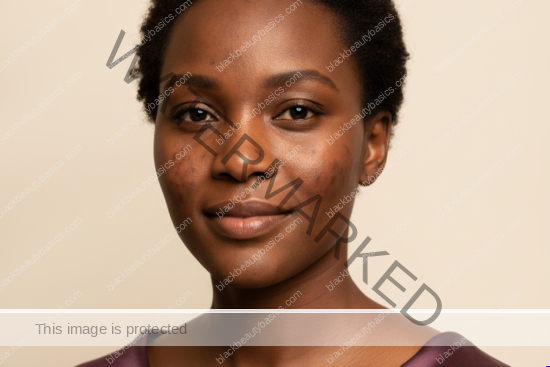
The classic presentation of hormonal acne often centers around the lower face: the jawline, chin, and sometimes extending to the upper neck. This “U-zone” distribution is highly characteristic of androgen-driven acne. Androgens, such as testosterone, stimulate the sebaceous glands to produce more oil (sebum). When this excess sebum combines with dead skin cells, it clogs pores, creating an ideal environment for the proliferation of acne-causing bacteria (P. acnes) and subsequent inflammation. The skin in these areas, particularly around the jawline and chin, is often more sensitive to hormonal fluctuations, making it a prime target for breakouts when androgen levels are elevated or when the skin’s receptors are more responsive to these hormones. For dark skin, these breakouts might appear as deep, painful cysts or nodules that don’t come to a head, accompanied by widespread smaller papules and pustules. The inflammation, as discussed, may not be overtly red but will manifest as tenderness, swelling, and a darker discoloration, leading to significant post-inflammatory hyperpigmentation.
Beyond the lower face, hormonal acne from PCOS can also extend to the cheeks, often appearing as deeper, more persistent lesions compared to typical adolescent acne. These cheek breakouts might be concentrated near the jawline or spread across the lower and mid-cheeks. Furthermore, it’s not uncommon for PCOS-related acne to affect the body, specifically the chest and back. This “truncal acne” is another strong indicator of hormonal influence. The skin on the chest and back also contains a high density of sebaceous glands, making these areas susceptible to the same androgenic effects seen on the face. Breakouts on the body can range from widespread small bumps and pustules to large, painful cysts, often leaving behind extensive and stubborn dark marks. The combination of facial and truncal acne in these specific patterns should raise a strong suspicion of hormonal involvement, prompting a deeper investigation into conditions like PCOS. Recognizing these patterns is the first step in seeking appropriate medical guidance and tailoring a skincare regimen that addresses the root cause.
The Jawline and Chin: The Hormonal Hotspot
The jawline and chin are unequivocally the most common and tell-tale areas for hormonal acne associated with PCOS. This region is often referred to as the “hormonal U-zone” because it directly reflects the influence of androgens. When androgen levels are elevated, as they often are in PCOS, the sebaceous glands along the jawline and chin become overstimulated, producing an excess of sebum. This oily environment, combined with dead skin cells, clogs pores, leading to the formation of comedones (blackheads and whiteheads) that can quickly escalate into inflammatory lesions. For women with dark skin, these breakouts frequently manifest as deep, painful cysts or nodules that are often tender to the touch and feel like hard lumps under the skin. They may not always come to a head, making them difficult to treat with topical spot treatments alone. The inflammation surrounding these lesions often appears as a deeper, purplish-brown discoloration rather than bright red, and it is almost invariably followed by significant post-inflammatory hyperpigmentation (PIH) that can linger for many months. The recurrence of these deep, painful lesions in this specific area, particularly around the menstrual cycle, is a strong indicator of hormonal acne and should prompt a discussion with a healthcare provider about potential underlying conditions like PCOS. This persistent presence of acne along the jawline and chin can be incredibly frustrating and emotionally taxing, as it is a highly visible area.
Cheeks: Deeper Lesions and Persistent Marks
While the jawline and chin are primary targets, hormonal acne from PCOS can also significantly impact the cheeks. Unlike the more superficial breakouts sometimes seen on the cheeks during adolescence, PCOS-related acne on the cheeks tends to be deeper, more inflammatory, and persistent. These lesions are often characterized by papules, pustules, and sometimes cystic bumps that are painful and slow to heal. The pattern may be concentrated on the lower cheeks, extending from the jawline, or can be more widespread. For individuals with dark skin, the inflammation on the cheeks, similar to the jawline, will present as a deeper discoloration—brown, purple, or even black—rather than the typical redness. This means that the severity of the inflammation might be underestimated if one is only looking for erythema. The healing process on the cheeks is also prone to significant PIH, leaving behind a mosaic of dark spots that can make the skin appear uneven and textured even after the active lesions have subsided. The presence of deep, recurring, and stubbornly pigmented lesions on the cheeks, especially in conjunction with jawline acne, further strengthens the case for hormonal involvement and warrants a comprehensive evaluation. The cumulative effect of these persistent marks can significantly impact self-esteem and confidence.
Chest and Back: Truncal Acne as a Hormonal Clue
Hormonal acne from PCOS is not confined to the face; it frequently extends to the body, particularly the chest and back. This phenomenon, known as truncal acne, is another powerful indicator of androgen excess. The skin on the chest and back is rich in sebaceous glands, making it highly susceptible to the stimulating effects of elevated androgens. Breakouts in these areas can range from numerous small, inflamed papules and pustules to large, painful cysts and nodules. For women with dark skin, truncal acne presents similar challenges to facial acne: the inflammation manifests as deeper discoloration, and the healing process almost always results in significant post-inflammatory hyperpigmentation. These dark marks can be particularly extensive on the back, covering large areas and making it difficult to wear certain clothing or feel comfortable in one’s skin. The presence of acne on the chest and back, especially when it is deep, inflammatory, and leaves behind persistent dark marks, should always prompt consideration of hormonal factors. It’s a key piece of the puzzle when evaluating potential PCOS. Addressing truncal acne requires a holistic approach, often involving systemic treatments in addition to topical care, to manage both the active lesions and the lingering hyperpigmentation effectively. The widespread nature of truncal acne can be particularly distressing, impacting comfort and body image.
| Acne Feature | How it May Show Up on Dark Skin | Why it’s Often Overlooked or Misunderstood |
|---|---|---|
| Clogged Bumps (Comedones) | Small, flesh-colored to slightly darker bumps; can be more visible due to textural changes rather than color. | Lack of obvious “redness” makes them seem less severe; often mistaken for general skin texture issues or small moles. |
| Deep Tender Lesions (Cysts/Nodules) | Large, painful, firm bumps under the skin; often appear as a deep purple, brown, or black discoloration; significant swelling and warmth. | Absence of bright red color leads to underestimation of inflammation; pain and tenderness are primary indicators, but visual severity is often downplayed. |
| Inflammation | Not bright red, but rather a deeper purplish, brownish, or darker hue than surrounding skin; increased warmth, swelling, and tenderness. | Traditional dermatological education focuses on erythema (redness); providers may miss or minimize inflammation if “redness” isn’t present, delaying appropriate treatment. |
| Texture Changes | Roughness, unevenness, raised bumps, or areas of indentation (scarring) after lesions heal. | Focus on color changes (PIH) can overshadow textural concerns; subtle changes are often attributed to dryness or general skin issues. |
| Lingering Dark Marks (PIH) | Persistent brown, purple, or black spots that remain long after the active lesion has healed; can be widespread and cover large areas. | Considered a “cosmetic” issue rather than a medical consequence of inflammation; the duration and intensity of PIH are often underestimated by those unfamiliar with dark skin’s healing process. |
| Recurrence & Timing | Breakouts consistently appear in the same areas (jawline, chin, back) and often worsen around the menstrual cycle. | Individual breakouts are treated in isolation rather than recognizing the cyclical, patterned nature indicative of hormonal imbalance. |
Deep Bumps, Tenderness, and Why Redness Is Not the Only Sign of Inflammation
One of the most critical distinctions in understanding how PCOS-related acne manifests on dark skin lies in the nature of deep bumps, the accompanying tenderness, and the often-misunderstood signs of inflammation. For too long, dermatological descriptions of inflammation have centered on erythema, or redness, as the primary visual cue. While this holds true for lighter skin tones, it is a significant disservice and a source of frustration for individuals with melanin-rich skin, where inflammation presents quite differently. This fundamental misunderstanding can lead to delayed diagnosis, inadequate treatment, and a feeling of being unheard or dismissed by healthcare professionals.
When hormonal acne from PCOS develops, it often takes the form of deep, subcutaneous lesions such as cysts and nodules. These are not superficial whiteheads or blackheads; they are firm, painful bumps that originate deep within the skin. On dark skin, these lesions typically do not appear bright red. Instead, they often present as a deeper purplish, brownish, or even black discoloration against the surrounding skin. The color change might be subtle, a deepening of the natural skin tone in the affected area, or it could be quite pronounced, creating a noticeable dark spot even before the lesion fully develops. What is consistently present, however, is a significant degree of tenderness, pain, and often warmth to the touch. These deep bumps can be incredibly uncomfortable, throbbing, and sensitive, making even light touch or facial expressions painful. They might also feel swollen or raised, contributing to an uneven skin texture.
The absence of bright redness does not, in any way, diminish the presence or severity of inflammation. Inflammation is a complex biological response involving immune cells, chemical mediators, and blood vessel changes, all designed to protect and heal the body. On dark skin, while the vascular changes that cause redness are still occurring, the overlying melanin acts as a filter, obscuring the red hue. Instead, the signs of inflammation are communicated through other equally valid, but less universally recognized, channels. These include increased warmth in the affected area due to increased blood flow, palpable swelling or induration (hardening) of the tissue, and the aforementioned tenderness or pain. Furthermore, the post-inflammatory pigment changes (PIH) that inevitably follow are themselves a direct consequence of this inflammatory process. The melanocytes, reacting to the inflammation, produce excess melanin, leading to the characteristic dark spots. Therefore, for dark skin, the presence of warmth, swelling, tenderness, and subsequent dark marks are far more reliable indicators of inflammation than the elusive “redness.” Recognizing these alternative signs is crucial for both self-assessment and for effectively communicating your symptoms to healthcare providers, ensuring that the true extent of your inflammation is acknowledged and treated appropriately.
Cystic and Nodular Acne: The Deep-Seated Pain
PCOS-related acne frequently manifests as cystic and nodular lesions, which are among the most severe forms of acne. These are not superficial blemishes but deep-seated, painful bumps that form far below the skin’s surface. Cysts are soft, fluid-filled lumps, while nodules are hard, solid lumps. Both are characterized by intense inflammation and can be incredibly tender to the touch. For women with dark skin, these deep lesions are particularly challenging. Visually, they may appear as large, raised bumps that are a deeper shade of brown, purple, or even black, rather than the bright red typically associated with severe acne on lighter skin. This color difference can make it difficult for untrained eyes to immediately recognize the inflammatory nature of the lesion. However, the accompanying physical sensations are undeniable: significant pain, throbbing, and tenderness when touched. These lesions are slow to resolve, often lasting for weeks, and due to their depth and inflammatory nature, they are highly prone to causing significant post-inflammatory hyperpigmentation (PIH) and even permanent scarring. The pain and discomfort associated with cystic and nodular acne can be debilitating, impacting daily activities, sleep, and overall quality of life. It’s essential to understand that the absence of bright redness does not equate to a lack of severity; the pain, depth, and subsequent dark marks are powerful indicators of a serious inflammatory process that requires professional attention.
Beyond Redness: The True Indicators of Inflammation on Dark Skin
The conventional understanding of inflammation in dermatology heavily relies on the visual cue of erythema, or redness. This focus often leaves individuals with melanin-rich skin feeling misunderstood, as their inflammatory responses manifest differently. On dark skin, inflammation is often visually expressed as a deeper, darker discoloration—ranging from brown to purple to black—rather than a vibrant red. This is due to the filtering effect of melanin, which masks the underlying vascular changes that produce redness. However, the physiological processes of inflammation are still very much active. Therefore, it is crucial to look for other indicators. These include:
- Increased Warmth: The inflamed area may feel noticeably warmer to the touch compared to the surrounding skin, indicating increased blood flow.
- Swelling or Edema: The affected area might appear puffy, raised, or feel indurated (hardened) due to fluid accumulation and tissue response.
- Tenderness or Pain: This is a consistent and reliable sign. Inflamed lesions, even if not overtly red, will be painful, sensitive, or throbbing.
- Itchiness: While less common than pain, some inflammatory lesions can also be intensely itchy.
- Texture Changes: The skin might feel rough, bumpy, or uneven in the inflamed area.
Recognizing these alternative signs is paramount for both self-assessment and for effective communication with healthcare providers. When describing your symptoms, emphasize the pain, warmth, swelling, and the specific color changes you observe, rather than trying to fit your experience into a “redness” paradigm. This precise communication ensures that the true extent of your inflammation is acknowledged and that appropriate, timely treatment is initiated, which is crucial for preventing long-term complications like severe PIH and scarring.
The Link Between Deep Inflammation and PIH
The connection between deep inflammatory acne and post-inflammatory hyperpigmentation (PIH) is particularly strong and often frustrating for individuals with dark skin. When deep cysts or nodules form, they trigger a robust inflammatory response within the skin. This intense inflammation signals the melanocytes, the cells responsible for producing melanin, to go into overdrive. In an attempt to protect the skin from the “trauma” of inflammation, these melanocytes produce and deposit an excessive amount of melanin in the affected area. This leads to the formation of dark spots that can range in color from light brown to deep purple or black, depending on your skin tone and the depth of the inflammation. The deeper and more inflamed the lesion, the more pronounced and persistent the resulting PIH tends to be. These dark marks can linger for months, or even years, long after the active breakout has healed, creating a significant cosmetic concern that often overshadows the initial acne itself. The emotional toll of persistent PIH cannot be overstated; it can lead to feelings of self-consciousness, frustration, and a diminished sense of confidence. Effective management of PCOS-related acne on dark skin must therefore prioritize not only clearing active lesions but also aggressively mitigating inflammation to prevent or minimize the formation of PIH, and then treating existing PIH with targeted, melanin-safe approaches. Understanding this direct link empowers you to seek treatments that address both active acne and its lingering pigmentary consequences.
How Post-Acne Dark Marks Can Outlast the Breakout Itself
For women with melanin-rich skin, the battle with acne often doesn’t end when the active breakout fades. Instead, a new, equally frustrating challenge emerges: post-inflammatory hyperpigmentation (PIH). These dark marks are the lingering legacy of inflammation, and for dark skin, they can stubbornly outlast the initial pimple, sometimes for months or even years. This phenomenon is a source of significant emotional distress and is a hallmark of how acne uniquely impacts darker complexions, particularly when hormonal factors like PCOS are at play.
PIH occurs when inflammation or injury to the skin triggers an overproduction of melanin by the melanocytes. In dark skin, these melanocytes are highly reactive and readily deposit excess pigment in response to any form of trauma or irritation, including acne. The deeper and more intense the inflammation (as is common with the cystic and nodular lesions associated with PCOS), the more pronounced and persistent the resulting dark mark. These marks can range in color from light brown to deep purple or black, creating an uneven skin tone that can be more visually impactful than the active breakouts themselves. Imagine finally getting a painful cyst to subside, only to be left with a stubborn, dark spot that seems to mock your efforts. This cycle is all too familiar for many Black women.

The longevity of PIH is a key differentiator for dark skin. While lighter skin tones might experience temporary redness (post-inflammatory erythema) that fades relatively quickly, dark skin is left with true pigmentary changes that can take an agonizingly long time to resolve naturally. This extended duration means that even if you manage to control new breakouts, your skin can still appear “unclear” or “blemished” due to the accumulation of these dark marks. This creates a constant uphill battle, where you’re not just fighting active acne but also the ghosts of past breakouts. The emotional impact is profound: it can lead to feelings of self-consciousness, frustration, and a sense of never achieving truly clear, even-toned skin, despite diligent skincare efforts. This persistent presence of PIH underscores the need for a comprehensive approach to PCOS acne on dark skin—one that not only targets active lesions but also aggressively prevents and treats the resulting dark marks with melanin-safe ingredients and procedures. It’s about understanding that for dark skin, successful acne treatment is as much about managing hyperpigmentation as it is about clearing pimples.
The Melanin Response: Why Dark Spots Form and Linger
The formation and persistence of dark spots, known as post-inflammatory hyperpigmentation (PIH), are directly linked to the unique melanin response in darker skin tones. Melanocytes, the cells responsible for producing melanin, are highly reactive in skin of color. When any form of inflammation or trauma occurs—be it from an acne lesion, a cut, or even excessive rubbing—these melanocytes are stimulated to produce and deposit an excess of melanin. This protective response, while beneficial in some contexts, leads to the visible dark spots. The key reason these spots linger is that the melanin deposited during this inflammatory process can be deep within the dermis (post-inflammatory dermal hyperpigmentation) or in the epidermis (post-inflammatory epidermal hyperpigmentation). Dermal PIH, in particular, is notoriously difficult to treat and can take many months or even years to fade naturally, if at all. The deeper the pigment, the longer it takes for the body’s natural exfoliation and cellular turnover processes to bring it to the surface and shed it. This prolonged presence of dark marks means that even if active acne is under control, the skin can still appear uneven and discolored, creating a continuous cycle of frustration for individuals with melanin-rich skin. Understanding this melanin response is crucial for appreciating why PIH is such a central concern and why targeted, patient, and melanin-safe treatments are essential.
Emotional Impact of Persistent PIH
The emotional toll of persistent post-inflammatory hyperpigmentation (PIH) on women with dark skin cannot be overstated. Unlike a temporary breakout that fades, dark marks can remain for extended periods, serving as constant reminders of past inflammation. This can lead to a profound sense of self-consciousness and frustration. Imagine diligently treating active acne, only to be left with a canvas of brown and purple spots that make your skin look perpetually “unclear.” This experience can erode self-esteem, impact social interactions, and even influence choices about makeup or clothing. Many women report feeling a need to constantly cover their skin, which can be exhausting and further exacerbate skin issues. The emotional burden is compounded by the fact that PIH is often dismissed as a purely “cosmetic” concern by healthcare providers who may not fully grasp its psychological impact. However, for those living with it, PIH is a significant quality-of-life issue. It’s not just about aesthetics; it’s about feeling comfortable and confident in one’s own skin. Acknowledging and validating this emotional impact is a critical step in providing holistic care for PCOS-related acne on dark skin, emphasizing that effective treatment must address both the physical lesions and their lasting pigmentary consequences.
Strategies for Managing and Preventing PIH
Effectively managing and preventing post-inflammatory hyperpigmentation (PIH) is a cornerstone of treating PCOS-related acne on dark skin. The first and most crucial strategy is to aggressively treat and prevent active inflammatory acne. The less inflammation, the less PIH. This means working with a dermatologist to get active breakouts under control through appropriate topical and/or systemic treatments. Once active lesions are managed, the focus shifts to fading existing PIH and preventing new marks. Key strategies include:
- Sun Protection: Non-negotiable. UV radiation darkens existing PIH and triggers new hyperpigmentation. Daily use of a broad-spectrum sunscreen with an SPF of 30 or higher, even indoors and on cloudy days, is essential. Look for mineral sunscreens with zinc oxide and titanium dioxide for minimal white cast on dark skin.
- Melanin-Safe Ingredients: Incorporate ingredients known to inhibit melanin production and promote cell turnover. These include:
- Niacinamide: Reduces melanin transfer to skin cells.
- Vitamin C (L-Ascorbic Acid): An antioxidant that brightens skin and inhibits tyrosinase (an enzyme involved in melanin production).
- Alpha Arbutin, Kojic Acid, Licorice Root Extract: Tyrosinase inhibitors that help prevent melanin formation.
- Retinoids (Retinol, Tretinoin): Speed up cell turnover, helping to shed pigmented cells. Start slowly to avoid irritation.
- Azelaic Acid: Reduces inflammation and inhibits tyrosinase activity.
- Tranexamic Acid: A newer ingredient showing promise in treating hyperpigmentation.
- Gentle Exfoliation: Regular, gentle exfoliation with alpha hydroxy acids (AHAs) like glycolic or lactic acid, or beta hydroxy acids (BHAs) like salicylic acid, can help to shed pigmented skin cells. Over-exfoliation can cause irritation and worsen PIH, so proceed with caution.
- Professional Treatments: In-office procedures can significantly accelerate PIH fading. These may include:
- Chemical Peels: Superficial peels with ingredients like glycolic acid, lactic acid, or salicylic acid, specifically formulated for dark skin, can be effective. Deeper peels should be approached with extreme caution due to the risk of worsening PIH.
- Microneedling: Can help break up pigment and stimulate collagen, improving skin texture and tone.
- Certain Lasers: Q-switched or picosecond lasers can target pigment, but require an experienced practitioner knowledgeable in treating dark skin to avoid complications.
- Avoid Picking: Picking or squeezing acne lesions will inevitably worsen inflammation and lead to more severe and persistent PIH. Resist the urge!
A consistent, multi-pronged approach combining diligent home care with professional guidance is often necessary to effectively manage and prevent PIH, restoring an even, radiant complexion.
Shop melanin-safe sunscreen on Amazon.
Shop niacinamide serum on Amazon.
Shop azelaic acid cream on Amazon.
Hormonal Timing, Flares, and the Pattern-Recognition Piece
Understanding the cyclical nature of hormonal acne is a powerful tool in recognizing its connection to PCOS. Unlike random breakouts, hormonal acne often follows a predictable pattern, aligning with fluctuations in your menstrual cycle. For women with melanin-rich skin, where the visual cues of inflammation can be subtle, recognizing these timing patterns and flares becomes an even more critical piece of the diagnostic puzzle. It moves beyond simply observing individual pimples to identifying a recurring narrative that points directly to underlying hormonal influences.
The typical hormonal acne flare tends to occur in the week leading up to your period, during ovulation, or at the onset of menstruation. This timing correlates with specific shifts in hormone levels. In the latter half of the menstrual cycle (the luteal phase), progesterone levels rise, and estrogen levels decline. While progesterone itself isn’t directly acne-causing, its rise can lead to increased oil production in some individuals. More significantly, as estrogen drops, the relative influence of androgens (like testosterone) becomes more pronounced. Androgens are the primary drivers of hormonal acne, stimulating sebaceous glands to produce more sebum and contributing to inflammation. This hormonal milieu creates an environment ripe for breakouts, particularly in the androgen-sensitive areas of the jawline, chin, and sometimes the cheeks, chest, and back.
For many women with PCOS, these hormonal fluctuations are often more exaggerated or dysregulated, leading to more severe, persistent, and frequent flares. You might notice that your deep, painful cysts or nodules consistently emerge around the same time each month, or that your skin becomes noticeably oilier and more prone to congestion during specific phases of your cycle. Keeping a detailed log of your breakouts—noting their location, severity, and timing relative to your menstrual cycle—can provide invaluable insights. This pattern recognition is not just anecdotal; it’s a clinically significant indicator of hormonal acne. If you consistently observe breakouts in the “U-zone” (jawline, chin, lower cheeks) that worsen or appear predictably around your period, it’s a strong signal that hormones are playing a significant role. For dark skin, this pattern recognition is even more crucial because the lingering post-inflammatory hyperpigmentation (PIH) can make it difficult to discern new breakouts from old marks. By tracking when new, deep lesions emerge, you can better understand the cyclical nature of your skin concerns and present this detailed information to your healthcare provider, strengthening the case for a hormonal evaluation, including potential PCOS testing. This proactive approach to observing and documenting your skin’s patterns empowers you to advocate for a more targeted and effective treatment strategy.
Tracking Your Cycle and Skin Changes
One of the most empowering steps you can take in understanding your hormonal acne is to meticulously track your menstrual cycle and corresponding skin changes. This practice of pattern recognition can provide invaluable data for both you and your healthcare provider. Start by noting the first day of your period as Day 1 of your cycle. Then, for at least two to three consecutive cycles, keep a detailed record of:
- Breakout Location: Where do new lesions appear? (e.g., jawline, chin, cheeks, forehead, chest, back)
- Type of Lesion: Are they small whiteheads, inflamed papules, pustules, or deep, painful cysts/nodules?
- Severity: How many new lesions appear? How painful are they?
- Timing: When do these breakouts typically emerge relative to your period? (e.g., one week before, during ovulation, at the start of your period).
- Other Symptoms: Note any other accompanying symptoms like increased oiliness, tenderness, or changes in skin texture.
You can use a simple journal, a calendar, or one of the many period-tracking apps available. Over time, you will likely begin to see a consistent pattern emerge. For example, you might notice that deep, painful cysts consistently appear along your jawline 5-7 days before your period, and then slowly resolve, leaving behind dark marks, only for the cycle to repeat. This detailed, objective data is far more compelling than vague descriptions when discussing your concerns with a dermatologist or endocrinologist. It helps to differentiate hormonal acne from other types of breakouts and provides concrete evidence of a cyclical pattern, which is a strong indicator for investigating underlying hormonal imbalances like PCOS. This proactive tracking empowers you to become an expert on your own skin and a more effective advocate for your health.
The Role of Androgens in PCOS Acne Flares
At the heart of PCOS-related acne flares lies the influence of androgens. Androgens are a group of hormones, including testosterone, that are present in both men and women, though typically in lower levels in women. In PCOS, there is often an overproduction of androgens by the ovaries or adrenal glands, or an increased sensitivity of the skin’s receptors to normal levels of androgens. These elevated or more active androgens play a direct role in stimulating the sebaceous glands in the skin. When sebaceous glands are overstimulated, they produce an excessive amount of sebum (oil). This excess oil, combined with dead skin cells, clogs pores, creating an ideal environment for the proliferation of acne-causing bacteria (Cutibacterium acnes, formerly P. acnes). This leads to inflammation, which manifests as papules, pustules, and the characteristic deep, painful cysts and nodules often seen in hormonal acne. The cyclical nature of these flares often corresponds to periods when androgen levels might be relatively higher or when the skin’s sensitivity to them is heightened, such as around ovulation or pre-menstrually when estrogen levels dip. Understanding this direct link between androgens and acne helps to explain why treatments targeting androgen activity, such as certain oral medications, are often highly effective for PCOS-related acne. It underscores that this is not merely a surface-level skin issue but a manifestation of an underlying hormonal imbalance that requires a systemic approach to management.
When to Suspect Hormonal Acne Beyond the Cycle
While cyclical patterns are a strong indicator, hormonal acne from PCOS isn’t always strictly tied to a perfect monthly rhythm, especially if your periods are irregular, which is common in PCOS. There are other clues that should lead you to suspect hormonal acne, even if the timing isn’t perfectly predictable:
- Persistent Adult Acne: If you’re well past your teenage years and still experiencing significant, persistent acne, especially if it started or worsened in adulthood, hormonal factors are highly likely.
- Deep, Painful Lesions: Acne characterized by deep, tender cysts and nodules that are slow to heal and leave significant dark marks, regardless of cycle timing, is often hormonal.
- Specific Locations: Consistent breakouts on the jawline, chin, lower cheeks, and/or chest and back are strong indicators, even if their appearance isn’t perfectly synchronized with a regular period.
- Resistance to Conventional Treatments: If you’ve tried various over-the-counter and even prescription topical acne treatments without significant improvement, it suggests an underlying internal cause, often hormonal.
- Other Androgen Excess Symptoms: The presence of other signs of androgen excess, such as hirsutism (excessive hair growth on the face, chest, or back), thinning hair on the scalp (androgenic alopecia), or irregular periods, strongly points towards a hormonal component.
- Sudden Onset or Worsening: A sudden, dramatic onset or worsening of acne, particularly in adulthood, should prompt investigation into hormonal causes.
For women with dark skin, these non-cyclical indicators are just as important as cyclical ones, especially given the challenges in visually assessing inflammation. The presence of deep, painful lesions that leave stubborn dark marks, combined with any of the above factors, should be a clear signal to discuss potential hormonal imbalances, including PCOS, with your healthcare provider. This holistic view ensures that you’re not just treating symptoms but addressing the root cause of your skin concerns.
When Acne May Be One Clue in a Bigger PCOS Picture
For many women, acne is often the first, and sometimes only, visible sign that something deeper might be amiss with their health. When this acne is persistent, severe, located in specific patterns, and particularly when it presents with the unique characteristics observed on dark skin, it can be a crucial clue in a much larger health narrative: Polycystic Ovary Syndrome (PCOS). It’s vital to understand that PCOS is a complex endocrine disorder affecting millions of women worldwide, and its manifestations extend far beyond just skin deep. Recognizing your acne as a potential symptom of PCOS is not about self-diagnosing; it’s about empowering yourself with information to seek a comprehensive evaluation from healthcare professionals who can provide an accurate diagnosis and appropriate management plan.
PCOS is characterized by a combination of hormonal imbalances, particularly elevated androgen levels, and often insulin resistance. These underlying physiological changes can manifest in a variety of ways, and acne is just one piece of the puzzle. Other common symptoms that often accompany PCOS-related acne include irregular menstrual periods (oligomenorrhea or amenorrhea), excessive hair growth on the face and body (hirsutism), thinning hair on the scalp (androgenic alopecia), weight gain or difficulty losing weight, and sometimes ovarian cysts (though not always present or necessary for diagnosis). When your acne aligns with the patterns and characteristics we’ve discussed—deep, painful lesions on the jawline, chin, lower cheeks, chest, or back, leaving stubborn dark marks, and potentially flaring cyclically—and especially if you experience any of these other symptoms, it’s a strong signal that your acne is not just a standalone skin issue but a dermatological manifestation of an underlying systemic condition.
For women with dark skin, this connection is particularly important because the unique presentation of acne and PIH can sometimes lead to misdiagnosis or delayed treatment if healthcare providers are not attuned to these nuances. If you find yourself struggling with persistent, treatment-resistant acne that fits the hormonal pattern, and you also experience irregular periods, unwanted hair growth, or other PCOS symptoms, it’s essential to connect these dots. This holistic view allows you to approach your health proactively. Instead of simply treating the acne symptomatically with topical creams, understanding its potential link to PCOS opens the door to systemic treatments that address the root hormonal imbalance, leading to more effective and sustainable skin clearing, as well as managing other health risks associated with PCOS, such as an increased risk of type 2 diabetes and cardiovascular disease. Your acne, though frustrating, can be a powerful messenger, guiding you towards a deeper understanding and management of your overall health.
Connecting the Dots: Acne and Other PCOS Symptoms
Acne, especially when it’s persistent, severe, and follows a hormonal pattern, rarely exists in isolation when PCOS is involved. It’s often one of several interconnected symptoms that paint a clearer picture of the syndrome. Recognizing these connections is crucial for a holistic understanding of your health. The key symptoms of PCOS, often driven by androgen excess and insulin resistance, include:
- Irregular Periods: This is one of the most common and defining symptoms. Periods may be infrequent (oligomenorrhea), absent (amenorrhea), or unpredictable in their timing and flow. This irregularity is due to anovulation (lack of ovulation) caused by hormonal imbalances.
- Hirsutism: Excessive hair growth in areas where men typically grow hair, such as the upper lip, chin, jawline, chest, abdomen, and back. This is a direct result of elevated androgen levels stimulating hair follicles.
- Thinning Hair (Androgenic Alopecia): Paradoxically, while hair grows thicker on the body, some women with PCOS experience hair thinning or loss on the scalp, often in a male-pattern baldness fashion (receding hairline, thinning at the crown).
- Weight Gain or Difficulty Losing Weight: Many women with PCOS struggle with weight management, often gaining weight around the abdominal area. This is frequently linked to insulin resistance, a common feature of PCOS, where the body’s cells don’t respond effectively to insulin, leading to higher insulin levels and often increased fat storage.
- Acanthosis Nigricans: Darkening and thickening of the skin, often in folds like the neck, armpits, groin, or under the breasts. This is another visible sign of insulin resistance.
- Ovarian Cysts: While the name “Polycystic Ovary Syndrome” suggests cysts, it’s important to note that not all women with PCOS have ovarian cysts, and having cysts doesn’t automatically mean PCOS. The “cysts” often seen on ultrasound are actually immature follicles that haven’t developed properly due to hormonal imbalances.
- Fatigue, Mood Swings, Difficulty Concentrating: These non-specific symptoms can also be related to hormonal imbalances and insulin resistance.
When your characteristic hormonal acne is accompanied by one or more of these other symptoms, it significantly strengthens the likelihood of a PCOS diagnosis. This comprehensive view allows you to present a more complete picture to your healthcare provider, facilitating a more accurate and timely diagnosis. It also emphasizes that treating PCOS requires a multi-faceted approach that addresses the underlying hormonal and metabolic issues, not just individual symptoms.
The Importance of a Holistic Approach
Given the systemic nature of PCOS, a holistic approach to its management, including its dermatological manifestations, is absolutely essential. Simply treating acne with topical creams without addressing the underlying hormonal imbalances is often like putting a band-aid on a deeper wound—it might offer temporary relief, but the problem will likely persist or recur. A holistic approach means:
- Medical Diagnosis and Management: Working with an endocrinologist, gynecologist, or dermatologist who understands PCOS. This may involve blood tests to check hormone levels (androgens, insulin, thyroid hormones), and potentially an ultrasound to examine the ovaries. Diagnosis is typically based on the Rotterdam criteria, which require at least two out of three: irregular periods, signs of high androgens (clinical like acne/hirsutism or biochemical via blood tests), and polycystic ovaries on ultrasound.
- Lifestyle Modifications: Diet and exercise are foundational. A diet low in refined carbohydrates and sugars, focusing on whole foods, lean proteins, and healthy fats, can significantly improve insulin sensitivity. Regular physical activity also helps manage weight and insulin resistance. These changes can have a profound positive impact on hormonal balance and, consequently, on acne and other PCOS symptoms.
- Targeted Medications: Depending on your specific symptoms and goals, medications may be prescribed. These can include:
- Oral Contraceptives: To regulate periods and reduce androgen levels.
- Anti-androgens (e.g., Spironolactone): To block the effects of androgens on the skin and hair follicles, effectively treating acne and hirsutism.
- Insulin Sensitizers (e.g., Metformin): To improve insulin resistance, which can indirectly help with androgen levels and weight management.
- Skincare Tailored for Dark Skin: While systemic treatments address the root cause, a targeted skincare regimen is still crucial for managing active breakouts, preventing PIH, and fading existing dark marks. This includes gentle cleansing, non-comedogenic products, melanin-safe active ingredients, and consistent sun protection.
- Mental and Emotional Support: Living with PCOS and its visible symptoms can be emotionally challenging. Seeking support from therapists, support groups, or trusted friends and family is an important part of a holistic approach.
By embracing a holistic perspective, you’re not just treating individual symptoms but empowering your body to find balance from within, leading to more sustainable improvements in your skin health and overall well-being. This comprehensive strategy acknowledges the intricate connections within your body and provides a path toward lasting relief and confidence.
For more on connecting skin signs to PCOS testing and treatment, visit Connecting Skin Signs to PCOS Testing and Treatment with Derm & OB/GYN.
How to Navigate This Topic
Navigating the complexities of PCOS-related acne on dark skin requires a blend of self-awareness, proactive advocacy, and informed communication with healthcare professionals. It’s a journey that often involves educating your providers as much as being educated by them, especially given the historical biases and gaps in dermatological training concerning skin of color. Your ability to articulate your unique symptoms and concerns is paramount to receiving appropriate care and achieving effective outcomes. This section provides a roadmap for how to approach this topic, ensuring your voice is heard and your needs are met.
The first step is self-observation and documentation. As we’ve discussed, keeping a detailed log of your acne—its location, type, severity, and timing relative to your menstrual cycle—is invaluable. Take photos in consistent lighting to document the progression of breakouts and, crucially, the lingering dark marks. These visual and written records serve as objective evidence, helping you and your doctor identify patterns that might otherwise be missed. When you present this information, focus on the specific characteristics unique to dark skin: emphasize the deep purplish or brownish discoloration of inflammation, the tenderness and warmth rather than just “redness,” and the long-lasting nature of your post-inflammatory hyperpigmentation. Explain the emotional impact of these persistent marks, as this can help convey the severity of your concerns beyond purely clinical observations.
When seeking professional help, choose your providers wisely. Look for dermatologists who have experience treating skin of color or who are affiliated with institutions known for their expertise in diverse skin types. Don’t hesitate to ask about their experience with PCOS or hormonal acne in dark skin during your initial consultation. If you suspect PCOS, it’s often beneficial to involve an endocrinologist or a gynecologist who specializes in hormonal imbalances, in addition to your dermatologist. These specialists can conduct the necessary blood tests and evaluations to diagnose PCOS and manage the underlying hormonal issues. Be prepared to advocate for yourself. If you feel dismissed or unheard, don’t be afraid to seek a second opinion. Remember, you are the expert on your own body and your experiences are valid. Frame your concerns clearly and concisely, using the language of your specific symptoms rather than generic terms. For example, instead of saying “I have bad acne,” say “I have deep, painful cysts along my jawline and chin that appear before my period, and they leave dark brown marks that last for months.” This specificity, combined with your documented evidence, will significantly improve your chances of receiving an accurate diagnosis and a tailored treatment plan that addresses the unique challenges of PCOS-related acne on your melanin-rich skin.
Preparing for Your Appointment
Effective communication with your healthcare provider starts long before you step into their office. Thorough preparation is key to ensuring your concerns are heard and addressed, especially when navigating conditions like PCOS-related acne on dark skin, where nuances can be easily overlooked. Here’s how to prepare for your appointment:
- Document Your Symptoms:
- Acne Journal: Keep a detailed log of your breakouts for at least 2-3 months. Note the date, location (jawline, chin, cheeks, chest, back), type (deep cyst, nodule, papule, pustule), severity (pain level, size), and how long it takes for the active lesion to heal and for the dark mark to fade.
- Menstrual Cycle Tracking: Correlate your breakouts with your menstrual cycle. Note when your period starts and ends, and when breakouts typically occur in relation to your cycle (e.g., pre-menstrual, ovulation).
- Other PCOS Symptoms: List any other symptoms you experience, such as irregular periods, excessive hair growth (hirsutism), hair thinning on the scalp, weight changes, fatigue, or dark skin patches (acanthosis nigricans).
- Take Photos: Take clear, well-lit photos of your skin during active breakouts and of the lingering dark marks. Try to use consistent lighting and angles. These visual aids are incredibly powerful, especially for demonstrating the color of inflammation and the persistence of PIH on dark skin.
- List Previous Treatments: Make a list of all acne treatments you’ve tried (over-the-counter, prescription topicals, oral medications), how long you used them, and what the results were. This helps your doctor understand what hasn’t worked and why.
- Formulate Specific Questions: Write down all your questions beforehand. Examples:
- “Given my symptoms, do you think my acne could be related to a hormonal imbalance like PCOS?”
- “How does inflammation appear on dark skin, and what are the best ways to treat it without causing more dark marks?”
- “What are the diagnostic steps for PCOS, and what tests would you recommend?”
- “What are my treatment options for both active acne and my persistent dark marks, specifically for melanin-rich skin?”
- Bring a Support Person (Optional): If you feel more comfortable, bring a trusted friend or family member to take notes and help advocate for you.
Being well-prepared not only ensures you cover all your concerns but also demonstrates your commitment to understanding and managing your health, which can positively influence your doctor’s approach. This preparation is a form of self-advocacy that is crucial for effective healthcare navigation.
For more on preparing for skin appointments, visit Preparing for Skin Appointments: Photos, Timelines, and Priorities.
Communicating Effectively with Your Doctor
Once you’re in the examination room, effective communication is paramount. Remember, you are the expert on your own body and your lived experience. Here’s how to communicate effectively:
- Be Specific About Symptoms: Instead of general statements, use precise language. For example, “I experience deep, painful bumps along my jawline and chin that feel warm and appear as dark purple spots, not red. These spots leave behind dark brown marks that last for 6-8 months.”
- Emphasize Pain and Tenderness: Since redness is often absent, highlight the physical sensations. “The lesions are incredibly tender and throbbing, even without touching them.”
- Present Your Documentation: Share your acne journal, cycle tracking, and photos. “I’ve been tracking my breakouts, and as you can see from these photos, they consistently appear in these areas and leave these persistent dark marks.”
- Express the Emotional Impact: Don’t shy away from explaining how your skin condition affects your quality of life. “These persistent dark marks make me feel very self-conscious and impact my confidence.” This helps your doctor understand the true burden of your condition.
- Ask for Clarification: If your doctor uses terms you don’t understand or suggests a treatment you’re unsure about, ask for clarification. “Could you explain how that treatment works for dark skin and what potential side effects I should be aware of, particularly regarding hyperpigmentation?”
- Discuss PCOS Directly: If you suspect PCOS, bring it up explicitly. “I’ve read about PCOS and its link to hormonal acne. Given my symptoms (mention irregular periods, hirsutism if applicable), do you think we should investigate this further?”
- Advocate for a Holistic Approach: Express your desire for a treatment plan that addresses both the active acne and the underlying hormonal issues, as well as the long-term management of PIH.
If you feel your concerns are being dismissed or that your doctor isn’t adequately addressing the unique aspects of your skin of color, it’s okay to seek a second opinion. Finding a healthcare provider who is knowledgeable, empathetic, and culturally competent is crucial for your health journey. Remember, a good doctor-patient relationship is a partnership based on trust and mutual respect.
For more on describing symptoms on dark skin, visit Describing Symptoms on Dark Skin So Clinicians Hear Severity.
Seeking Specialized Care
When dealing with PCOS-related acne on dark skin, a multidisciplinary approach involving specialized care is often the most effective path. This means not relying solely on a general practitioner, but seeking out experts who have specific knowledge and experience in these areas.
- Dermatologist with Skin of Color Expertise: Prioritize finding a dermatologist who explicitly states expertise in treating skin of color or who works in a practice known for it. These specialists are more likely to understand the nuances of inflammation presentation, the heightened risk of PIH, and the appropriate treatments (including lasers and peels) that are safe and effective for melanin-rich skin. They can manage your active acne and PIH with tailored topical and oral medications.
- Endocrinologist: If PCOS is suspected or diagnosed, an endocrinologist is crucial. They specialize in hormonal imbalances and can conduct comprehensive tests to confirm PCOS, assess insulin resistance, and develop a systemic treatment plan that addresses the root hormonal cause, often involving medications like anti-androgens or insulin sensitizers.
- Gynecologist (especially Reproductive Endocrinologist): A gynecologist, particularly one specializing in reproductive endocrinology, can also play a key role in diagnosing and managing PCOS, especially concerning menstrual irregularities and fertility aspects. They can help with hormonal birth control options that may also improve acne.
- Registered Dietitian/Nutritionist: Given the strong link between PCOS and insulin resistance, consulting a dietitian who specializes in PCOS can be incredibly beneficial. They can help you develop a personalized eating plan that supports hormonal balance, manages insulin levels, and potentially aids in weight management, all of which can positively impact acne.
Don’t be afraid to ask for referrals or to research specialists in your area. Building a team of healthcare professionals who understand your specific needs is a powerful step towards comprehensive and effective management of your PCOS and its dermatological manifestations. This collaborative approach ensures that all facets of your condition are being addressed, leading to better long-term outcomes for your skin and overall health.

Where to Go Next
Understanding how hormonal acne from PCOS manifests on dark skin is a significant first step, but it’s just the beginning of your journey toward clearer, healthier skin and overall well-being. The knowledge you’ve gained here empowers you to advocate for yourself and seek appropriate care. Here are the next steps and resources to continue your informed path:
1. Consult with Specialized Healthcare Providers: Your primary goal should be to seek a comprehensive evaluation from a dermatologist experienced in skin of color, and potentially an endocrinologist or gynecologist if PCOS is suspected. These specialists can confirm a diagnosis, assess the severity of your condition, and develop a personalized treatment plan that addresses both the active acne and its underlying hormonal causes, while also being mindful of your skin type and concerns about hyperpigmentation.
2. Deepen Your Understanding of PCOS-Related Skin Issues: This article is part of a larger cluster of resources dedicated to hormonal skin and hair concerns related to PCOS. Explore these sibling articles to gain a more complete picture:
- Dark Marks and Patches in PCOS: PIH vs. Acanthosis Nigricans: Learn to differentiate between post-inflammatory hyperpigmentation and acanthosis nigricans, two common pigmentary changes in PCOS.
- Facial and Body Hair Patterns in PCOS and Their Skin Fallout: Understand hirsutism and other hair growth patterns associated with PCOS and their impact on your skin.
- Everyday Skin Care and In-Office Options for PCOS on Melanin-Rich Skin: Discover practical skincare routines and professional treatments tailored for PCOS-related concerns on dark skin.
- Connecting Skin Signs to PCOS Testing and Treatment with Derm & OB/GYN: Get guidance on how dermatologists and OB/GYNs collaborate to diagnose and treat PCOS, leveraging your skin signs.
3. Explore Broader Hormonal Skin and Hair Resources: For a more foundational understanding of hormonal influences on your skin and hair, visit our parent pillar page:
- Hormonal Skin and Hair: This hub provides a comprehensive overview of how hormones impact your beauty and wellness.
4. Focus on Barrier Repair and Moisture Balance: Regardless of your specific acne type, maintaining a healthy skin barrier is crucial, especially for dark skin prone to PIH. Learn more about foundational skincare principles:
- Barrier Repair and Moisture Balance: Essential knowledge for building a resilient skin foundation.
5. Empower Your Medical Navigation Skills: Being an informed patient is key. Learn how to effectively communicate your symptoms and prepare for appointments:
- Describing Symptoms on Dark Skin So Clinicians Hear Severity: Practical tips for ensuring your concerns are understood.
- Preparing for Skin Appointments: Photos, Timelines, and Priorities: A guide to organizing your information for doctor visits.
By leveraging these resources and actively engaging with healthcare professionals, you can move from simply reacting to breakouts to proactively managing your skin and overall health with confidence and clarity. Your journey to radiant, healthy skin is deeply intertwined with your overall well-being, and Black Beauty Basics is here to guide you every step of the way.
Quick Principles
Navigating PCOS-related acne on dark skin can feel overwhelming, but by focusing on a few core principles, you can approach your skin health with clarity and confidence. These quick principles serve as a concise guide to understanding, managing, and advocating for your unique needs.
1. Recognize Unique Manifestations: Understand that inflammation on dark skin often appears as deep purple, brown, or black discoloration, rather than bright red. Prioritize signs like tenderness, warmth, swelling, and deep bumps over the absence of redness. Your pain and discomfort are valid indicators of severity, even if the visual cues are subtle to others.
2. Embrace Pattern Recognition: Hormonal acne from PCOS typically favors the jawline, chin, lower cheeks, chest, and back. It often flares cyclically, worsening around your menstrual period. Track these patterns diligently—location, type of lesion, severity, and timing—as this data is crucial for diagnosis and treatment.
3. Prioritize PIH Prevention and Treatment: For dark skin, post-inflammatory hyperpigmentation (PIH) is often the most persistent and distressing consequence of acne. Aggressively treat active inflammation to minimize PIH. Incorporate melanin-safe brightening ingredients (like niacinamide, vitamin C, azelaic acid) and consistent, broad-spectrum sun protection into your daily routine to prevent and fade dark marks.
4. Connect Acne to the Bigger Picture: Your acne may not be just a skin issue; it could be a key symptom of an underlying hormonal imbalance like PCOS. If your acne is persistent, deep, and accompanied by other symptoms such as irregular periods, excessive hair growth (hirsutism), or hair thinning on the scalp, consider a comprehensive hormonal evaluation.
5. Advocate for Specialized Care: Seek out healthcare providers—dermatologists, endocrinologists, or gynecologists—who have specific expertise in treating skin of color and managing PCOS. Be prepared to clearly articulate your symptoms, emphasizing the unique ways they present on your skin, and don’t hesitate to seek a second opinion if you feel unheard or misunderstood.
6. Adopt a Holistic Approach: Effective management of PCOS-related acne involves more than just topical treatments. Consider lifestyle modifications (diet, exercise), and discuss systemic treatments (oral medications) with your doctor to address the root hormonal cause. A holistic strategy leads to more sustainable and comprehensive results for both your skin and overall health.
By internalizing these principles, you equip yourself with the knowledge and confidence to navigate your journey with PCOS-related acne, transforming frustration into informed action and self-advocacy.
Frequently Asked Questions
What does hormonal acne from PCOS typically look like on dark skin?
On dark skin, hormonal acne from PCOS often appears as deep, painful cysts and nodules, particularly along the jawline, chin, lower cheeks, chest, and back. The inflammation may manifest as deep purple, brown, or black discoloration rather than bright red, accompanied by significant tenderness, warmth, and swelling. These lesions almost always leave behind stubborn post-inflammatory hyperpigmentation (PIH), which can be dark brown to black and last for many months.
Why is “redness” not a reliable sign of inflammation on dark skin?
Traditional dermatological descriptions of inflammation often emphasize redness (erythema). However, on dark skin, the presence of melanin can mask this red hue. While the inflammatory process is still occurring, the visual manifestation is different, often appearing as a deeper discoloration (brown, purple, black), increased warmth, swelling, or tenderness to the touch. Relying solely on redness can lead to underestimation of inflammation and delayed treatment.
How can I tell if my acne is hormonal and potentially related to PCOS?
Look for specific patterns: acne concentrated on the jawline, chin, and lower cheeks, often deep and painful. It may flare predictably around your menstrual cycle. Other clues include persistent adult acne, resistance to conventional treatments, and accompanying symptoms like irregular periods, excessive facial/body hair (hirsutism), or thinning scalp hair.
What are post-inflammatory hyperpigmentation (PIH) and why is it so common and persistent on dark skin?
PIH refers to dark spots or patches left behind after an inflammatory skin condition, like acne, has healed. On dark skin, melanocytes (melanin-producing cells) are highly reactive to inflammation or trauma, leading to an overproduction and deposition of melanin. These dark marks can be deep within the skin and take months or even years to fade, making them a primary concern for individuals with melanin-rich skin.
What should I do if I suspect my acne is related to PCOS?
If you suspect PCOS, document your symptoms thoroughly (acne patterns, cycle timing, other body changes) and seek consultation with a healthcare team. This team should ideally include a dermatologist experienced in skin of color, and an endocrinologist or gynecologist who can assess for PCOS through blood tests and other evaluations. Advocate for yourself by clearly communicating your specific symptoms and concerns.
Can lifestyle changes help with PCOS-related acne on dark skin?
Yes, lifestyle changes are foundational for managing PCOS and its symptoms, including acne. A diet low in refined carbohydrates and sugars, focusing on whole foods, lean proteins, and healthy fats, can improve insulin sensitivity, which often helps regulate hormones. Regular exercise also supports hormonal balance and overall health. These changes, alongside medical treatments, can significantly improve skin clarity and reduce acne flares.
What are the key skincare ingredients to look for when managing PCOS acne and PIH on dark skin?
For active acne, look for ingredients like salicylic acid, benzoyl peroxide (use cautiously to avoid irritation), and retinoids (prescription strength is often needed for hormonal acne). For PIH, melanin-safe brightening ingredients are crucial: niacinamide, vitamin C, azelaic acid, alpha arbutin, kojic acid, and licorice root extract. Consistent, broad-spectrum sunscreen with SPF 30+ is non-negotiable for preventing PIH from worsening and new marks from forming.
At Black Beauty Basics, we are committed to providing you with the knowledge and resources to navigate your skin health journey with confidence and grace. Remember, your skin tells a unique story, and understanding its language is the first step toward self-love and empowerment.
For more comprehensive information on hormonal skin and hair, visit our main hub: Hormonal Skin and Hair.
And for a deeper dive into PCOS-related skin issues, explore our cluster hub: PCOS-Related Skin Issues: Acne, PIH, Hair Growth Patterns.
Thank you for trusting Black Beauty Basics as your premium guide to beauty and lifestyle for African American women.
Disclaimer: This article is for informational purposes only and does not constitute medical advice. Always consult with a qualified healthcare professional for diagnosis and treatment of any medical condition.
PCOS-Related Skin Issues: Acne, PIH, Hair Growth Patterns
Hormonal Skin and Hair
Dark Marks and Patches in PCOS: PIH vs. Acanthosis Nigricans
Facial and Body Hair Patterns in PCOS and Their Skin Fallout
Everyday Skin Care and In-Office Options for PCOS on Melanin-Rich Skin
Connecting Skin Signs to PCOS Testing and Treatment with Derm & OB/GYN
Barrier Repair and Moisture Balance
Describing Symptoms on Dark Skin So Clinicians Hear Severity
Preparing for Skin Appointments: Photos, Timelines, and Priorities
Continue exploring
Related posts:
 How PCOS-Related Thinning Looks on Black Scalps
 Hormonal-Pattern Acne on Melanin-Rich Skin: Jawline, Chin, and Cycle-Linked Flares
 How Psoriasis Looks and Feels on Dark Skin
 Treating Hormonal Acne with the Right Skincare Products for Black Women
 Treating Hormonal Acne with the Right Skincare Products for Black Women
 Treating Hormonal Acne with the Right Skincare Products for Black Women