Safe Routines & Treatments During Pregnancy and Breastfeeding for Dark Skin
The journey through pregnancy and into motherhood is a period of profound transformation, not just for your life but for your body, inside and out. For Black women and others with melanin-rich skin, this season can bring a unique set of considerations, especially when it comes to maintaining skin health and radiance. What was once a straightforward skincare routine can suddenly feel like a minefield of questions: Is this ingredient safe? Will this treatment cause hyperpigmentation? How do I manage new skin concerns without compromising my baby’s well-being? You are not alone in these thoughtful inquiries. This guide is crafted to empower you with knowledge, offering a warm and validating space to navigate these changes with confidence and grace.
During this precious time, your body is working tirelessly to nurture new life, and your skin, as your largest organ, is often a mirror reflecting these internal shifts. Hormonal fluctuations can lead to unexpected breakouts, increased sensitivity, or the appearance of melasma and hyperpigmentation – concerns that can be particularly prominent and persistent on darker skin tones. The desire to maintain your glow, address new challenges, and feel your best is natural and valid. However, the sheer volume of conflicting advice, coupled with the inherent caution of pregnancy and breastfeeding, can make it challenging to discern what truly serves you and your baby’s health.
Black Beauty Basics understands that your beauty journey is deeply intertwined with your overall well-being and cultural experience. We believe in providing guidance that is not only scientifically sound but also culturally resonant and deeply respectful of your choices. This article will help you build safer, effective skincare routines, thoughtfully consider treatments, and equip you with the right questions to ask your trusted healthcare providers. Our aim is to simplify, clarify, and empower you to make informed decisions, ensuring your skin remains healthy, protected, and beautiful throughout this extraordinary chapter of your life.
What This Post Covers
This comprehensive guide is designed to illuminate the path to safe and effective skincare during pregnancy and breastfeeding for those with melanin-rich skin. We will delve into the fundamental principles that should guide your choices, emphasizing why a simpler approach often yields the best results during this sensitive period. We’ll explore the core components of a dark-skin-friendly routine, focusing on ingredients and practices that support your skin’s unique needs without introducing unnecessary risks. Our discussion will extend to a critical examination of active ingredients, popular treatments, and even “natural” products, helping you discern what truly aligns with safety and efficacy.
Furthermore, we will address the nuances of in-office procedures and beauty devices, highlighting why extra caution is paramount for melanin-rich skin, which is inherently more prone to post-inflammatory hyperpigmentation. Understanding the right questions to pose to your OB/GYN, dermatologist, or pediatric clinician is crucial, and we’ll provide a framework for these important conversations. Finally, we’ll offer practical strategies for adjusting your routine should new concerns like acne, pigment, or irritation arise, ensuring you feel supported and informed every step of the way. This article aims to be your trusted companion, offering clarity and confidence as you navigate your skincare journey during this transformative time.
Why Simple Routines Usually Make the Most Sense During This Season
During pregnancy and breastfeeding, your body is undergoing an immense physiological transformation. Hormonal shifts, increased blood volume, and the demands of nurturing new life mean that your system is already working overtime. Introducing a complex array of skincare products, especially those with potent active ingredients, can add an unnecessary burden or create unpredictable reactions. For melanin-rich skin, which is often more prone to sensitivity and post-inflammatory hyperpigmentation (PIH), simplicity isn’t just about convenience; it’s a strategic approach to minimize potential irritation and prevent lasting discoloration.
The principle of “less is more” becomes particularly salient. Your skin’s barrier function might be more vulnerable, and its reactivity can be heightened. Products that were once perfectly tolerated might suddenly cause redness, itching, or breakouts. By streamlining your routine to essential steps – gentle cleansing, adequate hydration, and consistent sun protection – you reduce the number of variables that could trigger an adverse reaction. This minimalist approach allows your skin to adapt to its new internal environment without being overwhelmed by external factors. It also makes it easier to identify the cause if an issue does arise, as fewer products are involved.
Moreover, the mental load of pregnancy and new motherhood is significant. Simplifying your skincare routine frees up precious time and mental energy, allowing you to focus on your well-being and the needs of your baby. It’s an act of self-care that prioritizes peace of mind and reduces decision fatigue. Embracing a simpler routine during this season is not a compromise; it’s an intelligent, compassionate choice that honors your body’s incredible work and protects your skin’s delicate balance, especially for melanin-rich skin that thrives on gentle, consistent care.
What a Dark-Skin-Friendly Pregnancy or Breastfeeding Routine May Focus On
A dark-skin-friendly skincare routine during pregnancy and breastfeeding prioritizes gentle efficacy, barrier support, and diligent protection against hyperpigmentation. The foundation of such a routine should be built upon three core pillars: gentle cleansing, robust hydration and barrier repair, and non-negotiable sun protection. These elements work synergistically to maintain skin health, prevent common concerns like dryness and irritation, and safeguard against the increased risk of melasma and post-inflammatory hyperpigmentation that often accompanies hormonal shifts in melanin-rich skin.
Gentle Cleansing: The First Step to a Healthy Barrier
Cleansing is fundamental, but during pregnancy and breastfeeding, the emphasis shifts even more towards gentleness. Harsh cleansers can strip the skin of its natural oils, compromising the skin barrier and leading to dryness, irritation, and increased sensitivity – all of which can exacerbate pigmentary concerns on dark skin. Opt for creamy, hydrating cleansers, micellar waters, or oil cleansers that effectively remove impurities, makeup, and sunscreen without leaving your skin feeling tight or stripped. Look for formulations that are fragrance-free and designed for sensitive skin. Cleansing once or twice daily, depending on your skin type and activity level, is usually sufficient. Over-cleansing can be just as detrimental as using a harsh product, so listen to your skin’s needs.
- Product Focus: Creamy cleansers, hydrating balm cleansers, micellar water.
- Key Ingredients to Look For: Glycerin, ceramides, hyaluronic acid (in rinse-off products), colloidal oatmeal.
- What to Avoid: Harsh sulfates (SLS, SLES), strong exfoliants in daily cleansers, excessive fragrance.
Hydration and Barrier Repair: Nurturing Your Skin’s Resilience
Maintaining a strong, healthy skin barrier is crucial for all skin types, but particularly for melanin-rich skin during pregnancy and breastfeeding. A compromised barrier can lead to increased water loss, heightened sensitivity, and a greater susceptibility to inflammation, which directly translates to a higher risk of hyperpigmentation. Hydration comes from humectants that draw water into the skin, while emollients and occlusives help to seal that moisture in and repair the lipid barrier. Layering these types of ingredients can provide comprehensive support.
- Humectants: Hyaluronic acid, glycerin, sodium PCA, urea (in low concentrations). These draw moisture from the air and deeper skin layers.
- Emollients: Fatty acids (e.g., linoleic acid), ceramides, cholesterol, squalane, plant oils (e.g., jojoba, sunflower, shea butter). These fill in gaps between skin cells, smoothing and softening the skin.
- Occlusives: Petrolatum, mineral oil, dimethicone, lanolin, shea butter. These form a protective layer on the skin surface to prevent water loss.
A good moisturizer should ideally contain a blend of these components. For those experiencing increased dryness, layering a hydrating serum (e.g., hyaluronic acid) under a rich cream can be beneficial. Consider incorporating products rich in ceramides and niacinamide, both of which are excellent for barrier support and can help calm inflammation. Niacinamide also has the added benefit of helping to reduce the appearance of hyperpigmentation over time, making it a valuable addition for melanin-rich skin.
Non-Negotiable Sun Protection: Your Best Defense Against Pigmentation
Sun protection is arguably the single most important step in any skincare routine for melanin-rich skin, and its importance is amplified during pregnancy and breastfeeding due to the increased risk of melasma (the “mask of pregnancy”). Hormonal changes make melanocytes (the pigment-producing cells) more reactive to UV radiation, leading to dark, patchy discoloration, often on the face. Once melasma appears, it can be notoriously difficult to treat, making prevention paramount.
Daily, consistent use of a broad-spectrum sunscreen with an SPF of 30 or higher is essential. For dark skin, mineral sunscreens containing zinc oxide and titanium dioxide are often preferred. They provide physical blockage of UV rays, are generally well-tolerated by sensitive skin, and are considered safe during pregnancy and breastfeeding. While some mineral sunscreens can leave a white cast, many modern formulations are tinted or micronized to blend seamlessly into darker skin tones. Apply generously as the last step in your morning routine, and reapply every two hours when exposed to direct sunlight, or more frequently if swimming or sweating.
- Sunscreen Type: Mineral sunscreens (zinc oxide, titanium dioxide) are the gold standard.
- SPF: 30 or higher, broad-spectrum.
- Application: Daily, year-round, even on cloudy days or indoors near windows. Reapply as needed.
- Additional Protection: Seek shade, wear wide-brimmed hats, and UV-protective clothing.
By focusing on these three pillars – gentle cleansing, robust hydration and barrier repair, and diligent sun protection – you create a resilient and protected environment for your melanin-rich skin during this special time. This foundational approach not only addresses immediate concerns but also lays the groundwork for healthier skin post-pregnancy and breastfeeding, minimizing the long-term impact of hormonal changes.
How to Think About Actives, Treatments, and “Natural” Products More Critically
Navigating the world of skincare ingredients and treatments during pregnancy and breastfeeding requires a discerning eye, especially for melanin-rich skin. The desire to address concerns like acne, melasma, or dryness is strong, but the stakes are higher when considering the safety of your baby. This section will help you approach active ingredients, professional treatments, and even seemingly innocuous “natural” products with an informed and cautious mindset.
Active Ingredients: A Closer Look at What to Use and What to Pause
Active ingredients are the workhorses of skincare, designed to deliver specific results. However, not all actives are created equal in terms of safety during pregnancy and breastfeeding. The key is to understand which ones have sufficient data to be considered safe, which ones are best avoided, and which ones require a conversation with your healthcare provider.
- Retinoids (Retinol, Tretinoin, Adapalene, Tazarotene): These are potent vitamin A derivatives known for their anti-aging and anti-acne properties. However, oral retinoids (like isotretinoin) are absolute contraindications in pregnancy due to severe birth defects. While topical absorption is much lower, most dermatologists and obstetricians recommend pausing all retinoids during pregnancy and breastfeeding as a precautionary measure due to the lack of extensive safety data. There are safer alternatives for treating acne and improving skin texture during this time.
- Salicylic Acid (BHA): High concentrations of salicylic acid, especially in peels or body treatments, are generally advised against due to its structural similarity to aspirin. However, low concentrations (2% or less) in wash-off cleansers or small areas of the face are often considered acceptable by many clinicians, though some prefer to err on the side of caution. Always consult your doctor.
- Alpha Hydroxy Acids (AHAs – Glycolic Acid, Lactic Acid): These exfoliants are generally considered safer alternatives to retinoids and higher-concentration BHAs for improving skin texture and mild hyperpigmentation. Glycolic and lactic acids have larger molecular sizes, meaning less systemic absorption. They can be used in cleansers, toners, and serums at moderate concentrations. Start slowly to assess tolerance, as melanin-rich skin can be prone to irritation and subsequent hyperpigmentation if over-exfoliated.
- Benzoyl Peroxide: For acne, benzoyl peroxide in low concentrations (2.5% to 5%) is often considered a safer option than retinoids during pregnancy. It works by killing acne-causing bacteria and reducing inflammation. Use it as a spot treatment or in a wash-off cleanser, and be mindful that it can bleach fabrics.
- Azelaic Acid: This is a superstar ingredient for pregnancy and breastfeeding! It’s excellent for treating acne, rosacea, and hyperpigmentation (including melasma). It’s well-tolerated, has a low absorption rate, and is considered safe by most experts. It’s a fantastic alternative to hydroquinone for pigment concerns during this period.
- Vitamin C (Ascorbic Acid): A powerful antioxidant that brightens skin, protects against environmental damage, and can help with mild hyperpigmentation. It is considered very safe during pregnancy and breastfeeding and is an excellent addition to a morning routine.
- Niacinamide (Vitamin B3): Another versatile and safe ingredient. It helps strengthen the skin barrier, reduces inflammation, minimizes pore appearance, and can improve uneven skin tone. It’s a wonderful choice for almost all skin concerns during this time.
- Hydroquinone: While highly effective for hyperpigmentation, hydroquinone has a higher systemic absorption rate compared to many other topical ingredients. Due to limited safety data in pregnancy and breastfeeding, most clinicians recommend avoiding it. Azelaic acid and vitamin C are preferred alternatives.
Professional Treatments and Devices: Proceeding with Extra Caution
When it comes to in-office treatments and at-home devices, the precautionary principle should be your guiding star, especially for melanin-rich skin which requires a more nuanced approach to avoid complications like PIH. Many treatments are either contraindicated or lack sufficient safety data for pregnant and breastfeeding individuals.
- Chemical Peels: Mild peels using AHAs (like lactic or glycolic acid) at lower concentrations might be considered safe by some dermatologists, but deeper peels are generally avoided. The risk of inflammation and subsequent hyperpigmentation is higher on dark skin. Always discuss with your dermatologist.
- Microdermabrasion: Generally considered safe, as it’s a physical exfoliation that doesn’t involve chemical absorption. However, ensure the procedure is performed gently to avoid irritation, which can lead to PIH.
- Microneedling: While some practitioners might deem it safe, the micro-injuries created can potentially trigger inflammation and hyperpigmentation on dark skin. It’s often recommended to postpone this until after breastfeeding.
- Lasers and Light-Based Treatments (IPL, Fractional Lasers, LED Therapy): Most laser and light treatments are generally advised against during pregnancy due to the lack of safety data and the potential for hormonal changes to affect skin’s response, increasing the risk of adverse effects like hyperpigmentation. Even LED light therapy, while generally considered low-risk, lacks extensive studies specifically on pregnant or breastfeeding individuals. If considering LED, discuss with your doctor and choose devices that don’t generate significant heat. For more on LED therapy, you can refer to our article on LED Light Therapy At Home on Dark Skin.
- Injectables (Botox, Fillers): Absolutely contraindicated during pregnancy and breastfeeding due to lack of safety data.
For any professional treatment, always inform your provider that you are pregnant or breastfeeding. A skilled aesthetician or dermatologist experienced with melanin-rich skin will understand the heightened risks and adjust recommendations accordingly. When in doubt, err on the side of caution and postpone non-essential treatments.
“Natural” Does Not Automatically Mean Safe or Effective
The allure of “natural” products is strong, particularly during pregnancy when there’s a heightened awareness of what goes into and onto your body. However, it’s a critical misconception that “natural” automatically equates to “safe” or “effective.”
- Potency and Purity: Natural ingredients can be incredibly potent. Essential oils, for example, are highly concentrated plant extracts that can cause significant irritation, allergic reactions, or photosensitivity, especially on sensitive skin. Some essential oils are also known to be contraindicated in pregnancy. The purity and concentration of “natural” ingredients can also vary widely, making consistent results and safety harder to guarantee.
- Lack of Regulation: The term “natural” is not strictly regulated in the beauty industry. Products marketed as natural may still contain synthetic ingredients or preservatives. Conversely, naturally derived ingredients can still be irritating or allergenic.
- Allergenic Potential: Many natural ingredients, such as certain plant extracts, fragrances, and essential oils, are common allergens. For melanin-rich skin, an allergic reaction or irritation can easily lead to post-inflammatory hyperpigmentation, which can be more challenging to resolve than the initial reaction.
- Examples: While certain plant-derived ingredients like green tea extract, chamomile, or calendula can be soothing, others like high concentrations of tea tree oil, certain citrus oils (phototoxic), or strong herbal extracts should be approached with caution.
When considering “natural” products, apply the same critical thinking as you would to any other skincare product. Research individual ingredients, patch test new products, and prioritize formulations from reputable brands that provide clear ingredient lists and safety testing. Always consult your doctor if you have concerns about specific natural ingredients.
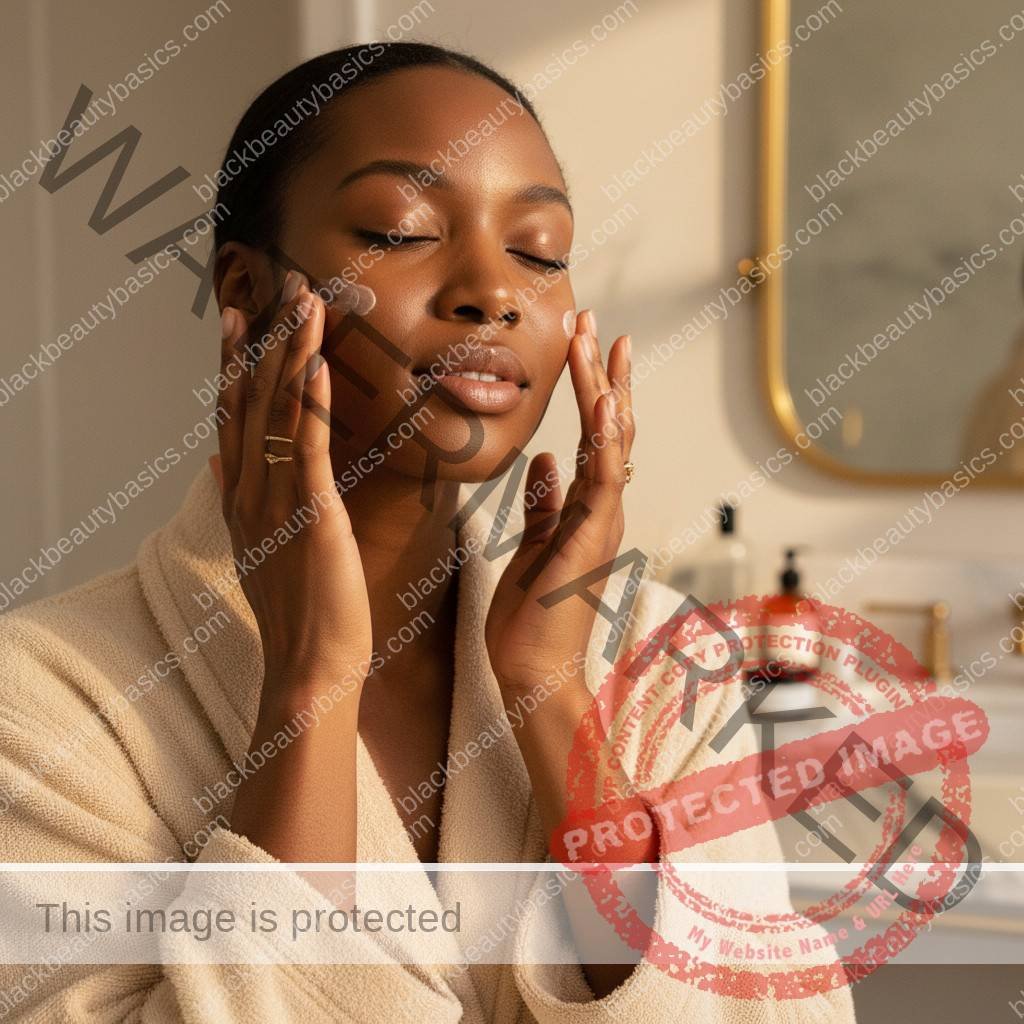
In summary, during pregnancy and breastfeeding, a cautious and informed approach to actives, treatments, and “natural” products is paramount. Prioritize ingredients with established safety profiles, simplify your routine, and always involve your healthcare providers in decision-making. This thoughtful strategy ensures you care for your skin effectively while safeguarding your baby’s health.
In-Office Procedures, Devices, and Why Extra Caution Matters
The landscape of in-office aesthetic procedures and at-home beauty devices has expanded dramatically, offering solutions for a myriad of skin concerns. However, for pregnant and breastfeeding individuals, and particularly for those with melanin-rich skin, the decision to undergo such treatments requires an elevated level of caution and discernment. The unique physiological changes during this period, coupled with the inherent characteristics of darker skin tones, necessitate a conservative approach to minimize risks and ensure optimal outcomes.
The Heightened Sensitivity of Melanin-Rich Skin
Melanin-rich skin is beautiful and resilient, but it also has specific characteristics that make it more prone to certain complications from aesthetic procedures. The primary concern is post-inflammatory hyperpigmentation (PIH). Any form of inflammation, trauma, or irritation to the skin can stimulate melanocytes (pigment-producing cells) to produce excess melanin, resulting in dark spots or patches that can be very stubborn to treat. During pregnancy, hormonal fluctuations further sensitize these melanocytes, increasing the risk of PIH and melasma even from mild stimuli.
Furthermore, the skin barrier might be more fragile, and overall skin sensitivity can increase. Procedures that might be routine for lighter skin tones could lead to unexpected reactions or prolonged healing times on darker skin. This is why a practitioner’s expertise with melanin-rich skin is non-negotiable, even outside of pregnancy.
In-Office Procedures: What to Avoid and What to Discuss
Many popular in-office procedures are generally advised against during pregnancy and breastfeeding due to a lack of safety data, potential systemic absorption, or the risk of adverse reactions exacerbated by hormonal changes.
- Chemical Peels: While very superficial peels with mild AHAs (e.g., lactic acid) might be considered by some clinicians, most medium to deep peels are contraindicated. The risk of irritation, inflammation, and subsequent PIH is significantly elevated for melanin-rich skin during this time. Even if a peel is deemed “safe” for pregnancy, it might not be the best choice for your skin type given the PIH risk.
- Microdermabrasion and Dermaplaning: These physical exfoliation methods are generally considered safe as they do not involve chemical absorption. However, they must be performed gently to avoid excessive irritation. For melanin-rich skin, even minor nicks or aggressive exfoliation can trigger PIH. Ensure your aesthetician is experienced with dark skin and uses a gentle hand.
- Microneedling (Collagen Induction Therapy): This procedure creates controlled micro-injuries to stimulate collagen production. While effective for texture and scars, the inflammation and healing process can be a significant trigger for PIH on darker skin, especially when hormones are fluctuating. Most experts recommend postponing microneedling until after pregnancy and breastfeeding.
- Laser and Light Therapies (IPL, Fractional Lasers, Hair Removal Lasers, Tattoo Removal Lasers): The vast majority of laser and light-based treatments are contraindicated during pregnancy and breastfeeding. There is insufficient safety data regarding the effects of laser energy on the fetus or breast milk. Moreover, the hormonal changes can make the skin more reactive to light, leading to unpredictable pigmentary changes (both hyper- and hypo-pigmentation) and burns, particularly on melanin-rich skin. Even if a laser is considered “safe” for dark skin in general, the added variable of pregnancy hormones makes it a much riskier proposition.
- Injectables (Botox, Dermal Fillers): These are universally advised against during pregnancy and breastfeeding due to a complete lack of safety data. The substances injected can potentially cross the placental barrier or enter breast milk.
- Body Contouring Treatments (e.g., CoolSculpting, Emsculpt, Radiofrequency): These are also contraindicated due to lack of safety data and the direct proximity to the abdomen or breast area.
At-Home Beauty Devices: A Cautious Approach
The market is flooded with at-home versions of professional devices. While some may seem innocuous, the same principles of caution apply.
- LED Light Therapy Devices: Generally considered low-risk, as LED light does not generate significant heat or UV radiation. However, there is still limited research specifically on pregnant and breastfeeding individuals. If considering an at-home LED device, discuss it with your doctor. Ensure the device is reputable and does not cause any discomfort or heat. For more detailed information, our article on LED Light Therapy at Home on Dark Skin offers valuable insights.
- Microcurrent Devices: These devices use low-level electrical currents to stimulate facial muscles. While not directly affecting the fetus, there’s a lack of specific safety data for pregnancy. Many manufacturers advise against use during pregnancy, especially if you have pacemakers or other medical implants. It’s best to err on the side of caution.
- At-Home Microneedling/Dermarollers: These should be avoided entirely. The risk of infection, irritation, and uneven micro-injuries is high, which can easily lead to PIH on dark skin, even outside of pregnancy. During pregnancy, the skin’s healing capacity might also be altered.
- High-Frequency Wands: These use a mild electrical current to produce ozone. While often used for acne, they are generally contraindicated in pregnancy due to the electrical current.
Why Extra Caution Matters for Melanin-Rich Skin
The phrase “extra caution” isn’t merely a suggestion; it’s a necessity for melanin-rich skin during this sensitive period. The potential for post-inflammatory hyperpigmentation is the most significant concern. A treatment that might cause temporary redness on lighter skin could result in weeks or months of dark spots on darker skin. These spots can be emotionally distressing and challenging to treat, often requiring a more aggressive approach post-pregnancy that you are trying to avoid now. Moreover, the hormonal fluctuations of pregnancy can make the skin’s response to treatments unpredictable, increasing the likelihood of unexpected side effects.
Before considering any in-office procedure or at-home device, a thorough consultation with a board-certified dermatologist who has extensive experience with melanin-rich skin is paramount. Be completely transparent about your pregnancy or breastfeeding status. A reputable practitioner will prioritize your safety and the baby’s well-being above all else, even if it means recommending a postponement of treatments. Remember, patience and prevention are your best allies during this transformative time. For a deeper understanding of how to approach aesthetic treatments, our article on Safety Frameworks for Melanin-Rich Skin in Aesthetics provides a valuable perspective.
Questions to Ask Your OB/GYN, Dermatologist, or Pediatric Clinician
Navigating skincare and treatments during pregnancy and breastfeeding requires a collaborative approach with your healthcare providers. It’s essential to empower yourself with the right questions to ensure you receive personalized, safe, and effective advice. Do not hesitate to bring up your skincare concerns; they are a valid part of your overall health and well-being during this time. Here are key questions to ask your OB/GYN, dermatologist, or pediatric clinician:
Questions for Your OB/GYN
Your obstetrician-gynecologist is your primary point of contact for all pregnancy-related health concerns. They should be your first stop for general guidance on skincare ingredient safety.
- “Are there any specific skincare ingredients or types of treatments I should absolutely avoid during pregnancy/breastfeeding?” This open-ended question allows them to provide a broad overview of their recommendations, covering common concerns like retinoids, high-dose salicylic acid, and certain essential oils.
- “I’m experiencing [acne/melasma/dryness]. Are there any over-the-counter ingredients or gentle prescription options you would recommend or clear me to use?” Be specific about your concerns. They might suggest gentle options like azelaic acid, benzoyl peroxide, or specific hydrating ingredients.
- “I’m considering using [specific product/ingredient, e.g., a Vitamin C serum, a new moisturizer]. Is this generally considered safe for use during pregnancy/breastfeeding?” If you have a particular product or ingredient in mind, ask directly. It’s helpful to bring the product packaging or a list of ingredients.
- “What is your general stance on in-office cosmetic procedures (e.g., mild chemical peels, microdermabrasion, lasers) during pregnancy/breastfeeding?” Understand their comfort level and any blanket policies they might have regarding aesthetic treatments. They can advise on whether to postpone or refer you to a dermatologist for a more detailed discussion.
- “Are there any specific concerns about my skin type (melanin-rich skin) that I should be aware of regarding skincare safety during this time?” This question acknowledges the unique needs of dark skin and prompts them to consider the increased risk of PIH or other specific reactions.
Questions for Your Dermatologist
A board-certified dermatologist, especially one experienced with melanin-rich skin, is your expert for specific skin conditions and advanced treatments. They can provide tailored advice and manage concerns that go beyond basic skincare.
- “Given my melanin-rich skin and my pregnancy/breastfeeding status, what is the safest and most effective approach to manage my [acne/melasma/hyperpigmentation]?” This question frames your concerns within the context of your skin type and current physiological state, prompting a nuanced recommendation.
- “I’ve heard about [ingredient X, e.g., azelaic acid, niacinamide] for pregnancy-safe skincare. Is this something you would recommend for my skin concerns?” Show that you’ve done some research and are open to discussing specific, generally accepted safe ingredients.
- “What in-office treatments, if any, are truly safe and advisable for melanin-rich skin during pregnancy/breastfeeding to address [specific concern, e.g., dullness, mild texture issues]?” Be prepared for the answer to be “very few” or “none.” A good dermatologist will prioritize safety over immediate results.
- “If I decide to postpone treatments until after breastfeeding, what can I do now to prevent my condition from worsening, and what will be the plan for treatment later?” This shows a long-term perspective and allows the dermatologist to outline a future strategy.
- “What are the risks of post-inflammatory hyperpigmentation with any recommended treatment, and how can we minimize those risks for my skin type?” This is a crucial question for melanin-rich skin, ensuring the dermatologist is mindful of PIH prevention and management.
- “Can you recommend a pregnancy/breastfeeding-safe sunscreen that works well on dark skin without leaving a white cast?” Getting a specific product recommendation from an expert can be very helpful.
Questions for Your Pediatric Clinician (if breastfeeding)
While your pediatrician’s primary focus is your baby’s health, they can offer valuable insights regarding the safety of topical products for breastfeeding mothers, especially concerning potential transfer through breast milk.
- “I am breastfeeding and using [specific topical product/ingredient, e.g., a medicated acne cream, a strong body lotion]. Is there any concern about this transferring to my breast milk and affecting my baby?” Be explicit about the product or ingredient.
- “Are there any specific ingredients in skincare products that you would advise breastfeeding mothers to avoid due to potential infant exposure?” This provides a general guideline from their perspective.
- “If I need to use a topical medication, are there any precautions I should take, such as avoiding application to the breast area, or washing it off before nursing?” Practical advice on application can help reduce infant exposure.
Always remember to be transparent about your pregnancy or breastfeeding status with all healthcare providers. If you receive conflicting advice, don’t hesitate to seek a second opinion or ask for clarification. Your proactive engagement ensures that your skincare journey during this special time is as safe and effective as possible for both you and your baby.
How to Adjust the Routine if Acne, Pigment, or Irritation Flares
Even with the most careful planning, hormonal shifts during pregnancy and breastfeeding can lead to unexpected skin flares, presenting as new or worsened acne, increased hyperpigmentation, or general irritation. For melanin-rich skin, these flares can be particularly distressing due to the heightened risk of persistent post-inflammatory hyperpigmentation. The key to managing these situations is a thoughtful, gentle, and proactive approach, often involving simplification and targeted, safe interventions.
Addressing Acne Flares
Pregnancy hormones, particularly androgens, can stimulate increased oil production, leading to breakouts. If acne flares:
- Re-evaluate Your Cleansing: Ensure your cleanser is truly gentle and non-stripping. Over-cleansing or using harsh products can exacerbate acne by irritating the skin and disrupting the barrier. Consider a salicylic acid cleanser (at 2% or less, and if cleared by your doctor) as a wash-off treatment a few times a week, or a gentle foaming cleanser.
- Incorporate Safe Actives:
- Azelaic Acid: This is often the first-line recommendation for pregnancy and breastfeeding acne. It’s anti-inflammatory, antibacterial, and helps with cell turnover. Start with a 10% serum or cream and apply once daily, increasing to twice if tolerated.
- Benzoyl Peroxide: For more stubborn breakouts, a 2.5% or 5% benzoyl peroxide spot treatment or wash can be effective. Use sparingly and only on affected areas, as it can be drying and potentially bleach fabrics. Ensure your doctor approves.
- Niacinamide: While not a primary acne treatment, niacinamide (Vitamin B3) can help reduce inflammation and redness associated with breakouts, and support barrier function. It’s safe and beneficial for overall skin health.
- Avoid Picking: This is crucial for melanin-rich skin. Picking at blemishes almost guarantees post-inflammatory hyperpigmentation, which will be much harder to fade than the original pimple.
- Hydrate Adequately: Even oily, acne-prone skin needs hydration. Use a lightweight, non-comedogenic moisturizer to prevent the skin from overcompensating with more oil production.
- Consult Your Dermatologist: If over-the-counter options aren’t sufficient, your dermatologist can prescribe stronger, pregnancy-safe topical medications.
Managing Increased Pigmentation (Melasma, PIH)
Melasma (“mask of pregnancy”) and post-inflammatory hyperpigmentation are common and often worsened by hormonal changes and sun exposure. Prevention is key, but if they flare, here’s how to manage:
- Sun Protection is Paramount: This cannot be stressed enough. Diligent, consistent use of a broad-spectrum mineral sunscreen (SPF 30+) is your best defense. Reapply every two hours when outdoors. Wear wide-brimmed hats and seek shade. Without strict sun protection, any other treatment will be largely ineffective.
- Introduce Safe Brightening Actives:
- Azelaic Acid: Excellent for melasma and PIH. It inhibits tyrosinase, an enzyme involved in melanin production. Use consistently for several months to see results.
- Vitamin C: A powerful antioxidant that helps inhibit melanin production and brightens the skin. Incorporate a stable Vitamin C serum into your morning routine.
- Niacinamide: Helps prevent the transfer of pigment within skin cells, reducing the appearance of dark spots. It also strengthens the skin barrier, which can reduce inflammation that triggers PIH.
- Alpha Hydroxy Acids (AHAs): Glycolic and lactic acids can help gently exfoliate the skin, promoting cell turnover and helping to fade superficial pigmentation. Start with lower concentrations and use a few times a week, monitoring for irritation.
- Be Patient: Fading hyperpigmentation, especially melasma, takes time and consistency. Expect to see gradual improvements over weeks to months.
- Avoid Irritation: Any irritation can worsen pigmentation. Be gentle with your skin, avoid harsh scrubs or aggressive treatments, and patch test new products.
- Dermatologist Consultation: For persistent or severe pigmentation, a dermatologist can confirm the diagnosis (e.g., differentiate melasma from other forms of hyperpigmentation) and offer stronger, pregnancy-safe prescription options if necessary.
Calming Irritation and Sensitivity
Hormonal fluctuations can make your skin more reactive, leading to redness, itching, dryness, or a compromised barrier. If irritation flares:
- Simplify Your Routine Drastically: Strip your routine back to the absolute basics: a gentle cleanser, a rich, fragrance-free moisturizer, and mineral sunscreen. Eliminate all active ingredients, exfoliants, and anything with potential irritants like fragrance or essential oils.
- Focus on Barrier Repair:
- Ceramides: Look for moisturizers rich in ceramides, cholesterol, and fatty acids, which are the building blocks of a healthy skin barrier.
- Hyaluronic Acid and Glycerin: These humectants draw moisture into the skin, helping to plump and soothe.
- Oatmeal (Colloidal): Products containing colloidal oatmeal can be incredibly soothing for irritated, itchy skin.
- Avoid Hot Water: Use lukewarm water for cleansing and showering, as hot water can strip natural oils and exacerbate dryness and irritation.
- Patch Test New Products: Always introduce new products one at a time and patch test on a small, inconspicuous area (like behind the ear or on the inner arm) for a few days before applying to your entire face.
- Identify and Eliminate Triggers: Think about anything new you’ve introduced – a new laundry detergent, a different makeup product, or even a change in diet.
- Consult Your Doctor: If irritation is severe, persistent, or accompanied by a rash, consult your OB/GYN or dermatologist to rule out allergic reactions, eczema, or other dermatological conditions. They may recommend mild, safe topical corticosteroids for short-term relief. For more on barrier repair, refer to our article on Barrier Repair and Moisture Balance.
The overarching principle when addressing any flare-up during pregnancy and breastfeeding is patience, gentleness, and a willingness to simplify. Your skin is undergoing profound changes, and sometimes, the best approach is to support its natural healing process with minimal, safe intervention. Always communicate with your healthcare providers about persistent or worsening concerns.
How to Navigate This Topic
Navigating skincare during pregnancy and breastfeeding can feel overwhelming, but approaching it with a structured mindset can bring clarity and confidence. This topic is best understood by embracing a few key principles and frameworks that prioritize safety, efficacy, and your unique needs as a woman with melanin-rich skin.

Embrace the Precautionary Principle
When in doubt, err on the side of caution. This is the golden rule for anything ingested or applied topically during pregnancy and breastfeeding. The absence of evidence of harm does not equate to evidence of safety. Many ingredients and treatments simply lack sufficient, rigorous studies on pregnant or lactating individuals, and ethical considerations prevent such studies. For melanin-rich skin, this principle is doubly important due to the increased risk of post-inflammatory hyperpigmentation from irritation or adverse reactions. If a product or procedure isn’t absolutely essential and doesn’t have clear safety clearance from your medical providers, it’s often best to postpone it.
Prioritize Communication with Healthcare Providers
Your OB/GYN, dermatologist, and pediatrician (if breastfeeding) are your most valuable resources. Do not rely solely on internet searches, social media, or even well-meaning friends. Always disclose your pregnancy or breastfeeding status to any medical or aesthetic professional before discussing or undergoing treatments. Be prepared to ask specific questions about ingredients and procedures, and don’t hesitate to seek a second opinion if you feel uncertain or receive conflicting advice. Remember, their role is to guide you safely through this journey.
Focus on Foundational Skincare
During this period, strip your routine back to the essentials: gentle cleansing, robust hydration and barrier support, and diligent sun protection. These three pillars are universally safe and incredibly effective for maintaining skin health and preventing many common concerns, especially hyperpigmentation on dark skin. Resist the urge to experiment with numerous new products or complex routines. A strong foundation will serve your skin best and reduce the likelihood of irritation or adverse reactions.
Understand “Natural” vs. “Safe”
Dispel the myth that “natural” automatically means “safe” or “better.” Many natural ingredients can be potent irritants or allergens, and some are contraindicated in pregnancy. Conversely, many synthetic ingredients are perfectly safe and highly effective. Always scrutinize ingredient lists, regardless of marketing claims. Focus on well-researched ingredients with established safety profiles for pregnancy and breastfeeding, rather than vague “natural” labels.
Be Patient and Realistic
Your body is undergoing profound changes. Skin concerns like melasma and hormonal acne are often transient and will improve or resolve after pregnancy and breastfeeding. While it’s valid to want to address these issues, understand that aggressive treatments might not be safe or advisable now. Embrace a mindset of managing and maintaining, rather than expecting dramatic transformations. Patience is a virtue, and protecting your baby’s health and your skin’s long-term integrity is the ultimate goal. Many of the more potent treatments for hyperpigmentation or acne can be safely revisited once you are no longer pregnant or breastfeeding.
Educate Yourself on Melanin-Rich Skin Needs
Continue to educate yourself on how different ingredients and treatments interact with melanin-rich skin. This knowledge empowers you to ask better questions and advocate for your specific needs. Understanding the increased propensity for PIH, for example, will inform your caution around any potentially irritating ingredient or procedure. Black Beauty Basics is here to provide you with culturally relevant, scientifically sound information to support this understanding.
By adopting these navigation strategies, you can approach your skincare journey during pregnancy and breastfeeding with confidence, making informed choices that honor both your well-being and the health of your baby, all while nurturing your beautiful melanin-rich skin.
Where to Go Next
Your journey through pregnancy and postpartum skin and hair transitions is a complex and deeply personal one. Black Beauty Basics is here to be your trusted companion, offering comprehensive resources tailored to the unique needs of melanin-rich skin. To continue building your knowledge and addressing specific concerns, we invite you to explore other articles within this cluster and related topics:
- For a broader understanding of the changes your skin may undergo, delve into our main cluster hub: Pregnancy and Postpartum Skin and Hair Transitions in Black Women.
- If you’re experiencing changes in skin color, such as melasma or linea nigra, our detailed guide will provide invaluable insights: Pregnancy Skin Changes on Dark Skin: Hyperpigmentation, Melasma, and Linea Nigra.
- For concerns like stretch marks, eczema, or other dermatologic conditions that can arise during pregnancy, find practical advice here: Stretch Marks, Eczema, and Other Dermatologic Conditions in Pregnant Black Women.
- As you transition into the postpartum period, learn how to gently reset your skin and address lingering concerns: Postpartum Skin Reset: Pigmentation, Acne, and Barrier Repair on Melanin-Rich Skin.
- Beyond skin, pregnancy and postpartum can significantly impact your hair. Understand these changes and how to care for your strands: Pregnancy and Postpartum Hair Changes in Black Women: Shedding, Density, and Texture.
- To understand the broader context of hormonal influences on your skin and hair, visit our parent pillar page: Hormonal Skin and Hair.
- For general guidance on maintaining a strong and healthy skin barrier, which is especially important during this time, explore: Barrier Repair and Moisture Balance.
- If you’re considering aesthetic treatments for melanin-rich skin, even post-pregnancy, understanding the foundational principles is key: Safety Frameworks for Melanin-Rich Skin in Aesthetics.
- And for preparing your skin for any procedure or treatment, our guide on pre- and post-care is invaluable: Prep and Aftercare Pillars for Melanin-Rich Skin Across Procedures.
Each resource is designed to provide you with the knowledge and confidence to make informed decisions for your unique beauty and wellness journey. We are committed to supporting you every step of the way.
Quick Principles
Navigating skincare during pregnancy and breastfeeding for melanin-rich skin can be distilled into a few core principles. These quick guidelines offer a mental framework to help you make informed decisions, prioritize safety, and maintain your skin’s health and radiance during this special time.
| Routine or Treatment Area | Safer General Mindset | One Caution Note |
|---|---|---|
| Overall Skincare Approach | Embrace “less is more.” Simplify your routine to essentials. | Avoid introducing many new products at once. |
| Cleansing | Opt for gentle, hydrating, fragrance-free cleansers. | Harsh, stripping cleansers can compromise the skin barrier and worsen irritation/pigmentation. |
| Moisturizing & Barrier Repair | Focus on ceramides, hyaluronic acid, glycerin, and nourishing oils. | Avoid heavy fragrances or essential oils if sensitivity is a concern. |
| Sun Protection | Daily, year-round use of broad-spectrum mineral SPF 30+. | Inconsistent sun protection is the fastest way to worsen melasma and hyperpigmentation. |
| Acne Management | Consider azelaic acid, low-dose benzoyl peroxide (with doctor’s clearance). | Avoid retinoids and high-concentration salicylic acid. Do not pick. |
| Hyperpigmentation/Melasma | Prioritize sun protection, azelaic acid, Vitamin C, niacinamide. | Avoid hydroquinone and most laser treatments due to safety concerns and PIH risk. |
| Exfoliation | Gentle AHAs (lactic, glycolic) at low concentrations, if tolerated. | Avoid aggressive physical scrubs or high-concentration chemical peels. |
| “Natural” Products | Research individual ingredients; “natural” doesn’t equal “safe.” | Many essential oils and plant extracts can be potent irritants or allergens. |
| In-Office Procedures | Assume most are contraindicated; discuss everything with your doctor. | Lasers, injectables, and deep peels are generally off-limits due to lack of safety data and PIH risk for dark skin. |
| At-Home Devices | Generally avoid, especially those involving heat or electrical currents. | Microneedling/dermarollers and high-frequency wands carry infection and PIH risks. |
| Consultation | Always inform your OB/GYN, dermatologist, and pediatrician about products/treatments. | Never self-diagnose or self-treat without professional medical advice. |
These principles are designed to serve as a practical guide, helping you navigate the complexities of skincare during this unique chapter. By adhering to them, you empower yourself to make choices that are both nurturing for your skin and safe for your baby.
Frequently Asked Questions
What skincare ingredients are definitively unsafe during pregnancy and breastfeeding?
Topical retinoids (retinol, tretinoin, adapalene, tazarotene) and oral retinoids (like isotretinoin) are definitively unsafe during pregnancy due to the risk of birth defects. Hydroquinone is generally advised against due to its systemic absorption, and high concentrations of salicylic acid (e.g., in peels) are also typically avoided. Always consult your OB/GYN or dermatologist for a comprehensive list tailored to your specific situation.
Can I still treat acne if I’m pregnant or breastfeeding?
Yes, you can! Safe options for acne during pregnancy and breastfeeding include azelaic acid, which is excellent for inflammation and breakouts, and low-concentration benzoyl peroxide (2.5-5%) as a spot treatment or wash. Gentle alpha hydroxy acids (AHAs) like glycolic or lactic acid can also be used for mild exfoliation. Always discuss with your doctor before starting any new acne treatment.
How can I prevent or treat melasma (the “mask of pregnancy”) on dark skin?
Prevention is paramount: diligent daily use of a broad-spectrum mineral sunscreen (SPF 30+) and physical sun protection (hats, shade) is crucial. For treatment, azelaic acid and Vitamin C are safe and effective options for melanin-rich skin during pregnancy and breastfeeding. Be patient, as fading melasma takes time and consistent effort.
Are “natural” skincare products always safe for pregnancy and breastfeeding?
No, “natural” does not automatically mean safe. Many natural ingredients, especially essential oils and potent plant extracts, can be irritants, allergens, or even contraindicated in pregnancy. Always research individual ingredients, prioritize products from reputable brands, and consult your doctor about specific natural ingredients you plan to use.
What about in-office treatments like lasers or chemical peels?
Most in-office aesthetic treatments, including lasers, IPL, microneedling, and medium-to-deep chemical peels, are generally advised against during pregnancy and breastfeeding. There’s a lack of safety data, and hormonal changes can increase the risk of adverse effects like post-inflammatory hyperpigmentation on melanin-rich skin. Consult your dermatologist for any exceptions or safe alternatives.
Is it okay to use hyaluronic acid and niacinamide during pregnancy and breastfeeding?
Yes, hyaluronic acid and niacinamide are both considered very safe and beneficial during pregnancy and breastfeeding. Hyaluronic acid provides excellent hydration, while niacinamide helps strengthen the skin barrier, reduce inflammation, and can improve uneven skin tone. They are excellent additions to a pregnancy-safe skincare routine for dark skin.
What is the most important thing to remember for skincare during this time?
The most important thing to remember is to prioritize safety for both you and your baby. Embrace a simpler routine focused on gentle cleansing, robust hydration, and diligent mineral sun protection. Always consult your OB/GYN, dermatologist, or pediatrician about any concerns or before introducing new products or treatments. Patience and caution are your best allies.
The journey of pregnancy and new motherhood is a unique and beautiful chapter, filled with profound changes. Your body, including your skin, is working tirelessly, and it deserves gentle, informed care. By embracing a minimalist approach, prioritizing safety, and maintaining open communication with your healthcare providers, you can confidently navigate your skincare routine. Remember, your radiance comes not just from your skin, but from the incredible strength and love within you. Black Beauty Basics is here to support you in honoring both your inner and outer glow throughout this extraordinary time.
INTERNAL LINKING OPPORTUNITIES
Pregnancy and Postpartum Skin and Hair Transitions in Black Women
Hormonal Skin and Hair
Pregnancy Skin Changes on Dark Skin: Hyperpigmentation, Melasma, and Linea Nigra
Stretch Marks, Eczema, and Other Dermatologic Conditions in Pregnant Black Women
Postpartum Skin Reset: Pigmentation, Acne, and Barrier Repair on Melanin-Rich Skin
Pregnancy and Postpartum Hair Changes in Black Women: Shedding, Density, and Texture
Barrier Repair and Moisture Balance
LED Light Therapy at Home on Dark Skin: Safety and Expectations
Safety Frameworks for Melanin-Rich Skin in Aesthetics
Prep and Aftercare Pillars for Melanin-Rich Skin Across Procedures
Continue exploring
Related posts:
 Melasma in Black Women: Pregnancy, Hormones, and Safe Treatments
 Pregnancy Skin Changes on Dark Skin: Hyperpigmentation, Melasma, and Linea Nigra
 When and How to Reapply SPF on Dark Skin During Real Days
 Working With Professional Treatments Alongside Gentle Routines for Melanin-Rich Skin
 Pregnancy & Postpartum Hair Changes in Black Women: Shedding, Density, and Texture
 Protecting Your Hair During Sleep, Work, and Exercise