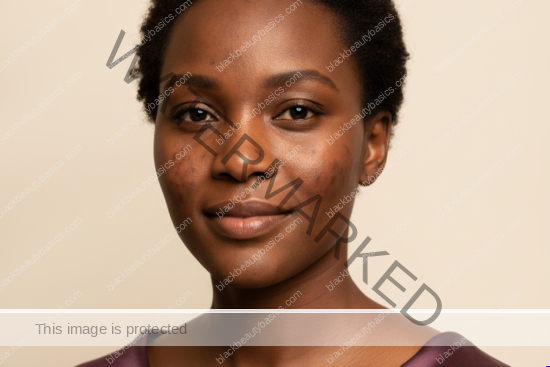
Postpartum Skin Reset: Pigmentation, Acne, and Barrier Repair on Melanin-Rich Skin
The journey into motherhood is a profound transformation, one that reshapes not just your life, but often your body and skin too. While pregnancy brings its own unique set of skin changes, the postpartum period introduces a new landscape of shifts that can feel both unexpected and, at times, unsettling. For many Black women and those with melanin-rich skin, the skin doesn’t always return to its pre-pregnancy baseline overnight. The hormonal symphony that orchestrated pregnancy doesn’t simply cease; it transitions, often leading to a period of recalibration that can manifest on your skin as lingering pigmentation, new or returning acne, dryness, or a general sense of sensitivity and fragility.
This period, often marked by sleep deprivation, the demands of a new baby, and a profound shift in personal priorities, can make addressing skin concerns feel overwhelming. You might find yourself looking in the mirror, noticing persistent dark spots that weren’t there before, or perhaps a resurgence of breakouts that feel different from adolescent acne. Your skin might feel tight, irritated, or simply less resilient than it once did. It’s a common experience, yet one that often goes unaddressed in the broader conversation around postpartum recovery. This guide is designed to validate those experiences, offering a warm and practical approach to understanding and nurturing your skin during this tender and transformative time. We’ll explore how to gently guide your melanin-rich skin back to a state of balance, focusing on core principles of repair and restoration rather than aggressive correction.
Our aim is to empower you with knowledge and simple, effective strategies for a postpartum skin reset. We understand that time and energy are precious commodities right now, so we’ll emphasize routines that are realistic and restorative. You don’t need an elaborate, multi-step regimen to make a meaningful difference. Instead, we’ll focus on foundational care that respects your skin’s current state and supports its natural healing process. We’ll delve into the nuances of postpartum pigmentation, the shifts in acne patterns, and the crucial role of barrier repair, all through the lens of melanin-rich skin. Consider this your compassionate companion on the path to rediscovering your skin’s radiance, one gentle step at a time.
What This Post Covers
This comprehensive guide is crafted to illuminate the specific skin transitions that often occur during the postpartum period for Black women and individuals with melanin-rich skin. We will delve into the physiological underpinnings of these changes, offering clarity and validation for what you might be experiencing. Our discussion will encompass the full spectrum of common postpartum skin concerns, from the persistence of hyperpigmentation to the emergence of new acne patterns, and the often-overlooked importance of barrier repair.
Specifically, we will explore:
- The hormonal landscape post-pregnancy: Understanding how fluctuating hormones influence skin behavior, leading to unpredictable shifts.
- Lingering pigmentation: A deep dive into melasma, post-inflammatory hyperpigmentation (PIH), and other dark marks that may persist or even appear after childbirth, with strategies tailored for melanin-rich skin.
- Postpartum acne: Examining the causes behind new or exacerbated breakouts, and how to manage them effectively without irritation.
- Barrier repair: Addressing dryness, sensitivity, and irritation by focusing on strengthening your skin’s protective barrier.
- Simple, effective routines: Practical advice on building a minimalist yet powerful skincare regimen that fits into your new life, prioritizing restoration over aggressive treatments.
- When to seek professional guidance: Identifying signs that warrant a consultation with a dermatologist or healthcare provider.
- Navigating self-care amid new demands: Acknowledging the realities of sleep deprivation and limited time, and how to integrate self-care gracefully.
Our goal is to equip you with the knowledge to approach your postpartum skin with confidence and grace, fostering a sense of control and self-love during this profound chapter of your life.
Why Postpartum Skin May Feel Less Predictable Than Expected
The expectation often set for new mothers is that once the baby arrives, the body, including the skin, will simply “bounce back.” However, for many, especially those with melanin-rich skin, the reality is far more nuanced and, at times, less predictable. The postpartum period is not an immediate return to baseline; it’s a dynamic phase of hormonal recalibration, physical recovery, and emotional adjustment. This complex interplay significantly influences how your skin behaves, often leading to conditions that can feel confusing or frustrating.
The Hormonal Rollercoaster After Birth
During pregnancy, your body is awash with elevated levels of hormones like estrogen and progesterone, which contribute to the “pregnancy glow” for some, but also to issues like melasma and increased oil production for others. After birth, these hormone levels plummet dramatically, particularly if you are not breastfeeding. This sudden drop, coupled with the rise of other hormones like prolactin (if breastfeeding), creates a new hormonal landscape that your skin must adapt to. This rapid shift can trigger a cascade of responses in the skin, from changes in oil production to alterations in cellular turnover and inflammatory responses. For melanin-rich skin, which is inherently more prone to hyperpigmentation, these hormonal fluctuations can exacerbate existing issues or trigger new ones, making the skin’s behavior feel erratic and difficult to anticipate.
Sleep Deprivation and Stress: The Silent Skin Saboteurs
Beyond hormones, the realities of new parenthood—chief among them, severe sleep deprivation and chronic stress—play a monumental role in skin health. Sleep is not merely a period of rest; it’s when your body, including your skin, performs essential repair and regeneration processes. Lack of quality sleep disrupts these functions, leading to impaired barrier function, increased inflammation, and a dull, fatigued complexion. Stress, whether from the demands of caring for a newborn, financial pressures, or the emotional weight of this life transition, triggers the release of cortisol. Elevated cortisol levels can increase oil production, contribute to breakouts, and impede the skin’s ability to heal and protect itself. For melanin-rich skin, this increased inflammation and impaired healing can directly translate to more persistent and pronounced post-inflammatory hyperpigmentation, making the “reset” feel like an uphill battle.
Nutritional Demands and Hydration Status
The postpartum body is also under immense nutritional demand, especially if breastfeeding. The energy and nutrient requirements are high, and if these aren’t adequately met, it can reflect in the skin’s vitality. Dehydration, often a consequence of increased fluid loss during breastfeeding or simply forgetting to drink enough water amidst the chaos, can further compromise skin health. Dehydrated skin is more prone to dryness, fine lines, and a compromised barrier, making it more susceptible to irritation and slower to recover from concerns like acne or pigmentation. The skin needs a steady supply of vitamins, minerals, and essential fatty acids to function optimally, and any deficiencies during this demanding period can manifest as dullness, dryness, or a general lack of resilience.
Limited Bandwidth for Self-Care
Perhaps one of the most significant yet often overlooked factors is the sheer lack of time and energy available for self-care, including skincare. A meticulous multi-step routine, once a source of enjoyment, can become an impossible chore. This limitation means that even if you understand what your skin needs, implementing it consistently can be challenging. The focus shifts from proactive care to reactive problem-solving, often with limited resources and mental bandwidth. This guide acknowledges these realities, advocating for a simplified, yet highly effective approach that respects your current capacity. We understand that “self-care” might look different now, and that’s perfectly okay. The goal is not perfection, but progress and gentle restoration.
Lingering Pigmentation: Melasma, Dark Marks, and Uneven Tone After Pregnancy
For Black women and individuals with melanin-rich skin, hyperpigmentation is a common and often persistent concern, and the postpartum period can exacerbate it significantly. The hormonal shifts of pregnancy and childbirth can leave behind a mosaic of dark spots, patches, and an uneven skin tone that can feel frustratingly resistant to improvement. Understanding the types of pigmentation and how they manifest on darker skin tones is the first step toward effective and gentle management.
Understanding Postpartum Hyperpigmentation on Melanin-Rich Skin
Melanin-rich skin is inherently more prone to hyperpigmentation due to the higher activity of melanocytes, the cells responsible for producing melanin. Any inflammation, hormonal fluctuation, or trauma can trigger these cells to produce excess pigment, leading to dark spots that are often more pronounced and longer-lasting than on lighter skin tones. In the postpartum period, this predisposition is amplified by several factors.
Melasma (The “Mask of Pregnancy”)
Melasma is perhaps the most well-known pregnancy-related pigmentation, often referred to as the “mask of pregnancy.” It typically appears as symmetrical, blotchy patches of brown or grayish-brown discoloration, most commonly on the face—cheeks, forehead, upper lip, and chin. While often triggered by the high estrogen and progesterone levels during pregnancy, melasma can persist or even worsen postpartum. The hormonal shifts after birth don’t always immediately resolve it, and for some, it can become a chronic condition. On melanin-rich skin, melasma can appear darker and more difficult to treat, often having a deeper dermal component that makes it resistant to superficial treatments. Sun exposure is a significant aggravating factor, making consistent sun protection paramount.
Post-Inflammatory Hyperpigmentation (PIH)
Post-inflammatory hyperpigmentation (PIH) is another prevalent concern, especially for those who experienced acne during pregnancy or postpartum. PIH occurs when any form of skin inflammation or injury—be it a pimple, scratch, rash, or even excessive rubbing—triggers melanocytes to produce extra melanin as the skin heals. This results in dark spots or patches where the inflammation occurred. For melanin-rich skin, PIH can range from light brown to deep black and can take months, or even years, to fade naturally. The postpartum period, with its potential for increased acne and general skin sensitivity, creates a fertile ground for new PIH to form, adding to the overall unevenness of skin tone.
Other Pigmentary Changes
Beyond melasma and PIH, other pigmentary changes can linger. The linea nigra, the dark line that appears on the abdomen during pregnancy, usually fades postpartum but can sometimes persist. Areas of friction, such as the inner thighs or underarms, can also darken during pregnancy and may not fully lighten afterward. These changes, while often benign, contribute to the overall feeling of an altered skin landscape.
Gentle Strategies for Fading Postpartum Pigmentation
The key to addressing postpartum pigmentation on melanin-rich skin is patience, consistency, and a gentle approach. Aggressive treatments can often lead to further irritation and, paradoxically, worsen hyperpigmentation. The goal is to gradually encourage cell turnover and inhibit excess melanin production without compromising the skin barrier.
1. Non-Negotiable Sun Protection
This is the single most critical step for managing and preventing hyperpigmentation. UV radiation is the primary trigger for melasma and significantly darkens PIH. For melanin-rich skin, a broad-spectrum sunscreen with an SPF of 30 or higher, applied daily and reapplied every two hours when outdoors, is essential. Look for mineral sunscreens containing zinc oxide and titanium dioxide, as these tend to be less irritating and provide excellent broad-spectrum protection. Many formulations designed for darker skin tones now offer minimal white cast. Shop mineral sunscreen for dark skin on Amazon.
2. Gentle Exfoliation and Cell Turnover
Instead of harsh scrubs, focus on ingredients that gently promote cell turnover to shed pigmented cells.
- AHAs (Alpha Hydroxy Acids): Lactic acid and mandelic acid are excellent choices for melanin-rich skin. They are larger molecules, making them gentler and less likely to cause irritation compared to glycolic acid. They help to exfoliate the surface layers of the skin, improving tone and texture. Start with low concentrations (5-8%) a few times a week.
- Enzymatic Exfoliants: Papain (from papaya) and bromelain (from pineapple) are fruit enzymes that gently digest dead skin cells without harsh scrubbing. These can be a good option for very sensitive skin.
Always introduce new exfoliants slowly and observe your skin’s reaction. Over-exfoliation can lead to inflammation and worsen PIH.
3. Targeted Brightening Ingredients
Once your skin barrier is healthy and you’re consistently using sunscreen, you can introduce targeted brightening ingredients.
- Vitamin C (Ascorbic Acid): A powerful antioxidant that brightens skin, evens tone, and protects against environmental damage. Look for stable forms like L-ascorbic acid or its derivatives. It can also help boost collagen production.
- Niacinamide (Vitamin B3): This versatile ingredient helps to reduce the transfer of pigment to skin cells, improve barrier function, reduce inflammation, and minimize pore appearance. It’s generally well-tolerated by sensitive skin.
- Kojic Acid: Derived from fungi, kojic acid inhibits tyrosinase, an enzyme essential for melanin production. It’s effective for treating PIH and melasma.
- Alpha Arbutin: A gentler derivative of hydroquinone, alpha arbutin also inhibits tyrosinase activity, making it effective for fading dark spots without significant irritation.
- Azelaic Acid: This ingredient is a powerhouse for both acne and hyperpigmentation. It has anti-inflammatory properties, reduces redness, and inhibits melanin production. It’s often well-tolerated during pregnancy and breastfeeding (check with your doctor), making it a safe and effective option postpartum.
Introduce one new active at a time, allowing your skin to adjust. Consistency over time is far more effective than aggressive, short-term use.
4. Retinoids (with caution)
While retinoids (like retinol and tretinoin) are highly effective for pigmentation and cell turnover, they are generally not recommended during pregnancy and breastfeeding. Once you have stopped breastfeeding, and if your skin barrier is robust, you can consider incorporating a gentle retinoid under professional guidance. Start with a low concentration and use it infrequently, gradually increasing as tolerated. Retinoids can be irritating initially, and for melanin-rich skin, this irritation can lead to new PIH if not managed carefully.
Patience and Realistic Expectations
Fading hyperpigmentation, especially melasma and deep PIH on melanin-rich skin, is a marathon, not a sprint. It can take months of consistent effort to see significant improvement. Avoid the temptation to use multiple aggressive treatments simultaneously, as this often leads to irritation and setbacks. Focus on a simple, consistent routine that prioritizes sun protection, barrier health, and gentle brightening. Celebrate small victories and remember that your skin is still recovering and adapting. If home care isn’t yielding the desired results, or if your pigmentation is particularly stubborn, consulting a dermatologist experienced with melanin-rich skin can provide access to stronger prescription treatments or in-office procedures like chemical peels or laser therapy, tailored to your specific needs.
Postpartum Acne and Why Hormone Shifts Can Change Breakout Patterns
Just when you thought the hormonal rollercoaster was settling down, postpartum acne can emerge as an unwelcome guest. For many Black women, this isn’t just a few minor blemishes; it can be a significant shift in breakout patterns, ranging from persistent hormonal cysts to widespread congestion. Understanding why this happens and how to address it gently is crucial for restoring skin clarity.
The Hormonal Influence on Postpartum Acne
During pregnancy, elevated estrogen levels can sometimes lead to clearer skin for some, while for others, increased progesterone can stimulate oil glands, causing breakouts. Postpartum, the hormonal landscape undergoes another dramatic shift. Estrogen and progesterone levels plummet, while other hormones, particularly androgens, can become relatively more dominant. This imbalance can trigger increased sebum (oil) production, leading to clogged pores and an environment ripe for acne-causing bacteria.
Androgen Dominance and Sebum Production
Androgens, often considered “male hormones” but present in women, play a significant role in stimulating sebaceous glands. After the dramatic drop in pregnancy hormones, the relative increase or dominance of androgens can lead to an overproduction of oil. This excess sebum mixes with dead skin cells, clogging pores and creating the perfect breeding ground for P. acnes bacteria, resulting in inflammatory breakouts.
Stress and Cortisol
As discussed earlier, the immense stress and sleep deprivation of new motherhood also contribute significantly to postpartum acne. Stress elevates cortisol levels, which in turn can stimulate oil production and increase inflammation throughout the body, including the skin. This stress-induced acne often manifests as deeper, more painful cysts, particularly around the jawline, chin, and neck—classic areas for hormonal breakouts.
Breastfeeding and Prolactin
If you are breastfeeding, prolactin levels remain high. While prolactin itself isn’t directly linked to acne in the same way androgens are, the overall hormonal milieu during lactation can still contribute to skin imbalances. Some women find their skin remains oilier during breastfeeding, while others experience increased dryness and sensitivity, which can also exacerbate breakouts if the skin barrier is compromised.
Common Postpartum Acne Patterns on Melanin-Rich Skin
Postpartum acne on melanin-rich skin can present in various ways, and it’s important to recognize these patterns:
- Cystic and Nodular Acne: Often deep, painful, and inflamed lesions that can linger for weeks. These are particularly prone to leaving significant post-inflammatory hyperpigmentation (PIH) on darker skin tones.
- Comedonal Acne: Characterized by blackheads (open comedones) and whiteheads (closed comedones), often appearing as small bumps across the forehead, nose, and chin.
- Jawline and Chin Breakouts: A classic sign of hormonal acne, these breakouts tend to cluster around the lower face and can be more inflammatory.
- Body Acne: Breakouts on the chest, back, and shoulders can also increase postpartum, often due to increased sweating, friction from clothing, and hormonal shifts.
The primary concern with postpartum acne on melanin-rich skin is the high likelihood of developing PIH. Every breakout, even a small one, can leave a dark mark that takes months to fade, creating a cycle of acne and subsequent discoloration.
Gentle and Effective Strategies for Managing Postpartum Acne
The approach to postpartum acne must be gentle and focused on reducing inflammation and preventing PIH, while respecting the skin’s potentially compromised barrier. Aggressive treatments can irritate melanin-rich skin, leading to more inflammation and worse hyperpigmentation.

1. Gentle Cleansing
Use a mild, sulfate-free cleanser twice daily. Avoid harsh scrubbing or over-washing, which can strip the skin and trigger more oil production. Look for cleansers with ingredients like salicylic acid (if not breastfeeding, or in low concentrations if cleared by your doctor) or gentle botanicals to help keep pores clear without irritation. Shop gentle acne cleanser for dark skin on Amazon.
2. Non-Comedogenic Hydration
Even oily or acne-prone skin needs moisture. Skipping moisturizer can signal your skin to produce more oil. Choose a lightweight, non-comedogenic moisturizer that won’t clog pores. Look for ingredients like hyaluronic acid, glycerin, and ceramides to support barrier function without adding heaviness.
3. Targeted Acne Treatments (with caution)
Introduce active ingredients slowly and strategically.
- Azelaic Acid: A fantastic multi-tasker for postpartum skin. It’s anti-inflammatory, antibacterial, helps unclog pores, and inhibits melanin production, making it excellent for both acne and PIH. It’s often considered safe during breastfeeding (consult your doctor).
- Salicylic Acid (BHA): A beta-hydroxy acid that is oil-soluble, meaning it can penetrate into pores to dissolve sebum and dead skin cells. Use in low concentrations (0.5-2%) in a cleanser or leave-on treatment. If breastfeeding, consult your doctor about its safety and concentration.
- Benzoyl Peroxide: An effective antibacterial agent for inflammatory acne. However, it can be drying and irritating, especially for melanin-rich skin, potentially leading to PIH. Use sparingly as a spot treatment in low concentrations (2.5%) if tolerated, and always follow with moisturizer and sunscreen. Consult your doctor if breastfeeding.
- Niacinamide: While not a direct acne treatment, its anti-inflammatory properties can help calm breakouts and reduce redness, while also addressing PIH and barrier health.
Avoid using multiple strong actives at once. Prioritize barrier health above all else.
4. Sun Protection (Again!)
Sunscreen is crucial for preventing existing acne spots from darkening into PIH. Any inflammation on melanin-rich skin, when exposed to UV light, is more likely to leave a lasting dark mark. Consistent broad-spectrum SPF 30+ is non-negotiable.
5. Lifestyle Adjustments
- Stress Management: Easier said than done with a newborn, but even small moments of mindfulness, deep breathing, or a quick walk can help manage cortisol levels.
- Hydration: Drink plenty of water to support overall skin health and detoxification.
- Diet: While diet’s link to acne is complex, some find that reducing dairy, high glycemic index foods, and excessive sugar can help. Pay attention to your body’s signals.
- Pillowcases and Towels: Change pillowcases frequently and use clean towels to avoid transferring bacteria to your face.
When to Seek Professional Help
If your postpartum acne is severe, painful, persistent, or significantly impacting your quality of life, it’s time to consult a dermatologist. A dermatologist experienced with melanin-rich skin can offer prescription-strength topical treatments (like topical retinoids, antibiotics, or stronger azelaic acid), oral medications (if appropriate and safe for breastfeeding), or in-office procedures like chemical peels or extractions that are tailored to your skin type and concerns. They can also help differentiate hormonal acne from other conditions. Remember, you don’t have to suffer in silence; professional guidance can make a significant difference.
Barrier Repair When Skin Feels Dry, Stingy, Tight, or Overreactive
The skin barrier, often referred to as the stratum corneum, is your body’s first line of defense against environmental aggressors, irritants, and moisture loss. It’s like a protective wall, composed of skin cells (corneocytes) held together by a lipid matrix of ceramides, cholesterol, and fatty acids. When this barrier is compromised, your skin becomes vulnerable, leading to a host of uncomfortable symptoms: dryness, tightness, redness, itching, stinging, and increased sensitivity. In the postpartum period, a compromised barrier is incredibly common due to hormonal shifts, sleep deprivation, stress, and sometimes, even the use of harsh products in an attempt to “fix” new skin issues. For melanin-rich skin, a damaged barrier can also exacerbate hyperpigmentation and make the skin more reactive to treatments.
Signs of a Compromised Skin Barrier
Recognizing the signs of a damaged barrier is the first step toward repair. You might experience:
- Persistent Dryness and Flakiness: Even after moisturizing, your skin feels parched and tight.
- Redness and Inflammation: Your skin looks flushed or irritated more easily.
- Stinging or Burning Sensation: Products that were once fine now cause discomfort, especially after cleansing or applying actives.
- Increased Sensitivity: Your skin reacts to environmental factors like wind, cold, or even certain fabrics.
- Rough or Bumpy Texture: The skin surface feels uneven, sometimes with tiny bumps that aren’t necessarily acne.
- Dullness: A lack of radiance, as the compromised barrier reflects light poorly.
- Acne Flare-ups: A weakened barrier can’t effectively protect against bacteria, leading to more breakouts.
- Slow Healing: Minor irritations or breakouts take longer to resolve.
Why Postpartum Skin Barrier Takes a Hit
Several factors converge postpartum to challenge the skin barrier:
- Hormonal Fluctuations: The dramatic drop in estrogen can lead to decreased natural oil production, making the skin drier and more susceptible to barrier damage.
- Dehydration: Especially if breastfeeding, the body’s increased fluid demands can lead to systemic dehydration, which reflects in the skin’s moisture levels.
- Sleep Deprivation and Stress: As previously mentioned, these disrupt the skin’s natural repair processes and increase inflammation, both detrimental to barrier integrity.
- Environmental Stressors: Exposure to dry air, harsh cleansers, or even certain ingredients in skincare products can further strip the skin’s protective lipids.
- Over-Exfoliation or Aggressive Treatments: In an attempt to address new acne or pigmentation, some might inadvertently use too many active ingredients or harsh exfoliants, stripping the barrier and causing a vicious cycle of irritation.
The Essential Pillars of Barrier Repair for Melanin-Rich Skin
Repairing a compromised barrier requires a “less is more” approach, focusing on gentle, nourishing ingredients that replenish lost lipids and support the skin’s natural healing. For melanin-rich skin, maintaining barrier integrity is paramount to prevent inflammation that can trigger hyperpigmentation. Shop barrier repair cream for dark skin on Amazon.
1. Simplify Your Routine
When your barrier is compromised, strip your routine back to the absolute essentials: a gentle cleanser, a hydrating serum, a rich moisturizer, and sunscreen. Temporarily discontinue all active ingredients like retinoids, AHAs, BHAs, and even Vitamin C, until your skin feels calm and comfortable again. Reintroduce them one by one, very slowly, once your barrier is restored.
2. Gentle Cleansing
Use a non-foaming, hydrating cleanser that doesn’t strip your skin. Look for ingredients like ceramides, hyaluronic acid, or glycerin. Wash with lukewarm water and pat your skin dry with a soft towel, never rub. Avoid harsh soaps or cleansers with sulfates. One wash in the evening might be enough, with just a splash of water in the morning if your skin is very dry.
3. Replenish with Key Barrier-Building Ingredients
- Ceramides: These are the “mortar” between your skin cells, crucial for holding the barrier together and preventing moisture loss. Look for moisturizers and serums rich in ceramides.
- Cholesterol and Fatty Acids: These lipids work synergistically with ceramides to rebuild the barrier. Many good barrier repair creams will contain a balanced ratio of these lipids.
- Hyaluronic Acid: A powerful humectant that draws moisture from the air into the skin, keeping it hydrated and plump. Apply to damp skin for best results.
- Glycerin: Another excellent humectant that helps to hydrate and strengthen the barrier.
- Niacinamide (Vitamin B3): This superstar ingredient not only helps with pigmentation and inflammation but also significantly strengthens the skin barrier by boosting ceramide production. It’s generally very well-tolerated.
- Squalane: A non-comedogenic emollient that mimics the skin’s natural oils, providing deep hydration and reducing transepidermal water loss.
4. Rich, Emollient Moisturizers
Opt for thicker, cream-based moisturizers rather than lightweight lotions, especially in the evening. These provide a protective occlusive layer that seals in moisture and supports barrier healing. Apply moisturizer generously to slightly damp skin to lock in hydration. For extremely dry or compromised skin, consider layering a facial oil over your moisturizer to further seal in moisture.
5. Consistent Sun Protection
A compromised barrier is more vulnerable to UV damage. Continue to use a broad-spectrum mineral sunscreen (SPF 30+) daily. Mineral sunscreens (zinc oxide, titanium dioxide) are often less irritating for sensitive, compromised skin.
6. Lifestyle Support
- Hydration from Within: Drink plenty of water throughout the day.
- Humidifier: If you live in a dry climate or during winter months, a humidifier in your bedroom can significantly help prevent moisture loss from your skin overnight.
- Avoid Hot Showers: Hot water can strip the skin of its natural oils. Opt for lukewarm showers and baths.
- Manage Stress: Prioritize moments of calm, even if brief, to help reduce systemic inflammation.
Patience and Consistency are Key
Barrier repair takes time, often several weeks or even months of consistent, gentle care. Your skin needs time to rebuild its protective layers. Resist the urge to reintroduce active ingredients too soon or to try new products frequently. Listen to your skin; if it feels stingy, tight, or irritated, simplify your routine further. Once your barrier is healthy and resilient, your skin will be much better equipped to tolerate and benefit from targeted treatments for pigmentation and acne, without the risk of further irritation and PIH.
What a Simple Postpartum Routine May Focus on First
In the whirlwind of new motherhood, a complex, multi-step skincare routine is often an unrealistic luxury. The goal for a postpartum skin reset, especially for melanin-rich skin, is to establish a simple, effective, and restorative routine that addresses immediate concerns without causing further stress or irritation. The focus should be on nurturing the skin back to health, prioritizing barrier integrity, hydration, and gentle protection before tackling more aggressive correction.
This “less is more” philosophy is not just about convenience; it’s about efficacy. Overwhelmed skin, particularly a compromised barrier, will not respond well to a barrage of active ingredients. By simplifying, you allow your skin to heal and regain its natural balance, setting a stronger foundation for any targeted treatments you might introduce later. This approach also respects your limited time and energy, making skincare a moment of self-care rather than another chore.
The Foundational Three: Morning and Evening
At its core, a postpartum routine should revolve around three essential steps:
Morning Routine: Protect and Hydrate
- Gentle Cleanse (Optional): If your skin is very dry or sensitive, a splash of lukewarm water might be sufficient. Otherwise, use a mild, non-stripping cleanser. The goal is to refresh the skin, not to strip it.
- Hydrate & Nourish: Apply a hydrating serum or essence, focusing on ingredients like hyaluronic acid, glycerin, or niacinamide. Follow with a rich, emollient moisturizer. These steps replenish moisture and support your skin barrier throughout the day.
- Broad-Spectrum Sunscreen (Non-Negotiable): This is your most important protective step. Use a mineral-based SPF 30+ sunscreen with zinc oxide and/or titanium dioxide. This protects against UV damage, which can worsen hyperpigmentation and compromise barrier health. Reapply every two hours if outdoors for extended periods.
Evening Routine: Cleanse, Treat (Gently), and Repair
- Gentle Cleanse: This step is crucial to remove makeup, sunscreen, and environmental impurities accumulated throughout the day. Use a mild, hydrating cleanser. If you wear makeup, consider a double cleanse with an oil or balm cleanser first, followed by your gentle water-based cleanser.
- Targeted Treatment (Optional & Gentle): If your skin barrier is healthy and you’re addressing specific concerns like pigmentation or acne, introduce ONE gentle active. Options include:
- Azelaic Acid: Excellent for both acne and hyperpigmentation, often well-tolerated.
- Niacinamide Serum: Supports barrier, reduces inflammation, and helps with PIH.
- Gentle AHA (Lactic or Mandelic Acid): For mild exfoliation and tone improvement, used 2-3 times a week.
Always introduce new actives slowly (1-2 times a week) and observe your skin’s reaction. If any irritation occurs, pause and revert to barrier repair. If breastfeeding, always consult your doctor about specific ingredients.
- Repair & Moisturize: Apply a rich, restorative moisturizer. Look for ingredients like ceramides, cholesterol, fatty acids, squalane, and shea butter. This step is vital for overnight repair and preventing transepidermal water loss. For very dry skin, you might layer a facial oil on top.
Key Principles for a Postpartum Skin Reset
Beyond the steps, adhering to these principles will guide your journey:
1. Prioritize Barrier Health Above All Else
If your skin feels dry, tight, stingy, or reactive, your first and only priority is to repair your skin barrier. This means simplifying your routine even further, focusing solely on gentle cleansing, hydrating serums, and rich moisturizers. All other active ingredients should be paused until your skin feels calm and resilient. A healthy barrier is the foundation for everything else.
2. Embrace Gentle, Consistent Care
Aggressive treatments are counterproductive for postpartum skin, especially melanin-rich skin prone to PIH. Focus on consistency with gentle products rather than chasing quick fixes with harsh ones. Small, consistent efforts yield better long-term results.
3. Hydration, Inside and Out
Drink plenty of water. Use hydrating serums and moisturizers. Consider a humidifier in your bedroom. Hydration is fundamental for skin function and resilience.
4. Sun Protection is Non-Negotiable
This cannot be overstated. Daily, consistent use of broad-spectrum SPF 30+ is essential for preventing new hyperpigmentation and keeping existing dark spots from worsening. It also protects your vulnerable skin barrier.
5. Listen to Your Skin
Your skin’s needs can change daily, especially postpartum. Pay attention to how it feels. If a product causes redness, itching, or stinging, stop using it. Adjust your routine based on your skin’s feedback, not rigid rules.
6. Manage Expectations and Practice Self-Compassion
Your skin is undergoing significant changes, and you are navigating a monumental life transition. It’s okay if your skin isn’t “perfect.” Focus on health and comfort. Progress, not perfection, is the goal. Celebrate the small wins and be kind to yourself.
Example Minimalist Postpartum Routine
| Skin Issue | What it may feel or look like | Calmer First Step |
|---|---|---|
| Lingering Pigmentation (Melasma, PIH) | Dark patches, brown/grayish spots, uneven skin tone, especially on cheeks, forehead, chin, or where acne was. | Non-negotiable broad-spectrum SPF 30+ daily (mineral preferred). Focus on barrier repair first. Introduce Niacinamide or Azelaic Acid after barrier is healthy. |
| Postpartum Acne (Hormonal, Cystic, Comedonal) | Deep, painful cysts, whiteheads/blackheads, breakouts around jawline/chin, increased oiliness. | Gentle cleansing. Non-comedogenic moisturizer. Consider Azelaic Acid or low-concentration Salicylic Acid (if cleared by doctor). Avoid picking. |
| Compromised Barrier (Dryness, Sensitivity, Tightness, Stinging) | Skin feels parched, tight, rough, red, easily irritated, stings when products are applied, flaky. | Simplify to gentle cleanser, hydrating serum (Hyaluronic Acid), rich ceramide-based moisturizer, and SPF. Pause all actives. Hydrate internally. |
| Dullness & Lack of Radiance | Skin looks tired, lackluster, lacks its usual glow. | Ensure adequate hydration (internal & external). Gentle exfoliation (enzymes, Mandelic/Lactic acid 1-2x/week after barrier repair). Vitamin C serum. Good sleep (if possible!). |
This table provides a quick guide, but remember that individual responses vary. The overarching message is to approach postpartum skin with grace, understanding, and a commitment to gentle, consistent care. Your skin, like you, is doing its best to adapt and heal.
When to Seek Extra Help Instead of Pushing Through with More Products
The postpartum period is a time of immense change, and while a simplified, gentle skincare routine can work wonders for many, there are instances when your skin needs more than what over-the-counter products can provide. It’s crucial to recognize these moments and understand that seeking professional help is a sign of self-care and wisdom, not a failure to “push through.” For Black women and those with melanin-rich skin, consulting a dermatologist with expertise in diverse skin tones is particularly important, as certain conditions and treatments require specialized knowledge to avoid adverse effects like worsening hyperpigmentation.
Signs It’s Time to Consult a Professional
You should consider scheduling an appointment with a dermatologist if you experience any of the following:
1. Persistent or Worsening Acne
If your postpartum acne is severe (deep, painful cysts or nodules), widespread, or simply not responding to consistent, gentle over-the-counter treatments after 6-8 weeks, it’s time for professional intervention. Untreated severe acne can lead to significant scarring and, for melanin-rich skin, severe and long-lasting post-inflammatory hyperpigmentation. A dermatologist can prescribe stronger topical medications (like prescription retinoids, antibiotics, or higher-strength azelaic acid) or discuss oral options that may be safe postpartum (e.g., certain antibiotics or hormonal therapies, if not breastfeeding).

2. Stubborn Melasma or Hyperpigmentation
While patience is key for hyperpigmentation, if your melasma or dark spots show no improvement, or even worsen, despite consistent sun protection and the use of gentle brightening ingredients for several months, a dermatologist can offer more advanced solutions. These might include:
- Prescription-strength Hydroquinone: A highly effective pigment inhibitor, often used in short cycles under medical supervision.
- Tretinoin (Retinoic Acid): A powerful retinoid that accelerates cell turnover and helps disperse pigment.
- Chemical Peels: Specific peels (e.g., lactic acid, mandelic acid, or Jessner’s peels) can be carefully selected and performed by a dermatologist experienced with melanin-rich skin to gently exfoliate and reduce pigment without causing irritation or further PIH.
- Laser Therapy: Certain lasers (e.g., Q-switched, picosecond, or fractional non-ablative lasers) can be effective for melasma and PIH, but require extreme caution and expertise when used on darker skin tones to avoid hypopigmentation (lightening) or worsening hyperpigmentation.
A dermatologist can assess the depth and type of your pigmentation and recommend the safest and most effective treatment plan.
3. Compromised Barrier That Won’t Heal
If your skin remains persistently dry, red, irritated, stinging, or reactive despite simplifying your routine and focusing on barrier-repairing ingredients for weeks, it might indicate a more significant underlying issue or a need for prescription-strength barrier support. Sometimes, what seems like simple dryness can be a form of dermatitis (e.g., perioral dermatitis or eczema flare-up), which requires medical diagnosis and treatment.
4. New or Worsening Dermatological Conditions
Pregnancy and postpartum can trigger or exacerbate various skin conditions. If you notice new rashes, persistent itching, unusual bumps, or changes in moles, it’s always best to have them checked by a dermatologist. Conditions like eczema, psoriasis, or even fungal infections can flare up postpartum and require specific medical treatments.
5. Significant Impact on Quality of Life
Beyond the physical symptoms, if your skin concerns are causing significant emotional distress, anxiety, or impacting your self-esteem during an already vulnerable time, please seek help. Your mental well-being is paramount, and a dermatologist can offer solutions that bring relief and confidence.
Finding the Right Professional
When seeking professional help, it’s incredibly important to find a dermatologist who has extensive experience treating melanin-rich skin. Not all dermatologists are equally trained in the nuances of darker skin tones. Here’s how to find one:
- Ask for Recommendations: Seek referrals from friends, family, or online communities of Black women.
- Check Professional Organizations: Organizations like the Skin of Color Society can be a valuable resource for finding dermatologists specializing in diverse skin tones.
- Verify Experience: Don’t hesitate to ask about a dermatologist’s experience with treating hyperpigmentation, acne, and other conditions on melanin-rich skin during your consultation.
- Trust Your Gut: Choose a dermatologist who listens to your concerns, explains treatment options clearly, and makes you feel comfortable and understood.
Remember, your skin is a reflection of your overall health and well-being. During the postpartum period, when your body is undergoing so much, it’s okay to lean on expert guidance. A dermatologist can provide tailored advice, safe and effective treatments, and the reassurance you need to navigate your postpartum skin journey with confidence and grace. Don’t push through discomfort or frustration when professional help is available and can make a significant difference.
How to Navigate This Topic
Navigating the complexities of postpartum skin, especially for Black women and those with melanin-rich tones, requires a blend of practical knowledge, self-compassion, and realistic expectations. This period is not just about skin deep changes; it’s interwoven with the profound physical, emotional, and logistical shifts of new motherhood. Approaching your skin concerns with this holistic understanding will empower you to make choices that are both effective and sustainable.
Embrace the “New Normal” – Not a “Bounce Back”
Firstly, release the pressure of “bouncing back” to your pre-pregnancy skin. This expectation is often unrealistic and can lead to frustration. Instead, embrace the concept of a “new normal.” Your body has undergone an incredible feat, and your skin is adapting to a new hormonal and lifestyle landscape. Acknowledge that this is a transitional phase, and your skin’s needs may be different now. This mindset shift is crucial for managing expectations and fostering self-acceptance.
Prioritize and Simplify
Your time and energy are precious commodities. When it comes to skincare, prioritize the most impactful steps and simplify your routine. Ask yourself: “What are the absolute essentials my skin needs right now?” For most postpartum individuals, this boils down to gentle cleansing, robust hydration, and diligent sun protection. Any additional steps or active ingredients should be introduced slowly and only once the foundational needs are met and your skin barrier is healthy. A minimalist routine is not a compromise; it’s a strategic choice for efficacy and sustainability during a demanding time.
Listen to Your Body and Your Skin
Your body is constantly communicating with you. Pay close attention to how your skin feels. Is it tight? Stinging? Oily? Dry? These signals are invaluable. Hormonal fluctuations, sleep deprivation, and stress can cause your skin’s needs to shift daily. What worked yesterday might not work today. Be flexible and willing to adjust your routine based on your skin’s immediate feedback. If a product causes irritation, stop using it. Your skin’s comfort and health are paramount.
Educate Yourself, But Avoid Overwhelm
This article provides a wealth of information, but the goal is empowerment, not overwhelm. Read through it, understand the underlying mechanisms of postpartum skin changes, and identify the concerns most relevant to you. However, resist the urge to immediately buy every recommended ingredient or product. Instead, choose one or two key takeaways and integrate them into your routine gradually. Knowledge is power, but too much information without practical application can lead to paralysis.
Seek Culturally Competent Professional Guidance
As highlighted, if your skin concerns are severe, persistent, or causing distress, seeking professional help is a wise step. For Black women, it is particularly important to find a dermatologist who is experienced and knowledgeable in treating melanin-rich skin. This ensures that treatments are tailored to your skin’s unique characteristics, minimizing risks like post-inflammatory hyperpigmentation or uneven results. Don’t hesitate to ask about a dermatologist’s experience with skin of color.
Connect with Your Community
You are not alone in this journey. Connect with other mothers, especially Black mothers, who can share their experiences and insights. Online forums, support groups, or even casual conversations with friends can provide validation, practical tips, and emotional support. Sharing your experiences can normalize what you’re going through and remind you that these changes are a common part of the postpartum experience.
Practice Self-Compassion and Patience
This is perhaps the most important aspect of navigating postpartum skin. Be kind to yourself. You are doing an incredible job raising a new life, and your body is still recovering. Skin changes take time to resolve, and there will be good days and challenging days. Celebrate the small victories, forgive yourself for missed routines, and remember that your worth is not tied to the “perfection” of your skin. This period is a testament to your strength and resilience, and your skin, in its own way, tells a beautiful story of motherhood.
By approaching your postpartum skin with understanding, simplicity, and self-compassion, you can gently guide it back to a state of health and radiance, honoring the incredible journey you’ve been on.
Where to Go Next
Your journey through pregnancy and postpartum is a testament to incredible strength and transformation, and your skin is an integral part of that story. This article has provided a comprehensive overview of how to approach a postpartum skin reset, focusing on the unique needs of melanin-rich skin. However, the world of hormonal skin and hair changes is vast, and there’s much more to explore.
To deepen your understanding and continue building a holistic approach to your beauty and wellness, we encourage you to explore other valuable resources within Black Beauty Basics. Each article is crafted with the same commitment to cultural wisdom, modern science, and self-love, ensuring you receive information that is both empowering and relevant to your experience.
Consider these next steps in your learning journey:
- For a broader understanding of the skin and hair changes during pregnancy itself, delve into our cluster hub: Pregnancy and Postpartum Skin and Hair Transitions in Black Women. This will provide context for the shifts you’ve experienced and are continuing to navigate.
- To understand the full spectrum of hormonal influences on your skin and hair, visit our main pillar page: Hormonal Skin and Hair. This foundational resource covers various hormonal conditions and their impact.
- If you’re curious about specific skin changes during pregnancy, such as the nuances of melasma and linea nigra on darker skin, read: Pregnancy Skin Changes on Dark Skin: Hyperpigmentation, Melasma, and Linea Nigra.
- For insights into other dermatological conditions that can arise during pregnancy, including stretch marks and eczema, explore: Stretch Marks, Eczema, and Other Dermatologic Conditions in Pregnant Black Women.
- If you’re experiencing changes in your hair postpartum, which is a very common concern, our article on hair transitions will be invaluable: Pregnancy and Postpartum Hair Changes in Black Women: Shedding, Density, and Texture.
- To ensure you’re using products and treatments safely during pregnancy and breastfeeding, consult our guide: Safe Routines and Treatments During Pregnancy and Breastfeeding for Dark Skin.
Beyond the pregnancy and postpartum cluster, you might find these related articles helpful:
- For a deeper dive into maintaining skin health and resilience, essential for any skin reset, read: Barrier Repair and Moisture Balance.
- If you’re experiencing hormonal acne that feels similar to PCOS-related breakouts, understanding the nuances can be beneficial: How Hormonal Acne from PCOS Looks on Dark Skin.
- And for general strategies on managing hormonal skin issues, including in-office options, explore: Everyday Skin Care and In-Office Options for PCOS on Melanin-Rich Skin.
Each of these resources is designed to support you with practical, empathetic, and expert-backed information as you navigate your unique beauty journey. Remember, Black Beauty Basics is here to empower you with knowledge and confidence, celebrating your strength and radiance at every stage of life.
Quick Principles
Navigating the postpartum period with grace and confidence, especially concerning your skin, can feel like a delicate balance. As you embrace the profound changes of motherhood, remember these quick principles to guide your skin reset journey. They are designed to be practical, restorative, and realistic, acknowledging the unique demands on your time and energy.
- Prioritize Barrier Health: If your skin feels dry, tight, stingy, or reactive, your primary focus is to repair and strengthen your skin’s protective barrier. Simplify your routine to gentle cleansing, hydrating serums, and rich, emollient moisturizers. Pause all active ingredients until your skin feels calm and resilient. A healthy barrier is the foundation for all other skin improvements.
- Sun Protection is Non-Negotiable: Daily, consistent use of a broad-spectrum mineral sunscreen (SPF 30+) is the single most critical step for managing and preventing hyperpigmentation, whether it’s melasma or post-inflammatory hyperpigmentation (PIH). UV exposure will worsen dark marks and compromise your skin’s healing process.
- Embrace Gentle Consistency Over Aggressive Correction: For melanin-rich skin, aggressive treatments often lead to irritation and can worsen hyperpigmentation. Opt for a “less is more” approach, focusing on gentle, consistent application of well-tolerated ingredients. Patience is your most powerful tool; visible results take time.
- Hydrate Inside and Out: Drink plenty of water throughout the day to support overall skin health and function. Externally, use hydrating serums with ingredients like hyaluronic acid and glycerin, and follow with a rich moisturizer to lock in that moisture.
- Simplify Your Routine: Your time and energy are precious. A complex, multi-step routine is often unsustainable. Focus on a minimalist approach: gentle cleanser, hydrating serum, moisturizer, and sunscreen. This reduces overwhelm and ensures you can maintain consistency even on the busiest days.
- Listen to Your Skin: Your skin’s needs can fluctuate daily due to hormones, sleep, and stress. Pay attention to how it feels and adjust your routine accordingly. If a product causes irritation, stop using it. Your skin’s comfort is a key indicator of its health.
- Manage Expectations and Practice Self-Compassion: Your body and skin have undergone a monumental transformation. It’s okay if your skin doesn’t immediately “bounce back.” Be kind to yourself, celebrate small improvements, and remember that your journey is unique. Progress, not perfection, is the goal.
- Seek Professional Guidance When Needed: If severe acne, stubborn hyperpigmentation, or persistent skin irritation is impacting your quality of life, don’t hesitate to consult a dermatologist, especially one experienced with melanin-rich skin. They can offer tailored advice and prescription treatments that are safe and effective.
- Focus on Anti-Inflammatory Care: For melanin-rich skin, any inflammation can trigger hyperpigmentation. Choose products with anti-inflammatory ingredients like niacinamide or azelaic acid, and avoid harsh scrubs or overly drying treatments that can provoke irritation.
- Acknowledge Lifestyle Factors: Sleep deprivation, stress, and nutritional demands directly impact skin health. While not always fully controllable, acknowledging these factors can help you understand your skin’s behavior and make small, supportive adjustments where possible.
These principles are designed to empower you with a clear, actionable framework for nurturing your postpartum skin. Remember, this is a season of profound change, and your skin is adapting right alongside you. Approach it with warmth, wisdom, and the deep feminine confidence that defines Black Beauty Basics.
Frequently Asked Questions
What is postpartum skin reset, and why is it important for melanin-rich skin?
Postpartum skin reset refers to the process of addressing and nurturing skin changes that occur after childbirth, guiding the skin back to a state of balance and health. For melanin-rich skin, this is particularly important because hormonal shifts, inflammation, and environmental factors can lead to more pronounced and persistent issues like hyperpigmentation (melasma, PIH) and acne, which require a gentle yet targeted approach to prevent long-term discoloration.
How do hormonal changes affect postpartum skin, especially for Black women?
After birth, the dramatic drop in pregnancy hormones (estrogen, progesterone) and potential rise in others (like androgens or prolactin if breastfeeding) can lead to increased oil production, breakouts, and altered skin barrier function. For Black women, these hormonal fluctuations can trigger melanocytes to produce excess pigment, resulting in new or worsening dark spots and uneven tone, making the skin more prone to post-inflammatory hyperpigmentation from any irritation or acne.
What are the most common postpartum skin concerns for melanin-rich skin?
The most common concerns include lingering melasma (dark patches on the face), new or worsening post-inflammatory hyperpigmentation (dark marks after breakouts), postpartum acne (often hormonal and cystic), and a compromised skin barrier leading to dryness, sensitivity, and irritation. These issues are often exacerbated by sleep deprivation, stress, and limited time for self-care.
Can I use my pre-pregnancy skincare products postpartum?
It depends on your skin’s current state and whether you are breastfeeding. Many pre-pregnancy products, especially those with strong actives like retinoids, might be too irritating for a sensitive postpartum barrier or potentially unsafe if breastfeeding. It’s often best to simplify your routine, prioritize barrier repair, and reintroduce actives slowly and cautiously, consulting your doctor if breastfeeding.
How can I safely address postpartum hyperpigmentation while breastfeeding?
During breastfeeding, focus on consistent broad-spectrum mineral sunscreen (SPF 30+), gentle cleansing, and barrier-repairing moisturizers. Safe brightening ingredients often include niacinamide, azelaic acid, and vitamin C. Always consult your doctor or a dermatologist experienced with melanin-rich skin before introducing any new active ingredients to ensure they are safe for both you and your baby.
What is the role of barrier repair in postpartum skin care?
Barrier repair is foundational for postpartum skin care because a compromised barrier leads to dryness, sensitivity, and increased vulnerability to irritation and hyperpigmentation. By focusing on gentle cleansers and moisturizers rich in ceramides, hyaluronic acid, and fatty acids, you restore the skin’s protective function, making it more resilient and better able to tolerate and benefit from targeted treatments for acne or pigmentation.
When should I see a dermatologist for my postpartum skin concerns?
You should consult a dermatologist if your acne is severe, painful, or persistent despite gentle care; if your hyperpigmentation is stubborn or worsening; if your skin barrier remains compromised and irritated; or if you notice any new or concerning skin conditions. It’s especially important to seek a dermatologist experienced with melanin-rich skin to ensure appropriate and safe treatment.
INTERNAL LINKING OPPORTUNITIES
Pregnancy and Postpartum Skin and Hair Transitions in Black Women
Hormonal Skin and Hair
Pregnancy Skin Changes on Dark Skin: Hyperpigmentation, Melasma, and Linea Nigra
Stretch Marks, Eczema, and Other Dermatologic Conditions in Pregnant Black Women
Pregnancy and Postpartum Hair Changes in Black Women: Shedding, Density, and Texture
Safe Routines and Treatments During Pregnancy and Breastfeeding for Dark Skin
Barrier Repair and Moisture Balance
How Hormonal Acne from PCOS Looks on Dark Skin
Everyday Skin Care and In-Office Options for PCOS on Melanin-Rich Skin
Continue exploring
Related posts:
 The Melanin Guide to Barrier Repair: How to Heal and Strengthen Your Skin’s Protective Shield
 Barrier Repair Routine for Sensitive Dark Skin: Your Gentle Guide
 Moisturizers for Black Women: Barrier Repair vs Lightweight Hydration
 Pregnancy & Postpartum Hair Changes in Black Women: Shedding, Density, and Texture
 Signs of a Damaged Skin Barrier on Melanin-Rich Skin: A Guide for Black Women
 Barrier Support and Sunscreen While Acne Heals on Dark Skin