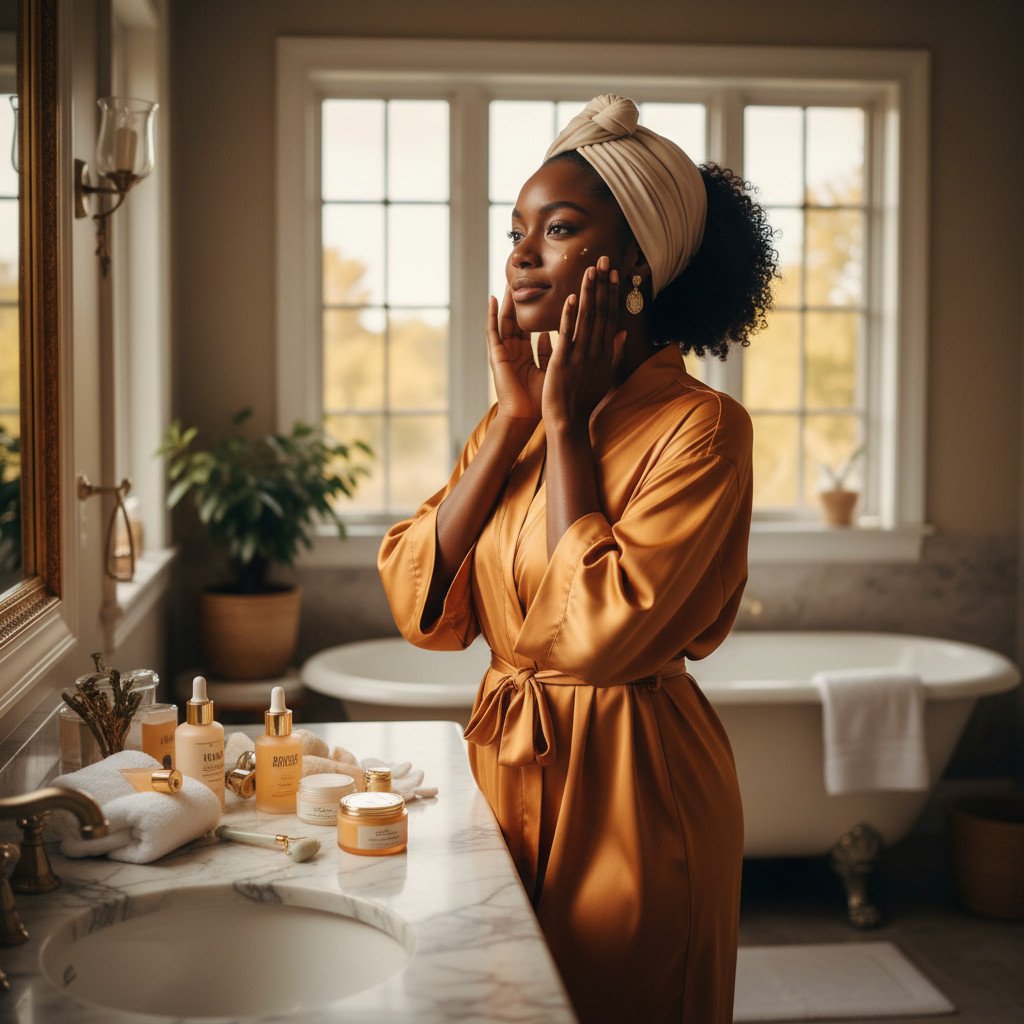
What Estrogen Loss Does to Melanin-Rich Skin
There comes a season in every woman’s life when the familiar rhythms of her body begin to shift. For many Black women, this transition into perimenopause and menopause can bring a sudden, often bewildering, change to their skin. You might find yourself looking in the mirror and wondering, “What happened to my skin?” It might feel drier, less plump, more sensitive, or even show new patterns of hyperpigmentation that seem to appear out of nowhere. This isn’t just a feeling; it’s a profound physiological shift driven by the natural decline of estrogen, a hormone that plays a far more central role in skin health than many of us realize.
For years, your skin has likely been a source of pride and resilience, perhaps even seeming to defy the visible signs of aging that affect others. Melanin-rich skin is often lauded for its natural sun protection and its ability to maintain a youthful appearance longer. However, perimenopause and menopause introduce a new set of variables. The changes you observe are not a reflection of neglecting your skin, nor are they a sign of sudden cosmetic failure. Instead, they are a direct consequence of a fundamental hormonal recalibration within your body, specifically the decrease in estrogen levels. Understanding this underlying cause is the first step toward navigating these changes with grace and confidence.
At Black Beauty Basics, we believe in empowering you with knowledge that combines scientific understanding with cultural wisdom. This article is dedicated to demystifying the intricate relationship between estrogen loss and its impact on melanin-rich skin. We’ll explore the deeper “why” behind the dryness, thinning, slower healing, increased sensitivity, dullness, and pigment unpredictability you might be experiencing. By shedding light on these biological processes, our aim is to validate your experiences, equip you with practical insights, and assure you that these changes, while significant, are a normal part of your journey. You are not alone, and with understanding, you can continue to nurture and celebrate your skin through every phase of life.
What This Post Covers
This comprehensive guide delves into the multifaceted ways estrogen loss impacts melanin-rich skin during perimenopause and menopause. We will explore the fundamental physiological changes that occur at a cellular level, translating complex biological processes into clear, actionable understanding. Our focus is to provide a detailed explanation of the “why” behind common skin concerns experienced during this life stage, specifically tailored to the unique characteristics of melanin-rich skin.
- The Foundational Role of Estrogen: We’ll begin by establishing why estrogen is such a critical hormone for maintaining skin structure, hydration, and overall vitality. Understanding its broad influence sets the stage for comprehending the cascade of changes that follow its decline.
- Dryness, Thinning, and Barrier Fragility: This section will break down how reduced estrogen leads to decreased skin hydration, a compromised skin barrier, and a noticeable thinning of the skin, explaining why these effects might manifest uniquely in melanin-rich complexions.
- Collagen, Firmness, and Elasticity: We’ll explore the profound impact of estrogen loss on collagen production and elastin integrity, leading to changes in skin firmness, elasticity, and the development of fine lines and sagging.
- Healing, Inflammation, and Sensitivity: Discover how hormonal shifts can impair the skin’s ability to heal efficiently, increase susceptibility to inflammation, and heighten overall skin sensitivity, making previously tolerated products or treatments problematic.
- Pigment Unpredictability and Melanin-Rich Skin: A crucial focus will be on how estrogen decline can influence melanocyte activity, leading to new or exacerbated forms of hyperpigmentation, such as age spots or melasma, and how this interacts with the inherent melanin in darker skin tones.
- Practical Takeaways: We’ll offer immediate insights and considerations for adapting your skincare approach, emphasizing gentle care and proactive measures.
- Navigating the Topic and Next Steps: Guidance on how to approach these changes holistically, including when to seek professional advice and explore further resources.
By the end of this article, you will have a clearer picture of the biological underpinnings of your skin’s transformation, empowering you to make informed decisions about its care and embrace this new chapter with confidence.
Why Estrogen Matters So Much to Skin Structure and Comfort
Estrogen, often celebrated for its role in reproductive health, is a true multi-tasker, exerting profound effects across numerous bodily systems, including the skin. Our skin is not merely a passive covering; it’s a dynamic, living organ, and estrogen receptors are found in virtually every layer, from the epidermis to the dermis and even in the subcutaneous fat. This widespread presence means that estrogen plays a critical, foundational role in maintaining the skin’s structure, hydration, elasticity, and overall comfort. When estrogen levels are robust, they contribute significantly to the skin’s youthful appearance, resilience, and vibrant health. Its decline, therefore, initiates a cascade of changes that can alter the very fabric of our skin.
The Estrogen-Skin Connection: A Symphony of Support
Think of estrogen as a master conductor orchestrating several vital processes within the skin. Its influence is broad, touching upon hydration, collagen production, elastin maintenance, antioxidant defense, and even wound healing. Specifically, estrogen:
- Boosts Collagen and Elastin: These proteins are the scaffolding of our skin, providing firmness, elasticity, and resistance to wrinkles. Estrogen stimulates fibroblasts, the cells responsible for producing collagen and elastin, helping to maintain skin’s plumpness and bounce.
- Enhances Hydration: Estrogen helps to increase the production of hyaluronic acid, a powerful humectant that attracts and holds water in the skin. It also supports the skin’s natural barrier function, reducing transepidermal water loss (TEWL) and keeping the skin supple and moist.
- Improves Blood Flow: Adequate blood circulation delivers essential nutrients and oxygen to skin cells while removing waste products. Estrogen contributes to healthy microcirculation, which is vital for skin vitality and a radiant complexion.
- Acts as an Antioxidant: Estrogen possesses antioxidant properties, helping to neutralize free radicals that can damage skin cells and accelerate aging. This protective function is crucial for maintaining skin health against environmental stressors.
- Supports Wound Healing: By influencing various cellular processes, estrogen plays a role in the efficiency of wound repair, ensuring the skin can mend itself effectively.
For melanin-rich skin, these functions are particularly important. While our skin often boasts a denser collagen network and greater inherent protection against UV damage, the decline in estrogen can still significantly impact these advantages. The robust collagen that once provided exceptional firmness can still diminish, and the skin’s natural moisture-retaining capabilities can falter, leading to dryness and a loss of that characteristic “glow.”
The Impact of Estrogen Decline: A Shift in Skin Dynamics
As perimenopause progresses and estrogen levels fluctuate and then steadily decline, these vital skin functions begin to wane. The skin receives fewer signals to produce collagen and hyaluronic acid, its barrier becomes less robust, and its ability to defend against environmental aggressors may lessen. This isn’t a sudden collapse but a gradual, systemic shift that affects the skin’s overall health and appearance. The changes aren’t merely cosmetic; they reflect a fundamental alteration in the skin’s physiological state, making it more vulnerable to dryness, sensitivity, and the visible signs of aging. Understanding this intricate connection empowers us to approach skin care during this phase not as a battle against aging, but as a supportive partnership with our changing bodies.
Dryness, Thinner Skin, and Barrier Fragility on Dark Skin
One of the most immediate and pervasive effects of estrogen loss on melanin-rich skin is the onset of increased dryness, a noticeable thinning of the skin, and a compromised skin barrier. Many women describe their skin feeling “parched” or “tight” in ways they’ve never experienced before, even after applying their usual moisturizers. This isn’t just surface-level dehydration; it’s a deeper physiological change driven by the dwindling presence of estrogen, which plays a crucial role in maintaining the skin’s natural moisture balance and structural integrity.
The Dehydration Cascade: How Estrogen Loss Dries Out Your Skin
Estrogen is a key player in keeping the skin hydrated from within. It stimulates the production of hyaluronic acid, a powerful humectant found naturally in our skin that can hold up to 1,000 times its weight in water. With declining estrogen, hyaluronic acid synthesis decreases, leading to a significant reduction in the skin’s intrinsic ability to attract and retain moisture. This means less water is available in the dermis, the skin’s deeper layer, which then impacts the epidermis, the outermost layer.
Furthermore, estrogen supports the health of the skin barrier. The skin barrier, often described as a “brick and mortar” structure, is composed of skin cells (corneocytes) embedded in a lipid matrix (ceramides, cholesterol, fatty acids). This barrier is essential for preventing transepidermal water loss (TEWL) – the evaporation of water from the skin’s surface – and for protecting against environmental irritants and pathogens. Estrogen helps maintain the integrity and function of this lipid matrix. As estrogen levels fall, the production of these vital lipids can decrease, leading to a weakened barrier. A compromised barrier allows more water to escape, exacerbating dryness, and makes the skin more susceptible to external aggressors, leading to increased sensitivity and irritation.
Thinning Skin: Beyond Surface Appearance
The perception of “thinner skin” during perimenopause and menopause is also a direct consequence of estrogen decline. Estrogen plays a critical role in maintaining the thickness of both the epidermis and the dermis. In the epidermis, it influences the rate of cell turnover and the production of epidermal lipids. In the dermis, it stimulates the production of collagen and elastin, which provide the skin’s structural support and plumpness. With less estrogen, the rate of collagen production significantly slows down, and existing collagen begins to degrade more rapidly. This reduction in collagen, combined with a decrease in hyaluronic acid and overall epidermal thickness, leads to a noticeable loss of skin volume and density. The skin can appear more translucent, feel less resilient, and fine lines and wrinkles may become more pronounced.
For melanin-rich skin, while often possessing a denser dermal layer and more robust collagen bundles initially, this thinning effect is still profound. The skin may not thin to the same degree as lighter skin tones, but the relative loss of volume and resilience can still be significant, leading to a duller complexion and a less firm texture than before.
Barrier Fragility: A Gateway to Sensitivity and Inflammation
The combination of reduced hydration and a compromised lipid barrier creates a state of increased barrier fragility. This means the skin’s protective shield is no longer as effective. What does this translate to in your daily experience?
- Increased Sensitivity: Products or ingredients that your skin once tolerated well may now cause stinging, redness, or itching. The weakened barrier allows irritants to penetrate more easily.
- Persistent Dryness: Even with consistent moisturizing, the skin may struggle to retain moisture, leading to a feeling of perpetual dryness and tightness.
- Rough Texture: The surface of the skin may feel rougher or look duller due to impaired cell turnover and reduced hydration.
- Propensity for Inflammation: A compromised barrier is less effective at keeping out environmental aggressors, making the skin more prone to inflammatory responses, which can manifest as redness, itching, or even exacerbate conditions like eczema or rosacea (though rosacea is less common in darker skin, inflammatory responses are still relevant).
For Black women, this barrier fragility can have specific implications. The skin’s natural resilience, often attributed to its melanin content and denser collagen, can mask these underlying changes for a time. However, when the barrier does become compromised, the inflammatory response can be more pronounced, potentially leading to post-inflammatory hyperpigmentation (PIH) more readily. Any irritation, whether from harsh products or environmental factors, can leave behind dark spots that are difficult to fade. Therefore, maintaining a robust skin barrier becomes paramount during this phase, shifting the focus from aggressive treatments to gentle, supportive care that prioritizes hydration and protection.
Understanding these interconnected changes — dryness, thinning, and barrier fragility — is crucial. It explains why your skin might feel and look different, and it guides us toward skincare strategies that are nurturing, protective, and specifically designed to support your skin through this significant hormonal transition.
Collagen, Firmness, and Slower Bounce-Back Over Time
Beyond hydration and barrier function, estrogen plays a monumental role in maintaining the structural integrity and youthful appearance of our skin, primarily through its influence on collagen and elastin. These two proteins are the bedrock of skin firmness, elasticity, and resilience. As estrogen levels decline during perimenopause and menopause, the scaffolding of our skin begins to change, leading to a noticeable reduction in firmness and a slower “bounce-back” that many women observe as their skin ages.
The Collagen Crisis: Estrogen’s Impact on Skin’s Framework
Collagen is the most abundant protein in the skin, forming a dense, fibrous network that provides strength and structure. Estrogen is a powerful stimulant for fibroblasts, the cells responsible for synthesizing new collagen. When estrogen levels are high, these fibroblasts are active, constantly producing fresh collagen to maintain the skin’s plumpness and smooth texture. However, with the onset of perimenopause and the subsequent decline in estrogen, this crucial stimulation diminishes significantly.
Studies show that women can lose up to 30% of their skin’s collagen within the first five years after menopause, with a steady decline thereafter at a rate of approximately 1-2% per year. This dramatic reduction in collagen synthesis, coupled with an increase in collagen degradation (the breakdown of existing collagen), leads to a profound loss of dermal density. The skin literally has less structural support, which manifests as:
- Loss of Firmness: The skin feels less taut and resilient, particularly around the jawline, neck, and cheeks.
- Increased Sagging: Gravity, combined with reduced collagen, causes the skin to droop, contributing to jowls and a less defined facial contour.
- Appearance of Fine Lines and Wrinkles: Without the underlying support of a robust collagen network, the skin is more prone to creasing and forming wrinkles, especially around the eyes and mouth.
For melanin-rich skin, the narrative around collagen is often that it’s more abundant and resilient, offering a natural “anti-aging” advantage. While it’s true that darker skin tones typically have a denser collagen network and fibroblasts that may remain active longer, the drop in estrogen still has a significant impact. The rate of collagen loss may not be identical to lighter skin tones, but the *relative* loss from your baseline can still be substantial enough to cause noticeable changes in firmness and elasticity. The skin may not show as many fine lines as quickly, but sagging and a general loss of youthful plumpness can become very apparent.
Elastin: The Spring in Your Skin’s Step
Alongside collagen, elastin is another critical protein that provides the skin with its elasticity – its ability to stretch and then snap back into place. Think of elastin fibers as tiny springs within the skin. Estrogen also plays a role in maintaining the health and integrity of elastin. As estrogen declines, elastin fibers can become fragmented and less functional, losing their ability to recoil. This contributes to the skin’s “slower bounce-back” and can make the skin appear less supple and more prone to crepiness, particularly in areas like the neck and décolletage.
The “Slower Bounce-Back” Phenomenon
The term “slower bounce-back” perfectly encapsulates the combined effect of collagen and elastin degradation. When you pinch your skin, does it spring back immediately, or does it take a moment to return to its original state? This is a simple indicator of skin elasticity. During perimenopause and menopause, this bounce-back becomes noticeably slower. The skin feels less resilient, less “springy,” and more prone to showing the effects of repetitive facial expressions or even just resting on a pillow.
This structural weakening also impacts the overall texture and appearance of the skin. The once smooth, firm surface may begin to feel softer, less dense, and perhaps even slightly thinner to the touch. The characteristic glow of melanin-rich skin can also diminish as the underlying structure becomes less robust, affecting how light reflects off the skin’s surface.
Addressing Structural Changes: A Gentle and Proactive Approach
Understanding that these changes are rooted in the fundamental architecture of your skin, rather than just surface issues, is key. While we cannot reverse the natural decline of estrogen, we can support our skin in mitigating these effects. This involves:
- Prioritizing Collagen-Boosting Ingredients: Incorporating ingredients like retinoids (used cautiously and gently), peptides, and certain antioxidants can help stimulate fibroblast activity and support collagen production.
- Protecting Existing Collagen: Sun protection is paramount to prevent further collagen degradation from UV damage. Antioxidants also help protect collagen from free radical damage.
- Nourishing the Skin’s Foundation: A diet rich in protein, vitamins (especially C), and minerals provides the building blocks for collagen synthesis.
For Black women, the goal isn’t to erase every sign of aging but to maintain the health and resilience of our skin. Embracing these structural shifts means adapting our routines to support the skin’s changing needs, focusing on maintaining its strength and vibrancy rather than chasing an unattainable ideal of youth. The elegance of melanin-rich skin endures, and with informed care, its unique beauty can continue to shine through every life stage.
Healing, Inflammation, and Why Skin May Get Fussier
As estrogen levels decline, the skin’s ability to heal efficiently and its natural inflammatory responses undergo significant changes. Many women in perimenopause and menopause report that their skin becomes “fussier”—more reactive, slower to recover from minor injuries or breakouts, and generally more prone to irritation. This heightened sensitivity and impaired healing capacity are direct consequences of estrogen’s influence on various cellular processes within the skin, making it crucial to understand why your skin might be behaving differently.
Estrogen’s Role in Wound Healing: A Complex Dance
Estrogen plays a multifaceted role in the intricate process of wound healing, influencing every stage from inflammation to tissue remodeling. It impacts:
- Inflammatory Response: Estrogen helps to modulate the initial inflammatory phase of wound healing, ensuring a balanced response that clears debris without causing excessive damage. With lower estrogen, this balance can be disrupted, leading to prolonged or exaggerated inflammation.
- Cell Proliferation and Migration: Estrogen promotes the proliferation and migration of keratinocytes (skin cells) and fibroblasts (collagen-producing cells) to the wound site, which are essential for re-epithelialization (closing the wound) and forming new tissue. Reduced estrogen slows down these vital processes.
- Angiogenesis: It stimulates the formation of new blood vessels (angiogenesis), which are necessary to supply oxygen and nutrients to the healing tissue. Impaired angiogenesis can delay healing.
- Collagen Synthesis and Remodeling: As discussed, estrogen is crucial for collagen production, which is vital for forming strong, new tissue. Lower estrogen means less efficient collagen synthesis and remodeling, potentially leading to weaker scars or slower resolution of skin damage.
The practical implication of this is that minor cuts, scrapes, or even blemishes may take longer to heal, and the skin may be more prone to developing post-inflammatory hyperpigmentation (PIH) or scarring. For melanin-rich skin, this is particularly relevant, as our skin is already predisposed to PIH. A slower, more dysregulated healing process means that any inflammatory event, no matter how minor, has a greater chance of leaving a lasting dark mark.
Heightened Inflammation and Sensitivity: The “Fussier” Skin
The decline in estrogen also contributes to a state of increased skin inflammation and sensitivity. This isn’t just about a compromised barrier (though that certainly plays a role); it’s also about how the immune cells within the skin respond to stimuli. Estrogen has immunomodulatory effects, helping to keep the skin’s immune system in check. When estrogen levels drop:
- Immune Cells Become More Reactive: Mast cells, which release histamine and other inflammatory mediators, can become more easily activated. This can lead to increased redness, itching, and a general feeling of irritation.
- Increased Oxidative Stress: Estrogen acts as an antioxidant. Its decline can lead to an increase in oxidative stress within the skin, which contributes to inflammation and cellular damage.
- Disrupted Microbiome: While research is ongoing, there’s evidence that hormonal shifts can influence the skin’s microbiome, potentially leading to an imbalance that contributes to inflammation and sensitivity.
This means your skin might react negatively to products it once loved, become irritated by environmental factors like wind or cold more easily, or experience flare-ups of pre-existing conditions like eczema or rosacea (though rosacea is less common in darker skin, inflammatory responses are still relevant). The skin’s threshold for irritation lowers, making it feel less robust and more delicate.
Implications for Melanin-Rich Skin: A Deeper Dive
For Black women, the increased inflammation and impaired healing capacity due to estrogen loss have specific and significant implications:
- Exacerbated Post-Inflammatory Hyperpigmentation (PIH): As mentioned, any inflammatory event—a breakout, a scratch, a chemical peel, or even aggressive scrubbing—is more likely to trigger melanocyte activity and result in stubborn dark spots. With slower healing, these spots may also take longer to fade.
- Increased Risk of Scarring: While melanin-rich skin often heals robustly, impaired collagen synthesis and remodeling can still lead to less optimal wound repair, potentially increasing the risk of textural changes or even hypertrophic scarring in predisposed individuals.
- Challenge with Active Ingredients: Skincare ingredients like retinoids, alpha hydroxy acids (AHAs), and vitamin C, which are excellent for stimulating collagen and improving tone, may become less tolerable. The compromised barrier and heightened sensitivity mean that these ingredients, if not introduced very slowly and carefully, can cause irritation, leading to inflammation and, subsequently, PIH. Aggressive treatment plans that were once well-tolerated may now cause more harm than good.
- Dermatoses: Hormonal shifts can also influence the manifestation of certain dermatoses. While this article focuses on estrogen loss, it’s worth noting that changes in androgen levels (relative to estrogen) can sometimes contribute to adult acne or hirsutism, which also involve inflammatory processes. You can learn more about specific dermatoses in our related article: Dermatoses in Perimenopause and Menopause on Melanin-Rich Skin.
The key takeaway here is that during perimenopause and menopause, a gentle, supportive, and protective approach to skincare becomes paramount. Aggressive treatments or neglecting the skin’s barrier can lead to a vicious cycle of irritation, inflammation, and hyperpigmentation. Instead, focus on soothing, hydrating, and barrier-repairing ingredients to help your skin navigate this sensitive phase with grace and resilience. This shift in strategy is not about giving up on effective skincare, but rather about recalibrating it to meet your skin’s evolving needs.
Pigment Unpredictability and the Melanin-Rich Skin Layer
Perhaps one of the most perplexing and often frustrating changes experienced by Black women during perimenopause and menopause is the unpredictability of skin pigmentation. While melanin-rich skin is often celebrated for its inherent protection against sun damage and slower visible aging, the hormonal shifts of this life stage can introduce new patterns of hyperpigmentation or exacerbate existing ones. Estrogen plays a direct role in regulating melanocyte activity, and its decline can lead to a less stable and more reactive pigment system, making the skin prone to uneven tone, new dark spots, and even melasma.
Estrogen’s Influence on Melanocytes and Melanin Production
Melanocytes are the specialized cells responsible for producing melanin, the pigment that gives our skin, hair, and eyes their color. These cells are highly sensitive to hormonal fluctuations, particularly estrogen. Estrogen receptors are present on melanocytes, and the hormone can directly influence their activity, proliferation, and the production of melanin. During reproductive years, estrogen contributes to a balanced and even distribution of melanin, though high levels (e.g., during pregnancy) can sometimes trigger melasma.
As estrogen levels decline during perimenopause and menopause, this hormonal regulation becomes disrupted. The melanocytes, no longer receiving the same stable signals from estrogen, can become more erratic and reactive. This can lead to:
- Increased Sensitivity to Triggers: Melanocytes may become more sensitive to external stimuli like UV radiation, heat, friction, and inflammation. What might have previously caused a temporary tan or mild irritation can now result in more persistent and darker hyperpigmentation.
- Dysregulated Melanin Distribution: Instead of producing melanin evenly, melanocytes might cluster or overproduce pigment in certain areas, leading to the formation of localized dark spots or patches.
- Exacerbation of Melasma: While melasma is often associated with pregnancy (chloasma), it can also be triggered or worsened during perimenopause and menopause due to the fluctuating and then declining estrogen levels, often in combination with sun exposure. The characteristic patchy, mask-like hyperpigmentation on the face can become more prominent.
- “Age Spots” or Solar Lentigines: With reduced estrogen, the skin’s natural antioxidant defenses may weaken, making it more vulnerable to sun damage. Over time, cumulative sun exposure, combined with dysregulated melanocyte activity, can lead to the appearance of solar lentigines, commonly referred to as “age spots,” which are distinct from melasma.
The Melanin-Rich Skin Layer: A Double-Edged Sword
For Black women, the inherent presence of more active melanocytes and a greater amount of melanin in the skin is a complex factor. On one hand, this provides superior natural photoprotection, delaying the onset of certain photoaging signs. On the other hand, it means that when melanocytes *are* stimulated—whether by inflammation, sun exposure, or hormonal shifts—they tend to produce more melanin, leading to more pronounced and persistent hyperpigmentation. This is why post-inflammatory hyperpigmentation (PIH) is a primary concern for melanin-rich skin, and why any inflammatory event (like a breakout, scratch, or harsh treatment) can leave a dark mark that takes months to fade.
During perimenopause and menopause, the combination of dysregulated melanocyte activity and increased skin inflammation (as discussed in the previous section) creates a perfect storm for pigment unpredictability. The skin becomes more prone to PIH from even minor irritations, and existing hyperpigmentation can become darker and more stubborn. The overall complexion might appear duller or less even, losing the radiant clarity it once had.
Navigating Pigmentary Changes: A Gentle and Consistent Approach
Addressing pigment unpredictability during this phase requires a nuanced and patient approach. Aggressive treatments that might have been effective in younger skin can now backfire, causing irritation that leads to even more hyperpigmentation. The focus shifts to:
- Rigorous Sun Protection: This is non-negotiable. Daily, broad-spectrum SPF 30+ (or higher) is essential to prevent further stimulation of melanocytes by UV radiation. This includes cloudy days and indoor exposure near windows.
- Gentle Pigment-Correcting Ingredients: Ingredients like niacinamide, vitamin C, azelaic acid, and certain botanical extracts can help inhibit melanin production and fade existing spots without causing irritation. Retinoids can also be beneficial, but must be introduced very slowly and cautiously to avoid inflammation.
- Anti-Inflammatory Skincare: Since inflammation is a major trigger for hyperpigmentation, incorporating soothing and anti-inflammatory ingredients into your routine is crucial.
- Patience and Consistency: Fading hyperpigmentation takes time, especially in melanin-rich skin. Consistency with your routine and protecting your skin from triggers are key.
Understanding that these pigmentary shifts are deeply connected to your hormonal changes allows for a more compassionate and effective approach to skincare. It’s not about fighting your skin, but about supporting its unique needs during this transformative period. For more in-depth guidance on managing hyperpigmentation, especially melasma and age spots, we encourage you to read our dedicated article: Menopause Hyperpigmentation, Age Spots, and Melasma on Dark Skin.
What Readers Can Take From This Before Changing Everything
Understanding the profound impact of estrogen loss on melanin-rich skin can feel overwhelming. It’s natural to want to immediately overhaul your entire skincare routine or seek drastic solutions. However, the most important takeaway from this information is not to panic, but to approach your skin with newfound awareness, patience, and a deep sense of self-compassion. Before you change everything, consider these foundational principles:
1. Your Experience is Valid and Normal
The first and most crucial insight is that the changes you’re observing—the dryness, the sensitivity, the loss of firmness, the new dark spots—are not a personal failing or a sudden deterioration. They are a predictable, physiological response to a significant hormonal transition. Millions of women experience these shifts, and for Black women, these changes manifest through the unique lens of melanin-rich skin. Acknowledge what your body is going through and validate your feelings about it. This understanding is the bedrock of a healthy relationship with your skin during this phase.
2. Gentleness is Your New Mantra
Given the increased barrier fragility, heightened sensitivity, and propensity for hyperpigmentation, gentleness should become the guiding principle of your skincare. Aggressive scrubbing, harsh cleansers, overly strong active ingredients, or frequent exfoliating can now do more harm than good. They can disrupt your already compromised skin barrier, trigger inflammation, and lead to more dryness and dark spots. Embrace a softer touch in every aspect of your routine.
3. Hydration and Barrier Support are Paramount
If there’s one area to focus on immediately, it’s restoring and maintaining your skin’s hydration and barrier function. Look for products rich in ceramides, hyaluronic acid, fatty acids, and cholesterol. These ingredients are the building blocks of a healthy skin barrier and will help your skin retain moisture, feel more comfortable, and become more resilient. Think of it as providing your skin with the essential nutrients it’s now struggling to produce on its own.
4. Sun Protection is Non-Negotiable
This has always been important for melanin-rich skin, but during perimenopause and menopause, it becomes absolutely critical. The dysregulated melanocytes are more prone to hyperpigmentation from UV exposure, and the weakened barrier offers less natural defense. Daily, consistent use of a broad-spectrum SPF 30+ (or higher) is your best defense against new dark spots and further collagen degradation. Make it the last step in your morning routine, every single day.
5. Listen to Your Skin
Your skin will tell you what it needs. Pay attention to how it feels after using certain products, after sun exposure, or during different times of the month (even during perimenopause, some hormonal fluctuations persist). If something stings, burns, or causes redness, stop using it. Your skin’s tolerance levels may have shifted, and what worked before might not work now. This requires a mindful, responsive approach rather than rigidly sticking to old habits.
6. Small, Consistent Changes Yield Big Results
You don’t need to throw out every product you own. Start by incorporating one or two barrier-supporting or hydrating products. Swap out a harsh cleanser for a gentle, creamy one. Be more diligent with your sunscreen. These small, consistent adjustments can make a significant difference over time without overwhelming your skin or your budget.
7. This is a Journey, Not a Destination
Perimenopause and menopause are phases, and your skin will continue to evolve. There will be good days and challenging days. Embrace the journey with grace, knowing that you are equipped with the knowledge to understand and support your skin through its natural transformations. Your skin is still beautiful, resilient, and deserving of gentle, informed care.
Before diving into specific product recommendations or advanced treatments, internalize these principles. They will serve as your compass, guiding you toward choices that honor your changing skin and support its health and radiance throughout this powerful stage of life. Remember, Black Beauty Basics is here to provide you with the wisdom and practical tools to navigate this journey with confidence and self-love.
How to Navigate This Topic
Navigating the topic of estrogen loss and its impact on melanin-rich skin can feel like walking through a dense forest without a map. The information can be complex, and the emotional weight of observing changes in your skin can be significant. However, with a structured approach, you can empower yourself to understand, adapt, and thrive. Here’s how to navigate this topic effectively, combining self-awareness with practical action.
1. Educate Yourself Continuously
The first step is precisely what you are doing now: seeking knowledge. Understand that perimenopause and menopause are not just about hot flashes; they are systemic changes that affect every organ, including your skin. Continue to read reliable sources, like Black Beauty Basics, that specifically address the nuances of melanin-rich skin. The more you understand the “why” behind the changes, the less mysterious and overwhelming they become. Knowledge is power, and it allows you to advocate for yourself and make informed decisions.

2. Observe and Document Your Skin’s Changes
Become a keen observer of your own skin. What specific changes are you noticing? Is it dryness, new fine lines, increased sensitivity, or new hyperpigmentation? When do these changes seem to be most prominent? Keeping a simple skin journal can be incredibly helpful. Note down:
- Specific symptoms: Dryness, itching, redness, breakouts, new spots.
- Triggers: What seems to make it worse (e.g., certain products, sun exposure, stress, diet)?
- What helps: What makes your skin feel better?
- Photos: Take regular, consistent photos (same lighting, same angle) to track progress over time. This is invaluable for discussions with dermatologists.
This documentation provides objective data, which is far more useful than vague recollections when discussing your concerns with a healthcare professional. For guidance on preparing for such appointments, refer to our article on Preparing for Skin Appointments: Photos, Timelines, and Priorities.
3. Prioritize Gentle, Supportive Skincare
As emphasized earlier, gentleness is key. Re-evaluate your current skincare routine. Are you using harsh cleansers? Are your active ingredients too strong? Focus on products that support your skin barrier, provide deep hydration, and soothe inflammation. Look for ingredients like ceramides, hyaluronic acid, niacinamide, and gentle antioxidants. Simplify your routine if it feels overwhelming or if your skin is reacting negatively.
4. Embrace Holistic Wellness
Skin health is inextricably linked to overall health. During perimenopause and menopause, supporting your body holistically becomes even more critical:
- Nutrition: A diet rich in antioxidants, healthy fats (omega-3s), and lean proteins provides the building blocks for healthy skin.
- Hydration: Drink plenty of water throughout the day.
- Stress Management: Chronic stress can exacerbate inflammation and hormonal imbalances, impacting skin health. Incorporate stress-reducing practices like meditation, yoga, or spending time in nature.
- Sleep: Quality sleep is essential for skin repair and regeneration.
5. Consult with Healthcare Professionals
While self-education and lifestyle changes are powerful, consulting with healthcare professionals is vital, especially if your skin concerns are persistent, severe, or significantly impacting your quality of life. This includes:
- Dermatologist: A board-certified dermatologist, ideally one with experience treating melanin-rich skin, can accurately diagnose specific skin conditions (like melasma, rosacea, or perimenopausal acne) and recommend appropriate treatments. They can also advise on the safe use of prescription-strength retinoids or other active ingredients.
- Gynecologist/Endocrinologist: Discussing your perimenopausal/menopausal symptoms with your gynecologist or an endocrinologist can help you understand your hormonal profile. They can discuss options like Hormone Replacement Therapy (HRT), which can have significant benefits for skin health, among other systemic effects. For more information on when to consider such treatments, see our article: When to Consider In-Office Treatments or Hormone Therapy for Skin Changes.
Be prepared for your appointments with your documented observations and questions. Advocate for yourself and ensure your concerns are heard and addressed, especially given the historical disparities in healthcare for Black women.
6. Connect with Community
You are not alone in this journey. Connecting with other women who are navigating similar changes can provide immense emotional support, practical tips, and a sense of shared understanding. Online forums, local support groups, or even trusted friends can be invaluable resources. Sharing experiences can normalize your feelings and help you realize that many of your concerns are universally felt.
Navigating this topic is an ongoing process of learning, adapting, and self-care. By combining education with mindful observation, gentle care, holistic wellness, and professional guidance, you can confidently embrace this new chapter and continue to celebrate the enduring beauty of your melanin-rich skin.
| Estrogen-Related Skin Change | What Readers May Notice | Why It Matters on Melanin-Rich Skin |
|---|---|---|
| Decreased Collagen & Elastin Production | Loss of firmness, increased sagging (especially jawline/neck), deeper lines, slower “bounce-back,” skin feels less dense. | While melanin-rich skin has denser collagen, the relative loss is still significant. Sagging may be more prominent than fine lines initially. Affects skin’s structural integrity and youthful plumpness. |
| Reduced Hyaluronic Acid & Lipid Synthesis | Persistent dryness, tightness, dullness, rough texture, skin feels “parched” even after moisturizing. | Compromises the skin barrier, leading to increased transepidermal water loss (TEWL). Can make skin look ashy or lack its characteristic glow. |
| Weakened Skin Barrier Function | Increased sensitivity, redness, itching, stinging, reactivity to previously tolerated products, more prone to irritation. | A compromised barrier allows irritants in and moisture out, leading to inflammation. Inflammation in melanin-rich skin almost always results in post-inflammatory hyperpigmentation (PIH). |
| Dysregulated Melanocyte Activity | New or worsened hyperpigmentation (melasma, age spots), uneven skin tone, dullness, persistent dark spots from breakouts/scratches. | Melanocytes in dark skin are more active and prone to overproducing pigment when stimulated (by sun, inflammation, hormones), leading to more prominent and stubborn PIH. |
| Impaired Wound Healing & Increased Inflammation | Blemishes take longer to heal, minor cuts/scrapes leave marks, skin feels “fussier,” more reactive to environmental stressors. | Slower healing and heightened inflammation directly contribute to more severe and prolonged PIH. Aggressive treatments become less tolerable and more risky for dark spots. |
| Decreased Epidermal Thickness | Skin may appear thinner, more fragile, less resilient to touch. | While melanin-rich skin is generally thicker, this relative thinning can still contribute to a loss of overall skin vitality and make it more vulnerable. |
| Reduced Blood Flow & Antioxidant Capacity | Duller complexion, loss of radiance, reduced ability to fight free radical damage. | Impacts overall skin health and ability to repair itself. Contributes to a less vibrant, more tired-looking complexion, which can diminish the natural luminosity of dark skin. |
Where to Go Next
Understanding the profound impact of estrogen loss on your melanin-rich skin is a powerful first step. Now that you have a clearer picture of the “why” behind the changes you’re experiencing, the next natural question is, “What do I do about it?” Black Beauty Basics is designed to be your comprehensive resource, guiding you through every aspect of this journey with wisdom, science, and self-love. Here are some essential next steps and related articles to deepen your knowledge and refine your approach:
Deepen Your Understanding of Hormonal Skin Changes
This article is part of a larger cluster dedicated to Perimenopause and Menopause Changes in Melanin-Rich Skin. Explore the other articles in this series to gain a holistic perspective on how your body and skin are transforming during this phase:
- Managing Pigmentation: If hyperpigmentation, age spots, or melasma are your primary concerns, dive into our detailed guide: Menopause Hyperpigmentation, Age Spots, and Melasma on Dark Skin. This article offers specific strategies and ingredient recommendations for addressing these common issues.
- Understanding Skin Conditions: Hormonal shifts can sometimes trigger or exacerbate specific dermatological conditions. Learn more about these in: Dermatoses in Perimenopause and Menopause on Melanin-Rich Skin.
- Crafting Your Skincare Routine: Ready to adapt your daily regimen? Our comprehensive guide will help you build a routine tailored to your changing needs: Building a Perimenopause & Menopause Skin Routine for Dark Skin.
- When to Seek Professional Help: For persistent concerns or to explore advanced options, understand when to consult a dermatologist or discuss Hormone Replacement Therapy (HRT): When to Consider In-Office Treatments or Hormone Therapy for Skin Changes.
Explore Foundational Skincare Principles
Many of the solutions for menopausal skin revolve around strengthening basic skin functions. Revisit these core principles:
- Barrier Repair and Moisture Balance: Since estrogen loss severely impacts the skin barrier, understanding how to repair and maintain it is crucial. Dive into: Barrier Repair and Moisture Balance.
Understand Other Hormonal Skin Transitions
While menopause is unique, other life stages also bring significant hormonal shifts that impact skin. Understanding these can provide broader context:
- Postpartum Skin: For insights into how hormonal changes during and after pregnancy affect skin, particularly regarding pigmentation and barrier issues, explore: Postpartum Skin Reset: Pigmentation, Acne, and Barrier Repair on Melanin-Rich Skin. This offers a different perspective on hormonal skin, but with similar themes of sensitivity and pigmentation.
Prepare for Medical Appointments
If you decide to consult with a dermatologist or other healthcare provider, being prepared is key to a productive visit. Our guide helps you organize your thoughts and concerns: Preparing for Skin Appointments: Photos, Timelines, and Priorities.
The Parent Pillar: Hormonal Skin and Hair
For a broader view of how hormones influence your skin and hair throughout your life, explore our main category page: Hormonal Skin and Hair. This will provide context for how different hormonal phases impact your beauty and wellness journey.
By exploring these resources, you’ll build a comprehensive understanding of your skin’s evolving needs and gain the confidence to navigate perimenopause and menopause with grace, wisdom, and a renewed appreciation for your enduring beauty.
Quick Principles
Navigating the changes brought on by estrogen loss in melanin-rich skin can feel like a complex journey, but there are fundamental principles that can guide your approach. These quick principles distill the core wisdom from this article into actionable, memorable takeaways. Embrace these as your foundation for nurturing your skin through perimenopause and menopause.
- Validate Your Experience: Recognize that your skin changes are real, normal, and a direct result of physiological shifts, not a personal failing. Your feelings about these changes are valid.
- Embrace Radical Gentleness: Your skin’s barrier is more fragile, and its healing capacity is reduced. Avoid harsh cleansers, aggressive scrubbing, and overly strong active ingredients. Think soft touch, soothing formulations.
- Prioritize Barrier Repair & Hydration: Focus on ingredients like ceramides, hyaluronic acid, fatty acids, and cholesterol. These are essential for strengthening your skin’s protective shield and locking in moisture.
- Product type suggestion: Shop ceramide moisturizer on Amazon.
- Sun Protection is Non-Negotiable: Daily, broad-spectrum SPF 30+ (or higher) is your most powerful tool against hyperpigmentation and further collagen degradation. Apply it every single day, rain or shine.
- Listen Intently to Your Skin: Your skin’s tolerance has likely shifted. If a product stings, burns, or causes redness, discontinue use. Your skin will communicate its needs; learn to interpret its signals.
- Be Patient with Pigmentation: Hyperpigmentation takes time to fade, especially in melanin-rich skin. Consistency with gentle, pigment-correcting ingredients and rigorous sun protection is key. Avoid quick fixes that promise instant results, as they often lead to irritation and more dark spots.
- Support Healing & Reduce Inflammation: Opt for anti-inflammatory ingredients like niacinamide, green tea extract, or centella asiatica. Be mindful of anything that could trigger inflammation, as this directly contributes to PIH.
- Re-evaluate Active Ingredients: Retinoids, AHAs, and vitamin C are still beneficial, but introduce them slowly, at lower concentrations, and less frequently. Your skin’s tolerance has changed.
- Holistic Wellness Matters: Good nutrition, adequate hydration, stress management, and quality sleep profoundly impact skin health. Support your body from the inside out.
- Seek Professional Guidance: Don’t hesitate to consult a dermatologist for persistent concerns or a gynecologist/endocrinologist to discuss hormonal health options like HRT. They can offer tailored advice and treatments.
These principles are not just about managing symptoms; they are about fostering a deeper, more respectful relationship with your changing skin. By integrating them into your daily life, you empower yourself to navigate perimenopause and menopause with confidence, maintaining the health and radiant beauty of your melanin-rich complexion.
Frequently Asked Questions
What is the primary reason my skin feels so much drier during perimenopause and menopause?
The primary reason for increased skin dryness is the significant decline in estrogen. Estrogen is crucial for stimulating the production of hyaluronic acid, which binds water in the skin, and for maintaining the integrity of the skin’s lipid barrier, which prevents moisture loss. With less estrogen, your skin produces less hyaluronic acid and its barrier becomes compromised, leading to persistent dryness and a feeling of tightness.
Why does my melanin-rich skin seem to sag more and lose its firmness now?
Estrogen is vital for stimulating the production of collagen and elastin, the proteins that provide your skin with its structure, firmness, and elasticity. As estrogen levels drop during menopause, collagen synthesis significantly decreases, and existing collagen and elastin can degrade more rapidly. This loss of structural support leads to reduced firmness, increased sagging, and a slower “bounce-back” in your skin.
I’m noticing new dark spots and uneven tone. Is this also related to estrogen loss?
Yes, pigment unpredictability, including new dark spots, age spots, and melasma, is often linked to estrogen loss. Estrogen influences melanocyte activity, and its decline can make these pigment-producing cells more reactive and erratic. This, combined with increased skin sensitivity and inflammation, makes melanin-rich skin more prone to developing stubborn hyperpigmentation from sun exposure or even minor irritation.
Why does my skin seem so much more sensitive and prone to irritation now?
Increased skin sensitivity and irritation stem from a combination of factors related to estrogen loss. The weakened skin barrier allows irritants to penetrate more easily, while estrogen’s role in modulating the skin’s immune response diminishes. This can lead to heightened inflammation, making your skin more reactive to products, environmental factors, and even minor physical contact.
Will my skin heal slower now that I’m in perimenopause/menopause?
Yes, estrogen plays a crucial role in all phases of wound healing, from modulating inflammation to stimulating cell proliferation and collagen synthesis. With declining estrogen, these processes become less efficient, leading to slower wound repair. This means blemishes, cuts, or even minor skin damage may take longer to heal and are more likely to leave behind post-inflammatory hyperpigmentation (PIH) in melanin-rich skin.
Do I need to change my entire skincare routine, or can I keep some of my favorite products?
You don’t necessarily need to change everything, but a re-evaluation is crucial. Focus on incorporating products that prioritize barrier repair, hydration, and gentle soothing. You may need to reduce the frequency or concentration of strong active ingredients like retinoids or AHAs, as your skin’s tolerance has likely shifted. Listen to your skin and adjust as needed, prioritizing gentleness and protection.
Can Hormone Replacement Therapy (HRT) help with these skin changes?
Hormone Replacement Therapy (HRT) can indeed have significant benefits for skin health by replenishing estrogen levels. It can help improve collagen production, increase skin hydration, enhance elasticity, and support barrier function, potentially mitigating many of the changes discussed. However, HRT is a complex medical decision with potential risks and benefits that must be discussed thoroughly with your healthcare provider to determine if it’s appropriate for your individual health profile.
INTERNAL LINKING OPPORTUNITIES
Perimenopause and Menopause Changes in Melanin-Rich Skin
Hormonal Skin and Hair
Menopause Hyperpigmentation, Age Spots, and Melasma on Dark Skin
Dermatoses in Perimenopause and Menopause on Melanin-Rich Skin
Building a Perimenopause & Menopause Skin Routine for Dark Skin
When to Consider In-Office Treatments or Hormone Therapy for Skin Changes
Barrier Repair and Moisture Balance
Postpartum Skin Reset: Pigmentation, Acne, and Barrier Repair on Melanin-Rich Skin
Preparing for Skin Appointments: Photos, Timelines, and Priorities
Continue exploring
Related posts:
 Androgenic (Pattern) Hair Loss in Melanin-Rich Women: Understanding Gradual Density Shifts
 Why Does My Skin Sting When I Apply Moisturizer?
 How Long Does Hyperpigmentation Take to Fade on Dark Skin? Expectations and Timelines
 What Each Base Product Does on Deep Skin
 PCOS Thinning vs Traction Alopecia & CCCA: Distinguishing Hair Loss Patterns on Black Scalps
 Scalp Care & Styling Strategies with Hormonal Hair Loss