The journey with our natural coils and curls is one of profound self-discovery, a celebration of heritage, and an embrace of unparalleled beauty. Yet, sometimes, we yearn for a different expression, a temporary elongation that showcases our length without compromising the health and vitality of our precious strands. This desire to stretch our natural hair, while preserving its integrity from excessive heat, is a testament to our commitment to mindful care. Start with the related BBB natural-hair cluster guide if you want the broader map.
Embracing Length: Why We Stretch Our Natural Hair
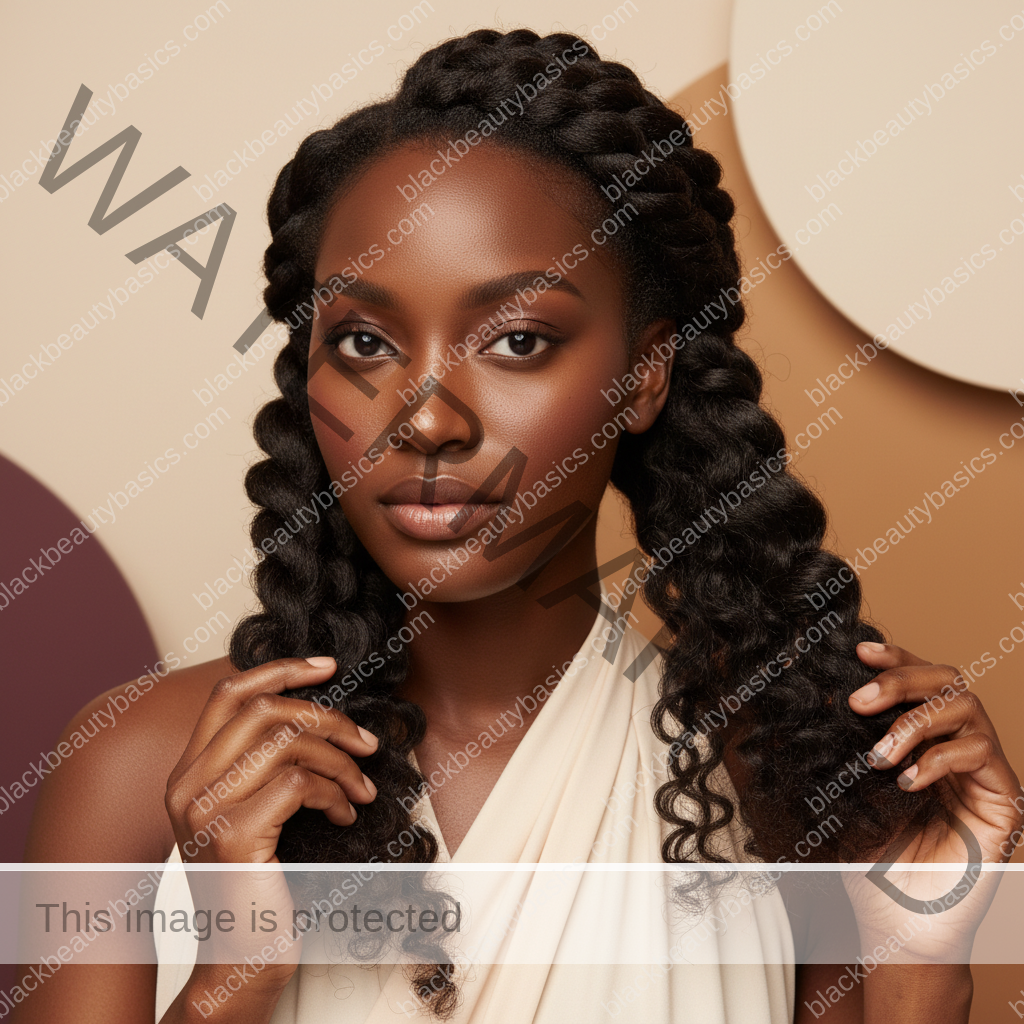
For many of us with gloriously coily and kinky textures, shrinkage is a familiar companion. While it’s a beautiful indicator of healthy, moisturized hair, it can also obscure the true length and versatility of our tresses. Stretching our hair isn’t about rejecting our natural texture; it’s about exploring its full potential, creating new styling foundations, and sometimes, simply enjoying a different look. It allows for easier detangling, reduces knots, and can even extend the life of a style.
The Allure of Elongation: Benefits Beyond Length
Stretching your natural hair offers a multitude of advantages that go beyond simply seeing more length. It’s a strategic move in your hair care regimen that can significantly impact the health and manageability of your coils.
- Reduced Tangling and Knotting: Elongated strands are less prone to intertwining and forming stubborn knots, making detangling sessions smoother and less damaging.
- Enhanced Styling Versatility: Stretched hair serves as an excellent base for a variety of styles, from sleek updos to voluminous twist-outs and braid-outs, offering more definition and less frizz.
- Minimized Shrinkage-Related Breakage: Constant manipulation of shrunken hair can lead to breakage. Stretching helps to mitigate this by keeping strands elongated and less prone to friction.
- Improved Product Distribution: When hair is stretched, it’s easier to ensure that conditioners, leave-ins, and stylers are evenly distributed from root to tip.
- Faster Drying Times: Stretched hair, especially when air-dried in sections, can dry more quickly than densely shrunken hair, reducing the time spent on wash day.
The Peril of Excessive Heat: Protecting Our Crown
While heat styling offers a quick route to stretched hair, its frequent or improper use can lead to irreversible damage. Our delicate coils are particularly susceptible to heat, which can strip moisture, alter curl patterns, and cause breakage. The goal is to achieve that beautiful elongation without sacrificing the health and vibrancy of our hair.
Understanding Heat Damage: A Silent Threat
Heat damage isn’t always immediately visible, but its cumulative effects can be devastating to natural hair. It’s crucial to understand what happens when our strands are exposed to too much heat.
- Protein Denaturation: High temperatures can break down the protein bonds (keratin) that give hair its strength and elasticity, leading to weakened, brittle strands.
- Loss of Moisture: Heat causes water to evaporate from the hair shaft, leading to dryness, dullness, and increased susceptibility to breakage.
- Altered Curl Pattern: Repeated heat exposure can permanently loosen or straighten the natural curl pattern, a condition often referred to as “heat damage” or “heat training.”
- Split Ends and Frizz: Damaged cuticles, often a result of heat, lead to rougher hair texture, split ends, and increased frizz.
Our mission at Black Beauty Basics is to empower you with knowledge that protects and enhances your natural beauty. Avoiding excessive heat is a cornerstone of this philosophy, ensuring your hair remains resilient and radiant.
The Art of Heatless Stretching: Techniques for Every Texture
Achieving beautifully stretched hair without relying heavily on heat is an art form, one that celebrates patience and understanding of your unique hair texture. These methods leverage tension, air, and strategic styling to elongate your strands gently.
1. Banding: The Gentle Elongator
Banding is a time-honored, low-manipulation technique that uses hair ties or elastic bands to stretch hair as it dries. It’s particularly effective for highly coily and kinky textures.
How to Master the Banding Technique:
- Start on Damp Hair: After washing and conditioning, apply your favorite leave-in conditioner and a light styling cream or gel. Shop Leave-In Conditioners on Amazon | Shop Styling Creams on Amazon
- Section Your Hair: Divide your hair into small to medium sections. The smaller the sections, the more stretched the result.
- Apply Bands: Take one section and smooth it. Starting near the root, place a soft, seamless hair tie. Continue placing bands down the length of the section, about an inch apart, until you reach the ends. Ensure the bands are snug but not tight enough to cause tension or discomfort.
- Air Dry: Allow your hair to air dry completely. This can take several hours or overnight, depending on your hair’s density and the climate.
- Release and Style: Once fully dry, gently remove the bands, starting from the bottom. Separate the stretched strands with your fingers or a wide-tooth comb for a voluminous, elongated look.
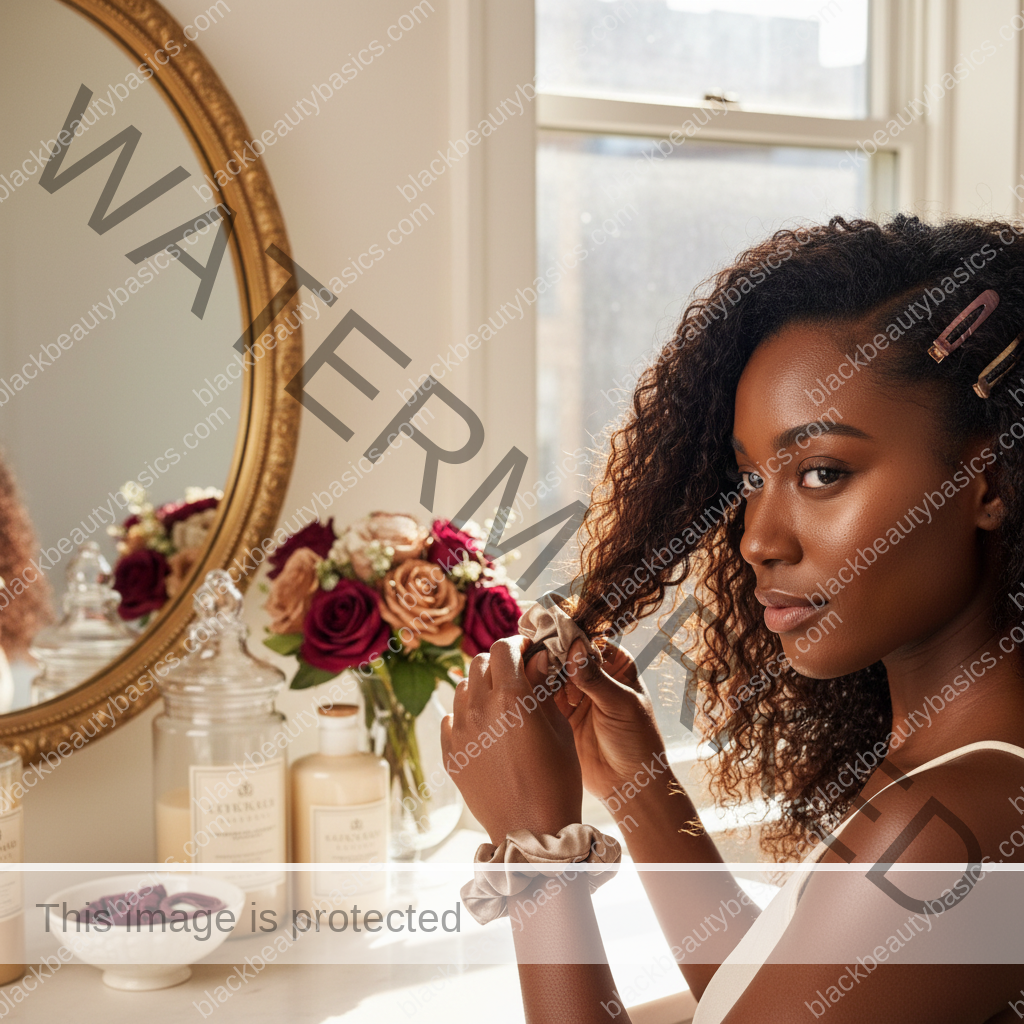
Pro Tip: Use satin or silk scrunchies to minimize friction and prevent indents from the bands. Shop Satin Scrunchies on Amazon
2. African Threading: The Ancient Art of Stretching
African threading is a traditional method that uses thread (often cotton or synthetic) to stretch hair. It’s incredibly effective for achieving significant elongation and can also create beautiful, defined curls.
Steps for African Threading:
- Prepare Hair: Begin with freshly washed, conditioned, and detangled damp hair. Apply a leave-in and a light oil or cream. Shop Hair Oils on Amazon
- Section and Secure: Take a small section of hair. Tie a piece of thread (about 2-3 feet long, depending on hair length) securely at the base of the section.
- Wrap the Thread: Wrap the thread tightly but gently around the section of hair, working your way down to the ends. Ensure each wrap is close to the previous one, covering the entire strand.
- Secure the End: Once you reach the end of the hair, tie off the thread to secure it.
- Dry Thoroughly: Allow your hair to air dry completely. This method can take longer to dry due to the density of the thread.
- Unwrap and Style: Carefully unwrap the thread. The result will be beautifully stretched, elongated hair with a smooth finish.
Considerations: Choose a thread that won’t snag or absorb too much moisture from your hair. Some prefer knitting yarn or specialized hair threading thread. Shop Hair Threading Thread on Amazon
3. Roller Sets: Classic Definition and Stretch
Roller sets are a timeless method for stretching hair while imparting beautiful waves or curls. They offer a good balance of stretch and curl definition.
Executing a Perfect Roller Set:
- Damp Hair is Key: Start with damp, detangled hair. Apply a setting lotion or foam for hold and shine. Shop Setting Lotions on Amazon
- Section and Roll: Take a small section of hair, comb it smooth, and place the roller at the ends. Roll the hair upwards towards the root, ensuring the hair is taut but not pulling. Secure the roller.
- Choose Your Rollers:
- Perm Rods: Great for tighter curls and significant stretch on shorter hair. Shop Perm Rods on Amazon
- Flexi Rods: Versatile for various curl sizes and very comfortable for sleeping. Shop Flexi Rods on Amazon
- Magnetic Rollers: Provide a smooth, sleek finish and a good stretch. Shop Magnetic Rollers on Amazon
- Dry Completely: Allow hair to air dry completely. For faster results without excessive heat, you can sit under a hooded dryer on a low, cool setting.
- Unroll and Style: Gently unroll the rollers once hair is 100% dry. Separate and fluff for desired volume and style.
Tip: For maximum stretch, ensure your hair is very smooth and taut as you roll it onto the rollers.
4. Braids & Twists: The Foundation of Defined Stretch
Braids and twists are perhaps the most popular and accessible methods for stretching natural hair. They offer varying degrees of stretch and curl definition, making them incredibly versatile.
Perfecting Your Braids & Twists:
- Damp Hair Prep: Apply your leave-in, styling cream, and a light oil to damp, detangled hair.
- Section and Braid/Twist: Divide hair into sections. For more stretch, create smaller braids or twists. For looser waves, opt for larger sections.
- Braid-Outs: Braid each section tightly but comfortably. The tighter the braid, the more stretched the hair will be.
- Twist-Outs: Two-strand twists are excellent for definition and stretch. Ensure each twist is smooth and consistent.
- Dry Time: Allow hair to air dry completely, ideally overnight.
- Unravel and Fluff: Once dry, gently unravel the braids or twists, applying a bit of oil to your fingertips to minimize frizz. Separate and fluff to achieve your desired volume and stretch.
Comparison: Braids vs. Twists for Stretch
| Feature | Braids (e.g., three-strand braids) | Twists (e.g., two-strand twists) |
|---|---|---|
| Stretch Level | Generally provides more significant stretch due to tighter interlocking. | Offers good stretch, but often slightly less than braids, depending on tightness. |
| Definition | Can result in a more crimped, wavy pattern. | Yields more defined, rope-like curl patterns. |
| Frizz Control | Excellent for minimizing frizz, especially when done tightly. | Good frizz control, but may be prone to more frizz if not twisted smoothly. |
| Ease of Installation | May be slightly more intricate for beginners. | Generally easier and quicker to install. |
| Drying Time | Can take longer to dry due to dense structure. | Often dries a bit faster than braids. |
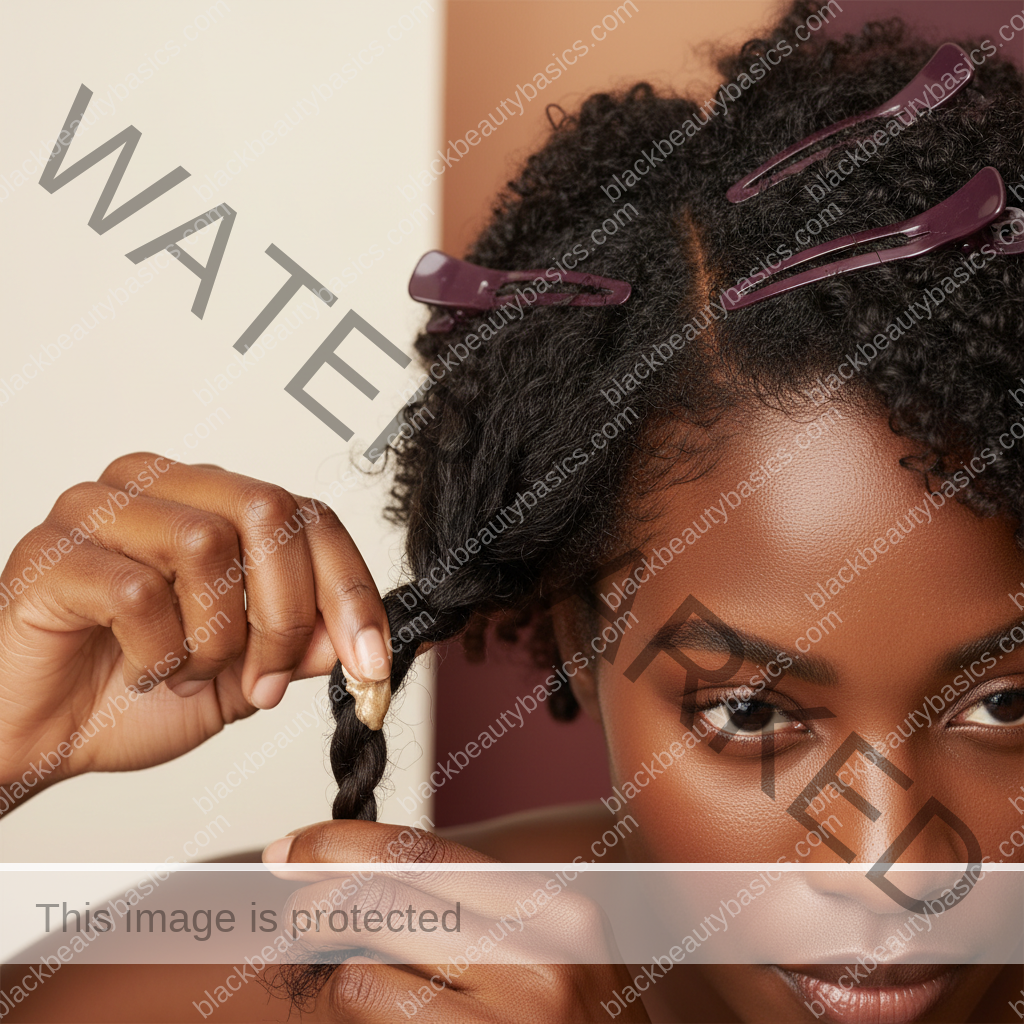
5. Pin Curls: Volume and Gentle Stretch
Pin curls are a classic technique for creating soft waves and volume while gently stretching the hair. They are particularly good for adding body and movement.
Creating Beautiful Pin Curls:
- Damp Hair: Work on damp, detangled hair. Apply a light mousse or setting spray. Shop Hair Mousses on Amazon
- Section and Curl: Take a small section of hair. Smooth it and curl it around your finger from the ends towards the root, forming a small coil against your scalp.
- Secure with Pin: Secure the coil flat against your scalp with a bobby pin or duckbill clip. Shop Bobby Pins on Amazon
- Dry Completely: Allow pin curls to air dry completely, or use a hooded dryer on a cool setting.
- Release and Style: Once dry, carefully remove the pins. Gently separate and arrange the curls for a soft, voluminous look.
Low-Heat Alternatives: Strategic Use of Warmth
While the focus is on heatless methods, there are instances where a touch of low heat can aid in stretching without causing damage. The key is moderation, proper protection, and mindful application.
1. Hooded Dryer on Cool/Low Setting
After setting your hair in rollers, braids, or twists, sitting under a hooded dryer on a cool or low-heat setting can significantly speed up drying time. This indirect heat is much gentler than direct heat from a blow dryer.
Best Practices:
- Always use a heat protectant, even with low heat. Shop Heat Protectants on Amazon
- Ensure the dryer setting is truly low or cool.
- Avoid over-drying; remove yourself from the dryer once hair is mostly dry, allowing it to air dry the rest of the way.
2. Tension Method Blow Drying (Minimal Use)
The tension method involves using a blow dryer on a cool or low-heat setting with a nozzle, gently pulling sections of hair taut with your hand as you dry. This stretches the hair without direct contact with a hot comb or flat iron.
Caution: This method still involves direct air, so it should be used sparingly and with extreme care.
Steps:
- Prep: Apply a generous amount of heat protectant to damp, detangled hair.
- Section: Divide hair into small sections.
- Apply Tension: Hold a section taut with one hand, away from your scalp.
- Blow Dry: Direct the cool/low air from the blow dryer down the length of the section, moving continuously. Do not hold the dryer in one spot.
- Repeat: Continue until the section is dry and stretched.
Important: Always use the coolest setting possible and keep the blow dryer moving. The goal is to stretch, not to straighten with heat. Shop Blow Dryers on Amazon
Essential Products for Heatless Stretching Success
The right products are your allies in achieving beautifully stretched hair without heat. They provide moisture, hold, and protection, ensuring your efforts yield stunning results.
Your Stretching Arsenal: Product Checklist
| Product Category | Purpose | Key Ingredients to Look For | Recommended Product Type |
|---|---|---|---|
| Cleanser & Conditioner | Cleanse thoroughly, provide initial moisture, and detangle. | Sulfate-free, moisturizing, slippery consistency. | Moisturizing Shampoo & Deep Conditioner |
| Leave-In Conditioner | Lock in moisture, provide slip for detangling, and prepare hair for styling. | Water-based, humectants (glycerin, aloe vera), botanical extracts. | Hydrating Leave-In |
| Styling Cream/Lotion | Provide hold, definition, and additional moisture for stretching techniques. | Butters (shea, mango), oils (coconut, jojoba), light hold polymers. | Curl Defining Cream |
| Light Oil/Serum | Seal in moisture, add shine, and reduce frizz during unraveling. | Lightweight oils (argan, grapeseed, almond). | Finishing Oil |
| Setting Foam/Lotion | For roller sets, provides firm yet flexible hold and definition. | Non-flaking, quick-drying, heat-activated (for low-heat drying). | Foaming Wrap Lotion |
| Heat Protectant (for low-heat methods) | Shields hair from thermal damage when using minimal heat. | Silicones (lightweight), hydrolyzed proteins, natural oils. | Thermal Spray |
Maintaining Your Stretched Style: Longevity and Care
Once you’ve achieved your desired stretched look, proper maintenance is key to preserving its beauty and longevity. Protecting your style overnight and refreshing it gently will ensure your efforts last.
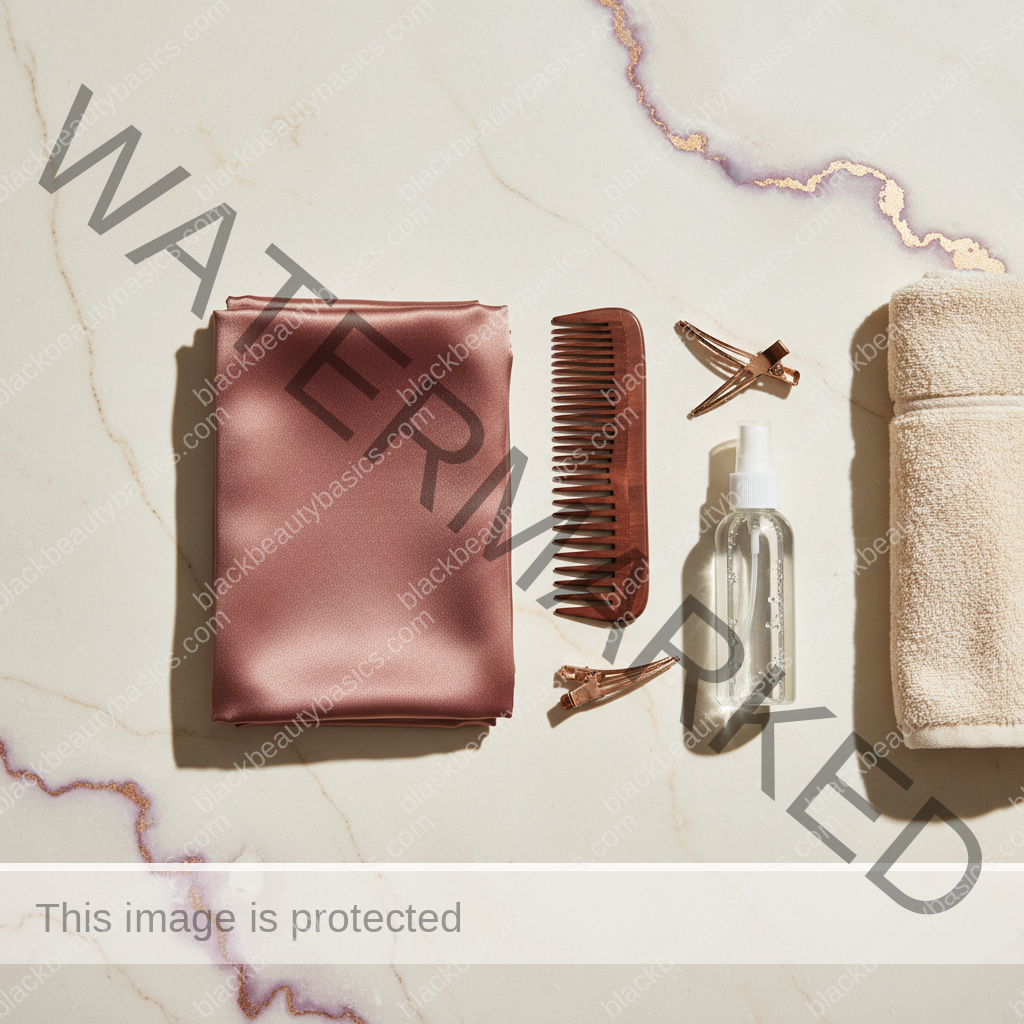
Nighttime Preservation: The Silk and Satin Sanctuary
Protecting your hair while you sleep is non-negotiable for maintaining stretched styles.
- Pineapple Method: Gently gather your hair into a loose, high ponytail or bun on top of your head. This keeps the hair off your neck and preserves volume.
- Satin Scarf or Bonnet: Always wrap your hair in a satin bonnet or silk scarf. These materials reduce friction, prevent frizz, and help retain moisture.
- Silk Pillowcase: As an added layer of protection, sleeping on a silk pillowcase is beneficial, even with a bonnet, especially if your bonnet slips.
Refreshing Your Stretched Hair: A Gentle Touch
As the days pass, your stretched style may need a little revitalization. Avoid drenching your hair, which can cause it to revert.
- Light Mist: Use a fine mist spray bottle with water or a diluted leave-in conditioner to lightly dampen sections that need refreshing. Shop Fine Mist Spray Bottles on Amazon
- Re-twist/Re-braid: For areas that have lost their definition, lightly dampen the section, apply a tiny bit of styling cream, and re-twist or re-braid it. Allow it to air dry completely before unraveling.
- Fluff and Go: Sometimes, a simple fluff with your fingers (with a little oil on them) is all that’s needed to revive volume and separate strands.
Choose a stretch method that respects your schedule
For Black women with textured hair, hair-care choices can feel emotional because they sit at the intersection of identity, time, styling expectations, budget, and all the advice we have been given about what our hair “should” do. This guide focuses on stretching natural hair with lower-heat and no-heat methods while protecting elasticity, ends, and scalp comfort, while keeping the related BBB natural-hair cluster as the home base. The goal is not to force every curl, coil, kink, or section into the same behavior. The goal is to build a routine that protects the hair you actually have.
Decide what you want the stretch to do. Is the goal easier detangling, a looser silhouette, or a style that lasts until the next wash day? Your answer can guide whether you use bands, twists, braids, or another low-heat approach described above. Allow enough time for the hair to dry in that shape, and consider how you will take it down without tugging at the ends.
A successful stretch should make the next styling step easier, not leave the scalp sore or the ends tangled. Work in manageable sections, keep the tension comfortable, and protect the hair while it dries. Some shrinkage returning during the week is normal. You can keep a style neat without chasing the longest possible appearance of each strand.
What to notice gently
- Where your hair tangles first: ends, nape, crown, edges, or interior sections.
- How your hair responds to water, conditioner, gels, creams, oils, and drying time.
- Which steps leave your hair softer, rougher, stretched, shrunken, defined, or weighed down.
- How much manipulation your schedule and strands can realistically handle.
- What improves the style without making wash day feel impossible.
When stretching adds more stress than ease
Pulling bands or braids tighter may seem like a shortcut to a smoother result, but discomfort is a sign to back off. Check the hairline and nape before leaving a stretching method in place. If a section feels strained, redo it more loosely rather than trying to make the style last through pain.
Changing between heat, tight bands, and repeated re-twisting can make it difficult to tell which step is helping. Pick one stretching method for a wash cycle and judge it by comfort, drying time, and the ease of detangling afterward. A gentler method that you can repeat may serve you better than a dramatic one-day result.
Do not rush the take-down. Pulling apart a partly damp or tangled section can undo the ease you wanted from the stretch. Give the hair enough time, use your fingers gently, and pause where strands catch. The finished shape does not have to stay perfectly elongated to be a worthwhile style.
What to do next
For the next wash cycle, choose a comfortable stretch target and one method that fits your time. The related guides below cover wash-day planning and moisture balance if dryness or tangling is making the stretch harder. Your texture is not a problem to overcome; the method should work with it.
- Natural Hair Care & Protective Styles
- The related natural-hair cluster guide
- heat styling and silk presses on natural hair
- workweek low-manipulation styles
- 4C low-energy wash day
- everyday low-manipulation styling
Frequently Asked Questions About Heatless Stretching
Q1: Can heatless stretching completely eliminate shrinkage?
A1: While heatless stretching significantly reduces shrinkage and elongates your hair, it’s unlikely to eliminate it entirely, especially for highly coily textures. Shrinkage is a natural characteristic of healthy curly hair. These methods aim to minimize it and showcase more length, but your hair will always retain some degree of its natural curl memory.
Q2: How long do heatless stretched styles typically last?
A2: The longevity of a heatless stretched style varies greatly depending on your hair type, the specific technique used, product choices, and environmental factors (humidity). Generally, they can last anywhere from 3 days to a week or even longer with proper nighttime preservation and gentle refreshing. Tighter techniques like African threading or very small braids/twists tend to last longer.
Q3: Will heatless stretching damage my curl pattern?
A3: No, heatless stretching methods are designed to be gentle and will not permanently alter your curl pattern. Unlike excessive heat, which can break down protein bonds and cause irreversible damage, these techniques temporarily reshape the hair using tension and air drying. Your hair will revert to its natural curl pattern once it’s washed or exposed to significant moisture.
Q4: What’s the best heatless stretching method for very short natural hair?
A4: For very short natural hair (TWA – Teeny Weeny Afro), banding can be effective, especially if you have enough length to create small sections. Small two-strand twists or mini braids can also work well. Perm rods or flexi rods in very small sizes can also offer a good stretch and defined curl. The key is to work in very small sections and ensure the hair is fully dry.
Q5: My hair takes forever to air dry. Can I speed up the process without damage?
A5: Yes, you can speed up air drying without causing damage. After setting your hair in your chosen style (braids, twists, rollers), you can sit under a hooded dryer on a cool or very low-heat setting. Ensure the air is not hot, just warm enough to circulate and aid evaporation. Alternatively, ensure your hair is thoroughly squeezed of excess water with a microfiber towel before applying products and styling, as this significantly reduces drying time. Shop Microfiber Towels on Amazon
Q6: Can I use heatless stretching techniques on chemically treated or relaxed hair?
A6: While these techniques are primarily discussed for natural hair, many can be adapted for chemically treated or relaxed hair to add body, waves, or curls without using direct heat tools. Roller sets, pin curls, and even large braids/twists can create beautiful styles on relaxed hair. Always ensure your hair is well-conditioned and protected, regardless of its state.
Q7: How often should I stretch my hair using these methods?
A7: The frequency depends on your personal preference and hair health. Since these methods are gentle, they can be incorporated into your routine as often as you like, typically after each wash day. However, always listen to your hair; if you notice any excessive manipulation or dryness, adjust your frequency or product choices. The goal is healthy, beautiful hair, not just stretched hair.
A8: Quick reversion can be due to high humidity, insufficient drying time, or using products that are too heavy or water-based without enough hold. Ensure your hair is 100% dry before unraveling. Consider using a setting lotion or foam for better hold, and choose styling creams that offer some resistance to humidity. In very humid climates, some reversion is almost inevitable, so embracing a slightly fuller, softer look might be part of the journey.
The Enduring Beauty of Mindful Hair Care
Our journey with natural hair is a testament to resilience, beauty, and self-love. By choosing to stretch our coils with intention and care, we honor our hair’s health while celebrating its incredible versatility. May these techniques empower you to explore new dimensions of your crown, always nurturing it with the elegance and pride it so richly deserves.
Related next steps
Related posts:
 Repairing Heat Damage in Natural Hair: What’s Possible and What Isn’t
 How Heat Affects Natural Hair and Curl Patterns: Understanding the Science Behind the Sleek
 How to Use a Hair Steamer for Natural Black Hair at Home: Deep-Condition Like a Pro With a Thermal Heat Cap
 Balancing Moisture and Strength With Heat Styling and Color
 Heat Styling, Color, and Porosity Changes Over Time: Adapting Your Routine for Evolving Needs
 Choosing the Right Heat Tools and Products: Your Arsenal for Controlled Styling