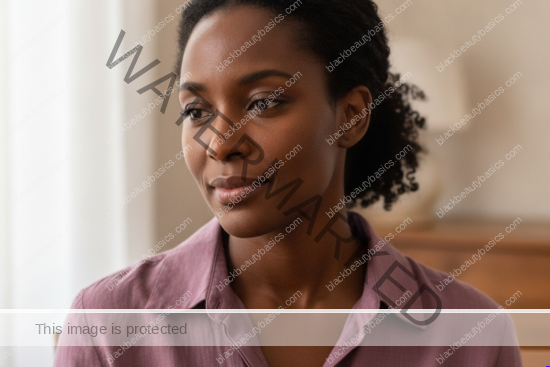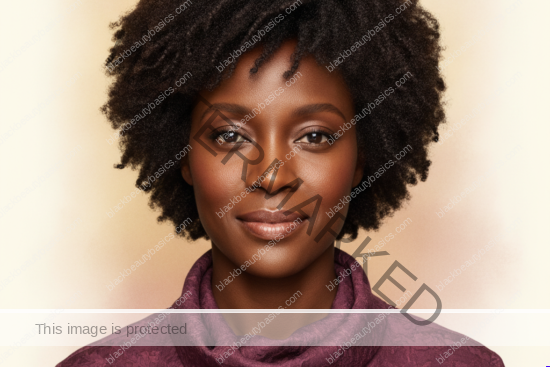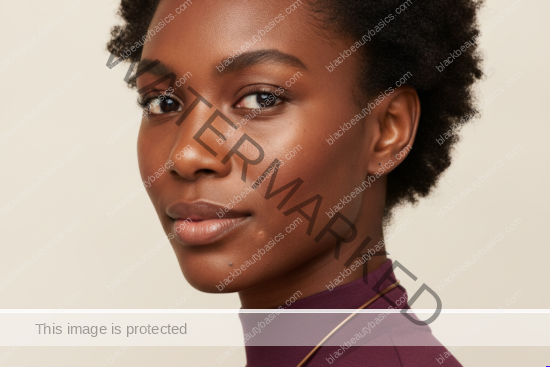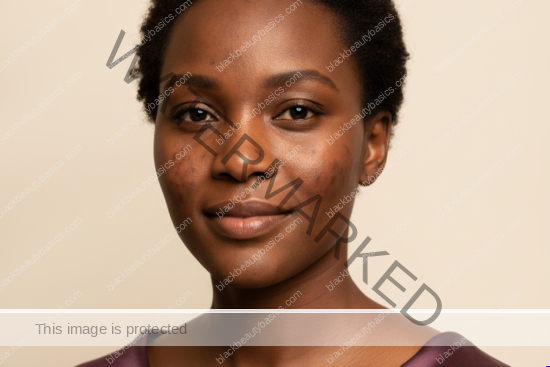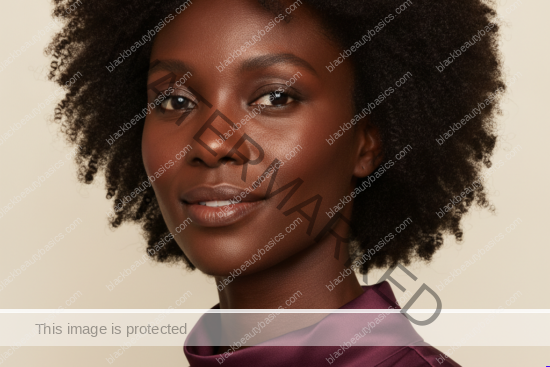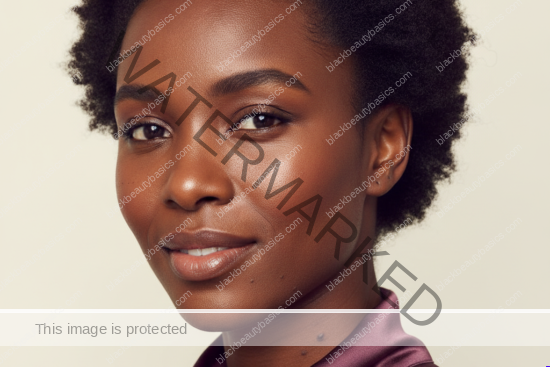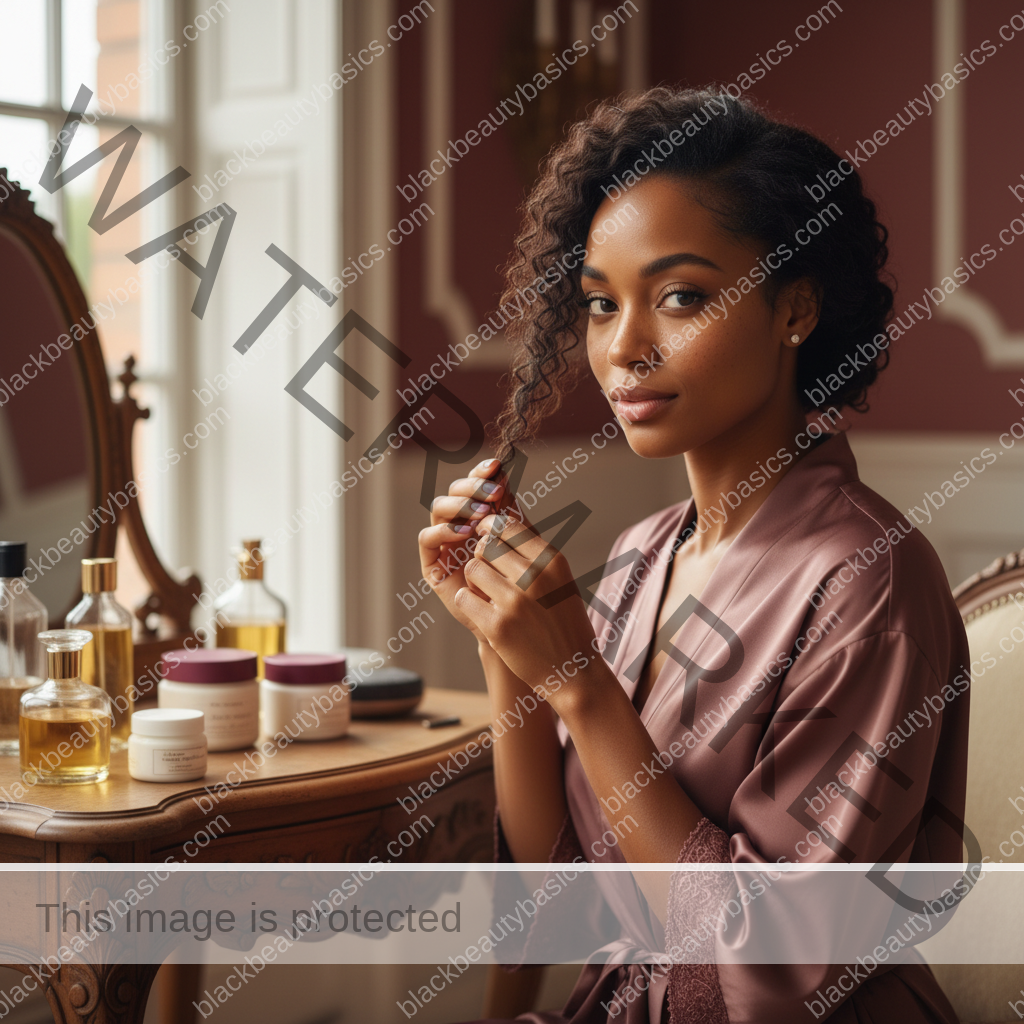
In the demanding rhythm of the workweek, our crowns deserve not only to look exquisite but to be nurtured with intention and care. For the discerning Black woman, the pursuit of professional polish often collides with the desire for healthy, thriving natural hair. This delicate balance is where the art of low-manipulation styling truly shines, offering a sophisticated solution that honors both your professional aspirations and your hair’s inherent strength. Start with the related BBB natural-hair cluster guide if you want the broader map.
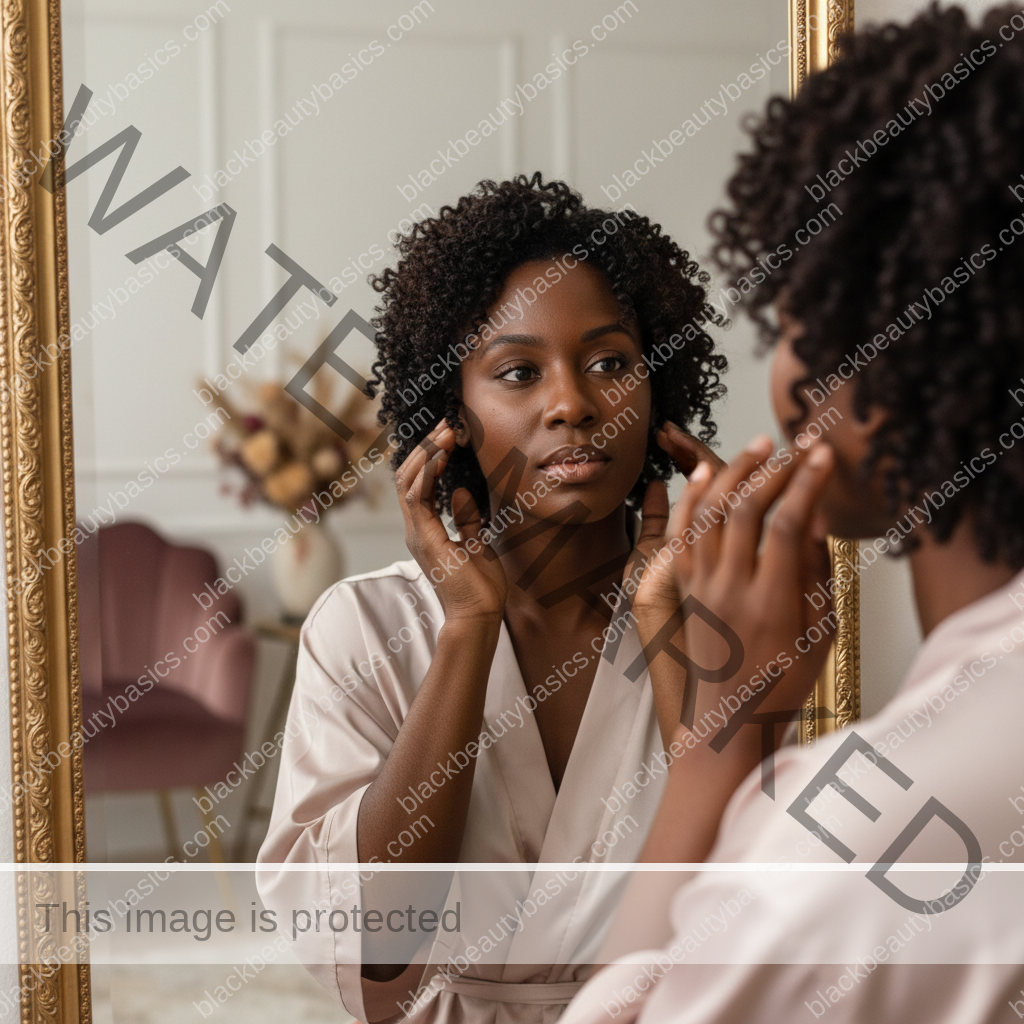
Imagine stepping into your office, your presentation flawless, your spirit radiant, and your hair impeccably styled yet utterly protected. This is the promise of low-manipulation hairstyles: elegance without effort, protection without compromise. Join us as we unveil the secrets to maintaining your hair’s integrity while commanding attention in every boardroom and meeting.
The Essence of Low-Manipulation: Why Less is Truly More for Melanin-Rich Hair
For our unique hair textures—from delicate waves to resilient coils—excessive styling, pulling, and heat can lead to breakage, thinning, and stunted growth. Low-manipulation styling is not merely a trend; it is a foundational principle of healthy hair care, particularly for those with textured strands. It’s about minimizing stress on your hair follicles and strands, allowing your hair to flourish in its natural state while still presenting a polished, professional aesthetic.
The workweek, with its early mornings and packed schedules, often leaves little time for intricate styling. Low-manipulation styles are your strategic allies, offering a reprieve from daily tension while ensuring you always look your best. They reduce friction, prevent tangles, and lock in moisture, creating an optimal environment for growth and retention. This approach celebrates your hair’s natural beauty by preserving its health, making it an indispensable part of any sophisticated hair care regimen.
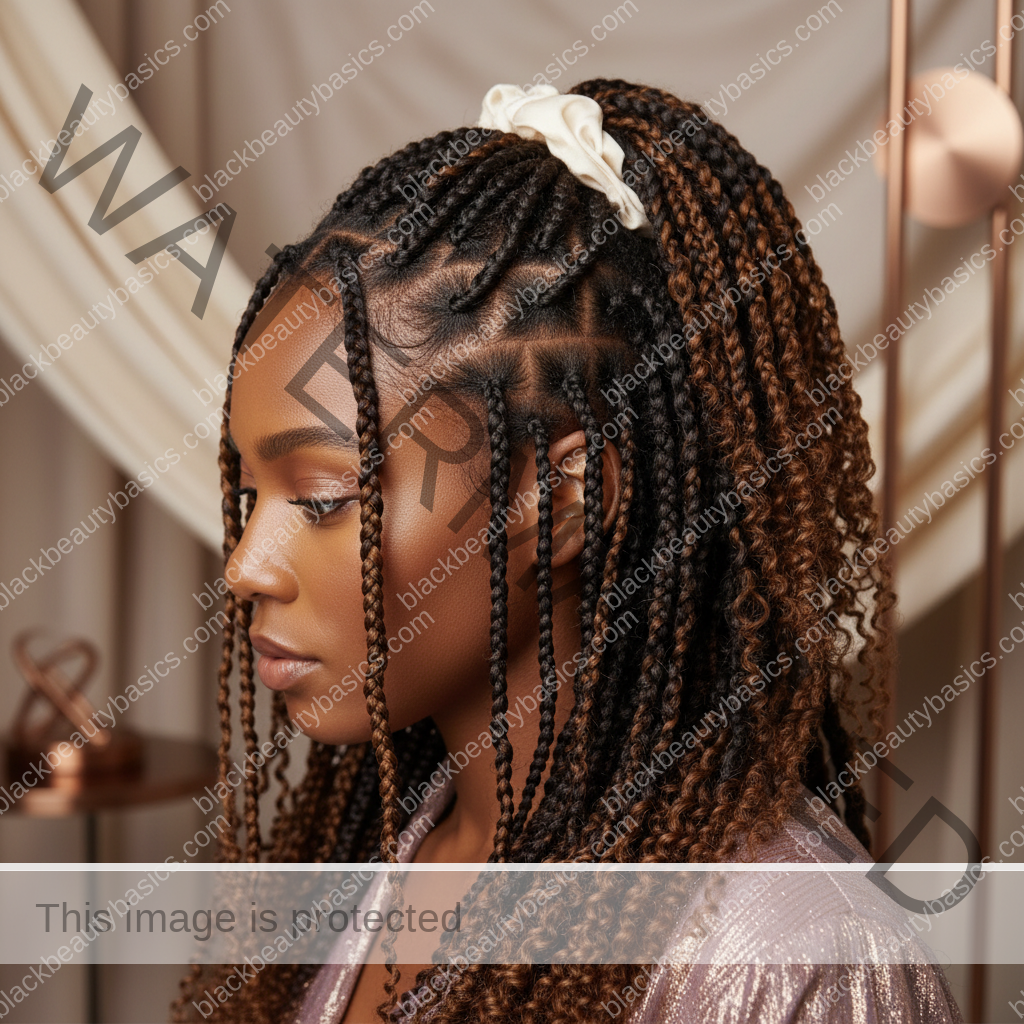
Understanding the Benefits: Beyond Just Time-Saving
While the time-saving aspect is undeniably appealing, the advantages of low-manipulation styles extend far beyond convenience. They are a proactive measure against common hair woes experienced by Black women, such as:
- Reduced Breakage: Less handling means fewer opportunities for strands to snap or weaken.
- Moisture Retention: Styles that keep hair tucked away or contained help to seal in vital moisture, preventing dryness and brittleness.
- Length Retention: By minimizing breakage, low-manipulation styles allow your hair to reach its full growth potential.
- Improved Hair Health: Overall, your hair becomes stronger, more resilient, and less prone to damage.
- Versatility: These styles can be dressed up or down, making them perfect for transitioning from the office to an evening event.
Key Principles of Low-Manipulation Styling
Embracing low-manipulation doesn’t mean sacrificing style. It means adopting a mindful approach to how you interact with your hair. Here are the guiding principles:
- Gentle Handling: Always detangle with care, using your fingers or a wide-tooth comb. Avoid harsh brushing or pulling.
- Moisture First: Ensure your hair is adequately moisturized before styling. A good leave-in conditioner and a sealing oil are non-negotiable. Shop Leave-In Conditioners on Amazon | Shop Hair Sealing Oils on Amazon
- Protective Styling: Opt for styles that tuck away ends and minimize exposure to environmental elements.
- Minimal Heat: Reduce or eliminate heat styling. When heat is necessary, use a heat protectant. Shop Heat Protectants on Amazon
- Nighttime Care: Protect your style and hair overnight with a silk or satin scarf or bonnet. Shop Silk Bonnets on Amazon
Elegant & Effortless: Low-Manipulation Styles for the Professional Woman
The modern professional demands styles that are not only chic but also sustainable for her hair health. Here, we present a curated selection of low-manipulation styles that exude sophistication and require minimal daily fuss, perfect for your workweek wardrobe.
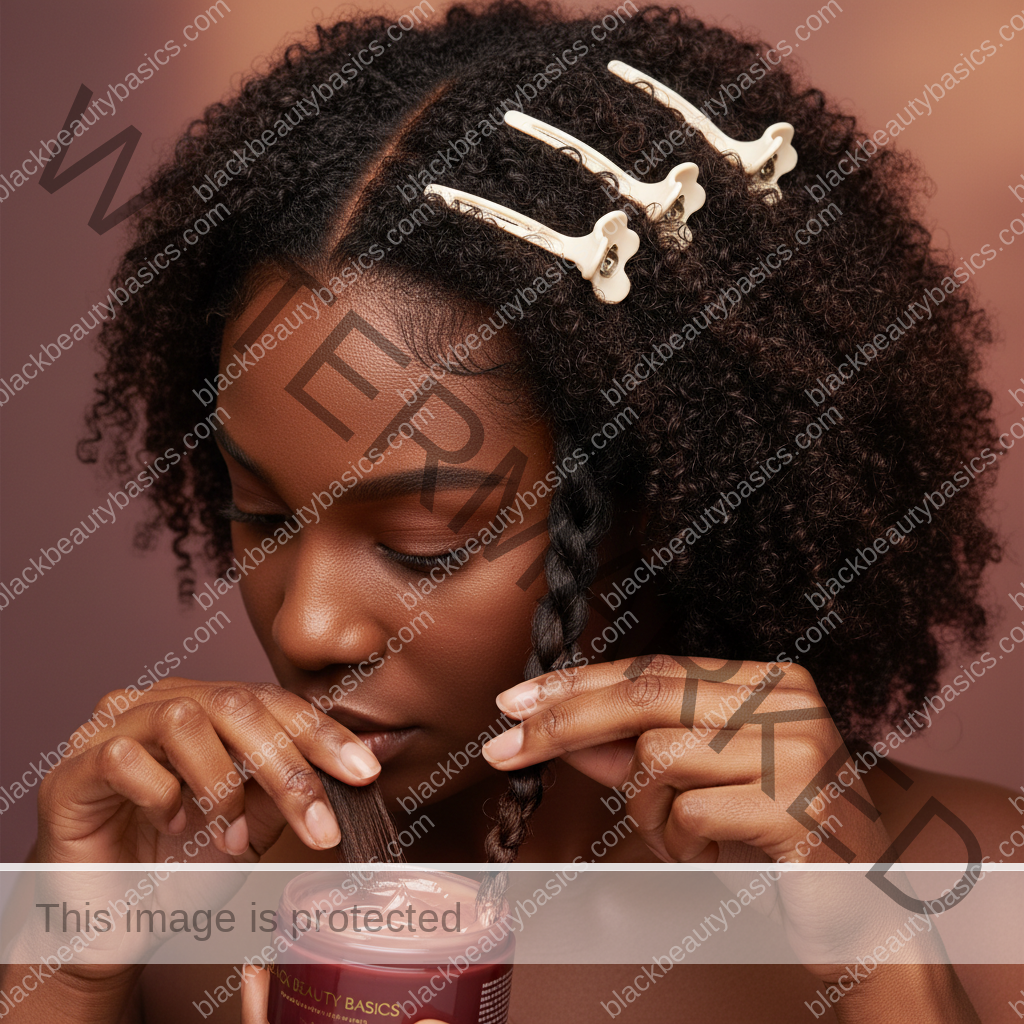
The Sleek Low Bun: Timeless Professionalism
A classic for a reason, the low bun is the epitome of understated elegance. It keeps hair neatly off the face and neck, projecting an image of polished competence. It’s incredibly versatile, working equally well for a high-stakes meeting or a casual Friday.
How to Achieve It:
- Start with freshly washed and deep-conditioned hair. Ensure it’s thoroughly moisturized. Shop Deep Conditioners on Amazon
- Apply a smoothing gel or edge control to your perimeter for a flawless finish. Shop Edge Control on Amazon
- Gather your hair at the nape of your neck, using a soft brush to smooth out any bumps.
- Secure with a snag-free hair tie. Shop Snag-Free Hair Ties on Amazon
- Twist or braid the ponytail and coil it into a bun, securing with bobby pins. Shop Bobby Pins on Amazon
- For extra shine and hold, finish with a light-hold hairspray. Shop Hairspray on Amazon
Pro Tip:
For added texture and visual interest, try a braided low bun or a twisted low bun. You can also incorporate a chic hair accessory like a minimalist barrette or a silk scarf to elevate the look. Shop Hair Accessories on Amazon
The Chic High Puff/Ponytail: Elevated Simplicity
A sophisticated take on the classic ponytail, the high puff or sleek ponytail offers a clean, confident aesthetic. It keeps hair away from your face, allowing your features to take center stage, and can be adapted for various hair lengths and textures.
How to Achieve It:
- Ensure hair is well-moisturized and detangled.
- Apply a strong-hold gel or pomade to your edges and along your hairline.
- Using a firm brush, gather all your hair into a high ponytail or puff placement.
- Secure with a strong, elastic band or an ouchless hair tie. For a puff, use a drawstring ponytail elastic for maximum volume and security. Shop Drawstring Ponytail Elastics on Amazon
- Smooth down any flyaways with additional edge control or hairspray.
- For a puff, gently fluff out the hair in the puff for desired volume. For a sleek ponytail, ensure the ponytail itself is smooth and free of frizz.
Pro Tip:
To prevent tension headaches, avoid pulling your hair too tightly. Use a satin scrunchie to minimize friction at the base of your ponytail. Shop Satin Scrunchies on Amazon
Twist-Outs and Braid-Outs: Defined Texture, Minimal Manipulation
These styles are the ultimate “set it and forget it” options. They are created on wet or damp hair, allowed to dry, and then carefully unraveled, providing beautiful, defined texture that lasts for days with minimal daily fuss. They are perfect for showcasing your natural curl pattern while keeping manipulation to a minimum.
How to Achieve It:
- Start with clean, damp hair. Apply a leave-in conditioner, then a styling cream or foam. Shop Styling Creams on Amazon | Shop Styling Foams on Amazon
- Divide your hair into sections. For each section, apply a small amount of styling product.
- For Twist-Outs: Two-strand twist each section tightly from root to tip.
- For Braid-Outs: Braid each section tightly from root to tip.
- Allow hair to air dry completely, preferably overnight.
- Once dry, apply a few drops of light oil to your hands to minimize frizz, then carefully unravel each twist or braid. Shop Light Hair Oils on Amazon
- Gently separate and fluff for desired volume.
Pro Tip:
For longer-lasting definition, use smaller sections. To refresh throughout the week, lightly spritz with a hydrating mist and pineapple your hair at night. Shop Hydrating Mists on Amazon
Braids & Twists (Box Braids, Senegalese Twists, Cornrows): The Ultimate Protective Style
These are the champions of low-manipulation, offering weeks of styling freedom and hair protection. They are an investment in time upfront but pay dividends in daily convenience and hair health. They also offer incredible versatility in styling once installed.
How to Achieve It:
- Start with thoroughly cleansed, deep-conditioned, and stretched hair.
- Choose your desired braid or twist style (e.g., box braids, cornrows, Senegalese twists).
- Have them professionally installed or install them yourself with care, ensuring tension is not too tight on your scalp.
- Maintain by moisturizing your scalp and hair regularly with a light oil or scalp serum. Shop Scalp Serums on Amazon
- Protect at night with a large satin bonnet or scarf.
Pro Tip:
Don’t leave protective styles in for too long (typically 6-8 weeks maximum) to prevent product buildup and excessive tension. Give your hair a break between installations.
Faux Locs & Goddess Locs: Bohemian Chic Meets Professional Grace
Offering a similar protective benefit to braids and twists, faux locs and goddess locs provide a distinct, bohemian-inspired aesthetic that can be incredibly professional when styled appropriately. They offer a unique texture and volume that commands attention.
How to Achieve It:
- Prepare your hair as you would for braids or twists – clean, conditioned, and stretched.
- These styles are typically installed by wrapping hair extensions around your natural hair, either by braiding first (for faux locs) or by individually wrapping (for goddess locs).
- Ensure the installation is not too tight to prevent tension and damage to your edges.
- Maintain by keeping your scalp moisturized and protecting your hair at night.
Pro Tip:
Choose extensions that complement your natural hair texture and color for a more seamless and sophisticated look. Consider the weight of the locs, especially if you have fine hair, to avoid undue stress.
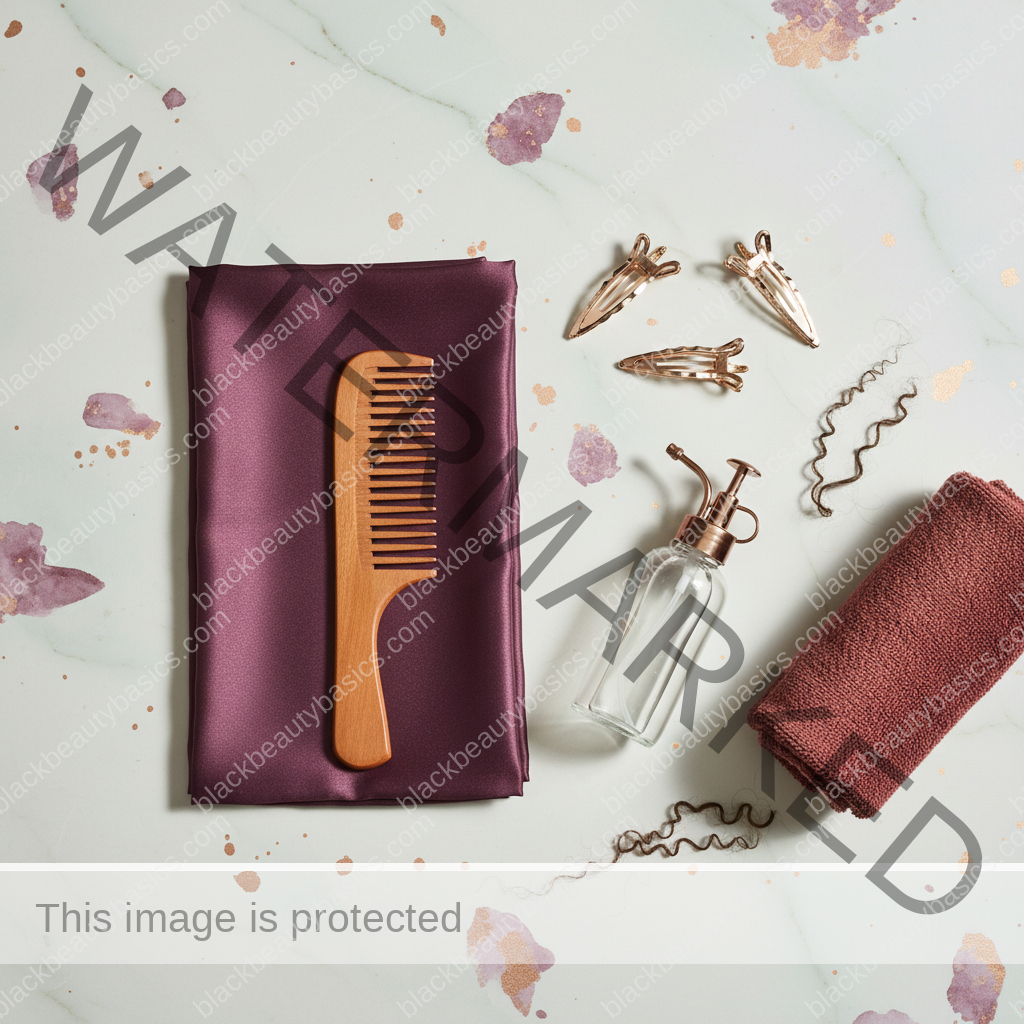
Maintaining Your Masterpiece: Tips for Lasting Low-Manipulation Styles
The beauty of low-manipulation styles lies in their longevity, but even the most resilient styles require proper care to maintain their integrity and keep your hair healthy. Here’s how to ensure your workweek styles last and thrive.
Essential Daily & Nightly Rituals
Consistency is key when it comes to hair health. Incorporate these habits into your routine:
- Moisturize Regularly: Even in protective styles, your hair needs moisture. Use a light leave-in conditioner spray or a hair mist daily or every other day. Focus on your scalp and the exposed parts of your hair.
- Seal in Moisture: Follow your moisturizing routine with a light oil to seal in the hydration. This is crucial for preventing dryness and breakage.
- Protect at Night: Always wear a silk or satin bonnet, scarf, or use a silk pillowcase. This reduces friction, prevents frizz, and helps maintain your style. Shop Silk Pillowcases on Amazon
- Gentle Detangling: When it’s time to detangle (before washing or between styles), use a wide-tooth comb or your fingers, working from ends to roots. Always detangle on damp, conditioned hair.
- Cleanse Your Scalp: Even with protective styles, your scalp needs attention. Use a diluted shampoo or a scalp cleanser with an applicator nozzle to clean between braids or twists without disturbing the style. Shop Scalp Cleansers on Amazon
Product Power: Your Low-Manipulation Arsenal
The right products are foundational to successful low-manipulation styling. Invest in quality items that nourish and protect your hair.
Comparison Table: Styling Products for Low-Manipulation
| Product Category | Purpose | Key Ingredients to Look For | Why It’s Essential |
|---|---|---|---|
| Leave-In Conditioner | Hydration, detangling, base for styling | Water, aloe vera, glycerin, botanical extracts (e.g., marshmallow root, slippery elm) | Provides foundational moisture, makes hair pliable for styling, reduces friction. Shop Hydrating Leave-In Conditioners on Amazon |
| Styling Cream/Foam | Definition, hold, frizz control for twists/braids | Shea butter, mango butter, coconut oil, argan oil, flaxseed gel | Enhances curl pattern, provides soft to medium hold without crunch, minimizes frizz. Shop Curl Defining Creams on Amazon |
| Edge Control/Gel | Sleeking edges, hold for buns/ponytails | Aloe vera, castor oil, beeswax (for stronger hold), non-flaking formulas | Creates a polished finish, tames flyaways, essential for sleek looks. Shop Non-Flaking Edge Control on Amazon |
| Hair Oil (Light) | Sealing moisture, shine, scalp health | Jojoba oil, argan oil, grapeseed oil, sweet almond oil | Locks in moisture, adds healthy sheen, nourishes scalp without weighing down hair. Shop Lightweight Hair Oils on Amazon |
| Satin/Silk Accessories | Friction reduction, style preservation | 100% silk or satin fabric | Protects hair from breakage, reduces frizz, extends the life of your style. Shop Satin Hair Accessories on Amazon |
When to Refresh and When to Restyle
Understanding the lifespan of your low-manipulation style is crucial for maintaining both its appearance and your hair’s health.
- Daily Refresh (for twist-outs/braid-outs): Lightly spritz with a hydrating mist, re-fluff, and re-pineapple if needed. Avoid excessive re-separation to prevent frizz.
- Mid-Week Touch-Up (for buns/ponytails): Re-apply edge control, smooth down flyaways, and tighten your bun/ponytail if it feels loose.
- Weekly Deep Condition: Even if your style is meant to last longer, ensure you’re deep conditioning your hair regularly when it’s out of the protective style.
- Restyle: Most low-manipulation styles (like buns or puffs) can last 2-4 days before needing to be taken down, moisturized, and restyled. Braids and twists can last weeks. Listen to your hair; if it feels dry, tangled, or your scalp is irritated, it’s time to take it down.
Beyond the Office: Transitioning Your Low-Manipulation Look
One of the true beauties of low-manipulation styles is their inherent versatility. With a few simple tweaks, your professional workweek look can effortlessly transition to an evening out, a weekend brunch, or a special event.
Tips for Elevating Your Style
- Accessorize with Intention: A simple gold or pearl hair clip can instantly elevate a low bun. A statement earring can transform a sleek high puff. Consider silk scarves woven into braids or used as headbands for a touch of color and elegance. Shop Elegant Hair Clips on Amazon
- Add a Pop of Color: If your work environment allows, a vibrant lip color or a bold eyeshadow can dramatically change the perception of a simple hairstyle, making it feel more glamorous.
- Loosen Up: For twist-outs or braid-outs, gently separate a few more strands for added volume and a softer, more romantic feel.
- Strategic Placement: Change the placement of your bun or ponytail. A slightly off-center bun or a lower, looser ponytail can create a different vibe.
- Hair Jewelry: For braids and twists, add delicate hair rings or cuffs for a subtle yet luxurious touch. Shop Hair Jewelry on Amazon
Choose a workweek style you can actually maintain
For Black women with textured hair, hair-care choices can feel emotional because they sit at the intersection of identity, time, styling expectations, budget, and all the advice we have been given about what our hair “should” do. This guide focuses on choosing polished, realistic styles that reduce daily handling while still fitting work, errands, weather, and self-expression, while keeping the related BBB natural-hair cluster as the home base. The goal is not to force every curl, coil, kink, or section into the same behavior. The goal is to build a routine that protects the hair you actually have.
Start with the demands of your actual week. Will you commute in humidity, wear a headset, exercise after work, or need to change the style for an evening event? A useful low-manipulation look should survive those ordinary moments without constant re-brushing or a tightly pulled hairline. Choose a style you can set, protect overnight, and refresh briefly rather than one that looks polished only for the first hour.
The goal is fewer stressful touchpoints, not a rule that you can never touch your hair. Prepare the hair so detangling is comfortable, keep the ends tucked or protected when it suits the style, and check that pins, bands, and clips are not digging into the scalp. If you can undo the style gently at the end of the week, it has served your schedule as well as your appearance.
What to notice gently
- Where your hair tangles first: ends, nape, crown, edges, or interior sections.
- How your hair responds to water, conditioner, gels, creams, oils, and drying time.
- Which steps leave your hair softer, rougher, stretched, shrunken, defined, or weighed down.
- How much manipulation your schedule and strands can realistically handle.
- What improves the style without making wash day feel impossible.
When a workweek style becomes too much work
A sleek look stops being low-manipulation when it needs tight brushing and fresh edge control every morning. If the style requires that much tension to hold, try a looser silhouette, a different part, or an accessory that does not tug. Professional polish does not require a strained hairline or a style that hurts by lunch.
Switching styles every day can quietly add more detangling, sectioning, and product buildup than a single well-chosen look. Pick a base style that can be adjusted with a pin, wrap, or gentle change in shape. That gives you variety without asking the hair to be reset from scratch before every shift or meeting.
A protective label does not guarantee a comfortable style. Check the nape, edges, and places where a band rests, especially after a full day. If you feel pulling or notice soreness, loosen or remove the style. A workweek plan should make your mornings easier while leaving your scalp and ends comfortable.
What to do next
Choose one style for the next few workdays and decide in advance how you will protect it at night and take it down. The related guides below offer wash-day and moisture-balance options if the style feels dry or difficult to manage. A style that fits your life is worth more than a complicated routine you cannot repeat.
- Natural Hair Care & Protective Styles
- The related natural-hair cluster guide
- everyday low-manipulation styling
- keeping twist-outs moisturized
- stretching natural hair without too much heat
- protective style strategy
Frequently Asked Questions About Low-Manipulation Hairstyles
Q1: What exactly does “low-manipulation” mean for natural hair?
A1: Low-manipulation refers to styling practices that minimize touching, pulling, brushing, and heat application to your hair. The goal is to reduce stress on your strands and scalp, thereby preventing breakage, retaining moisture, and promoting length retention. It’s about choosing styles that can last for several days without needing to be re-done or heavily styled daily, allowing your hair to rest and thrive.
Q2: Can I still use heat with low-manipulation styles?
A2: While the core principle of low-manipulation is to minimize heat, occasional, strategic use is acceptable if done correctly. This means using a high-quality heat protectant every single time, opting for the lowest effective heat setting, and limiting heat styling to once every few weeks or months. Air-drying or tension drying are preferred methods for stretching hair before protective styles.
Q3: How often should I wash my hair when wearing low-manipulation styles?
A3: The frequency depends on your scalp’s needs and the style. For styles like buns or puffs, washing once a week or every 10 days is generally sufficient. For longer-term protective styles like braids or twists, you might cleanse your scalp every 1-2 weeks using a diluted shampoo or a specialized scalp cleanser, focusing on the scalp without disturbing the style too much. Always follow with thorough moisturizing.
Q4: My edges are prone to thinning. Which low-manipulation styles are safest for them?
A4: Protecting your edges is paramount. Opt for styles that don’t put excessive tension on your hairline. Loose buns, soft puffs secured with satin scrunchies, and twist-outs/braid-outs that don’t require slicking down edges tightly are excellent choices. If you wear braids or twists, ensure they are not installed too tightly around your perimeter. Avoid styles that require constant pulling or brushing of your edges.
Q5: How do I keep my low-manipulation style fresh for the entire workweek?
A5: Nighttime protection is crucial: always wear a silk or satin bonnet or scarf. Daily, lightly mist your hair with a hydrating spray and seal with a light oil. For twist-outs/braid-outs, avoid over-separating. For buns/ponytails, refresh your edges with a non-flaking edge control and re-smooth as needed. If a style starts to look dull, a quick re-twist of a few sections or a gentle re-brush can revive it.
Q6: Are wigs and weaves considered low-manipulation styles?
A6: Yes, when installed and maintained correctly, wigs and weaves can be excellent low-manipulation options. They allow your natural hair to be braided down and protected underneath, minimizing daily exposure and manipulation. Ensure your natural hair is properly cleansed, conditioned, and moisturized before installation, and that the installation itself is not too tight. Regular scalp care underneath is also essential.
Q7: What’s the best way to transition from one low-manipulation style to another without causing damage?
A7: The key is patience and moisture. When taking down a style, ensure your hair is slightly damp and saturated with a conditioner or oil to provide slip. Use your fingers or a wide-tooth comb to gently detangle section by section, starting from the ends. Avoid ripping through knots. Once the style is completely out, give your hair a good wash, deep condition, and allow it to air dry before attempting a new style.
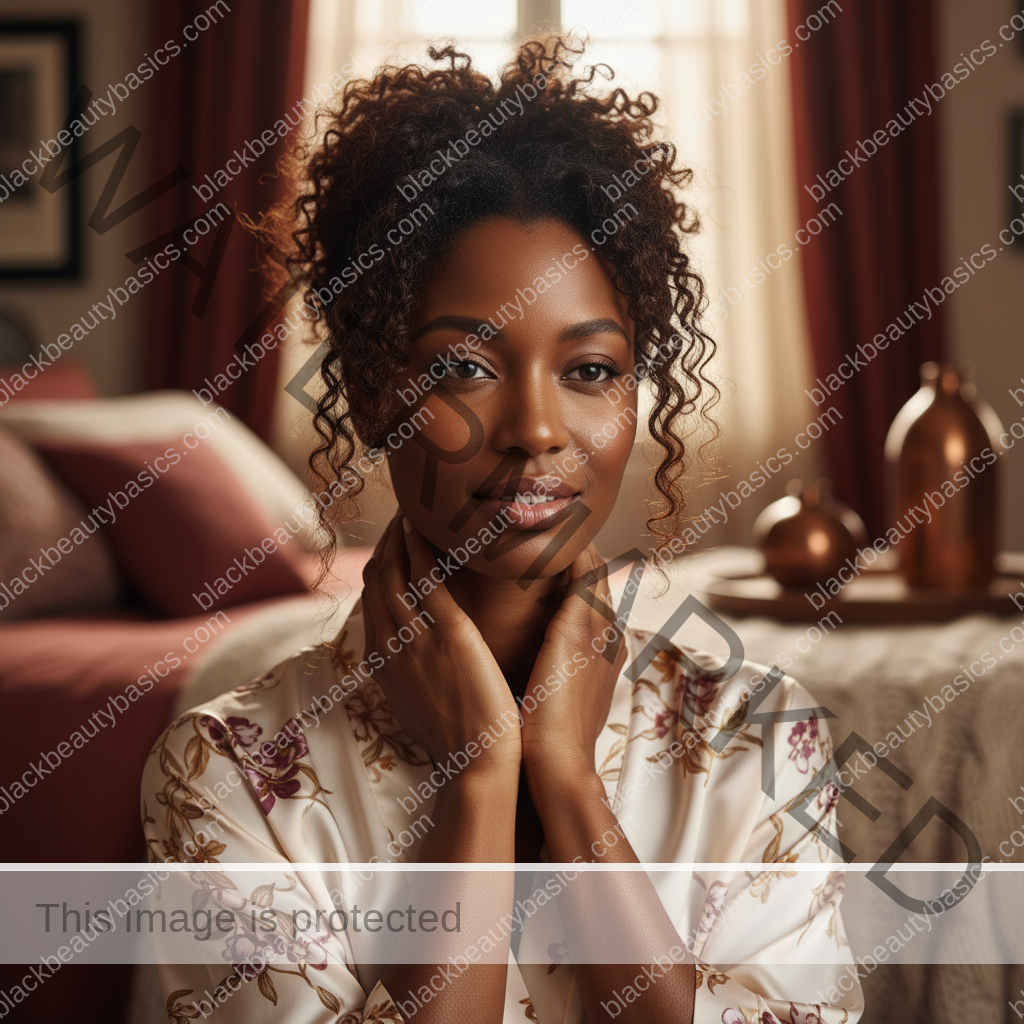
Embracing low-manipulation hairstyles for your workweek is more than a practical choice; it’s an act of self-care, a testament to your understanding that true beauty emanates from health and intentionality. As you navigate your professional journey, let your hair be a reflection of your wisdom and grace—protected, polished, and profoundly beautiful. May your crowns always shine with the strength and elegance they deserve.
Related next steps
Related posts:
 What Low-Manipulation Styling Really Means for Natural Hair
 Combining Low-Manipulation Styling With Protective Styles and Trims: A Holistic Approach to Natural Hair Retention
 Best Low-Tension Hairstyles When Your Scalp Is Inflamed
 Low‑Manipulation Styles for Length Retention in Natural Hair
 Gym-Friendly Natural Hairstyles That Won’t Wreck Your Edges
 Wash Day Routine for 4C Hair With Low Energy