Our crowns, magnificent and resilient, tell stories of heritage, strength, and beauty. Yet, sometimes, an unwelcome chapter begins to unfold, subtly at first, threatening the very essence of our hair’s vitality. Understanding the early whispers of conditions like Central Centrifugal Cicatricial Alopecia (CCCA) is not just about hair loss prevention; it’s about preserving the health and legacy of our cherished textured strands. Start with the related BBB scalp-health cluster guide if you want the broader map.

For the discerning Black woman, recognizing these initial signs is an act of self-care and empowerment, allowing us to advocate for ourselves with knowledge and grace. Let us embark on this journey of awareness, not with fear, but with the wisdom to protect our precious manes.
The Silent Threat: Understanding Central Centrifugal Cicatricial Alopecia (CCCA)
Central Centrifugal Cicatricial Alopecia, or CCCA, is a form of scarring alopecia primarily affecting women of African descent. It’s characterized by inflammation that destroys hair follicles, leading to permanent hair loss and scarring. The “central” refers to its typical onset at the crown or vertex of the scalp, while “centrifugal” describes its outward spread. “Cicatricial” signifies the scarring nature of the condition, meaning the hair follicles are replaced by scar tissue, preventing future hair growth.
While the exact cause of CCCA remains a subject of ongoing research, it’s understood to be a complex interplay of genetic predisposition, chronic inflammation, and potentially certain hair care practices. For years, it was mistakenly attributed solely to styling practices, but modern dermatology recognizes its inflammatory and genetic underpinnings. This distinction is crucial, as it shifts the narrative from blame to understanding and proactive management.
Understanding CCCA is the first step towards early detection and effective intervention. It’s a condition that demands our attention, not just as a cosmetic concern, but as a significant dermatological issue impacting the health and confidence of Black women.
The Subtle Beginnings: Why Early Detection is Paramount
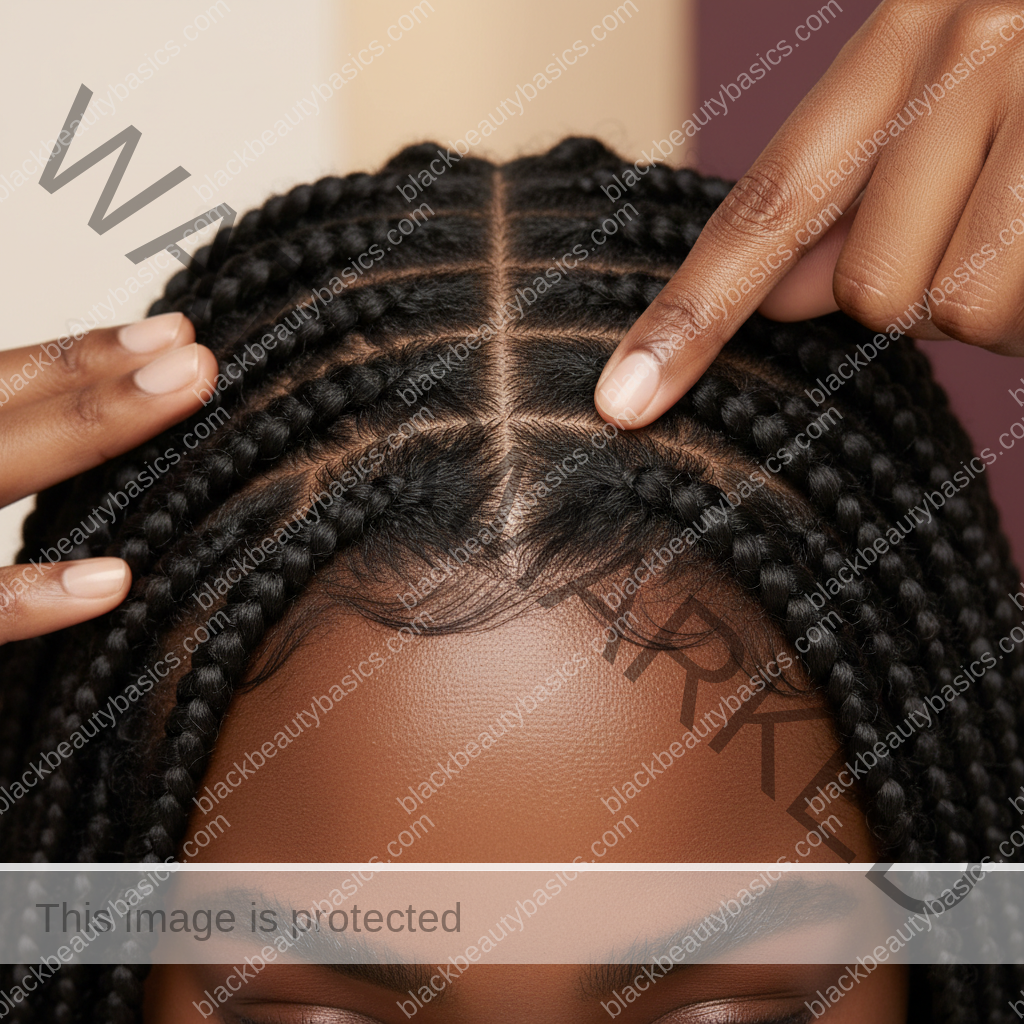
CCCA often begins subtly, making early detection challenging but profoundly important. Unlike some other forms of hair loss that might be reversible, the scarring nature of CCCA means that once a hair follicle is destroyed and replaced by scar tissue, it cannot grow hair again. This irreversible damage underscores why recognizing the initial signs is critical. Early intervention can halt or significantly slow the progression of the disease, preserving existing hair follicles and preventing extensive, permanent hair loss.
For textured hair, these early signs can sometimes be masked or misattributed to common hair concerns like breakage or dryness. This is why a heightened awareness and a discerning eye are essential. By understanding how CCCA may first manifest, we empower ourselves to seek professional help before the condition advances to a more severe, irreversible stage.
How CCCA May First Show Up on Textured Hair: The Initial Whispers
The initial manifestations of CCCA on textured hair can be insidious, often mimicking common hair and scalp issues. It’s crucial to pay close attention to these early whispers, as they are your scalp’s way of signaling distress. These signs typically emerge at the crown or vertex of the scalp, gradually expanding outwards.
1. Scalp Itchiness and Tenderness
One of the most common and often overlooked early symptoms of CCCA is persistent scalp itchiness. This isn’t your typical occasional itch; it’s often described as a deep, sometimes burning, or tingling sensation that doesn’t resolve with regular washing or moisturizing. The scalp may also feel tender to the touch, particularly at the crown, even without visible irritation.
- Persistent, deep itch: Unlike superficial dryness, this itch can be intense and localized.
- Burning or tingling sensation: A distinct discomfort that might be dismissed as product sensitivity.
- Tenderness: The scalp feels sore or sensitive, even to light touch or styling.
These sensations are indicative of inflammation occurring beneath the surface, even before visible signs of hair loss appear. If you experience chronic, localized itching or tenderness that doesn’t respond to your usual scalp care routine, it warrants closer inspection.
2. Subtle Thinning at the Crown
The hallmark of CCCA is its “central” onset. This means that one of the earliest visible signs is often a subtle, gradual thinning of hair at the crown or the top of the head. This thinning may not be immediately obvious, as it can be masked by the volume of surrounding hair, especially in textured styles.
- Decreased density: The hair feels less dense when gathered or styled.
- Wider part line: Your usual part line at the crown may appear wider than before.
- Increased scalp visibility: More scalp may be visible through the hair at the top of the head, especially when wet or under bright light.
This thinning is often symmetrical and progresses outwards in a circular or oval pattern. It’s not typically characterized by sudden, patchy hair loss, but rather a diffuse reduction in hair density within the affected area.
3. Small, Localized Bumps or Pimples
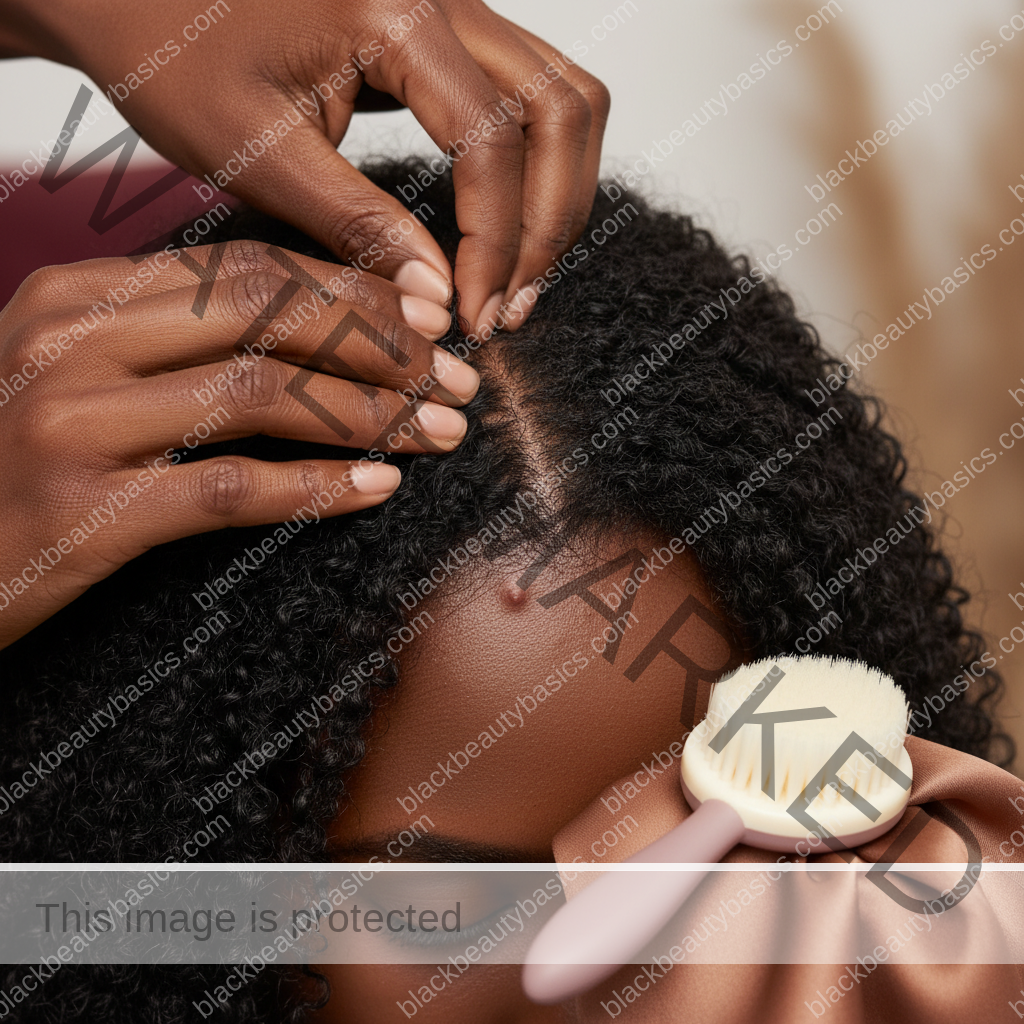
Inflammation is a key component of CCCA, and this can sometimes manifest as small, red bumps or pimple-like lesions on the scalp, particularly within the thinning areas. These are often follicular papules or pustules, indicating inflammation around the hair follicles.
- Red bumps: Small, raised red areas on the scalp.
- Pustules: Pimples with a white or yellow center, indicating infection or inflammation.
- Crusting: In some cases, these lesions may crust over.
While occasional scalp pimples can occur for various reasons, persistent or recurring bumps in conjunction with itching and thinning at the crown should raise a red flag. These are direct signs of follicular inflammation that, if left unchecked, can lead to scarring.
4. Hair Breakage and Lack of Growth in Affected Areas
As the hair follicles become compromised, the hair they produce may become weaker, more brittle, and prone to breakage. You might notice that hair in the affected crown area doesn’t seem to grow as long or as thick as the rest of your hair, or it breaks off easily, leading to a noticeable difference in length and density.
- Increased shedding: More hair than usual coming out when washing or styling.
- Short, brittle strands: Hair in the crown area appears shorter or breaks off easily.
- Stunted growth: Despite efforts, hair in this region doesn’t seem to retain length.
This isn’t just typical breakage; it’s often accompanied by the other symptoms mentioned, indicating a deeper issue than just external damage. The follicles are struggling to produce healthy, strong hair.
5. Changes in Hair Texture and Feel
Before significant hair loss occurs, you might notice subtle changes in the texture of your hair within the affected area. The hair may feel finer, coarser, or simply different from the rest of your strands. It might also become more difficult to manage or style in that specific region.
- Finer texture: Hair strands feel thinner or less robust.
- Coarser texture: Paradoxically, some may experience a rougher texture as the follicle struggles.
- Lack of elasticity: Hair feels less pliable and more rigid.
These textural changes are often a precursor to more pronounced thinning and indicate that the hair-producing machinery within the follicle is under stress.
Distinguishing CCCA from Common Hair Concerns
Given that the early signs of CCCA can mimic other conditions, it’s vital to understand the nuances that differentiate it. This table provides a clear comparison:
Comparison Table: CCCA vs. Common Scalp Issues
| Symptom/Condition | CCCA (Early Signs) | Dandruff/Dry Scalp | Traction Alopecia | Folliculitis |
|---|---|---|---|---|
| Primary Location | Crown/Vertex, spreading centrifugally | Throughout scalp, or localized dry patches | Hairline, temples, areas of tension (e.g., nape) | Anywhere on scalp, often localized to hair follicles |
| Itchiness | Persistent, deep, burning/tingling, often localized to crown | Flaky, surface itch, relieved by moisturizing/washing | Mild to moderate, often with tenderness from tension | Localized, often with pain/tenderness around bumps |
| Scalp Appearance | Subtle thinning, redness, small bumps/pustules, tenderness. Later: smooth, shiny scalp (scarring) | Flakes (white/yellow), sometimes redness, no significant thinning pattern | Redness, small bumps, thinning/bald patches along tension lines. Later: smooth, shiny scalp (scarring) | Red bumps, pustules, crusting around hair follicles |
| Hair Loss Pattern | Gradual, diffuse thinning at crown, spreading outwards. Permanent. | No direct hair loss, but excessive scratching can cause breakage | Receding hairline, thinning at temples/nape due to pulling. Can be reversible if caught early, but chronic tension leads to scarring. | Temporary hair loss in affected spots, but chronic/severe cases can lead to scarring and permanent loss. |
| Hair Texture | Finer, brittle, stunted growth in affected area | No direct change, but dryness can lead to breakage | Breakage, thinning, weaker strands in tension areas | No direct change, but inflammation can weaken hair |
| Key Differentiator | Persistent inflammation leading to scarring at the crown. | Fungal overgrowth or lack of moisture. | Physical tension/pulling on hair follicles. | Bacterial/fungal infection of hair follicles. |
When to Seek Professional Help: Your Next Steps
If you recognize several of the early signs of CCCA, particularly persistent itching, tenderness, and thinning at the crown that doesn’t improve with regular care, it’s imperative to seek professional medical advice. Delaying diagnosis and treatment can lead to irreversible scarring and more extensive hair loss.
Who to Consult:
- Dermatologist: Specifically, one who specializes in hair and scalp disorders, or has experience treating skin of color. They can accurately diagnose CCCA through a physical examination, and often a scalp biopsy.
- Trichologist: While not medical doctors, certified trichologists are hair and scalp specialists who can provide valuable insights and guidance, and often work in conjunction with dermatologists.
During your consultation, be prepared to discuss your symptoms, their duration, your hair care routine, and any family history of hair loss. The dermatologist may perform a trichoscopy (examination of the scalp with a magnified scope) or a scalp biopsy, which is often necessary to confirm the diagnosis and rule out other conditions.
Empowering Your Hair Journey: Management and Care
While CCCA is a chronic condition, it is manageable. Early diagnosis and a consistent treatment plan can significantly slow its progression and alleviate symptoms. Management typically involves a multi-faceted approach:
Medical Treatments:
- Topical Corticosteroids: To reduce inflammation.
- Oral Antibiotics/Anti-inflammatories: Such as doxycycline or hydroxychloroquine, to control inflammation.
- Corticosteroid Injections: Directly into the affected scalp areas for targeted inflammation reduction.
- Calcineurin Inhibitors: Such as tacrolimus, to suppress the immune response.
These treatments are prescribed and monitored by a dermatologist and are crucial for addressing the underlying inflammation.
Supportive Hair Care Practices for CCCA:
Beyond medical intervention, adopting a gentle and nourishing hair care routine is paramount for managing CCCA and supporting overall scalp health. This is not about “curing” CCCA with products, but about creating an optimal environment for your scalp and hair, minimizing further irritation, and promoting the health of existing follicles.
Tip List: Gentle Care for CCCA-Prone Scalps
- Cleanse Gently: Use sulfate-free, moisturizing shampoos. Avoid harsh scrubbing. Focus on cleansing the scalp without stripping it. Shop Sulfate-Free Shampoos on Amazon
- Condition Deeply: Follow with a rich, hydrating conditioner. Consider regular deep conditioning treatments to maintain hair’s elasticity and moisture. Shop Deep Conditioners on Amazon
- Moisturize the Scalp: Use lightweight, non-comedogenic scalp oils or serums specifically designed to soothe and hydrate the scalp. Avoid heavy greases that can clog follicles. Shop Scalp Soothing Serums on Amazon
- Avoid Tight Styles: Steer clear of braids, weaves, ponytails, or any style that puts tension on the scalp, especially at the crown. This can exacerbate inflammation and traction.
- Limit Heat Styling: Minimize the use of heat tools (flat irons, curling wands, blow dryers) to prevent further damage and irritation to the scalp and hair. When heat is necessary, use a heat protectant. Shop Heat Protectants on Amazon
- Detangle with Care: Always detangle gently, preferably when hair is damp and conditioned, using a wide-tooth comb or your fingers. Start from the ends and work your way up. Shop Wide-Tooth Combs on Amazon
- Protect at Night: Sleep on a silk or satin pillowcase or wear a silk/satin bonnet to reduce friction and preserve moisture. Shop Silk Bonnets on Amazon
- Regular Scalp Massages: Gentle scalp massages can improve circulation, but avoid aggressive rubbing that could irritate the scalp.
- Diet and Hydration: A balanced diet rich in vitamins and minerals, along with adequate hydration, supports overall hair health. Consider supplements like biotin, vitamin D, and omega-3s after consulting with your doctor. Shop Hair Growth Supplements on Amazon
Remember, the goal is to create a nurturing environment for your scalp and hair, reducing inflammation and preventing further damage. Consistency and patience are key.
Living with CCCA: Emotional Well-being and Support
Beyond the physical symptoms, living with CCCA can take a significant toll on emotional well-being. Hair is deeply intertwined with identity, especially for Black women. Hair loss can lead to feelings of self-consciousness, anxiety, and even depression. It’s crucial to address these emotional aspects as part of a holistic approach to managing the condition.
- Seek Support: Connect with others who have CCCA through online forums or support groups. Sharing experiences can be incredibly validating and empowering.
- Therapy/Counseling: If feelings of sadness, anxiety, or low self-esteem become overwhelming, consider speaking with a therapist or counselor.
- Embrace Your Beauty: Remember that your beauty is not defined by your hair. Focus on self-acceptance and self-love. Explore headwraps, wigs, or other protective styles that make you feel confident and beautiful. Shop Stylish Headwraps on Amazon
- Educate Yourself: Knowledge is power. The more you understand about CCCA, the better equipped you are to manage it and advocate for your health.
Your journey with CCCA is unique, but you are not alone. With the right medical care, supportive hair practices, and emotional support, you can navigate this challenge with grace and resilience.
How to notice the pattern without diagnosing yourself
For Black women with textured hair, scalp and hair-loss concerns can be emotionally loaded because they often sit at the intersection of styling, identity, health, and being dismissed. This guide focuses on watching for crown-centered changes, tenderness, breakage confusion, styling changes, and when to seek care, while keeping the related BBB scalp-health cluster as the home base. The goal is not to diagnose yourself from a mirror. The goal is to notice patterns clearly enough to choose safer next steps.
Start with the timeline. Did the change begin after a new style, product, postpartum season, illness, medication change, stressful period, or scalp flare? Did it show up at the edges, crown, hairline, part, or all over? Is there pain, itch, flaking, bumps, tenderness, odor, bleeding, scaling, or smooth shiny areas? These details matter because different patterns need different care.
The safest home routine is usually the one that lowers tension, reduces irritation, and keeps the scalp clean without aggressive scraping. If a symptom is painful, spreading, scarring, repeatedly returning, or connected to visible thinning, professional care matters. Early documentation can help a dermatologist, primary care clinician, or other qualified professional see the pattern more clearly.
What to track gently
- Location: edges, crown, hairline, part, nape, or all over.
- Timing: new style, postpartum shift, cycle change, illness, product, or stress season.
- Sensations: tenderness, burning, itching, tightness, soreness, or pain.
- Visible signs: flakes, bumps, redness that may look subtle on brown skin, thinning, or broken hairs.
- When the pattern improves or worsens.
What usually makes scalp concerns harder to read
The first challenge is tension. Tight braids, ponytails, wigs, sew-ins, loc maintenance, edge styling, and repeated parting can make it harder to tell whether the scalp is reacting to the style, an underlying condition, or both. That does not mean protective styles are bad. It means comfort and scalp access need to be part of the plan.
The second challenge is product layering. Oils, gels, sprays, dry shampoo, edge control, medicated products, and sweat can build up together. A scalp can be dry and still have residue. It can itch from buildup, irritation, inflammation, or a condition that needs professional treatment. Scratching harder does not solve that confusion; it can create more irritation.
The third challenge is waiting too long because you do not want to be dramatic. You are allowed to ask questions early. You are allowed to document a change before it becomes severe. And you are allowed to want care that understands textured hair instead of telling you to abandon your whole beauty routine without nuance.
What to do next
Keep this article connected to the Scalp Health, CCCA & Hair Loss system. Use the related guides below to decide whether your next step is tension reduction, scalp-routine adjustment, pattern tracking, or professional evaluation.
- Scalp Health, CCCA & Hair Loss
- The related scalp-health cluster guide
- hair loss conditions in Black women
- professional scalp care pathways
- early signs of traction alopecia
How to keep scalp care protective while you wait for clarity
While you are watching a pattern, keep the scalp routine steady and low-drama. Avoid styles that pull on the tender area. Do not scratch flakes or bumps open. Keep cleansing realistic for your style, sweat level, and scalp condition. If a product burns, stings, or makes itching worse, pause it instead of trying to push through.
Photos can be helpful, but they should not become a source of obsession. Take clear photos in similar lighting every few weeks if you are tracking thinning, part width, edges, or crown changes. Pair the photos with notes about styles, wash days, tenderness, shedding, and product changes. That kind of record can make an appointment more productive.
If you already suspect scarring hair loss, CCCA, severe traction, infection, psoriasis, or another scalp condition, do not rely on home care alone. Professional evaluation is not a failure of your routine. It is part of protecting the hair and scalp you have now.
Most importantly, do not let shame make the scalp quieter than it needs to be. Black women deserve care that respects our hair practices and also takes symptoms seriously. Both can be true at the same time.
Frequently Asked Questions About CCCA and Textured Hair
Q1: Is CCCA contagious?
No, CCCA is not contagious. It is an inflammatory condition that originates within the individual’s body, often with a genetic predisposition, and cannot be spread from person to person.
Q2: Can CCCA be cured?
Currently, there is no known cure for CCCA. However, it is a manageable condition. Early diagnosis and consistent treatment, often involving anti-inflammatory medications and targeted scalp care, can effectively halt or significantly slow its progression, preserving existing hair follicles and preventing further scarring and hair loss.
Q3: Are certain hair styles more likely to cause CCCA?
While tight hairstyles (like braids, weaves, or dreadlocks that pull on the scalp) are known to cause traction alopecia, they are not considered a direct cause of CCCA. However, chronic tension and inflammation from such styles can potentially exacerbate or trigger CCCA in individuals who are already genetically predisposed to the condition. It’s always best to opt for loose, protective styles that don’t put undue stress on the scalp.
Q4: What is the difference between CCCA and Traction Alopecia?
Both can lead to scarring hair loss, but their origins differ. Traction Alopecia is caused by chronic physical tension and pulling on hair follicles, often seen at the hairline or temples. CCCA, on the other hand, is an inflammatory condition that typically starts at the crown and spreads outwards, believed to have genetic and autoimmune components. While tight styles can worsen CCCA, they are the direct cause of Traction Alopecia.
Q5: Can men get CCCA?
While CCCA predominantly affects women of African descent, there have been rare documented cases of men being diagnosed with the condition. However, it is significantly less common in men.
Q6: How long does it take for CCCA to progress?
The progression of CCCA varies greatly among individuals. It can be slow and insidious, taking years for significant hair loss to become apparent, or it can progress more rapidly in some cases. This variability is why early detection and intervention are so critical to manage the condition effectively.
Q7: Can I still use hair products with CCCA?
Yes, you can and should still use hair products, but with careful consideration. Opt for gentle, sulfate-free, and fragrance-free products to minimize irritation. Avoid heavy greases or products that may clog follicles. Focus on moisturizing and soothing the scalp, and always patch-test new products if you have a sensitive scalp. Your dermatologist can also provide recommendations for suitable products.

Our hair is a sacred part of our identity, and understanding its vulnerabilities allows us to protect it with intention and love. By recognizing the early signs of CCCA, we equip ourselves with the knowledge to seek timely care, transforming potential despair into a pathway for informed action and sustained well-being. May your crown forever be a testament to your strength, your wisdom, and your unwavering commitment to self-care.
Related next steps
Related posts:
 Understanding CCCA Patterns and Early Cues in Black Women
 Adjusting Lifestyle and Style Habits When You Have CCCA or Traction Alopecia
 How PIH and Acne Scars Show Up on Melanin-Rich Skin
 How Texture and PIH Show Up on Deep, Melanin-Rich Skin
 Traction Alopecia & CCCA: Hair Loss Treatment for Black Women
 PCOS Thinning vs Traction Alopecia & CCCA: Distinguishing Hair Loss Patterns on Black Scalps