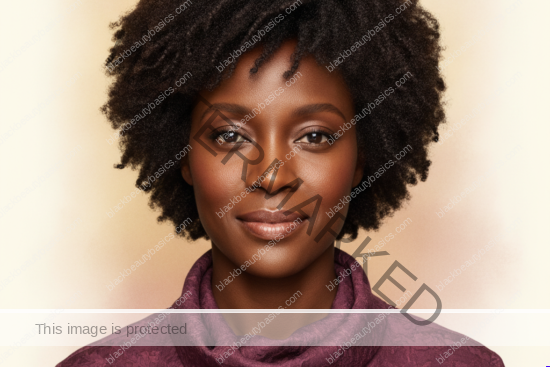
The journey of motherhood is a profound tapestry woven with unparalleled joy, boundless love, and, for many, a surprising chapter of hair transformation. For Black women, whose crowns are often our glory and a deeply personal expression of identity, the experience of postpartum shedding can introduce an unexpected layer of concern and vulnerability. This isn’t just about hair loss; it’s about navigating a significant physiological shift while embracing the beauty and challenges of new motherhood. Start with the related BBB scalp-health cluster guide if you want the broader map.
Embracing the Postpartum Hair Journey: Understanding the “Why” Behind the Shed
Congratulations, magnificent mama! You’ve brought forth life, and your body has undergone an extraordinary metamorphosis. While the focus often remains on the new arrival, your own physical changes, particularly concerning your hair, deserve equal attention and understanding. Postpartum shedding, medically known as telogen effluvium, is a common and often temporary phenomenon that affects a vast majority of new mothers, including Black women. It’s a natural response to the dramatic hormonal shifts your body experiences after childbirth.
The Hormonal Rollercoaster: Estrogen’s Role in Hair Cycles
During pregnancy, elevated levels of estrogen keep your hair in its anagen (growth) phase for longer than usual. This is why many expectant mothers experience thicker, fuller hair – a delightful “pregnancy glow” that extends to your tresses. However, once your precious bundle arrives, estrogen levels plummet rapidly, signaling a large number of hair follicles to enter the telogen (resting) phase simultaneously. Approximately two to four months postpartum, these resting hairs are shed to make way for new growth, often leading to what feels like an alarming amount of hair loss.
Why Black Women’s Hair Needs Special Consideration
While the physiological mechanism of telogen effluvium is universal, the experience for Black women can be uniquely nuanced. Our hair textures – from coily to kinky – are inherently more fragile and prone to breakage if not handled with care. The perceived volume of shedding can feel more dramatic against a backdrop of already delicate strands. Furthermore, cultural practices, styling choices, and pre-existing scalp conditions (like Central Centrifugal Cicatricial Alopecia or Traction Alopecia) can influence how postpartum shedding manifests and how it’s perceived. Understanding these specific considerations is crucial for effective management and peace of mind.
Common vs. Concerning: Distinguishing Normal Shedding from Underlying Issues
It’s natural to feel a pang of worry when you see more hair than usual in your comb or shower drain. The key is to differentiate between the expected, temporary shedding and signs that might indicate a more persistent or concerning issue. Knowledge is power, and understanding these distinctions will empower you to advocate for your hair health.
What is Considered Common Postpartum Shedding?
Typical postpartum shedding usually begins around 2-4 months after delivery and can last for up to 6-12 months. You might notice:
- Increased hair loss during washing, conditioning, or detangling.
- More hair in your brush or comb.
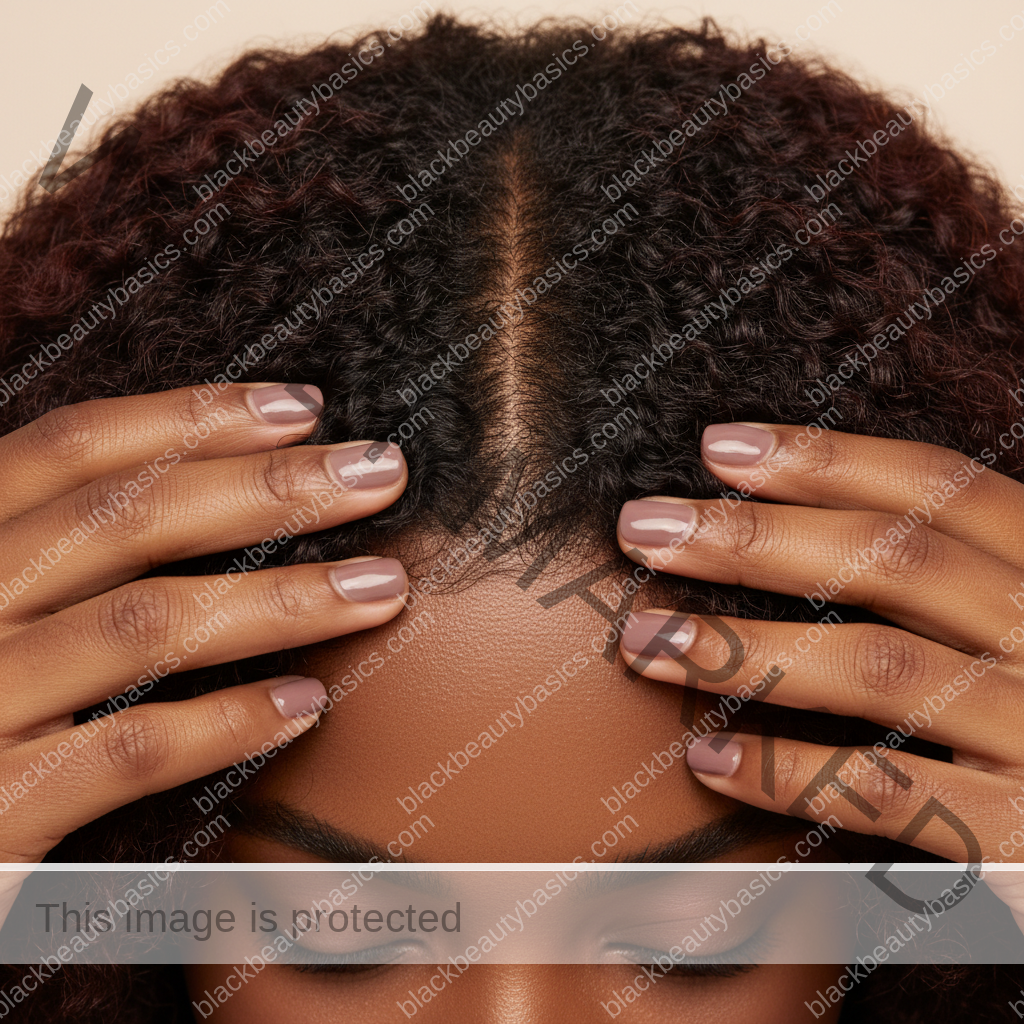
- A widening part or thinning around the temples and hairline (often referred to as “postpartum edges”).
- Overall reduction in hair density, but usually not complete bald patches.
This type of shedding is generally diffuse, meaning it occurs all over the scalp, rather than in specific, localized spots. The good news is that for most women, this shedding is temporary, and hair density gradually returns to its pre-pregnancy state.
When to Be Concerned: Signs That Warrant Professional Attention
While some shedding is normal, certain signs should prompt a consultation with a dermatologist or trichologist. These include:
- Shedding that starts immediately after birth (before the 2-4 month mark) or persists beyond 12-18 months postpartum.
- Localized bald spots or patches, rather than diffuse thinning.
- Scalp itching, burning, pain, or inflammation.
- Breakage at the shaft, rather than shedding from the root.
- Hair loss accompanied by other symptoms like fatigue, extreme weight changes, changes in skin texture, or mood disturbances.
- If you have a history of other hair loss conditions like CCCA or Traction Alopecia, postpartum shedding can exacerbate these, making professional guidance even more critical.
Comparison Table: Common vs. Concerning Postpartum Hair Loss
| Feature | Common Postpartum Shedding | Concerning Hair Loss |
|---|---|---|
| Onset | 2-4 months postpartum | Immediately after birth or persists beyond 12-18 months |
| Duration | Typically 6-12 months | Persistent, no signs of regrowth |
| Pattern | Diffuse thinning, overall reduction in density, temple/hairline thinning | Localized bald spots, distinct patches, scarring |
| Symptoms | Increased shedding, thinner hair | Scalp pain, itching, burning, inflammation, breakage at shaft |
| Associated Factors | Hormonal shifts post-pregnancy | Nutritional deficiencies, thyroid issues, autoimmune conditions, CCCA, Traction Alopecia, severe stress |
| Prognosis | Usually resolves spontaneously with full regrowth | Requires medical diagnosis and targeted treatment |
Nourishing Your Crown: Holistic Approaches to Postpartum Hair Care
Even though postpartum shedding is largely a temporary hormonal event, you can absolutely support your hair and scalp health during this period. A holistic approach that combines gentle care, targeted nutrition, and mindful styling can make a significant difference in minimizing breakage and encouraging healthy regrowth.
Gentle Hair Care Practices for Delicate Strands
Your hair is more vulnerable during this time, so treat it with the utmost tenderness. Think of it as a delicate silk scarf rather than a sturdy rope.
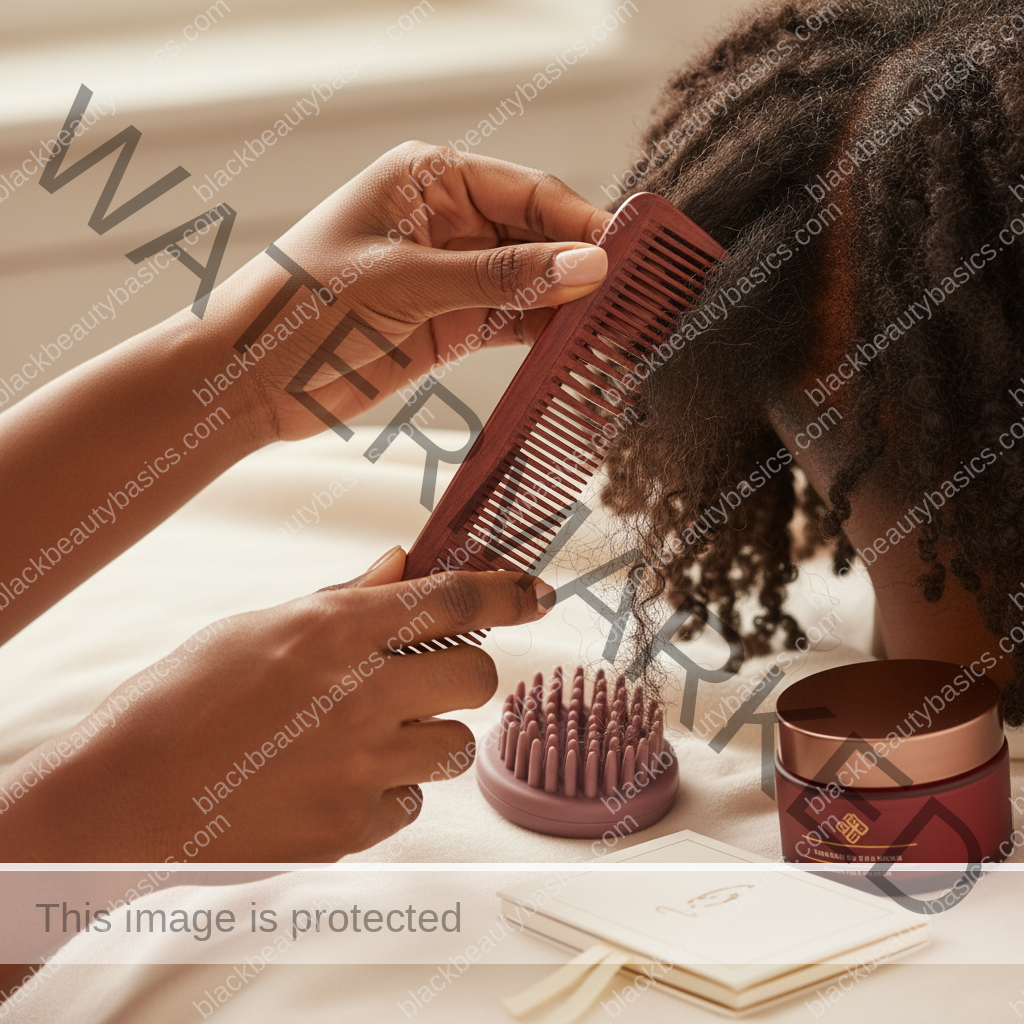
- Minimize Manipulation: Reduce excessive brushing, combing, and styling. Opt for protective styles that don’t put tension on your edges or scalp.
- Use Wide-Tooth Combs: Always detangle wet hair with a Shop Wide-Tooth Combs on Amazon, starting from the ends and working your way up.
- Sulfate-Free Shampoos and Conditioners: Choose gentle, moisturizing Shop Sulfate-Free Shampoos and Conditioners on Amazon that cleanse without stripping natural oils.
- Deep Conditioning: Incorporate regular Shop Deep Conditioners on Amazon treatments to infuse moisture and strengthen strands.
- Low Heat or No Heat Styling: Avoid heat tools as much as possible. If you must use them, apply a Shop Heat Protectants on Amazon.
- Silk or Satin Pillowcases: Reduce friction and breakage overnight with a Shop Silk Pillowcases on Amazon or bonnet.
Nutritional Support: Fueling Growth from Within
Your body needs robust nutrition to recover from childbirth and support new hair growth, especially if you’re breastfeeding. Think of your diet as the foundation for healthy hair.
- Protein Power: Hair is primarily made of protein. Ensure adequate intake of lean meats, fish, eggs, lentils, and beans.
- Iron-Rich Foods: Anemia can contribute to hair loss. Include spinach, kale, fortified cereals, and red meat in your diet.
- Omega-3 Fatty Acids: Found in salmon, flaxseeds, and walnuts, these support scalp health and hair follicle function. Consider an Shop Omega-3 Supplements on Amazon if dietary intake is low.
- Vitamins & Minerals: Biotin, Vitamin D, Zinc, and Vitamin C are crucial for hair health. Many postpartum women benefit from continuing their Shop Postnatal Vitamins on Amazon.
- Hydration: Drink plenty of water throughout the day.
Scalp Health: The Root of Healthy Hair
A healthy scalp is paramount for healthy hair growth. Treat your scalp as an extension of your facial skin.
- Scalp Massages: Gentle Shop Scalp Massagers on Amazon can stimulate blood circulation to the follicles.
- Light Oils: If your scalp is dry, a light application of Shop Jojoba Oil on Amazon or Shop Peppermint Oil for Hair on Amazon (diluted) can be beneficial.
- Avoid Heavy Products: Steer clear of heavy greases or products that can clog follicles.
Mind-Body Connection: Stress, Sleep, and Self-Care
The postpartum period is incredibly demanding. Chronic stress and lack of sleep can exacerbate hair shedding. Prioritizing self-care, even in small ways, is not a luxury but a necessity.
- Rest When You Can: Sleep deprivation is a reality with a newborn, but try to rest whenever possible.
- Stress Management: Practice mindfulness, gentle stretching, or deep breathing exercises.
- Seek Support: Don’t hesitate to ask for help from your partner, family, or friends.
Targeted Treatments and Professional Guidance for Persistent Issues
While most postpartum shedding resolves on its own, some instances may require more targeted interventions or professional medical advice. If you’ve identified signs of concerning hair loss or your shedding persists, it’s time to seek expert help.
When to Consult a Dermatologist or Trichologist
A board-certified dermatologist or a trichologist specializing in hair and scalp disorders can accurately diagnose the cause of your hair loss. They can rule out other conditions that mimic postpartum shedding, such as:
- Thyroid Imbalance: Both hyperthyroidism and hypothyroidism can cause hair loss.
- Iron Deficiency Anemia: Common after pregnancy, especially if there was significant blood loss during delivery.
- Other Nutritional Deficiencies: Vitamin D, Zinc, and Biotin deficiencies can impact hair health.
- Androgenetic Alopecia (Female Pattern Hair Loss): Can sometimes be triggered or exacerbated by hormonal shifts.
- Traction Alopecia: Hair loss caused by chronic tension on the hair follicles, often from tight hairstyles.
- Central Centrifugal Cicatricial Alopecia (CCCA): A progressive form of scarring alopecia predominantly affecting Black women, which can be worsened by stress or inflammation.
A professional can perform blood tests, scalp examinations, and possibly a scalp biopsy to determine the underlying cause and recommend the most effective treatment plan.
Potential Treatments and Interventions
Depending on the diagnosis, your doctor might suggest various treatments:
- Topical Minoxidil: An over-the-counter treatment that can stimulate hair growth. Available in various strengths. Shop Minoxidil for Women on Amazon
- Nutritional Supplements: Targeted supplements to address specific deficiencies, such as Shop Iron Supplements on Amazon or Shop Vitamin D Supplements on Amazon.
- Prescription Medications: For conditions like thyroid disorders or severe inflammation.
- Platelet-Rich Plasma (PRP) Therapy: Involves injecting your own platelet-rich plasma into the scalp to stimulate hair growth.
- Low-Level Laser Therapy (LLLT): Devices that use red light to stimulate hair follicles. Shop Low-Level Laser Therapy Devices on Amazon
- Scalp Treatments: Specialized shampoos, serums, or topical solutions to address specific scalp conditions.
Tip List: When to Seek Professional Help for Postpartum Hair Loss
- Persistent Shedding: If hair loss continues beyond 12-18 months postpartum.
- Localized Bald Patches: If you notice distinct, smooth bald spots, not just diffuse thinning.
- Scalp Symptoms: If you experience significant itching, burning, pain, redness, or scaling on your scalp.
- Hair Breakage at Shaft: If your hair is breaking off rather than shedding from the root.
- Other Systemic Symptoms: If hair loss is accompanied by extreme fatigue, weight changes, mood swings, or skin changes.
- Pre-existing Conditions: If you have a history of CCCA, Traction Alopecia, or other autoimmune conditions.
- Lack of Regrowth: If you see no signs of new hair growth after several months.
- Significant Distress: If the hair loss is causing you considerable emotional distress or impacting your quality of life.
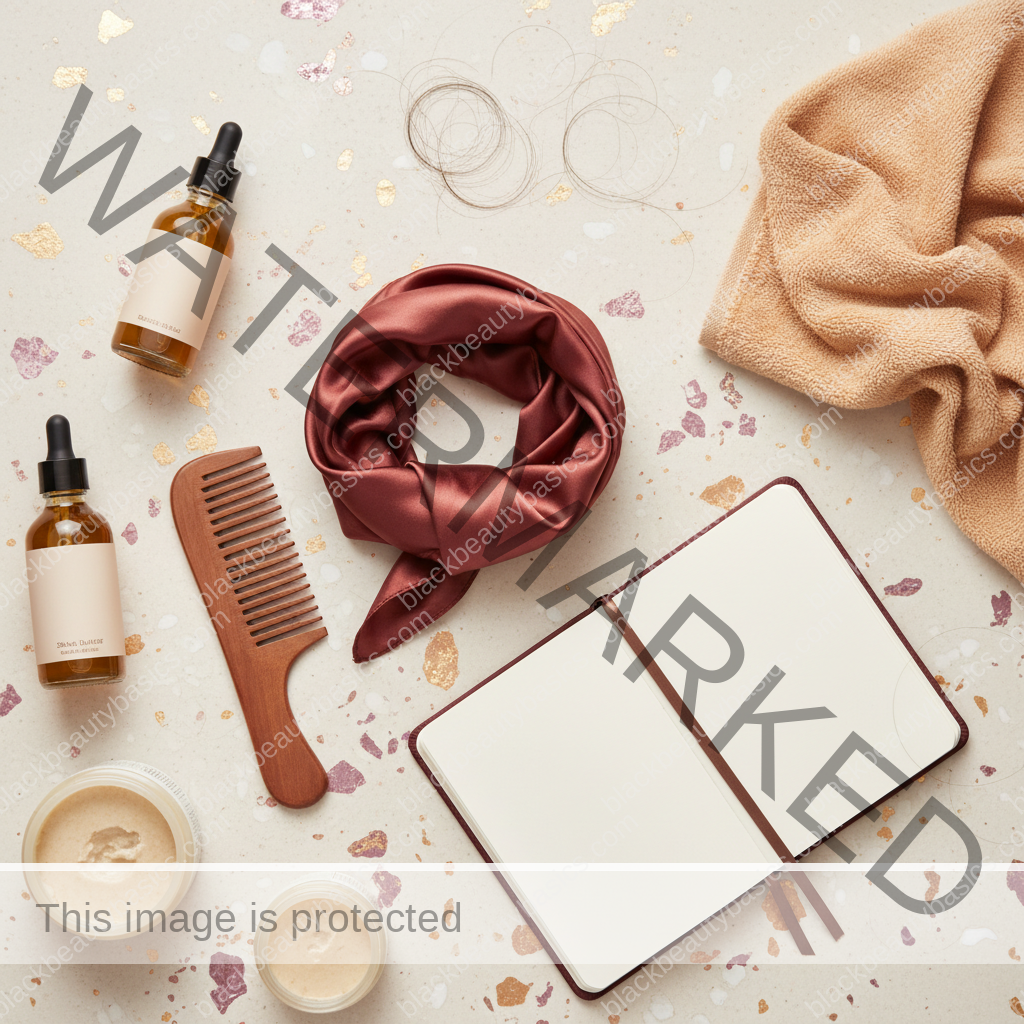
How to notice the pattern without diagnosing yourself
For Black women with textured hair, scalp and hair-loss concerns can be emotionally loaded because they often sit at the intersection of styling, identity, health, and being dismissed. This guide focuses on understanding postpartum shedding patterns, timing, styling stress, emotional load, and care escalation signs, while keeping the related BBB scalp-health cluster as the home base. The goal is not to diagnose yourself from a mirror. The goal is to notice patterns clearly enough to choose safer next steps.
Start with the timeline. Did the change begin after a new style, product, postpartum season, illness, medication change, stressful period, or scalp flare? Did it show up at the edges, crown, hairline, part, or all over? Is there pain, itch, flaking, bumps, tenderness, odor, bleeding, scaling, or smooth shiny areas? These details matter because different patterns need different care.
The safest home routine is usually the one that lowers tension, reduces irritation, and keeps the scalp clean without aggressive scraping. If a symptom is painful, spreading, scarring, repeatedly returning, or connected to visible thinning, professional care matters. Early documentation can help a dermatologist, primary care clinician, or other qualified professional see the pattern more clearly.
What to track gently
- Location: edges, crown, hairline, part, nape, or all over.
- Timing: new style, postpartum shift, cycle change, illness, product, or stress season.
- Sensations: tenderness, burning, itching, tightness, soreness, or pain.
- Visible signs: flakes, bumps, redness that may look subtle on brown skin, thinning, or broken hairs.
- When the pattern improves or worsens.
What usually makes scalp concerns harder to read
The first challenge is tension. Tight braids, ponytails, wigs, sew-ins, loc maintenance, edge styling, and repeated parting can make it harder to tell whether the scalp is reacting to the style, an underlying condition, or both. That does not mean protective styles are bad. It means comfort and scalp access need to be part of the plan.
The second challenge is product layering. Oils, gels, sprays, dry shampoo, edge control, medicated products, and sweat can build up together. A scalp can be dry and still have residue. It can itch from buildup, irritation, inflammation, or a condition that needs professional treatment. Scratching harder does not solve that confusion; it can create more irritation.
The third challenge is waiting too long because you do not want to be dramatic. You are allowed to ask questions early. You are allowed to document a change before it becomes severe. And you are allowed to want care that understands textured hair instead of telling you to abandon your whole beauty routine without nuance.
What to do next
Keep this article connected to the Scalp Health, CCCA & Hair Loss system. Use the related guides below to decide whether your next step is tension reduction, scalp-routine adjustment, pattern tracking, or professional evaluation.
- Scalp Health, CCCA & Hair Loss
- The related scalp-health cluster guide
- hair loss conditions in Black women
- professional scalp care pathways
- hair shedding vs breakage
How to keep scalp care protective while you wait for clarity
While you are watching a pattern, keep the scalp routine steady and low-drama. Avoid styles that pull on the tender area. Do not scratch flakes or bumps open. Keep cleansing realistic for your style, sweat level, and scalp condition. If a product burns, stings, or makes itching worse, pause it instead of trying to push through.
Photos can be helpful, but they should not become a source of obsession. Take clear photos in similar lighting every few weeks if you are tracking thinning, part width, edges, or crown changes. Pair the photos with notes about styles, wash days, tenderness, shedding, and product changes. That kind of record can make an appointment more productive.
If you already suspect scarring hair loss, CCCA, severe traction, infection, psoriasis, or another scalp condition, do not rely on home care alone. Professional evaluation is not a failure of your routine. It is part of protecting the hair and scalp you have now.
Most importantly, do not let shame make the scalp quieter than it needs to be. Black women deserve care that respects our hair practices and also takes symptoms seriously. Both can be true at the same time.
How to keep scalp care protective while you wait for clarity
While you are watching a pattern, keep the scalp routine steady and low-drama. Avoid styles that pull on the tender area. Do not scratch flakes or bumps open. Keep cleansing realistic for your style, sweat level, and scalp condition. If a product burns, stings, or makes itching worse, pause it instead of trying to push through.
Photos can be helpful, but they should not become a source of obsession. Take clear photos in similar lighting every few weeks if you are tracking thinning, part width, edges, or crown changes. Pair the photos with notes about styles, wash days, tenderness, shedding, and product changes. That kind of record can make an appointment more productive.
If you already suspect scarring hair loss, CCCA, severe traction, infection, psoriasis, or another scalp condition, do not rely on home care alone. Professional evaluation is not a failure of your routine. It is part of protecting the hair and scalp you have now.
Most importantly, do not let shame make the scalp quieter than it needs to be. Black women deserve care that respects our hair practices and also takes symptoms seriously. Both can be true at the same time.
Frequently Asked Questions About Postpartum Shedding on Black Women
Q1: How long does postpartum shedding typically last for Black women?
A1: For most Black women, like all new mothers, postpartum shedding (telogen effluvium) typically begins around 2-4 months after delivery and can last for up to 6-12 months. In some cases, it may extend slightly longer, especially if breastfeeding, due to continued hormonal fluctuations. However, hair density usually returns to its pre-pregnancy state within 12-18 months.
Q2: Can breastfeeding make postpartum shedding worse or prolong it?
A2: While breastfeeding is incredibly beneficial for both mother and baby, it can sometimes prolong the period of postpartum shedding. This is because breastfeeding helps to keep estrogen levels lower, which can delay the return of your hair’s normal growth cycle. It’s a natural trade-off, and the shedding is still temporary. Continue to nourish your body and hair, and consult a doctor if you have concerns.
Q3: Are there specific hairstyles Black women should avoid during postpartum shedding?
A3: Absolutely. During this period, your hair is more fragile. It’s crucial to avoid styles that put excessive tension on your scalp and hair follicles. This includes tight braids, weaves, cornrows, ponytails, or buns that pull at the hairline. Opt for loose, protective styles that minimize manipulation and tension, such as twists, Bantu knots, or low, loose buns. Prioritize styles that allow your scalp to breathe and your edges to rest.
Q4: What are the best products for Black women experiencing postpartum hair loss?
A4: Focus on gentle, moisturizing, and strengthening products. Look for sulfate-free shampoos and conditioners, deep conditioners, and leave-in treatments specifically formulated for natural or textured hair. Ingredients like biotin, keratin, peppermint oil, rosemary oil, and essential fatty acids can be beneficial. Consider a light Shop Scalp Serums on Amazon to stimulate follicles. Always patch test new products. Remember, product choice is secondary to gentle handling and internal nourishment.
Q5: Can postpartum shedding trigger or worsen conditions like CCCA or Traction Alopecia?
A5: Yes, postpartum shedding can potentially exacerbate pre-existing hair loss conditions or even trigger them if you have a genetic predisposition or are prone to them. The stress on the body and hormonal shifts can make the scalp more vulnerable. If you have a history of CCCA or Traction Alopecia, or notice atypical patterns of hair loss (e.g., localized patches, significant breakage, or scalp inflammation), it’s imperative to consult a dermatologist or trichologist promptly. Early intervention is key for these conditions.
Q6: What role do diet and supplements play in managing postpartum hair loss for Black women?
A6: Diet and supplements play a significant role. Your body needs robust nutrition to recover from childbirth and support hair growth. Ensure a diet rich in protein, iron, omega-3 fatty acids, and essential vitamins (like D, C, and B vitamins). Continuing your Shop Postnatal Vitamins on Amazon can be very helpful. If you suspect a deficiency, consult your doctor for blood tests before starting high-dose supplements, as some can be harmful in excess.
Q7: When should I expect to see new hair growth after postpartum shedding?
A7: Once the shedding phase subsides, typically around 6-12 months postpartum, you should start to notice new hair growth. This often appears as short, fine “baby hairs” around the hairline and temples. Be patient, as hair grows slowly, and it can take several more months for these new hairs to gain length and density. Consistent gentle care and good nutrition will support this regrowth process.
A8: Unfortunately, postpartum shedding is a natural physiological response to hormonal changes and cannot be entirely prevented. It’s a sign that your body is returning to its non-pregnant state. However, you can minimize its impact by adopting gentle hair care practices, maintaining excellent nutrition, managing stress, and seeking professional advice if you have concerns. These strategies help ensure your hair is as healthy as possible during this temporary phase and promote robust regrowth.
Dear sister, remember that the journey of motherhood, in all its forms, is a testament to your strength and resilience. Your crown, whether in a season of shedding or flourishing, remains a symbol of your unique beauty and enduring spirit. Embrace this phase with grace, nourish your body and soul, and know that your hair, like you, is constantly evolving and returning to its magnificent glory. You are radiant, mama, and your beauty shines from within.
Related next steps
Related posts:
 Pregnancy & Postpartum Hair Changes in Black Women: Shedding, Density, and Texture
 Postpartum Hair Shedding in Black Women: What’s Normal and What Helps
 Postpartum Shedding on Textured and Protective-Styled Hair
 PCOS-Linked Hair Thinning and Shedding in Black Women: Understanding the Full Picture
 Hair Shedding vs Breakage on Natural Hair: How to Tell the Difference
 Common Flare Patterns and Body Areas in Black Women and Children