The crown we wear, our hair, is a profound expression of identity, heritage, and beauty. Yet, for many Black women, the journey to a healthy scalp can be fraught with unique challenges, especially when conditions like scalp psoriasis emerge. It’s a condition that doesn’t just affect the skin; it touches our confidence, our styling choices, and our sense of self. But you are not alone, and understanding how to navigate this journey with grace and knowledge is the first step towards reclaiming your crown’s full splendor. Start with the related BBB scalp-health cluster guide if you want the broader map.
Scalp psoriasis, a chronic autoimmune condition, manifests as red, scaly patches, often accompanied by itching, flaking, and discomfort. On darker skin tones, these patches may appear as hyperpigmented areas, ranging from purple to dark brown, sometimes with a silvery-white scale that can be less obvious than on lighter skin. This distinction is crucial, as misdiagnosis or delayed treatment can exacerbate symptoms and lead to further complications, including hair loss. Our goal at Black Beauty Basics is to empower you with the precise questions to ask and the knowledge to advocate for your best care, ensuring your scalp health journey is met with understanding, efficacy, and elegance.
Unveiling Scalp Psoriasis on Dark Skin: What You Need to Know
Understanding scalp psoriasis begins with recognizing its unique presentation on melanin-rich skin. While the underlying autoimmune process is the same for all, the visual cues and potential impacts can differ significantly. For Black women, the inflammatory response can lead to post-inflammatory hyperpigmentation (PIH), leaving darker spots even after the plaques clear. Furthermore, the delicate nature of our hair and scalp, often prone to dryness and breakage, requires a nuanced approach to treatment and daily care.
The journey to diagnosis often starts with a visit to a dermatologist who is experienced in treating skin conditions on diverse skin tones. It’s essential to communicate clearly about your symptoms, their duration, and any previous treatments you’ve tried. Don’t hesitate to ask specific questions about how the condition might manifest on your skin and how the treatment plan will address potential hyperpigmentation or hair concerns.
The Distinctive Presentation of Psoriasis on Melanin-Rich Skin
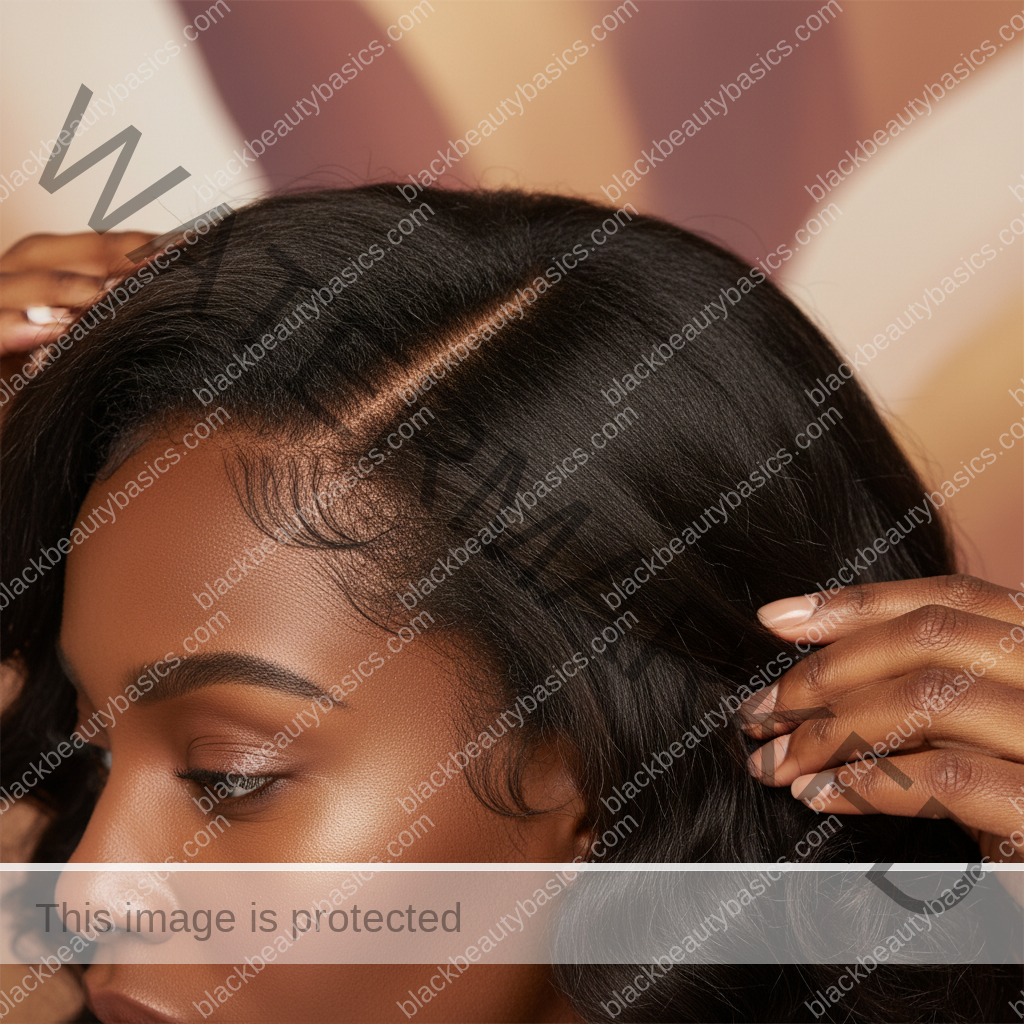
Psoriasis on dark skin can be easily overlooked or misdiagnosed as other common scalp conditions like seborrheic dermatitis or even severe dandruff. The classic red plaques with silvery scales might appear as violaceous (purple-ish), dark brown, or grayish patches, often with thicker, more adherent scales. This difference in appearance necessitates a keen eye and specialized knowledge from your healthcare provider.
- Coloration: Instead of vivid red, expect to see patches that are purple, dark brown, or even black.
- Scaling: Scales may be thicker and more difficult to remove, sometimes appearing as a silvery-gray sheen on darker skin.
- Hyperpigmentation: After inflammation subsides, dark spots (post-inflammatory hyperpigmentation) are common and can persist for months or even years.
- Hair Involvement: Psoriasis can affect the hair follicles, leading to temporary hair thinning or loss in affected areas, which can be particularly distressing for Black women who often cherish their hair’s length and density.
Why a Culturally Competent Approach Matters
A dermatologist who understands the unique aspects of Black hair and skin is invaluable. They can differentiate psoriasis from other conditions prevalent in our community, such as central centrifugal cicatricial alopecia (CCCA) or traction alopecia, which can sometimes co-exist or mimic psoriasis symptoms. Moreover, they can recommend treatments that are effective without compromising the integrity of our hair strands or exacerbating scalp dryness.
When seeking care, consider asking your doctor about their experience with treating psoriasis on dark skin and their understanding of Black hair care practices. This ensures that your treatment plan is not only medically sound but also culturally sensitive and practical for your lifestyle.
Everyday Care Questions to Ask Your Dermatologist
Navigating scalp psoriasis requires an active partnership with your healthcare provider. Coming prepared with a list of questions ensures you get the most out of your appointments and feel empowered in your daily care routine. Here are essential questions to guide your conversation:
Understanding Your Diagnosis and Treatment Plan
This is the foundational step. Clarity here will inform every decision you make regarding your scalp health.
1. How does my scalp psoriasis present uniquely on my dark skin, and what are the specific signs I should monitor?
Understanding the nuances of your condition’s appearance on your skin tone is paramount. Ask your doctor to point out specific characteristics of your plaques, such as their color, texture, and location. This knowledge empowers you to track your condition’s progression and communicate effectively with your doctor about changes. It also helps you differentiate psoriasis from other scalp issues that might arise.
2. What are the potential long-term effects of scalp psoriasis on my hair and scalp, especially considering my hair texture and styling practices?
Black hair textures are often more fragile and prone to dryness. Inquire about how psoriasis might impact hair growth, breakage, and potential scarring. Discuss your preferred styling methods (e.g., protective styles, heat styling) and how they might interact with your condition or treatment. This conversation should lead to practical advice on maintaining hair health while managing psoriasis.
3. What are the specific active ingredients in my prescribed topical treatments, and how should I apply them to minimize impact on my hair?
Topical treatments are a cornerstone of psoriasis management. Ask about ingredients like corticosteroids, vitamin D analogs, or coal tar. Crucially, discuss application techniques. For instance, how to apply medication directly to the scalp without saturating your hair, or how to manage residue. Understanding this helps prevent product buildup and ensures optimal absorption where needed. Shop Scalp Psoriasis Topical Treatments on Amazon
4. Are there any systemic treatments (oral medications, biologics) that might be more effective for my condition, and what are their potential side effects specific to Black women?
For more severe cases, systemic treatments might be considered. Ask about the pros and cons, especially regarding how they might interact with other conditions common in the Black community or their potential impact on skin and hair. Understanding the full spectrum of treatment options allows you to make informed decisions about your care. Shop Psoriasis Supplements on Amazon
5. How often should I wash my hair, and what types of shampoos and conditioners are best suited for my scalp psoriasis and hair type?
Finding the right wash day routine is critical. Inquire about the ideal frequency of washing to manage scales and product buildup without stripping your scalp’s natural moisture. Ask for recommendations on medicated shampoos (e.g., those containing salicylic acid or coal tar) and gentle, sulfate-free conditioners that won’t irritate your scalp or dry out your hair. Shop Psoriasis Shampoo and Conditioner on Amazon
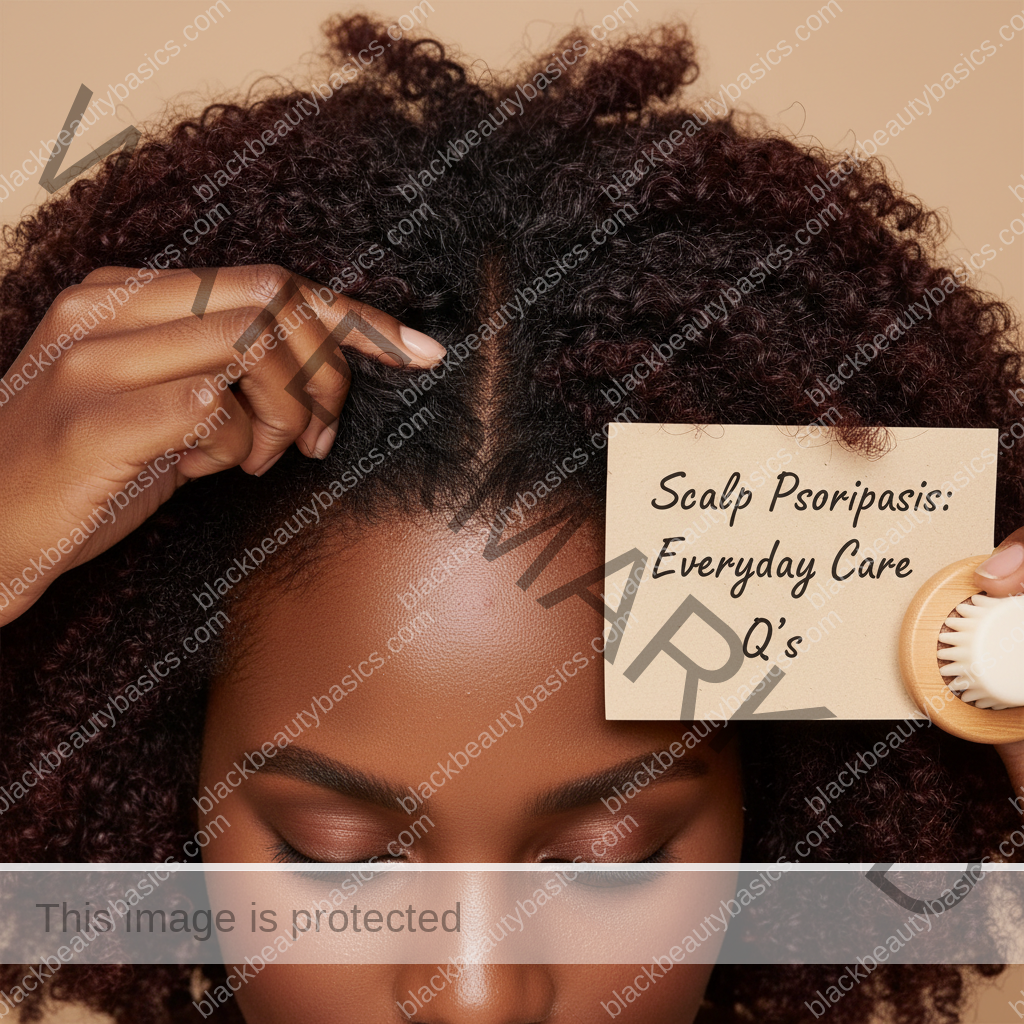
Daily Management and Lifestyle Adjustments
Beyond medical treatments, daily habits play a significant role in managing scalp psoriasis.
6. What are the best ways to moisturize my scalp and hair without exacerbating my psoriasis or causing product buildup?
Moisture is key for Black hair, but certain oils or heavy products can worsen psoriasis. Ask about lightweight, non-comedogenic oils or leave-in treatments that can soothe the scalp and hydrate hair without clogging follicles. Discuss the frequency and method of application. Shop Scalp Moisturizer for Psoriasis on Amazon
7. Are there specific hair styling tools or techniques I should avoid, and what are the gentlest options for detangling and styling?
Heat styling, tight braids, or extensions can put stress on the scalp and hair. Discuss alternatives or modifications to your favorite styles. Ask about wide-tooth combs, soft brushes, and low-tension styling options that protect your scalp. This ensures your beauty routines don’t inadvertently trigger flare-ups. Shop Gentle Hair Styling Tools on Amazon
8. How can I manage itching and discomfort without causing further irritation or damage to my scalp?
Itching is a common and distressing symptom. Ask about over-the-counter anti-itch remedies, cool compresses, or specific application techniques for topical medications that can provide relief without scratching, which can worsen plaques and potentially lead to infection or hair loss. Shop Anti-itch Scalp Treatment on Amazon
9. What role does diet and stress management play in controlling my scalp psoriasis, and are there specific recommendations for me?
Psoriasis is an inflammatory condition, and diet and stress are known triggers. Inquire about anti-inflammatory diets, stress-reduction techniques (e.g., meditation, yoga), and how these lifestyle changes can complement your medical treatment. Your doctor might refer you to a nutritionist or suggest specific resources. Shop Stress Relief Products on Amazon
10. How can I address post-inflammatory hyperpigmentation (PIH) on my scalp once the psoriasis plaques have cleared?
PIH is a significant concern for dark skin. Ask your dermatologist about topical treatments (e.g., retinoids, vitamin C, hydroquinone) or in-office procedures that can help fade these dark spots. Understanding how to treat PIH ensures a more even skin tone even after the active psoriasis has resolved. Shop Hyperpigmentation Scalp Treatment on Amazon
When to Seek Further Help
Knowing when to contact your doctor between appointments is crucial for effective management.
11. What are the warning signs that my scalp psoriasis is worsening or that I’m experiencing a flare-up requiring immediate attention?
Be clear on what constitutes a flare-up versus normal fluctuations. Ask about increased redness, scaling, itching, pain, or signs of infection (pus, fever). This helps you know when to adjust your routine or seek medical advice promptly. Early intervention can prevent severe flare-ups and potential complications.
12. Are there any support groups or resources specifically for Black women living with psoriasis that you would recommend?
Connecting with others who share similar experiences can be incredibly empowering. Ask your doctor if they know of any local or online communities. These resources can provide emotional support, practical tips, and a sense of belonging. Organizations like the National Psoriasis Foundation often have diverse community outreach. Shop Psoriasis Support Books on Amazon
Navigating Your Hair Care Routine with Scalp Psoriasis
Your hair care regimen needs to be a sanctuary, not a source of stress. Adapting your routine to accommodate scalp psoriasis means prioritizing scalp health while maintaining the beauty of your strands.
Gentle Cleansing and Conditioning
The foundation of a healthy scalp starts with how you cleanse. Harsh sulfates can strip natural oils, leading to dryness and irritation, which can exacerbate psoriasis. Opt for sulfate-free, gentle shampoos specifically designed for sensitive or medicated scalps. When conditioning, focus on the hair strands, avoiding heavy application directly on the scalp unless the product is specifically formulated for scalp treatment.
Comparison Table: Psoriasis-Friendly vs. Potentially Irritating Ingredients
| Psoriasis-Friendly Ingredients (Look For) | Potentially Irritating Ingredients (Avoid) |
|---|---|
| Salicylic Acid (exfoliates scales) | Sulfates (e.g., Sodium Laureth Sulfate) |
| Coal Tar (reduces inflammation/scaling) | Heavy Mineral Oils/Petrolatum (can trap heat, clog) |
| Aloe Vera (soothes, moisturizes) | Artificial Fragrances/Dyes |
| Tea Tree Oil (antimicrobial, anti-inflammatory) | Alcohol (drying) |
| Jojoba Oil (mimics natural sebum) | Parabens (for some, can be irritant) |
| Ceramides (strengthen skin barrier) | Phthalates |
| Hyaluronic Acid (hydrates) | Formaldehyde-releasing preservatives |
Moisturizing and Soothing Your Scalp
Dryness is a common complaint for those with scalp psoriasis and Black hair. Regular, gentle moisturizing can alleviate itching and flaking. Look for lightweight, non-comedogenic oils or serums that absorb easily without leaving a heavy residue. Apply directly to the scalp in sections, gently massaging to ensure even distribution and stimulate circulation.
Tip List: Soothing Scalp Practices for Psoriasis
- Section and Treat: Part your hair into small sections to ensure topical treatments or moisturizers reach the scalp directly, not just the hair.
- Gentle Massage: When applying products, use the pads of your fingertips, not your nails, to gently massage the scalp. This aids absorption and can be soothing without causing irritation.
- Cool Rinses: After shampooing, a cool or lukewarm water rinse can help soothe an inflamed scalp and close hair cuticles.
- Overnight Treatments: For stubborn scales, consider applying a medicated oil or balm overnight, covered with a satin bonnet, and washing it out in the morning. Always consult your dermatologist before trying new treatments.
- Avoid Scratching: This is easier said than done, but scratching can worsen plaques, lead to infection, and cause hair breakage. Use anti-itch treatments as recommended by your doctor.
- Protective Styling with Caution: While protective styles can reduce manipulation, ensure they are not too tight, as tension can irritate the scalp and exacerbate psoriasis. Opt for loose styles.
- Satin/Silk Pillowcases: These reduce friction on hair and scalp, helping to prevent breakage and irritation. Shop Satin Pillowcases on Amazon
Styling with Care and Confidence
Your hair is still your crown. With scalp psoriasis, the goal is to choose styles that protect your scalp and minimize manipulation. Low-tension styles, such as loose braids, twists, or natural styles, are often best. Avoid styles that pull tightly on the scalp, like very tight ponytails or weaves that require significant tension. If you use heat, do so sparingly and at the lowest effective temperature, always using a heat protectant. Shop Heat Protectant for Natural Hair on Amazon
Embrace the versatility of your hair. Wigs and scarves can be wonderful options for days when your scalp needs extra TLC or when you prefer to conceal visible plaques. Ensure wigs are breathable and not too tight, and use a wig cap made of a soft, non-irritating material. Shop Breathable Wig Caps on Amazon
How to notice the pattern without diagnosing yourself
For Black women with textured hair, scalp and hair-loss concerns can be emotionally loaded because they often sit at the intersection of styling, identity, health, and being dismissed. This guide focuses on preparing everyday care questions about flakes, plaques, itch, styling, prescriptions, and gentle routines, while keeping the related BBB scalp-health cluster as the home base. The goal is not to diagnose yourself from a mirror. The goal is to notice patterns clearly enough to choose safer next steps.
Start with the timeline. Did the change begin after a new style, product, postpartum season, illness, medication change, stressful period, or scalp flare? Did it show up at the edges, crown, hairline, part, or all over? Is there pain, itch, flaking, bumps, tenderness, odor, bleeding, scaling, or smooth shiny areas? These details matter because different patterns need different care.
The safest home routine is usually the one that lowers tension, reduces irritation, and keeps the scalp clean without aggressive scraping. If a symptom is painful, spreading, scarring, repeatedly returning, or connected to visible thinning, professional care matters. Early documentation can help a dermatologist, primary care clinician, or other qualified professional see the pattern more clearly.
What to track gently
- Location: edges, crown, hairline, part, nape, or all over.
- Timing: new style, postpartum shift, cycle change, illness, product, or stress season.
- Sensations: tenderness, burning, itching, tightness, soreness, or pain.
- Visible signs: flakes, bumps, redness that may look subtle on brown skin, thinning, or broken hairs.
- When the pattern improves or worsens.
What usually makes scalp concerns harder to read
The first challenge is tension. Tight braids, ponytails, wigs, sew-ins, loc maintenance, edge styling, and repeated parting can make it harder to tell whether the scalp is reacting to the style, an underlying condition, or both. That does not mean protective styles are bad. It means comfort and scalp access need to be part of the plan.
The second challenge is product layering. Oils, gels, sprays, dry shampoo, edge control, medicated products, and sweat can build up together. A scalp can be dry and still have residue. It can itch from buildup, irritation, inflammation, or a condition that needs professional treatment. Scratching harder does not solve that confusion; it can create more irritation.
The third challenge is waiting too long because you do not want to be dramatic. You are allowed to ask questions early. You are allowed to document a change before it becomes severe. And you are allowed to want care that understands textured hair instead of telling you to abandon your whole beauty routine without nuance.
What to do next
Keep this article connected to the Scalp Health, CCCA & Hair Loss system. Use the related guides below to decide whether your next step is tension reduction, scalp-routine adjustment, pattern tracking, or professional evaluation.
- Scalp Health, CCCA & Hair Loss
- The related scalp-health cluster guide
- scalp conditions on dark skin
- professional scalp care pathways
- flaky scalp vs dry scalp vs dandruff
Frequently Asked Questions About Scalp Psoriasis on Dark Skin
Q1: Can scalp psoriasis cause permanent hair loss in Black women?
A: While scalp psoriasis can lead to temporary hair thinning or loss in affected areas due to inflammation and excessive scratching, permanent hair loss is rare. It typically occurs if there’s severe, chronic inflammation that damages the hair follicles, leading to scarring. This is why early diagnosis and consistent treatment are crucial to prevent such complications. If you notice significant hair loss, consult your dermatologist immediately to assess for potential scarring alopecia, such as CCCA, which can sometimes co-exist or be mistaken for psoriasis.
Q2: Is scalp psoriasis contagious?
A: No, scalp psoriasis is not contagious. It is an autoimmune condition, meaning it’s caused by an overactive immune system, not by bacteria, viruses, or fungi. You cannot catch it from someone else, nor can you spread it to others. This understanding is important for dispelling myths and reducing stigma associated with the condition.
Q3: How often should I apply my topical medications, and what if they make my hair greasy?
A: The frequency of topical medication application depends on the specific product and your dermatologist’s instructions. Typically, they are applied once or twice daily. If they make your hair greasy, try applying them just before washing your hair, or ask your dermatologist for alternative formulations (e.g., foams, solutions, or sprays instead of ointments or creams) that might be less noticeable. Applying directly to the scalp in small sections rather than broadly can also help minimize greasiness on the hair strands.
Q4: Can diet really impact my scalp psoriasis?
A: Yes, for many individuals, diet can play a significant role in managing psoriasis. While there isn’t a one-size-fits-all “psoriasis diet,” an anti-inflammatory diet rich in fruits, vegetables, lean proteins, and healthy fats (like those found in omega-3 fatty acids) can help reduce systemic inflammation. Some people find that avoiding certain triggers like processed foods, red meat, dairy, or gluten can improve their symptoms. Discuss dietary changes with your dermatologist or a nutritionist to create a personalized plan.
Q5: What’s the difference between scalp psoriasis and seborrheic dermatitis on dark skin?
A: Both conditions cause flaking and itching on the scalp, but they have distinct differences. Scalp psoriasis typically presents as thicker, well-defined plaques with silvery scales, often appearing purple or dark brown on dark skin. Seborrheic dermatitis, on the other hand, usually involves greasy, yellowish scales and redness, often found in areas rich in oil glands like the scalp, face, and chest. On dark skin, the redness may appear as hyperpigmentation. A dermatologist can accurately diagnose between the two through visual examination and sometimes a biopsy.
Q6: Can stress trigger a scalp psoriasis flare-up?
A: Absolutely. Stress is a well-known trigger for psoriasis flare-ups. When you’re stressed, your body releases inflammatory chemicals that can exacerbate autoimmune conditions like psoriasis. Managing stress through practices like meditation, yoga, regular exercise, adequate sleep, and seeking support can be a vital part of your overall psoriasis management plan. Identifying and minimizing personal stressors can significantly improve your scalp health.
Q7: Are there specific hair dyes or chemical treatments I should avoid?
A: Yes, generally it’s best to avoid harsh chemical treatments like relaxers, perms, and strong hair dyes when you have active scalp psoriasis or a sensitive scalp. These chemicals can irritate the scalp, trigger flare-ups, or worsen existing plaques. If you must color your hair, opt for gentle, ammonia-free, or semi-permanent dyes, and always perform a patch test first. Discuss any chemical treatments with your dermatologist and hairstylist to ensure they are safe for your specific condition.
A: Preventing PIH primarily involves effectively treating the active psoriasis to reduce inflammation. The less inflammation, the less likely PIH will occur. Avoid scratching or picking at plaques, as this can worsen inflammation and increase the risk of hyperpigmentation. Once plaques have cleared, your dermatologist may recommend topical treatments containing ingredients like retinoids, vitamin C, niacinamide, or alpha hydroxy acids to help fade existing dark spots. Sun protection, even on the scalp, is also important to prevent PIH from darkening.
Dear sister, managing scalp psoriasis on dark skin is a journey that requires patience, informed choices, and unwavering self-care. By asking these precise questions and advocating for your needs, you empower yourself to navigate this path with confidence and grace. Remember, your beauty is inherent, and with the right knowledge and support, your crown will continue to shine brilliantly, reflecting the strength and resilience that is uniquely yours. Embrace every step of this journey, knowing that you are seen, understood, and celebrated.
Related next steps
Related posts:
 Clinic-Based Peels and Procedures on Dark Skin: Questions to Ask for Confident Care
 Questions to Ask Before Microneedling on Dark Skin
 Questions to Ask When Choosing a Dermatologist, Trichologist, or Stylist for Hair Loss
 Questions to Ask a Dermatologist When Acne Keeps Scarring on Dark Skin
 Questions to Ask Before a Chemical Peel on Melanin-Rich Skin
 Melasma-Like Patches on Melanin-Rich Skin: Questions to Ask Your Doctor