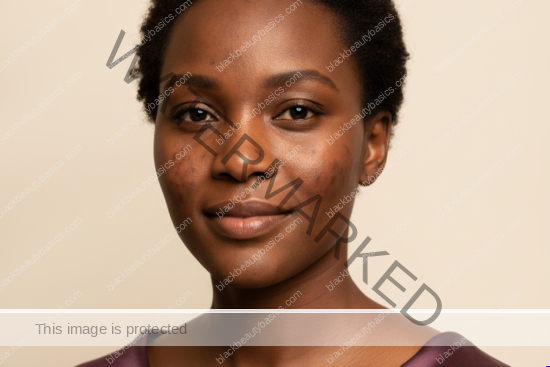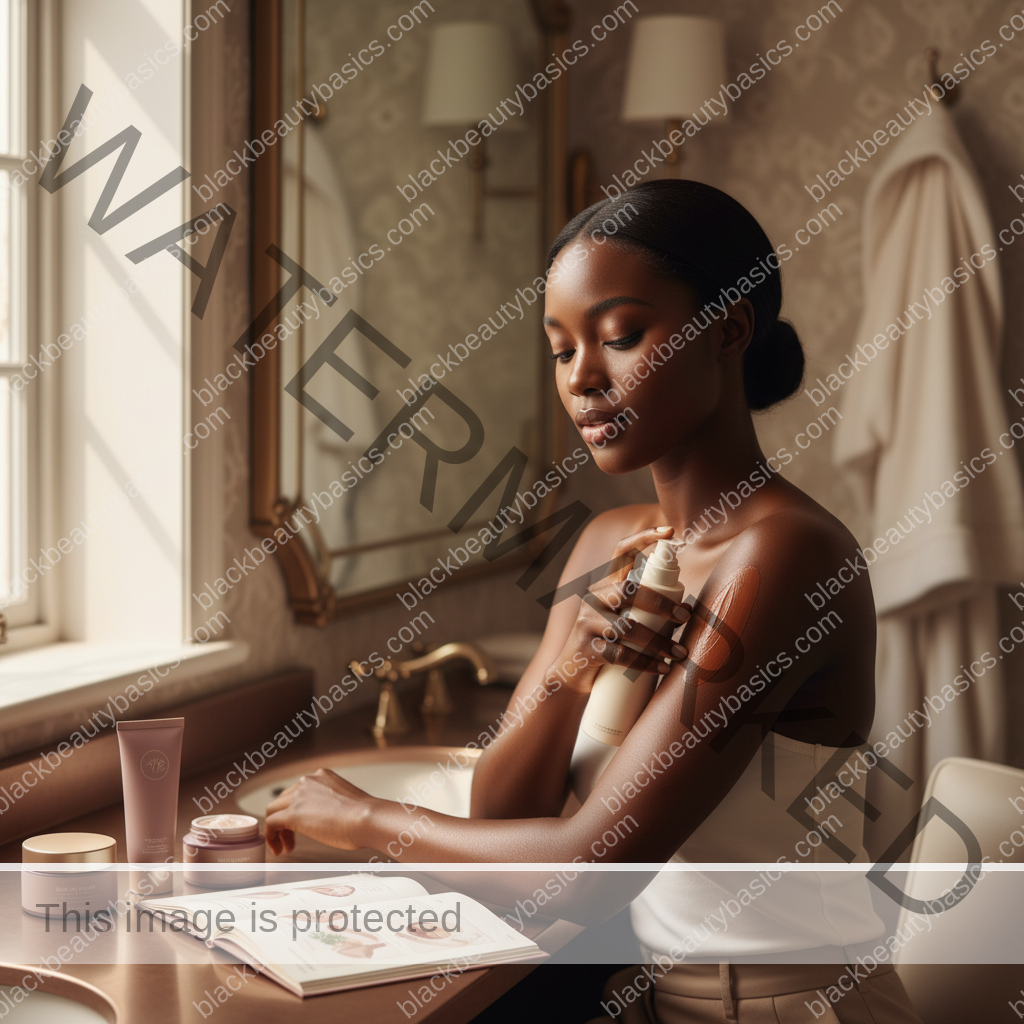
The journey to radiant, healthy skin is a deeply personal one, and for many Black women, it includes navigating the unique challenges of eczema. This persistent skin condition, often misunderstood and sometimes misdiagnosed in melanin-rich complexions, can manifest as persistent dryness, itching, and discoloration, impacting not just our physical comfort but our confidence and sense of self. At Black Beauty Basics, we believe in empowering you with the knowledge and tools to reclaim your skin’s serenity, transforming irritation into an opportunity for intentional, loving care. Start with the related BBB care cluster guide if you want the broader map.
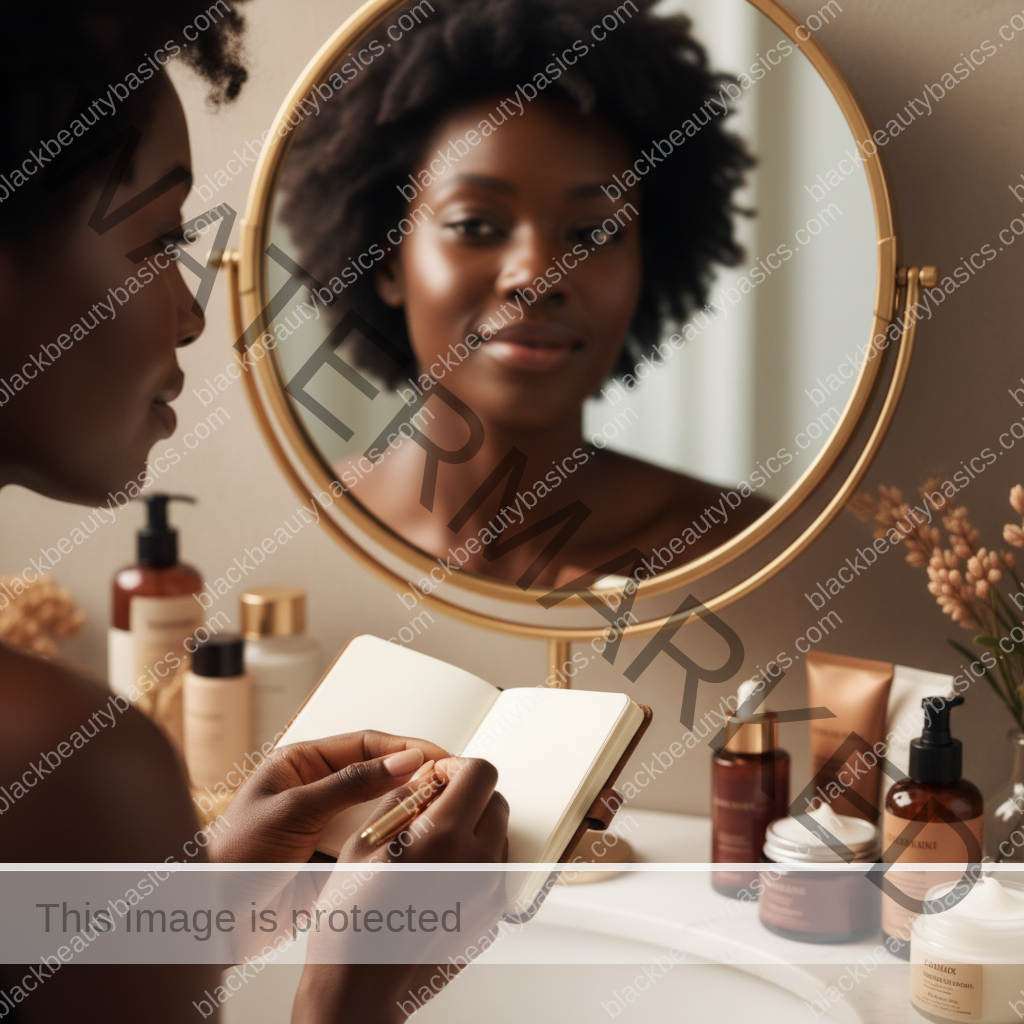
Embracing Your Skin: Understanding Eczema in Melanin-Rich Complexions
Eczema, or atopic dermatitis, is a chronic inflammatory skin condition that affects millions worldwide. However, its presentation and impact on Black skin often differ significantly from lighter skin tones. While the underlying pathology remains the same – a compromised skin barrier and an overactive immune response – the visual cues can be subtle, leading to delayed diagnosis and treatment.
The Unique Landscape of Eczema on Black Skin
In Caucasian skin, eczema typically presents as red, inflamed patches. On Black skin, this redness can be masked, appearing instead as shades of purple, dark brown, or grey. Post-inflammatory hyperpigmentation (PIH) is also a much more significant concern, leaving behind stubborn dark spots long after the active flare has subsided. Furthermore, Black skin can be prone to specific eczema variants like follicular eczema, where inflammation occurs around hair follicles, and lichenification, a thickening and darkening of the skin due to chronic scratching.
Understanding these nuances is the first step in crafting an effective and compassionate body eczema routine. It’s about recognizing that your skin, in all its glorious complexity, deserves a tailored approach that honors its unique needs and celebrates its resilience.
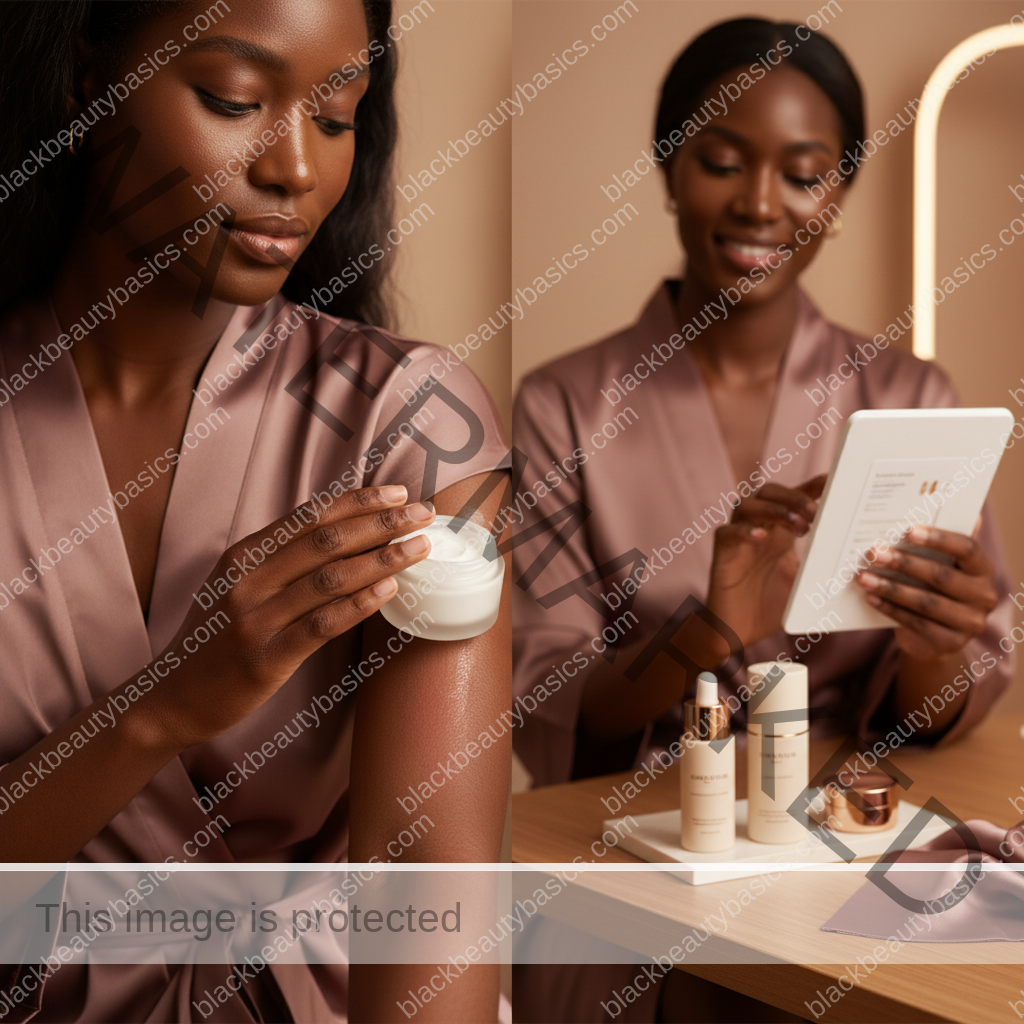
The Black Beauty Basics Body Eczema Routine: A Holistic Approach
Our comprehensive body eczema routine is designed not just to manage symptoms but to nurture your skin barrier, reduce inflammation, and minimize the risk of hyperpigmentation. It’s a ritual of self-care, built on consistency, gentle ingredients, and a deep respect for your skin’s natural healing capabilities.
Step 1: The Gentle Cleanse – Hydration Starts in the Shower
The way you cleanse your skin can either exacerbate or alleviate eczema symptoms. Hot water and harsh soaps strip the skin of its natural oils, further compromising the barrier. For eczema-prone skin, lukewarm water and a hydrating, fragrance-free cleanser are non-negotiable.
Choosing Your Cleanser Wisely
- Sulfate-Free Formulas: Sulfates can be irritating and drying. Opt for cleansers free of these harsh foaming agents.
- Creamy or Oil-Based Cleansers: These formulations are designed to cleanse without stripping, leaving a protective layer of moisture.
- pH-Balanced: Skin has a slightly acidic pH (around 5.5). Using pH-balanced cleansers helps maintain this natural acidity, which is crucial for barrier function.
- Key Ingredients to Look For: Ceramides, hyaluronic acid, colloidal oatmeal, glycerin, and shea butter.
Application Tip: Keep showers short (5-10 minutes) and use a soft washcloth or your hands to gently cleanse. Avoid vigorous scrubbing.
Shop Eczema Body Wash for Black Skin on Amazon
Step 2: The Art of Moisturizing – Locking in Essential Hydration
Moisturizing is the cornerstone of any eczema management plan. For Black skin, which can be prone to transepidermal water loss (TEWL), robust and consistent moisturization is paramount. The “soak and seal” method is highly recommended: apply moisturizer immediately after showering, while your skin is still damp, to trap in moisture.
Deciphering Moisturizer Types for Eczema
Not all moisturizers are created equal. For eczema, you’ll want to prioritize rich, emollient formulas that provide a protective barrier.
| Moisturizer Type | Description | Best For Eczema-Prone Skin |
|---|---|---|
| Lotions | Lightweight, high water content, easily absorbed. | Generally too light for active eczema flares, but can be used for maintenance on less affected areas. |
| Creams | Thicker than lotions, higher oil content, good balance of hydration and occlusion. | Excellent choice for daily use, especially after bathing. Provides substantial moisture. |
| Ointments | Thickest, highest oil content (e.g., petroleum jelly, mineral oil), forms a strong occlusive barrier. | Ideal for very dry, cracked, or severely eczematous areas. Can feel greasy but is highly effective at sealing in moisture. |
| Balms | Similar to ointments but often with a blend of waxes and oils, very concentrated. | Great for targeted treatment of stubborn patches, providing intense hydration and protection. |
Key Ingredients for Eczema Moisturizers
- Ceramides: Essential lipids that make up the skin barrier. Replenishing them helps repair and strengthen the barrier.
- Colloidal Oatmeal: Soothes itching and inflammation, forms a protective barrier.
- Hyaluronic Acid: A powerful humectant that draws moisture into the skin.
- Glycerin: Another excellent humectant.
- Shea Butter, Cocoa Butter, Jojoba Oil: Rich emollients that provide deep nourishment and occlusion.
- Niacinamide (Vitamin B3): Can help improve skin barrier function and reduce inflammation.
Application Tip: Apply a generous amount of moisturizer to your entire body within three minutes of stepping out of the shower. Reapply throughout the day as needed, especially to dry or itchy areas.
Shop Eczema Cream for Black Skin on Amazon
Shop Ceramide Moisturizer on Amazon
Shop Colloidal Oatmeal Lotion on Amazon
Shop Shea Butter for Skin on Amazon

Step 3: Targeted Treatment – Addressing Flares and Hyperpigmentation
Even with a consistent routine, flares can happen. Having targeted treatments on hand is crucial for managing active symptoms and minimizing their lasting impact on your beautiful complexion.
Over-the-Counter (OTC) Solutions
- Hydrocortisone Cream (1%): For mild to moderate flares, OTC hydrocortisone can help reduce inflammation and itching. Use sparingly and for short periods (no more than 7-10 days) unless directed by a dermatologist.
- Anti-itch Creams: Products containing pramoxine hydrochloride or menthol can provide temporary relief from itching.
Prescription Medications (Consult Your Dermatologist)
For more severe or persistent eczema, a dermatologist may prescribe stronger topical corticosteroids, calcineurin inhibitors (like tacrolimus or pimecrolimus), or newer non-steroidal options like PDE4 inhibitors or JAK inhibitors. These are powerful tools that require professional guidance.
Shop Over-the-Counter Hydrocortisone Cream on Amazon
Shop Anti-Itch Cream for Eczema on Amazon
Addressing Post-Inflammatory Hyperpigmentation (PIH)
PIH is a significant concern for Black skin. Once the inflammation subsides, dark spots can linger. Early and consistent management is key.
- Gentle Exfoliation: Once eczema is under control, very gentle chemical exfoliants like lactic acid or mandelic acid can help fade dark spots by promoting cell turnover. Start slowly and patch test.
- Brightening Ingredients: Niacinamide, Vitamin C, alpha arbutin, kojic acid, and azelaic acid are excellent ingredients to help even out skin tone and reduce hyperpigmentation.
- Sun Protection: Non-negotiable! UV exposure darkens existing PIH and triggers new hyperpigmentation. Use a broad-spectrum sunscreen with SPF 30 or higher daily, even on cloudy days. Look for mineral sunscreens (zinc oxide, titanium dioxide) if chemical sunscreens irritate your skin.
Shop Lactic Acid Body Lotion on Amazon
Shop Niacinamide Body Lotion on Amazon
Shop Vitamin C Body Cream on Amazon
Shop Mineral Sunscreen SPF 30 on Amazon
Step 4: Lifestyle & Environment – Nurturing Skin from Within and Without
Eczema is not just a skin condition; it’s often influenced by internal and external factors. A holistic approach includes addressing these elements.
Dietary Considerations
While there’s no universal “eczema diet,” some individuals find that certain foods trigger their flares. Common culprits can include dairy, gluten, soy, and nuts. An elimination diet, done under the guidance of a healthcare professional, can help identify personal triggers. Focus on an anti-inflammatory diet rich in fruits, vegetables, lean proteins, and omega-3 fatty acids.
Stress Management
Stress is a well-known eczema trigger. Incorporating stress-reducing practices into your daily life can significantly impact your skin’s health. Consider meditation, yoga, deep breathing exercises, spending time in nature, or engaging in hobbies you love.
Environmental Triggers
- Allergens: Dust mites, pet dander, pollen, and mold can trigger eczema. Regular cleaning, using allergen-proof bedding, and air purifiers can help.
- Irritants: Fragrances, dyes, harsh chemicals in laundry detergents, and certain fabrics (like wool) can irritate sensitive skin. Opt for fragrance-free, dye-free products and wear soft, breathable fabrics like cotton.
- Temperature & Humidity: Extreme temperatures and low humidity can dry out the skin. Use a humidifier in dry environments, especially during winter.
The Eczema Toolkit: Essential Products for Your Routine
| Product Category | Recommended Features for Eczema-Prone Skin | Why It Matters for Black Skin |
|---|---|---|
| Gentle Cleanser | Sulfate-free, fragrance-free, pH-balanced, creamy/oil-based, contains ceramides/oatmeal. | Prevents further barrier damage and dryness, which can exacerbate hyperpigmentation. |
| Rich Moisturizer | Cream or ointment, fragrance-free, contains ceramides, shea butter, hyaluronic acid, colloidal oatmeal. | Crucial for sealing in moisture, repairing barrier, and preventing ashiness and lichenification. |
| Targeted Treatment | OTC hydrocortisone (for flares), anti-itch creams, prescription options (as advised by derm). | Manages active inflammation quickly to reduce the severity and duration of flares, minimizing PIH risk. |
| Hyperpigmentation Serum/Cream | Niacinamide, Vitamin C, Alpha Arbutin, Azelaic Acid, Kojic Acid. | Specifically addresses and fades the dark spots that are a common and distressing consequence of eczema on Black skin. |
| Broad-Spectrum Sunscreen | SPF 30+, mineral-based (zinc oxide, titanium dioxide) for sensitive skin, no white cast. | Absolutely essential to prevent darkening of existing PIH and protect healing skin from UV damage. |
| Humidifier | Cool mist, easy to clean. | Adds moisture to dry indoor air, preventing skin from drying out, especially during colder months. |
| Soft Cotton Clothing | Loose-fitting, breathable. | Reduces friction and irritation against sensitive, eczematous skin. |
Shop Fragrance-Free Laundry Detergent on Amazon
Shop Cool Mist Humidifier on Amazon
Shop Cotton Pajamas for Sensitive Skin on Amazon
When to Consult a Professional: Your Dermatologist is Your Ally
While a consistent home routine is powerful, there are times when professional guidance is indispensable. If your eczema is severe, widespread, not responding to OTC treatments, or significantly impacting your quality of life, it’s time to see a dermatologist. Ideally, seek out a dermatologist who has experience treating skin of color, as they will be best equipped to understand and address the unique manifestations of eczema on Black skin.
They can offer:
- Accurate diagnosis and differentiation from other skin conditions.
- Prescription-strength medications (topical, oral, or injectables).
- Patch testing to identify specific allergens.
- Guidance on managing hyperpigmentation.
- Referrals to other specialists if underlying issues are suspected.
How to notice patterns without blaming your skin
For Black women and people with melanin-rich skin, skin concerns can feel especially frustrating because many examples, provider trainings, and product explanations still center lighter skin. This guide focuses on building a gentle body eczema routine around bathing, moisturizing, fabrics, fragrance, sweat, and flare tracking, while keeping the related BBB care cluster as the home base. The goal is not to diagnose yourself from a screen. The goal is to notice patterns clearly enough to ask better questions and make safer choices.
Start with what changed. Did the concern appear after a new product, procedure, fabric, detergent, shave, piercing, medication, flare, weather shift, or stressful season? Does the area itch, hurt, sting, thicken, darken, lighten, scale, drain, burn, or keep returning? On dark skin, color changes can be subtle or show up as purple, gray, brown, red-brown, or deeper marks rather than bright redness.
The strongest home-care plan is usually the one that reduces irritation, protects the barrier, avoids harsh experiments, and makes room for professional care when symptoms are persistent, painful, spreading, or connected to scarring. You deserve care that takes your skin seriously without making you feel dramatic.
What to notice gently
- Where the concern appears and whether it keeps returning in the same place.
- What symptoms come with it: itch, pain, scale, bumps, drainage, burning, or tenderness.
- What changed before the flare: products, fabrics, treatments, hair removal, stress, or weather.
- How the color looks on dark skin: brown, purple, gray, red-brown, lighter, or darker.
- What improves, worsens, or fails to change the pattern.
What usually makes dark-skin concerns harder to read
The first challenge is that many educational photos do not show how inflammation, irritation, psoriasis, eczema, keloids, or post-procedure reactions can appear on brown and deep skin. A flare can be serious even if it is not bright red. A mark can be meaningful even if someone else dismisses it as “just discoloration.”
The second challenge is trying too many fixes at once. Strong exfoliants, fragranced products, scrubs, peels, new detergents, and tight clothing can all blur the picture. When the skin is already reactive, simplifying can make the pattern easier to understand and safer to discuss with a professional.
The third challenge is not wanting to be dismissed. You are allowed to document symptoms, ask about dark-skin experience, request clear aftercare, and pause a treatment if the answers feel vague. Safety questions are not disrespectful. They are part of caring for melanin-rich skin.
What to do next
Keep this article connected to the BBB dark-skin care system. Use the related guides below to decide whether your next step is trigger tracking, barrier support, better documentation, or provider-safety questions.
- Skin Conditions on Dark Skin
- The related BBB care cluster guide
- everyday skin-condition management
- eczema trigger tracking
- clothing and detergents
- eczema presentations on dark skin
How to keep care calm while you gather clarity
A good care plan does not have to be dramatic to be useful. Write down the products, treatments, fabrics, shaving habits, procedures, or lifestyle changes that happened before the concern appeared. Take photos in similar lighting if the issue changes over time. Keep the notes simple enough that you can actually maintain them.
When irritation is active, avoid turning the skin into a testing ground. Pause harsh scrubs, random acids, heavily fragranced products, and anything that burns or makes the area more uncomfortable. Gentle consistency is often more useful than chasing a stronger fix.
If you are considering a procedure, the same calm approach applies. Ask what can go wrong on dark skin, how the provider prevents post-inflammatory hyperpigmentation, what aftercare looks like, and what they do if your skin reacts. A confident provider should be able to answer without making you feel difficult.
Most importantly, your symptoms are worth documenting and discussing. You are not being vain, dramatic, or too sensitive. Black women deserve skin care and professional care that sees both the medical side and the emotional weight of being dismissed.
How to keep care calm while you gather clarity
A good care plan does not have to be dramatic to be useful. Write down the products, treatments, fabrics, shaving habits, procedures, or lifestyle changes that happened before the concern appeared. Take photos in similar lighting if the issue changes over time. Keep the notes simple enough that you can actually maintain them.
When irritation is active, avoid turning the skin into a testing ground. Pause harsh scrubs, random acids, heavily fragranced products, and anything that burns or makes the area more uncomfortable. Gentle consistency is often more useful than chasing a stronger fix.
If you are considering a procedure, the same calm approach applies. Ask what can go wrong on dark skin, how the provider prevents post-inflammatory hyperpigmentation, what aftercare looks like, and what they do if your skin reacts. A confident provider should be able to answer without making you feel difficult.
Most importantly, your symptoms are worth documenting and discussing. You are not being vain, dramatic, or too sensitive. Black women deserve skin care and professional care that sees both the medical side and the emotional weight of being dismissed.
Frequently Asked Questions About Body Eczema on Black Skin
Q1: Why does eczema look different on Black skin?
A1: Eczema on Black skin often presents as shades of purple, dark brown, or grey rather than the typical redness seen on lighter skin tones. This is due to the higher melanin content. Additionally, Black skin is more prone to post-inflammatory hyperpigmentation (PIH), leaving behind dark spots after a flare, and can develop specific variants like follicular eczema or pronounced lichenification (skin thickening).
Q2: Can diet really affect my eczema?
A2: For some individuals, yes. While there’s no universal “eczema diet,” certain foods can act as triggers for flares in sensitive individuals. Common culprits include dairy, gluten, soy, and nuts. An anti-inflammatory diet rich in whole foods, fruits, vegetables, and omega-3s is generally beneficial. Consulting a healthcare professional for an elimination diet can help identify personal triggers.
Q3: How can I prevent the dark spots (hyperpigmentation) that eczema leaves behind?
A3: Preventing PIH starts with controlling the inflammation as quickly as possible. Use your prescribed or OTC treatments diligently during flares. Once inflammation subsides, incorporate gentle brightening ingredients like niacinamide, Vitamin C, alpha arbutin, or azelaic acid into your routine. Most importantly, use a broad-spectrum sunscreen with SPF 30+ daily, as UV exposure significantly darkens existing PIH and can trigger new spots.
Q4: Are there specific ingredients I should avoid in my skincare products if I have eczema?
A4: Yes. Avoid products containing fragrances (both synthetic and natural essential oils), dyes, sulfates (common in cleansers), harsh exfoliants (physical scrubs), and alcohol. These ingredients can irritate the compromised skin barrier and trigger flares. Always opt for “fragrance-free,” “dye-free,” and “hypoallergenic” labels.
Q5: How often should I moisturize for body eczema?
A5: Moisturizing is crucial and should be done generously and frequently. Apply a rich moisturizer to your entire body within three minutes of showering or bathing, while your skin is still damp, to lock in moisture. Reapply at least twice a day, and more often to any particularly dry or itchy areas. Consistency is key.
Q6: Is it safe to use petroleum jelly on eczema-prone skin?
A6: Yes, petroleum jelly (like Vaseline) is a highly effective and safe occlusive for eczema-prone skin. It creates a protective barrier that prevents water loss and helps the skin heal. It is generally well-tolerated, non-comedogenic (won’t clog pores), and free of common irritants. It’s especially useful for very dry, cracked, or severely eczematous patches.
Q7: What kind of clothing is best for eczema?
A7: Opt for loose-fitting, breathable clothing made from soft, natural fibers like 100% cotton. These materials allow air circulation and reduce friction and irritation against sensitive skin. Avoid rough fabrics like wool, synthetic materials that trap heat and sweat, and tight clothing that can rub and exacerbate itching.
A8: Absolutely. Stress is a well-documented trigger for eczema flares. When you’re stressed, your body releases hormones that can increase inflammation and suppress the immune system, making your skin more reactive. Incorporating stress-management techniques like meditation, yoga, deep breathing, or spending time in nature can be a valuable part of your eczema management plan.
Your Radiant Journey Continues

Navigating body eczema on Black skin is a journey of understanding, patience, and unwavering self-care. It’s about recognizing the unique beauty of your melanin-rich complexion and providing it with the precise, loving attention it deserves. By embracing this intentional routine, you’re not just treating a skin condition; you’re nurturing a deeper connection with your body, empowering yourself to move through the world with comfort, confidence, and the radiant glow that is uniquely yours. Remember, your skin tells a story of resilience, and with Black Beauty Basics, you have the wisdom to ensure it’s a story of triumph.
How to make the routine easier to repeat during a flare
When body eczema is active, the best routine is often the one that removes decisions. Keep the bath or shower lukewarm, keep cleansing gentle, and moisturize while the skin is still slightly damp if that feels comfortable. The point is not to create a perfect spa ritual. The point is to reduce the number of chances for the skin to feel stripped, rubbed, fragranced, or overheated.
It can also help to separate flare care from maintenance care. During a calmer season, you may have more room for body oils, fragrance-free lotions, or different textures. During a flare, the skin may need fewer layers and more consistency. If a product burns or makes itching worse, pause it and write it down. That note is useful if you later talk with a dermatologist.
For Black women, body eczema can also carry an emotional layer because the after-marks may last long after the itch calms. That does not mean the routine failed. It means inflammation left a record on melanin-rich skin. Keep the focus on comfort first, then barrier support, then mark care once the skin is settled enough for that conversation.
Related next steps
Related posts:
 Eczema on Dark Skin: Everyday Trigger-Tracking Guide
 Stretch Marks, Eczema, and Other Skin Conditions in Pregnant Black Women
 Bath and Shower Habits for Eczema, Psoriasis, and Sensitive Dark Skin
 How Eczema and Dermatitis Actually Look on Dark Skin
 Dealing with Eczema and Dry Patches – Skincare Products for Women of Color
 Dealing with Eczema and Dry Patches – Skincare Products for Women of Color