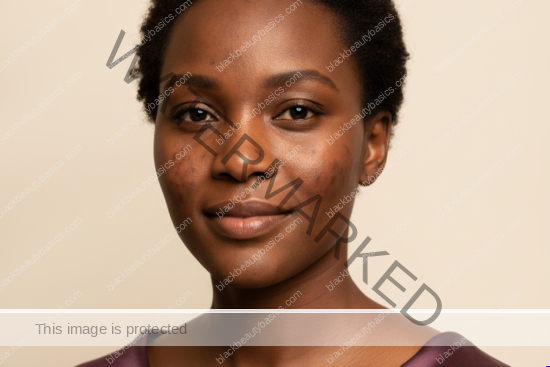
Navigating skin concerns can feel like a labyrinth, especially when the unique nuances of melanin-rich skin are often overlooked in mainstream narratives. When a persistent blemish, an unfamiliar texture, or an unyielding itch demands professional attention, the journey to a dermatologist begins not with the appointment itself, but with the crucial preparation that precedes it. This is your guide to meticulously documenting your skin’s story, ensuring your voice is heard, and your concerns are precisely understood. Start with the related BBB care cluster guide if you want the broader map.

The Power of Preparation: Why Documentation is Your Best Ally
For Black women, skin concerns often present differently, from the unique manifestations of inflammation to the heightened risk of post-inflammatory hyperpigmentation (PIH). A dermatologist who understands these distinctions is invaluable, but even the most experienced practitioner benefits from a clear, comprehensive history of your symptoms. Think of yourself as the lead investigator in your skin’s narrative; your diligent documentation empowers your doctor to make the most accurate diagnosis and prescribe the most effective treatment plan tailored to your specific needs.
Melanin-rich skin has its own set of considerations. Conditions like eczema, psoriasis, and acne can appear as hyperpigmented patches rather than classic redness. Scarring and keloids are more prevalent, and certain treatments may carry a higher risk of adverse effects if not carefully chosen. By providing a detailed account of your symptoms, their evolution, and your personal history, you bridge potential communication gaps and advocate for the specialized care you deserve.

Understanding Your Skin’s Unique Language
Before you even pick up your phone to schedule an appointment, take a moment to truly observe your skin. What are you seeing? What are you feeling? This initial, unhurried observation sets the stage for effective documentation. Your skin communicates through a complex language of texture, color, sensation, and pattern. Learning to interpret these signals, even at a basic level, will significantly enhance your ability to convey your concerns to a professional.
Consider the following aspects as you begin your self-assessment:
- Color Changes: Is it darker, lighter, reddish (which might appear purplish or brownish on dark skin), or a different hue?
- Texture: Is it rough, smooth, scaly, bumpy, raised, or sunken?
- Sensation: Is there itching, burning, stinging, pain, tingling, or numbness?
- Pattern: Is it a single spot, multiple spots, a rash, a cluster, or spread out?
- Location: Where exactly on your body is the symptom appearing?
The Documentation Toolkit: Essential Items for Your Skin Journal
Building a comprehensive record doesn’t require specialized equipment, but a few key items will make the process seamless and effective. Think of this as your personal beauty dossier, specifically curated for your skin’s health journey.
1. A Dedicated Notebook or Digital Journal
Choose a method that you’ll consistently use. A physical notebook allows for quick sketches and tactile notes, while a digital journal (like a note-taking app on your phone or a dedicated health app) offers the convenience of easy photo integration and searchability. The key is consistency.
Shop Notebooks for Journaling on Amazon
Shop Digital Journal Apps on Amazon
2. A High-Resolution Camera (Your Smartphone is Perfect)
Your smartphone camera is likely sufficient. Ensure good lighting and take multiple angles. Photos are arguably the most critical piece of evidence you can provide. They offer an objective, visual timeline of your skin’s changes.
Shop Smartphone Camera Accessories on Amazon
3. A Ruler or Measuring Tape
For lesions, rashes, or moles, size matters. A small ruler or even a coin placed next to the symptom in a photo can provide a crucial reference point for size and growth over time.
Shop Small Rulers on Amazon
4. A Calendar or Planner
Tracking dates is paramount. When did the symptom first appear? When did it worsen? When did you try a new product? A calendar helps you visualize the timeline.
Shop Planners on Amazon
5. A List of All Medications and Supplements
Both prescription and over-the-counter medications, as well as any supplements or herbal remedies, can impact your skin. Keep an updated list.
Shop Medication Organizers on Amazon
6. A List of All Skincare Products Used
From cleansers to serums to makeup, every product that touches your skin could be a factor. Include brand names, product names, and active ingredients if possible.
Shop Skincare Product Organizers on Amazon
The Art of Observation: What to Document and How
Your documentation should be thorough yet concise, offering a clear narrative of your skin’s journey. Here’s a structured approach to capturing every relevant detail.
Detailed Symptom Description
Go beyond “it’s a rash.” Describe it with precision:
- Appearance: What does it look like? Is it a bump, a patch, a blister, a lesion, a mole? What color is it (e.g., dark brown, purplish, ashy gray, red)? Is it raised or flat? Is it scaly, smooth, or rough?
- Size: How big is it? Use comparisons (e.g., “size of a pea,” “quarter-sized”) or, better yet, measure it.
- Location: Be specific. “On my left cheek, near my nose,” or “on the inner forearm.”
- Sensation: How does it feel? Itchy, painful, burning, tingling, numb? Is the sensation constant or intermittent?
- Evolution: How has it changed over time? Has it grown, spread, changed color, or changed texture?
The Power of Photography: Visual Evidence
Visual documentation is invaluable. Follow these best practices for taking effective photos:
- Consistent Lighting: Use natural daylight whenever possible. Avoid harsh shadows or overly dim conditions.
- Multiple Angles: Take photos from different perspectives – close-up, slightly further back for context, and from various angles.
- Reference Points: Include a ruler or a common object (like a coin) next to the symptom for scale.
- Clear Focus: Ensure the image is sharp and in focus.
- Regular Intervals: Take photos consistently – daily, weekly, or as symptoms change. Date and time-stamp each photo.
- Privacy: Be mindful of your privacy. Only photograph the affected area.

Tracking Your Timeline: The Chronological Story
Dates and sequences are critical for diagnosis. Your timeline should include:
- Onset: When did you first notice the symptom?
- Progression: How has it changed since then? Has it gotten worse, better, or stayed the same?
- Triggers: Did anything specific happen before the symptom appeared or worsened? (e.g., new product, stress, sun exposure, diet change, illness).
- Relief/Aggravation: What makes it feel better or worse? (e.g., moisturizing, scratching, heat, cold).
- Treatments Tried: List any over-the-counter remedies, home remedies, or prescription medications you’ve used, including how long you used them and if they had any effect.
Personal and Environmental Factors
Your overall health and environment play a significant role in skin health. Document:
- Medical History: Any pre-existing conditions (e.g., diabetes, thyroid issues, allergies), surgeries, or previous skin conditions.
- Family History: Are there any skin conditions that run in your family?
- Medications & Supplements: A complete list, as mentioned earlier.
- Lifestyle: Stress levels, diet changes, travel, new hobbies, exposure to chemicals or allergens.
- Skincare Routine: All products used, including makeup. Note any recent changes.
Crafting Your Narrative: What to Bring to Your Appointment
Once you’ve diligently documented, it’s time to organize your findings into a concise, digestible format for your dermatologist. This isn’t about overwhelming them, but about providing a clear, structured overview.
The “At-A-Glance” Summary
Prepare a one-page summary that highlights the most critical information. This can be a bulleted list or a brief paragraph:
- Main concern and its duration.
- Key symptoms (e.g., “itchy, dark brown patches on inner elbows”).
- Any significant changes or worsening.
- Top 2-3 products or treatments tried and their effect.
- Any relevant medical history or current medications.
Organizing Your Visuals
If you have physical photos, arrange them chronologically. If digital, create a dedicated album on your phone or tablet. Be ready to show them quickly and efficiently.
Your Questions for the Dermatologist
Prepare a list of questions you want to ask. This ensures you leave the appointment feeling informed and empowered. Examples:
- What do you think this could be?
- What are the treatment options?
- What are the potential side effects of treatment, especially for melanin-rich skin?
- How long will treatment take?
- What can I do to prevent this from recurring?
- Are there any specific products you recommend or advise against?
| DO’s for Documenting Skin Symptoms | DON’Ts for Documenting Skin Symptoms |
|---|---|
| DO use consistent, good lighting for photos. | DON’T rely solely on memory; write everything down. |
| DO take photos from multiple angles and distances. | DON’T use filters or edit photos in any way. |
| DO include a ruler or coin for scale in photos. | DON’T wait until the last minute to start documenting. |
| DO track dates of onset, changes, and treatments. | DON’T self-diagnose or try too many new remedies at once. |
| DO list all current medications, supplements, and skincare products. | DON’T be vague; provide specific details and descriptions. |
| DO note any potential triggers or aggravating factors. | DON’T forget to list your questions for the doctor. |
| DO prepare a concise summary for the doctor. | DON’T be afraid to advocate for yourself and ask for clarity. |
Special Considerations for Melanin-Rich Skin
As Black women, our skin often reacts and heals differently, making precise observation even more critical. Here are specific points to emphasize in your documentation:
Color Changes and Hyperpigmentation
Redness, a common sign of inflammation in lighter skin tones, often appears as shades of brown, purple, or even gray on darker skin. Document these color shifts meticulously. Is the area darker than your surrounding skin? Is it a new shade you haven’t seen before? Note if the discoloration persists after the initial inflammation subsides, indicating post-inflammatory hyperpigmentation (PIH), a common concern for us.
Texture and Scarring
Our skin is more prone to developing keloids and hypertrophic scars. If you notice any raised, firm, or itchy scars, document their appearance, size, and any changes. Also, pay attention to textural changes like thickening, scaling, or unusual bumps, as these can be signs of various dermatological conditions.
Hair Follicle Issues
Conditions like pseudofolliculitis barbae (razor bumps) or folliculitis are common. Document the appearance of bumps, ingrown hairs, and any associated pain or itching. Note if these occur after shaving, waxing, or using specific hair removal methods.
Sensitivity to Products and Treatments
Melanin-rich skin can be more susceptible to irritation from certain ingredients or procedures. Document any adverse reactions to new skincare products, medications, or cosmetic treatments. This information is crucial for your dermatologist to select appropriate and safe interventions.
Beyond the Visit: Continuing Your Skin Journey
Your relationship with your dermatologist is a partnership. After your appointment, continue your documentation. Track the effects of any prescribed treatments, noting improvements or side effects. This ongoing record will be invaluable for follow-up appointments and for understanding your skin’s long-term behavior.
| Symptom Category | What to Look For (Melanin-Rich Skin) | Documentation Focus |
|---|---|---|
| Inflammation/Redness | Brown, purplish, grayish, or darker patches; warmth to touch. | Precise color description, warmth, texture, accompanying symptoms (itch, pain). |
| Hyperpigmentation | Dark spots, patches (post-inflammatory hyperpigmentation – PIH), uneven tone. | Onset, size, color intensity, evolution, potential triggers (acne, injury). |
| Texture Changes | Roughness, scaling, thickening, raised bumps, keloids, hypertrophic scars. | Size, shape, firmness, itchiness, location, growth over time. |
| Itching/Irritation | Persistent itch, burning, stinging, dryness, flaking. | Severity, frequency, what aggravates/relieves it, associated rash/bumps. |
| Hair & Scalp Issues | Ingrown hairs, bumps (pseudofolliculitis), hair loss, scalp flaking/itch. | Location, size of bumps, pain/itch, relation to hair removal/styling. |
| Moles/Lesions | New growths, changes in existing moles (size, shape, color, border, elevation). | ABCDEs of melanoma (Asymmetry, Border, Color, Diameter, Evolving), photos with scale. |
FAQ: Your Questions Answered
Q1: How far in advance should I start documenting my symptoms before my appointment?
A1: Ideally, you should start documenting as soon as you notice a persistent or concerning symptom. The longer the timeline you can provide, the better. If your appointment is several weeks away, begin immediately. Even a few days of consistent documentation can provide valuable insights.
Q2: What if my symptoms come and go? How do I document that?
A2: This is precisely why a detailed journal is crucial. Note the dates and times when symptoms appear and disappear. Describe their appearance and sensation during flare-ups and when they subside. If possible, take photos during both states. This pattern can offer significant clues to your dermatologist.
Q3: Should I stop using my current skincare products before seeing a dermatologist?
A3: Unless your symptoms are severe and clearly linked to a specific product, it’s generally best to continue your routine as normal. This allows the dermatologist to see your skin in its usual state. However, do bring a list of all products you use, including brand names and active ingredients. If you suspect a product is causing the issue, you can temporarily stop it and note any changes, but discuss this with your doctor.
Q4: My dermatologist is very busy. How can I make sure they review all my documentation?
A4: Prepare a concise, one-page summary of your most critical points and questions. Offer your detailed journal and photos as supplementary information, stating, “I’ve prepared a detailed log and photos if you’d like to review them.” Most dermatologists appreciate organized information. Being prepared helps them help you more efficiently.
Q5: Is it okay to bring a friend or family member to my appointment?
A5: Absolutely! Bringing a trusted friend or family member can be incredibly helpful. They can act as an extra pair of ears, take notes, and even help you remember details you might forget to mention. Just be sure to inform the office beforehand if you’re bringing someone.
Q6: What if I’m unsure if a symptom is significant enough to document?
A6: When in doubt, document it. It’s better to have too much information than too little. What might seem insignificant to you could be a crucial piece of the puzzle for a dermatologist. A small, persistent spot or a subtle change in texture is worth noting.
Q7: Can I share my digital photos and notes electronically with my dermatologist before the visit?
A7: This depends on the clinic’s policy and technology. Some clinics have patient portals where you can securely upload documents and images. It’s best to call their office in advance and ask about their preferred method for receiving supplementary information. If not, having them ready on your phone or tablet is perfectly acceptable.
A8: Focus on descriptive terms that reflect the actual appearance on your skin. Use words like “darker than surrounding skin,” “purplish,” “brownish,” “ashy gray,” “hyperpigmented,” or “violaceous.” You can also compare it to familiar objects, e.g., “the color of a plum” or “a deep mahogany.” Visuals are key here, so ensure your photos accurately capture the color.
Your skin is a magnificent canvas, and its health is a reflection of your overall well-being. By embracing the power of meticulous documentation, you transform a potentially daunting dermatologist visit into an empowering step towards clarity and healing. You become an active participant, a knowledgeable advocate, ensuring that your unique beauty and its specific needs are seen, understood, and celebrated. Step into your appointment not just as a patient, but as an informed partner, ready to collaborate on your journey to radiant, healthy skin.
How to notice patterns without blaming your skin
For Black women and people with melanin-rich skin, skin concerns can feel especially frustrating because many examples, provider trainings, and product explanations still center lighter skin. This guide focuses on documenting dark skin symptoms with photos, timelines, triggers, products, pain, itch, color changes, and questions before a dermatologist visit, while keeping the related BBB care cluster as the home base. The goal is not to diagnose yourself from a screen. The goal is to notice patterns clearly enough to ask better questions and make safer choices.
Start with what changed. Did the concern appear after a new product, procedure, fabric, detergent, shave, piercing, medication, flare, weather shift, or stressful season? Does the area itch, hurt, sting, thicken, darken, lighten, scale, drain, burn, or keep returning? On dark skin, color changes can be subtle or show up as purple, gray, brown, red-brown, or deeper marks rather than bright redness.
The strongest home-care plan is usually the one that reduces irritation, protects the barrier, avoids harsh experiments, and makes room for professional care when symptoms are persistent, painful, spreading, or connected to scarring. You deserve care that takes your skin seriously without making you feel dramatic.
What to notice gently
- Where the concern appears and whether it keeps returning in the same place.
- What symptoms come with it: itch, pain, scale, bumps, drainage, burning, or tenderness.
- What changed before the flare: products, fabrics, treatments, hair removal, stress, or weather.
- How the color looks on dark skin: brown, purple, gray, red-brown, lighter, or darker.
- What improves, worsens, or fails to change the pattern.
What usually makes dark-skin concerns harder to read
The first challenge is that many educational photos do not show how inflammation, irritation, psoriasis, eczema, keloids, or post-procedure reactions can appear on brown and deep skin. A flare can be serious even if it is not bright red. A mark can be meaningful even if someone else dismisses it as “just discoloration.”
The second challenge is trying too many fixes at once. Strong exfoliants, fragranced products, scrubs, peels, new detergents, and tight clothing can all blur the picture. When the skin is already reactive, simplifying can make the pattern easier to understand and safer to discuss with a professional.
The third challenge is not wanting to be dismissed. You are allowed to document symptoms, ask about dark-skin experience, request clear aftercare, and pause a treatment if the answers feel vague. Safety questions are not disrespectful. They are part of caring for melanin-rich skin.
What to do next

Keep this article connected to the BBB dark-skin care system. Use the related guides below to decide whether your next step is trigger tracking, barrier support, better documentation, or provider-safety questions.
- Skin Conditions on Dark Skin
- The related BBB care cluster guide
- medical navigation for dark skin
- eczema trigger tracking
- psoriasis flare patterns
- HS and body-care confidence
How to keep care calm while you gather clarity
A good care plan does not have to be dramatic to be useful. Write down the products, treatments, fabrics, shaving habits, procedures, or lifestyle changes that happened before the concern appeared. Take photos in similar lighting if the issue changes over time. Keep the notes simple enough that you can actually maintain them.
When irritation is active, avoid turning the skin into a testing ground. Pause harsh scrubs, random acids, heavily fragranced products, and anything that burns or makes the area more uncomfortable. Gentle consistency is often more useful than chasing a stronger fix.
If you are considering a procedure, the same calm approach applies. Ask what can go wrong on dark skin, how the provider prevents post-inflammatory hyperpigmentation, what aftercare looks like, and what they do if your skin reacts. A confident provider should be able to answer without making you feel difficult.
Most importantly, your symptoms are worth documenting and discussing. You are not being vain, dramatic, or too sensitive. Black women deserve skin care and professional care that sees both the medical side and the emotional weight of being dismissed.
How to keep care calm while you gather clarity
A good care plan does not have to be dramatic to be useful. Write down the products, treatments, fabrics, shaving habits, procedures, or lifestyle changes that happened before the concern appeared. Take photos in similar lighting if the issue changes over time. Keep the notes simple enough that you can actually maintain them.
When irritation is active, avoid turning the skin into a testing ground. Pause harsh scrubs, random acids, heavily fragranced products, and anything that burns or makes the area more uncomfortable. Gentle consistency is often more useful than chasing a stronger fix.
If you are considering a procedure, the same calm approach applies. Ask what can go wrong on dark skin, how the provider prevents post-inflammatory hyperpigmentation, what aftercare looks like, and what they do if your skin reacts. A confident provider should be able to answer without making you feel difficult.
Most importantly, your symptoms are worth documenting and discussing. You are not being vain, dramatic, or too sensitive. Black women deserve skin care and professional care that sees both the medical side and the emotional weight of being dismissed.
Related next steps
Related posts:
 Talking About Your Symptoms So Clinicians Understand Dark-Skin Signs
 Preparing for a Dermatology or Primary-Care Visit for Acne on Melanin-Rich Skin
 Describing Symptoms on Dark Skin So Clinicians Hear Severity
 Advocating When Symptoms Are Dismissed as “Just Cosmetic”
 Questions to Ask a Dermatologist When Acne Keeps Scarring on Dark Skin
 Questions to Ask Before a Chemical Peel on Melanin-Rich Skin