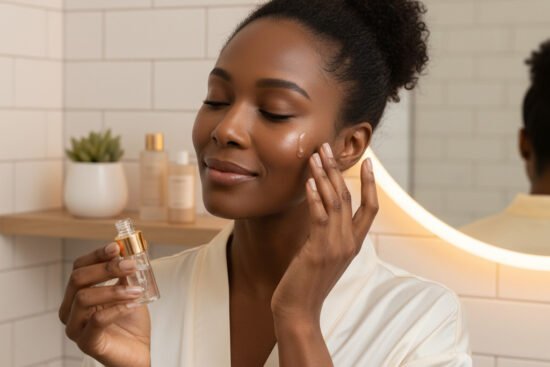
Have you ever looked in the mirror and seen skin that feels tight, looks ashy despite moisturizing, or appears shiny yet still feels parched? For many of us with melanin-rich skin, deciphering these signals can be confusing, often leading to frustration. The journey to radiant, healthy skin isn’t just about what you put on it, but how well your skin’s natural defenses—its barrier—are functioning, and how effectively it retains moisture.
At Black Beauty Basics, we understand that our skin has unique needs and responds differently to environmental factors and product formulations. This cluster is dedicated to demystifying the vital concepts of barrier repair and moisture balance, offering culturally grounded, evidence-aware insights tailored for melanin-rich complexions. We invite you to explore this essential aspect of skincare as part of your holistic journey toward vibrant, confident skin within our broader Skincare for Black women pillar.
What This Cluster Covers
This cluster is your comprehensive resource for understanding, repairing, and maintaining a healthy skin barrier, as well as achieving optimal moisture balance on melanin-rich skin. We delve into the unique considerations for our complexions, ensuring you have the knowledge to nurture your skin effectively.
- Identifying the subtle and overt signs of a damaged skin barrier on dark skin.
- Understanding the critical difference between skin moisture and oil production.
- Strategies for repairing your skin barrier, especially after over-exfoliation or harsh treatments.
- Guidance on choosing the most effective moisturizer textures and ingredients for melanin-rich skin.
- Exploring how barrier health profoundly impacts common concerns like hyperpigmentation and sensitivity.
- Practical steps to support your skin’s resilience and natural glow.
Articles in This Cluster
Below are the key topics we explore in detail within this cluster. Each link leads to a dedicated article that provides in-depth guidance and actionable advice, designed to empower your skincare decisions.

- Signs of a Damaged Barrier on Melanin-Rich Skin
- Barrier Repair Routine for Sensitive Dark Skin
- Moisture Balance for Oily but Dehydrated Dark Skin
- Repairing Your Barrier After Over-Exfoliation
- Choosing Moisturizer Textures for Melanin-Rich Skin
- The Impact of Barrier Health on Hyperpigmentation
- Environmental Factors and Skin Barrier for Dark Skin
Mapping Your Skin’s Signals to Solutions
Understanding what your skin is trying to tell you is the first step toward effective care. This table helps you map common barrier and moisture symptoms to initial routine adjustments and where to find more detailed information within Black Beauty Basics.
| How Your Skin Feels/Looks | Likely Barrier/Moisture Issue | First Routine Focus | Where to Read More |
|---|---|---|---|
| Tight, dry, or ‘squeaky’ after washing | Compromised barrier, excessive cleansing | Gentle, hydrating cleansing; reduced water temperature | Cleansing & Exfoliation Best Practices |
| Flaky, rough texture, yet also oily/shiny | Dehydrated skin (lacking water) despite oil production | Hydrating serums (hyaluronic acid, glycerin); non-comedogenic moisturizers | Moisture Balance for Oily but Dehydrated Dark Skin |
| Stinging, burning, or redness with product application | Severely compromised barrier, inflammation | Simplify routine to basics (gentle cleanser, barrier repair moisturizer); avoid actives | Barrier Repair Routine for Sensitive Dark Skin |
| Products ‘sit’ on top of skin, don’t absorb well | Impaired barrier function, product incompatibility | Lightweight, humectant-rich layers; gentle exfoliation (once barrier is healthy) | Choosing Moisturizer Textures for Melanin-Rich Skin |
| Increased breakouts, sensitivity, or dark spots | Barrier damage exacerbating underlying conditions | Focus on barrier repair first, then reintroduce targeted treatments slowly | Acne & Sensitive Skin in Black Women, Hyperpigmentation & Dark Spots |
| Dullness, lack of radiance | Dehydration, compromised barrier affecting light reflection | Consistent hydration, gentle exfoliation (once barrier is healthy), antioxidant support | Skin Typing & Fundamentals for Melanin-Rich Skin |
Why Barrier Health Matters on Melanin-Rich Skin
The skin barrier, often referred to as the stratum corneum, is our body’s first line of defense against environmental aggressors, pollution, and irritants. For melanin-rich skin, a healthy barrier is particularly crucial. Our skin types are often more prone to post-inflammatory hyperpigmentation (PIH) when inflamed or damaged. A compromised barrier can lead to increased water loss, making our skin appear ashy or dull, and can exacerbate conditions like eczema or acne.
Furthermore, an impaired barrier can make our skin more reactive to active ingredients, leading to irritation that can, in turn, trigger dark spots. Understanding and nurturing your barrier is not just about comfort; it’s about preserving your skin’s natural resilience and evenness. It allows you to build a foundation for addressing other concerns, like managing hyperpigmentation and dark spots, or effectively incorporating sunscreen for dark skin without irritation.

Common Signs of a Stressed Barrier on Dark Skin
Recognizing the signs of a stressed or damaged skin barrier is the first step toward healing. While some symptoms are universal, they can manifest subtly or be misinterpreted on melanin-rich complexions. Look out for persistent dryness, even after applying moisturizer, or a feeling of tightness that doesn’t subside. Your skin might become unusually sensitive to products you once tolerated, leading to stinging, burning, or itching. You might also notice increased redness, which can be harder to detect on deeper skin tones but may appear as a deeper purple or brown discoloration. Breakouts or a sudden increase in acne and sensitive skin issues can also be indicators, as a compromised barrier struggles to keep out bacteria and irritants.
Sometimes, a stressed barrier can lead to a paradox: skin that feels oily and shiny, yet still experiences flakiness or dehydration. This is often referred to as ‘oily but dehydrated’ skin, where the skin overproduces oil to compensate for a lack of water. Paying attention to these cues allows you to adjust your routine proactively, moving towards a more supportive and restorative regimen. Consider how your skin feels in different climates by exploring our insights on seasonal routines to better understand environmental impacts.
Everyday Practices That Support Moisture Balance
Achieving and maintaining moisture balance is an ongoing process that goes beyond just applying a good moisturizer. It begins with your cleansing routine. Opt for gentle, sulfate-free cleansers that don’t strip your skin of its natural oils, as discussed in our guide to cleansing and exfoliation best practices. Over-cleansing or using hot water can severely disrupt your barrier.

Layering hydrating ingredients is also key. After cleansing, apply humectant-rich serums (like hyaluronic acid or glycerin) to damp skin to draw moisture into the complexion. Follow with an occlusive or emollient moisturizer to seal that hydration in. Don’t forget the importance of internal hydration; drinking adequate water throughout the day contributes significantly to overall skin health. Even your lifestyle choices, such as managing stress and getting enough sleep, play a role in how well your skin retains moisture, a concept further explored in our lifestyle-driven routines.
How Barrier Repair Fits Into Your Bigger Skincare Plan
Think of barrier repair as the foundational step in any effective skincare regimen. Before you tackle specific concerns like hyperpigmentation, acne, or fine lines, ensuring your skin barrier is healthy and robust is paramount. A strong barrier allows your skin to tolerate active ingredients better, making treatments more effective and reducing the risk of irritation and subsequent dark spots.
When your barrier is compromised, even the most beneficial ingredients can cause adverse reactions. By prioritizing barrier repair, you create a stable canvas for all other skincare goals. This approach aligns with our philosophy of routine design for different goals, emphasizing that a healthy foundation is always the starting point. Once your barrier is restored, you can gradually reintroduce targeted treatments, allowing your skin to reap their full benefits without compromise.
How to Navigate This Cluster
This cluster is designed to be a comprehensive resource, whether you’re just starting to notice issues or are looking to refine your existing routine. If you suspect your skin barrier is damaged, we recommend beginning with our articles on “Signs of a Damaged Barrier on Melanin-Rich Skin” and then moving to “Barrier Repair Routine for Sensitive Dark Skin.” These will provide a clear pathway to understanding and addressing immediate concerns.
For those experiencing the frustrating combination of oily yet dehydrated skin, dive into “Moisture Balance for Oily but Dehydrated Dark Skin.” If you’ve been a bit too enthusiastic with exfoliants or other actives, our guide on “Repairing Your Barrier After Over-Exfoliation” will be invaluable. Remember, understanding your unique skin type, as detailed in our skin typing & fundamentals cluster, is always a great starting point for tailoring any advice to your specific needs.
Next reads: Deepen your understanding of holistic skin health with insights from the main Skincare for Black women pillar, explore how to build a resilient complexion through cleansing & exfoliation best practices, and learn how barrier health intersects with managing hyperpigmentation & dark spots.
Quick Barrier & Moisture Principles for Dark, Melanin-Rich Skin
- Gentle Cleansing is Non-Negotiable: Always opt for mild, hydrating cleansers and lukewarm water to protect your skin’s natural oils.
- Moisturizer is Your Best Friend, Even for Oily Skin: Never skip moisturizing; choose textures that suit your skin type to provide essential hydration without clogging pores.
- Listen to Your Skin’s Signals: Pay attention to stinging, tightness, or unusual sensitivity – these are clear indicators your barrier needs attention.
- Reduce Actives During Repair: If your barrier is compromised, temporarily scale back on retinoids, AHAs, and BHAs to allow your skin to heal.
- Consistency Over Intensity: Gentle, consistent care yields far better long-term results than aggressive treatments that can further damage your barrier.
- Sun Protection is Paramount: A healthy barrier works synergistically with daily broad-spectrum SPF to protect against environmental damage and prevent hyperpigmentation.
- Hydration from Within: Support your skin’s moisture levels by staying adequately hydrated throughout the day.
Empower your skin, embrace its strength, and let your natural radiance shine through. Explore our articles, apply these principles, and transform your skincare journey with Black Beauty Basics.
Frequently Asked Questions
What does ‘skin barrier’ mean for melanin-rich skin?
The skin barrier, or stratum corneum, is the outermost layer of your skin, composed of skin cells and lipids. For melanin-rich skin, a healthy barrier is crucial as it protects against environmental stressors, prevents excessive water loss, and helps maintain an even tone by reducing inflammation that can lead to post-inflammatory hyperpigmentation. A strong barrier is your first defense for resilient, radiant skin.
How can I tell if my skin barrier is damaged?
Signs of a damaged skin barrier on melanin-rich skin can include persistent dryness or tightness, even after moisturizing; increased sensitivity, stinging, or burning when applying products; unusual redness (which may appear as deeper purple or brown discoloration on darker skin); flakiness, rough texture, or dullness; and a sudden increase in breakouts or irritation. Your skin might also feel oily but still flaky or dehydrated.
What are the best ingredients for barrier repair on dark skin?
For melanin-rich skin, look for ingredients that mimic the skin’s natural barrier components. Ceramides are excellent for restoring the lipid matrix. Hyaluronic acid and glycerin are powerful humectants that draw moisture into the skin. Niacinamide (Vitamin B3) can help strengthen the barrier and reduce inflammation. Fatty acids, cholesterol, and squalane also provide essential nourishment and protection. Avoid harsh ingredients like strong sulfates or excessive exfoliants when your barrier is compromised.
Can a damaged barrier contribute to hyperpigmentation in Black women?
Absolutely. Melanin-rich skin is more prone to post-inflammatory hyperpigmentation (PIH) when it experiences inflammation or trauma. A damaged skin barrier allows irritants to penetrate more easily, leading to inflammation. This inflammation can trigger melanocytes (the cells that produce melanin) to overproduce pigment, resulting in dark spots. Therefore, maintaining a healthy barrier is a critical step in preventing and managing hyperpigmentation.
Is it possible for oily skin to also be dehydrated?
Yes, it is very common for melanin-rich skin to be oily but dehydrated. Oily skin refers to an overproduction of sebum (oil), while dehydration means a lack of water in the skin. When the skin barrier is compromised, it can lose water rapidly. In response, your skin might produce more oil to compensate for the lack of moisture, leading to a shiny appearance coupled with tightness, flakiness, or a dull complexion. Addressing dehydration with humectants and a healthy barrier is key, rather than just stripping away oil.
How long does it take to repair a damaged skin barrier?
The time it takes to repair a damaged skin barrier varies depending on the extent of the damage and your consistency with a gentle, supportive routine. Minor irritation might resolve in a few days to a week, while a severely compromised barrier could take several weeks to a few months to fully restore. Patience and consistency with a simplified, hydrating, and protective skincare regimen are essential for successful barrier repair.
What is the most important step in maintaining moisture balance?
While all steps in a routine contribute, the most important step in maintaining moisture balance is consistent and effective moisturizing. This involves choosing a moisturizer appropriate for your skin type that contains humectants, emollients, and occlusives to both attract and seal in hydration. Applying it to slightly damp skin helps maximize its effectiveness. Additionally, using a gentle cleanser that doesn’t strip your skin is a foundational practice.