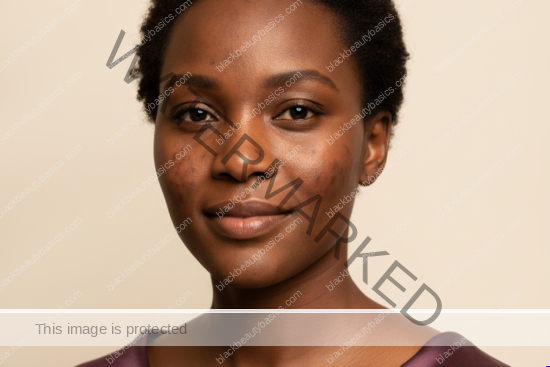
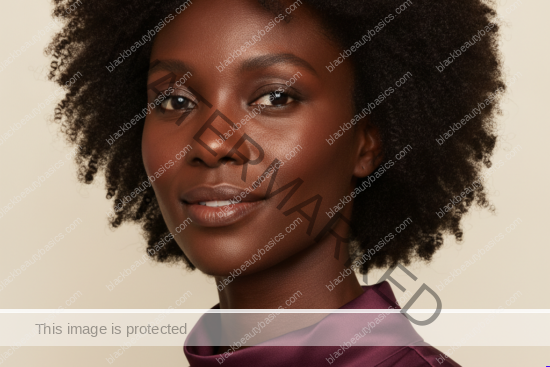
There’s a particular kind of skin confusion many Black women know well: your face looks undeniably shiny, perhaps even greasy, but underneath that sheen, it feels tight, rough, dull, or simply uncomfortable. It’s a sensation that can leave you wondering if your skin is playing tricks on you—how can it be oily and dry at the same time? This perplexing experience often leads to a cycle of over-cleansing and under-moisturizing, mistakenly believing that more oil means less need for hydration.
For melanin-rich skin, this dynamic is especially nuanced. Dehydration doesn’t always manifest as obvious flaking or redness; instead, it might show up as a subtle ashiness around the mouth or cheeks, a persistent dullness despite the oil, a rough texture that makes makeup cling unevenly, or even a grayish cast that obscures your natural radiance. You might feel a stinging sensation when applying products, or your skin might simply look “flat” and lack its usual vibrant glow, even when oil is present. This complex interplay of oiliness and dehydration is a common challenge, and it’s one we understand deeply here at Black Beauty Basics. It’s not a reflection of poor care, but often a sign that your skin barrier needs a little more attention and a more thoughtful approach to hydration. Understanding this unique state is the first step toward restoring harmony and comfort to your complexion.
Navigating this seemingly contradictory skin state requires a foundational understanding of your skin’s needs, particularly focusing on barrier repair and moisture balance. Our skin, especially melanin-rich skin, thrives when its protective barrier is intact and its hydration levels are optimized. When this balance is disrupted, even naturally oily skin can become dehydrated, leading to a host of uncomfortable symptoms. This article is designed to demystify this experience, providing you with the knowledge and practical strategies to nurture your skin back to a state of healthy equilibrium. We’ll explore why this happens, how it uniquely presents on darker skin tones, and how to build a routine that supports true hydration without exacerbating oiliness. This journey towards understanding your skin better is a core part of our mission at Skincare for Black Women, where we center your experiences and provide solutions that truly resonate.
What This Post Covers
In this comprehensive guide, we will unravel the complexities of oily but dehydrated dark skin, offering clear explanations and actionable advice. Our goal is to empower you with the knowledge to understand your skin’s signals and respond with care and precision.
- Understanding the Coexistence of Oiliness and Dehydration: We’ll differentiate between skin type and skin condition, explaining how your skin can be genetically oily yet temporarily dehydrated.
- Recognizing Dehydration on Melanin-Rich Skin: Learn to identify the specific signs of dehydration that are common in darker skin tones, which may differ from those seen on lighter complexions.
- Avoiding Over-Stripping and Supporting Your Barrier: Discover how harsh products and routines can worsen dehydration and compromise your skin’s protective barrier, and how to choose gentler alternatives.
- Crafting a Balanced Hydration Routine: We’ll guide you through building a morning and evening skincare regimen that effectively hydrates without making your skin feel heavy or greasy.
- Selecting Ideal Product Textures: Explore the world of gel-creams, lotions, and lightweight serums, understanding which formulations will best suit your oily but thirsty skin.
- Addressing Common Skincare Mistakes: Identify prevalent errors that contribute to dehydration in oily skin and learn how to correct them for lasting comfort and balance.
- Navigating Overlapping Concerns: Understand how to approach skincare when oiliness, dehydration, and breakouts occur simultaneously, focusing on holistic solutions.
Why Oily and Dehydrated Skin Can Happen at the Same Time
It’s a common misconception that if your skin is oily, it must be well-hydrated. The truth is, oiliness and dehydration are two distinct concepts, and they can absolutely coexist. Understanding this distinction is crucial for addressing your skin’s true needs.
Skin Type vs. Skin Condition
Think of it this way: your skin type is what you’re born with—it’s genetic and generally consistent. This is whether your skin is naturally oily, dry, combination, or normal. If you have oily skin, your sebaceous glands naturally produce more sebum (oil) than other skin types. This oil production is a constant, inherent characteristic of your skin.
A skin condition, on the other hand, is something that can change over time due to internal or external factors. Dehydration is a skin condition. It means your skin lacks water, not oil. Even the oiliest skin can become dehydrated if its water content is compromised. This is why you might experience that confusing sensation of being shiny on the surface but feeling tight and uncomfortable underneath.
Factors Contributing to Oily but Dehydrated Skin
Several factors can strip your skin of its essential water content, even while your oil glands continue their regular production. This leaves your skin in a state of imbalance, where it tries to compensate by producing even more oil, creating a vicious cycle.
- Over-Cleansing and Harsh Cleansers: Using strong, foaming cleansers multiple times a day, especially those containing sulfates or harsh detergents, can strip away not just excess oil but also the natural moisturizing factors (NMFs) and lipids that keep your skin hydrated. This leaves your skin barrier vulnerable and prone to water loss.
- Environmental Stressors: Extreme weather conditions, such as very cold, dry air in winter or intense heat in summer, can draw moisture out of your skin. Low humidity environments, often found indoors with air conditioning or heating systems running, also contribute significantly to dehydration.
- Aggressive Actives and Over-Exfoliation: While ingredients like retinoids, AHAs, and BHAs are beneficial, using them too frequently, in too high concentrations, or without adequate barrier support can compromise your skin barrier. This leads to increased transepidermal water loss (TEWL) and dehydration.
- Inadequate Moisturizing: Fearing that moisturizer will make oily skin even oilier, many with oily skin types skip this crucial step or opt for formulas that don’t provide sufficient hydration. This perpetuates the dehydration cycle.
- Stress and Lifestyle Factors: Chronic stress, lack of sleep, poor diet, and insufficient water intake can all impact your skin’s health and its ability to retain moisture.
- Hot Showers and Baths: While relaxing, prolonged exposure to hot water can strip the skin of its natural oils and weaken the barrier, leading to dehydration.
When your skin barrier is compromised, it’s like having tiny cracks in a protective wall. Water escapes more easily, and irritants can penetrate, leading to sensitivity and further dehydration. Your skin, in an attempt to protect itself, might produce more oil to compensate for the lack of water, resulting in that shiny-but-tight feeling. The key is to understand that oil production is a separate mechanism from hydration, and both need to be addressed thoughtfully.
How Dehydration Can Show Up on Melanin-Rich Skin
Dehydration doesn’t always look the same on every skin tone. While lighter skin might show redness or obvious flaking, melanin-rich skin often presents dehydration in more subtle, yet equally uncomfortable, ways. It’s crucial to learn to read these specific signals to properly address your skin’s needs.
Subtle Signs of Dehydration in Darker Skin Tones
- Tightness After Cleansing: This is one of the most common and immediate indicators. If your skin feels taut, stretched, or like it’s “too small for your face” immediately after washing, even with a gentle cleanser, it’s a strong sign of dehydration. This feeling indicates that your skin’s natural moisture barrier has been compromised.
- Ashiness or Grayness: While not always as overt as flaking, dehydration can cause a subtle ashiness, particularly around the mouth, nose, and cheeks. Your skin might lose its natural vibrancy and appear dull or slightly gray, rather than its usual rich, warm tone. This is often mistaken for just “dry skin” but is actually a lack of water within the skin cells.
- Dullness Despite Oiliness: You might notice your skin has a sheen, but it lacks the healthy, luminous glow you associate with well-hydrated skin. Instead, it looks flat, tired, or lackluster, even with visible oil production. This “greasy but not glowing” appearance is a classic sign of dehydration.
- Rough or Uneven Texture: Dehydrated skin can feel rough to the touch, lacking the smooth, supple quality of hydrated skin. You might notice small bumps or a general unevenness in texture that wasn’t there before, making your skin feel less soft and pliable.
- Makeup Clinging Oddly: Foundation or concealer might settle into fine lines more noticeably, or appear patchy and uneven, clinging to dry spots even if your skin feels oily elsewhere. This is because the dehydrated areas create an uneven surface for makeup to adhere to.
- Stinging or Increased Sensitivity: When your skin barrier is compromised due to dehydration, it becomes more vulnerable to external irritants. Products that once felt fine might now cause a stinging, burning, or itching sensation upon application. This heightened sensitivity is a clear SOS from your skin.
- Fine Lines Appearing More Prominent: Dehydrated skin can temporarily exaggerate the appearance of fine lines and wrinkles, making them look deeper and more numerous than they actually are. Once hydration is restored, these lines often plump up and become less noticeable.
- Skin Looking Greasy but Uncomfortable: This is the hallmark of oily but dehydrated skin. Your skin might produce excess oil to compensate for the lack of water, leading to a greasy appearance, but simultaneously feel uncomfortable, tight, or parched. It’s a paradox that highlights the need for targeted care.
The Link to Irritation and Hyperpigmentation
It’s important to note that irritation and dehydration on deeper skin tones may not always present as visible redness. Instead, they can manifest as increased grayness, a deepening of existing hyperpigmentation, or the development of new dark spots. When your skin barrier is compromised by dehydration, it’s more susceptible to inflammation. For melanin-rich skin, any inflammation, even subtle, carries a higher risk of triggering post-inflammatory hyperpigmentation (PIH), which leaves behind stubborn dark spots. This means that repeated cycles of dehydration and irritation can contribute to persistent uneven skin tone, making it even more critical to prioritize barrier repair and moisture balance to protect your skin’s health and clarity.
A Routine for Oily but Dehydrated Dark Skin
Building a skincare routine for oily but dehydrated dark skin isn’t about stripping away oil; it’s about restoring balance and nurturing your skin barrier. The goal is to provide ample hydration without adding unnecessary weight or greasiness. Consistency and gentle care are key.
Morning Routine: Hydrate and Protect
Your morning routine should focus on gentle cleansing, lightweight hydration, and crucial sun protection.
1. Gentle Cleansing or Strategic Rinsing
Resist the urge to aggressively cleanse your face in the morning, especially if you’ve already cleansed thoroughly the night before. For many with oily but dehydrated skin, a simple rinse with cool or lukewarm water is sufficient to refresh the skin without stripping it. If you prefer a cleanse, opt for a very mild, low-foaming, pH-balanced cleanser. Look for formulas that are sulfate-free and contain hydrating ingredients like glycerin or hyaluronic acid. The goal is to remove any overnight buildup without leaving your skin feeling tight or dry. You can browse gentle cleansers for sensitive dark skin on Amazon to find suitable options.
2. Hydrating Serum
After cleansing (or rinsing), while your skin is still slightly damp, apply a hydrating serum. These serums are packed with humectants that draw moisture into the skin. Excellent ingredients to look for include hyaluronic acid, glycerin, polyglutamic acid, and panthenol (Vitamin B5). A hydrating serum provides a concentrated boost of water without adding oil, making it perfect for dehydrated skin. Pat it gently into your skin until absorbed.

3. Lightweight Moisturizer
Even if your skin is oily, moisturizer is non-negotiable, especially when it’s dehydrated. Choose a lightweight formula—think gel, gel-cream, or a light lotion. These textures provide essential hydration and barrier support without feeling heavy or occlusive. Look for non-comedogenic formulas that contain ceramides, fatty acids, and cholesterol to support your skin barrier. Apply a thin, even layer to your face and neck.
4. Daily SPF
Sunscreen is the final and most critical step in your morning routine. UV radiation can further compromise your skin barrier and exacerbate dehydration, not to mention trigger hyperpigmentation. For oily skin, seek out lightweight, non-comedogenic sunscreens. Mineral sunscreens with zinc oxide or titanium dioxide are often well-tolerated, but modern chemical sunscreens also come in elegant, non-greasy formulations that blend seamlessly into darker skin tones without leaving a white cast. Apply generously as the last step, every single day, rain or shine.
Evening Routine: Repair and Replenish
Your evening routine is an opportunity to deeply cleanse, treat, and support your skin’s overnight repair processes.
1. Double Cleanse (Optional, but Recommended)
If you wear makeup, sunscreen, or live in a polluted environment, a double cleanse can be highly beneficial. Start with an oil-based cleanser, balm, or micellar water to gently dissolve makeup, sunscreen, and impurities without stripping your skin. Follow with your gentle, pH-balanced water-based cleanser to thoroughly clean your skin. This ensures all traces of the day are removed, allowing your subsequent products to penetrate effectively.
2. Hydrating Serum or Essence
Similar to your morning routine, apply a hydrating serum or an essence to damp skin. This step replenishes water lost throughout the day and prepares your skin to better absorb the next layers of treatment. Ingredients like niacinamide can also be beneficial here, helping to strengthen the skin barrier and regulate oil production over time.
3. Targeted Treatment (Use with Caution)
If you use actives like retinoids, AHAs, or BHAs for concerns like acne or texture, this is the time to apply them. However, for oily but dehydrated skin, it’s crucial to introduce these slowly and use them sparingly. Consider buffering them with a layer of moisturizer or using them only a few nights a week. If your skin is feeling particularly sensitive or tight, it’s best to temporarily pause strong actives and focus solely on hydration and barrier repair. Listen to your skin—it will tell you if it’s too much.
4. Nourishing, Barrier-Supporting Moisturizer
For your evening moisturizer, you might opt for a slightly richer, but still non-comedogenic, formula than your morning one. Look for ingredients like ceramides, cholesterol, fatty acids, squalane, and hyaluronic acid. These help to rebuild and strengthen your skin barrier, locking in moisture overnight. While it can be tempting to use a heavy cream, stick to lotions or gel-creams that provide ample hydration without feeling suffocating. The goal is to support your skin’s natural repair processes, ensuring you wake up with comfortable, balanced skin.
What to Do When Skin Feels Extra Stripped
Sometimes, despite your best efforts, your skin might still feel particularly tight, stingy, or uncomfortable. This is a sign that your barrier needs immediate, focused attention.
- Simplify Your Routine: Temporarily cut out all active ingredients (retinoids, acids, vitamin C, etc.). Go back to basics: gentle cleanser, hydrating serum, and a barrier-repairing moisturizer.
- “Skin Flooding” or Layered Hydration: After cleansing, apply multiple thin layers of hydrating toners or essences, patting each layer in until absorbed. Follow with your hydrating serum and then a good barrier-repairing moisturizer. This technique helps to deeply infuse the skin with water.
- Occlusive Layer (Optional): If your skin is severely dehydrated, consider adding a thin layer of a non-comedogenic occlusive balm (like a petrolatum-based product or a balm with squalane) as the very last step in your evening routine. This creates a protective seal to prevent further water loss. Use sparingly and observe how your skin responds.
- Prioritize Comfort: Remember, the goal is comfort, not just shine control. If a product makes your skin feel tight or stingy, it’s not the right product for you, regardless of its claims. Listen to your skin and adjust accordingly.
How to Choose Products That Hydrate Without Feeling Heavy
The quest for hydration without heaviness is central to managing oily but dehydrated dark skin. It’s about understanding product textures and ingredient functions to create a comfortable, effective routine.
Understanding Moisturizer Textures
The texture of your moisturizer plays a significant role in how it feels on your skin and how well it addresses your specific needs. For oily but dehydrated skin, the key is to provide water-based hydration and barrier support without adding excessive oil or creating a greasy film.
- Gels: These are typically water-based and contain a high percentage of humectants like hyaluronic acid and glycerin. Gels are incredibly lightweight, absorb quickly, and provide a refreshing burst of hydration without any oily residue. They are excellent for those who dislike the feeling of anything heavy on their skin.
- Gel-Creams: A hybrid between a gel and a cream, gel-creams offer a slightly richer feel than pure gels but are still very lightweight. They often contain a blend of humectants, emollients (like squalane or light oils), and sometimes occlusives (like silicones) to provide both hydration and a touch of barrier support. They spread easily and leave a soft, non-greasy finish.
- Lotions: Lotions are generally emulsions of oil and water, with a higher water content than creams. They are fluid, spreadable, and offer more emollient properties than gels or gel-creams. Lightweight lotions can be a good option for evening use or for those whose skin leans slightly more towards combination.
- Light Creams: While creams are typically richer, some formulations are designed to be “light” or “whipped.” These can be suitable for very dehydrated oily skin, especially in cooler climates or as an evening treatment, as long as they are non-comedogenic and absorb well without leaving a heavy film.
The goal is to find a texture that feels comfortable and allows your skin to breathe. Don’t be afraid to experiment with different textures for different times of the day or year. For instance, a gel-cream might be perfect for mornings and warmer weather, while a light lotion could be ideal for evenings or cooler months.
Layered Hydration: Building Up Moisture
Instead of relying on one heavy product, consider a “layered hydration” approach. This involves applying multiple thin layers of hydrating products, each designed to deliver water and supporting ingredients. For instance:
- Start with a hydrating toner or essence (water-like consistency).
- Follow with a hydrating serum (slightly thicker, concentrated humectants).
- Finish with your chosen lightweight moisturizer (gel, gel-cream, or light lotion) to seal it all in.
This method allows your skin to absorb hydration more effectively without feeling overloaded. You can explore hydrating serums for dehydrated skin on Amazon to find suitable options to incorporate into your layering routine.
Addressing the Fear of Moisturizer on Oily Skin
Many with oily skin are hesitant to use moisturizer, fearing it will exacerbate oiliness or cause breakouts. This fear is understandable but often misguided. When oily skin is dehydrated, it can actually produce *more* oil to compensate for the lack of water. A well-chosen, lightweight moisturizer can help regulate oil production by signaling to your skin that it doesn’t need to overcompensate. The right moisturizer supports your skin barrier, which in turn helps your skin function more optimally, leading to less excessive oil production over time.

“Matte” is Not Always Balanced
The pursuit of a perfectly matte complexion can sometimes lead to dehydration. Many “mattifying” products achieve their effect by absorbing oil or using drying ingredients that can strip the skin. While a healthy, balanced skin will not be excessively shiny, a completely matte look that feels tight or uncomfortable is not a sign of optimal skin health. Aim for a balanced, comfortable feel with a natural, healthy glow, rather than a dry, matte finish that compromises your skin’s barrier. You can browse gel moisturizers for dark skin on Amazon that offer hydration without a heavy feel.
Common Mistakes That Keep Oily Skin Dehydrated
When dealing with oily but dehydrated skin, it’s easy to fall into habits that, while seemingly logical, actually worsen the problem. Recognizing these common pitfalls is the first step toward breaking the cycle and achieving true moisture balance.
- Washing Too Often or Too Aggressively:The instinct when skin feels oily is to wash it more frequently or use harsh, “squeaky clean” cleansers. This strips away not only excess oil but also essential lipids and natural moisturizing factors that keep your skin barrier intact and hydrated. The result? Your skin becomes more dehydrated, and in an attempt to compensate, it may produce even more oil, creating a frustrating cycle.
- Chasing a “Squeaky-Clean” Feeling:That tight, tingly sensation after cleansing might feel like your skin is “clean,” but it’s actually a sign of over-stripping. Healthy skin should feel soft, supple, and comfortable after washing, not taut or dry. This feeling indicates that your skin barrier has been compromised, making it more vulnerable to water loss and irritation.
- Over-Exfoliating to Control Oil:Chemical exfoliants (like AHAs and BHAs) and physical scrubs can be beneficial for managing oil and texture, but overdoing it can severely damage your skin barrier. When the barrier is compromised, water escapes more easily, leading to dehydration, increased sensitivity, and even more oil production as your skin tries to repair itself. If you suspect you’ve been over-exfoliating, it’s crucial to understand how to recover. Learn more about repairing your barrier after over-exfoliation to restore skin health.
- Skipping Moisturizer Because of Oiliness:This is perhaps the most common mistake. The belief that oily skin doesn’t need moisturizer is a myth. All skin types need hydration. Skipping moisturizer, especially for dehydrated skin, sends a signal to your skin to produce more oil to protect itself, exacerbating the very problem you’re trying to avoid. The key is choosing the right *type* of moisturizer.
- Using Only Drying Acne Products:Many acne treatments contain ingredients like salicylic acid or benzoyl peroxide that can be very drying. While effective for breakouts, using multiple drying products without adequate hydration and barrier support can lead to significant dehydration, irritation, and even make acne worse by disrupting the skin’s natural balance. It’s essential to balance acne treatment with hydrating and soothing ingredients.
- Assuming Shine Means Your Barrier is Fine:As we’ve discussed, surface shine is not an indicator of skin hydration or barrier health. Your skin can be producing plenty of oil while simultaneously lacking water. Mistaking shine for healthy, hydrated skin can lead you to neglect crucial hydration steps, perpetuating the cycle of dehydration and discomfort.
- Neglecting Sun Protection:While often associated with preventing sunburn and hyperpigmentation, daily sunscreen is also vital for barrier health. UV radiation damages the skin barrier, leading to increased transepidermal water loss (TEWL) and dehydration. Skipping SPF leaves your already vulnerable, dehydrated skin exposed to further damage, making it harder to restore balance.
- Ignoring Internal Hydration:Skincare isn’t just external. Not drinking enough water can contribute to overall body dehydration, which inevitably affects your skin. While topical hydration is crucial, supporting your body from the inside out with adequate water intake is also an important piece of the puzzle for maintaining skin moisture.
- Constantly Changing Products:When skin is acting up, it’s tempting to try a new product every week. However, constantly introducing new ingredients, especially actives, can overwhelm and irritate an already compromised barrier. Give new products time to work (at least 4-6 weeks) and introduce them one at a time to identify what truly helps or harms your skin.
- Overlooking Environmental Factors:Indoor heating, air conditioning, and dry climates can significantly impact skin hydration. Not accounting for these environmental stressors in your routine (e.g., by using a humidifier or adjusting product choices seasonally) can lead to persistent dehydration despite your best efforts.
When Oiliness, Breakouts, and Dehydration Overlap
For many Black women, the skincare journey isn’t just about managing oiliness or dehydration in isolation. It’s often a complex tapestry where oiliness, breakouts, and sensitivity intertwine, creating a challenging and sometimes frustrating experience. This trifecta can feel overwhelming, leading to aggressive treatment approaches that ultimately do more harm than good.
When your skin is simultaneously oily, breaking out, and dehydrated, it’s a clear signal that its natural balance is severely disrupted. The dehydration compromises the skin barrier, making it more susceptible to inflammation and bacterial penetration, which can exacerbate acne. The excess oil, combined with dead skin cells, can clog pores, leading to more breakouts. And the breakouts, in turn, can trigger post-inflammatory hyperpigmentation (PIH), leaving behind stubborn dark spots that are a common concern for melanin-rich skin. This creates a vicious cycle where each issue feeds into the others.

It’s easy to feel like you need to “attack” all these problems with strong, drying ingredients. However, the answer is almost always balance, not punishment. Aggressively treating breakouts with harsh, stripping products will only worsen dehydration and further compromise your skin barrier. This can lead to increased sensitivity, more inflammation, and ultimately, more breakouts and more persistent dark spots. Instead, the focus must shift to a holistic approach that respects your skin’s delicate ecosystem.
The key is to prioritize barrier health and gentle hydration first. When your skin barrier is strong and your hydration levels are balanced, your skin is better equipped to manage oil production, fight off acne-causing bacteria, and heal from breakouts more effectively. A healthy barrier also means less inflammation, which is crucial for preventing and minimizing hyperpigmentation and dark spots, a significant concern for melanin-rich skin. By nurturing your skin with a gentle, barrier-focused routine, you create a foundation where targeted acne treatments can be introduced more effectively and with less risk of irritation. For a deeper dive into managing these overlapping concerns, particularly for sensitive skin, explore our insights on acne and sensitive skin in Black women.
How to Navigate This Topic
Understanding that your skin can be oily and dehydrated simultaneously is a significant step toward achieving a healthier, more comfortable complexion. This article is a foundational piece within our larger discussion on Barrier Repair & Moisture Balance, a cluster designed to provide comprehensive guidance for melanin-rich skin.
We’ve explored the unique ways dehydration manifests on darker skin and provided a framework for building a balanced routine. If you’re ready to delve deeper into specific aspects of barrier health, here are some recommended next steps:
- If you’re unsure whether your barrier is truly compromised, or if you want to confirm your suspicions, we recommend reading about the signs of a damaged barrier on melanin-rich skin. This will help you identify key indicators and understand the underlying issues.
- For those whose skin is particularly sensitive or reactive, building a routine that prioritizes gentleness is paramount. Our guide on a barrier repair routine for sensitive dark skin offers tailored advice and product considerations to soothe and strengthen your complexion.
- If you’re still struggling with finding the perfect moisturizer that hydrates without feeling heavy, our article on choosing moisturizer textures for melanin-rich skin provides an in-depth look at various formulations and how they interact with different skin needs.
- Beyond routines, external factors play a huge role. To understand how your environment impacts your skin and what you can do, explore the impact of environmental factors on the skin barrier for dark skin.
Each of these articles builds upon the principles discussed here, offering more specific insights and actionable strategies to help you on your journey to radiant, balanced skin. Remember, our overarching mission at Skincare for Black Women is to provide you with the most relevant and empowering information for your unique skin needs.
Quick Principles for Balancing Oily but Dehydrated Skin
Navigating the complexities of oily but dehydrated skin can feel like a riddle, but by embracing a few core principles, you can simplify your approach and foster lasting skin health. These takeaways are designed to be your guiding stars, reminding you that true balance comes from understanding and nurturing your skin, not from fighting against it.
- Shine and Dehydration Can Coexist: Your skin can be oily on the surface and lacking water underneath. Don’t let surface shine trick you into neglecting hydration. A shiny appearance does not automatically equate to well-hydrated skin; it often signals a need for deeper water replenishment.
- Matte Skin is Not the Only Sign of Healthy Skin: The pursuit of a completely matte complexion can lead to over-stripping and dehydration. Aim for comfortable, balanced skin with a natural, healthy glow, rather than an artificially dry finish. A truly healthy skin barrier allows for a subtle, natural radiance.
- Comfort Matters as Much as Oil Control: If your skin feels tight, stingy, or uncomfortable after your routine, it’s a sign that something needs to change. Prioritize products and practices that leave your skin feeling calm, supple, and at ease. Discomfort is your skin’s way of telling you it’s stressed.
- Repeated Stripping Can Make Skin More Reactive: Harsh cleansers, over-exfoliation, and aggressive treatments weaken your skin barrier, making it more prone to irritation, sensitivity, and even increased oil production. Gentle care is not just a preference; it’s a necessity for barrier integrity.
- Hydration and Barrier Support Can Help Oily Skin Behave More Calmly: When your skin barrier is strong and your hydration levels are balanced, your skin is less likely to overcompensate with excessive oil production. Nurturing your barrier can lead to more regulated sebum, reducing overall oiliness over time.
- Consistency Beats Aggressive Correction: Radical changes and aggressive treatments often backfire. A consistent, gentle routine focused on hydration and barrier support will yield better, more sustainable results than sporadic, harsh interventions. Patience and persistence are your allies.
- Listen to Your Skin’s Signals: Your skin communicates its needs through how it looks and feels. Pay attention to changes in texture, comfort, and appearance. These signals are invaluable in guiding your product choices and routine adjustments.
- Internal Hydration is Key: Don’t forget that skin health starts from within. Drinking enough water throughout the day supports overall body hydration, which directly impacts your skin’s ability to retain moisture and function optimally.
- Sun Protection is Non-Negotiable: UV radiation damages the skin barrier and exacerbates dehydration. Daily, broad-spectrum SPF is essential for protecting your skin’s moisture levels and preventing further compromise, regardless of your skin tone.
Frequently Asked Questions
Can oily dark skin still be dehydrated?
Absolutely. Oily skin refers to your skin type, meaning your sebaceous glands produce more oil, while dehydration is a skin condition, indicating a lack of water in the skin. These are distinct and can coexist, leading to skin that looks shiny but feels tight or rough.
Why does my skin feel tight but also look greasy?
This confusing sensation is a classic sign of oily but dehydrated skin. The tightness comes from a lack of water in the skin cells and a compromised barrier, while the greasiness is due to your oil glands continuing to produce sebum, sometimes even overcompensating for the lack of water.
Should I skip moisturizer if I break out easily?
No, skipping moisturizer is a common mistake that can worsen breakouts and dehydration. When your skin is dehydrated, it can produce more oil, potentially leading to more clogged pores. The key is to choose a lightweight, non-comedogenic moisturizer that hydrates without feeling heavy or greasy.
What moisturizer texture is best for oily but dehydrated skin?
For oily but dehydrated skin, lightweight textures like gels, gel-creams, and light lotions are generally best. These formulations provide essential water-based hydration and barrier support without adding excessive oil or feeling heavy on the skin, allowing your skin to breathe.
Can dehydration make my makeup look worse?
Yes, dehydration can significantly impact how your makeup applies and wears. It can cause foundation to cling to dry patches, settle into fine lines, or appear patchy and uneven, even if your skin looks oily in other areas, making your complexion appear less smooth and radiant.
Do I still need sunscreen if I already feel greasy?
Yes, daily sunscreen is crucial, even if your skin feels greasy. UV radiation damages the skin barrier, exacerbates dehydration, and can trigger hyperpigmentation. Choose a lightweight, non-comedogenic sunscreen that blends well into darker skin tones without leaving a white cast.
When should I see a dermatologist?
If your skin concerns persist despite consistent efforts, or if you experience severe breakouts, persistent irritation, or worsening hyperpigmentation, it’s always best to consult a board-certified dermatologist. They can provide a professional diagnosis, personalized treatment plan, and guidance tailored to your specific skin needs.
Final Thoughts
Navigating the nuances of oily but dehydrated dark skin can feel like a constant puzzle, but please know that this confusing skin behavior is not a personal failure. It’s a common experience, and with the right knowledge and approach, balance is absolutely achievable. Your skin is a dynamic organ, constantly responding to its environment and your internal state. The journey to understanding and nurturing it is an ongoing process, one that requires patience, observation, and a commitment to gentle care.
Our hope at Black Beauty Basics is that this guide empowers you to approach your skincare with confidence and clarity. Remember to aim for steadiness and consistent care, rather than aggressive overcorrection. Listen to your skin’s unique signals, prioritize its comfort, and trust that by supporting its natural functions, you are laying the groundwork for lasting health and radiance. For more insights and to continue building your knowledge, we encourage you to explore the other articles within our Barrier Repair & Moisture Balance cluster, where we delve deeper into every aspect of nurturing your beautiful, melanin-rich skin.
INTERNAL LINKING OPPORTUNITIES:
https://blackbeautybasics.com/skincare-for-black-women/barrier-repair-and-moisture-balance/
https://blackbeautybasics.com/skincare-for-black-women/
https://blackbeautybasics.com/skincare-for-black-women/barrier-repair-and-moisture-balance/repairing-your-barrier-after-over-exfoliation/
https://blackbeautybasics.com/hyperpigmentation-and-dark-spots/
https://blackbeautybasics.com/acne-and-sensitive-skin-in-black-women/
https://blackbeautybasics.com/skincare-for-black-women/barrier-repair-and-moisture-balance/signs-of-a-damaged-barrier-on-melanin-rich-skin/
https://blackbeautybasics.com/skincare-for-black-women/barrier-repair-and-moisture-balance/barrier-repair-routine-for-sensitive-dark-skin/
https://blackbeautybasics.com/skincare-for-black-women/barrier-repair-and-moisture-balance/choosing-moisturizer-textures-for-melanin-rich-skin/
https://blackbeautybasics.com/skincare-for-black-women/barrier-repair-and-moisture-balance/environmental-factors-and-skin-barrier-for-dark-skin/
Related next steps
Related posts:
 SPF for Dry or Dehydrated Dark Skin: Comfort, Flaking, and Glow
 The Moisture-Protein Balance – How to Tell What Your Hair Needs and Avoid Breakage
 “Is My Skin Dry or Dehydrated?” A Guide for Women of Color
 Is My Dark Skin Oily, Dry, or Combination? Understanding Your Melanin-Rich Complexion
 SPF for Oily and Combination Dark Skin: Shine, Texture, and Staying Power
 Building Routines for Oily, Dry, and Combination Dark Skin