Nighttime Skincare Routine for Black Women with Hyperpigmentation
Nighttime Skincare Routine for Black Women with Hyperpigmentation
For many Black women, the journey to clear, even-toned skin often feels like a two-steps-forward, one-step-back dance. A breakout clears, an irritation subsides, or a minor skin trauma heals, only to leave behind a persistent dark mark – a silent, visible reminder of what once was. This post-inflammatory hyperpigmentation (PIH) can be incredibly frustrating, transforming a temporary skin concern into a long-term battle for clarity and confidence. We understand this deeply personal struggle; it’s a narrative far too common within our community, where our melanin-rich skin, while beautiful and resilient, is also uniquely prone to holding onto these echoes of inflammation.
The frustration often intensifies when navigating the broader skincare landscape. Generic advice, frequently tailored for skin types less prone to PIH, can inadvertently lead us down paths of overly aggressive treatments. Harsh exfoliants, strong acids, and a relentless pursuit of “fast results” can paradoxically worsen hyperpigmentation, triggering further inflammation and compromising our skin’s delicate barrier. This cycle of treatment and setback leaves many feeling lost, wondering if truly effective and gentle solutions exist. At Black Beauty Basics, we believe your skin deserves a different approach – one rooted in understanding, respect, and a deep appreciation for its unique needs. We are dedicated to providing guidance that combines cultural wisdom with modern dermatological insights, ensuring you receive care that is both effective and nurturing.
This comprehensive guide is designed to empower you with a clear, supportive nighttime skincare framework specifically crafted for Black women dealing with hyperpigmentation. We’ll move beyond the one-size-fits-all mentality, focusing on strategies that calm inflammation, strategically treat discoloration, and fortify your skin’s natural defenses. Our approach emphasizes consistency, gentleness, and the profound wisdom that less can often be more when it comes to achieving lasting radiance. This routine is not about quick fixes but about building a sustainable foundation for healthy, luminous skin, allowing your natural beauty to shine through without compromise. For a broader understanding of how to care for your unique complexion, explore our comprehensive Skincare for Black Women pillar, and for foundational knowledge, delve into our Skincare for Black Women 101: Simple Routines for Melanin-Rich Skin hub.
Why Hyperpigmentation Needs a Different Night Routine on Melanin-Rich Skin
Melanin, the pigment responsible for our beautiful range of skin tones, is a double-edged sword when it comes to skin concerns. While it offers natural protection against UV radiation, it also means that our melanocytes—the cells that produce melanin—are highly reactive. Any form of inflammation, whether from acne, a scratch, an insect bite, or even aggressive skincare, can trigger these melanocytes to overproduce pigment. This overproduction results in post-inflammatory hyperpigmentation (PIH), which manifests as dark spots or patches that linger long after the initial injury has healed. For melanin-rich skin, these marks are not just a cosmetic concern; they are a direct consequence of our skin’s inherent biological response to trauma, making them more prevalent, darker, and often more persistent than on lighter skin tones.
The challenge is further compounded by common skincare practices that can inadvertently exacerbate PIH. Irritation from picking at blemishes, using harsh physical scrubs, or over-exfoliating with strong chemical treatments can create a vicious cycle. Each instance of irritation signals to the skin that it’s under attack, prompting further melanin production as a protective response. This means that a routine designed to aggressively “peel away” dark spots can actually prolong their presence or even create new ones. The goal, therefore, shifts from aggressive eradication to a more nuanced strategy: calming the skin, reducing inflammation, and gently encouraging cell turnover to fade existing marks without provoking new ones. Understanding this fundamental difference is crucial for developing an effective and compassionate skincare regimen.
Given this unique predisposition, nighttime care for melanin-rich skin with hyperpigmentation must prioritize recovery and targeted treatment over aggression. The night is a critical period for skin repair and regeneration, making it the ideal time to introduce ingredients that work to gently fade dark spots and strengthen the skin barrier. While daytime routines focus on protection—primarily with sunscreen—the evening allows for a deeper dive into corrective and restorative care. However, this doesn’t mean piling on every active ingredient available. Instead, the emphasis should be on a thoughtful, minimalist approach that respects the skin’s natural healing processes. The philosophy here is that “simple but consistent” often yields far superior results than a constantly rotating arsenal of potent products. Our skin thrives on stability and gentle encouragement, not a barrage of chemical signals that can lead to confusion and further inflammation.
A consistent, well-chosen nighttime routine provides the skin with the necessary tools to repair itself, reduce inflammation, and gradually diminish hyperpigmentation. This methodical approach helps to break the cycle of irritation-induced darkening, allowing the skin to regain its natural equilibrium. By focusing on products that support the skin barrier and deliver targeted brightening agents without causing undue stress, we can effectively address hyperpigmentation while simultaneously promoting overall skin health. This holistic perspective ensures that while we are fading existing marks, we are also building a stronger, more resilient foundation that is less likely to develop new ones. It’s about cultivating a relationship with your skin that is nurturing and understanding, rather than combative.
The Complete Nighttime Skincare Routine
Establishing a consistent and thoughtful nighttime skincare routine is paramount for managing hyperpigmentation on melanin-rich skin. This isn’t just about applying products; it’s about creating a ritual that supports your skin’s natural repair processes, calms inflammation, and strategically targets discoloration. Each step in this routine is designed to work synergistically, building upon the last to create an optimal environment for healing and renewal. Remember, the goal is not to overwhelm your skin but to provide it with precisely what it needs to thrive and regain its luminous, even tone. Consistency, patience, and a gentle touch are your most powerful allies in this journey towards clearer skin.
This routine is structured to be both effective and adaptable, allowing you to tailor it to your skin’s specific needs on any given night. We’ll walk through each stage, explaining its importance and offering guidance on product selection, ensuring that every choice you make contributes positively to your skin’s health and appearance. By the end, you’ll have a clear roadmap for your evening regimen, empowering you to address hyperpigmentation with confidence and care. Let’s embark on this journey to radiant, balanced skin together, understanding that true beauty emanates from a place of health and self-care.
Step 1: Cleanse Without Stripping
Nighttime cleansing is far more than a superficial act; it is the foundational step that prepares your skin for repair and treatment. Throughout the day, our skin accumulates a multitude of impurities: sunscreen, makeup, environmental pollutants, excess sebum, and sweat. Leaving these on the skin overnight can clog pores, hinder the penetration of subsequent treatment products, and contribute to inflammation, which, as we know, can worsen hyperpigmentation. A thorough cleanse removes these barriers, allowing your skin to breathe and effectively absorb the beneficial ingredients you’ll apply next. It’s about clearing the canvas so that the art of healing can begin, ensuring that your skin is truly receptive to the restorative power of your evening routine.
However, the concept of “clean” often gets misinterpreted in skincare. Many associate cleanliness with a tight, “squeaky clean” sensation, believing that this indicates all impurities have been removed. For melanin-rich skin, especially when dealing with hyperpigmentation, this feeling is a red flag. A squeaky-clean sensation typically means your skin’s natural lipid barrier has been stripped, leaving it vulnerable, irritated, and prone to further inflammation. This can trigger melanocytes to produce more pigment, counteracting your efforts to fade dark spots. The goal of nighttime cleansing is to effectively remove impurities without compromising the skin’s delicate moisture barrier, ensuring it remains hydrated, calm, and ready for treatment. It’s a balance of efficacy and gentleness, prioritizing skin health above all else.
When selecting a cleanser for melanin-rich skin prone to hyperpigmentation and sensitivity, focus on formulations that are gentle, hydrating, and non-stripping. Look for terms like “creamy,” “hydrating,” “milky,” “oil-based,” “balm,” or “pH-balanced.” Ingredients such as ceramides, hyaluronic acid, glycerin, and soothing botanical extracts (like chamomile or calendula) are excellent choices. Avoid harsh sulfates (like Sodium Lauryl Sulfate), strong fragrances, and abrasive physical exfoliants, which can all contribute to irritation. For those who wear makeup or heavy sunscreen, a double cleanse can be incredibly effective: start with an oil-based cleanser or balm to dissolve impurities, followed by a gentle, water-based cleanser to thoroughly clean the skin without stripping. This two-step approach ensures a truly clean canvas without compromising your skin’s integrity. To dive deeper into making the right choice, explore our guide on How to Choose Cleanser for Melanin-Rich Skin.
The act of cleansing itself should be a gentle, mindful process. Use lukewarm water, not hot, as hot water can strip natural oils and exacerbate dryness. Apply your cleanser with clean fingertips, using light, circular motions for about 30-60 seconds, paying attention to areas where makeup or sunscreen tends to accumulate. Rinse thoroughly until all traces of cleanser are gone, and then gently pat your face dry with a clean, soft towel. Avoid rubbing or pulling at your skin. This mindful approach ensures that your skin is not only clean but also respected, setting the stage for the next steps in your hyperpigmentation-focused routine. Remember, a healthy skin barrier is your first line of defense against new dark marks, and it all starts with a gentle cleanse.
Step 2: Use One Targeted Treatment
When addressing hyperpigmentation, the temptation can be to layer multiple potent active ingredients, hoping for faster results. However, for melanin-rich skin, this approach often backfires. Our skin is more prone to irritation, and excessive layering of actives can lead to inflammation, which, as we know, directly contributes to new or worsened dark marks. Instead, a more strategic and effective approach is to choose one well-selected active treatment and allow it to work consistently. This singular focus minimizes the risk of irritation, allows you to accurately assess the product’s efficacy, and ensures your skin remains calm and receptive to its benefits. It’s about precision and patience, rather than overwhelming the skin with a cocktail of potent ingredients.
Thinking about categories of treatment can help simplify this selection process. You might opt for a product focused on brightening support, such as those containing Niacinamide, Alpha Arbutin, or Vitamin C. These ingredients work to inhibit melanin production or reduce the appearance of existing pigment without causing significant exfoliation. Alternatively, you might choose a product for turnover support, like a gentle retinoid (retinol, retinaldehyde, or a prescription retinoid if advised by a dermatologist) or a mild AHA (like lactic acid) used sparingly. These ingredients help to speed up cell renewal, bringing new, unpigmented skin cells to the surface. Finally, calming support, often found in ingredients like Azelaic Acid or Centella Asiatica, can simultaneously reduce inflammation and offer mild brightening benefits. The key is to select one primary focus for your treatment step, allowing it to perform its specific function without interference from other strong actives. This measured approach ensures optimal results while safeguarding your skin’s delicate balance.
Introducing any new treatment product, especially an active one, requires a cautious approach, particularly for melanin-rich skin. Start by incorporating the product into your routine only 2-3 nights a week, on non-consecutive nights. Apply a pea-sized amount to clean, dry skin, allowing it to absorb fully before moving to the next step. Monitor your skin closely for any signs of irritation, redness, excessive dryness, or stinging. If your skin tolerates it well after a few weeks, you can gradually increase the frequency. However, for many, especially with potent ingredients like retinoids, maintaining a 2-3 times a week schedule can be perfectly sufficient and more sustainable for long-term skin health. Remember, consistency over time is more important than aggressive, short-term usage. If you’re exploring options, you can explore options for hyperpigmentation serums on Amazon, focusing on ingredients like niacinamide or alpha arbutin.
The choice of your targeted treatment should also align with your skin’s current state and your overall skincare goals. If your skin is particularly sensitive or prone to inflammation, an ingredient like Azelaic Acid or Niacinamide might be a gentler starting point than a strong retinoid. If you’re already using a retinoid, you might pair it with a brightening serum on alternate nights, ensuring you’re not using both on the same evening unless specifically advised by a professional. The aim is to create a harmonious routine where each product serves a clear purpose without overburdening your skin. This thoughtful integration of a single, powerful treatment is a cornerstone of effectively managing hyperpigmentation while maintaining skin health and resilience.
Step 3: Moisturize for Barrier Support
A common misconception, particularly among those with oily or acne-prone skin, is that moisturizer is an optional step, or even detrimental. This could not be further from the truth, especially when dealing with hyperpigmentation. Oily skin still requires hydration, and skipping moisturizer can actually trigger your skin to produce more oil in an attempt to compensate for dryness, potentially leading to more breakouts and thus, more dark marks. Moreover, many treatments for hyperpigmentation, such as retinoids or AHAs, can be drying or irritating. A good moisturizer acts as a buffer, mitigating these potential side effects and ensuring that your skin remains comfortable and balanced throughout the treatment process. It’s a crucial component in maintaining skin health and preventing the very irritation that leads to new hyperpigmentation.
The concept of barrier support is paramount for anyone trying to fade post-inflammatory hyperpigmentation. Your skin barrier, comprised of lipids and skin cells, acts as your body’s protective shield, keeping irritants out and moisture in. When this barrier is compromised—whether from environmental factors, aggressive skincare, or underlying skin conditions—it becomes more susceptible to inflammation, water loss, and damage. A damaged barrier is also less efficient at healing, meaning dark marks may linger longer and new ones are more likely to form. Moisturizers rich in barrier-supporting ingredients like ceramides, fatty acids, cholesterol, and humectants (such as hyaluronic acid and glycerin) help to repair and strengthen this vital shield. By fortifying your barrier, you create a more resilient skin environment that is less reactive, less prone to inflammation, and better equipped to heal and fade existing hyperpigmentation.
When selecting a moisturizer, consider your skin type and current needs. If your skin tends to be oily or combination, you might gravitate towards lightweight, non-comedogenic lotions or gel-creams. These formulations provide essential hydration without feeling heavy or clogging pores. Look for ingredients like hyaluronic acid, glycerin, and niacinamide, which hydrate and soothe without adding excess oil. For those with drier skin, or if you’re using potent actives that cause dryness, a richer, more occlusive cream might be more beneficial. These creams often contain a higher concentration of emollients and occlusives, such as shea butter, squalane, or petrolatum, which create a protective seal over the skin, preventing moisture loss and supporting barrier repair. The key is to find a moisturizer that feels comfortable on your skin, provides adequate hydration, and doesn’t exacerbate any existing concerns. For a deeper dive into moisturizer selection, consult our guide on Moisturizers for Black Women: Barrier vs. Lightweight.
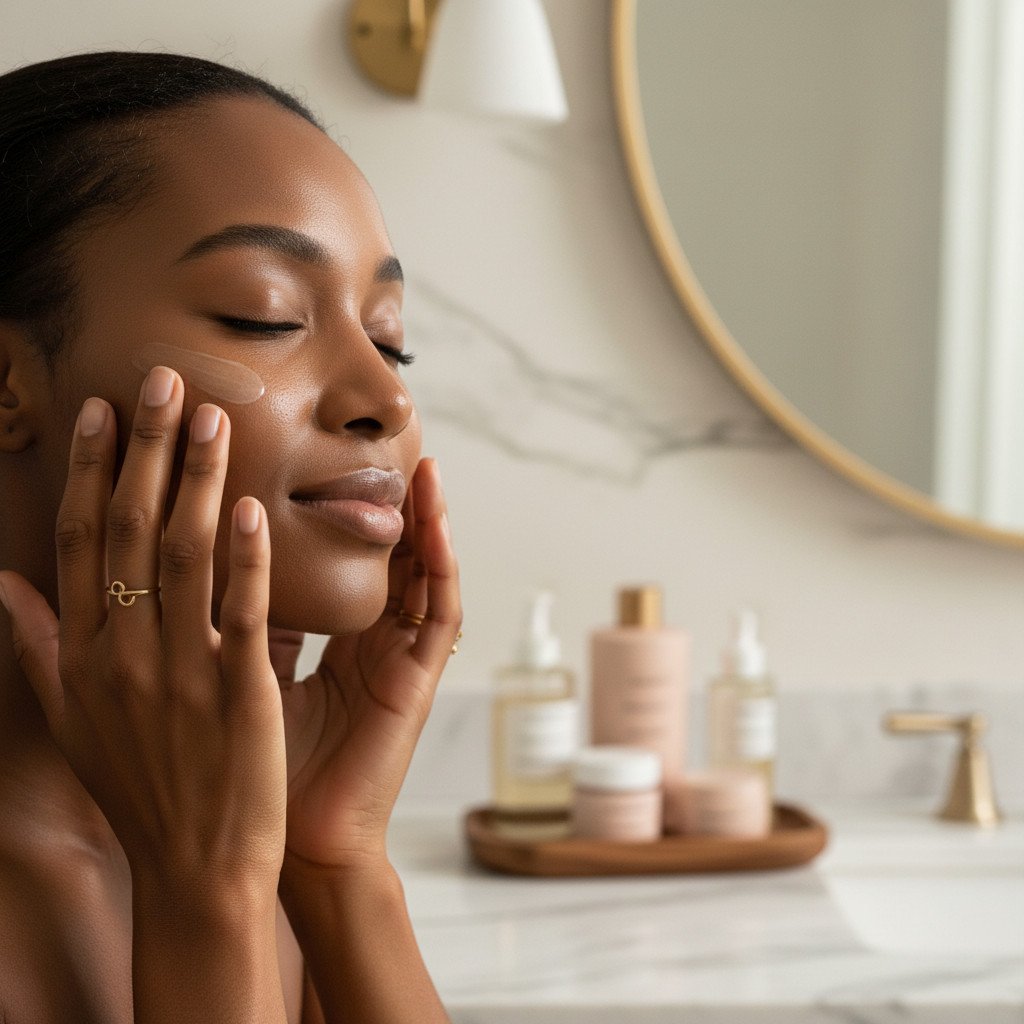
Applying your moisturizer is the final, crucial step in sealing in all the goodness from your previous treatments. After your targeted treatment has had a moment to absorb, gently apply your chosen moisturizer to your entire face and neck. This layer not only provides hydration but also helps to lock in the active ingredients, enhancing their efficacy. Think of it as a comforting blanket for your skin, providing nourishment and protection as you rest. This consistent act of moisturizing, night after night, is a powerful investment in your skin’s long-term health, resilience, and its ability to effectively manage and fade hyperpigmentation. It’s a testament to the power of gentle, consistent care in achieving truly radiant results.
Step 4: Know When to Scale Back
In the pursuit of clear, even-toned skin, it’s easy to fall into the trap of thinking that if a little is good, more must be better. However, for melanin-rich skin prone to hyperpigmentation, this mindset can be detrimental. Your skin will often send clear signals when it’s overworked or overwhelmed by too many active ingredients or aggressive treatments. These signals can manifest as increased redness, persistent stinging or burning sensations, unusual dryness or flakiness, heightened sensitivity to touch, or even new breakouts. Pay close attention to these cues; they are your skin’s way of communicating distress. Ignoring these signs and pushing through with an aggressive routine will not accelerate results; instead, it will likely lead to a compromised skin barrier, increased inflammation, and ultimately, more stubborn hyperpigmentation. Learning to interpret and respond to these signals is a vital skill in managing your skin’s health.
When your skin shows signs of distress, the most effective response is often to scale back and implement a simpler recovery routine. This means temporarily pausing all active ingredients—retinoids, AHAs, Vitamin C serums, and other targeted treatments for hyperpigmentation. During this recovery phase, your routine should consist solely of gentle cleansing, a hydrating and soothing serum (like one with hyaluronic acid or centella asiatica), and a rich, barrier-repairing moisturizer. The goal is to allow your skin to rest, heal, and rebuild its natural protective barrier. This period of calm can last anywhere from a few days to a week or more, depending on the severity of the irritation. Think of it as a much-needed vacation for your skin, allowing it to reset and regain its equilibrium. Reintroducing actives should be done very slowly and cautiously, perhaps starting with once or twice a week, and only after your skin has fully recovered its calm and comfort.
A crucial understanding for anyone managing hyperpigmentation is that irritation is never a sign that a product is “working.” The old adage “no pain, no gain” has no place in sensitive, melanin-rich skincare. While some active ingredients might cause a mild tingling sensation upon initial use, persistent stinging, burning, excessive dryness, or redness indicates that your skin barrier is being damaged. This damage triggers an inflammatory response, which, for our skin, is a direct pathway to new or worsened hyperpigmentation. Effective skincare for dark spots works by gently encouraging cell turnover, inhibiting melanin production, and reducing inflammation—not by causing it. If a product consistently causes discomfort, it is not the right product for your skin, regardless of its touted benefits. Prioritizing comfort and barrier integrity is always the most effective long-term strategy for achieving an even, radiant complexion.
Embracing the wisdom of knowing when to scale back is a powerful act of self-care. It demonstrates respect for your skin’s unique needs and an understanding that true progress comes from nurturing, not punishing. By listening to your skin and providing it with periods of rest and repair, you are not only preventing further damage but also creating a more resilient foundation for future treatments. This adaptive approach ensures that your journey to fading hyperpigmentation is sustainable, effective, and ultimately, leads to healthier, more radiant skin. Remember, your skin is a living organ, and like any part of your body, it thrives on balance and gentle care.
Key Ingredients and Product Types to Look For
Navigating the vast world of skincare ingredients can be daunting, especially when you’re specifically targeting hyperpigmentation on melanin-rich skin. The key is to understand not just what an ingredient does, but how it interacts with your unique skin type and its propensity for post-inflammatory hyperpigmentation. Our focus here is on ingredients that offer effective brightening, calming, and barrier-supporting benefits without triggering irritation. We’ll explore specific product categories and ingredients that have proven track records for safely and effectively addressing dark spots on darker skin tones, empowering you to make informed choices for your evening routine. This curated selection emphasizes gentle efficacy and skin health, ensuring your path to an even complexion is both effective and nurturing.
When building your routine, think of these ingredients as allies, each playing a distinct role in your skin’s recovery and renewal. The synergy of these components, when used thoughtfully and consistently, can lead to remarkable improvements in skin tone and texture. Remember, the goal is not to incorporate every single ingredient into your routine at once, but rather to select those that best suit your skin’s current state and your specific concerns. This strategic approach minimizes potential irritation and maximizes the benefits of each chosen product, leading to a healthier, more radiant complexion over time. Let’s delve into the specifics of what to seek out for your hyperpigmentation-focused nighttime regimen.
Gentle Cleansers
The importance of a gentle cleanser cannot be overstated, especially as the first step in a nighttime routine for hyperpigmentation. For melanin-rich skin, which is prone to inflammation and subsequent dark marks, a harsh cleanser can undo all the good work of subsequent treatment steps. Gentle cleansers are formulated to remove impurities, makeup, and sunscreen without stripping the skin’s natural oils or disrupting its delicate pH balance. They cleanse effectively while preserving the integrity of the skin barrier, which is crucial for preventing irritation and supporting the healing process of hyperpigmentation.
When selecting a gentle cleanser, look for creamy, milky, or oil-based formulations that are free from harsh sulfates (like SLS/SLES), strong fragrances, and abrasive particles. Ingredients such as glycerin, ceramides, hyaluronic acid, and colloidal oatmeal are excellent additions, as they help to hydrate and soothe the skin during the cleansing process. These cleansers leave your skin feeling soft, comfortable, and hydrated, never tight or “squeaky clean.” This ensures that your skin is calm and ready to receive the active ingredients in your treatment steps, rather than being inflamed and reactive from the outset. A truly gentle cleanse is the foundation upon which effective hyperpigmentation treatment is built, safeguarding your skin’s health from the very first step.
Niacinamide
Niacinamide, also known as Vitamin B3, is a powerhouse ingredient for melanin-rich skin dealing with hyperpigmentation, and it’s remarkably well-tolerated. Its multifaceted benefits make it an indispensable addition to a nighttime routine. Niacinamide works by inhibiting the transfer of melanosomes (pigment packets) from melanocytes to keratinocytes (skin cells), thereby reducing the visible appearance of dark spots. This mechanism is crucial for preventing new hyperpigmentation from forming and for fading existing marks, making it a gentle yet effective brightening agent.
Beyond its brightening capabilities, niacinamide boasts significant anti-inflammatory properties, which are vital for hyperpigmentation-prone skin. It helps to calm redness and irritation, strengthening the skin barrier and improving its overall resilience. It also helps to regulate oil production, making it beneficial for those with oily or acne-prone skin, which often leads to PIH. What makes niacinamide particularly useful is its versatility and low irritation potential, even at higher concentrations (typically 4-10%). It can be found in serums, toners, and moisturizers, making it easy to incorporate into almost any routine without fear of over-exfoliation or sensitivity. When exploring options, consider niacinamide serums on Amazon that are specifically formulated for sensitive skin.
Retinoid-Style Overnight Renewal Support
Retinoids are often celebrated as the gold standard for skin renewal, and for good reason. They work by accelerating cell turnover, which helps to shed pigmented skin cells more quickly and bring fresh, unpigmented cells to the surface. This process is highly effective in fading hyperpigmentation and improving overall skin texture. Furthermore, retinoids stimulate collagen production, which can help to improve skin elasticity and reduce the appearance of fine lines. For melanin-rich skin, the key is to approach retinoid use with caution and consistency, prioritizing gentle formulations and a slow introduction to avoid irritation.
When choosing a retinoid for hyperpigmentation on dark skin, consider starting with milder forms like retinol or retinaldehyde, which are less potent than prescription tretinoin but still highly effective over time. Look for formulations that are encapsulated or combined with soothing ingredients to minimize irritation. Start by using your chosen retinoid 1-2 times a week, gradually increasing frequency as your skin builds tolerance. Always apply to dry skin after cleansing and follow with a rich moisturizer to support your skin barrier. Avoid using retinoids on the same night as other strong exfoliants or acids. The benefits of retinoids for hyperpigmentation are significant, but patience and a gentle approach are paramount to achieving results without causing further inflammation and darkening.

Azelaic-Acid-Style Calming and Tone Support
Azelaic acid is a truly remarkable ingredient for melanin-rich skin, offering a unique combination of benefits that directly address hyperpigmentation, inflammation, and acne. It works by inhibiting tyrosinase, an enzyme crucial for melanin production, thereby directly targeting the formation of dark spots. This makes it an excellent choice for fading existing hyperpigmentation and preventing new marks from forming. What sets azelaic acid apart is its ability to do this while simultaneously calming inflammation and reducing redness, which is incredibly beneficial for reactive skin types.
Beyond its pigment-inhibiting properties, azelaic acid is also antibacterial, making it effective in treating acne, a common precursor to PIH. It helps to unclog pores and reduce the growth of acne-causing bacteria, thus preventing future breakouts and the dark marks they leave behind. Unlike some other acids, azelaic acid is generally very well-tolerated, even by sensitive skin, and can be used daily. It comes in various concentrations (from 10% over-the-counter to higher prescription strengths) and formulations (creams, gels, serums). Its ability to brighten, calm, and treat acne simultaneously makes it an ideal, gentle, and multifaceted ingredient for a nighttime routine focused on hyperpigmentation, offering comprehensive support without the risk of over-exfoliation or irritation.
Barrier-Repair Moisturizers
Barrier-repair moisturizers are non-negotiable for melanin-rich skin, especially when addressing hyperpigmentation. These moisturizers are specifically formulated to replenish and strengthen the skin’s natural protective barrier, which is essential for healthy, resilient skin. A robust barrier prevents moisture loss, protects against environmental aggressors, and, most importantly for our discussion, reduces inflammation. When the barrier is compromised, skin becomes more reactive, leading to increased inflammation and a higher likelihood of developing or worsening dark spots. Therefore, supporting your barrier is a proactive step in preventing and treating hyperpigmentation.
Look for barrier-repair moisturizers rich in ingredients that mimic the skin’s natural lipid composition, such as ceramides, cholesterol, and fatty acids. Humectants like hyaluronic acid and glycerin also play a crucial role by drawing moisture into the skin, further supporting hydration and barrier function. These moisturizers often have a richer, more emollient texture, but many non-comedogenic options are available for oily or acne-prone skin. They work by creating a protective seal over the skin, locking in moisture and active ingredients, while simultaneously providing the building blocks for barrier repair. Using a barrier-repair moisturizer consistently at night helps to soothe skin, reduce sensitivity, and create an optimal environment for fading hyperpigmentation without triggering further irritation. To find suitable options, you can browse barrier repair moisturizers on Amazon, looking for products with ceramides and hyaluronic acid.
Building a Night Routine That Matches Your Skin State
Understanding that your skin is a dynamic organ, constantly responding to internal and external factors, is crucial for effective skincare, especially when managing hyperpigmentation. A rigid, one-size-fits-all routine is rarely effective in the long term. Instead, the most successful approach involves listening to your skin and adapting your nighttime regimen to its current state. This means recognizing when your skin needs intensive treatment versus when it requires gentle recovery and barrier support. This section will guide you through tailoring your routine based on common skin states, ensuring that your efforts are always aligned with what your skin truly needs to thrive and fade dark marks.
The beauty of a flexible routine lies in its ability to prevent over-treatment, which is a common pitfall for melanin-rich skin. By adjusting your product selection and frequency, you can optimize efficacy while minimizing the risk of irritation and further hyperpigmentation. This adaptive strategy empowers you to be an active participant in your skin’s health journey, fostering a deeper connection and understanding of its unique rhythm. Let’s explore how to customize your nighttime routine for different skin states, ensuring every evening brings you closer to a balanced, radiant complexion.
If your skin is oily and mark-prone
For Black women with oily and mark-prone skin, the nighttime routine needs to strike a delicate balance: addressing excess oil and preventing breakouts while simultaneously fading hyperpigmentation without causing further irritation. The temptation might be to use harsh, drying products, but this can strip the skin, leading to compensatory oil production and a compromised barrier, ultimately worsening breakouts and dark spots. Instead, focus on lightweight, non-comedogenic formulations that regulate sebum, gently exfoliate, and provide targeted brightening.
Your routine should begin with a thorough yet gentle cleanse, perhaps a double cleanse if you wear makeup or heavy sunscreen, using an oil cleanser followed by a gel or foaming cleanser that doesn’t leave your skin feeling tight. For your targeted treatment, consider ingredients like salicylic acid (a BHA that penetrates oil to clear pores), azelaic acid (which calms inflammation, reduces oil, and brightens), or a gentle retinoid. These can be used 2-3 nights a week. On other nights, a niacinamide serum can provide excellent brightening and oil-regulating benefits without exfoliation. Finish with a lightweight, oil-free moisturizer that contains humectants like hyaluronic acid to provide hydration without clogging pores. This approach helps to manage oil and breakouts, fade existing marks, and prevent new ones, all while respecting your skin’s barrier. Remember, consistency with these gentle yet effective ingredients will yield the best results over time.
If your skin is dry and uneven
Dry and uneven skin presents a different set of challenges when tackling hyperpigmentation. Here, the priority is to infuse the skin with hydration and nourishing ingredients while gently encouraging cell turnover to fade dark spots, all without exacerbating dryness or sensitivity. A compromised moisture barrier is often a key factor in dry skin, making it more susceptible to inflammation and slower to heal, thus prolonging the presence of hyperpigmentation. Your nighttime routine should therefore be deeply restorative and moisture-focused.
Begin with a creamy, hydrating cleanser that leaves your skin feeling soft and supple. After cleansing, consider a hydrating toner or essence to add an extra layer of moisture before your treatment. For targeted treatment, opt for ingredients that are effective yet gentle on dry skin. Lactic acid (an AHA) can be a good choice for mild exfoliation, as it also has humectant properties. Alternatively, a gentle retinol or retinaldehyde can be introduced slowly (1-2 times a week) to boost cell turnover, always followed by a rich moisturizer. On nights when you’re not using an active exfoliant, a brightening serum with ingredients like alpha arbutin, vitamin C, or niacinamide can be beneficial. Crucially, seal everything in with a rich, occlusive barrier-repair moisturizer containing ceramides, fatty acids, and cholesterol. This comprehensive approach ensures that your skin remains hydrated and comfortable while actively working to fade hyperpigmentation, restoring both evenness and a healthy glow. For more on layering, see our guide on How to Layer Actives on Dark Skin.
If your skin is sensitive or over-exfoliated
When your skin is sensitive or has been over-exfoliated, the primary goal shifts from active treatment to intensive recovery and repair. This state often manifests as redness, stinging, flakiness, tightness, and heightened reactivity, all of which are direct pathways to increased hyperpigmentation for melanin-rich skin. Pushing through with active ingredients will only worsen the situation. Your nighttime routine must become a sanctuary of calm, focusing entirely on soothing inflammation, rebuilding the skin barrier, and restoring comfort.
During this recovery phase, simplify your routine drastically. Start with the gentlest possible cleanser—a creamy, hydrating, fragrance-free formula—and use lukewarm water. Skip all active treatments, including retinoids, AHAs, BHAs, and Vitamin C serums. Instead, focus on soothing and barrier-repairing ingredients. A hydrating serum containing hyaluronic acid, centella asiatica (cica), panthenol, or colloidal oatmeal can provide immediate relief. Follow this with a rich, occlusive barrier-repair moisturizer packed with ceramides, fatty acids, and cholesterol. You might even consider “slugging” with a thin layer of petrolatum jelly over your moisturizer to seal everything in and prevent transepidermal water loss. This minimalist, nurturing approach should be maintained until your skin feels completely calm, comfortable, and resilient again. Only then, and very gradually, can you consider reintroducing a single, gentle active, starting with 1-2 times a week. Remember, patience is not just a virtue here; it is the most effective treatment for sensitive or over-exfoliated skin, preventing further damage and ensuring a smoother path to fading hyperpigmentation. For more insights on avoiding pitfalls, refer to our article on Skincare Mistakes Causing Dark Marks & Sensitivity.
| Skin State | Cleanser | Targeted Treatment (2-3x/week) | Other Nights | Moisturizer | Key Focus |
|---|---|---|---|---|---|
| Oily & Mark-Prone | Gentle gel/foaming (consider double cleanse) | Salicylic Acid, Azelaic Acid, or Gentle Retinoid | Niacinamide Serum | Lightweight, oil-free, non-comedogenic | Oil regulation, gentle exfoliation, brightening |
| Dry & Uneven | Creamy, hydrating, non-stripping | Lactic Acid or Gentle Retinoid | Alpha Arbutin or Vitamin C Serum | Rich, occlusive barrier-repair cream (with ceramides) | Deep hydration, barrier repair, gentle turnover |
| Sensitive or Over-Exfoliated | Ultra-gentle, fragrance-free, milky/cream | (None – temporary pause) | Hydrating/Soothing Serum (Hyaluronic Acid, Cica, Panthenol) | Rich, barrier-repairing, occlusive (e.g., petrolatum) | Calm, barrier rebuild, anti-inflammatory |
Common Mistakes to Avoid
The journey to fading hyperpigmentation on melanin-rich skin is often fraught with well-intentioned but ultimately counterproductive practices. Many common skincare mistakes, particularly during the crucial nighttime hours, can inadvertently worsen dark marks, prolong their presence, or even create new ones. Understanding these pitfalls is just as important as knowing which steps to take, as prevention is a powerful tool in managing reactive skin. By consciously avoiding these errors, you safeguard your skin’s health and ensure that your efforts to achieve an even, radiant complexion are truly effective and sustainable.
This section is designed to illuminate the most frequent missteps Black women make when tackling hyperpigmentation at night. From overzealous product application to neglecting fundamental protective measures, these mistakes can derail your progress and lead to frustration. Learning to identify and correct these habits will empower you to cultivate a more harmonious and effective relationship with your skin, paving the way for lasting clarity and confidence. Let’s delve into these critical areas of caution, ensuring your nighttime routine works for you, not against you.
Using Too Many Actives at Once
One of the most common and detrimental mistakes is the belief that more active ingredients will lead to faster results. For melanin-rich skin, which is inherently more prone to post-inflammatory hyperpigmentation, layering multiple potent actives—such as a retinoid, an AHA, and a Vitamin C serum—on the same night is a recipe for irritation. Each active ingredient has a specific mechanism of action, and when combined without careful consideration, they can overwhelm the skin’s natural defenses. This leads to a compromised skin barrier, increased sensitivity, redness, and inflammation, which, in turn, triggers melanocytes to produce more pigment. The result is a frustrating cycle where the very products meant to fade dark spots end up creating new ones or making existing ones more stubborn. It’s a classic case of too much of a good thing becoming detrimental, highlighting the need for a strategic and minimalist approach to active treatment.
Exfoliating Too Often
Exfoliation is an important step for promoting cell turnover and helping to fade hyperpigmentation, but it’s a double-edged sword for melanin-rich skin. The mistake of exfoliating too often, whether with physical scrubs or strong chemical exfoliants, is a significant contributor to irritation and subsequent PIH. Aggressive scrubbing or daily use of high-concentration acids can abrade the skin’s surface, disrupt the lipid barrier, and trigger an inflammatory response. This inflammation signals to the melanocytes to produce more melanin, effectively undoing any benefits of the exfoliation and potentially creating new dark spots. The “squeaky clean” or tingling sensation often associated with over-exfoliation is not a sign of efficacy but rather a warning that your skin’s protective barrier is being compromised. For a comprehensive guide on this, refer to our article on How Often Should Black Women Exfoliate.

Scrubbing Breakouts or Marks
The urge to pick, squeeze, or aggressively scrub at breakouts or existing dark marks is a natural, albeit harmful, impulse. This physical manipulation causes trauma to the skin, leading to increased inflammation and damage to the surrounding tissue. For melanin-rich skin, any form of trauma, no matter how minor, is a potent trigger for post-inflammatory hyperpigmentation. What might start as a small blemish can quickly turn into a larger, more persistent dark spot if it’s picked or scrubbed. Even seemingly gentle physical exfoliation over active breakouts can spread bacteria and worsen inflammation. The key is to resist the urge to physically intervene and instead rely on gentle, targeted treatments and a consistent routine to calm inflammation and encourage healing. Patience and a hands-off approach are crucial for preventing new marks and allowing existing ones to fade naturally and safely.
Skipping Moisturizer Because Skin Feels Oily
This is a pervasive myth that can severely undermine efforts to manage hyperpigmentation, especially for those with oily or combination skin. The belief that oily skin doesn’t need moisturizer, or that skipping it will reduce oiliness, is fundamentally incorrect. When skin is deprived of moisture, it often compensates by producing even more sebum to try and protect itself, leading to a vicious cycle of increased oiliness and potential breakouts. Furthermore, many active ingredients used to treat hyperpigmentation (like retinoids or acids) can be drying. Skipping moisturizer after these treatments leaves the skin vulnerable to irritation, dryness, and a compromised barrier, all of which contribute to inflammation and the worsening of dark spots. A lightweight, non-comedogenic moisturizer is essential for all skin types, including oily, as it provides vital hydration, supports the skin barrier, and helps to balance oil production without clogging pores. It’s a crucial step in maintaining skin health and ensuring your hyperpigmentation treatments work effectively without causing further issues.
Expecting Nighttime Results While Ignoring Morning Sunscreen
This is arguably the most critical mistake, rendering even the most diligently followed nighttime routine largely ineffective. Sunscreen is the single most important product for preventing and treating hyperpigmentation on melanin-rich skin. Melanin-rich skin is highly reactive to UV radiation, and even minimal sun exposure can trigger melanocytes to produce more pigment, making existing dark spots darker and creating new ones. If you are investing time and effort into fading hyperpigmentation at night with active ingredients, but then neglecting to apply a broad-spectrum SPF of 30 or higher every morning, you are essentially taking two steps forward and three steps back. The sun’s rays will continuously reactivate the melanin production process, undermining all your nighttime efforts. Sunscreen acts as a protective shield, allowing your skin to heal and your treatment products to work without constant interference from UV damage. It’s not just about preventing sunburn; it’s about preventing pigment. For more on this vital step, see our guide on Sunscreen for Black Women: No White Cast.
Switching Products Too Fast to Judge Results
The desire for immediate results is understandable, especially when dealing with persistent hyperpigmentation. However, one of the most common mistakes is switching products or routines too frequently before giving them adequate time to work. Skin cell turnover takes approximately 28 days for adults, and fading hyperpigmentation is a gradual process that often requires several cycles of cell renewal. Active ingredients like retinoids, niacinamide, and azelaic acid need consistent use over weeks, and often months, to show noticeable improvements. Switching products every few days or weeks prevents any single product from demonstrating its full potential and can also confuse your skin, making it harder to identify what is truly working or causing irritation. Patience and consistency are paramount. Commit to a chosen routine for at least 8-12 weeks before evaluating its efficacy. This allows your skin enough time to adapt and respond to the ingredients, providing a clearer picture of what is truly beneficial for your unique complexion.
Frequently Asked Questions
Navigating the nuances of a nighttime skincare routine for hyperpigmentation can bring forth a myriad of questions. It’s natural to seek clarity on product usage, expected timelines, and how to respond to your skin’s signals. This section addresses some of the most common inquiries, providing concise, expert-backed answers to help you refine your routine and feel more confident in your skincare journey. Our aim is to demystify the process, empowering you with the knowledge to make informed decisions for your melanin-rich skin.
How many night products do I really need for dark marks?
For fading dark marks, you typically need a gentle cleanser, one targeted active treatment (like niacinamide, azelaic acid, or a retinoid), and a barrier-supporting moisturizer. While additional hydrating serums can be beneficial, focusing on these three core steps with well-chosen products is often more effective than layering many actives, which can lead to irritation and worsen hyperpigmentation.
Can I exfoliate every night if I have hyperpigmentation?
No, exfoliating every night is generally too aggressive for melanin-rich skin, especially when dealing with hyperpigmentation. Over-exfoliation can compromise your skin barrier, leading to irritation and increased inflammation, which directly triggers more dark spots. Aim for gentle exfoliation 1-3 times a week, depending on your skin’s tolerance and the specific exfoliant being used, always listening to your skin’s response.
Do I need moisturizer if my skin is oily?
Yes, absolutely. Even oily skin needs moisturizer. Skipping moisturizer can dehydrate your skin, prompting it to produce more oil to compensate, potentially leading to more breakouts and dark marks. A lightweight, non-comedogenic moisturizer provides essential hydration, supports your skin barrier, and helps balance oil production without feeling heavy or clogging pores.
How long does it take to see improvement in dark marks?
Fading hyperpigmentation is a gradual process that requires patience and consistency. You can typically expect to see initial improvements in 8-12 weeks with a consistent and appropriate routine. However, significant fading of stubborn marks can take 3-6 months or even longer, as it depends on the depth and severity of the pigmentation and your skin’s individual response.
What should I do if my routine starts to sting?
If your routine causes stinging, burning, or excessive redness, it’s a clear sign of irritation. Immediately pause all active ingredients (retinoids, acids, strong brightening serums) and simplify your routine to just a gentle cleanser and a rich, barrier-repairing moisturizer. Allow your skin to recover for several days to a week before slowly and cautiously reintroducing actives, perhaps at a lower frequency or concentration.
Do nighttime products matter if I skip sunscreen the next day?
Yes, nighttime products matter, but their efficacy is severely undermined if you skip sunscreen the next day. Sunscreen is the most crucial step for preventing and treating hyperpigmentation. Without consistent daily SPF 30+ application, the sun’s UV rays will continuously trigger melanin production, making your dark spots darker and counteracting all the hard work your nighttime treatments are doing.
Can stress affect my hyperpigmentation and nighttime routine?
Absolutely. Stress can significantly impact your skin, including worsening hyperpigmentation. Stress triggers inflammatory responses in the body, which can directly stimulate melanin production and make existing dark marks more stubborn. Incorporating stress-reducing practices into your evening routine, like deep breathing or a calming ritual, can indirectly support your skin’s healing process and enhance the effectiveness of your products.
Final Thoughts
The journey to fading hyperpigmentation on melanin-rich skin is a testament to patience, consistency, and self-compassion. It’s a marathon, not a sprint, and understanding that lasting change comes gradually is perhaps the most empowering realization you can have. Your skin, with its unique beauty and resilience, does not require harsh punishment or aggressive treatments to improve. Instead, it thrives on gentle, thoughtful care that respects its natural processes and supports its inherent ability to heal and regenerate. Embrace the wisdom of a routine that prioritizes barrier health, calms inflammation, and strategically targets discoloration, knowing that every consistent step brings you closer to the radiant, even-toned complexion you desire.
This nighttime ritual is more than just a sequence of products; it’s an act of self-love, a moment to nurture and honor your skin. By choosing products and practices that are specifically tailored to the needs of Black women, you are investing in your skin’s long-term health and vitality, ensuring that its luminous beauty shines through without compromise. We encourage you to continue exploring the wealth of knowledge available at Black Beauty Basics, delving deeper into our Skincare for Black Women pillar and our foundational Skincare for Black Women 101: Simple Routines for Melanin-Rich Skin hub. Here, you’ll find further guidance and inspiration to cultivate a skincare regimen that truly celebrates and protects your magnificent melanin. Your journey to radiant skin is a beautiful one, and we are honored to be a part of it.
Related next steps
Related posts:
 Combatting Post-Inflammatory Hyperpigmentation Through Routine Design
 Minimalist Skincare Routine for Busy Black Women
 How to Build a Skincare Routine for Black Women
 Morning to Evening – A Skincare Routine for Black Women
 Building an Anti-Pollution Skincare Routine for Urban Environments
 Morning and Night Skincare Routine for African American Women