
Sensitivity and Stinging on Dark Skin: Understanding Your Skin’s Early Warning Signs
There’s a unique language our skin speaks, and for melanin-rich complexions, understanding its nuances is paramount. We’ve all been there: eagerly trying a new serum, a promising cleanser, or a potent treatment, only to be met with an unexpected sensation. A subtle prickle, a sudden warmth, or a distinct stinging that leaves you wondering, “Is this working, or is something wrong?” For too long, the beauty industry has normalized a certain level of “tingle” as a sign of efficacy, often overlooking the distinct ways irritation manifests on darker skin tones.
On dark skin, sensitivity doesn’t always announce itself with a glaring red flag. The visible redness that’s a hallmark of irritation on lighter skin tones often goes unnoticed or is significantly muted on melanin-rich skin. This can lead to a dangerous misconception: if you don’t see overt redness, you might assume your skin is tolerating a product just fine, even if it’s silently being compromised. This delayed recognition can unfortunately pave the way for more persistent issues, including post-inflammatory hyperpigmentation (PIH) – those stubborn dark marks that are far more challenging to fade than to prevent.
At Black Beauty Basics, we believe in empowering you with the knowledge to truly listen to your skin. This isn’t about fear; it’s about informed care and self-preservation. When your skin stings, burns, feels unusually warm, or reacts in ways that feel “off,” it’s sending you a message. These sensations are not always a sign that a product is working magic; more often, they are early warning signs from your skin barrier, signaling distress and a need for immediate attention. Understanding these signals is the first step toward cultivating a routine that truly nurtures and protects your beautiful complexion, ensuring it remains resilient, radiant, and free from unnecessary irritation.
What Sensitivity Can Look Like on Dark Skin
The conventional understanding of sensitive skin often conjures images of flushed cheeks and visible redness. However, for those with melanin-rich skin, the signs of sensitivity are frequently more subtle, yet equally impactful. It’s crucial to recalibrate our perception and learn to recognize these distinct indicators, as ignoring them can lead to prolonged discomfort and more challenging skin concerns, particularly post-inflammatory hyperpigmentation.
Beyond Redness: The Nuances of Irritation on Melanin-Rich Skin
While redness can occur on dark skin, it often appears as a deeper, more purplish or brownish discoloration, making it less obvious than on lighter skin tones. This muted presentation can lead to a delay in recognizing irritation, allowing it to escalate. Instead of relying solely on visual cues, we must become attuned to the sensory experiences our skin communicates. The absence of overt redness does not equate to the absence of irritation.
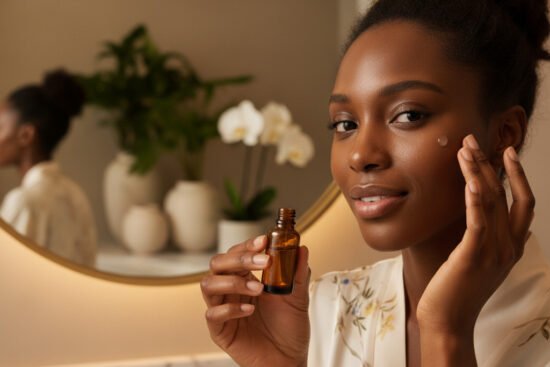
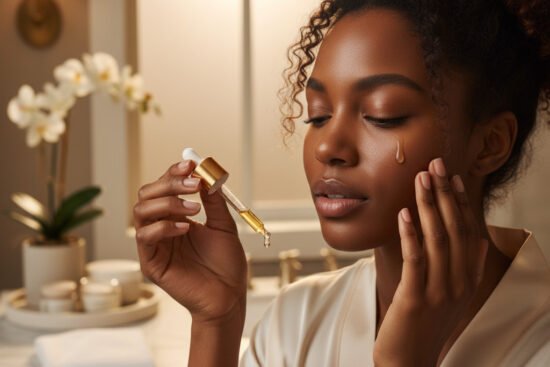
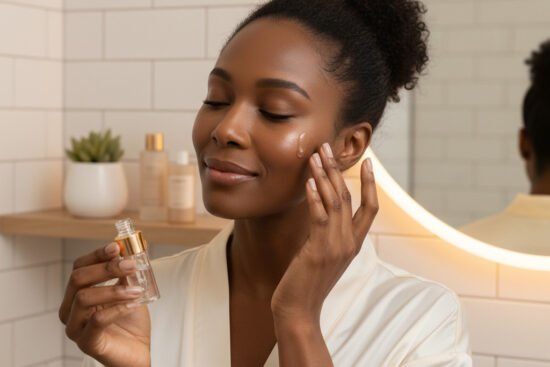
Stinging and Burning: These are perhaps the most direct and unmistakable signals of irritation. When a product causes a stinging or burning sensation, it’s a clear indication that your skin barrier is compromised or that the product’s ingredients are too harsh. This isn’t a “good burn” or a sign of efficacy; it’s a distress signal. Your skin is literally telling you that something is attacking its protective layer, leading to nerve ending activation and discomfort. This sensation can range from a mild, fleeting prickle to an intense, persistent burn.
Unusual Warmth or Heat: A feeling of warmth or heat on the skin, especially after applying a product, can also be a sign of inflammation. This isn’t the pleasant warmth of a cozy blanket; it’s an internal heat that suggests your skin’s immune response has been triggered. This sensation might be accompanied by a slight flush that’s difficult to discern visually but is very much felt. It indicates that your skin is working overtime to counteract an perceived aggressor.
Tightness and Discomfort: After cleansing or applying certain products, if your skin feels uncomfortably tight, stretched, or rigid, it’s a sign of dehydration and a compromised barrier. This tightness isn’t just a temporary sensation; it means your skin’s natural moisture barrier has been stripped, leaving it vulnerable. Healthy skin should feel supple and comfortable, not like it’s been shrink-wrapped.
Itchiness: Persistent or sudden itchiness, without an obvious rash, can be a hallmark of sensitivity. It’s your skin’s way of saying it’s reacting to something – an ingredient, a fragrance, or an allergen. Itchiness often accompanies dryness and can be a precursor to more visible irritation if not addressed. Scratching can further damage the skin barrier, creating a vicious cycle.
Rough or Textured Patches: When the skin barrier is disrupted, its smooth surface can become uneven. You might notice areas that feel rough, scaly, or bumpy to the touch, even if they don’t look visibly inflamed. This change in texture indicates that the outermost layer of your skin, the stratum corneum, is not functioning optimally, leading to impaired barrier function and increased water loss.
Increased Dryness or Flakiness: While some skin types are naturally dry, a sudden or exacerbated dryness, especially accompanied by flakiness or peeling, can signal irritation. When the skin barrier is compromised, it loses its ability to retain moisture effectively, leading to dehydration and a dull, parched appearance. This can be particularly noticeable on melanin-rich skin, which is already prone to transepidermal water loss.
Post-Inflammatory Hyperpigmentation (PIH) Risk: Perhaps the most critical consequence of unaddressed irritation on dark skin is the heightened risk of PIH. Any form of inflammation – whether from harsh products, environmental aggressors, or physical trauma – can trigger melanocytes (the cells that produce pigment) to go into overdrive. This results in dark spots or patches that can linger for months, sometimes even years, making PIH a far more significant concern than temporary redness. Recognizing and addressing sensitivity early is your best defense against this common and frustrating issue.
Understanding these varied manifestations of sensitivity on melanin-rich skin empowers you to be a more discerning advocate for your own complexion. It shifts the focus from purely visual cues to a holistic awareness of how your skin feels and behaves. By learning to interpret these subtle signals, you can intervene early, prevent escalation, and maintain a healthy, resilient skin barrier, which is the foundation of beautiful, even-toned skin.
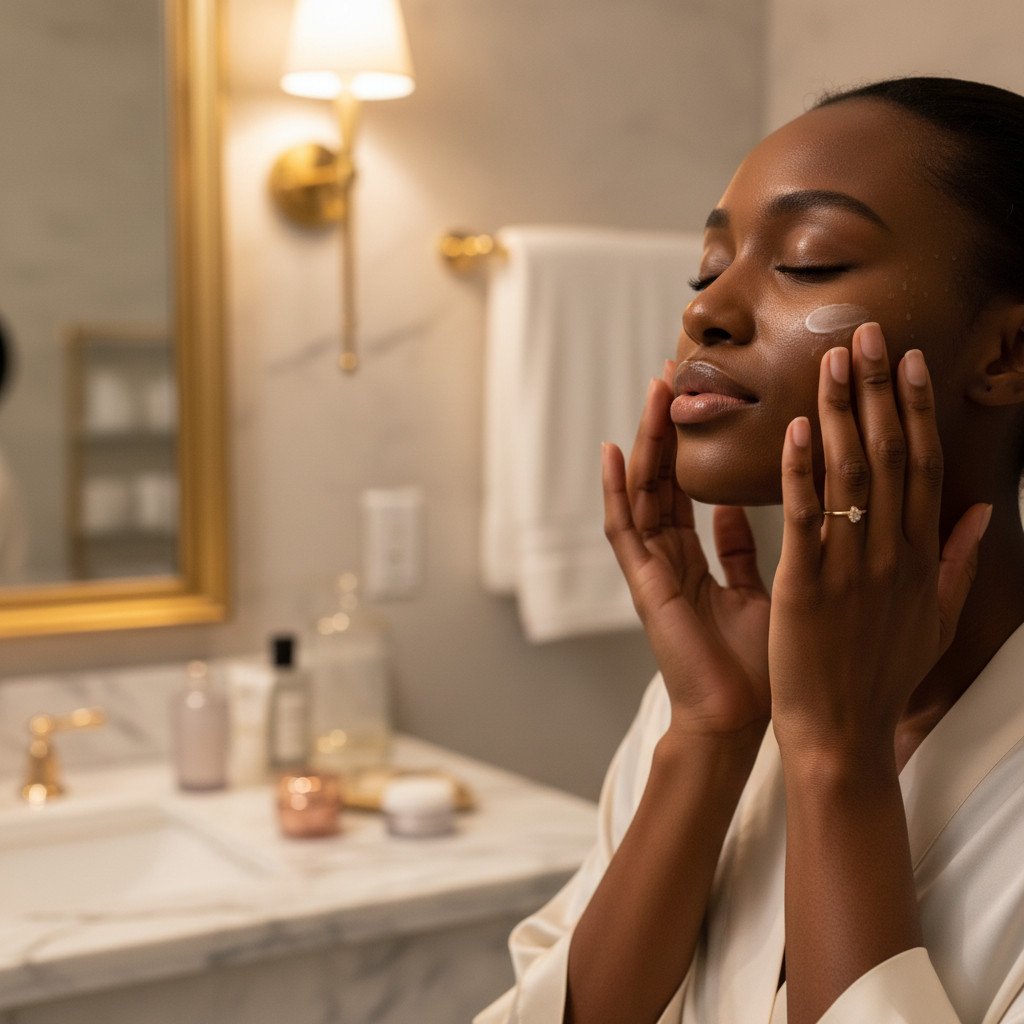
Common Reasons Skin Starts Stinging
When your skin reacts with a sting, burn, or unusual discomfort, it’s a clear signal that something in your routine or environment is not agreeing with it. Pinpointing the exact cause can sometimes feel like detective work, but understanding the most common culprits can help you identify and eliminate the source of irritation. This isn’t about blaming products; it’s about understanding the intricate relationship between your skin barrier and the world around it.
The Delicate Balance of Your Skin Barrier
At the heart of skin sensitivity is often a compromised skin barrier. Think of your skin barrier as a protective wall, made of skin cells and lipids, that keeps essential moisture in and harmful irritants out. When this wall is strong, your skin is resilient. When it’s weakened or damaged, even otherwise benign ingredients can penetrate too deeply, triggering an inflammatory response and those uncomfortable sensations of stinging or burning. Melanin-rich skin, while often perceived as robust, is particularly susceptible to barrier disruption due to its unique structural and physiological characteristics, including a tendency for increased transepidermal water loss.
Ingredients That Often Trigger Stinging
Certain ingredients are more notorious than others for causing sensitivity, especially when used in high concentrations, too frequently, or on an already compromised barrier. It’s not always about the ingredient itself being “bad,” but rather about its interaction with your unique skin and the context of your overall routine.
- Strong Actives: Ingredients like retinoids (retinol, tretinoin), alpha hydroxy acids (AHAs like glycolic acid, lactic acid), beta hydroxy acids (BHAs like salicylic acid), and vitamin C (especially L-ascorbic acid) are powerful and effective, but they can be irritating if introduced too quickly, used in high percentages, or combined improperly. They work by increasing cell turnover or exfoliating, which can temporarily thin the outermost layer of the skin, making it more vulnerable.
- Fragrance and Essential Oils: These are among the most common culprits for contact dermatitis and irritation. While they smell lovely, the chemical compounds in fragrances and many essential oils can be highly sensitizing to some individuals. Even “natural” fragrances can be problematic. For sensitive skin, opting for fragrance-free products is often a wise choice.
- Alcohols (drying alcohols): While some fatty alcohols (like cetyl alcohol) are beneficial, simple or drying alcohols (like ethanol, isopropyl alcohol, alcohol denat.) can strip the skin of its natural oils, leading to dryness, tightness, and barrier disruption. They are often found in toners and astringents, contributing to that “squeaky clean” feeling that is actually detrimental to skin health.
- Sulfates: Commonly found in foaming cleansers (e.g., Sodium Lauryl Sulfate, Sodium Laureth Sulfate), sulfates are effective detergents but can be overly harsh, stripping the skin’s natural lipids and leading to dryness and irritation. This can leave the skin feeling tight and vulnerable.
- Physical Exfoliants (harsh scrubs): While exfoliation is beneficial, physical scrubs with large, irregular particles (like crushed nut shells or sugar crystals) can create micro-tears in the skin, damaging the barrier and leading to irritation, especially on delicate or already sensitive skin.
Over-Exfoliation and Product Overload
One of the most common reasons for skin sensitivity is simply doing too much. In the quest for perfect skin, it’s easy to fall into the trap of over-exfoliation or using too many active ingredients simultaneously. This can manifest as:
- Too Many Actives: Layering multiple potent serums (e.g., a BHA, a vitamin C, and a retinol) in the same routine, especially without proper acclimation, is a surefire way to overwhelm your skin barrier. Each active ingredient has a specific mechanism of action, and combining them without understanding their potential for interaction can lead to irritation.
- Frequent Exfoliation: While regular exfoliation can be beneficial, exfoliating daily or using both physical and chemical exfoliants on the same day can strip the skin, making it raw and sensitive. Your skin needs time to recover and rebuild its protective barrier.
- Using Products with Conflicting pH Levels: Some active ingredients work best at specific pH levels. When you layer products with wildly different pHs, it can disrupt the skin’s natural acid mantle, leading to irritation and reducing the efficacy of the products themselves.
Environmental Factors and Lifestyle Choices
Your skin doesn’t exist in a vacuum. External factors and daily habits also play a significant role in its sensitivity:
- Weather Extremes: Cold, dry air, harsh winds, and even excessive heat can strip the skin of moisture and weaken its barrier. This is particularly true in winter months or arid climates where humidity is low.
- Hard Water: Water with high mineral content can leave a film on the skin, contributing to dryness and irritation, especially after cleansing.
- Pollution: Environmental pollutants can generate free radicals, leading to oxidative stress and inflammation in the skin.
- Stress: Chronic stress can trigger inflammatory responses throughout the body, including the skin, exacerbating conditions like eczema, acne, and general sensitivity.
- Diet and Hydration: A diet lacking in essential fatty acids or antioxidants, or insufficient water intake, can impact skin health and its ability to maintain a strong barrier.
- Lack of Sleep: Sleep is when your body, including your skin, repairs and regenerates. Chronic sleep deprivation can impair barrier function and increase inflammation.
Medical Conditions and Underlying Sensitivities
Sometimes, skin sensitivity isn’t just about products or environment; it can be linked to underlying skin conditions or systemic issues:
- Eczema (Atopic Dermatitis): Individuals with eczema have a genetically compromised skin barrier, making them inherently more prone to dryness, itching, and irritation from various triggers.
- Rosacea: While often associated with redness on lighter skin, rosacea can manifest on dark skin with persistent burning, stinging, flushing, and sometimes acne-like bumps, often without significant visible redness.
- Allergies: Contact allergies to specific ingredients can cause localized irritation, itching, and stinging. Patch testing can help identify these specific triggers.
- Hormonal Fluctuations: Changes in hormones, such as during menstrual cycles, pregnancy, or menopause, can alter skin sensitivity, oil production, and hydration levels, making the skin more reactive. (Learn more about how hormones and climate shift your skin behavior.)
Understanding these diverse factors empowers you to approach your skin care with greater awareness and intention. It’s about recognizing that your skin’s well-being is a complex interplay of internal and external influences, and that stinging is a critical indicator that something needs to be re-evaluated.
When Your Routine May Be Too Aggressive
In the pursuit of radiant, clear skin, it’s easy to fall into the trap of believing that “more is better” or that a product needs to “feel” like it’s working to be effective. However, for melanin-rich skin, an aggressive approach can quickly backfire, leading to a compromised barrier, increased sensitivity, and a higher risk of post-inflammatory hyperpigmentation. Recognizing the signs of an overzealous routine is crucial for course correction.
The Myth of the “Tingle Means It’s Working”
Let’s debunk a pervasive myth: the idea that a tingling, stinging, or burning sensation means a product is effectively penetrating your skin and doing its job. This notion has been perpetuated by marketing for decades, particularly around products containing ingredients like menthol, alcohol, or certain acids. While some active ingredients might cause a very mild, fleeting sensation as they interact with the skin, a persistent or uncomfortable tingle, sting, or burn is almost always a sign of irritation, not efficacy. Your skin is not a laboratory beaker that needs to bubble and fizz to show results. It’s a living organ, and discomfort is its way of signaling distress.
For dark skin, this myth is particularly dangerous. Because visible redness is often muted, the stinging sensation might be the *only* immediate warning sign you receive before more significant damage, such as barrier disruption and subsequent hyperpigmentation, sets in. Ignoring this initial discomfort can lead to a cycle of inflammation and dark spots that are far more challenging to treat.
Signs Your Routine is Overly Aggressive
Beyond the immediate sting, several other indicators can signal that your skincare routine is pushing your skin too hard:
- Persistent Dryness and Flakiness: If your skin feels perpetually parched, tight, or starts flaking, even after moisturizing, it’s a strong sign your routine is stripping its natural oils and compromising its ability to retain moisture. This is especially concerning for melanin-rich skin, which can already be prone to dryness.
- Increased Sensitivity to Other Products: Suddenly, products you’ve used for years without issue start to sting or irritate. This indicates that your skin barrier has been weakened, making it reactive to even gentle formulations.
- Breakouts or Congestion: Counterintuitively, an aggressive routine can sometimes lead to more breakouts. When the skin barrier is damaged, it can become more permeable to bacteria and irritants, leading to inflammation and clogged pores. Over-exfoliation can also disrupt the skin’s natural microbiome, creating an environment conducive to acne. (Explore more about acne and sensitive skin for Black women.)
- Dullness and Lack of Radiance: Healthy skin has a natural glow. If your complexion appears dull, lackluster, or even grayish, it could be a sign of chronic inflammation and a compromised barrier. The skin’s surface isn’t smooth and reflective, and cell turnover might be disrupted.
- Texture Changes: Beyond flakiness, you might notice your skin feeling rougher, bumpy, or developing a “crepey” texture. This is a direct result of damage to the skin’s outer layers.
- New or Worsening Hyperpigmentation: This is arguably the most critical sign for melanin-rich skin. If you notice new dark spots appearing, or existing ones becoming darker or more widespread, it’s a clear indication that your skin is experiencing inflammation. Even subtle irritation can trigger melanocytes, leading to PIH. This is your skin’s way of telling you to stop immediately. (Understand more about hyperpigmentation and dark spots.)
- Redness or Discoloration (even if subtle): While not as pronounced as on lighter skin, you might notice areas of deeper purplish, brownish, or grayish discoloration that weren’t there before. This is the equivalent of redness on darker skin and signifies inflammation.
Common Aggressive Practices
What exactly constitutes an aggressive routine?

- Daily Use of Strong Exfoliants: Using AHAs, BHAs, or retinoids every single day, especially at high concentrations, without proper acclimation.
- Combining Multiple Potent Actives: Layering vitamin C, retinol, and an AHA/BHA serum all in one routine, particularly if your skin is not accustomed to them.
- Harsh Physical Scrubs: Using abrasive physical exfoliants frequently, which can create micro-tears and strip the barrier.
- Over-Cleansing or Using Harsh Cleansers: Washing your face multiple times a day with a strong, foaming cleanser that leaves your skin feeling “squeaky clean” and tight.
- Ignoring Your Skin’s Signals: Persisting with products that cause stinging, burning, or discomfort, believing it’s a necessary part of the process.
- Lack of Barrier Support: Focusing solely on active treatments without adequately hydrating, moisturizing, and protecting your skin barrier with emollients and humectants.
If you recognize these signs in your own skin, it’s not a failure on your part, but rather an opportunity to re-evaluate and pivot towards a more nurturing approach. Your skin is incredibly resilient, but it also needs respect and gentle care. Listening to its signals is the most profound act of self-love you can offer it.
How to Calm Things Down Without Panic
Discovering your skin is irritated can be unsettling, especially when you’re deeply invested in your skincare routine. The immediate reaction might be to panic, throw out every product, or try to bombard your skin with even more “calming” ingredients. However, the most effective approach to soothing irritated skin, particularly melanin-rich skin prone to hyperpigmentation, is often the simplest: a strategic pause and a return to basics. This isn’t about giving up; it’s about giving your skin the space it needs to heal and reset.
The “Skin Reset” or “Skin Fast” Approach
When your skin is stinging, burning, or showing any signs of distress, the first and most crucial step is to simplify. Think of it as a “skin fast” or a “reset.” This means temporarily stripping back your routine to the absolute essentials. The goal is to remove any potential irritants and allow your skin’s natural barrier to repair itself without interference.
- Stop All Actives Immediately: This includes retinoids, AHAs, BHAs, vitamin C serums, strong spot treatments, and any other product designed to exfoliate, resurface, or actively treat a concern. These are the most common culprits for irritation when the barrier is compromised.
- Simplify Your Cleansing: Switch to a very gentle, hydrating, fragrance-free cleanser. Avoid anything that foams excessively or leaves your skin feeling tight. Look for terms like “cream cleanser,” “hydrating cleanser,” or “milk cleanser.” Cleanse only once a day, preferably in the evening, using lukewarm water. In the morning, a splash of water might be enough.
- Focus on Barrier Repair and Hydration: Your primary goal now is to replenish moisture and strengthen your skin barrier. Use a rich, occlusive moisturizer that is fragrance-free and packed with barrier-supporting ingredients.
- Prioritize Sun Protection: Irritated skin is even more vulnerable to sun damage, which can exacerbate inflammation and lead to hyperpigmentation. Use a broad-spectrum sunscreen with at least SPF 30 every single morning, even if you’re indoors. Choose a gentle, mineral-based formula (zinc oxide, titanium dioxide) if chemical sunscreens cause further irritation, and ensure it leaves no white cast on your beautiful skin.
Essential Ingredients for Calming and Repair
Once you’ve stripped back your routine, focus on incorporating products that contain ingredients known for their soothing and barrier-repairing properties. These are your skin’s best friends during a sensitive period:
- Ceramides: These are lipids naturally found in your skin barrier. Replenishing ceramides helps to rebuild the “mortar” between your skin cells, strengthening the barrier and preventing moisture loss. Look for moisturizers or serums that explicitly state they contain ceramides. Shop ceramide moisturizer for dark skin on Amazon.
- Hyaluronic Acid: A powerful humectant that draws moisture from the air into your skin, providing immediate hydration and plumping. It’s excellent for alleviating tightness and dryness.
- Glycerin: Another excellent humectant that helps to hydrate and soften the skin. It’s often found in combination with hyaluronic acid.
- Niacinamide (Vitamin B3): This multi-tasking ingredient is a powerhouse for sensitive skin. It helps to strengthen the skin barrier, reduce inflammation, calm redness (or discoloration on dark skin), and even out skin tone. Start with a lower concentration (2-5%) if your skin is very sensitive.
- Panthenol (Vitamin B5): Known for its soothing and healing properties, panthenol helps to repair the skin barrier and reduce irritation.
- Oat Extract/Colloidal Oatmeal: These ingredients are renowned for their anti-inflammatory and anti-itch properties, providing immediate relief for irritated skin.
- Squalane: A non-comedogenic emollient that mimics the skin’s natural oils, providing deep hydration and softening without feeling heavy.
Practical Steps for Immediate Relief
Beyond product choices, there are practical actions you can take to soothe your skin:
- Lukewarm Water Only: Avoid hot water when cleansing or showering, as it can strip natural oils and exacerbate dryness and irritation.
- Gentle Patting, Not Rubbing: When drying your face, gently pat with a soft towel instead of rubbing. This minimizes friction and prevents further irritation.
- Avoid Touching Your Face: Resist the urge to pick, scratch, or constantly touch your face, as this can introduce bacteria and worsen inflammation.
- Hydrating Face Mists: A simple, fragrance-free thermal spring water mist or a mist with hyaluronic acid can provide immediate relief and hydration throughout the day.
- Cool Compresses: For areas of intense heat or stinging, a cool, damp cloth can offer temporary relief.
- Review Your Environment: Consider if your home environment is contributing to dryness. A humidifier, especially in dry climates or during winter, can significantly help maintain skin hydration.
When to Consider Professional Help
While a skin reset often works wonders, there are times when professional guidance is necessary:
- If irritation persists for more than a week or two despite simplifying your routine.
- If you develop severe itching, blistering, or an obvious rash.
- If the irritation is accompanied by pain or signs of infection.
- If you suspect an allergic reaction to a specific ingredient.
A board-certified dermatologist, especially one experienced with melanin-rich skin, can help diagnose underlying conditions, identify specific triggers, and recommend appropriate medical treatments if needed. Remember, calming your skin is not a sign of weakness; it’s a strategic move to restore its health and resilience, ensuring it can thrive in the long term.
Sensitivity as a Tendency vs. Sensitivity as a Reaction
Understanding the difference between having a sensitive skin type and experiencing a temporary reaction to products or environmental factors is fundamental to effective skincare. For melanin-rich skin, this distinction is even more critical, as misinterpreting signals can lead to chronic irritation and persistent hyperpigmentation. It’s about discerning whether your skin is inherently delicate or simply overwhelmed.
Sensitive Skin as a Skin Type Tendency
Some individuals are simply born with skin that is more prone to sensitivity. This is often an intrinsic characteristic, a genetic predisposition, and can be considered a “skin type” or tendency. If you have a sensitive skin type, you might notice:
- Consistent Reactivity: Your skin tends to react to a wide range of products, even those marketed as gentle. You might experience stinging, itching, or discomfort with new formulations more often than not.
- Environmental Triggers: You find your skin is easily affected by environmental factors like cold wind, harsh sun, pollution, or even changes in water quality. These external stressors consistently lead to discomfort or irritation.
- Underlying Conditions: You may have a history of conditions like eczema, rosacea, or contact dermatitis, which are inherently linked to a compromised or hyper-reactive skin barrier. These conditions mean your skin’s natural defenses are often weaker or more easily triggered.
- Family History: Sensitivity often runs in families, suggesting a genetic component. If your parents or siblings have sensitive skin, you might too.
- Fine Texture and Thinner Barrier: While not always visible, inherently sensitive skin often has a slightly thinner or more easily disrupted skin barrier, making it more permeable to irritants.
For those with a sensitive skin type, the approach to skincare is about consistent, gentle care. It means being perpetually mindful of ingredients, prioritizing barrier support, and introducing new products with extreme caution. It’s a lifestyle of preventative care, where “less is often more” is a guiding principle. Your routine will likely focus on fragrance-free, minimalist formulations rich in ceramides, humectants, and soothing botanicals, with a strong emphasis on consistent sun protection.
Sensitivity as a Reaction
Conversely, many people experience sensitivity as a temporary reaction. This means their skin is not inherently sensitive, but it has become reactive due to external factors. This is a sign that something in your current routine or environment is overwhelming your skin’s natural defenses. You might notice:
- Sudden Onset of Symptoms: Your skin was generally tolerant, but suddenly started stinging, burning, or showing other signs of irritation after introducing a new product, increasing the frequency of an active, or experiencing a significant environmental change.
- Specific Triggers: You can often pinpoint the exact cause of the sensitivity – a new serum, a strong exfoliant, a harsh cleanser, or a period of intense stress or travel.
- Resolution with Removal of Trigger: Once the offending product or environmental stressor is removed, your skin typically calms down and returns to its normal, resilient state within a few days or weeks.
- Otherwise Tolerant Skin: Outside of these reactive episodes, your skin generally handles a variety of ingredients and products without issue.
For sensitivity as a reaction, the solution lies in identifying and eliminating the trigger. This often involves the “skin reset” approach discussed earlier, followed by a careful reintroduction of products, one at a time, to identify the culprit. Once the trigger is removed and the barrier is repaired, the skin typically returns to its baseline tolerance. This type of sensitivity is a warning sign that your routine has become too aggressive or that you’ve encountered an incompatible ingredient.

Why This Distinction Matters for Melanin-Rich Skin
For Black women and others with melanin-rich skin, distinguishing between these two types of sensitivity is paramount due to the heightened risk of post-inflammatory hyperpigmentation (PIH). Any form of inflammation, whether chronic (from an inherently sensitive skin type) or acute (from a reaction), can trigger melanocytes to produce excess pigment. This means:
- Preventing PIH: If you have an inherently sensitive skin type, your entire routine must be built around preventing inflammation and strengthening your barrier to avoid the constant cycle of irritation leading to dark spots. If you’re experiencing a reaction, quickly identifying and removing the trigger is key to minimizing the inflammatory response and subsequent PIH.
- Targeted Treatment: Treating a sensitive skin type involves a long-term commitment to gentle, barrier-supporting products. Treating a reaction involves a temporary pause and reset, followed by re-evaluation of your product choices and application methods.
- Empowered Choices: Knowing whether your sensitivity is a tendency or a reaction empowers you to make more informed decisions about product selection, application frequency, and when to seek professional advice. It moves you away from a cycle of trial and error and towards a more strategic, gentle approach to skincare.
Ultimately, both types of sensitivity demand respect and attention. Whether your skin is naturally delicate or simply overwhelmed, listening to its signals – especially stinging, burning, or unusual discomfort – is the most profound way to ensure its health, resilience, and radiant, even-toned appearance.
Frequently Asked Questions
What does it mean if my dark skin stings when I apply skincare products?
If your dark skin stings upon product application, it’s a clear sign of irritation or a compromised skin barrier. This sensation indicates that the product’s ingredients are penetrating too deeply or are too harsh for your skin’s current state, triggering nerve endings and an inflammatory response. It’s a warning sign, not an indication that the product is effectively working.
How can I tell if my dark skin is irritated if I don’t see redness?
On dark skin, irritation often manifests as stinging, burning, unusual warmth, tightness, itchiness, or a sudden increase in dryness or rough texture, rather than visible redness. You might also notice new or worsening dark spots (post-inflammatory hyperpigmentation), which is a critical indicator of inflammation on melanin-rich skin. Pay close attention to these sensory and textural changes.
Is a tingling sensation always bad for melanin-rich skin?
While a very mild, fleeting tingle might occur with some active ingredients, a persistent or uncomfortable tingling sensation is generally not a good sign for melanin-rich skin. It often indicates irritation or a compromised barrier, and for darker skin tones, any inflammation carries a higher risk of leading to post-inflammatory hyperpigmentation. It’s best to err on the side of caution and avoid products that cause significant tingling.
What ingredients should I avoid if my dark skin is sensitive and stinging?
If your dark skin is sensitive and stinging, temporarily avoid strong active ingredients like retinoids, AHAs, BHAs, and high concentrations of Vitamin C. Also, steer clear of products with added fragrance, essential oils, drying alcohols (like ethanol), and harsh sulfates. Focus on gentle, fragrance-free formulations designed to support and repair the skin barrier.
How long should I “reset” my skincare routine to calm stinging skin?
A typical “skin reset” period to calm stinging skin can range from one to two weeks, focusing only on a gentle cleanser, a rich barrier-repairing moisturizer, and sunscreen. If symptoms persist beyond this timeframe, or if they are severe, it’s advisable to consult with a dermatologist experienced with melanin-rich skin to rule out underlying conditions or specific allergies.
Can stress or diet make my dark skin more prone to stinging?
Yes, both chronic stress and an imbalanced diet can significantly impact your skin’s health and increase its sensitivity. Stress can trigger inflammatory responses, while a diet lacking essential nutrients can compromise the skin barrier’s integrity, making your skin more reactive and prone to stinging from external aggressors or skincare products.
What is the most important step to prevent stinging and irritation on dark skin?
The most important step to prevent stinging and irritation on dark skin is to prioritize and maintain a healthy, intact skin barrier. This involves using gentle, hydrating cleansers, consistently applying a rich, barrier-supporting moisturizer, and diligently using broad-spectrum sunscreen daily. Introduce new active ingredients slowly and one at a time, always listening to your skin’s unique signals.
Where to Go Next
Understanding the subtle yet significant language of your skin is a powerful step towards cultivating a routine that truly serves your unique needs. Recognizing that stinging, warmth, tightness, or new dark marks are your skin’s early warning signs, especially on melanin-rich complexions where visible redness is often muted, empowers you to act proactively and prevent long-term concerns like post-inflammatory hyperpigmentation.
You’ve learned that sensitivity can be a skin type tendency or a temporary reaction, and that both demand a thoughtful, gentle approach. The key is to listen, simplify, and nurture. By prioritizing your skin barrier and choosing products that soothe and protect, you’re not just avoiding irritation; you’re building a foundation for lasting skin health and radiance.
To continue your journey of informed skincare for melanin-rich skin, we invite you to explore more foundational insights within our Skin Typing & Fundamentals for Melanin-Rich Skin cluster. Deepen your understanding of your skin’s unique characteristics and how to best care for them:
- Discover the essential building blocks of healthy skin with Skin Type Basics for Melanin-Rich Skin.
- Gain clarity on your complexion’s needs by exploring Is My Dark Skin Oily, Dry, or Combination?
- Learn how to differentiate between your inherent skin type and temporary concerns with Skin Type vs. Skin Condition on Melanin-Rich Skin.
- And for a holistic view of skincare tailored for your beautiful complexion, visit our main Skincare for Black Women pillar page.
Your skin is a precious gift, and understanding its language is the ultimate act of self-care. Continue to learn, empower yourself with knowledge, and always choose kindness for your complexion.
Related next steps
Related posts:
 Understanding CCCA Patterns and Early Cues in Black Women
 SPF for Sensitive or Reactive Melanin-Rich Skin: Stinging, Burning, and Gentler Options
 Skincare Mistakes Black Women Make That Cause Dark Marks and Sensitivity
 Signs of a Damaged Skin Barrier on Melanin-Rich Skin: A Guide for Black Women
 Signs Your Acne May Need Professional Support on Dark Skin
 Talking About Your Symptoms So Clinicians Understand Dark-Skin Signs