Skincare Mistakes Black Women Make That Cause Dark Marks and Sensitivity
You meticulously cleanse, diligently apply serums, perhaps even indulge in a weekly mask, all with the hope of achieving that radiant, even-toned complexion. Yet, despite your best intentions and consistent efforts, you find yourself facing an unwelcome reality: persistent dark marks, an increasingly sensitive complexion, or breakouts that seem to linger indefinitely. It’s a frustrating paradox, feeling as though you’re doing everything ‘right’ only to see your skin rebel.
This experience is far from uncommon, especially for Black women and others with melanin-rich skin. Often, these unexpected skin challenges aren’t a sign of carelessness or neglect, but rather the subtle, cumulative effect of skincare advice that wasn’t designed with our unique skin physiology in mind. We’ve been told to ‘scrub away’ imperfections, to ‘dry out’ oiliness, or to ‘brighten aggressively,’ often leading to a cycle of irritation that our skin expresses through sensitivity and stubborn hyperpigmentation.
At Black Beauty Basics, we understand this journey intimately. This guide is crafted to illuminate the most common missteps that can inadvertently exacerbate dark marks and sensitivity on melanin-rich skin. We’ll explore the ‘why’ behind these reactions and, more importantly, offer gentle, effective corrections. Our aim is not to demand a complete overhaul of your routine, but to empower you with small, informed shifts that protect your skin’s delicate barrier and preserve its natural radiance, allowing your true beauty to shine through without compromise.
Why Small Mistakes Hit Harder on Melanin-Rich, PIH-Prone Skin
For those with melanin-rich skin, the stakes in skincare are inherently higher. Our skin, while boasting natural photoprotection and a youthful resilience, also possesses a heightened tendency to respond to inflammation or trauma with a distinct calling card: post-inflammatory hyperpigmentation (PIH). This means that even minor irritations – a harsh scrub, an aggressive active, or a seemingly insignificant breakout – can leave behind a dark mark that often outlasts the initial issue by weeks, months, or even years. These aren’t just temporary blemishes; they are the skin’s prolonged echo of distress.
Compounding this, the visual cues of irritation on darker skin tones can be deceptively subtle. While lighter skin might display a vivid red flush as a clear warning sign, melanin-rich skin often manifests inflammation as a deeper brown, greyish patch, or a subtle change in texture. This nuanced presentation can make it easy to miss early warning signs, allowing irritation to escalate before it becomes overtly noticeable. By the time a dark mark appears, the inflammatory process has often been at play for some time, making prevention and gentle, consistent calming strategies paramount.
Understanding this intrinsic difference is the cornerstone of effective skincare for melanin-rich complexions. It shifts the focus from aggressive ‘fixing’ to nurturing and protecting. Every product choice, every application technique, and every routine adjustment should be viewed through the lens of preserving the skin barrier and minimizing any potential for inflammation. This proactive approach is not about fear, but about respect for our skin’s unique biology, ensuring that our efforts lead to lasting radiance, not reactive marks. For a deeper dive into managing and preventing these concerns, explore our comprehensive guides: Hyperpigmentation & Dark Spots – Main Guide and Skincare for Black Women – The Complete Melanin-Rich Skin Guide.
Mistake #1 – Over-Cleansing and Chasing “Squeaky Clean”
The allure of a ‘squeaky clean’ feeling after washing your face is deeply ingrained in many skincare narratives. For years, we’ve been conditioned to believe that a tight, almost stripped sensation signifies true cleanliness, especially if you’ve been told your skin is ‘oily’ or ‘tough.’ This often translates into a routine of vigorous scrubbing, using foaming cleansers morning and night, or even double-cleansing with products that leave your skin feeling parched and uncomfortably taut. You might notice your skin feels dry and ashy immediately after washing, yet paradoxically, it becomes excessively oily later in the day, or develops a dull, almost waxy appearance. This tight, uncomfortable sensation is not a sign of purity; it’s a distress signal from your skin barrier.
On melanin-rich skin, this aggressive approach to cleansing is particularly detrimental. Our skin barrier, the outermost layer responsible for protecting against environmental aggressors and retaining moisture, is delicate. When stripped by harsh cleansers, hot water, or excessive friction, it becomes compromised. A weakened barrier leads to increased transepidermal water loss, making your skin dehydrated even if it’s oily. This dehydration triggers your sebaceous glands to produce even more oil in an attempt to compensate, leading to rebound oiliness and a cycle of breakouts. More critically, a compromised barrier is highly susceptible to inflammation. Any irritation, no matter how minor, is more likely to trigger the melanin-producing cells (melanocytes) to go into overdrive, resulting in stubborn post-inflammatory hyperpigmentation (PIH). The very act of trying to achieve ‘clear’ skin can inadvertently lead to more dark marks and heightened sensitivity.
- Signs you’re over-cleansing:
- Skin feels tight, dry, or ‘squeaky’ after washing.
- Increased sensitivity, redness (which may appear as greyish or brownish patches on dark skin), or stinging.
- Paradoxical rebound oiliness throughout the day.
- Frequent breakouts or persistent dark marks.
- Skin appears dull, flaky, or has a rough texture.
- Simple corrections:
- Opt for a gentle, hydrating cleanser: Look for cream, milk, oil, or non-foaming gel cleansers that cleanse effectively without stripping.
- Consider skipping the morning cleanse: If your skin isn’t excessively oily overnight, a splash of lukewarm water might be sufficient in the mornings.
- Use lukewarm water: Hot water can strip natural oils and exacerbate dryness.
- Be gentle: Use your fingertips, not a washcloth or scrub, and avoid harsh rubbing.
- Pat dry: Gently pat your skin dry with a clean, soft towel instead of rubbing.
For guidance on selecting the right products, refer to our in-depth article: How to Choose Cleanser for Melanin-Rich Skin. To find gentle options that respect your skin’s barrier, consider exploring gentle face cleanser for dark skin women on Amazon.
Mistake #2 – Over-Exfoliating with Scrubs and Strong Acids
The promise of a smoother, brighter complexion often leads us down the path of exfoliation. However, the pursuit of instant gratification can quickly turn into an overzealous habit, especially when faced with persistent dullness or dark marks. Many believe that if a little exfoliation is good, more must be better. This can manifest as daily scrubbing with physical exfoliants, layering multiple acid toners, or undergoing frequent, aggressive chemical peels. The intention is to ‘buff away’ dead skin cells and reveal fresh, clear skin, but the reality for melanin-rich complexions can be quite different. Instead of clarity, you might notice your skin becoming increasingly sensitive, developing a peculiar shiny-but-thin appearance, and, most frustratingly, accumulating more dark marks rather than fewer.
On melanin-rich skin, aggressive or excessive exfoliation is a direct pathway to inflammation and, consequently, post-inflammatory hyperpigmentation. Physical scrubs, particularly those with irregular or sharp particles, can create microscopic tears in the skin’s surface, disrupting the barrier. Similarly, overusing strong chemical exfoliants (like high concentrations of AHAs or BHAs) without proper spacing or barrier support can erode the skin’s protective layer. When the skin barrier is compromised, it becomes vulnerable to irritation, and our melanocytes, the cells responsible for producing pigment, are highly reactive to any form of trauma or inflammation. This means that the very act of trying to ‘exfoliate away’ dark marks can inadvertently trigger a new wave of pigmentation, creating a frustrating cycle. The stinging sensation, tightness, or increased redness (which, again, may appear as a deeper tone) are not signs of a product ‘working harder’ but rather signals of barrier damage.

- Safer exfoliation frequencies by general skin type:
- Sensitive/Dry Skin: 1-2 times per week with a very gentle chemical exfoliant (e.g., PHA or low-concentration AHA).
- Normal/Combination Skin: 2-3 times per week with a gentle chemical exfoliant (e.g., AHA, BHA, or enzyme peel).
- Oily/Acne-Prone Skin: 3-4 times per week with a BHA or a combination of AHA/BHA, ensuring the skin tolerates it well.
- Always listen to your skin: If you experience any irritation, reduce frequency immediately.
- Guidance on choosing gentler options and pairing them with rich moisture and SPF:
- Prioritize chemical over physical: For melanin-rich skin, gentle chemical exfoliants (like PHAs, lactic acid, or low-concentration salicylic acid) are generally preferred over abrasive physical scrubs.
- Start low and slow: Begin with lower concentrations and less frequent application, gradually increasing as your skin adapts.
- Hydrate and soothe: Always follow exfoliation with a rich, barrier-supporting moisturizer to replenish moisture and calm the skin.
- Non-negotiable SPF: Exfoliation makes your skin more susceptible to sun damage. Daily, broad-spectrum SPF is crucial to prevent new dark marks and protect the skin.
- Consider enzyme exfoliants: These are often very gentle and effective for sensitive skin.
For more detailed advice on how to incorporate exfoliation safely, consult our guide: How Often Should Black Women Exfoliate? And for managing multiple active ingredients, see: How to Layer Actives on Dark Skin. To explore gentle options, you can search for gentle exfoliant for dark skin on Amazon.
Mistake #3 – Skipping Moisturizer Because “My Skin Is Oily”
It’s a common misconception, particularly among those with naturally oily or combination skin, that moisturizer is an optional step, or even detrimental, especially if you’re trying to control shine. The logic often goes: ‘My skin produces enough oil, why add more?’ This can lead to a routine where moisturizer is skipped entirely, or only applied sparingly. The result is skin that feels tight and dehydrated, yet paradoxically appears shiny, greasy, or even dull and ashy in patches. This state, often described as ‘oily yet dehydrated,’ is a clear sign that your skin’s natural balance has been disrupted, and it’s a common pitfall for melanin-rich complexions.
When you skip moisturizer, especially after cleansing, you leave your skin’s protective barrier vulnerable. This barrier is crucial for retaining water and preventing environmental aggressors from penetrating. Without adequate hydration and barrier support, your skin perceives itself as being under attack or in need of moisture. In response, it often kicks its oil glands into overdrive, producing even more sebum to compensate for the perceived dryness. This leads to increased shine, clogged pores, and a higher likelihood of breakouts. For melanin-rich skin, this cycle of dehydration and overproduction of oil creates a perfect storm for inflammation, which, as we know, is a primary trigger for post-inflammatory hyperpigmentation (PIH). The skin becomes more sensitive, more prone to irritation, and less able to heal efficiently, making dark marks more prevalent and longer-lasting. Moisturizer isn’t just about adding oil; it’s about providing essential hydration and supporting the skin’s vital barrier function.
- How to choose lightweight, non-comedogenic moisturizers for oily skin:
- Look for ‘non-comedogenic’: This indicates the product is formulated not to clog pores.
- Opt for gel or lotion textures: These are typically lighter than creams and absorb quickly.
- Key ingredients: Hyaluronic acid, glycerin, ceramides, niacinamide, and squalane are excellent for hydration and barrier support without feeling heavy.
- Avoid heavy oils: While some oils are beneficial, those with oily skin should generally avoid very rich, occlusive oils in their daily moisturizer.
- Consider mattifying ingredients: Some moisturizers contain ingredients like silica or starch to help absorb excess oil and reduce shine throughout the day.
- When richer barrier creams are needed even if you’re oily (after procedures, over-exfoliation, winter):
- Post-procedure: After chemical peels, microdermabrasion, or laser treatments, your barrier is temporarily compromised and needs intense repair.
- Over-exfoliation: If your skin feels raw, tight, or sensitive from aggressive exfoliation, switch to a rich, soothing barrier cream to help it recover.
- Harsh weather: Cold, dry, or windy conditions can strip moisture, making even oily skin benefit from a thicker cream, especially at night.
- During retinoid initiation: When starting retinoids, a richer moisturizer can help buffer their intensity and prevent irritation.
- Spot treatment: You can use a richer cream only on dry or sensitive areas, while maintaining a lighter moisturizer elsewhere.
Our article Moisturizers for Black Women: Barrier vs. Lightweight offers more insights. To find suitable options, search for oil free moisturizer for oily dark skin on Amazon.
Mistake #4 – Using Too Many Strong Actives at Once
In the quest for flawless skin, it’s easy to fall into the trap of believing that more is better, especially when it comes to potent active ingredients. The beauty market is saturated with powerful serums, treatments, and creams promising rapid results, and the temptation to layer them all, or introduce several new ones simultaneously, can be overwhelming. You might find yourself applying a vitamin C serum in the morning, an AHA/BHA toner, a retinoid at night, and perhaps even a weekly peel, all within the same routine or week. This ‘cocktailing’ of strong actives, while seemingly efficient, often leads to an irritated, overstimulated complexion that is far from the desired outcome. Instead of clear, radiant skin, you might experience increased sensitivity, dryness, flaking, and a frustrating proliferation of new dark marks, making your skin feel perpetually angry and reactive.
For melanin-rich skin, this approach to active ingredients is particularly problematic. Our skin’s melanocytes are highly responsive to inflammation, meaning that even micro-irritation, which might not be overtly visible as redness on lighter skin tones, can trigger a cascade of pigment production. When you stack multiple strong actives – such as high-percentage vitamin C, potent alpha-hydroxy acids (AHAs), beta-hydroxy acids (BHAs), and retinoids – you create a cumulative irritant effect. Each active, while beneficial on its own, can stress the skin barrier. Together, they can overwhelm its natural defenses, leading to invisible micro-damage that the skin interprets as trauma. This trauma then signals the melanocytes to produce excess melanin, resulting in post-inflammatory hyperpigmentation (PIH). The skin becomes more permeable, less resilient, and more prone to sensitivity, creating a vicious cycle where the very products meant to improve skin clarity end up causing more dark marks and discomfort.
- Typical risky combinations (e.g., strong acids + retinoids + high-percentage vitamin C in one night):
- AHA/BHA + Retinoid: Both are powerful exfoliants and cell turnover stimulators. Using them together, especially at high concentrations, can lead to severe irritation, redness, dryness, and barrier damage.
- High-Percentage Vitamin C + AHA/BHA/Retinoid: While Vitamin C is an antioxidant and brightener, it can be acidic. Combining it with other strong acids or retinoids can increase irritation and compromise pH balance.
- Physical Scrub + Any Active: Physical exfoliation creates micro-trauma. Layering actives on top of freshly scrubbed skin significantly increases penetration and, consequently, irritation risk.
- Multiple Peptides + Multiple Actives: While peptides are generally gentle, some formulations can be more potent. Overloading the skin with too many complex formulations can still lead to sensitivity, especially if the base is irritating.
- Safer patterns: one “big” active per routine, starting a new one every few weeks, strong moisturizer and SPF alongside:
- One ‘Big’ Active Per Routine: Focus on one primary active ingredient per routine (e.g., Vitamin C in the morning, Retinoid at night).
- Introduce Gradually: When introducing a new active, start with a lower concentration and use it 2-3 times a week, gradually increasing frequency as your skin builds tolerance.
- Space Out Actives: If you want to use multiple strong actives, alternate them on different nights (e.g., Retinoid on Monday/Wednesday, AHA on Tuesday/Thursday).
- Buffer with Moisturizer: Apply a light layer of moisturizer before your active (especially retinoids) to reduce irritation, or mix the active with your moisturizer.
- Prioritize Barrier Support: Always pair actives with a robust, barrier-supporting moisturizer to keep the skin hydrated and resilient.
- Non-Negotiable SPF: Many actives increase photosensitivity. Daily, broad-spectrum SPF is crucial to prevent new hyperpigmentation and protect your skin.
- Listen to Your Skin: If you experience any stinging, burning, excessive dryness, or new dark marks, scale back immediately.
For detailed guidance on how to strategically incorporate these potent ingredients, refer to our comprehensive article on How to Layer Actives on Dark Skin. Additionally, our Hyperpigmentation & Dark Spots – Main Guide offers further insights into managing and preventing dark marks. To find gentle options for targeted treatment, consider exploring gentle niacinamide serum for dark skin on Amazon.
Mistake #5 – Ignoring Sunscreen Until There’s a Dark Spot
For generations, a persistent myth has circulated that Black women, due to their rich melanin, are inherently protected from the sun’s harmful rays and therefore don’t need sunscreen. This misconception, coupled with the historical challenge of finding sunscreens that don’t leave an unsightly white cast or feel greasy, has led many to forgo this crucial step in their daily routine. It’s often only after a new dark spot emerges, or existing hyperpigmentation deepens, that the importance of sun protection comes into sharp focus. The frustration is palpable: why bother with a product that makes you look ghostly or clogs your pores, especially if you believe you’re already ‘protected’?
However, the reality is that while melanin does provide some natural protection, it is not a complete shield against UV radiation. Our skin is still susceptible to sun damage, which manifests differently than on lighter skin tones. For melanin-rich skin, UV exposure is a primary driver of post-inflammatory hyperpigmentation (PIH) and can significantly deepen and prolong the life of existing dark marks and melasma. Even a seemingly minor amount of sun exposure can trigger melanocytes to produce more pigment, making fading efforts futile. Furthermore, UV rays contribute to collagen breakdown, premature aging, and, critically, increase the risk of skin cancer, which often presents aggressively in darker skin tones due to delayed diagnosis. Ignoring sunscreen isn’t just about aesthetics; it’s about comprehensive skin health and preventing the very concerns we strive to diminish.
- Minimum daily SPF habits (face, neck, often-exposed areas):
- Daily Application: Sunscreen should be the final step in your morning skincare routine, every single day, regardless of weather or whether you’ll be indoors. UV rays penetrate windows.
- Broad-Spectrum Protection: Look for ‘broad-spectrum’ on the label, indicating protection against both UVA (aging rays) and UVB (burning rays).
- SPF 30 or Higher: A minimum of SPF 30 is recommended for daily use, with SPF 50+ for prolonged outdoor exposure.
- Generous Application: Use approximately a nickel-sized amount for your face and neck. Don’t skimp.
- Don’t Forget Exposed Areas: Extend sunscreen to your ears, chest, and hands – any skin exposed to the sun.
- Reapplication: Reapply every two hours when outdoors, or immediately after swimming or excessive sweating.
- How to pick textures less likely to cause breakouts or greasiness:
- Chemical vs. Mineral: Chemical sunscreens tend to be lighter and absorb without a white cast. Mineral sunscreens (zinc oxide, titanium dioxide) are great for sensitive skin but can sometimes leave a cast; however, tinted or micronized formulations have significantly improved.
- Look for ‘Fluid,’ ‘Gel,’ or ‘Lotion’ Textures: These are generally lighter than creams and less likely to feel heavy or greasy.
- ‘Non-Comedogenic’ and ‘Oil-Free’: These labels indicate the product is formulated to minimize pore clogging and excessive shine.
- Tinted Sunscreens: Many brands now offer tinted sunscreens that blend seamlessly with melanin-rich skin, providing both protection and a subtle evening of tone.
- Hybrid Formulations: Some sunscreens combine chemical and mineral filters, offering the best of both worlds in terms of texture and protection.
- Patch Test: Always patch test a new sunscreen on a small area of your face to ensure it doesn’t cause breakouts or irritation before full application.
For a deeper understanding and product recommendations, explore our dedicated resources: Sunscreen for Black Women: No White Cast and our Sunscreen Pillar Hub. To find suitable options, search for sunscreen for dark skin no white cast no breakouts on Amazon.
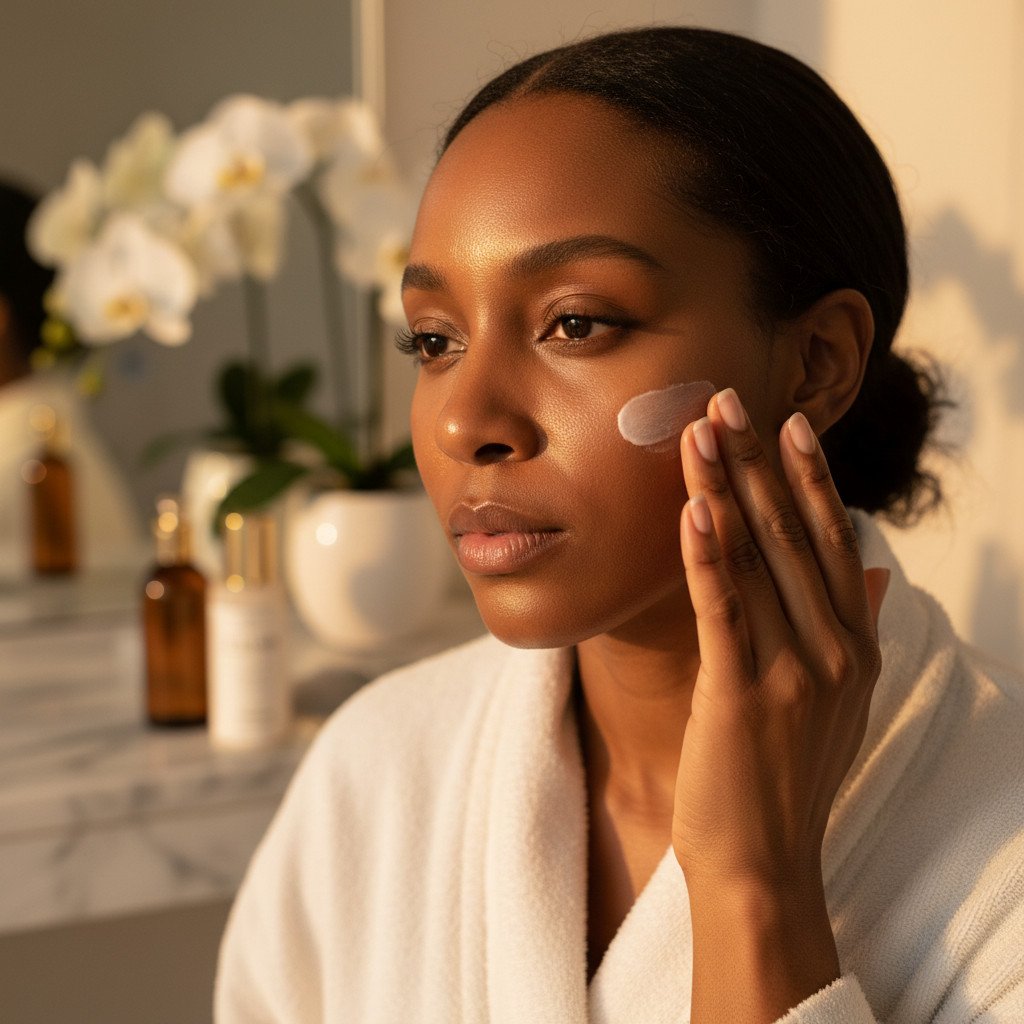
Mistake #6 – Picking, Scratching, and “Helping” Spots Heal Faster
The appearance of a new blemish, a persistent pimple, or a dark spot can be incredibly frustrating, especially when you feel it’s announcing itself prominently on your face. The urge to ‘take care of it’ – to squeeze that whitehead, pick at a scab, or vigorously scrub at a dark mark – is a deeply human, albeit often counterproductive, impulse. We often believe that by physically removing or aggressively treating the imperfection, we can accelerate its departure and regain control over our complexion. This desire to ‘help’ the skin heal faster, however, can often lead to a cycle of further damage, prolonging the very issues we’re trying to resolve and creating new ones.
On melanin-rich skin, any form of physical trauma – whether it’s picking, squeezing, scratching, or aggressive rubbing – is a significant risk factor for exacerbating skin concerns. When you physically manipulate a blemish, you not only introduce bacteria, potentially worsening the infection, but you also create deeper inflammation and damage to the surrounding tissue. This trauma triggers an even more robust inflammatory response, which, for our skin type, almost inevitably leads to more pronounced and longer-lasting post-inflammatory hyperpigmentation (PIH). Beyond dark marks, aggressive picking can lead to textural scarring, depressed scars, or even raised keloid scars in individuals predisposed to them, particularly in areas like the chest, back, and jawline. What started as a minor imperfection can quickly escalate into a more complex and enduring skin challenge, proving that sometimes, the best intervention is no intervention at all.
- Alternatives (hands-off approach, spot treatments, hydrocolloid patches if compatible, gentle routines):
- The Hands-Off Approach: This is arguably the most crucial step. Resist the urge to touch, pick, or squeeze blemishes. Allow your skin’s natural healing process to unfold.
- Targeted Spot Treatments: For active breakouts, use gentle, non-drying spot treatments containing ingredients like salicylic acid, benzoyl peroxide (use sparingly and cautiously to avoid irritation and PIH), or tea tree oil. Apply only to the affected area.
- Hydrocolloid Patches: These clear, adhesive patches create a moist healing environment, protect blemishes from picking, and can absorb fluid from pimples. They are excellent for preventing trauma and accelerating healing.
- Calming & Barrier-Supporting Routines: Focus on a gentle, consistent skincare routine that supports your skin barrier. This includes gentle cleansing, hydrating serums, and a good moisturizer. A healthy barrier is better equipped to heal and prevent new issues.
- Anti-Inflammatory Ingredients: Incorporate ingredients like niacinamide, centella asiatica (cica), or colloidal oatmeal into your routine to soothe inflammation and support healing.
- Cold Compress: For inflamed, painful blemishes, a cold compress can help reduce swelling and discomfort without causing trauma.
- When to consider professional care for recurring lesions or scarring patterns:
- Persistent or Cystic Acne: If you experience deep, painful cysts or nodules that don’t respond to over-the-counter treatments, a dermatologist can offer prescription medications, extractions, or other in-office procedures.
- Worsening Hyperpigmentation: If dark marks are extensive, very dark, or not fading with consistent, gentle care, a professional can provide stronger topical treatments, chemical peels, or laser therapies tailored for melanin-rich skin.
- Scarring Concerns: For textural scars (ice pick, boxcar, rolling scars) or if you have a history of keloids, a dermatologist can recommend treatments like microneedling, subcision, laser resurfacing, or steroid injections to improve their appearance and prevent recurrence.
- Unexplained Rashes or Sensitivity: If your skin is consistently reactive, itchy, or develops unusual rashes, a dermatologist can diagnose underlying conditions and provide appropriate treatment.
- Regular Skin Checks: Annual skin checks are important for everyone, especially if you have concerns about moles or suspicious lesions.
For more insights into managing hyperpigmentation, visit our Hyperpigmentation & Dark Spots – Main Guide. If acne is a primary concern, our Acne & Sensitive Skin pillar hub provides further resources.
Mistake #7 – Constantly Starting Over Instead of Adjusting
It’s a familiar scenario: you invest in a new skincare routine, full of hope, only for a breakout to appear, or a dark mark to deepen, or your skin to suddenly feel irritated. In frustration, you might decide the entire routine is a failure, discard all the products, and immediately jump to the next trending regimen or influencer recommendation. This pattern of constantly ‘starting over’ – abandoning products at the first sign of trouble or chasing the latest ‘holy grail’ – is a common, yet often detrimental, approach to skincare. It creates a chaotic environment for your skin, preventing it from ever truly adapting or showing consistent improvement. The desire for quick fixes can lead to an endless cycle of product accumulation and skin instability.
For melanin-rich, PIH-prone skin, this constant upheaval is particularly counterproductive. Our skin thrives on consistency and gentle, thoughtful adjustments. When you frequently introduce new products, especially potent actives, or drastically change your entire routine, you expose your skin to a barrage of different ingredients and formulations. This makes it incredibly difficult to identify what might be causing a reaction or what is actually working. Each new product introduces a potential irritant, and for skin prone to hyperpigmentation, any irritation can trigger new dark marks. Instead of allowing your skin to acclimate and heal, you’re subjecting it to perpetual stress, weakening its barrier, and hindering its natural ability to self-regulate. Effective skincare for melanin-rich skin is a marathon, not a sprint, requiring patience, observation, and strategic, incremental changes rather than wholesale overhauls.
- Keeping a simple log of products and reactions:
- Product Name & Date Started: Note when you begin using a new product.
- Application Frequency: How often are you using it?
- Skin Observations: Daily or weekly notes on how your skin feels (e.g., dry, oily, smooth, rough, sensitive, breakout-prone) and looks (e.g., new dark marks, fading marks, redness/discoloration, breakouts).
- Reactions: Any stinging, itching, burning, redness, or new breakouts? Note the date and severity.
- Changes Made: If you adjust frequency or stop a product, record it.
- This log helps you identify patterns and pinpoint which products are beneficial or problematic.
- Changing one variable at a time:
- When introducing a new product, add only one at a time to your existing routine.
- Use it consistently for at least 2-4 weeks (or longer for actives like retinoids) before introducing another new product.
- This allows you to clearly see how your skin responds to each individual ingredient and determine its efficacy or potential for irritation.
- If you experience a reaction, you’ll know exactly which product is the culprit.
- Returning to a “reset routine” (gentle cleanser + barrier moisturizer + SPF) when skin is angry:
- If your skin feels irritated, sensitive, or is breaking out, strip back your routine to the absolute essentials.
- Gentle Cleanser: A non-stripping, hydrating cleanser.
- Barrier-Supporting Moisturizer: A rich, soothing cream with ingredients like ceramides, hyaluronic acid, and colloidal oatmeal.
- Broad-Spectrum SPF: Non-negotiable, even indoors, to protect compromised skin.
- Maintain this simple routine until your skin calms down and feels balanced again. This allows your barrier to repair and inflammation to subside before reintroducing any actives slowly.
For foundational guidance, revisit our Skincare for Black Women – The Complete Melanin-Rich Skin Guide. You might also find our Moisturizers for Black Women: Barrier vs. Lightweight article helpful for resetting your skin.
Final Thoughts
Navigating the complex world of skincare, especially when tailored advice for melanin-rich skin has historically been scarce, can feel like a labyrinth. If you’ve recognized some of these patterns in your own routine, please know that these are not failures on your part. More often than not, these ‘mistakes’ are the understandable consequence of trying to care for your skin diligently within a system that didn’t always center or understand its unique needs and responses. Your dedication to your skin’s health is commendable, and now, with a clearer understanding, you’re empowered to make more informed choices.
The journey to a balanced, radiant complexion is rarely about dramatic overhauls. Instead, it’s about making small, consistent, and thoughtful adjustments. Even integrating just one or two of the corrections discussed today – perhaps swapping a harsh cleanser for a gentler one, embracing daily SPF, or being more mindful of how you layer actives – can initiate a profound positive shift in your skin’s comfort and appearance. These subtle changes can significantly reduce inflammation, protect your precious skin barrier, and ultimately lead to fewer dark marks and a more resilient, less sensitive complexion over time.
Remember, Black Beauty Basics is here to be your trusted companion on this journey. Consider this guide a starting point, not a definitive test. We encourage you to explore our extensive resources, from our foundational Skincare for Black Women – The Complete Melanin-Rich Skin Guide to our in-depth Hyperpigmentation & Dark Spots – Main Guide and our detailed routine posts. Each article is designed to provide expert guidance that resonates with your experience, empowering you to cultivate a skincare regimen that celebrates and protects your beautiful, melanin-rich skin with confidence and grace.
Frequently Asked Questions
How do I know if a product is causing my dark marks to get worse?
Observe your skin closely after introducing new products. If you notice new dark spots appearing, existing ones getting darker, increased redness (which may look greyish or brownish on dark skin), itching, stinging, or unusual breakouts within a few days to weeks of starting a product, it’s a strong indicator it might be causing irritation and contributing to hyperpigmentation. Keeping a simple skin log can be very helpful in tracking these reactions.
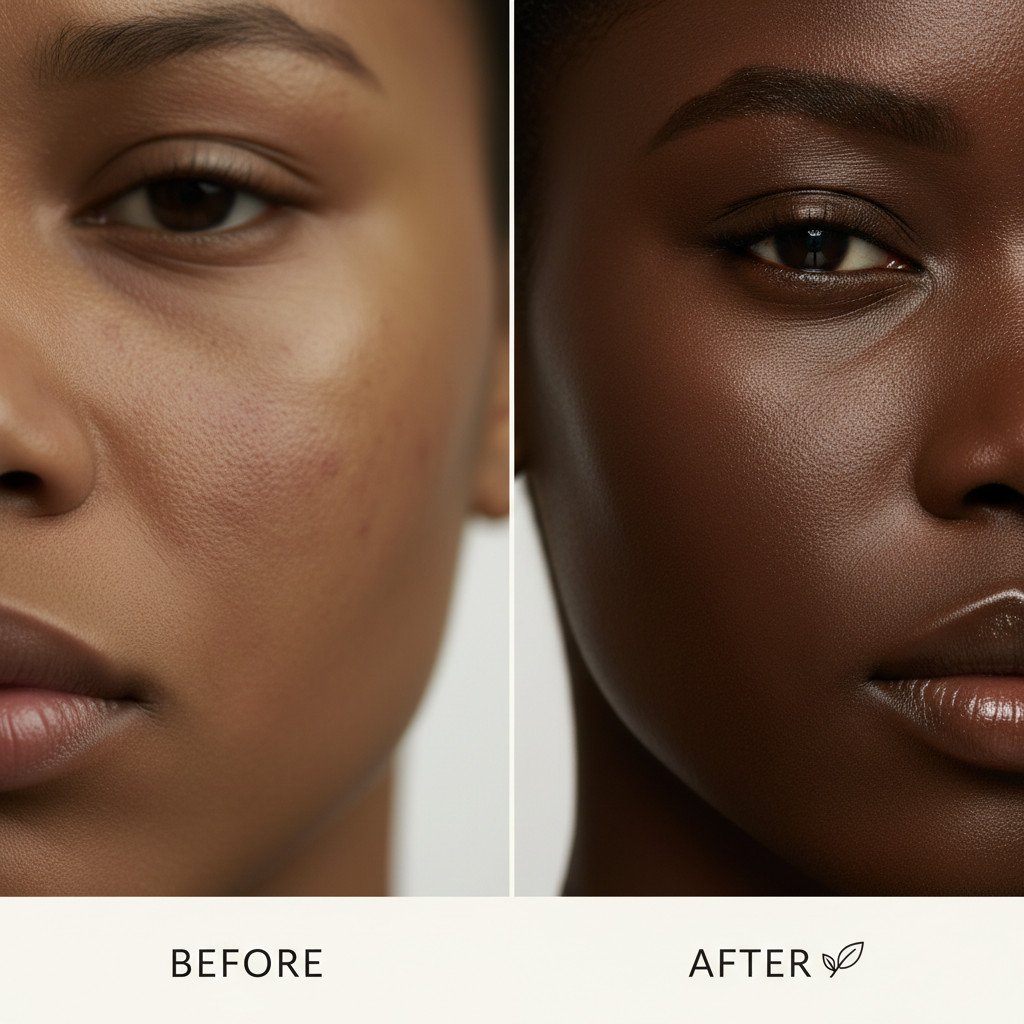
Is tingling or burning ever okay on dark skin?
Generally, no. While a mild, fleeting sensation might be acceptable with some active ingredients for those with resilient skin, for melanin-rich skin, any significant tingling, burning, or prolonged discomfort is a warning sign of irritation. This irritation can trigger inflammation, which directly leads to post-inflammatory hyperpigmentation. It’s always safer to err on the side of caution and discontinue products that cause such sensations.
Can I fix PIH from past over-exfoliation or harsh products?
Yes, absolutely. The skin has a remarkable capacity for healing. The first step is to stop the aggravating factors by adopting a gentle, barrier-supporting routine. Then, incorporate targeted ingredients like niacinamide, alpha arbutin, tranexamic acid, or low-concentration retinoids, always paired with diligent SPF. Consistency and patience are key, as fading PIH can take months, but significant improvement is achievable.
How long should I give a new routine before deciding it works?
For most new routines or individual products, allow at least 4-6 weeks to observe noticeable changes. For active ingredients like retinoids or those targeting hyperpigmentation, it can take 2-3 months to see significant results. Skin cell turnover cycles typically last around 28 days, so giving your skin time to adjust and regenerate is crucial before making a judgment or switching products.
What’s the safest way to introduce strong actives if I’ve made mistakes before?
Start incredibly slow and low. Introduce one new active at a time, beginning with the lowest available concentration, and use it only 1-2 times a week. Always apply it to clean, dry skin, or ‘buffer’ it by applying a thin layer of moisturizer first. Ensure your skin barrier is healthy and robust, and never skip your daily broad-spectrum SPF. Listen intently to your skin and reduce frequency or concentration if any irritation occurs.
When should I see a dermatologist about dark marks or sensitivity?
Consider seeing a board-certified dermatologist if your dark marks are extensive, very stubborn, or worsening despite consistent at-home care. If you experience persistent sensitivity, chronic breakouts, painful cystic acne, or if you suspect a deeper skin condition, professional guidance is invaluable. A dermatologist can provide accurate diagnoses, prescription-strength treatments, and in-office procedures tailored for melanin-rich skin, ensuring the safest and most effective path forward.
Shop gentle face cleanser on Amazon
Shop gentle exfoliant on Amazon
Shop oil free moisturizer on Amazon
Shop gentle niacinamide serum on Amazon
Related next steps
Related posts:
 Sensitivity and Stinging on Dark Skin: Understanding Your Skin’s Early Warning Signs
 Vitamin C on Melanin-Rich Skin: Glow, Tone, and Sensitivity
 Adapting Routines for Texture, Hyperpigmentation, and Sensitivity on Deep Skin
 Acne Marks and Post-Inflammatory Hyperpigmentation on Dark Facial Skin
 Post-Eczema Dark Marks on Melanin-Rich Skin
 Dark Marks & Patches in PCOS: PIH vs Acanthosis Nigricans