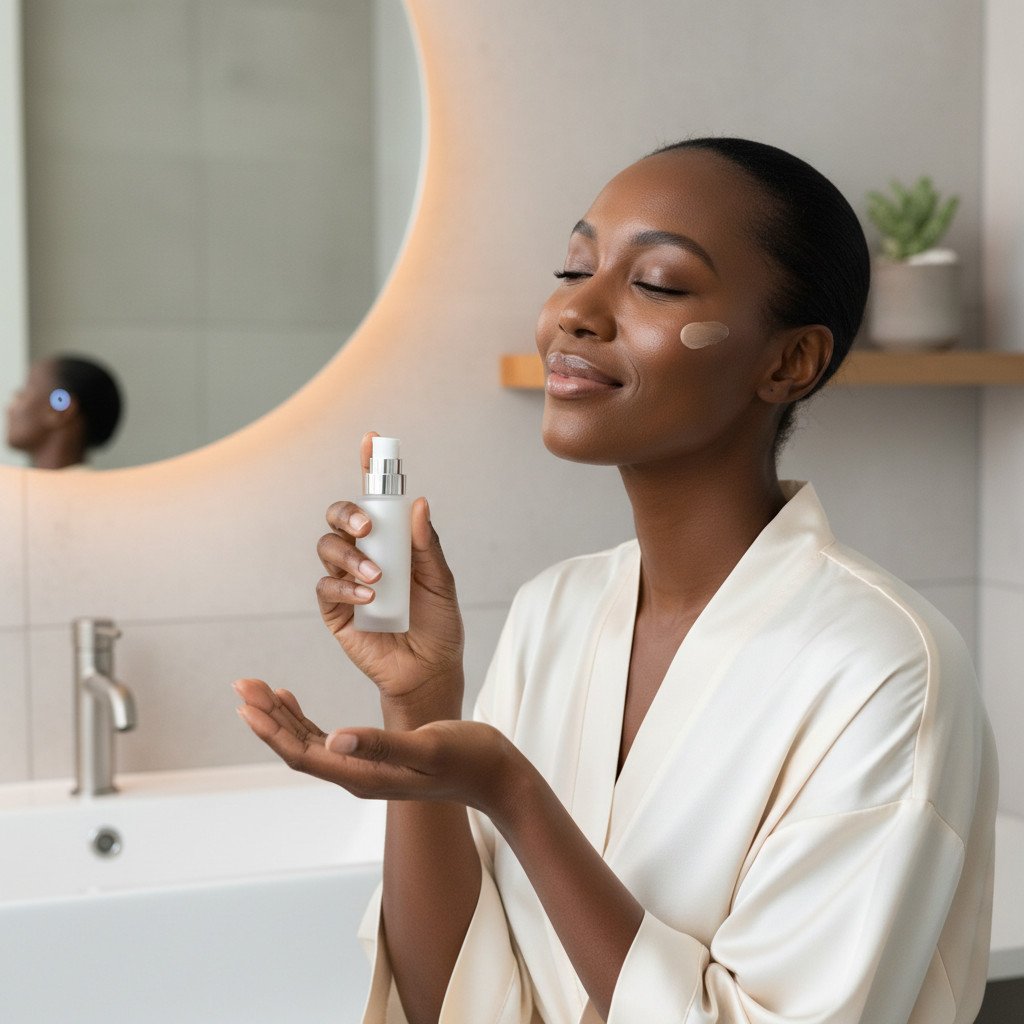
Your Essential Sunscreen Strategy to Prevent Dark Marks on Melanin-Rich Skin (Face & Body)
On melanin-rich skin, dark marks often outlast the breakout, ingrown, or flare that started them. You treat the spot, it flattens, and then the shadow lingers for months or longer. Sunscreen will not erase those marks on its own—but it is one of the most important tools you have for stopping them from deepening and for helping future marks fade more evenly and quickly.
This guide is designed to give Black women and other people with deep skin tones a realistic sunscreen strategy: how SPF fits into preventing hyperpigmentation, which textures and filters make sense on your face and body, why tinted sunscreens matter for some types of darkening, and how to make all of this doable in real life.
Why Sunscreen Matters for Dark Marks on Dark Skin: Beyond the Burn
For too long, the narrative around sunscreen has been primarily focused on preventing sunburn and skin cancer in lighter skin tones. This has inadvertently led to a dangerous misconception within the Black community: that melanin offers sufficient protection, rendering daily SPF unnecessary. While melanin does provide some natural photoprotection, it’s roughly equivalent to about SPF 4—a level far too low to adequately shield against the full spectrum of UV damage, especially when it comes to preventing and managing hyperpigmentation.
UV radiation, specifically UVA and UVB rays, acts as a potent trigger for melanocytes, the cells responsible for producing melanin. This is how tanning occurs, but in melanin-rich skin, this stimulation often manifests as uneven pigment production, leading to the formation of new dark spots or the exacerbation of existing ones. Post-inflammatory hyperpigmentation (PIH), melasma, and sunspots can all become darker, more stubborn, and significantly prolonged without consistent sun protection. The sun doesn’t just tan; it deepens, darkens, and stubbornly holds onto existing pigment concerns.
Dermatology guidance is very clear and unequivocal on this point: regular, daily sunscreen use is not just a recommendation, it’s a foundational pillar of skin health for melanin-rich skin. It actively helps prevent new sun-induced dark spots from forming. More critically for those dealing with existing concerns, it keeps post-inflammatory hyperpigmentation (PIH) from deepening and becoming more intractable. Moreover, sunscreen acts as a vital support system for all your other brightening and corrective treatments—like retinoids, vitamin C, azelaic acid, and hydroquinone. Without SPF, even the most advanced and diligently applied brightening routine is fighting an uphill battle against continuous UV-induced pigment stimulation. Every step forward in fading a dark mark can be undone by a single day of unprotected sun exposure, making sunscreen the ultimate non-negotiable in your regimen.
The Science of Melanin and UV: A Deeper Dive
Understanding the interaction between melanin and UV radiation is key to appreciating sunscreen’s role. Melanin absorbs UV radiation, converting it into heat and dissipating it, thus protecting cellular DNA from damage. This is why melanin-rich skin has a lower incidence of certain skin cancers and tends to age more slowly, with fewer fine lines and wrinkles compared to lighter skin tones. However, this protective mechanism is finite and comes with a trade-off: the very process of melanin production can become dysregulated, leading to hyperpigmentation.
When melanocytes are repeatedly stimulated by UV, they can go into overdrive, producing excess melanin that gets deposited unevenly in the skin. This isn’t just about a tan; it’s about the irregular, patchy darkening that characterizes conditions like melasma and the stubborn brown or black marks left behind by acne or injury (PIH). UVA rays, in particular, are known to penetrate deeper into the skin and contribute significantly to pigment darkening and persistence, even on cloudy days or through windows. This highlights the importance of ‘broad-spectrum’ sunscreens, which protect against both UVA and UVB rays.
Sunscreen as an Anti-Aging and Health Tool
Beyond hyperpigmentation, sunscreen is also a powerful anti-aging tool for melanin-rich skin. While our skin may show fewer fine lines, it is still susceptible to photoaging, which can manifest as uneven skin tone, texture changes, and a dull complexion. Consistent SPF use helps maintain skin’s elasticity and firmness, preserving its youthful radiance. Furthermore, while the incidence of skin cancer is lower in people of color, diagnoses often occur at later stages, leading to poorer prognoses. Sunscreen is a critical component of a comprehensive skin cancer prevention strategy for everyone, regardless of skin tone. It’s about holistic skin health, not just aesthetics.
How Much and How Often: The Non‑Negotiable Basics for Effective Protection
The efficacy of sunscreen isn’t just about choosing the right product; it’s fundamentally about using enough of it, applying it correctly, and reapplying it consistently. Many people under-apply sunscreen, inadvertently reducing its stated SPF protection. Using “some” sunscreen is certainly better than using none, but preventing stubborn dark marks and ensuring comprehensive protection requires adherence to specific guidelines regarding quantity and frequency. Dermatologists universally recommend a minimum of SPF 30, broad-spectrum (meaning it protects against both UVA and UVB rays), applied daily, with generous amounts and diligent reapplication during significant sun exposure.
The “Two-Finger Rule” for the Face and Neck
For your face and neck, a commonly cited and easily visualized guideline is the “two-finger rule.” This involves dispensing a line of sunscreen along the length of your index finger and middle finger. This amount, roughly a half teaspoon, is generally sufficient to cover the entire face and neck adequately. It might seem like a lot, and it may require a moment longer to rub in, but this generous application is crucial for achieving the stated SPF on the label. Under-applying can reduce an SPF 30 to an effective SPF 10 or less, leaving your skin vulnerable to pigment stimulation.
Body Coverage: The Shot-Glass Standard
When it comes to body application, the standard recommendation is approximately a shot-glass amount (about 30 ml or 2 tablespoons) for the entire body if it’s fully exposed. This might sound like a significant quantity, but consider the surface area of your body. If you’re not exposing your entire body, focus on the areas that are routinely uncovered: arms, chest, legs, shoulders, and hands. These areas are often neglected but are highly susceptible to sun damage and the development of PIH from various causes like bug bites, scratches, or even friction. Don’t forget the tops of your feet and ears!
Frequency: Reapplication is Key
The “daily” part of the recommendation is non-negotiable for hyperpigmentation prevention. Even on cloudy days or when indoors near windows, UV radiation can penetrate and stimulate melanin. For mostly indoor days, a solid morning application of your facial SPF is often enough, assuming you’re not sitting directly in front of a window all day. However, for any significant outdoor activity, reapplication becomes critical:
- Every Two Hours: This is the golden rule for continuous protection when outdoors. Sunscreen degrades over time due to sun exposure and environmental factors.
- After Swimming or Sweating: Even water-resistant sunscreens have a time limit (usually 40 or 80 minutes). After towel-drying, swimming, or excessive sweating, reapply immediately.
- After Towel-Drying: Physical friction can remove sunscreen, so always reapply after drying off.
Making reapplication a habit can feel daunting, but it’s a habit that pays dividends in maintaining an even, radiant complexion free from stubborn dark marks. Consider carrying a travel-size sunscreen or an SPF stick for convenient touch-ups throughout the day, especially for your face and hands.
The Challenge of Consistency
The biggest challenge with sunscreen isn’t finding a good one; it’s using it consistently and correctly. Many excellent sunscreens exist, but if they sit unused in a drawer because they feel too heavy, leave a cast, or break you out, they offer zero protection. This is why finding a cosmetically elegant formula that you genuinely enjoy applying is paramount. The “best” sunscreen is the one you will actually use every single day, in the recommended amount.
Choosing SPF Filters for Melanin-Rich Skin: Navigating Your Options
The world of sunscreen filters can seem complex, but understanding the two main categories—mineral (physical) and chemical—is essential for making informed choices that cater to melanin-rich skin. Both types of filters can be effective, but their formulations and how they interact with deeper skin tones differ significantly. The primary challenge for Black women is less about the inherent “type” of filter and more about finding a product that doesn’t leave a visible white or grey cast, feels comfortable on the skin without being greasy, and doesn’t trigger breakouts. These cosmetic factors are crucial because they directly impact how often you’ll realistically use the product.
Mineral Sunscreens: Zinc Oxide and Titanium Dioxide
Mineral sunscreens, often referred to as physical blockers, contain active ingredients like zinc oxide and titanium dioxide. These work by sitting on top of the skin and physically deflecting or scattering UV radiation. They are generally considered excellent for sensitive skin types, as they are less likely to cause irritation or allergic reactions compared to some chemical filters. They also offer broad-spectrum protection inherently.
- Pros: Excellent for sensitive skin, immediate protection upon application, broad-spectrum.
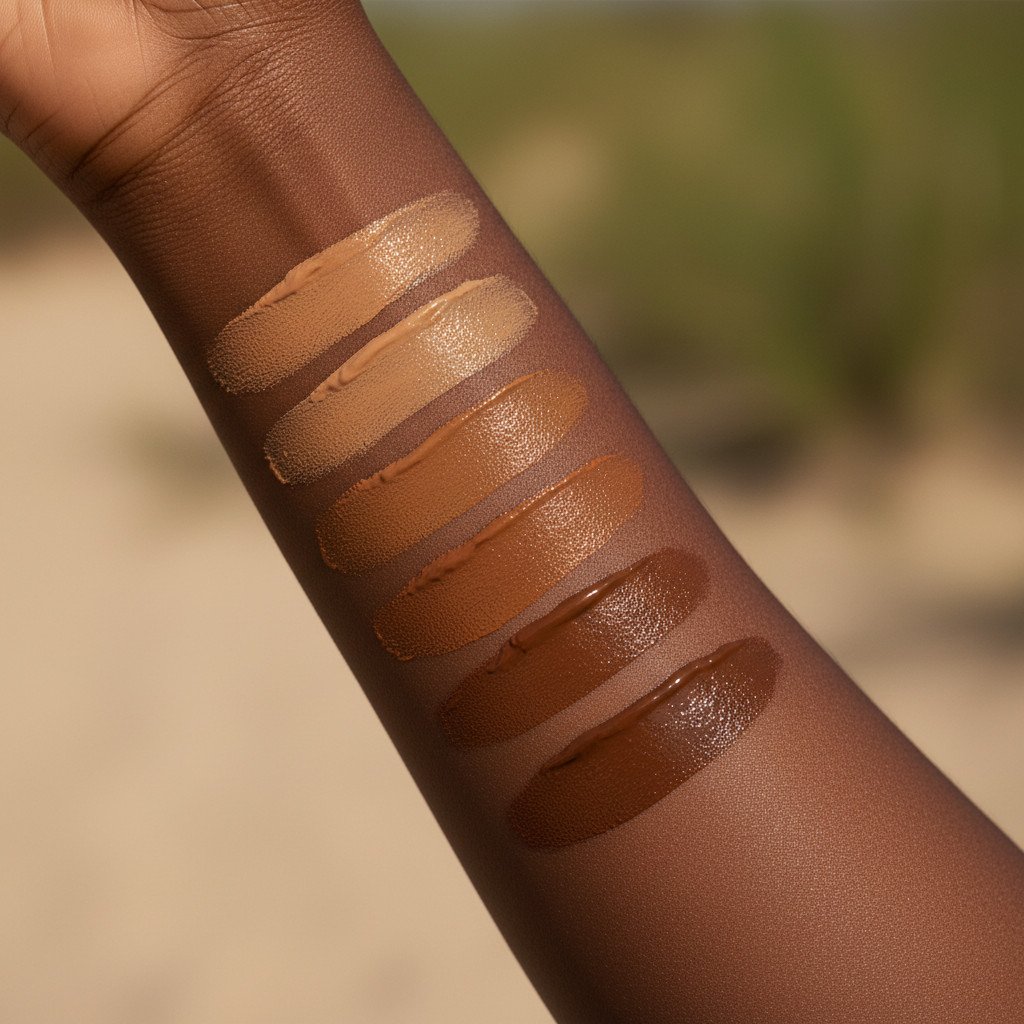
- Cons: Historically, mineral sunscreens have been notorious for leaving a noticeable white or grey cast on deeper skin tones. This is due to the larger particle size of the active ingredients. While newer formulations, particularly those using micronized or nano-sized zinc and titanium, have significantly improved in transparency, they still require careful testing. Some can also feel thicker or heavier on the skin.
For melanin-rich skin, if you opt for a mineral sunscreen, look for formulas specifically designed to be sheer or invisible. Tinted mineral sunscreens are often a game-changer here, as the added pigment helps to offset the white cast. Shop tinted mineral sunscreens on Amazon.
Chemical Sunscreens: The Transparent Option
Chemical sunscreens utilize organic compounds such as avobenzone, octinoxate, octisalate, oxybenzone, and homosalate. These filters work by absorbing UV radiation and converting it into heat, which is then released from the skin. They are often favored for their cosmetically elegant textures.
- Pros: Tend to be more transparent and blend seamlessly into all skin tones, including darker ones, without leaving a white cast. They often have lighter, more fluid textures, making them easier to wear daily and under makeup.
- Cons: Some individuals with very sensitive skin may experience irritation or allergic reactions to certain chemical filters. There have also been ongoing debates and research regarding the systemic absorption of some chemical filters, though regulatory bodies generally deem them safe for use.
For many Black women, chemical sunscreens are the go-to choice for daily wear due to their superior blendability and comfortable feel. They are less likely to disrupt the natural appearance of melanin-rich skin.
Hybrid and Tinted Sunscreens: The Best of Both Worlds?
Hybrid sunscreens combine both mineral and chemical filters, aiming to leverage the benefits of each while minimizing their drawbacks. They can offer robust broad-spectrum protection with a more cosmetically appealing finish than pure mineral formulas. These are often a fantastic option for those who want the gentleness of mineral filters but the sheerness of chemical ones.
Tinted sunscreens, regardless of whether they are mineral, chemical, or hybrid, are particularly noteworthy for melanin-rich skin, especially when hyperpigmentation is a concern. These formulas incorporate pigments, most commonly iron oxides, which not only help to camouflage any potential white cast from mineral filters but also provide an additional layer of protection. Iron oxides have been shown to block visible light, including blue light, which is increasingly recognized as a significant contributor to melasma and other forms of hyperpigmentation in darker skin tones. For this reason, many dermatologists specifically recommend tinted sunscreens for patients managing stubborn pigment issues. Explore tinted facial sunscreens with iron oxides on Amazon.
Making Your Choice: Prioritizing Wearability
When selecting a sunscreen, especially for your face, the most important factor is wearability. If a sunscreen leaves a noticeable cast, feels heavy, or causes irritation, you simply won’t use it consistently. For melanin-rich, hyperpigmentation-prone skin, many dermatologists suggest starting with cosmetically elegant chemical or hybrid/tinted sunscreens for everyday facial use. These options often provide the best balance of effective protection and comfortable wear, making daily application a realistic and enjoyable part of your routine. Don’t be afraid to sample and experiment until you find a formula that disappears beautifully into your skin and makes you look forward to applying it each morning.
Why Tinted Sunscreens and Iron Oxides Matter: Beyond UV Protection
For years, the focus of sun protection has been almost exclusively on ultraviolet (UV) radiation—specifically UVA and UVB rays. We’ve been taught that SPF numbers relate to UVB protection, and broad-spectrum labels ensure UVA coverage. However, for melanin-rich skin, particularly when dealing with persistent dark marks like melasma or stubborn post-inflammatory hyperpigmentation (PIH), this UV-centric view is incomplete. Emerging evidence strongly indicates that visible light—the light we can actually see, including blue light—can also significantly worsen hyperpigmentation, especially in individuals with darker phototypes.
The Role of Visible Light in Hyperpigmentation
Traditional untinted sunscreens are formulated primarily to block or absorb UV radiation. While they do an excellent job at this, they may not offer substantial protection against the full spectrum of visible light. Research has shown that exposure to visible light, particularly high-energy visible light (HEV light or blue light), can stimulate melanocytes and induce hyperpigmentation, independent of UV exposure. This is a crucial distinction for melanin-rich skin, as our melanocytes are inherently more reactive and prone to dysregulation when stimulated.
For conditions like melasma, which is characterized by patchy, dark discoloration, visible light has been identified as a major exacerbating factor. Studies have demonstrated that even after rigorous UV protection, melasma can persist or recur if the skin is continuously exposed to visible light without adequate shielding. This is where tinted sunscreens containing iron oxides step in as a game-changer.
Iron Oxides: The Invisible Shield Against Visible Light
Iron oxides are mineral pigments that give tinted sunscreens their color. But their function extends far beyond mere cosmetic tinting. These pigments are highly effective at absorbing and scattering visible light, including the problematic blue light spectrum. When incorporated into a sunscreen formula, iron oxides add a critical layer of protection that traditional untinted sunscreens often lack.
The benefits of iron-oxide-containing tinted sunscreens for hyperpigmentation are increasingly supported by clinical evidence:
- Reduced Melasma Relapses: Several studies have shown that daily use of tinted sunscreens with iron oxides can significantly reduce the recurrence and severity of melasma compared to untinted UV-only sunscreens. This highlights the importance of visible light protection in managing this notoriously stubborn condition.
- Improved Hyperpigmentation Fading: By blocking visible light, tinted sunscreens help prevent the continuous stimulation of melanocytes, allowing existing dark marks to fade more effectively and preventing new ones from forming or deepening. This means your brightening serums and treatments can work more efficiently without fighting against ongoing visible light damage.
- Enhanced Aesthetic Benefits: Beyond their therapeutic advantages, tinted sunscreens offer immediate cosmetic benefits. They can help to even out skin tone, camouflage existing dark marks, and provide a subtle, natural-looking finish, often allowing you to skip a foundation or tinted moisturizer. This dual function makes them incredibly practical for daily use.
Who Benefits Most from Tinted Sunscreens?
While anyone can benefit from the added protection of iron oxides, they are particularly advantageous for:
- Individuals with Melasma: This is perhaps the most significant group, as melasma is highly responsive to visible light.
- Those Prone to Post-Inflammatory Hyperpigmentation (PIH): If you frequently develop dark marks after breakouts, cuts, or irritation, visible light protection can help prevent these marks from becoming darker and more persistent.
- People with Deeper Skin Tones: Melanin-rich skin is inherently more prone to pigmentary issues, making the comprehensive protection offered by iron oxides even more valuable.
- Anyone Seeking a Multi-Tasking Product: If you appreciate streamlining your routine, a tinted SPF can serve as your sunscreen, visible light protector, and light coverage foundation all in one.
For people with melanin-rich skin dealing with melasma or stubborn PIH, a daily tinted SPF can be especially helpful for the face, bringing both aesthetic and therapeutic benefits. It’s not just about blocking UV; it’s about creating a complete shield against all forms of light that can trigger unwanted pigment. When choosing a tinted sunscreen, look for brands that offer a range of shades to ensure a seamless match with your skin tone, avoiding any ashy or orange undertones.
Face Strategy: Everyday SPF for Hyperpigmentation Prevention
Your facial sunscreen routine is the cornerstone of preventing dark marks and maintaining an even, radiant complexion. It needs to be a seamless part of your daily ritual, not an afterthought. The key is to find a formula that not only provides robust protection but also aligns perfectly with your skin type and specific concerns, making daily use as frictionless and enjoyable as possible. The goal isn’t to find the theoretical “perfect” product that you end up avoiding most mornings; it’s to find the one you can apply generously, comfortably, and consistently, day in and day out.
For Oily and Acne‑Prone Melanin-Rich Skin
Oily and acne-prone skin types face a unique challenge: finding a sunscreen that protects against hyperpigmentation without exacerbating oiliness or triggering new breakouts. The wrong formula can feel heavy, clog pores, and lead to more PIH. The right one, however, can be a powerful ally.
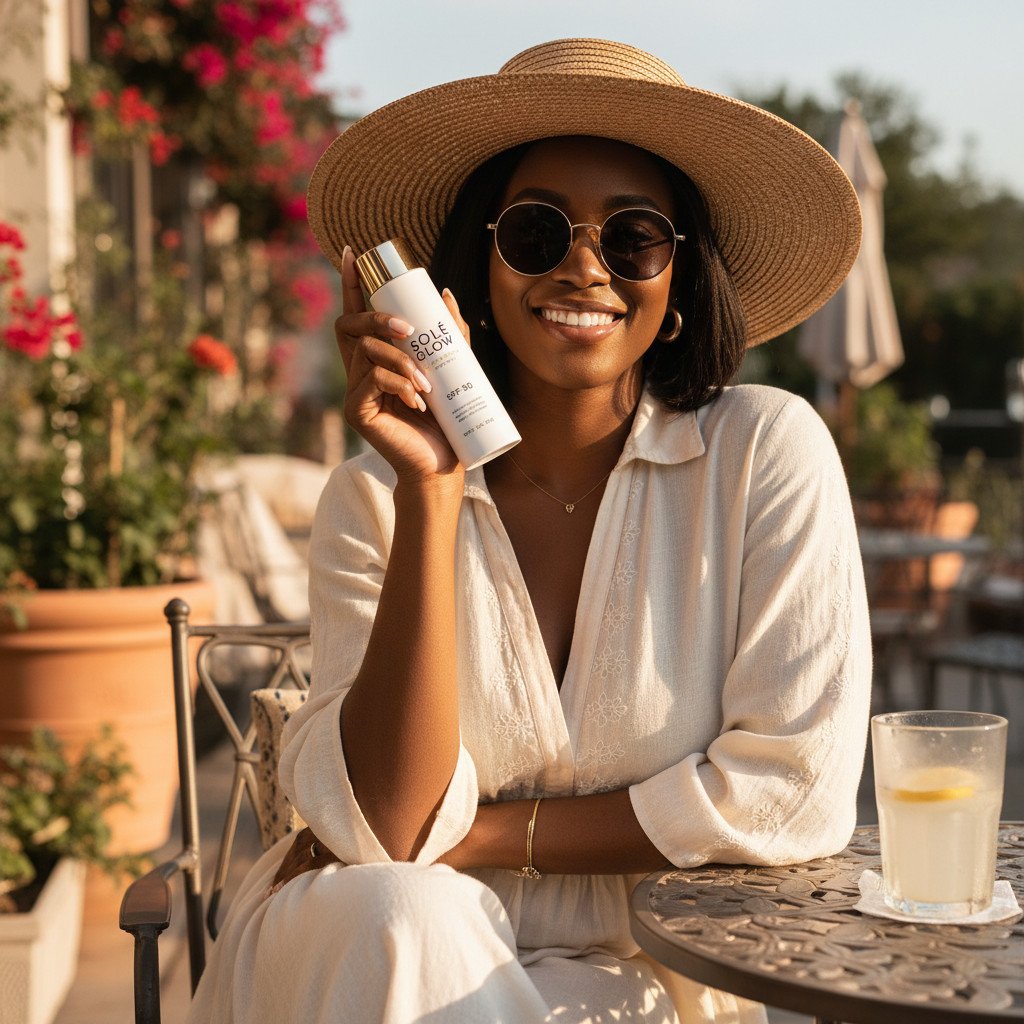
- Texture is Paramount: Opt for lightweight gels, fluids, or milks. These formulations are designed to absorb quickly, feel weightless on the skin, and dry down to a natural or semi-matte finish. This helps to control shine throughout the day and prevents the feeling of heavy layering, especially if you wear makeup. Avoid thick creams or oil-based sunscreens, which can feel occlusive and contribute to congestion.
- Filter Choice: Oil-free chemical or hybrid sunscreens are often the most suitable. Chemical filters tend to be more transparent and can be formulated into very light textures. Look for products specifically labeled as “non-comedogenic” (meaning they won’t clog pores) and “oil-free.” Some newer mineral formulas are also excellent, especially those with micronized zinc oxide that blend invisibly.
- Key Ingredients: Beyond the SPF, look for formulations that include niacinamide, which can help regulate oil production and reduce inflammation, or salicylic acid, which can gently exfoliate and keep pores clear. These ingredients can offer synergistic benefits for acne-prone skin.
- Routine Fit: For oily skin, your sunscreen might even double as your moisturizer. If your chosen SPF provides sufficient hydration, you can apply it directly after cleansing and any lightweight serums. If you need a separate moisturizer, choose a very light, gel-based one and allow it to fully absorb before applying your sunscreen. This layering strategy prevents a heavy, suffocating feel under makeup.
For acne-linked dark marks, an oil-controlled, non‑comedogenic sunscreen is critical: it helps PIH fade while minimizing new lesions and the marks they leave. Consistency here is vital; every new breakout has the potential to leave a dark mark, and every day without SPF risks deepening existing ones.
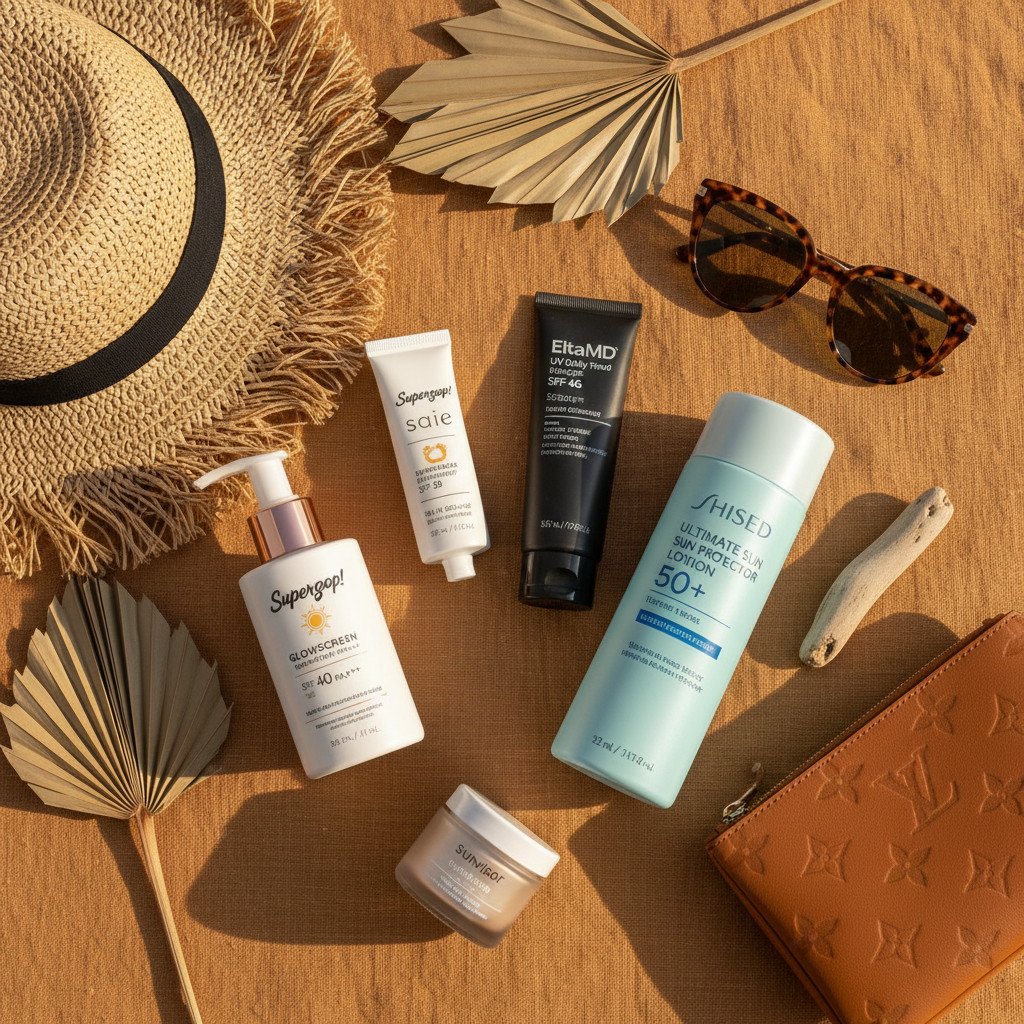
Product Suggestion: Many brands offer excellent lightweight, oil-free sunscreens. Look for formulas like La Roche-Posay Anthelios Melt-in Milk Sunscreen SPF 60 or EltaMD UV Clear Broad-Spectrum SPF 46. Shop oil-free non-comedogenic facial sunscreens on Amazon.
For Dry, Dehydrated, and Ashy Dark Skin
Dry or dehydrated melanin-rich skin often struggles with sunscreens that can feel tight, emphasize flakiness, or leave an ashy cast. The right SPF for this skin type should provide both protection and a boost of hydration, making the skin feel comfortable and look luminous.
- Texture is Key: Creamier, more emollient sunscreens are ideal. Look for lotions or creams that feel nourishing and hydrating. Many formulas are designed to double as a daytime moisturizer, which can simplify your routine and ensure your skin stays plump and dewy throughout the day. These textures help prevent the dreaded ashy appearance that can occur when sunscreen doesn’t blend well into dry skin.
- Filter Choice: Hydrating chemical or hybrid formulas are typically easier to blend without streaks or a white cast on dry, dark skin. They often contain humectants like hyaluronic acid or glycerin, which draw moisture into the skin. Some mineral sunscreens with a creamy base can also work beautifully, especially if they are tinted.
- Key Ingredients: Seek out sunscreens that are enriched with hydrating ingredients such as hyaluronic acid, ceramides, squalane, or glycerin. Antioxidants like vitamin E can also provide additional skin benefits.
- Routine Fit: If your skin is particularly dry, apply a hydrating serum (like a hyaluronic acid serum) first, followed by your regular moisturizer, and then your SPF. If your SPF is sufficiently moisturizing, it can be your final step after serums. The goal is to ensure your skin feels comfortable and looks radiant, not parched or grey.
For dry melanin-rich skin, the right SPF makes the difference between looking grey and parched versus even and plump; this matters for how you feel about using it every single day. The added hydration helps the sunscreen meld seamlessly with your skin, enhancing its natural glow.
Product Suggestion: Consider sunscreens like Supergoop! Glowscreen SPF 40 (for a dewy finish) or CeraVe Hydrating Mineral Sunscreen SPF 50. Find hydrating facial sunscreens for dry skin on Amazon.
For Combination and Sensitive Dark Skin
Combination skin presents a challenge with both oily and dry zones, while sensitive skin requires formulas free from common irritants. Finding a sunscreen that balances these needs without causing redness, stinging, or breakouts is crucial for consistent use.
- Texture is Key: Look for balanced lotions or lightweight creams. These should be hydrating enough for dry areas but not too heavy for oily zones. Formulas labeled as “fragrance-free” and specifically designed for sensitive skin are paramount.
- Filter Choice: This can be highly individual. Some sensitive skin types do best with newer mineral or hybrid formulas that minimize stinging, especially around the eyes. Others might tolerate certain chemical filters better if they are free of common irritants. Patch testing is highly recommended for sensitive skin.
- Key Ingredients: Prioritize formulas with soothing ingredients like niacinamide, allantoin, or panthenol. Avoid common irritants such as synthetic fragrances, essential oils, and certain alcohols.
- Routine Fit: Keep your skincare layers simple. After a gentle cleanser, apply a mild, fragrance-free moisturizer, and then your chosen SPF. If you use any active ingredients (like retinoids or strong acids), ensure they are well-tolerated and applied at night, or use them sparingly in the morning before SPF, allowing ample absorption time to prevent interaction with the sunscreen.
If your skin reacts easily, a comfortable sunscreen that doesn’t sting or cause redness is more protective for your pigment than a theoretically “perfect” formula you can’t tolerate. The goal is to find a product that your skin accepts gracefully, allowing you to maintain daily protection without discomfort or irritation.
Product Suggestion: Brands like Paula’s Choice, Vanicream, and Neutrogena often have excellent options for sensitive and combination skin. Look for products like Vanicream Facial Moisturizer SPF 30. Shop fragrance-free sensitive skin facial sunscreens on Amazon.
The Importance of Tinted Formulas for the Face
Regardless of your skin type, if you are actively battling hyperpigmentation (melasma, PIH, or sunspots), incorporating a tinted sunscreen with iron oxides into your facial routine is highly recommended. As discussed, these formulas offer superior protection against visible light, which is a known trigger for pigment in melanin-rich skin. Many tinted formulas are now available in a wide range of shades and textures, making it easier than ever to find one that matches your skin tone and preference, providing both protection and a beautiful, even finish.
Ultimately, the best facial sunscreen is the one you will use every single day, in the correct amount, without complaint. It might take some trial and error, but investing the time to find your perfect match is an investment in the long-term health and radiance of your melanin-rich skin.
Body Strategy: Extending Protection Beyond the Face
The conversation around sunscreen often centers on the face, but dark marks on melanin-rich skin don’t stop at the jawline. Post-inflammatory hyperpigmentation (PIH) can appear anywhere on the body—chest, shoulders, upper back, forearms, hands, legs, and even the bikini line. These marks can stem from acne, bug bites, ingrown hairs, eczema flares, or minor injuries. Just like on the face, UV exposure can significantly deepen these marks, making them more stubborn and prolonging their stay. Therefore, a comprehensive sunscreen strategy must extend to the body, ensuring that all exposed areas receive adequate protection.
Daily Exposed Zones: The Often-Forgotten Areas
Even on days when you’re not planning a beach trip, certain body parts are routinely exposed to the sun’s rays. These areas are prime candidates for daily SPF application:
- Hands and Forearms: These are arguably the most consistently exposed body parts. Driving, walking, or simply sitting near a window exposes your hands and forearms to significant UV. PIH from minor cuts, insect bites, or even just cumulative sun exposure can lead to uneven tone and premature aging on these areas. A quick SPF pass each morning is a simple yet powerful habit.
- Neck and Chest (Décolletage): Often an extension of your facial skincare routine, these areas are frequently exposed by clothing necklines. They are highly susceptible to sun damage, leading to sunspots, uneven tone, and PIH from breakouts or irritation.
- Lower Legs and Feet: If you wear skirts, shorts, or open-toed shoes, these areas are exposed. PIH on the shins from bug bites or scratches can be particularly persistent.
Making a habit of applying sunscreen to these
Frequently Asked Questions
Do Black women really need sunscreen every day?
Yes, absolutely. While melanin offers some natural protection, it’s equivalent to only about SPF 4, which is insufficient to prevent UV damage, hyperpigmentation, and skin cancer risk. Daily sunscreen helps prevent new dark spots, keeps existing marks from deepening, and supports any brightening treatments you use.
What SPF number should I use to help prevent dark marks?
Most dermatology guidelines recommend at least SPF 30, broad-spectrum, for daily use. SPF 50 is often advised for longer outdoor exposure or active hyperpigmentation. Higher SPFs provide incremental protection that can be crucial for preventing stubborn dark marks from deepening.
Is tinted sunscreen better for hyperpigmentation on dark skin?
Yes, tinted sunscreens containing iron oxides offer superior protection. They not only block UV but also visible light, including blue light, which is known to worsen melasma and some hyperpigmentation types in darker skin. Studies show they can reduce melasma relapses and improve pigmentation more effectively than non-tinted formulas.
Can sunscreen alone fade my existing dark spots?
Sunscreen alone typically won’t actively fade existing hyperpigmentation. However, it is essential for preventing spots from getting darker and allowing your skin’s natural turnover and any brightening treatments to work effectively. Without it, UV continually re-stimulates melanin, hindering fading progress.
Do I need different sunscreens for face and body?
You don’t have to, but many people find it more comfortable. Facial sunscreens are often formulated to be lighter, less comedogenic, and sit better under makeup. Body sunscreens can be richer, more water-resistant, or come in larger, more economical sizes. The most important thing is finding textures you like enough to apply generously to all protected areas.
How do I reapply sunscreen over makeup without ruining it?
Reapplying over makeup can be tricky but is achievable. Many use SPF mists, sticks, or carefully patted-on additional layers of their original sunscreen, focusing on high-exposure areas. Planning your makeup with SPF reapplication in mind, using lighter bases or tinted SPF as your base, can also make mid-day touch-ups less disruptive.
What is ‘broad-spectrum’ sunscreen and why is it important for dark skin?
Broad-spectrum sunscreen protects against both UVA and UVB rays. UVB rays primarily cause sunburn, while UVA rays contribute significantly to premature aging, DNA damage, and, critically for melanin-rich skin, hyperpigmentation. For preventing dark marks, comprehensive protection against both types of UV is essential, as UVA can deepen existing pigment and stimulate new spots even without a visible burn.
Are chemical sunscreens safe for melanin-rich skin?
Yes, chemical sunscreens are generally considered safe and are often preferred by individuals with melanin-rich skin due to their transparent finish and elegant textures. While some concerns about systemic absorption exist, regulatory bodies like the FDA continue to deem approved chemical filters safe and effective for use. The most important factor is finding a formula that doesn’t cause irritation for your individual skin.
Can I rely on makeup with SPF for my daily sun protection?
While makeup with SPF offers some protection, it’s generally not enough on its own. To achieve the SPF stated on the label, you would need to apply a very thick layer of foundation or powder, far more than most people typically use. Makeup with SPF is best considered an added layer of protection, not your primary sunscreen. Always apply a dedicated broad-spectrum sunscreen underneath your makeup.
What are some common mistakes Black women make with sunscreen?
Common mistakes include believing melanin provides full protection, under-applying sunscreen, not reapplying often enough, only using it on sunny days or during summer, and avoiding it due to white cast. Also, neglecting body areas prone to PIH, and not recognizing that UV contributes to pigment darkening even without a burn, are frequent oversights.
Shop tinted mineral sunscreen on Amazon
Shop oil-free non-comedogenic facial sunscreens on Amazon
Shop hydrating facial sunscreens for dry skin on Amazon
Shop fragrance-free sensitive skin facial sunscreens on Amazon
Shop body sunscreens on Amazon
Related next steps
Related posts:
 Managing Triggers to Prevent New Dark Marks From Skin Conditions
 Face Sunscreen Basics for Melanin-Rich Skin: Why It’s Essential
 Condition-Linked PIH: Eczema, Psoriasis, HS, & Injury Dark Marks on Melanin-Rich Skin
 Post-Eczema Dark Marks on Melanin-Rich Skin
 Treating Active Ingrown Hairs, Bumps, and Dark Marks on Melanin-Rich Skin
 Facial Hyperpigmentation on Melanin-Rich Skin: Acne Marks, Melasma & Uneven Tone