Adjusting Sunscreen Texture Preferences by Season or Environment for Melanin-Rich Skin
For Black women and others with melanin-rich skin, the journey to finding the perfect sunscreen often feels like a quest for a mythical unicorn. We’re not just looking for protection; we’re seeking a formula that respects our skin tone, doesn’t leave an ashy cast, and feels comfortable enough to wear every single day. But here’s a truth often overlooked in the beauty world: what feels “perfect” one day might feel entirely wrong the next. Your ideal sunscreen isn’t a static choice; it’s a dynamic companion that needs to adapt to the ever-changing tapestry of your life.
Imagine this: the lightweight, barely-there fluid that vanished into your skin during a humid summer vacation might feel utterly insufficient and drying when the crisp, biting winds of winter arrive. Conversely, the rich, nourishing cream that cocooned your skin through the colder months could feel suffocating and heavy under the scorching summer sun or during an intense workout. This isn’t a sign that you’re indecisive or that your skin is “fickle.” It’s a testament to the profound impact that external factors—like weather, climate, indoor heating or air conditioning, sweat, travel, and even your daily commute—have on your skin’s needs and, consequently, on your sunscreen preferences. Understanding this fluidity is not just about comfort; it’s about optimizing your skin’s health and ensuring consistent, enjoyable sun protection.
At Black Beauty Basics, we understand that your skin’s relationship with its environment is deeply personal and often nuanced. Melanin-rich skin, while blessed with natural photoprotection, is not immune to environmental stressors. In fact, our skin can respond uniquely to humidity, dry air, heat, and cold, often manifesting as changes in oil production, hydration levels, and overall comfort. This guide is designed to empower you with the knowledge to gracefully navigate these shifts. We’ll explore how to intuitively adjust your sunscreen texture preferences by season or environment, ensuring that your protective layer always feels like a second skin—comfortable, wearable, and, most importantly, effective, year-round. Let’s embrace the wisdom of adaptability and make sun protection an effortless, integrated part of your self-care ritual, no matter what the day brings.
Why Sunscreen Texture Preferences Change Over Time
The notion that one sunscreen can be a “holy grail” for all seasons and all situations is, for many of us with melanin-rich skin, a well-intentioned but ultimately unrealistic ideal. Our skin is a living, breathing organ, constantly interacting with its surroundings. This dynamic interplay means that what feels right, looks good, and performs optimally can shift dramatically throughout the year and even throughout the day. Understanding the underlying reasons for these changes is the first step toward building a flexible and effective sun protection strategy.
The Skin’s Dynamic Nature and Environmental Responsiveness
Our skin’s primary function is to act as a barrier, protecting us from the external world. To do this effectively, it constantly adjusts its own internal mechanisms. For instance, in colder, drier conditions, the skin’s natural moisture barrier can become compromised, leading to increased transepidermal water loss (TEWL). This can make skin feel tighter, drier, and more sensitive. In response, a richer, more occlusive sunscreen texture might feel incredibly comforting and protective, helping to seal in moisture and reinforce the barrier. Conversely, in hot, humid environments, the skin’s oil glands often become more active, leading to increased sebum production. A heavy, emollient sunscreen in such conditions could feel suffocating, contribute to clogged pores, or simply melt off, making a lighter, more breathable texture preferable.
Beyond broad seasonal changes, consider the micro-environments we navigate daily. An office with aggressive air conditioning can mimic a dry winter day, even in the height of summer, prompting a need for more hydrating textures. A long commute on public transport, especially if you’re prone to sweating, might call for a more sweat-resistant, matte finish. Our skin doesn’t operate in a vacuum; it’s a complex system responding to a multitude of internal and external cues, and our sunscreen choices should reflect this intelligent adaptability.
Impact of Internal Factors: Hydration, Oil Production, and Skin Condition
While external factors are significant, our internal state also plays a crucial role in how a sunscreen texture feels and performs. Hydration levels, influenced by water intake, diet, and even stress, can alter skin’s elasticity and comfort. When skin is well-hydrated, it might tolerate a wider range of textures, but when parched, it craves richer, more emollient formulas. Similarly, hormonal fluctuations can impact oil production, leading to periods of increased oiliness or dryness. A sunscreen that felt perfect during a week of balanced skin might feel too greasy during an oily phase or too tight during a dry spell.
Furthermore, your skin’s overall condition can change. Perhaps you’ve introduced a new active ingredient into your skincare routine, like a retinoid or an exfoliant, which can temporarily increase sensitivity or dryness. In such cases, a soothing, hydrating sunscreen texture becomes paramount, even if your usual preference leans towards something lighter. Pregnancy, illness, or even simply aging can also subtly shift your skin’s needs, making flexibility in your product choices, including sunscreen, a wise approach. Recognizing these internal shifts allows us to be more attuned to our skin’s evolving language.
The Role of Lifestyle and Activity Levels
Your daily routine and lifestyle choices are another major determinant of your sunscreen texture preferences. Are you spending most of your day indoors, perhaps in a climate-controlled environment, or are you frequently outdoors, exposed to the elements? An active lifestyle involving regular exercise or outdoor sports demands a sunscreen that is not only sweat and water-resistant but also feels comfortable enough not to interfere with movement or cause stinging if it runs into your eyes. A heavy, occlusive formula might feel fine for a sedentary day at home but would be a disaster during a vigorous run.
Consider also the frequency of reapplication. Some textures are easier and more pleasant to reapply throughout the day, especially over makeup, than others. If your day involves multiple reapplications, a sheer, quick-drying mist or a lightweight fluid might be more practical than a thick cream. Travel, too, introduces new variables: different climates, varying levels of activity, and exposure to unfamiliar environmental stressors. A sunscreen that serves you well at home might not be the best companion for a tropical getaway or a ski trip. The key is to view your sunscreen wardrobe not as a rigid collection, but as a versatile toolkit, ready to be adapted to the demands of your life.
For more insights into how different finishes appear on melanin-rich skin, you might find our guide on Matte, Natural, and Dewy Finishes on Melanin-Rich Skin particularly helpful.
What May Feel Better in Heat, Humidity, and Sweaty Conditions
When the temperatures rise, humidity hangs heavy in the air, and perspiration becomes an undeniable part of daily life, the last thing anyone with melanin-rich skin wants is a sunscreen that feels like a suffocating mask. These conditions demand a strategic shift in your sunscreen texture preferences, prioritizing formulas that are lightweight, breathable, and capable of standing up to the challenges of heat and moisture without feeling heavy or melting away.
Embracing Lightweight Fluids and Gels
In the throes of summer heat and high humidity, the skin naturally tends to produce more oil. This increased sebum, combined with sweat, can make heavier cream-based sunscreens feel incredibly uncomfortable, leading to a greasy sensation, clogged pores, and even breakouts. This is precisely when lightweight fluids, serums, and gel-based sunscreens truly shine. These formulations are designed to absorb quickly, leaving behind minimal residue and allowing the skin to breathe.
Look for terms like “ultra-light,” “water-gel,” “fluid,” or “serum-like” on product labels. These textures often contain a higher water content and fewer occlusive oils, making them ideal for hot and sticky conditions. They spread easily, disappear into the skin without a trace, and provide effective protection without adding an extra layer of heaviness. For melanin-rich skin, the sheerness of these formulations is also a significant advantage, as they are less likely to leave any white cast, even with mineral filters, when properly formulated.
The Allure of Matte and Semi-Matte Finishes
While a dewy glow might be coveted in cooler months, excessive shine in humid conditions can quickly cross the line from radiant to greasy. This is where matte and semi-matte finishes become invaluable. Sunscreens formulated to provide a matte or natural finish often contain ingredients that absorb excess oil throughout the day, helping to control shine and keep your complexion looking fresh. Silica, starch derivatives, and certain polymers are common components in these formulations, working to create a soft-focus, non-greasy appearance.
A matte finish is particularly beneficial for those with naturally oily or combination skin, as it helps to counteract the skin’s tendency to produce more sebum in warmer weather. Even those with normal skin might appreciate a semi-matte finish to prevent that “melting” feeling that can occur when sweat and sunscreen mix. These textures not only improve the aesthetic appeal but also enhance the wearability of your sun protection, making you more likely to reapply as needed. When shopping, consider options like matte sunscreen for hot weather dark skin to find formulations specifically designed for these conditions.
Prioritizing Water and Sweat Resistance
Heat and humidity often go hand-in-hand with increased physical activity and perspiration, whether you’re working out, spending a day at the beach, or simply navigating a bustling city. In these scenarios, water and sweat resistance become non-negotiable features for your sunscreen. A sunscreen that isn’t formulated to withstand moisture will quickly degrade, reducing its protective efficacy and potentially running into your eyes, causing irritation.
Look for sunscreens labeled “water-resistant” or “very water-resistant.” These labels indicate that the product has been tested to maintain its SPF value after 40 or 80 minutes of water immersion or sweating, respectively. While no sunscreen is truly “waterproof,” these formulations offer a significant advantage in maintaining protection during periods of high humidity, intense activity, or recreational water exposure. They are designed with film-forming polymers that adhere better to the skin, creating a more durable protective layer. This ensures that your melanin-rich skin remains shielded from harmful UV rays, even when you’re at your most active and perspiring.
For a deeper dive into choosing sunscreens that won’t leave an unwanted cast, explore our article on Finding Non-Ashy Sunscreen Textures for Melanin-Rich Skin.
What May Feel Better in Winter, Dry Air, or Indoor Heating
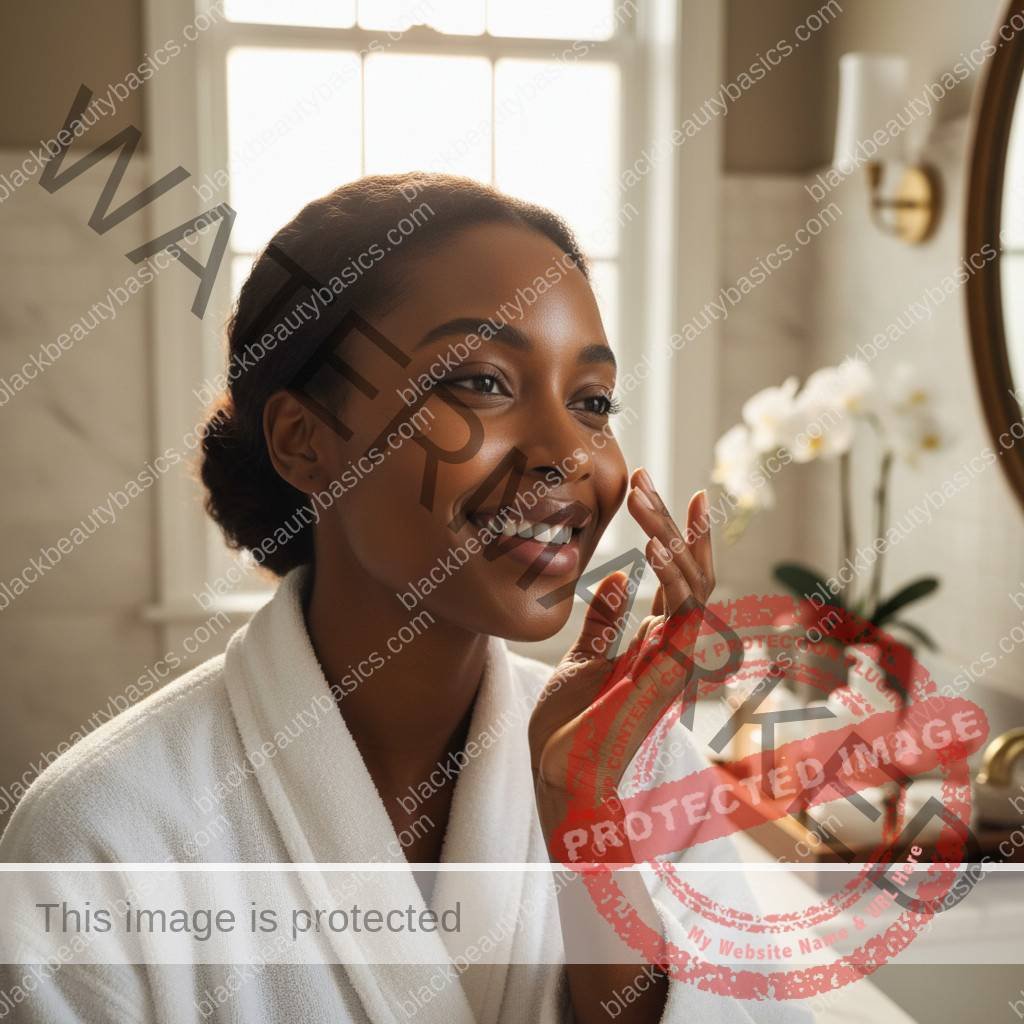
As the seasons shift and the air turns crisp, or as we spend more time indoors with artificial heating, our skin’s needs undergo a profound transformation. The very elements that felt refreshing in summer can become harsh and dehydrating in winter. Cold temperatures, low humidity, and the constant exposure to dry indoor air conspire to strip the skin of its natural moisture, often leading to dryness, flakiness, and a compromised skin barrier. In these conditions, your sunscreen should transition from a lightweight shield to a comforting, nourishing embrace.
Opting for Richer, Creamier Formulas
When the air is dry and cold, your skin craves moisture and lipids to help fortify its barrier and prevent water loss. This is the ideal time to swap out your lightweight summer fluids for richer, creamier sunscreen formulations. These products are typically more emollient, meaning they contain a higher concentration of moisturizing ingredients like ceramides, hyaluronic acid, glycerin, shea butter, or various plant oils. These ingredients work synergistically to replenish lost moisture, soothe dry patches, and create a protective layer that helps to lock in hydration.
A cream-based sunscreen in winter acts as a dual-purpose product: it provides essential UV protection while simultaneously delivering much-needed hydration and nourishment. For melanin-rich skin, which can sometimes be prone to post-inflammatory hyperpigmentation exacerbated by dryness or irritation, maintaining a healthy, hydrated skin barrier is paramount. A richer texture can feel incredibly comforting, preventing the tight, uncomfortable sensation often associated with dry winter skin. When searching, consider options like rich sunscreen dry climate dark skin to find suitable products.
Embracing a Dewy or Natural Finish
While matte finishes are excellent for controlling shine in humid conditions, they can often feel too drying or even emphasize flakiness in a parched winter environment. This is when a dewy or natural finish truly comes into its own. Sunscreens that offer a radiant or luminous finish often contain light-reflecting particles or hydrating ingredients that impart a healthy, glowing appearance to the skin. This not only counteracts the dullness that can accompany dry skin but also makes the skin appear more plump and supple.
A dewy finish doesn’t necessarily mean greasy; it means a healthy, hydrated sheen that mimics naturally well-moisturized skin. These formulations are less likely to settle into fine lines or accentuate dry patches, making them a more forgiving choice for winter. For melanin-rich skin, a dewy finish can enhance the natural luminosity of our complexions, making us look vibrant and well-cared for, even when battling harsh environmental conditions. The goal is to achieve a comfortable, moisturized feel that looks as good as it feels.
Considerations for Indoor Heating and Air Quality
It’s not just the outdoor cold that poses a threat to skin hydration; indoor environments, particularly those with central heating or air conditioning running constantly, can be equally dehydrating. These systems often strip the air of moisture, creating an arid atmosphere that sucks hydration directly from your skin. Spending hours in such environments, whether at home, in the office, or during travel, can leave your skin feeling parched and vulnerable.
In these situations, a sunscreen with added humectants (like hyaluronic acid or glycerin) and emollients becomes essential. These ingredients work to draw moisture from the air (if any is present) and seal it into the skin, providing a continuous source of hydration throughout the day. Even if you’re not venturing outdoors much, the constant exposure to dry indoor air necessitates a more nourishing sunscreen texture. Think of your winter sunscreen as an extension of your moisturizer, providing both protection and vital hydration to combat the drying effects of your immediate environment. This holistic approach ensures your skin remains comfortable and protected, regardless of the season or the climate control settings around you.
To understand the nuances between different types of sunscreens, you might want to read our article on Tinted vs. Clear SPF on Dark Skin, which can also influence how a product feels and looks.
How Environment Changes Finish, Comfort, and Reapplication
The environment isn’t just about the weather outside; it encompasses a myriad of factors that profoundly influence how your sunscreen feels, looks, and performs throughout the day. From the microclimates of your daily commute to the specific conditions of your workplace, each setting presents unique challenges and opportunities for your sun protection strategy. Understanding these environmental nuances is key to maintaining optimal comfort, an appealing finish, and consistent reapplication habits for melanin-rich skin.
The Impact of Commuting and Outdoor Exposure
For many, the daily commute involves a significant amount of outdoor exposure, even if it’s just walking to a bus stop or waiting for a train. During these periods, your skin is directly subjected to the prevailing weather conditions—be it harsh sun, biting wind, or humid air. If your commute involves walking or cycling, you’re also likely to experience increased perspiration. In such scenarios, a sunscreen that can withstand sweat and environmental stressors is crucial. A lightweight, possibly sweat-resistant formula will feel more comfortable and less likely to run into your eyes or feel heavy as you move.
Consider the cumulative effect of even short bursts of outdoor exposure. These moments add up, and your sunscreen needs to be robust enough to provide continuous protection. For those who spend extended periods outdoors, whether for work or leisure, the need for a durable, high-SPF sunscreen with a comfortable texture becomes even more pronounced. The finish here is also important: a formula that holds up well against sweat and doesn’t become overly shiny or streaky is ideal for maintaining a polished appearance throughout the day. This is particularly true for melanin-rich skin, where a streaky or uneven finish can be more noticeable.
Navigating Office Environments and Indoor Air Quality
Once you arrive at your destination, especially an office, the environment shifts dramatically. Air conditioning in summer and heating in winter create controlled but often dehydrating microclimates. This constant exposure to dry air can silently strip your skin of moisture, making it feel tight and uncomfortable by midday. In these settings, a sunscreen that offers hydrating benefits, even if it’s a lighter texture, can make a significant difference in skin comfort.
The finish of your sunscreen also plays a role in an office setting. While you might opt for a matte finish outdoors to combat shine, an overly matte or drying sunscreen indoors can make your skin look dull or emphasize fine lines. A natural or slightly dewy finish can help maintain a healthy, vibrant look, counteracting the effects of dry indoor air. Furthermore, the ease of reapplication in an office environment is a practical consideration. A sheer, quick-absorbing formula or a sunscreen mist might be more convenient for touch-ups over makeup during a lunch break than a thick cream.
Travel and Climate Zone Changes
Travel introduces perhaps the most dramatic shifts in environmental conditions, often within a matter of hours. Flying itself is incredibly dehydrating due to the low humidity in airplane cabins. Upon arrival, you might transition from a cold, dry climate to a hot, humid one, or vice-versa. Each new climate zone demands a reassessment of your skin’s needs and, consequently, your sunscreen choice.
For a tropical vacation, you’ll want a water-resistant, lightweight, and possibly matte-finish sunscreen to combat humidity and sweat. For a ski trip, a richer, more emollient, and hydrating formula is essential to protect against cold, wind, and intense UV reflection from snow. When traveling, consider packing at least two different sunscreen textures: a lighter one for active, humid days and a more nourishing one for drier, cooler conditions or for use during long flights. This flexibility ensures your melanin-rich skin remains protected and comfortable, no matter where your adventures take you. This adaptability is also crucial for maintaining the skin barrier and preventing issues like dryness or irritation that can lead to hyperpigmentation.
For a broader perspective on adapting your entire skincare routine to different climates, refer to our article on Seasonal Skincare Routines: Summer, Winter, Climate-Specific.
How to Adjust Without Rebuilding Your Whole Routine
The idea of constantly changing your skincare products can feel overwhelming, both for your budget and your bathroom counter space. The good news is that adjusting your sunscreen texture preferences by season or environment doesn’t require a complete overhaul of your entire routine. Instead, it’s about making thoughtful, strategic swaps and additions that complement your existing regimen, ensuring continuous protection and comfort for your melanin-rich skin without unnecessary complexity.
The Power of a “Core” Sunscreen and a “Situational” Partner
One of the most practical approaches is to identify a “core” sunscreen that works well for your skin type for the majority of the year or for your most common environment. This might be a balanced, natural-finish formula that provides good hydration without being too heavy. Then, introduce one or two “situational” sunscreens that address specific needs for different seasons or environments. For example:
- Core: A hydrating, natural-finish SPF 30-50 that you love for everyday use.
- Situational 1 (Summer/Humidity/Activity): A lightweight, matte, water-resistant SPF 50 fluid for hot, sweaty days or outdoor activities. Shop lightweight sunscreen humid weather dark skin on Amazon.
- Situational 2 (Winter/Dry Air/Travel): A richer, more emollient SPF 30-50 cream with a dewy finish for cold, dry weather or long flights.
This strategy allows you to maintain consistency with your beloved core products while having targeted solutions for when your skin’s needs shift. It’s about intelligent layering and thoughtful selection, not constant reinvention.
Layering and Customizing Your Finish
You don’t always need an entirely different sunscreen to adjust its finish or feel. Sometimes, the products you layer underneath or over your sunscreen can help customize its performance. For instance:
- To make a dewy sunscreen more matte: Apply a light dusting of translucent setting powder over your sunscreen, or use a mattifying primer underneath.
- To make a matte sunscreen more dewy: Apply a hydrating serum or facial oil underneath your sunscreen. You can also mix a drop of facial oil or a liquid highlighter into your sunscreen for a subtle glow, though always patch test this to ensure it doesn’t compromise SPF efficacy.
- To boost hydration: If your preferred sunscreen isn’t quite hydrating enough for dry conditions, layer a rich moisturizer underneath. This allows you to keep your favorite sunscreen while addressing the seasonal dryness.
This approach gives you flexibility and control, enabling you to fine-tune your existing products to meet evolving needs. It’s about working smarter, not harder, with your current collection.
Strategic Reapplication Methods
The way you reapply sunscreen can also be adjusted to suit different environments and maintain comfort. If you’re in a hot, humid environment and feel your skin getting greasy, instead of reapplying a full layer of cream, consider a lighter option for touch-ups:
- Sunscreen mists or sprays: These are excellent for quick, refreshing reapplication over makeup or on the go, without disturbing your existing layers. Ensure you apply enough and rub it in if necessary.
- Sunscreen sticks: Convenient for targeted reapplication on areas like the forehead, nose, and cheekbones, especially for active days or when you want to avoid a messy application.
- Tinted powders with SPF: These can provide a light reapplication of SPF while also mattifying and evening out skin tone, perfect for an office refresh.
By having a few different formats for reapplication, you can ensure continuous protection without feeling weighed down or having to completely wash your face and start over. This adaptability in reapplication is particularly beneficial for melanin-rich skin, as it helps maintain an even tone and prevents the appearance of a white cast that can sometimes occur with heavier reapplication of certain formulas.
For more detailed guidance on how sunscreen integrates with your makeup routine, check out our article on How Sunscreen Finish Works with Makeup on Dark Skin.
Frequently Asked Questions
What sunscreen texture is best for very oily, acne-prone melanin-rich skin in summer?
For very oily, acne-prone melanin-rich skin during summer, a lightweight, non-comedogenic fluid or gel sunscreen with a matte or semi-matte finish is ideal. Look for formulations containing ingredients like silica or niacinamide to help control shine and minimize pores without clogging them.
Can I use the same sunscreen for both face and body, regardless of season?
While you certainly can, it’s often beneficial to use different sunscreens for face and body. Facial sunscreens are typically formulated with more elegant textures and non-comedogenic ingredients suitable for delicate facial skin, whereas body sunscreens can be thicker and more cost-effective for larger areas.
How often should I reapply sunscreen when my texture preference changes?
The frequency of reapplication remains consistent regardless of texture preference: every two hours when exposed to direct sunlight, or immediately after swimming, sweating heavily, or towel drying. Your choice of texture simply makes this reapplication more comfortable and aesthetically pleasing for the specific conditions.
Will a dewy sunscreen make my melanin-rich skin look greasy in humid weather?
A dewy sunscreen can make melanin-rich skin appear greasy in very humid weather, especially if you have naturally oily skin. In such conditions, opting for a natural or matte finish is generally recommended to prevent excessive shine and maintain a fresh look.
Is it necessary to have separate mineral and chemical sunscreens for different seasons?
It’s not strictly necessary, as both mineral and chemical sunscreens can be formulated into various textures suitable for different seasons. The choice between mineral and chemical often comes down to personal preference, skin sensitivity, and desired finish, rather than seasonal necessity.
How do I know if my sunscreen texture is no longer working for my environment?
You’ll notice signs like increased oiliness or greasiness, a heavy or suffocating feeling, excessive dryness or tightness, pilling under makeup, or a general discomfort that makes you reluctant to reapply. These are all cues that your current sunscreen texture might not be optimally suited for your present environment.
Can I mix a rich moisturizer with a lightweight sunscreen to make it more hydrating for winter?
While layering a rich moisturizer under a lightweight sunscreen is generally fine, mixing them directly is not recommended. Mixing can dilute the sunscreen’s active ingredients and compromise its SPF efficacy, potentially leaving your skin inadequately protected. Always apply skincare products in distinct layers.
Where to Go Next
Understanding how to adjust your sunscreen texture preferences by season or environment is a powerful step towards truly personalized and effective sun protection for your melanin-rich skin. This journey of adaptability ensures that your skin remains comfortable, protected, and radiant, no matter what the world throws your way. Remember, your skin is dynamic, and your sun protection strategy should be too.
We encourage you to continue exploring the nuances of sunscreen and skincare tailored specifically for Black women and other people with melanin-rich skin. Dive deeper into our comprehensive resources to refine your routine and empower your choices. For a foundational understanding of sun protection, start with our main guide: Sunscreen for Dark Skin. To explore the full spectrum of texture and finish options, visit our cluster hub: Texture and Finish Preferences: Tinted, Clear, Matte, Dewy. And for specific concerns related to your skin type, our article on Skin Type-Specific SPF: Acne-Prone, Dry, Sensitive, Oily offers invaluable insights. Continue to embrace self-love, cultural wisdom, and modern science in your beauty journey, always prioritizing the health and radiance of your beautiful skin.
Thank you for trusting Black Beauty Basics as your guide. We are here to support you in every step of your skincare journey, ensuring you feel confident and protected, every single day.
INTERNAL LINKING OPPORTUNITIES
https://blackbeautybasics.com/sunscreen-for-dark-skin/texture-and-finish-preferences-tinted-clear-matte-dewy/“Texture and Finish Preferences: Tinted, Clear, Matte, Dewy”
Why it is contextually relevant in this article: This is the cluster hub for all articles related to sunscreen texture and finish, providing a broader context for the current article’s topic.
https://blackbeautybasics.com/sunscreen-for-dark-skin/
“Sunscreen for Dark Skin”
This is the parent pillar page for all sunscreen-related content, offering a comprehensive overview and foundational knowledge.
https://blackbeautybasics.com/sunscreen-for-dark-skin/texture-and-finish-preferences-tinted-clear-matte-dewy/finding-non-ashy-sunscreen-textures-for-melanin-rich-skin/“Finding Non-Ashy Sunscreen Textures for Melanin-Rich Skin”
This article discusses a common concern for melanin-rich skin related to sunscreen finish, directly complementing the discussion on texture preferences.
https://blackbeautybasics.com/sunscreen-for-dark-skin/texture-and-finish-preferences-tinted-clear-matte-dewy/tinted-vs-clear-spf-on-dark-skin/“Tinted vs. Clear SPF on Dark Skin”
The choice between tinted and clear SPF can significantly impact how a sunscreen feels and looks, especially when adjusting for different environments.
https://blackbeautybasics.com/sunscreen-for-dark-skin/texture-and-finish-preferences-tinted-clear-matte-dewy/matte-natural-and-dewy-finishes-on-melanin-rich-skin/“Matte, Natural, and Dewy Finishes on Melanin-Rich Skin”
This article directly explains the different finishes discussed in the current piece, providing more detail on their appearance and suitability.
https://blackbeautybasics.com/sunscreen-for-dark-skin/texture-and-finish-preferences-tinted-clear-matte-dewy/how-sunscreen-finish-works-with-makeup-on-dark-skin/How Sunscreen Finish Works with Makeup on Dark Skin”
The interaction of sunscreen texture with makeup is a practical consideration when adjusting preferences for daily wear in different environments.
https://blackbeautybasics.com/sunscreen-for-dark-skin/skin-type-specific-spf-acne-prone-dry-sensitive-oily/“Skin Type-Specific SPF: Acne-Prone, Dry, Sensitive, Oily”
Skin type heavily influences how different sunscreen textures feel and perform, making this a relevant cross-pillar link for deeper understanding.
https://blackbeautybasics.com/skincare-for-black-women/seasonal-routines-summer-winter-climate-specific/“Seasonal Skincare Routines: Summer, Winter, Climate-Specific”
This cross-cluster link provides a broader context for adjusting an entire skincare routine, not just sunscreen, to seasonal and environmental changes.
Related next steps
Related posts:
 How Texture and PIH Show Up on Deep, Melanin-Rich Skin
 Adapting Natural-Hair Routines to Your Work Environment
 Daily Aggravators: Soaps, Fabrics, Sweat, and Environment
 Planning and Adjusting an Active Ingredient Plan on Dark Skin
 Adjusting Makeup Habits During Acne Flares and Healing Phases
 Adjusting Scalp Routines When You Have a Condition or Hair-Loss Pattern