The journey to radiant, blemish-free skin is a deeply personal one, especially for us. We understand the unique challenges and triumphs that come with caring for melanin-rich complexions, and the quest for clarity often leads us down many paths. If persistent breakouts have been a chapter in your story, you might have heard whispers of an age-old remedy making a modern comeback: sulfur.
For generations, sulfur has been a quiet hero in the fight against acne, and for good reason. But when it comes to our beautiful dark skin, with its distinct needs and sensitivities, the conversation around any active ingredient requires a nuanced, informed approach. Today, we’re peeling back the layers to explore how sulfur products can be a powerful ally in your skincare arsenal, helping to unveil the luminous, even-toned complexion you deserve.
Understanding Acne in Melanin-Rich Skin: A Unique Perspective
Acne, in its various forms, is a universal experience, but its presentation and aftermath can differ significantly in melanin-rich skin. While the root causes—excess oil production, clogged pores, bacteria, and inflammation—remain consistent, the consequences, particularly hyperpigmentation, are often more pronounced and persistent for us.
The Nuances of Post-Inflammatory Hyperpigmentation (PIH)
One of the most frustrating aspects of acne for women of color is the lingering dark spots and discoloration known as post-inflammatory hyperpigmentation (PIH). Our melanocytes, the cells responsible for producing melanin, are more reactive to inflammation. This means that even a minor breakout can leave behind a stubborn dark mark that can take months, or even years, to fade. This propensity for PIH makes choosing the right acne treatments crucial – we need ingredients that are effective yet gentle enough to minimize further irritation.
Inflammation and Sensitivity
While not universally true, some melanin-rich skin types can exhibit increased sensitivity or reactivity to harsh ingredients, leading to more inflammation and, consequently, more PIH. This is why a balanced approach, focusing on efficacy without over-stripping or irritating the skin, is paramount.
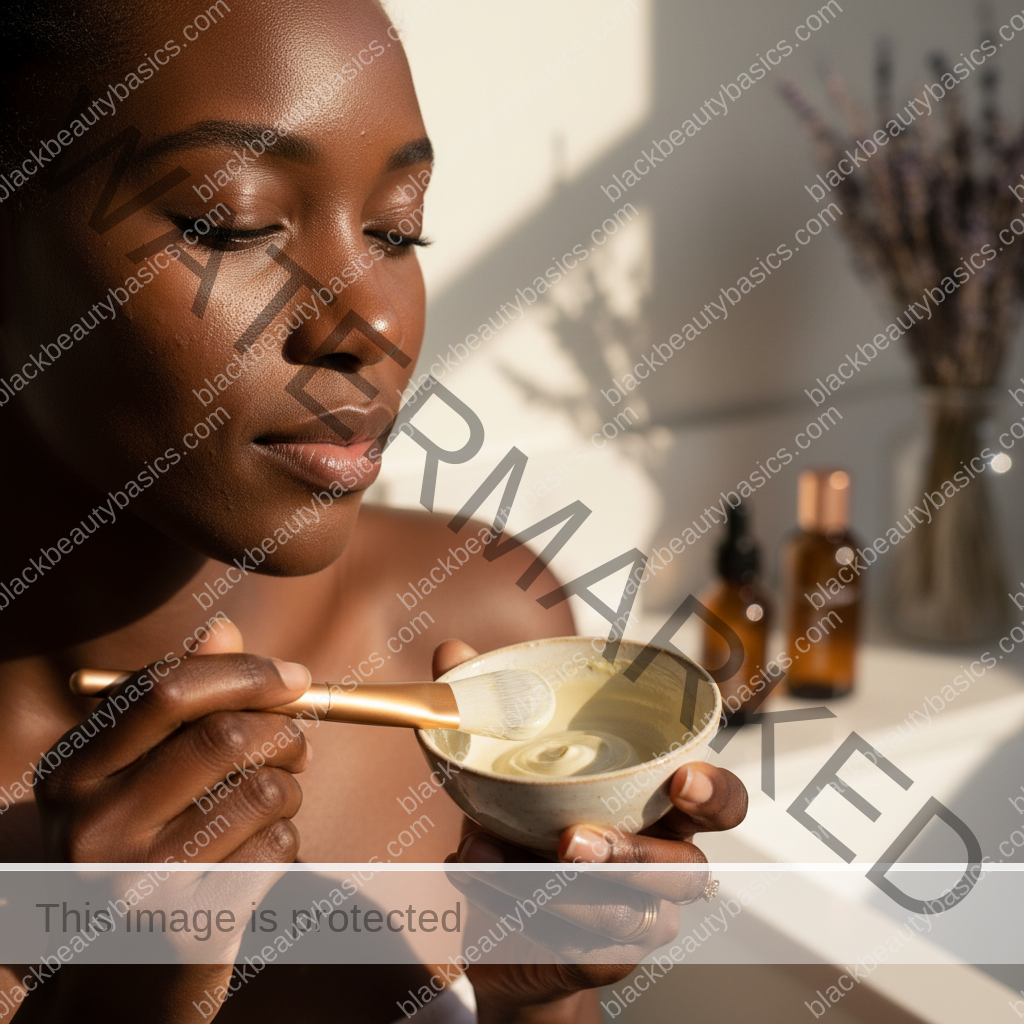
Sulfur: An Ancient Remedy Reimagined for Modern Skin
Sulfur, a natural element, has been utilized for its medicinal properties for centuries, particularly in dermatology. In skincare, it’s celebrated for its multifaceted approach to combating acne, making it a compelling option for those seeking clarity.
How Sulfur Works Its Magic
Sulfur primarily tackles acne through several key mechanisms:
- Keratolytic Action: It helps to gently exfoliate the skin, encouraging the shedding of dead skin cells that can clog pores. This prevents the formation of new blemishes.
- Antibacterial Properties: Sulfur has mild antibacterial effects, helping to reduce the population of P. acnes bacteria, a primary contributor to inflammatory acne.
- Sebum Regulation: It can help to absorb excess oil and reduce sebum production, which is crucial for managing oily and acne-prone skin.
- Anti-inflammatory Benefits: While not its primary role, sulfur can have a mild anti-inflammatory effect, helping to calm redness and irritation associated with breakouts.
Why Sulfur is a Gentle Alternative
Compared to some other popular acne treatments like benzoyl peroxide, sulfur is often considered gentler. Benzoyl peroxide, while highly effective, can sometimes be too drying or irritating for sensitive skin, potentially exacerbating PIH in darker skin tones. Sulfur, on the other hand, tends to be less aggressive, making it a suitable option for those who find stronger treatments too harsh.
When Sulfur Shines: Ideal Scenarios for Dark Skin
Sulfur isn’t a one-size-fits-all solution, but it truly shines in specific situations, particularly for melanin-rich skin. Knowing when to reach for it can make all the difference.
Mild to Moderate Acne
Sulfur is particularly effective for:
- Whiteheads and Blackheads (Comedonal Acne): Its keratolytic properties help to unclog pores and prevent these non-inflammatory lesions.
- Mild Inflammatory Acne: For occasional papules and pustules, sulfur can help reduce inflammation and bacterial load without the harshness of stronger treatments.
Oily Skin Types
If your skin tends to be on the oilier side, sulfur’s sebum-absorbing properties can be a game-changer. It helps to mattify the skin and reduce the likelihood of pores becoming clogged with excess oil.
Sensitive Skin Prone to PIH
As discussed, sulfur’s gentler nature makes it an excellent choice for individuals with sensitive skin who are prone to post-inflammatory hyperpigmentation. By reducing inflammation and irritation, it helps to minimize the risk of dark spots forming or worsening.
Targeted Treatment and Spot Treatment
Sulfur products often come in forms like masks and spot treatments, making them ideal for targeted application. This allows you to address specific breakouts or oily zones without treating your entire face, which can be beneficial for combination skin types.
Here’s a quick guide to help you decide if sulfur is right for your current acne concerns:
Is Sulfur Right for Your Acne?
| Consider Sulfur If… | You Might Need a Different Approach If… |
|---|---|
| You have mild to moderate whiteheads, blackheads, or occasional pimples. | You have severe cystic or nodular acne (consult a dermatologist). |
| Your skin is oily or combination, and you experience excess shine. | Your skin is very dry or already compromised. |
| You’re prone to post-inflammatory hyperpigmentation (PIH) from breakouts. | You have a known allergy or sensitivity to sulfur. |
| You find stronger acne treatments (like high-percentage benzoyl peroxide) too irritating. | Your acne is not responding to sulfur after consistent use (4-6 weeks). |
| You prefer a more natural or gentle approach to acne treatment. | You are pregnant or breastfeeding (consult your doctor before use). |
Navigating the World of Sulfur Products: Formulations and Integration
Sulfur comes in various formulations, each with its own benefits and ideal use cases. Understanding these can help you choose the best product for your specific needs and seamlessly integrate it into your existing routine.
Common Sulfur Product Types
Sulfur Masks
These are excellent for weekly or bi-weekly treatments, especially for oily or combination skin. Masks allow sulfur to work over a short period (typically 10-20 minutes) to absorb excess oil, draw out impurities, and calm inflammation. They’re a fantastic way to get the benefits without daily application.
Sulfur Spot Treatments
Perfect for targeting individual blemishes or small clusters of breakouts. Spot treatments are typically applied directly to the affected area and left on overnight or for several hours. They deliver a concentrated dose of sulfur to dry out pimples and reduce redness quickly.
Shop Sulfur Spot Treatments on Amazon
Sulfur Cleansers
For those with more widespread, persistent acne, a sulfur cleanser can be a good daily option. Used once or twice a day, these cleansers help to keep pores clear and reduce surface bacteria. Look for gentle formulations that won’t strip your skin.
Shop Sulfur Cleansers on Amazon
Sulfur Lotions and Creams
These are designed for broader application, similar to an all-over acne treatment. They can be used on larger areas prone to breakouts. Start with a small amount and observe your skin’s reaction, especially if you have sensitive skin.
Shop Sulfur Lotions and Creams on Amazon
Integrating Sulfur into Your Skincare Routine
The key to success with sulfur, especially for dark skin, is mindful integration. We want to achieve clarity without causing irritation or exacerbating PIH.
- Start Slow: Begin by using sulfur products a few times a week, gradually increasing frequency as your skin tolerates it.
- Patch Test: Always patch test a new product on a small, inconspicuous area of your skin (like behind the ear or on the jawline) for 24-48 hours to check for any adverse reactions.
- Moisturize Diligently: Sulfur can be drying. Pair it with a rich, non-comedogenic moisturizer to maintain your skin’s barrier function and prevent excessive dryness, which can lead to irritation. Shop Non-Comedogenic Moisturizers on Amazon
- Sun Protection is Non-Negotiable: All acne treatments can make your skin more sensitive to the sun. Daily use of a broad-spectrum SPF 30+ sunscreen is crucial to protect your skin and prevent PIH from darkening. Shop Broad-Spectrum SPF for Dark Skin on Amazon
- Avoid Overlapping with Harsh Actives: Be cautious when combining sulfur with other strong actives like retinoids, AHAs/BHAs, or benzoyl peroxide, especially initially. Introduce one active at a time and observe your skin. If you use a retinoid at night, consider a sulfur cleanser in the morning or a sulfur mask on a separate day.
The Black Beauty Basics Guide to Using Sulfur Wisely
To ensure you get the most out of sulfur while protecting your precious complexion, follow these curated tips:
Smart Sulfur Usage for Melanin-Rich Skin
- Choose Low Concentrations: Start with products containing lower percentages of sulfur (e.g., 3-5%) to assess your skin’s tolerance before moving to higher concentrations (e.g., 8-10%).
- Look for Complementary Ingredients: Many sulfur products are formulated with soothing ingredients like aloe vera, chamomile, or colloidal oatmeal to counteract potential dryness and irritation. Salicylic acid is also a common partner, enhancing pore-clearing benefits.
- Mind the Scent: Sulfur has a distinct smell, often described as “rotten eggs.” While many modern formulations mask this scent, be prepared for it. The smell typically dissipates quickly after application.
- Consistency is Key, But So is Listening to Your Skin: Use sulfur products consistently as directed, but if you experience excessive dryness, redness, or irritation, reduce frequency or discontinue use. Your skin will tell you what it needs.
- Don’t Forget Your Body: If you experience body acne (back, chest), sulfur cleansers or washes can be very effective there too.
- Stay Hydrated Internally: Drinking plenty of water supports overall skin health and helps maintain hydration, which is vital when using drying acne treatments.
- Cleanse Gently: When using a sulfur cleanser, use lukewarm water and avoid harsh scrubbing, which can irritate acne and worsen PIH.
Beyond Sulfur: A Holistic Approach to Clear Skin
While sulfur can be a powerful tool, achieving and maintaining clear skin is often a multifaceted endeavor. Consider these additional pillars for a truly radiant complexion:
Internal Wellness for External Radiance
- Balanced Nutrition: A diet rich in antioxidants, omega-3 fatty acids, and low glycemic index foods can support skin health from within.
- Stress Management: Chronic stress can trigger hormonal fluctuations that exacerbate acne. Incorporate stress-reducing practices like meditation, yoga, or deep breathing.
- Adequate Sleep: Quality sleep allows your skin to repair and regenerate. Aim for 7-9 hours per night.
Professional Guidance
For persistent or severe acne, consulting a board-certified dermatologist is invaluable. They can diagnose underlying causes, prescribe stronger treatments if necessary, and offer personalized advice tailored to your skin type and concerns. A dermatologist specializing in skin of color will be particularly adept at managing PIH and choosing appropriate treatments.
A Consistent, Gentle Skincare Routine
Beyond targeted treatments, a solid foundational routine is essential:
- Gentle Cleansing: Use a mild, pH-balanced cleanser twice daily. Shop Gentle Cleansers on Amazon
- Hydration: A good moisturizer is non-negotiable, even for oily skin. Shop Non-Comedogenic Moisturizers on Amazon
- Sun Protection: Daily SPF 30+ is your best defense against PIH and premature aging. Shop Mineral Sunscreens for Dark Skin on Amazon
- Exfoliation (Carefully): Incorporate gentle chemical exfoliants (like AHAs or BHAs) a few times a week, but not on the same day as sulfur, to help with cell turnover and prevent clogged pores. Shop Gentle Exfoliants on Amazon
Sulfur can be useful for some patterns, but it is not magic
Sulfur products often show up in acne routines as masks, spot treatments, or cleansers. They may help some people with oiliness and certain breakout patterns, but they can also be drying or irritating if overused. For dark skin, the question is always bigger than whether a product can dry a bump. Will it calm the skin without creating a new mark?
Sulfur may be considered when breakouts are oily, small, or clustered, but it is not the answer to every bump. If bumps are itchy, uniform, or concentrated on the forehead, chest, or back, professional evaluation may be useful because fungal-like patterns can need a different approach.
Use sulfur products sparingly at first. Do not combine them with multiple acids, retinoids, benzoyl peroxide, and harsh scrubs in the same moment. Moisturize, patch test, and stop if the skin gets raw, flaky, or overly tight.
How to trial sulfur gently
- Patch test before using on the full face or body.
- Start with short contact or occasional use.
- Avoid stacking with too many drying actives.
- Judge by comfort and fewer new marks, not instant drying.
What to do next
Keep this guide connected to the rest of the Acne & Sensitive Skin in Black Women series. Acne care on deep skin works best when the routine considers triggers, active ingredients, sensitive skin, and the dark marks that can follow inflammation.
A gentle acne routine has to protect the skin after the breakout
A product that dries a bump but leaves irritation behind may not be a win for melanin-rich skin. On melanin-rich skin, the breakout itself is often only one part of the story. Irritation, picking, harsh scrubbing, skipped moisture, and too many active ingredients can leave dark marks that linger long after the bump is gone. That is why BBB acne guidance always treats comfort, barrier support, and post-inflammatory hyperpigmentation as part of the same conversation.
The most useful routine is not the most aggressive one. It is the one you can repeat without making your skin sting, peel, or panic. If a product causes burning, swelling, rash-like irritation, or worsening tenderness, pause and simplify. If acne is painful, cystic, spreading quickly, or scarring, professional care is a strength move, not a failure. Your skin deserves strategy, not punishment.
Frequently Asked Questions About Sulfur and Dark Skin
Q1: Will sulfur products bleach or lighten my dark skin?
No, sulfur products do not contain bleaching agents and will not lighten your natural skin tone. Their primary action is to treat acne, absorb oil, and gently exfoliate. Any perceived lightening might be due to the reduction of post-inflammatory hyperpigmentation (dark spots) as acne clears, revealing your natural, even complexion underneath.
Q2: Can sulfur make my hyperpigmentation worse?
When used correctly, sulfur is generally less likely to worsen hyperpigmentation compared to harsher acne treatments. Its gentler nature means less irritation, which is key to preventing new PIH. However, if you overuse it or combine it with too many other strong actives, any resulting irritation could potentially lead to new dark spots. Always start slow and moisturize diligently.
Q3: How long does it take to see results from sulfur products?
Like most skincare treatments, consistency is key. You might start to see some improvement in oiliness and active breakouts within a few days to two weeks. Significant changes, especially in reducing the frequency of breakouts, typically take 4-6 weeks of consistent use. Remember that fading existing hyperpigmentation takes longer, often several months, even after the acne is gone.
Q4: Can I use sulfur every day?
It depends on your skin’s tolerance and the specific product’s concentration. Many people can use a low-concentration sulfur cleanser daily. For masks or spot treatments, daily use might be too much, leading to dryness or irritation. It’s best to start with 2-3 times a week and gradually increase frequency if your skin tolerates it well. Always listen to your skin.
Q5: Is the “rotten egg” smell of sulfur permanent?
No, the characteristic sulfur smell is usually temporary. Most modern formulations are designed to minimize the odor, and it typically dissipates quickly after the product is applied and absorbed or rinsed off (in the case of cleansers and masks). If the smell lingers unpleasantly, you might consider trying a different brand or formulation.
Q6: Can pregnant or breastfeeding women use sulfur products for acne?
While sulfur is generally considered safer than some other acne ingredients during pregnancy and breastfeeding, it’s always crucial to consult your healthcare provider or dermatologist before introducing any new skincare products, especially active treatments. They can advise you on the safest options for your specific situation.
Q7: What’s the difference between sulfur and benzoyl peroxide?
Both are acne treatments, but they work differently. Benzoyl peroxide is a powerful antibacterial agent that also helps shed dead skin cells. It can be very effective but is often more drying and potentially irritating, especially for sensitive skin and skin prone to PIH. Sulfur is generally milder, focusing on gentle exfoliation, oil absorption, and mild antibacterial action, making it a good alternative for those who find benzoyl peroxide too harsh.

Embracing sulfur as a part of your skincare journey for acne-prone dark skin can be a truly transformative experience. With its gentle yet effective approach, it offers a pathway to clearer, more balanced skin, honoring the unique beauty of our complexions. Remember, consistency, patience, and a deep understanding of your skin’s needs are your most powerful tools. Here’s to unveiling your most luminous, confident self, one radiant step at a time.
Use sulfur as a targeted option, not a whole personality
Sulfur can be tempting because it feels old-school, direct, and practical. Some people like it for oily areas, small inflamed bumps, or occasional spot support. But sulfur is still an active ingredient. If it dries the skin too much, the routine can create the same problem BBB is always trying to prevent: more irritation, more inflammation, and more visible marks on melanin-rich skin.
The safest way to think about sulfur is as a targeted option. A mask used occasionally, a spot product used only where needed, or a cleanser used with short contact may be easier to manage than using sulfur everywhere every day. If your skin is already using benzoyl peroxide, adapalene, exfoliating acids, or prescription acne medication, adding sulfur without a plan can be too much.
Pay attention to the type of breakout. Sulfur may not be the best answer for deep hormonal cysts, widespread painful acne, or bumps that are itchy and uniform across the forehead, chest, or back. Those patterns can need a different kind of evaluation. A product can be useful and still not be the right tool for every acne pattern.
For Black women who are acne-prone and sensitive, the win is not drying the bump overnight. The win is calming the breakout without creating a new dark spot, rough patch, or barrier setback. If sulfur helps but leaves your skin tight, use it less often, buffer with moisturizer where appropriate, and keep the rest of the routine simple.
When to be careful with sulfur
- Your skin is already peeling from another acne treatment.
- You are using multiple drying actives in the same week.
- The product has a strong fragrance or leaves your skin itchy.
- The breakout is painful, cystic, scarring, or spreading quickly.
How to compare sulfur with other acne options
Sulfur is only one possible tool. Benzoyl peroxide, salicylic acid, adapalene, prescription topicals, gentle cleansing, routine timing, and product-trigger changes can all matter depending on the acne pattern. The right comparison is not which ingredient sounds strongest. The better question is which option matches the breakout, fits your sensitivity level, and does not leave your skin more inflamed than when you started.
If the breakout is mostly small, oily, and surface-level, sulfur may be worth a careful trial. If the breakout is deep, tender, cycle-linked, or concentrated around the jaw, sulfur may not address the whole picture. If bumps are itchy, uniform, and common on the forehead, chest, or back, the situation may need a different kind of evaluation. Matching the tool to the pattern is more useful than forcing one product to solve every bump.
Texture also matters. A sulfur mask may feel different from a sulfur spot treatment or cleanser. Masks can be easy to overuse because they feel like a reset. Spot treatments can be helpful but may dry out the surrounding skin. Cleansers may be gentler for some people because they rinse away, but even wash-off products can irritate if used too often. Start with the format that makes sense for your skin’s tolerance, not the one that promises the fastest drama.
Most importantly, judge sulfur by the full result. Did the bump calm without leaving raw skin? Did your skin stay comfortable? Did new marks slow down? Did the routine remain easy to repeat? Those answers matter more than whether the product felt intense. For melanin-rich skin, a calm result is often the most powerful result.
Related next steps
Related posts:
 Sulfur-Based Options for Acne-Prone Melanin-Rich Skin
 How Scarring and PIH Influence When to Seek Help for Acne on Melanin-Rich Skin
 When Dark Spots Need Professional Help Instead of More Products
 Over-Exfoliated Acne-Prone Skin on Dark Tones: How to Recover
 Choosing Foundation and Concealer for Acne-Prone Dark Skin
 Pre-Makeup Skin Prep for Acne-Prone Melanin-Rich Skin