In the symphony of our skin, melanin plays a powerful, protective, and profoundly beautiful role. Yet, even with this inherent resilience, the delicate balance of sensitive skin, when coupled with the persistent challenge of acne, can feel like a complex, often frustrating, duet. For the Black woman, this journey is uniquely nuanced, demanding not just solutions, but understanding, reverence, and a routine that truly honors her complexion.
Embracing Your Melanin: Understanding Acne and Sensitivity in Black Skin
Our skin, a canvas of rich, deep tones, possesses a unique architecture. While melanin offers incredible natural sun protection and a youthful glow, it also means our skin responds differently to inflammation and trauma. Acne, for instance, doesn’t just leave a blemish; it often leaves a lasting mark in the form of post-inflammatory hyperpigmentation (PIH) – those stubborn dark spots that can linger long after the active breakout has subsided. When sensitivity is added to this equation, the challenge intensifies. Harsh ingredients, aggressive treatments, or even environmental stressors can trigger irritation, redness, and further inflammation, exacerbating both acne and PIH.
The journey to clear, calm skin for Black women with sensitivity isn’t about fighting your skin; it’s about understanding its language and responding with gentle, informed care. It’s about recognizing that what works for one skin type may not only be ineffective but potentially detrimental to another. This guide is crafted to empower you with knowledge, guiding you through a routine that respects your skin’s unique needs, celebrates its strength, and nurtures its inherent radiance.
The Unique Landscape of Melanin-Rich Skin
Before we dive into specific routines, let’s appreciate the science behind our beauty. Melanin-rich skin often has a more compact stratum corneum (the outermost layer), which can contribute to a stronger barrier function. However, it also means that when this barrier is compromised, it can be more prone to transepidermal water loss (TEWL), leading to dryness and sensitivity. Furthermore, our melanocytes (the cells that produce melanin) are more reactive. This heightened reactivity is why any inflammation – be it from acne, a scratch, or even an overly aggressive product – can easily trigger an overproduction of melanin, resulting in PIH. This isn’t a flaw; it’s a characteristic that simply requires a more thoughtful approach to skincare.
Why Traditional Acne Treatments Can Fall Short (or Worse)
Many conventional acne treatments, formulated without diverse skin tones in mind, often contain high concentrations of ingredients like benzoyl peroxide, salicylic acid, or retinoids that, while effective for some, can be overly harsh for sensitive, melanin-rich skin. These ingredients can cause excessive dryness, peeling, irritation, and inflammation – all of which are precursors to PIH in our skin. The goal isn’t to avoid these ingredients entirely, but to approach them with caution, seeking out gentler formulations, lower concentrations, and strategic incorporation into your routine.
Understanding these foundational differences is the first step towards building a routine that truly works. It’s about moving beyond generic advice and embracing a regimen that is as unique and beautiful as you are.
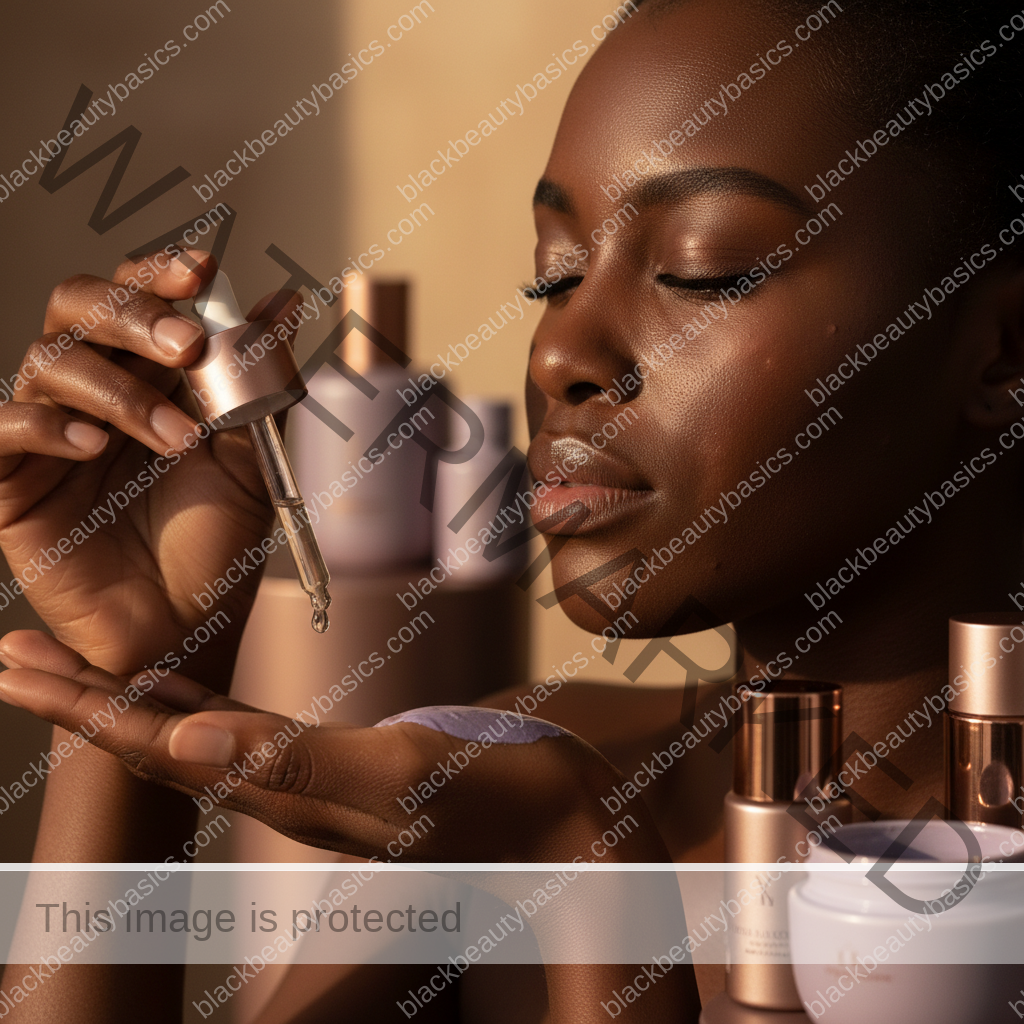
The Gentle Art of Cleansing: Your Foundation for Calm Skin
Cleansing is more than just removing makeup and dirt; it’s the crucial first step in preparing your skin for treatment and maintaining its delicate balance. For sensitive, acne-prone Black skin, the wrong cleanser can strip natural oils, disrupt the skin barrier, and trigger inflammation. The key here is gentleness, hydration, and targeted efficacy.
Choosing Your Cleanser Wisely: A Delicate Balance
Forget harsh foaming cleansers that leave your skin feeling “squeaky clean” – that sensation often means your skin’s natural oils have been stripped, leaving it vulnerable and irritated. Instead, opt for creamy, milky, or gel-based cleansers that effectively remove impurities without compromising your skin barrier. Look for ingredients that soothe and hydrate, while also offering mild exfoliation or antibacterial properties.
Key Ingredients to Seek Out in Cleansers:
- Ceramides: Essential lipids that help restore and maintain the skin’s natural barrier.
- Hyaluronic Acid: A powerful humectant that draws moisture into the skin, preventing dryness.
- Glycerin: Another excellent humectant that keeps skin hydrated and soft.
- Niacinamide (Vitamin B3): Reduces inflammation, minimizes pore appearance, and helps even skin tone.
- Salicylic Acid (BHA): At low concentrations (0.5-1%), it can gently exfoliate inside pores, preventing breakouts. Look for encapsulated or slow-release forms for sensitive skin.
- Polyhydroxy Acids (PHAs) like Gluconolactone or Lactobionic Acid: Extremely gentle exfoliants that also offer hydrating and antioxidant benefits, perfect for sensitive skin.
- Oat Extract/Colloidal Oatmeal: Known for its anti-inflammatory and soothing properties.
Ingredients to Approach with Caution (or Avoid) in Cleansers:
- Harsh Sulfates (e.g., Sodium Lauryl Sulfate, Sodium Laureth Sulfate): Can be overly stripping and irritating.
- High Concentrations of Salicylic Acid or Glycolic Acid: Can be too aggressive for daily use on sensitive skin.
- Physical Exfoliants with Large, Irregular Particles (e.g., apricot kernels, walnut shells): Can create micro-tears in the skin, leading to irritation and PIH.
- Strong Fragrances or Dyes: Common irritants for sensitive skin.
Morning Cleanse: A gentle, hydrating cleanser is often sufficient to refresh your skin and remove any overnight buildup. If your skin is extremely sensitive or dry, a quick rinse with lukewarm water might even suffice, followed by your treatment steps.
Evening Cleanse: This is where you focus on removing makeup, sunscreen, and the day’s impurities. Consider a double cleanse: start with an oil-based cleanser or micellar water to dissolve makeup and SPF, then follow with your gentle, water-based cleanser to thoroughly clean the skin without stripping it.
Tip List: Cleansing for Sensitive, Acne-Prone Skin
- Lukewarm Water Only: Hot water can strip natural oils and exacerbate sensitivity.
- Gentle Hands: Use your fingertips, not a washcloth or harsh scrub, to apply and massage cleanser.
- Rinse Thoroughly: Ensure no cleanser residue is left behind, as it can be irritating.
- Pat Dry: Use a clean, soft towel and gently pat your face dry. Avoid rubbing.
- Clean Towels: Use a fresh towel daily to avoid transferring bacteria to your face.
Shop Gentle Cleansers on Amazon
Targeted Treatment: Addressing Acne and Hyperpigmentation with Care
This is the heart of your routine, where you introduce ingredients specifically designed to combat acne and fade those lingering dark spots, all while respecting your skin’s sensitivity. The key is strategic layering, starting low and slow, and listening intently to your skin.
Active Ingredients: A Thoughtful Approach
For Black women with sensitive, acne-prone skin, the goal is to reduce inflammation, prevent new breakouts, and accelerate the fading of PIH, without causing further irritation. This often means opting for multi-tasking ingredients or layering carefully chosen actives.
Acne-Fighting Heroes (with a Gentle Touch):
- Salicylic Acid (BHA): As mentioned, low concentrations (0.5-2%) in toners, serums, or spot treatments can be very effective. It’s oil-soluble, meaning it can penetrate into pores to dissolve sebum and dead skin cells. Look for leave-on treatments rather than wash-off cleansers for better efficacy.
- Benzoyl Peroxide: While powerful, it can be very irritating. If you use it, opt for lower concentrations (2.5%) and use it as a short-contact therapy (apply for 5-10 minutes, then rinse off) or as a spot treatment. Always follow with a good moisturizer.
- Azelaic Acid: A true gem for sensitive, acne-prone skin. It’s anti-inflammatory, antibacterial, helps unclog pores, and is excellent for fading PIH by inhibiting tyrosinase (an enzyme involved in melanin production). It’s generally well-tolerated and can be used daily.
- Niacinamide: A versatile powerhouse. It reduces inflammation, strengthens the skin barrier, minimizes pore appearance, and helps with overall skin tone evenness. It pairs well with almost any other active.
- Retinoids (Retinol, Adapalene): These are incredibly effective for acne and PIH by accelerating cell turnover. However, they can be highly irritating, especially initially. Start with the lowest concentration (e.g., 0.1% adapalene or a gentle retinol serum), use 1-2 times a week, and gradually increase frequency. Always apply to dry skin after cleansing and follow with a rich moisturizer. Consider the “sandwich method” – moisturizer, retinoid, then more moisturizer.
PIH Fading Champions:
- Vitamin C (L-Ascorbic Acid, THD Ascorbate): A potent antioxidant that brightens skin, reduces inflammation, and inhibits melanin production. Look for stable forms and concentrations between 10-20%. Apply in the morning for antioxidant protection.
- Alpha Arbutin: A gentler alternative to hydroquinone, it effectively inhibits tyrosinase, helping to fade dark spots without irritation.
- Kojic Acid: Another tyrosinase inhibitor derived from fungi, effective in fading PIH.
- Licorice Root Extract: Soothes inflammation and helps to lighten dark spots.
Comparison Table: Acne & PIH Actives for Sensitive Black Skin
| Active Ingredient | Primary Benefit | Sensitivity Level | Best Use | Notes for Black Skin |
|---|---|---|---|---|
| Salicylic Acid (BHA) | Exfoliates pores, reduces breakouts | Moderate (use low %s) | Leave-on serum/toner, 1-3x/week | Excellent for preventing clogged pores without excessive dryness. |
| Azelaic Acid | Anti-inflammatory, antibacterial, fades PIH | Low | Serum/cream, 1-2x/day | Highly recommended for its multi-tasking benefits and gentle nature. |
| Niacinamide | Reduces inflammation, strengthens barrier, brightens | Very Low | Serum, 1-2x/day | A foundational ingredient for overall skin health and PIH prevention. |
| Retinoids (e.g., Adapalene, Retinol) | Cell turnover, acne treatment, PIH fading | High (start slow) | Night serum/cream, 1-3x/week | Crucial for long-term results, but requires careful introduction to avoid irritation and PIH. |
| Vitamin C | Antioxidant, brightens, fades PIH | Moderate (depends on form/%) | Morning serum, daily | Protects against environmental damage and helps even tone. |
| Alpha Arbutin / Kojic Acid | Fades hyperpigmentation | Low to Moderate | Serum, 1-2x/day (spot treat if needed) | Effective alternatives to hydroquinone for PIH, generally well-tolerated. |
Shop Acne Treatments for Sensitive Skin on Amazon
Building Your Treatment Routine: Layering with Intention
This is where the “sensitive” part of your skin comes into play. You cannot use all these powerful ingredients at once. A strategic approach is vital to prevent irritation and maximize benefits.
Morning Routine (Focus: Protection & Brightening)
- Cleanse: Gentle cleanser.
- Treatment Serum (Optional): If using, a Vitamin C serum or a Niacinamide serum can be applied here.
- Moisturize: A lightweight, non-comedogenic moisturizer.
- Sunscreen: Non-negotiable.
Evening Routine (Focus: Repair & Renewal)
- Cleanse: Double cleanse if wearing makeup/SPF.
- Targeted Treatment:
- Option A (Gentle Exfoliation/PIH): Azelaic Acid or a low-concentration BHA/PHA toner/serum.
- Option B (Retinoid Night): Apply your retinoid (1-3 times a week, gradually increasing). On retinoid nights, skip other strong actives like BHAs/AHAs or Vitamin C to prevent irritation.
- Option C (Niacinamide/Barrier Support): On nights you’re not using retinoids or strong exfoliants, a niacinamide serum can be a great choice.
- Moisturize: A richer, more occlusive moisturizer to support skin barrier repair overnight.
Important Considerations:
- Patch Test: Always introduce new products one at a time and patch test on a small area of your skin (e.g., behind the ear or on the jawline) for a few days before applying to your entire face.
- Start Low, Go Slow: Begin with the lowest concentration of an active ingredient and use it infrequently (e.g., 1-2 times a week). Gradually increase frequency as your skin tolerates it.
- Listen to Your Skin: If you experience redness, burning, excessive dryness, or increased breakouts, scale back or stop using the product. Your skin will tell you what it needs.
- Consistency is Key: Skincare is a marathon, not a sprint. Give products at least 4-6 weeks to show results.
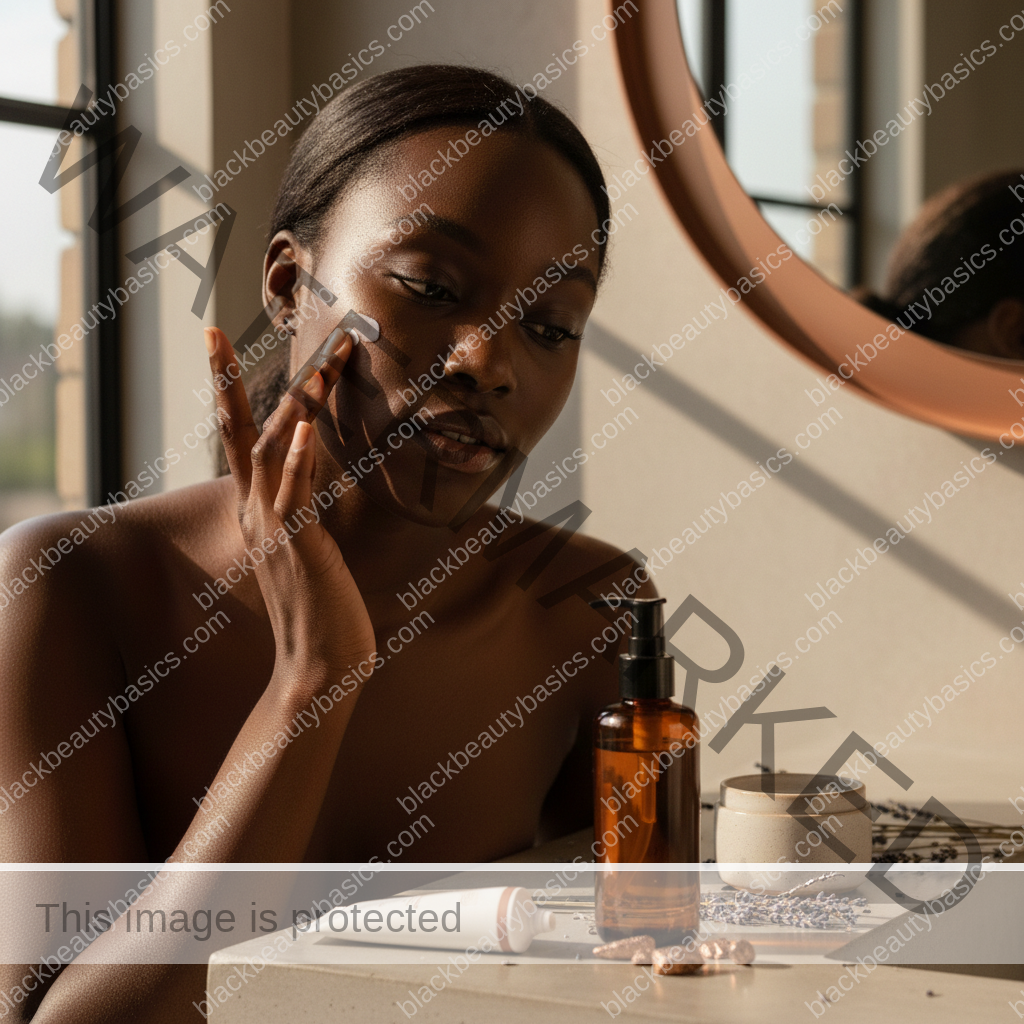
Hydration and Protection: The Unsung Heroes of Sensitive, Acne-Prone Skin
Often overlooked in the quest for clear skin, proper hydration and diligent sun protection are not just supplementary steps; they are fundamental pillars, especially for sensitive, melanin-rich skin. They prevent the very issues that can exacerbate acne and PIH.
The Power of a Balanced Moisturizer
For sensitive, acne-prone skin, the fear of moisturizers clogging pores or making acne worse is common. However, a well-chosen moisturizer is your skin’s best friend. It replenishes the skin barrier, reduces inflammation, and prevents the dryness that can trigger your skin to produce more oil (leading to more breakouts). It also helps your skin tolerate active ingredients better.
What to Look for in a Moisturizer:
- Non-Comedogenic: This means it’s formulated not to clog pores. Look for this label.
- Fragrance-Free: Essential for sensitive skin to avoid irritation.
- Hypoallergenic: Formulated to minimize allergic reactions.
- Key Hydrating Ingredients:
- Ceramides: Crucial for barrier repair.
- Hyaluronic Acid: Draws and holds moisture.
- Glycerin: A humectant that hydrates.
- Squalane: A lightweight, non-comedogenic emollient that mimics skin’s natural oils.
- Niacinamide: Reduces inflammation and strengthens the barrier.
- Shea Butter/Jojoba Oil (in moderation): Can be beneficial for barrier support without being too heavy for acne-prone skin.
- Texture: Gels or lightweight lotions are often preferred for daytime, while creams or balms can be beneficial at night for extra barrier support.
Application: Apply moisturizer to slightly damp skin (after cleansing and serums) to lock in moisture. Don’t skimp, especially after using active treatments.
Shop Non-Comedogenic Moisturizers on Amazon
Sunscreen: Your Ultimate Defense Against PIH
This cannot be stressed enough: sunscreen is the single most important product in your routine for preventing and fading PIH. UV radiation stimulates melanocytes, making dark spots darker and more persistent. Without consistent sun protection, even the most effective PIH-fading ingredients will struggle to show results.
Choosing Sunscreen for Melanin-Rich, Sensitive Skin:
- Broad-Spectrum SPF 30 or Higher: Protects against both UVA (aging) and UVB (burning) rays.
- Mineral Sunscreens (Zinc Oxide, Titanium Dioxide): Often preferred for sensitive skin as they sit on top of the skin and are less likely to cause irritation. They also offer protection against visible light, which can contribute to PIH in darker skin tones.
- Tinted Mineral Sunscreens: Can help counteract the white cast sometimes left by mineral sunscreens on darker skin tones, while also offering a touch of coverage.
- Chemical Sunscreens: If you prefer chemical sunscreens, look for newer formulations that are less irritating and blend seamlessly. Test them out to ensure no sensitivity.
- Non-Comedogenic & Fragrance-Free: Again, crucial for acne-prone and sensitive skin.
Application: Apply a generous amount (about a quarter-sized dollop for your face and neck) as the last step in your morning routine, every single day, rain or shine. Reapply every two hours if you’re outdoors or sweating, or immediately after swimming.
Shop Mineral Sunscreens for Darker Skin on Amazon
Beyond the Bottle: Lifestyle Factors for Clear, Calm Skin
Skincare isn’t just about what you put on your skin; it’s also about how you nourish your body and mind. For sensitive, acne-prone skin, holistic well-being plays a significant role in managing inflammation and promoting overall skin health.
Nutrition: Fueling Your Skin from Within
While diet isn’t a direct cause of acne for everyone, certain foods can trigger inflammation and exacerbate breakouts in sensitive individuals. Pay attention to how your body reacts to different foods.
Foods to Consider Limiting (if they trigger you):
- High Glycemic Index Foods: Sugary drinks, refined carbohydrates (white bread, pasta), and processed snacks can spike blood sugar, which may lead to inflammation and increased sebum production.
- Dairy Products: Some individuals find that dairy can trigger breakouts. Experiment with dairy alternatives if you suspect a link.
Foods to Embrace:
- Antioxidant-Rich Foods: Berries, leafy greens, colorful vegetables, and green tea help combat free radical damage and reduce inflammation.
- Omega-3 Fatty Acids: Found in fatty fish (salmon, mackerel), flaxseeds, chia seeds, and walnuts, these are powerful anti-inflammatory agents.
- Probiotic-Rich Foods: Fermented foods like yogurt (dairy-free options available), kimchi, and sauerkraut can support gut health, which is increasingly linked to skin health.
- Plenty of Water: Staying hydrated is essential for overall skin function and maintaining skin barrier integrity.
Stress Management: The Silent Trigger
Stress isn’t just in your head; it manifests on your skin. When you’re stressed, your body produces more cortisol, a hormone that can increase oil production and inflammation, leading to breakouts. For sensitive skin, stress can also lower your skin’s tolerance threshold, making it more reactive.
Effective Stress Reduction Techniques:
- Mindfulness & Meditation: Even a few minutes a day can make a difference.
- Regular Exercise: Releases endorphins and reduces stress hormones.
- Adequate Sleep: Aim for 7-9 hours of quality sleep each night. Your skin repairs itself while you rest.
- Deep Breathing Exercises: Simple yet powerful tools to calm your nervous system.
- Hobbies & Self-Care: Engage in activities that bring you joy and help you unwind.
Pillow Talk: Cleanliness and Comfort
Your pillowcase is in direct contact with your skin for hours each night. It can accumulate dirt, oil, bacteria, and product residue, which can contribute to breakouts and irritation, especially for sensitive skin.
- Change Pillowcases Frequently: At least 2-3 times a week, or even daily if you’re actively breaking out.
- Material Matters: Silk or satin pillowcases can be gentler on the skin, reducing friction and preventing product absorption, compared to cotton.
- Clean Your Phone: Your phone screen harbors bacteria. Wipe it down regularly with an antiseptic wipe to prevent transferring germs to your face.
- Hands Off: Avoid touching or picking at your face throughout the day. This can spread bacteria and worsen inflammation and PIH.
By integrating these lifestyle considerations into your routine, you’re not just treating symptoms; you’re fostering an environment where your skin can truly thrive, reflecting your inner health and peace.
Advanced Care & Professional Guidance: When to Seek Expert Help
While a consistent and thoughtful home routine is paramount, there are times when professional guidance becomes invaluable, especially for persistent or severe acne and hyperpigmentation in sensitive Black skin. Dermatologists specializing in skin of color possess the expertise to navigate these unique challenges.
When to Consult a Dermatologist:
- Persistent or Severe Acne: If your acne is cystic, painful, widespread, or not responding to over-the-counter treatments after several weeks.
- Worsening PIH: If dark spots are deepening, spreading, or not fading with your current routine.
- Unmanageable Sensitivity: If your skin is constantly red, irritated, burning, or reacting to most products.
- Scarring: If you notice textural changes or true scarring (not just PIH) from acne.
Professional Treatments to Discuss:
- Prescription Topical Medications:
- Topical Retinoids (Tretinoin, Tazarotene): Stronger than OTC options, highly effective for acne and PIH, but require careful introduction under medical supervision.
- Topical Antibiotics (Clindamycin, Erythromycin): Used to reduce acne-causing bacteria and inflammation. Often paired with benzoyl peroxide or retinoids to prevent resistance.
- Dapsone (Aczone): An anti-inflammatory and antibacterial gel particularly well-suited for inflammatory acne, often well-tolerated by sensitive skin.
- Oral Medications:
- Oral Antibiotics: For moderate to severe inflammatory acne, used short-term to reduce bacteria and inflammation.
- Spironolactone: An anti-androgen medication effective for hormonal acne in women.
- Isotretinoin (Accutane): A powerful oral retinoid reserved for severe, recalcitrant cystic acne. Requires strict medical supervision.
- In-Office Procedures (Performed by a skilled professional experienced with skin of color):
- Chemical Peels: Superficial peels with ingredients like lactic acid, mandelic acid, or very low concentrations of salicylic acid can be beneficial for acne and PIH. It’s crucial that the peel is chosen carefully and applied by someone experienced with darker skin tones to avoid post-inflammatory hyperpigmentation.
- Microdermabrasion: Can gently exfoliate and improve skin texture, but again, should be approached with caution and performed by an expert to avoid irritation.
- Laser Treatments: Certain lasers (e.g., Q-switched, picosecond lasers, or low-fluence fractional lasers) can be effective for PIH and acne scarring, but require extreme precision and expertise when used on melanin-rich skin to prevent burning or further hyperpigmentation. Always seek a dermatologist with extensive experience in treating skin of color.
- Cortisone Injections: For large, painful cystic breakouts, a diluted cortisone injection can quickly reduce inflammation and prevent scarring.
When seeking a dermatologist, prioritize those who explicitly state experience with skin of color. Ask questions about their approach to treating acne and PIH in darker skin tones, and ensure they understand the unique sensitivities and concerns associated with melanin-rich skin.
Sensitive acne-prone skin needs fewer moves, not more panic
When acne and sensitivity happen together, the routine has to be strategic. Too many active ingredients can cause stinging, peeling, tightness, and new dark marks. Too little structure can leave breakouts unmanaged. The middle path is a short routine with a gentle cleanser, barrier-supporting moisturizer, sunscreen, and one acne treatment introduced slowly.
Sensitive skin is not weak skin. It is skin that gives feedback quickly. For Black women, that feedback may show up as burning, itching, rough patches, redness that is harder to see, or sudden hyperpigmentation. Listen early instead of pushing through pain.
A good sensitive-skin acne plan uses patch testing, low frequency, and patience. Start one new product at a time. Keep soothing basics steady. Do not use every trending active together. If the skin barrier feels angry, the acne plan has to become calmer before it becomes stronger.
Sensitive acne routine framework
- Cleanse gently and avoid squeaky-clean stripping.
- Use one active ingredient at a time.
- Moisturize even if you are acne-prone.
- Patch test and increase slowly only if skin stays comfortable.
What to do next
Keep this guide connected to the rest of the Acne & Sensitive Skin in Black Women series. Acne care on deep skin works best when the routine considers triggers, active ingredients, sensitive skin, and the dark marks that can follow inflammation.
- patch test acne products on Black skin
- oily but dehydrated acne routine
- beginner benzoyl peroxide routine
Frequently Asked Questions: Your Sensitive Skin & Acne Concerns Answered
Q1: Can I use salicylic acid and niacinamide together if I have sensitive skin?
A1: Yes, absolutely! This is often a fantastic combination for sensitive, acne-prone skin. Salicylic acid works inside the pores to clear congestion, while niacinamide reduces inflammation, strengthens the skin barrier, and helps with PIH. You can use a salicylic acid toner or serum, followed by a niacinamide serum. Alternatively, some products combine both ingredients in gentle formulations. Always introduce them slowly and monitor your skin’s reaction.
Q2: How can I prevent post-inflammatory hyperpigmentation (PIH) from forming after a breakout?
A2: Prevention is key! The best way to prevent PIH is to prevent the breakout itself and to minimize inflammation. This means:
- Don’t pick or squeeze pimples: This dramatically increases inflammation and the likelihood of PIH.
- Treat active breakouts gently and quickly: Use targeted spot treatments to calm inflammation.
- Consistent sunscreen use: Daily broad-spectrum SPF 30+ is non-negotiable. UV exposure darkens existing PIH and makes it harder to fade.
- Incorporate anti-inflammatory ingredients: Niacinamide and Azelaic Acid are excellent for reducing inflammation that leads to PIH.
Q3: Are natural remedies like tea tree oil or apple cider vinegar safe for sensitive, acne-prone Black skin?
A3: While some natural ingredients have beneficial properties, many can be too harsh or irritating for sensitive skin, especially when used undiluted. Tea tree oil, for example, must be heavily diluted (e.g., 5% solution) to avoid irritation. Apple cider vinegar is highly acidic and can disrupt the skin’s pH balance, leading to burns or increased sensitivity and PIH. It’s generally safer and more effective to stick with well-formulated skincare products that contain standardized, diluted, and tested versions of beneficial ingredients, whether natural or synthetic. When in doubt, consult a dermatologist.
Q4: How long does it typically take to see results from an acne and PIH routine for sensitive skin?
A4: Patience is crucial. Skincare is a marathon, not a sprint. You might start to see some improvements in active breakouts within 4-6 weeks, but for significant reduction in PIH and overall skin clarity, it can take 3-6 months, or even longer for stubborn spots. Consistency is key, and remember that fading PIH is a gradual process. Don’t get discouraged if you don’t see immediate results.
Q5: Can I use a facial oil if I have acne-prone and sensitive skin?
A5: Yes, many facial oils can be beneficial! The key is to choose non-comedogenic oils that are known for their soothing and balancing properties. Examples include Squalane oil, Jojoba oil, Rosehip oil, and Grapeseed oil. These can help to nourish the skin barrier, reduce inflammation, and provide lightweight hydration without clogging pores. Apply them after your water-based serums and before or mixed with your moisturizer, especially in the evening. Always patch test first.
Q6: What’s the best way to introduce a new active ingredient like a retinoid into my sensitive skin routine?
A6: The “start low, go slow” method is paramount.
- Choose a low concentration: Start with the lowest available concentration (e.g., 0.1% Adapalene or a gentle retinol serum).
- Patch test: Apply a small amount to an inconspicuous area for a few days to check for reactions.
- Infrequent use: Begin by using it only 1-2 nights a week.
- “Sandwich” method: Apply a thin layer of moisturizer first, then the retinoid, then another layer of moisturizer. This buffers the active and reduces irritation.
- Apply to dry skin: Ensure your skin is completely dry after cleansing to prevent deeper penetration and irritation.
- Gradual increase: If tolerated after a few weeks, slowly increase frequency to 3 nights a week, then every other night, and so on, as your skin allows. Never push through irritation.
- Skip other strong actives: On retinoid nights, avoid using other strong exfoliants (AHAs/BHAs) or Vitamin C to prevent over-exfoliation and irritation.
Q7: My skin feels tight and dry after cleansing, even with a gentle cleanser. What should I do?
A7: This is a sign that your skin barrier might be compromised or that your cleanser, even if labeled “gentle,” might still be too stripping for your current skin state.
- Re-evaluate your cleanser: Switch to an even creamier, milky, or oil-based cleanser. Ensure it’s fragrance-free.
- Reduce cleansing frequency: In the morning, try just rinsing with lukewarm water instead of a full cleanse.
- Lower water temperature: Use only lukewarm, never hot, water.
- Apply products immediately: After cleansing, gently pat dry and immediately apply a hydrating toner or serum, followed by your moisturizer, to lock in moisture before it evaporates.
- Boost barrier repair: Look for moisturizers and serums rich in ceramides, hyaluronic acid, and niacinamide to help restore your skin barrier.
Navigating the landscape of acne and sensitive skin as a Black woman is a journey of self-discovery, resilience, and profound care. It is about understanding that your skin, in its magnificent melanin-rich glory, deserves a routine that is as gentle as it is effective, as nurturing as it is powerful. Embrace these insights, trust your intuition, and allow your natural radiance to shine through, unburdened and beautifully clear. Your skin is a testament to your strength, and with the right approach, it will tell a story of health, balance, and undeniable elegance.
Related next steps
Related posts:
 When Body Acne Needs a Different Routine Than Facial Acne
 Acne-Safe Gym Routine for Dark Skin
 Acne and Stress on Black Women: Routine Timing and Flare Awareness
 Chest and Back Acne Routine for Melanin-Rich Skin
 Acne Routine for Oily but Dehydrated Dark Skin
 Calming Routine for Sensitive, Easily Irritated Dark Skin