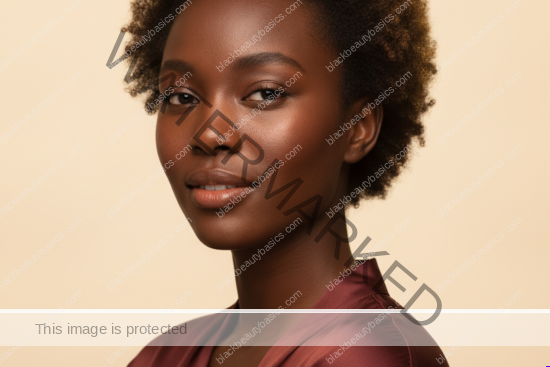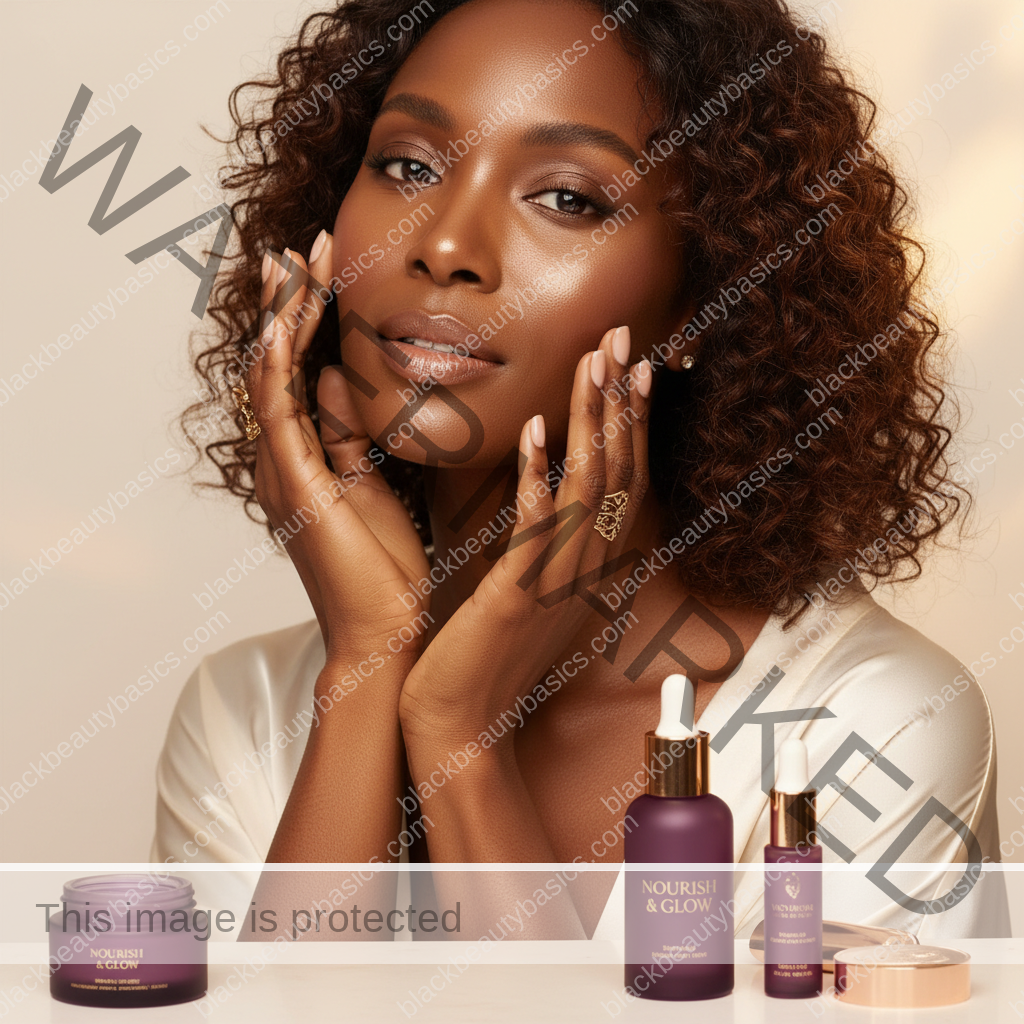
Your 30s can be the decade when skincare starts asking for more intention, not more panic. Maybe your skin feels drier than it used to. Maybe dark marks linger longer after breakouts. Maybe stress, sleep, hormones, work, parenting, caregiving, or life changes are showing up on your face in ways that feel new. Or maybe your skin is mostly fine, but you want a routine that feels more grown, steady, and protective.
For Black women and people with richly melanated skin, this decade is not about fighting time. It is about respecting what your skin has already taught you and building habits that protect tone, texture, moisture, and barrier strength. You do not need a fear-based anti-aging shelf. You need a routine that supports your actual skin, your actual schedule, and your actual budget.
This guide walks through a skincare routine for Black women in their 30s: what to keep simple, where treatments can become more intentional, how to protect melanin-rich skin from irritation, and how to choose products without overcomplicating everything. If you need the bigger structure first, start with BBB’s skincare routine design guide, then use this article as your 30s-specific plan.
What Often Changes in Your 30s
Your 30s do not come with one universal skin story. Some women still deal with acne. Some notice more dryness. Some see early fine lines, dullness, texture changes, or tone concerns. Some are pregnant, postpartum, navigating hormonal shifts, managing stress, or sleeping less than they want to. Some are simply more aware of what their skin tolerates and what it refuses.
The biggest shift is often that the skin becomes less forgiving of chaos. A harsh cleanser may leave you tight faster. A late night may show up more clearly. A product that worked in your 20s may suddenly feel too drying or too heavy. Dark marks may feel slower to fade. None of this means your skin is declining. It means your routine should become more thoughtful.
Melanin-rich skin deserves a calm approach to this decade. Too much beauty messaging frames aging as a crisis, but Black women do not need to be scared into buying products. Skin changes are normal. The goal is to support comfort, elasticity, tone, and barrier function while avoiding unnecessary inflammation.
This is also a good decade to become more precise with treatments. Instead of trying every new serum, choose treatments based on your top concern: acne, dark marks, dryness, texture, or fine lines. One intentional treatment used consistently is usually better than four products used anxiously.
Your 30s routine should still begin with the basics: cleanse, moisturize, protect. From there, you can build a more targeted plan that respects your skin’s tolerance.
What to Stop Doing in Your 30s
A more mature routine is not necessarily a bigger routine. Often, it is a routine with better boundaries.
Stop treating aging like an emergency
Aging is not a failure. Lines, texture, and facial changes are part of living. You can care about your skin without declaring war on your face. Fear-based routines often push too many actives too quickly, which can irritate melanin-rich skin and leave more marks.
Stop ignoring hydration because acne used to be your main issue
Many people who were oily or acne-prone in their teens and 20s keep using drying products long after their skin needs more support. Acne-prone skin can still be dehydrated. Oily skin can still need barrier care. If your face feels tight, dull, or rough, moisture may be part of the answer.
Stop stacking treatments without a plan
Vitamin C, retinoids, exfoliating acids, acne treatments, brightening serums, peptides, and masks can all sound useful. But they do not all need to appear in the same routine. Too many actives can create irritation, and irritation can lead to post-inflammatory hyperpigmentation. Choose one or two main treatment lanes and build slowly.
Stop skipping sunscreen because you “already have melanin”
Melanin offers some natural protection, but it does not make sunscreen irrelevant. If dark marks, uneven tone, melasma, or texture changes are part of your concern, daylight protection matters. The right sunscreen should blend and wear well on your skin tone.
Stop spending more just because you feel behind
Your 30s do not require a prestige routine. Expensive products can be lovely, but price is not proof of fit. A consistent drugstore routine can outperform a luxury shelf that irritates you or sits unused. If you are comparing options, BBB’s drugstore vs prestige skincare guide can help you focus on what actually matters.
Stop judging your routine by instant results
Hydration may improve quickly, but tone and texture often take longer. If you keep changing products every two weeks, you may never give your routine time to work. Track comfort, consistency, and fewer new irritation cycles first.
The Core Skincare Routine for Your 30s
Your 30s routine should be stable enough to repeat and flexible enough to adjust. Think of it as a baseline plus targeted support.
Morning step 1: Gentle cleanse or strategic rinse
If your skin wakes up comfortable, you may not need a full cleanse every morning. A rinse can be enough for some. If you wake up oily, sweaty, or with overnight products sitting heavily, use a gentle cleanser. The goal is fresh skin, not stripped skin.
If your cleanser leaves your face tight, shiny, or reactive, it may be too harsh. This matters because harsh cleansing can undermine every treatment you apply afterward.
Morning step 2: Antioxidant or tone-supporting serum, if tolerated
Your 30s can be a good time to use a morning serum with a clear job, such as antioxidant support or tone care. Vitamin C is one common option, but it is not mandatory and not every formula suits every person. If a serum stings repeatedly or pills under sunscreen, choose a gentler formula or move treatment to a different time.
Example category: a gentle vitamin C serum can be a useful comparison category if you want antioxidant support without chasing the strongest formula on the shelf.
Morning step 3: Moisturizer that supports the barrier
Moisturizer becomes more important when life stress, sleep shifts, climate, and treatments all affect the skin. Look for comfort, not heaviness. Some people need a gel-cream. Others need a lotion or cream with barrier-supporting ingredients. If your skin is acne-prone, choose texture carefully, but do not skip moisture altogether.
Example category: a daily moisturizer with ceramides can help you compare barrier-supportive options that are practical for everyday use.
Morning step 4: Sunscreen that you will actually wear
Sunscreen is still the anchor. Choose broad-spectrum SPF 30 or higher and prioritize a formula that does not leave a gray cast, pill, or feel unbearable. If your sunscreen keeps rolling under moisturizer or makeup, use BBB’s serum, moisturizer, and SPF layering guide.
Example category: a sunscreen for dark skin can help you compare formulas built around blend and wearability.
Evening step 1: Cleanse the day off
At night, remove sunscreen, makeup, sweat, and buildup gently. If you wear long-wear makeup, you may need a first cleanse followed by a gentle cleanser. Avoid scrubbing, especially around areas prone to dark marks.
Evening step 2: Use treatment with intention
Your evening routine is often the best place for retinoids, exfoliating acids, acne treatments, or other actives because the skin is not immediately dealing with daylight, makeup, or commute stress. But use only what your skin can tolerate. If you start a retinoid, go slowly. If you exfoliate, do not do it nightly. If your skin becomes irritated, pause and repair.
Evening step 3: Moisturize enough to recover
Treatment without barrier support is a common reason routines fail. Moisturizer helps the skin feel comfortable and can reduce the dryness that comes from actives. If your barrier feels compromised, return to basics and use BBB’s skin barrier healing guide to know when to restart treatment.
How to Target Common 30s Concerns
The strongest routine is specific. Choose your main concern and build around it.
If dark marks are the main concern
Start with preventing new inflammation. Do not pick. Do not over-exfoliate. Keep sunscreen steady. Add tone-supporting treatments slowly after your barrier is stable. Dark marks on melanin-rich skin often require patience; rushing can make the cycle worse.
If dryness is new
Review cleanser and moisturizer first. A cleanser that was fine in your 20s may now be too stripping, especially in winter, dry climates, or during stress. Add hydration and barrier support before assuming you need a full new routine.
If texture is changing
Texture can come from dehydration, dead skin buildup, acne, irritation, or normal skin changes. Do not jump straight to strong exfoliation. Make sure the barrier is calm, then consider gentle exfoliation or a retinoid if appropriate.
If acne is still active
Adult acne is common and not a failure. Keep products low-irritation and consider professional care if acne is painful, persistent, or leaving marks. A dermatologist familiar with skin of color can help you treat acne while protecting tone.
If stress is showing on your face
Skincare cannot solve every life stressor, but it can reduce extra skin stress. Keep the routine repeatable. On hard weeks, simplify instead of quitting. A basic cleanse, moisturize, and sunscreen rhythm can hold you until you have more capacity.
If you are preparing for your 40s
Your best preparation is not panic. It is consistency. Sunscreen, moisture, gentle cleansing, and thoughtful treatments help build resilience. When you are ready, BBB’s skincare routine for Black women in their 40s can show how priorities may shift next.
Frequently Asked Questions
1) What should a Black woman use on her skin in her 30s?
Start with a gentle cleanser, moisturizer, and sunscreen. Then add one or two treatments based on your actual concerns, such as acne, dark marks, dryness, or texture. The best routine is consistent and tolerable, not the most complicated. Melanin-rich skin benefits from low-irritation choices and steady protection.
2) Do I need retinol or a retinoid in my 30s?
You do not need one, but it can be useful for some people when introduced slowly and tolerated well. Retinoids may support acne, texture, and signs of aging, but they can also irritate if overused. If your skin is sensitive or hyperpigmentation-prone, go slowly and prioritize barrier support.
3) How do I fade dark marks in my 30s?
Focus on preventing new irritation first. Wear sunscreen during daylight exposure, avoid picking, treat acne gently, and do not over-exfoliate. Once your barrier is stable, consider a tone-supporting serum or professional guidance. Dark marks often fade gradually, especially on deeper skin tones.
4) Should my routine be different from my 20s?
It may need to be more intentional. The baseline stays the same, but you may pay more attention to hydration, barrier support, sunscreen consistency, and targeted treatments. If your 20s routine still works and your skin is comfortable, you do not need to change everything just because of age.
5) What if my skin suddenly feels drier in my 30s?
Check cleanser strength, climate, stress, sleep, and treatment use. You may need a gentler cleanser, richer moisturizer, or fewer drying actives. Dryness is a signal to support the barrier, not a reason to panic or buy an entirely new shelf.
6) Are expensive products better in your 30s?
Not automatically. Expensive products may offer elegant textures or packaging, but they are not always more effective or better tolerated. Choose products by function, formula fit, and consistency. A well-chosen affordable routine can be excellent.
7) When should I see a dermatologist?
See a dermatologist if acne is painful, persistent, or leaving marks; if discoloration worries you; or if irritation, dryness, or sensitivity does not improve with gentle routine changes. Professional care can help you avoid years of guessing and protect melanin-rich skin from unnecessary irritation.
What to Do Next
If you are in your 30s and your routine feels scattered, start by choosing one priority. Is it hydration? Dark marks? Acne? Texture? Sunscreen consistency? Let that answer guide your next product decision instead of letting trends decide for you.
Build from the baseline: gentle cleanse, moisturizer, sunscreen. Then add one treatment slowly. If you are coming from product overload, use the reset guide first. If layering is the problem, read the SPF layering guide. If you are comparing prices, use the drugstore vs prestige guide so your money goes where it matters.
Your 30s are not a warning sign. They are an invitation to become more discerning. Your skin deserves care that is steady, specific, and kind enough to grow with you.
Related next steps
Related posts:
 Skincare Routine for Black Women in Their 20s
 Skincare Routine for Black Women in Their 40s
 Skincare Routine for Black Women in Their 50s and Beyond
 Night Skincare Routine for Melanin-Rich Skin When You Are Too Tired for a Full Routine
 Best Minimalist Skincare Routine for Black Women Who Hate Complicated Routines
 Skincare Routine for Black Women Who Work Overnight Shifts