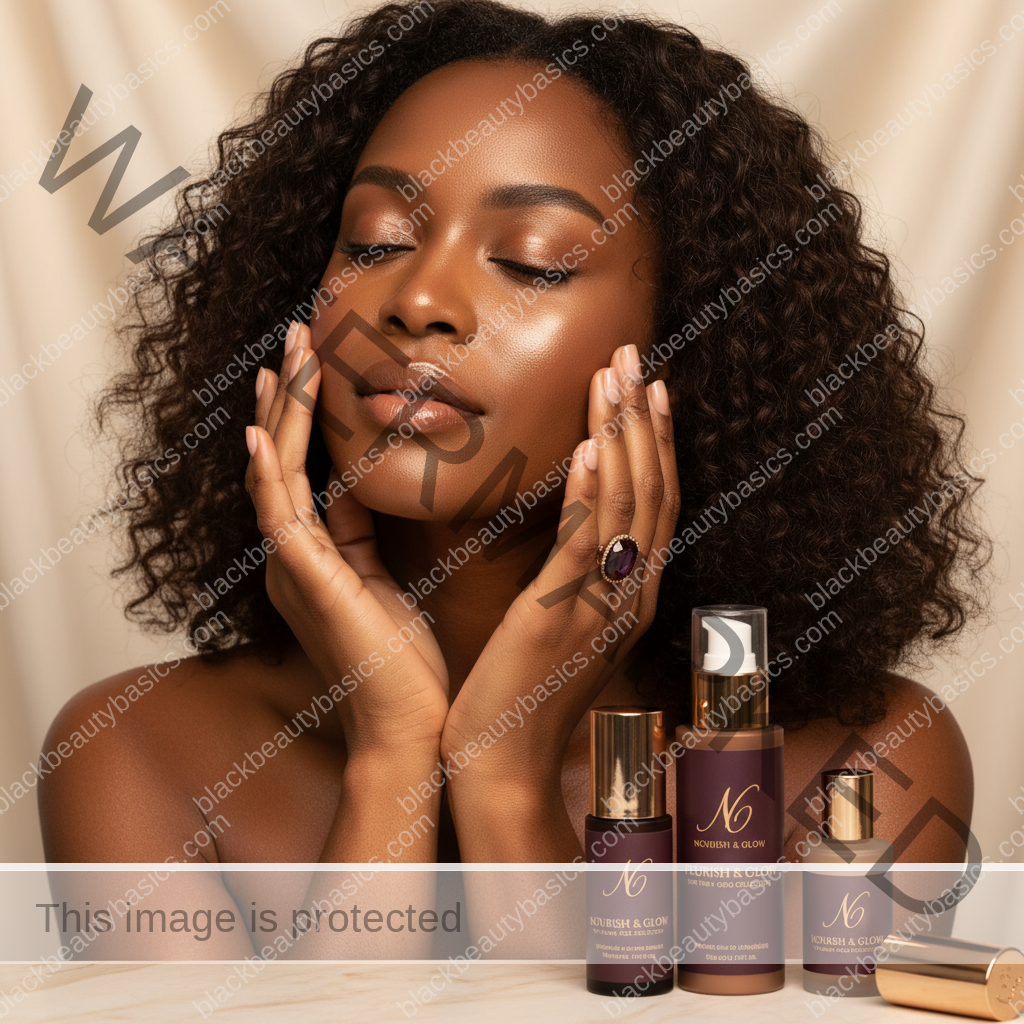
Your 20s are a loud decade for skincare. One day you are trying to build a simple routine. The next day you are being told you need actives, slugging, glass skin, barrier repair, anti-aging products, acne treatments, dark spot correctors, and a sunscreen that somehow looks invisible under makeup and survives your whole life. It is a lot.
For Black women and people with richly melanated skin, the pressure can feel even more layered. Breakouts may leave dark marks that stay longer than expected. Sunscreen advice may feel confusing because so many formulas still look gray or feel greasy on deeper skin. Trend-heavy routines may promise glow but leave your skin irritated, tight, or bumpy. And if you are on a student budget, early-career budget, or just trying to be responsible with money, the product noise can feel exhausting.
This guide is about building a skincare routine for your 20s that is steady, realistic, and melanin-aware. You do not need to do everything. You need to learn your skin, protect your barrier, keep sunscreen consistent, and avoid habits that create more irritation than progress. If you need the larger routine map, start with BBB’s skincare routine design guide, then use this article as your decade-specific foundation.
What Your Skin Often Needs in Your 20s
Your 20s are not one single skin type. Some people are still dealing with teen acne. Some are getting adult acne for the first time. Some are noticing dark marks that seem to outlast every breakout. Some are dry, sensitive, oily, combination, or all of the above depending on stress, hormones, climate, sleep, and products.
The most important skincare skill in your 20s is not owning the most advanced products. It is learning cause and effect. What happens when you use a harsh cleanser? What happens when you skip moisturizer because your face is oily? What happens when you sleep in makeup? What happens when you try three new serums in one week? These patterns teach you more than any product trend.
Melanin-rich skin deserves particular respect around inflammation. A small breakout or irritation bump can leave post-inflammatory hyperpigmentation, especially if you pick, scrub, or over-treat it. That means the goal is not only clearing active breakouts. It is also preventing the cycle of irritation that creates longer-lasting marks.
This is also the decade where sunscreen consistency becomes a major foundation. Not because you need fear-based aging talk. Not because Black skin is fragile. But because daylight exposure can make dark marks and uneven tone more stubborn. A sunscreen that blends well and feels wearable on your skin tone is not a luxury. It is part of protecting your progress.
Your 20s routine should be flexible enough for late nights, early mornings, workouts, travel, changing climates, protective styles, makeup, and budget shifts. You need a routine that can survive real life. That usually means simple structure first, targeted treatments second, and trends last.
What to Stop Doing in Your 20s
A good routine is not only about what you add. It is also about what you stop repeating.
Stop trying every trend immediately
Curiosity is normal. But when every trend becomes a purchase, your skin never gets a stable baseline. If a routine changes every week, you cannot tell what is helping, what is irritating, or what is just expensive. Trends can give ideas, but they should not run your face.
Stop treating acne like a personal failure
Breakouts are common in your 20s. Hormones, stress, sleep, makeup, hair products, friction, and genetics can all contribute. Acne does not mean you are dirty or careless. The goal is to manage it without creating extra irritation, picking, or shame.
Stop skipping sunscreen because formulas have disappointed you
It is fair to be frustrated with sunscreen. Many formulas have historically ignored deeper skin tones. But skipping SPF because one product looked gray gives that product too much power. Keep looking for a formula that works with your skin, not against it.
Stop using harsh products to “catch up”
There is no skincare deadline you missed. Strong exfoliants, drying acne products, and aggressive routines can create more inflammation if your skin is not ready. If a routine makes your face burn and your anxiety spike, pause.
Stop buying before you know the job
Every product should have a job. Cleanser removes buildup. Moisturizer supports comfort. Sunscreen protects from daylight. A treatment targets one concern. If you cannot name the job, wait before buying. This habit saves money and protects your barrier.
Stop comparing your skin to filtered faces
Your real skin has pores, texture, oil, hair follicles, and changing tone. A filtered image is not a skincare goal. It is an edited image. Let your routine be built around your face in real light.
The Core Routine for Black Women in Their 20s
Your routine does not need to be complicated to be strong. Start with the baseline: cleanse, moisturize, protect. Then add treatment only when the baseline feels stable.
Morning step 1: Cleanse gently or rinse with intention
If your skin wakes up oily, sweaty, or covered in overnight products, use a gentle cleanser. If it wakes up comfortable and balanced, a rinse may be enough. The key is how your skin feels afterward. It should not feel tight, shiny in a stripped way, or uncomfortable.
Example category: a gentle face cleanser is useful when your current cleanser leaves your skin tight or reactive. Compare options by comfort, not foam level.
Morning step 2: Moisturize even if you are oily
Oily skin can still need moisture. Acne-prone skin can still need barrier support. If moisturizer always feels heavy, switch texture instead of skipping it. A light lotion or gel-cream may be enough. In dry climates or winter, you may need more cushion. Your moisturizer should make your skin feel steady, not coated.
Example category: a lightweight face moisturizer can be a practical option if heavy creams make you greasy or if skipping moisturizer leaves you tight.
Morning step 3: Use sunscreen you can actually wear
Sunscreen is one of the best habits to build in your 20s, especially if dark marks are a concern. Choose broad-spectrum SPF 30 or higher, and prioritize a finish that works on your complexion. If it looks gray, pills, or feels unbearable, try a different formula. The right sunscreen should not make you dread the last step.
Example category: a sunscreen for dark skin can help you compare options designed with cast and blend in mind.
Evening step 1: Remove the day fully but gently
If you wore sunscreen, makeup, sweat, or long-wear products, remove them at night. This does not mean scrubbing until your face feels raw. It means cleansing enough that your skin is not sleeping under residue. If you wear makeup, consider a gentle first cleanse or makeup remover followed by a mild cleanser if needed.
Evening step 2: Moisturize and let the skin recover
Your night routine does not need to be glamorous. It needs to help the skin recover from the day. Moisturizer is especially important if you use acne treatments, exfoliants, or live in a dry climate. Barrier support is not optional just because you are young.
Optional step: Add one treatment at a time
If you have acne, dark marks, texture, or uneven tone, a treatment may help. But add one at a time. Do not start exfoliating acid, retinoid, vitamin C, niacinamide, and spot treatment all in the same week. If your skin becomes irritated, you will not know why. If your routine is already chaotic, use BBB’s routine reset guide before adding more.
How to Handle Common 20s Skin Concerns
Your 20s routine should respond to your actual concerns, not a generic checklist.
If breakouts are your main concern
Keep the routine low-irritation. Use a gentle cleanser, light moisturizer, sunscreen, and one acne-focused treatment if your skin tolerates it. Avoid picking. Avoid layering every acne product you can find. If acne is painful, persistent, or leaving marks that distress you, see a dermatologist. Early support can prevent years of trial-and-error frustration.
If dark marks are your main concern
Start with prevention. That means reducing new breakouts and irritation, not picking, and wearing sunscreen during daylight exposure. Brightening treatments can be useful, but they work best when the barrier is calm. Dark marks fade more slowly when the skin is constantly inflamed.
If your skin is oily and ashy
This combination is common and confusing. Your skin may have surface oil while still needing hydration. Do not respond by stripping harder. Use gentle cleansing and lightweight moisture. BBB’s oily-and-ashy skin routine can help if this is your pattern.
If your routine keeps pilling
Pilling usually means texture, timing, or amount is off. Use thinner layers, wait briefly between moisturizer and sunscreen, and simplify the products underneath SPF. BBB’s layering guide for serum, moisturizer, and SPF goes deeper on this.
If you hate complicated routines
You do not need a complicated routine to have cared-for skin. A minimalist routine can still be effective if it is consistent. Start with cleanser, moisturizer, and sunscreen, then add only what has a clear purpose. The minimalist skincare routine is a good next read.
If your budget is tight
Prioritize daily-use basics first. Do not spend all your money on a serum if your cleanser strips you and your sunscreen is unwearable. A budget routine can be smart, elegant, and protective. The goal is not to own more. The goal is to choose better.
How Your 20s Routine Sets Up Your 30s
You do not need to fear aging in your 20s. Aging is not a failure. But habits built now can make future skincare easier. Consistent sunscreen, gentle cleansing, barrier support, and avoiding unnecessary irritation can help your skin stay more resilient over time.
This does not mean you need an “anti-aging” shelf. It means you are learning to care for your skin with less drama. You are learning not to burn your barrier for short-term smoothness. You are learning not to chase every trend. You are learning that dark marks deserve patience and protection. Those are skills that matter in every decade.
When you move into your 30s, your routine may shift. You may care more about texture, dryness, fine lines, or treatment consistency. But the foundation is the same: cleanse kindly, moisturize thoughtfully, protect daily, and treat one concern at a time. If you want to see how the next decade shifts, read BBB’s skincare routine for Black women in their 30s.
Frequently Asked Questions
1) What is the best skincare routine for Black women in their 20s?
The best routine is simple and consistent: gentle cleanser, moisturizer, sunscreen in the morning, and gentle cleansing plus moisturizer at night. Add one targeted treatment only if you have a clear concern like acne, dark marks, or texture. The routine should fit your budget, climate, and lifestyle.
2) Do I really need sunscreen in my 20s?
Yes, if you are exposed to daylight. Sunscreen helps protect your skin and can help prevent dark marks from becoming more stubborn. This is not about fear or trying to stop time. It is about protecting melanin-rich skin from avoidable irritation aftermath and uneven tone.
3) Should I start anti-aging products in my 20s?
You do not need to panic-buy anti-aging products. Focus first on sunscreen, moisture, and not irritating your skin. If you want to use a retinoid or other treatment, introduce it slowly and make sure your barrier is stable. Aging is normal; prevention should not become anxiety.
4) How do I treat dark marks from acne?
Start by preventing new breakouts and irritation. Do not pick, keep sunscreen consistent, and avoid harsh exfoliation. Once your barrier is calm, you can consider a tone-supporting treatment. If marks are severe, persistent, or affecting your confidence, a dermatologist familiar with skin of color can help.
5) Is it bad to use products I see trending online?
Not automatically. A trend can introduce you to a useful ingredient or texture. The problem is trying too many trends too quickly or using products that do not fit your skin. Test one product at a time and keep your baseline steady.
6) What if I cannot afford a full routine?
Start with the essentials: cleanser, moisturizer, and sunscreen. You can add treatments later. A simple routine done consistently is better than an expensive routine you cannot maintain. Do not let product culture convince you that care only counts when it is costly.
7) When should I see a dermatologist?
See a dermatologist if acne is painful, cystic, persistent, or leaving dark marks that feel hard to manage. Also seek care for ongoing irritation, rashes, severe sensitivity, or discoloration that worries you. Professional help can save time, money, and emotional stress.
What to Do Next
If you are in your 20s and your routine feels chaotic, do not start by buying five more products. Start by writing down your current cleanser, moisturizer, sunscreen, and any treatments. Ask what each one is doing. If you cannot name the job, pause before adding more.
Build your baseline first. Then choose one concern to address. If you hate long routines, read the minimalist routine. If product overload has already happened, use the reset guide. If sunscreen or moisturizer keeps pilling, go to the layering guide. Your 20s are not a deadline. They are a training ground for learning your skin with patience.
Your face is allowed to change while you figure it out. You are not behind. You are building the kind of relationship with your skin that can carry you into every decade with more clarity and less shame.
Related next steps
Related posts:
 Skincare Routine for Black Women in Their 30s
 Skincare Routine for Black Women in Their 40s
 Skincare Routine for Black Women in Their 50s and Beyond
 Night Skincare Routine for Melanin-Rich Skin When You Are Too Tired for a Full Routine
 Best Minimalist Skincare Routine for Black Women Who Hate Complicated Routines
 Skincare Routine for Black Women Who Work Overnight Shifts