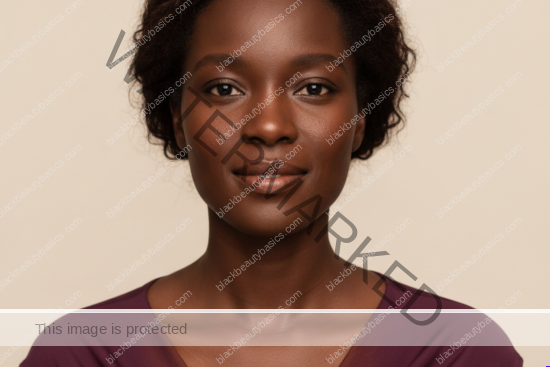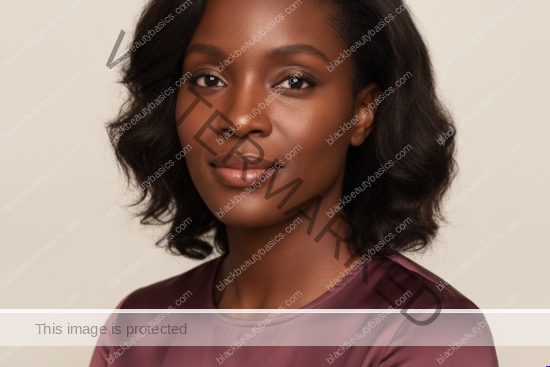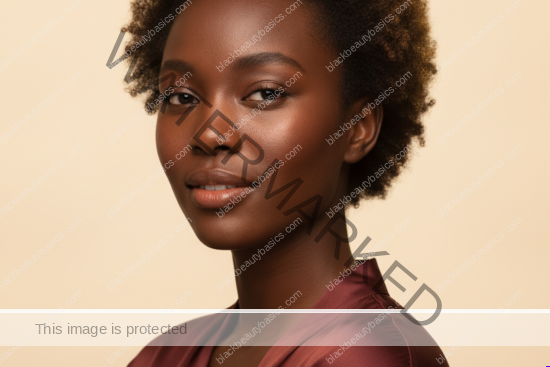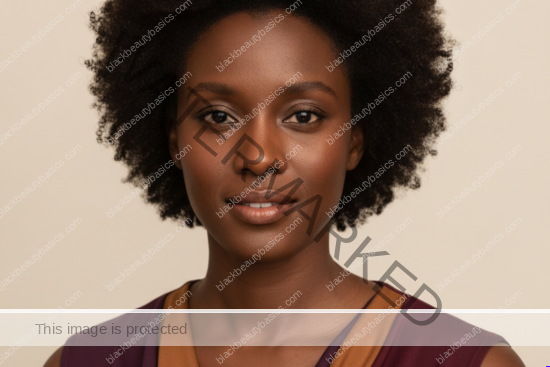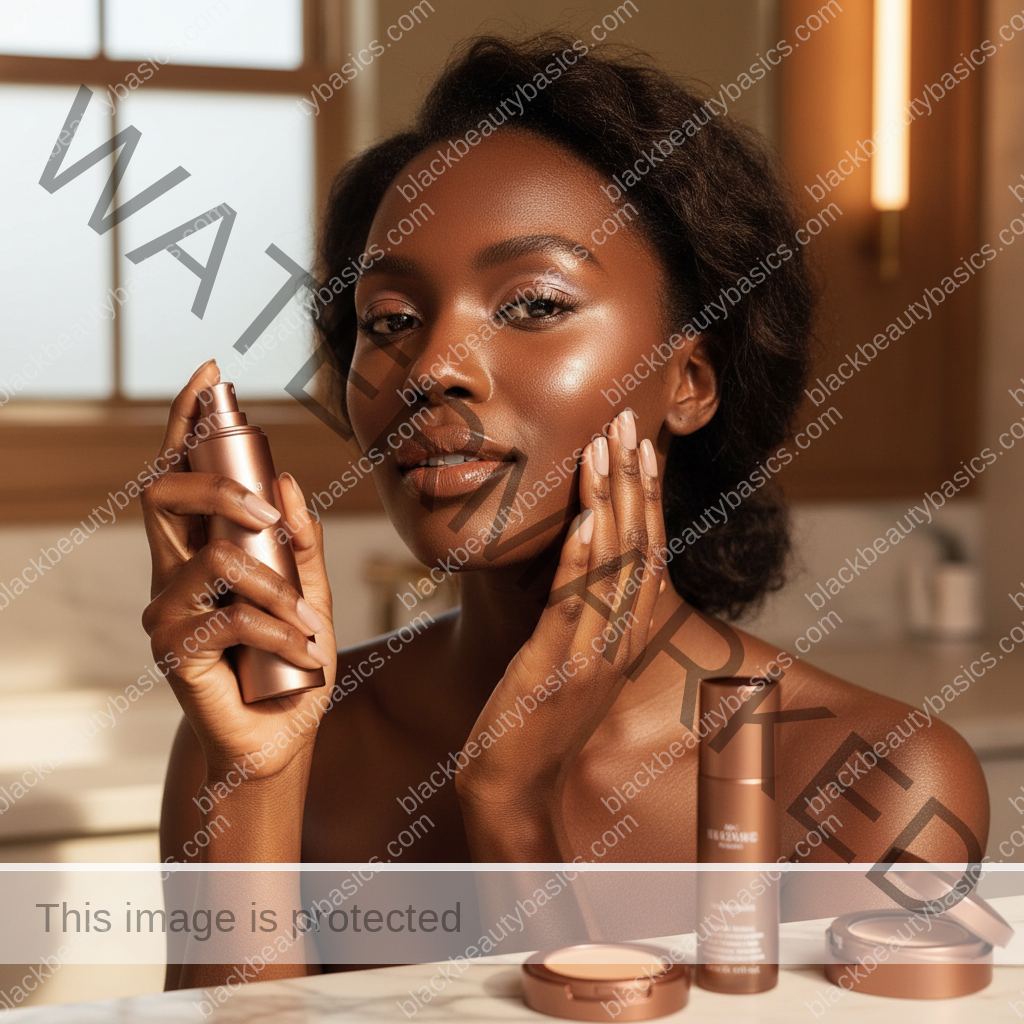
For the woman of color, our melanin is a crown, a rich tapestry of resilience and beauty. Yet, even the most radiant complexions require unwavering protection from the sun’s embrace, a truth often overlooked when our faces are adorned with artistry. Reapplying sunscreen over a perfectly beat face can feel like a daunting task, a delicate dance between preservation and perfection, but it is an essential ritual for maintaining the health and luminosity of our precious skin.
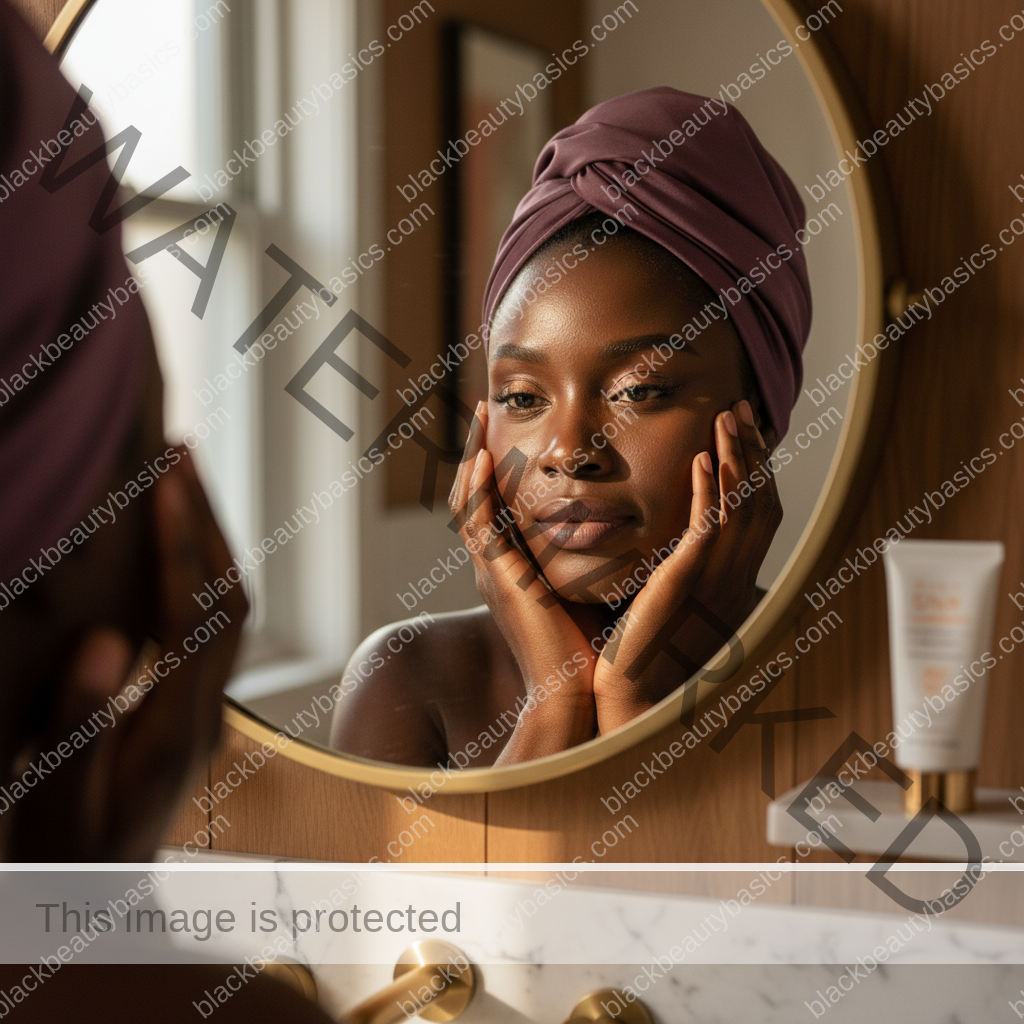
The Unyielding Necessity: Why Sunscreen is Non-Negotiable for Deep Skin
There’s a persistent myth that deep skin tones are naturally immune to sun damage. This misconception, while comforting, is dangerously untrue. While our melanin provides a natural SPF of approximately 13-15, it is not a complete shield. We are still susceptible to the sun’s harmful UVA and UVB rays, which can lead to premature aging, hyperpigmentation, and, most critically, skin cancer.
Dispelling the Myths: Melanin and Sun Protection
Melanin, the pigment responsible for our beautiful complexions, does offer some inherent protection. It acts as a natural filter, absorbing and scattering UV radiation. However, this protection is insufficient for prolonged sun exposure. For women of color, sun damage often manifests as:
- Hyperpigmentation: Dark spots, melasma, and post-inflammatory hyperpigmentation (PIH) are common concerns, often exacerbated by sun exposure. Sunscreen is your best defense against these stubborn marks.
- Premature Aging: Fine lines, wrinkles, and loss of elasticity can still affect deep skin tones, even if they appear later than in lighter skin. UV radiation breaks down collagen and elastin, accelerating the aging process.
- Skin Cancer: Though less common, skin cancer in people of color is often diagnosed at later, more advanced stages, making it more dangerous. Regular sunscreen use is a vital preventative measure.
Understanding these realities underscores the critical importance of consistent sun protection, not just on beach days, but every single day. And for those days when your makeup is a masterpiece, knowing how to reapply sunscreen without disruption is an art form in itself.
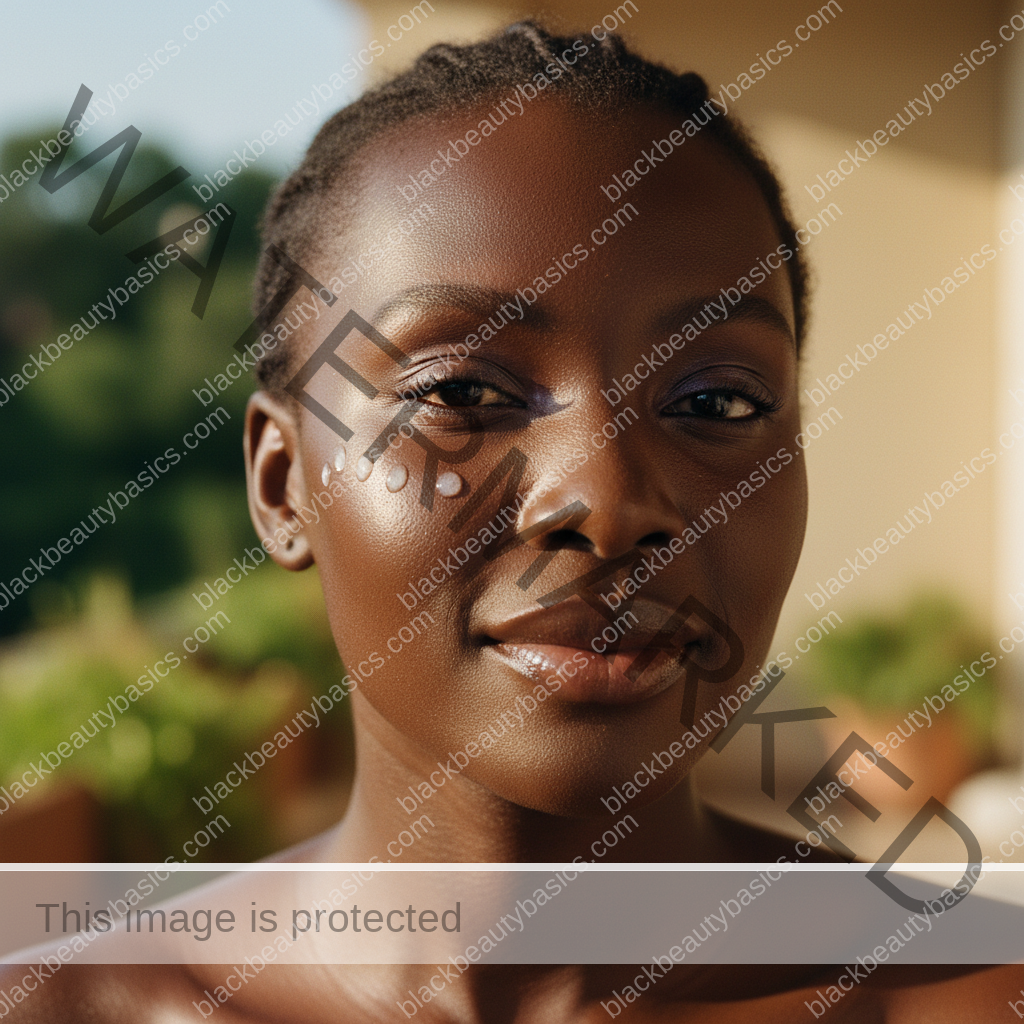
The Challenge: Reapplying Over Makeup Without Disruption
The dilemma is real: you’ve spent time perfecting your foundation, concealer, blush, and highlight. The thought of disturbing that flawless finish with a thick layer of sunscreen can be disheartening. Traditional cream sunscreens can smudge, streak, or pill, leaving your makeup looking less than pristine. But fear not, for the beauty industry has evolved, offering sophisticated solutions tailored for this very challenge.
Common Pitfalls of Sunscreen Reapplication Over Makeup
- Pilling: When products rub together and form small, unsightly balls on the skin.
- Streaking/Smudging: Disrupting foundation or blush, leaving uneven patches.
- Greasy Finish: Adding an unwanted sheen or heavy feel to the skin.
- White Cast: A persistent concern for deep skin tones, where some mineral sunscreens leave a ghostly residue.
Our goal is to bypass these pitfalls entirely, ensuring your skin remains protected and your makeup remains impeccable. The secret lies in choosing the right products and mastering the application technique.
Shop Sunscreen for Deep Skin on Amazon
The Arsenal: Best Sunscreen Formulations for Reapplication on Deep Skin
When it comes to reapplying sunscreen over makeup, not all formulations are created equal. We’re looking for lightweight, non-comedogenic options that blend seamlessly and leave no trace of a white cast. Here are the top contenders:
1. Sunscreen Sprays & Mists
Perhaps the most convenient option, sunscreen sprays and mists offer a fine, even layer of protection without requiring direct contact with your face. They are excellent for a quick refresh throughout the day.
- Pros: Easy to apply, minimal disruption to makeup, often feel refreshing.
- Cons: Can be difficult to ensure adequate coverage (you need to apply generously), some may contain alcohol which can be drying for some skin types.
Application Tip: Hold the bottle 6-8 inches away from your face, close your eyes and mouth, and spray in a circular motion for several seconds until your skin glistens. Allow it to dry completely without rubbing. You may need to blot excess with a tissue if it feels too wet.
Shop Sunscreen Sprays for Face on Amazon
2. Sunscreen Powders
Mineral sunscreen powders are a godsend for those who prefer a matte finish or need to control oil throughout the day. They provide a physical barrier of protection while also setting makeup.
- Pros: Mattifying, excellent for oily skin, easy to touch up, no white cast if formulated correctly.
- Cons: Can sometimes settle into fine lines if over-applied, may not provide as robust protection as a cream if not applied generously.
Application Tip: Use a large, fluffy brush to gently dust the powder over your face, focusing on areas prone to sun exposure. Start with a small amount and build up if needed. Many come with built-in brushes for convenience.
Shop Mineral Sunscreen Powder on Amazon
3. Sunscreen Sticks
Sunscreen sticks offer targeted application and are fantastic for on-the-go touch-ups. They are often emollient and can provide a dewy finish.
- Pros: Portable, mess-free, great for precise application on high points of the face (forehead, nose, cheekbones).
- Cons: Can sometimes feel heavy or greasy, may disturb makeup if not applied gently.
Application Tip: Gently swipe the stick directly onto areas like the forehead, nose, and cheekbones. Then, lightly tap and blend with your fingertips or a beauty sponge to melt it into the skin without dragging your makeup.
Shop Sunscreen Stick for Face on Amazon
4. Tinted Sunscreen & SPF-Infused Setting Sprays
While not strictly for reapplication, tinted sunscreens can be a great base, and SPF-infused setting sprays can offer a boost of protection. For reapplication, a sheer tinted sunscreen applied sparingly can work, but proceed with caution.
- Pros: Offers a bit of coverage, setting sprays can refresh makeup.
- Cons: Tinted sunscreens can be tricky to reapply without looking cakey; SPF in setting sprays is often too low to be primary protection.
Application Tip for SPF Setting Sprays: Use as you would a regular setting spray, holding 8-10 inches away and misting evenly. Remember, these are often supplemental, not primary sun protection.
Shop SPF Setting Spray on Amazon
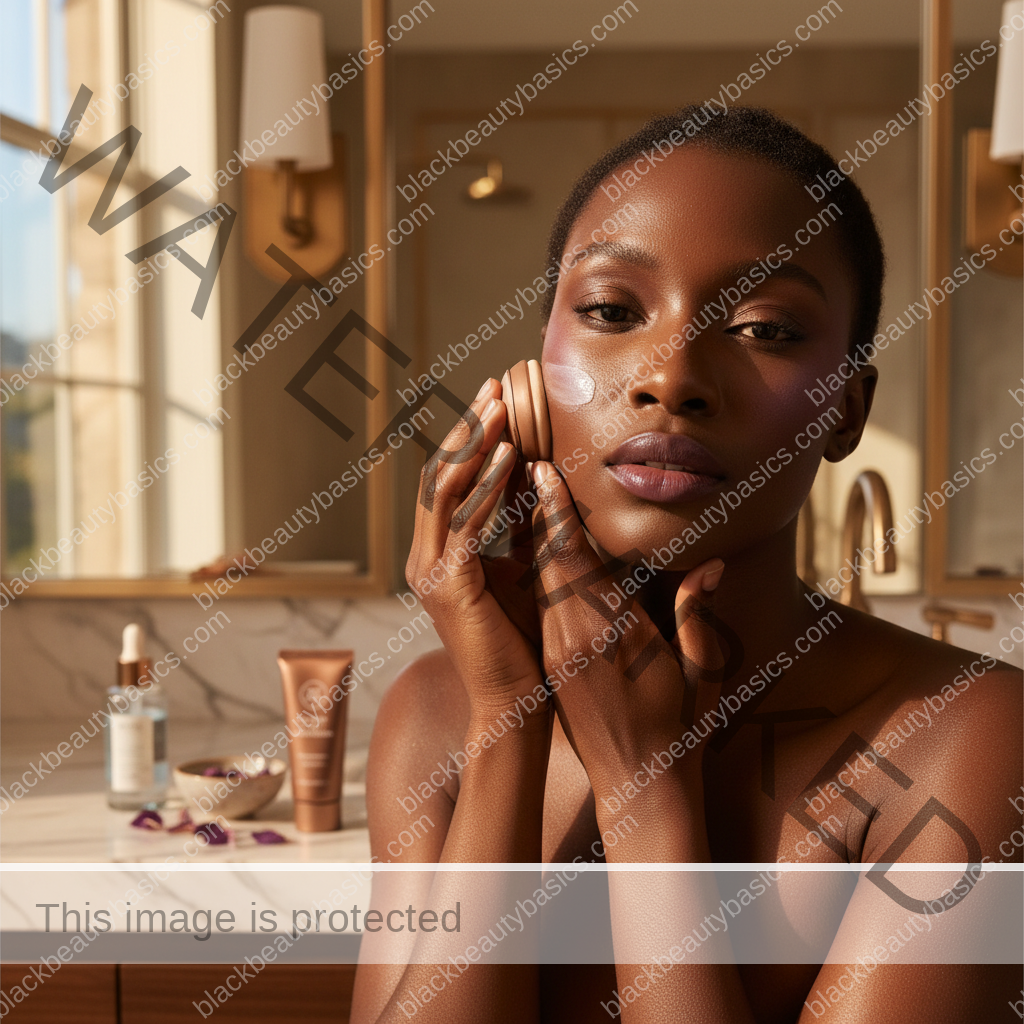
The Art of Reapplication: Step-by-Step Techniques
Mastering the reapplication process is about technique as much as it is about product choice. Here’s how to ensure your skin stays protected and your makeup stays flawless.
Technique 1: The Sunscreen Mist Method
- Blot First (Optional but Recommended): If your skin is oily or dewy, gently blot any excess oil with a blotting paper or tissue. This creates a smoother canvas for the mist. Shop Oil Blotting Papers on Amazon
- Shake Well: Ensure your sunscreen mist is thoroughly shaken to evenly distribute the active ingredients.
- Close Eyes and Mouth: This is crucial to prevent irritation and ingestion.
- Spray Generously: Hold the bottle 6-8 inches from your face. Spray in a continuous, circular motion for several seconds until your skin appears visibly damp or glistening. Don’t be shy – you need a good amount for effective protection.
- Allow to Dry: Resist the urge to rub! Let the mist air dry completely. This usually takes a minute or two.
- Touch Up (If Needed): If any areas look a little disturbed, gently tap with a clean beauty sponge or your fingertips.
Technique 2: The Sunscreen Powder Method
- Prep Your Brush: If your powder doesn’t have a built-in brush, load a large, fluffy powder brush with the sunscreen powder. Tap off any excess.
- Gentle Application: Lightly dust the powder all over your face, using gentle, sweeping motions. Focus on areas that get the most sun exposure (forehead, nose, cheekbones, chin).
- Build Coverage: For more protection, you can apply a second, sheer layer. The goal is even coverage, not a thick, cakey finish.
- Check for Evenness: Ensure there are no visible streaks or patches. The powder should blend seamlessly with your makeup.
Technique 3: The Sunscreen Stick & Sponge Method
- Swipe Gently: Lightly swipe the sunscreen stick directly onto the high points of your face – across the forehead, down the bridge of the nose, and along the tops of your cheekbones. Avoid heavy dragging.
- Tap and Blend: Immediately after swiping, use a clean, damp beauty sponge or your fingertips to gently tap and press the product into your skin. This melts the stick sunscreen into your makeup without smudging.
- Repeat for Other Areas: Work in small sections to ensure even blending.
- Set (Optional): If you prefer a more matte finish, you can lightly dust a translucent setting powder over the areas where you applied the stick. Shop Translucent Setting Powder for Deep Skin on Amazon
General Rule of Thumb: Reapply sunscreen every two hours, or more frequently if swimming or sweating excessively. Consistency is key to true protection.
Comparison: Sunscreen Reapplication Methods
Choosing the right method depends on your skin type, makeup preference, and lifestyle. Here’s a quick comparison:
| Method | Best For | Key Benefit | Potential Drawback | Makeup Finish |
|---|---|---|---|---|
| Sunscreen Mist | All skin types, especially normal to dry | Quick, refreshing, minimal disruption | Can be hard to gauge coverage | Natural to dewy |
| Sunscreen Powder | Oily to combination skin, matte preference | Mattifying, sets makeup, controls shine | Can settle into lines if over-applied | Matte to satin |
| Sunscreen Stick | Normal to dry skin, targeted protection | Portable, precise, hydrating | Can feel heavy, may disturb makeup if not gentle | Dewy to natural |
Beyond the Face: Don’t Forget Your Neck, Chest, and Hands
While our focus is often on facial protection, the sun’s rays don’t discriminate. Your neck, décolletage, and hands are equally susceptible to sun damage and are often the first areas to show signs of aging. Extend your reapplication ritual to these often-neglected areas.
- Neck and Chest: Use the same mist, powder, or stick methods. Sprays are particularly convenient for these broader areas.
- Hands: A sunscreen stick or a small dab of cream sunscreen (if not wearing hand makeup) can be easily rubbed in. Keep a travel-sized hand cream with SPF in your bag. Shop Hand Cream with SPF on Amazon
Additional Sun Protection Tips for the Discerning Woman
Sunscreen is your primary defense, but a holistic approach ensures maximum protection.
- Seek Shade: Especially during peak sun hours (10 AM to 4 PM).
- Wear Sun-Protective Clothing: Wide-brimmed hats and UV-blocking clothing offer an excellent physical barrier. Shop Wide Brim Sun Hat for Women on Amazon
- Sunglasses: Protect your delicate eye area and prevent squinting, which can lead to fine lines. Shop UV Protection Sunglasses for Women on Amazon
- Hydrate: Keep your skin healthy from the inside out.
Curated Product Recommendations for Deep Skin Tones
Navigating the vast world of sunscreens can be overwhelming. Here are some categories and features to look for, ensuring no white cast and a luxurious feel.
Key Features to Look For:
- Broad-Spectrum SPF 30+: Protects against both UVA (aging) and UVB (burning) rays.
- No White Cast: Crucial for deep skin tones. Look for formulations specifically designed for invisible finish. Chemical sunscreens are generally white-cast free, but many newer mineral formulations also blend beautifully.
- Non-Comedogenic: Won’t clog pores, especially important when layering over makeup.
- Oil-Free/Lightweight: Prevents a greasy feel and pilling.
- Water-Resistant: If you’ll be sweating or near water.
Tip List: Choosing Your Reapplication Sunscreen
- For Oily Skin/Matte Finish: Opt for mineral sunscreen powders or lightweight, oil-free mists.
- For Dry Skin/Dewy Finish: Sunscreen sticks or hydrating mists can replenish moisture while protecting.
- For Sensitive Skin: Look for mineral-based powders or mists with zinc oxide and titanium dioxide, often gentler than chemical filters.
- For On-the-Go: Sticks and compact powders are ideal for purse-friendly touch-ups.
- For Full Coverage Makeup: Mists are usually the safest bet to avoid disruption.
Shop Best Sunscreen for Dark Skin (No White Cast) on Amazon
FAQ: Your Sunscreen Reapplication Questions Answered
Q1: How often should I reapply sunscreen over makeup?
A1: The general recommendation is every two hours, especially if you’re outdoors. If you’re indoors all day, you might get away with reapplying less frequently, but it’s always safer to stick to the two-hour rule, particularly if you’re near windows or screens that emit blue light.
Q2: Will reapplying sunscreen ruin my makeup?
A2: Not if you use the right products and techniques! Sunscreen mists, powders, and sticks are specifically designed to minimize disruption. The key is gentle application and allowing products to dry fully without rubbing.
Q3: Can I just use an SPF setting spray for reapplication?
A3: While SPF setting sprays can offer a boost of protection, they typically do not provide sufficient standalone sun protection for reapplication. The amount of SPF you get from a light mist is often too low, and it’s difficult to apply enough to reach the stated SPF on the bottle. Think of them as supplemental, not primary, sun protection.
Q4: What if I have oily skin and my makeup gets shiny before reapplication?
A4: Blotting papers are your best friend! Gently press blotting papers over shiny areas to absorb excess oil before reapplying sunscreen. Then, opt for a mattifying sunscreen powder or a lightweight, oil-free mist.
Q5: Are mineral or chemical sunscreens better for reapplication over makeup on deep skin?
A5: Both can work beautifully. Chemical sunscreens are often thinner and blend invisibly, making them great for mists. Mineral sunscreens (zinc oxide, titanium dioxide) are excellent in powder form and can be formulated to be sheer. The most important factor is choosing a product that leaves no white cast and has a texture suitable for layering.
Q6: Can I use a regular cream sunscreen for reapplication if I’m careful?
A6: It’s generally not recommended. Even with extreme care, a cream sunscreen is likely to disturb your makeup, leading to smudging, streaking, or a cakey appearance. Stick to mists, powders, or sticks for the best results.
Q7: What SPF level should I look for in a reapplication sunscreen?
A7: Always aim for broad-spectrum SPF 30 or higher. This ensures adequate protection against both UVA and UVB rays, which are responsible for aging, burning, and skin cancer.
A8: Some mists can feel a bit tacky initially. Ensure you’re holding the bottle far enough away (6-8 inches) for a fine mist, and allow it to air dry completely. If it still feels sticky, a very light dusting of translucent setting powder can help to mitigate the tackiness without disturbing your makeup.
Embracing the ritual of sunscreen reapplication is an act of self-love, a commitment to preserving the exquisite canvas that is your skin. With the right tools and techniques, you can confidently navigate your day, knowing your melanin-rich beauty is not only celebrated but also impeccably protected. Let this be a seamless, empowering addition to your daily regimen, ensuring your radiance shines brilliantly, always.
Choose Reapplication by the Day You Are Actually Having
There is no single perfect way to reapply sunscreen over makeup. A workday near windows may need a different method than an outdoor event, a beach day, or a sweaty commute. Deep skin also has the added frustration of formulas that can leave cast, disturb foundation, or gather around texture. That does not mean reapplication is impossible. It means you need a small menu of options.
A sunscreen stick can work well for cheeks, forehead, and nose when you can press and blend. A mist is easy, but it still needs enough product and even coverage. A powder can reduce shine, but it should be treated as a touch-up support, not your only sun protection for a full day outdoors. If your dark spots are active, be honest about exposure and choose the method that gives the most coverage you will realistically use.
Quick decision guide
- Light indoor day: touch up areas near windows or after a lunch walk.
- Outdoor errands: use a stick or lotion touch-up where coverage matters most.
- Full sun day: plan for a real reapplication, not just powder.
- Makeup-heavy day: press product on gently with clean hands or a sponge.
What to do next
Keep this SPF step connected to the rest of the Sunscreen for Dark Skin series. The goal is not a perfect routine that only works on quiet days. The goal is a sunscreen habit that still works with makeup, sweat, body care, texture preferences, and real Black women’s lives.
- daily sunscreen routine with makeup
- sunscreen sticks and texture choices
- tinted versus clear sunscreen on dark skin
Build a reapplication plan before your makeup is already on
The easiest sunscreen reapplication routine is the one you decide on before the day gets busy. If you wait until your makeup is finished, your bag is packed, and you are already in the car, every option feels annoying. A better approach is to choose one reapplication method for regular days, one for long outdoor days, and one emergency option for the days you forget. That does not mean carrying a full vanity with you. It means knowing what tool fits the day you are actually living.
For a regular office, errands, or school day, many readers do well with a cushion-style SPF, a sunscreen stick used carefully over the high points of the face, or a lightweight fluid patted in with clean hands. The goal is not to drag product across foundation. Patting, pressing, and working in thin layers usually protects the makeup better than rubbing. Around the nose, temples, forehead, cheekbones, and upper lip, take your time. These are the areas that often get the most daylight and the most makeup separation.
For long outdoor days, treat reapplication as part of the event, not as a beauty failure. A brunch patio, a beach day, a festival, a walking tour, or a youth sports afternoon is not the same as sitting away from windows. In those situations, makeup may need to become a little more flexible. A softly blurred base with less powder can be easier to refresh than a full matte beat that cracks when another layer touches it. You can still look polished; you are simply choosing a face that can be maintained.
If your skin is acne-prone or reactive, the reapplication step is also where hygiene matters. Wipe the outside of compacts and sticks, avoid pressing a dirty sponge into active breakouts, and wash reusable puffs often. Sunscreen is protective, but the applicator can still move oil, sweat, and old makeup around if it never gets cleaned. This is one reason a small pack of clean cosmetic wedges or a washable puff can be more useful than trying to make one sponge last all week.
Choose your reapplication lane
- Light makeup: press a fluid SPF over moisturizer or skin tint, then reset only where needed.
- Fuller makeup: use a cushion, stick, or mist as support, then touch up shine with powder after the SPF has settled.
- Outdoor days: plan for less fragile makeup and more deliberate reapplication every couple of hours.
- Sensitive skin: keep the number of products low, patch test new SPF formats, and avoid fragrance-heavy refresh sprays near the eyes.
Make reapplication feel normal, not embarrassing
One of the quiet reasons people skip reapplication is social pressure. Pulling out sunscreen in the middle of a workday, a date, a cookout, or a family event can feel like you are doing too much, especially if you were raised to think Black skin did not need that kind of protection. But caring for your skin in public is not vain. It is a practical habit, the same way touching up lip balm, blotting shine, or fixing a scarf is practical. The more normal you make it for yourself, the less dramatic it feels.
If you know you feel self-conscious, choose a method that fits your personality. A compact can feel more discreet than a tube. A stick may feel easier in the car or at a park. A fluid may be best when you have a clean restroom and a few quiet minutes. None of those options are morally better. The best reapplication method is the one you will actually use without turning the whole day into a skincare performance.
Keep your expectations human, too. Some reapplication days will look seamless, and some will look a little lived-in. That is normal. The win is not preserving a perfect face at all costs; the win is protecting deep skin while still moving through your day with ease.
Related next steps
Related posts:
 When and How to Reapply SPF on Dark Skin During Real Days
 Daily Sunscreen Routine for Black Women Who Wear Makeup
 Face Sunscreen Under Makeup on Melanin-Rich Skin
 How Sunscreen Finish Works With Makeup on Dark Skin
 Choosing Coverage Levels and Finishes for Deep Skin: Your Guide to Intentional Base Makeup
 Auditing Your Makeup Collection for Deep-Skin Hero Products