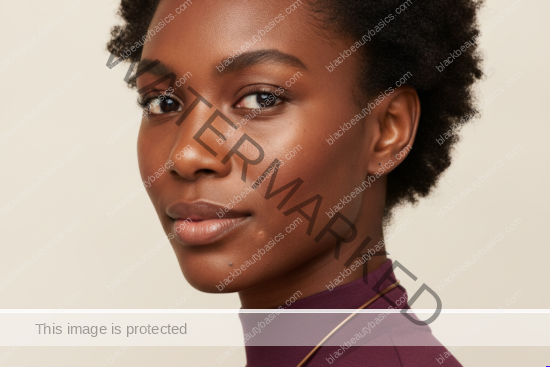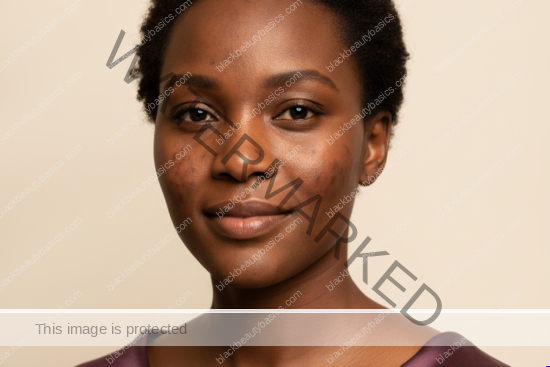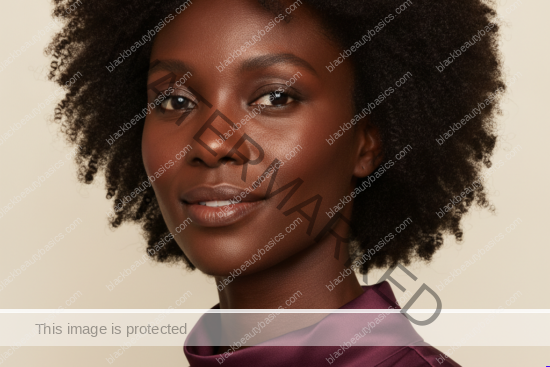
In the vibrant tapestry of Black beauty, our melanin is a crown, a testament to resilience and radiance. Yet, even the most exquisite crown requires diligent care, especially when it comes to the sun’s powerful embrace. For the discerning Black woman who adorns her face with makeup daily, the question isn’t if sunscreen is necessary, but how to seamlessly weave this vital step into her beauty ritual without compromise.
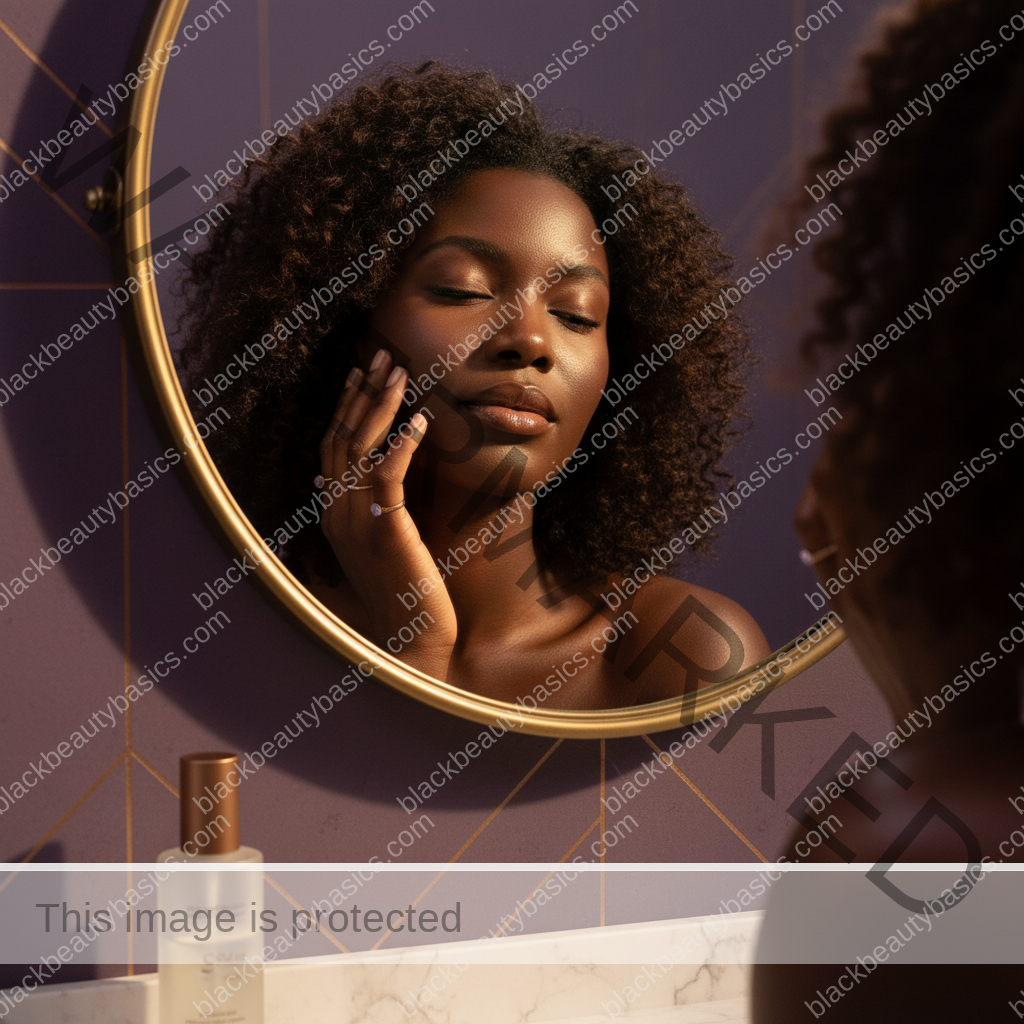
This is not merely about preventing sunburn; it’s about preserving the luminosity, evenness, and youthful vitality of our skin, safeguarding against hyperpigmentation, and ensuring our beauty truly endures. Join us as we unveil the definitive guide to a flawless daily sunscreen routine, tailored for the woman who demands both protection and perfection.
The Undeniable Truth: Sunscreen is Non-Negotiable for Melanin-Rich Skin
For too long, a pervasive myth has lingered – that melanin acts as a complete shield against the sun’s harmful rays. While our skin does possess a natural SPF of approximately 13.4, offering some inherent protection, it is far from impervious. The reality is, Black skin is susceptible to sun damage, and often, the visible consequences manifest differently, making consistent sun protection even more critical.
Beyond Sunburn: Understanding Sun Damage in Black Skin
While fair skin might show sun damage through redness and peeling, melanin-rich skin often tells a different story. The primary concerns for us are:
- Hyperpigmentation: Sun exposure is a major trigger for post-inflammatory hyperpigmentation (PIH) and melasma. Those dark spots and uneven patches that can linger for months or even years? The sun often plays a starring role in their appearance and persistence.
- Premature Aging: UV radiation breaks down collagen and elastin, leading to fine lines, wrinkles, and a loss of firmness over time. While our skin may show these signs later than lighter skin tones, they are not immune.
- Skin Cancer: Though less common in Black individuals, skin cancer, including melanoma, can be more aggressive and diagnosed at later stages due to delayed detection. Sunscreen significantly reduces this risk.
- Compromised Skin Barrier: Chronic sun exposure can weaken the skin’s natural barrier, leading to increased sensitivity, dryness, and a diminished ability to retain moisture.
Embracing sunscreen daily is an act of profound self-care, a commitment to the long-term health and radiance of your skin. It’s about empowering your complexion to thrive, unburdened by preventable damage.
Decoding Sunscreen: Mineral vs. Chemical & What to Look For
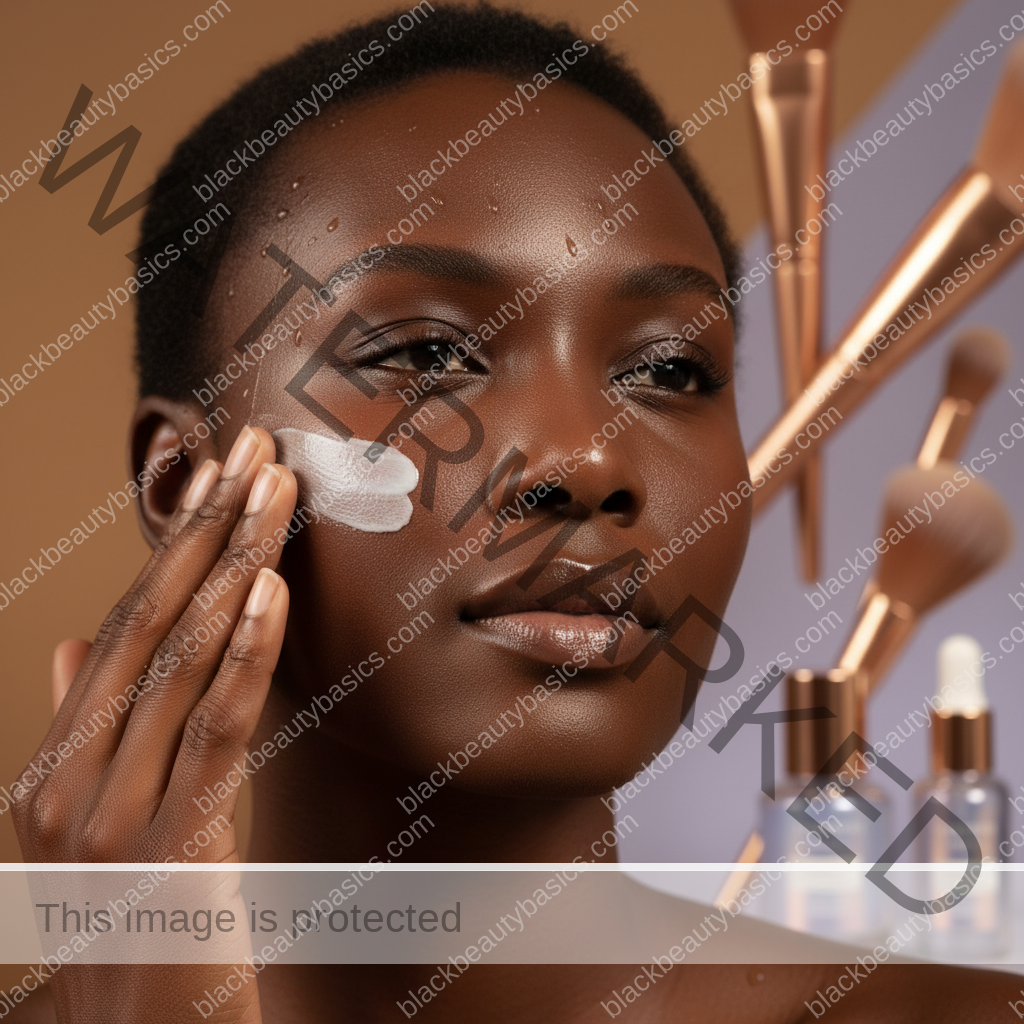
The world of sunscreens can feel overwhelming, but understanding the two main types – mineral and chemical – is key to finding your perfect match, especially when makeup is involved.
Mineral Sunscreens: The Physical Blockers
Also known as physical sunscreens, these formulas use zinc oxide and/or titanium dioxide to create a physical barrier on the skin’s surface, reflecting UV rays away. They are often recommended for sensitive skin due to their gentle nature.
Pros for Black Skin:
- Gentle: Less likely to cause irritation or breakouts.
- Immediate Protection: Effective immediately upon application.
- Broad-Spectrum: Both zinc oxide and titanium dioxide offer broad-spectrum protection against UVA and UVB rays.
Cons for Black Skin:
- White Cast: Traditional mineral sunscreens can leave a noticeable white or ashy cast, especially on darker skin tones. However, micronized or tinted formulas have significantly improved this.
- Thicker Texture: Can sometimes feel heavier or take longer to blend.
Chemical Sunscreens: The Absorbers
Chemical sunscreens contain organic compounds like avobenzone, oxybenzone, octinoxate, and octisalate. These ingredients absorb UV radiation, convert it into heat, and release it from the skin.
Pros for Black Skin:
- No White Cast: Generally blend seamlessly into all skin tones without leaving a residue.
- Lighter Texture: Often feel lighter and more cosmetically elegant, making them ideal under makeup.
Cons for Black Skin:
- Potential Irritation: Some individuals, especially those with sensitive skin, may experience irritation or allergic reactions to certain chemical filters.
- Wait Time: Need about 15-20 minutes to fully activate before sun exposure.
- Environmental Concerns: Some chemical filters (like oxybenzone and octinoxate) have raised environmental concerns regarding coral reefs, leading to “reef-safe” alternatives.
Hybrid Sunscreens: The Best of Both Worlds
Many modern formulations now combine both mineral and chemical filters, aiming to offer the benefits of both – broad-spectrum protection, a lighter feel, and minimal to no white cast. These are often excellent choices for daily wear under makeup.
Key Sunscreen Terminology to Know
- SPF (Sun Protection Factor): Primarily measures protection against UVB rays (the ones that cause sunburn). For daily use, aim for SPF 30 or higher. SPF 30 blocks about 97% of UVB rays; SPF 50 blocks about 98%.
- Broad Spectrum: Essential! This indicates protection against both UVA (aging rays) and UVB (burning rays). UVA rays contribute to premature aging and skin cancer.
- PA Rating: Often seen on Asian sunscreens, PA++++ indicates the highest level of UVA protection.
- Water-Resistant: Important if you’ll be sweating or swimming, but still needs reapplication every 40-80 minutes.
- Non-Comedogenic: Won’t clog pores, crucial for acne-prone skin.
- Oil-Free/Matte Finish: Ideal for oily skin types or those who prefer a less dewy look under makeup.
- Tinted: Can help neutralize any potential white cast and offer a light coverage.
Choosing Your Sunscreen: A Comparison
| Feature | Mineral Sunscreen | Chemical Sunscreen | Hybrid Sunscreen |
|---|---|---|---|
| Active Ingredients | Zinc Oxide, Titanium Dioxide | Avobenzone, Oxybenzone, Octinoxate, etc. | Combination of mineral and chemical filters |
| Mechanism | Reflects UV rays | Absorbs UV rays, converts to heat | Both reflects and absorbs |
| White Cast Potential | High (traditional), Low (micronized/tinted) | Very Low to None | Low to None |
| Texture | Often thicker, can be creamy | Usually lighter, serum-like | Varies, often lightweight |
| Application Time | Immediate protection | Needs 15-20 mins to activate | Immediate protection (due to mineral component) |
| Sensitivity | Generally good for sensitive skin | Can cause irritation for some | Generally well-tolerated |
| Best For | Sensitive skin, those avoiding chemicals | Daily wear, seamless blend under makeup | All skin types, excellent under makeup |
Ultimately, the “best” sunscreen is the one you will use consistently. Experiment to find a formula that feels good on your skin, doesn’t interfere with your makeup, and provides the protection you need.
The Art of Layering: Your Daily Sunscreen & Makeup Routine
Integrating sunscreen into a makeup routine doesn’t have to be a battle. It’s an art, a strategic layering that ensures maximum protection without compromising your flawless finish. Here’s how to master it:
Step 1: The Foundation of Skincare
Before any sunscreen or makeup touches your face, ensure your skin is prepped and hydrated. This creates a smooth canvas and helps all subsequent products apply seamlessly.
- Cleanse: Start with a gentle cleanser to remove impurities and prepare your skin. Shop Gentle Facial Cleansers on Amazon
- Tone (Optional): If you use a toner, apply it now to balance your skin’s pH. Shop Hydrating Toners on Amazon
- Serum: Apply any targeted serums (Vitamin C for brightening, hyaluronic acid for hydration, etc.). Allow them to fully absorb. Shop Vitamin C Serums on Amazon
- Moisturize: This is crucial. A well-hydrated face allows sunscreen to spread more evenly. Choose a lightweight, non-greasy moisturizer. Allow it to absorb completely, about 5 minutes, before moving to the next step. Shop Lightweight Facial Moisturizers on Amazon
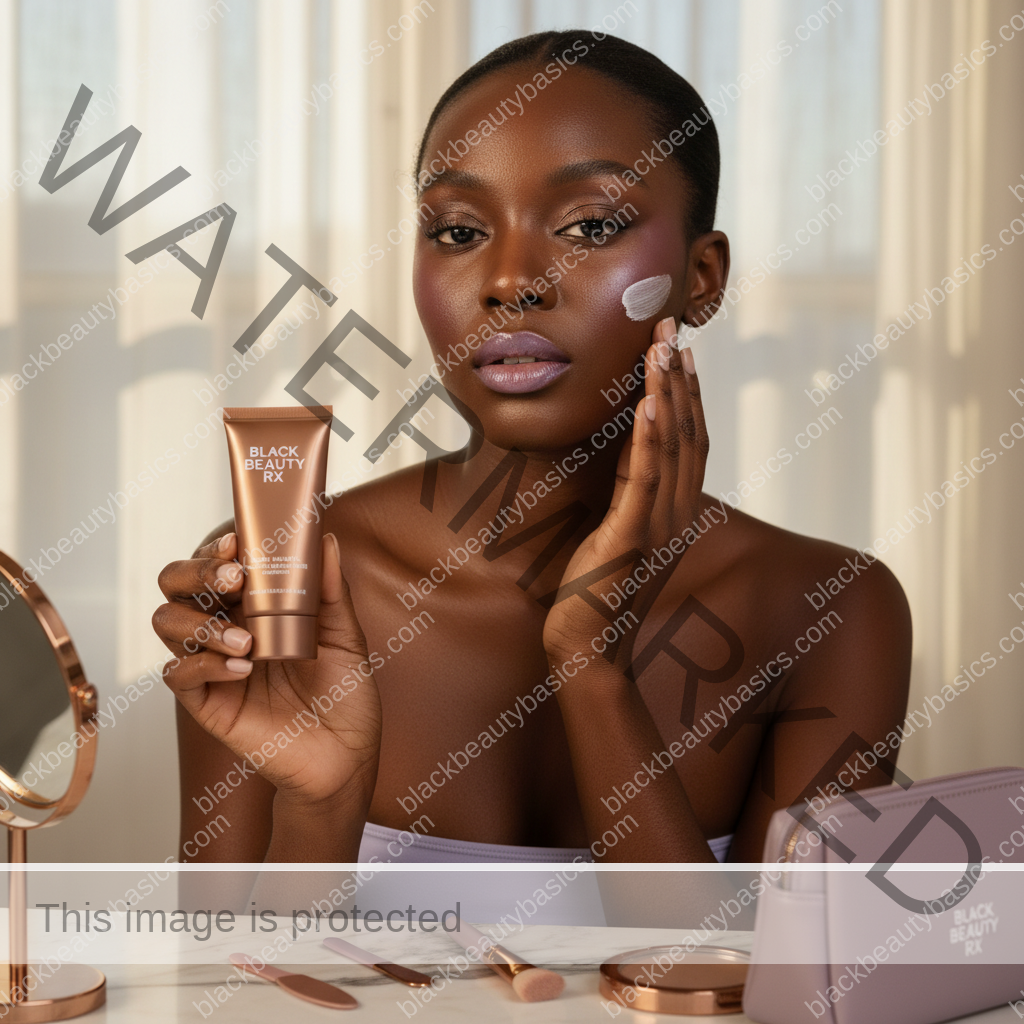
Step 2: The Star of the Show – Your Sunscreen Application
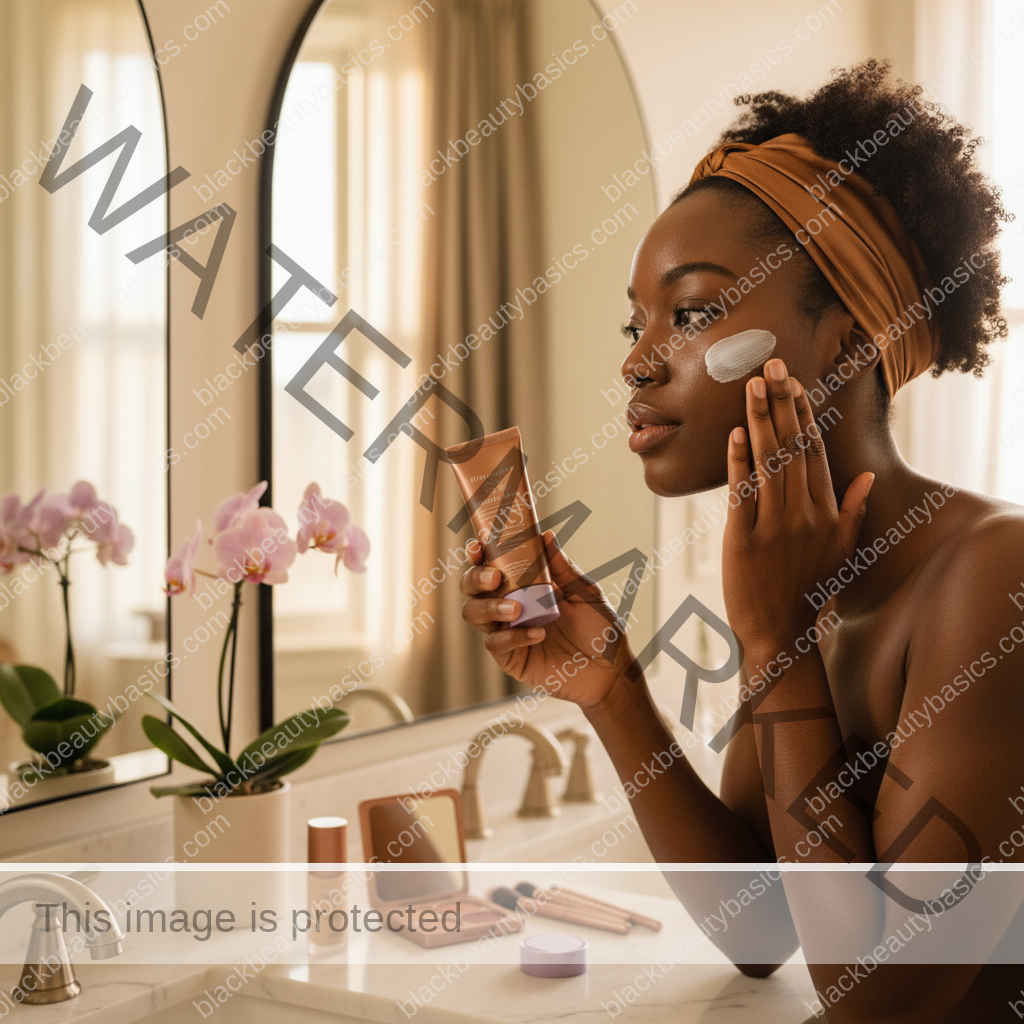
This is where the magic happens. Apply your chosen broad-spectrum SPF 30+ sunscreen generously. The general rule of thumb is a “two-finger length” amount for your face and neck.
- Dispense: Squeeze a line of sunscreen down your index and middle fingers.
- Dot: Distribute small dots of sunscreen evenly across your face and neck.
- Blend: Gently massage the sunscreen into your skin using upward and outward motions. Ensure full coverage, paying attention to areas often missed like the hairline, ears, and neck.
- Wait: This is a critical step, especially with chemical sunscreens. Allow your sunscreen to fully absorb and set for at least 5-10 minutes before applying makeup. This prevents pilling, ensures even protection, and allows your makeup to sit beautifully.
Step 3: Makeup Application – The Flawless Finish
Once your sunscreen has settled, you can proceed with your makeup routine as usual. The key is gentle application to avoid disturbing the sunscreen layer.
- Primer (Optional but Recommended): A good primer can create an additional barrier, smooth texture, and help makeup last longer. Choose one that complements your skin type (hydrating, mattifying, pore-filling). Shop Makeup Primers on Amazon
- Foundation/Tinted Moisturizer: Apply your base product gently. If using a brush or sponge, dab or press rather than dragging, which can disrupt the sunscreen. Consider a foundation with added SPF for an extra layer of protection, but remember it shouldn’t replace your primary sunscreen application. Shop Foundation for Dark Skin on Amazon
- Concealer, Powder, etc.: Continue with your regular makeup routine. Shop Concealer for Dark Skin on Amazon | Shop Setting Powder for Dark Skin on Amazon
- Setting Spray: A setting spray can lock everything in place and often adds a refreshed look. Shop Makeup Setting Sprays on Amazon
Reapplication: The Often-Forgotten, Yet Crucial Step
Applying sunscreen once in the morning is a great start, but it’s not enough for all-day protection, especially if you’re spending time outdoors. Sunscreen efficacy diminishes over time due to sweat, oil, friction, and environmental factors.
When and Why to Reapply
- Every Two Hours: If you’re outdoors, swimming, or sweating heavily.
- Every 3-4 Hours: For typical indoor days with some sun exposure (e.g., near windows, short walks).
- After Sweating/Swimming: Immediately after towel-drying.
Reapplication Over Makeup: The Modern Solutions
This is often the biggest hurdle for makeup wearers. Thankfully, beauty brands have innovated solutions that make reapplication over a full face of makeup surprisingly easy.
Reapplication Methods:
- Sunscreen Setting Sprays: These are perhaps the most convenient. Hold the bottle 6-8 inches from your face and spray evenly until your face is visibly damp. Allow to dry. Look for non-aerosol options for better coverage and environmental impact. Shop Sunscreen Setting Sprays on Amazon
- Sunscreen Sticks: Great for targeted reapplication on high points of the face (cheeks, forehead, nose) without disturbing makeup too much. Gently dab or swipe the stick and then lightly pat with a clean sponge or fingertips. Shop Sunscreen Sticks on Amazon
- Powder Sunscreens: Mineral powder sunscreens come with a built-in brush and can be dusted over makeup. They also help mattify and reduce shine. Ensure you apply a generous amount for adequate protection. Shop Powder Sunscreens on Amazon
- Tinted Sunscreen Cushions/Sponges: Some brands offer compacts with tinted sunscreen that can be lightly patted over makeup for both reapplication and a touch-up. Shop Tinted Sunscreen Cushions on Amazon
- Lightweight Liquid Sunscreens (The Dab Method): For the truly dedicated, you can carefully dab a very small amount of a lightweight liquid sunscreen onto a damp beauty sponge and gently press it onto your skin, focusing on areas that need it most. This requires a light hand.
Tips for Seamless Reapplication Over Makeup
- Blot First: If your skin is oily or sweaty, gently blot with a tissue or blotting paper before reapplying sunscreen to prevent a greasy look. Shop Blotting Papers on Amazon
- Less is More (Initially): When using sprays or powders, start with a moderate amount and build up if needed.
- Pat, Don’t Rub: Always pat or press products gently over makeup to avoid smudging or lifting your base.
- Don’t Forget the Neck & Chest: Extend reapplication to these often-neglected areas.
Common Sunscreen & Makeup Challenges for Black Skin & How to Solve Them
While the benefits are clear, navigating sunscreen with makeup can present specific challenges for melanin-rich skin. Here’s how to overcome them:
Challenge 1: The Dreaded White Cast
This is arguably the most significant barrier for Black women adopting mineral sunscreens. The zinc oxide and titanium dioxide can leave a ghostly, ashy film.
Solutions:
- Tinted Mineral Sunscreens: Many brands now offer mineral sunscreens with a universal or range of tints designed to blend seamlessly into darker skin tones. Shop Tinted Mineral Sunscreens for Dark Skin on Amazon
- Micronized or Nanoparticle Formulas: These mineral sunscreens use finely milled particles that are less likely to leave a white cast.
- Chemical Sunscreens: If mineral options consistently fail, a well-formulated chemical sunscreen is an excellent alternative for a truly invisible finish.
- Layering with Makeup: A foundation with good coverage can often mask a very subtle white cast, but it’s better to start with a sunscreen that blends well.
Challenge 2: Pilling or Balling Up Under Makeup
When products don’t play well together, they can clump and roll off the skin.
Solutions:
- Allow Absorption Time: This is paramount. Give each layer (serum, moisturizer, sunscreen) ample time to fully absorb and dry before applying the next.
- Product Compatibility: Ensure your skincare and makeup products have similar bases (e.g., water-based with water-based, oil-based with oil-based). Mixing can sometimes lead to pilling.
- Light Layers: Apply thinner layers of each product.
- Application Technique: Gently patting or pressing products into the skin is better than rubbing, which can cause pilling.
- Exfoliation: Regular, gentle exfoliation can prevent product buildup and create a smoother canvas. Shop Gentle Exfoliators on Amazon
Challenge 3: Excess Shine or Greasiness
Some sunscreens, especially those with a dewy finish, can make oily skin appear even shinier under makeup.
Solutions:
- Matte or Oil-Free Sunscreens: Look for formulas specifically labeled “matte,” “oil-free,” or “for oily skin.” Shop Matte Sunscreens for Oily Skin on Amazon
- Powder Sunscreens for Reapplication: These are excellent for mattifying throughout the day while providing sun protection.
- Mattifying Primer: Apply a mattifying primer after sunscreen and before foundation. Shop Mattifying Primers on Amazon
- Setting Powder: Use a translucent or skin-tone setting powder strategically on oily areas after foundation.
- Blotting Papers: Keep blotting papers handy for touch-ups throughout the day.
Challenge 4: Breakouts or Clogged Pores
Some sunscreens can be heavy or contain ingredients that trigger acne.
Solutions:
- Non-Comedogenic Formulas: Always look for sunscreens labeled “non-comedogenic,” meaning they are formulated not to clog pores.
- Oil-Free Options: These are generally lighter and less likely to cause breakouts.
- Patch Test: If you’re prone to breakouts, patch test new sunscreens on a small area of your face for a few days before full application.
- Double Cleansing: At the end of the day, thoroughly remove all sunscreen and makeup with a double cleanse (oil-based cleanser followed by a water-based cleanser) to prevent residue buildup. Shop Oil Cleansers on Amazon | Shop Water-Based Cleansers on Amazon
Curated Product Recommendations for Black Skin Under Makeup
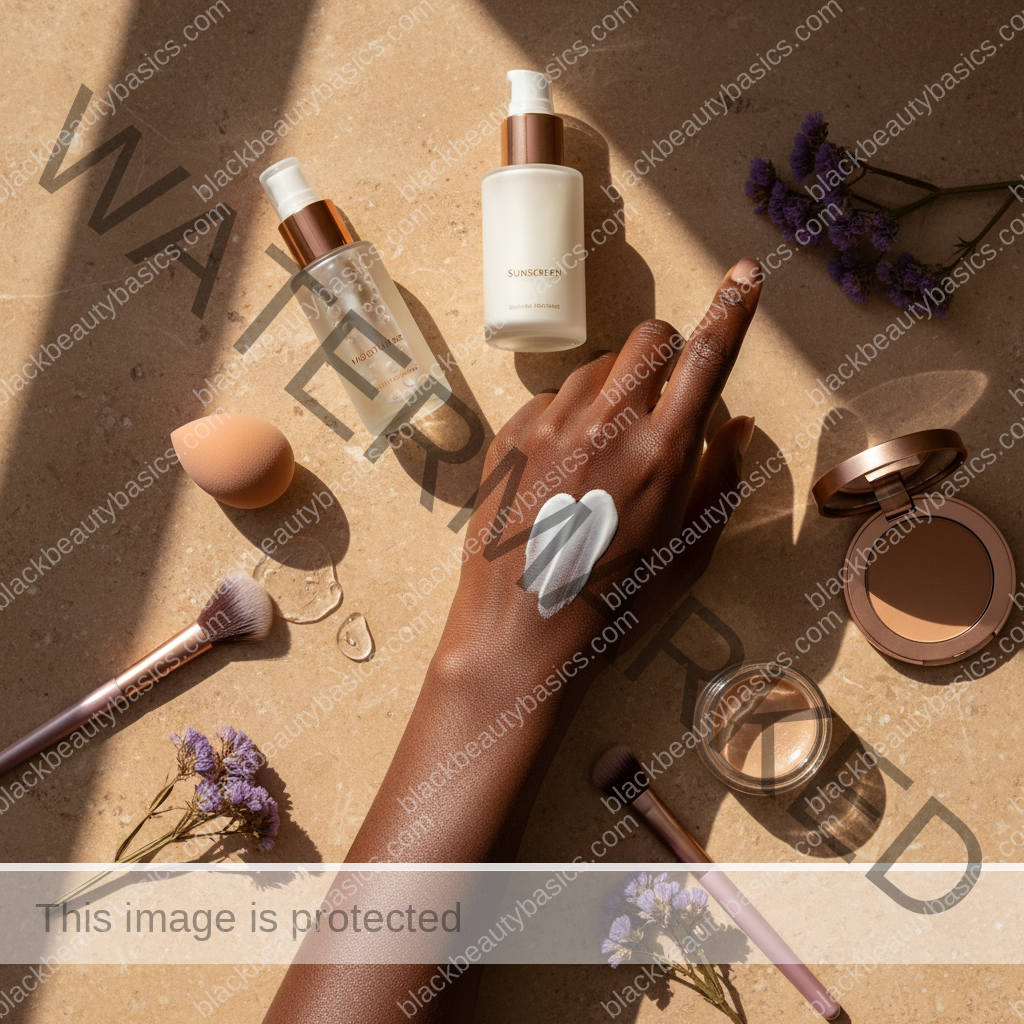
Finding the right products is half the battle. Here are some highly-regarded options that consistently perform well on melanin-rich skin and under makeup, minimizing white cast and pilling:
Top Picks for Seamless Sunscreen Application
| Product Type | Recommended Features for Black Skin | Why It Works Under Makeup |
|---|---|---|
| Chemical Sunscreens (Invisible Finish) | Lightweight, fast-absorbing, broad-spectrum SPF 30-50+ | Blends seamlessly, no white cast, often acts like a primer, excellent for daily wear. |
| Tinted Mineral Sunscreens | Micronized zinc oxide/titanium dioxide, diverse shade range, SPF 30-50+ | Neutralizes white cast, offers light coverage, good for sensitive skin, physical barrier. |
| Hybrid Sunscreens (Chemical + Mineral) | Light texture, broad-spectrum SPF 30-50+, non-comedogenic | Combines benefits of both, often cosmetically elegant, good protection with minimal fuss. |
| Sunscreen Primers | SPF 30-50+, blurring, hydrating or mattifying properties | Streamlines routine, provides sun protection and makeup grip in one step. |
| Sunscreen Setting Sprays (Reapplication) | Fine mist, SPF 30-50+, non-aerosol, refreshing feel | Easy reapplication over makeup, no disruption, often mattifying or hydrating. |
| Sunscreen Sticks (Reapplication/Touch-ups) | Clear or lightly tinted, non-greasy, portable, SPF 30-50+ | Targeted reapplication, minimal makeup disturbance, convenient for on-the-go. |
Remember, product preferences are deeply personal. What works for one may not work for another. Always consider your skin type, concerns, and desired finish when selecting your sunscreen. Don’t be afraid to invest in samples or travel sizes to test before committing to a full-size product.
FAQ: Your Sunscreen & Makeup Questions Answered
Q1: Can I rely on the SPF in my foundation or moisturizer?
A: While SPF in makeup and moisturizers offers some protection, it’s generally not enough. To achieve the stated SPF on the label, you’d need to apply a much thicker layer than most people typically use for makeup. Always use a dedicated broad-spectrum sunscreen (SPF 30+) as your primary protection, then consider SPF in makeup as a bonus layer.
Q2: How much sunscreen should I apply to my face and neck?
A: The recommended amount for adequate protection is about a “two-finger length” of sunscreen for your face and neck. This is roughly 1/4 teaspoon or a nickel-sized dollop. Most people apply far less than this, significantly reducing the effective SPF.
Q3: Do I need sunscreen indoors, especially if I’m near a window?
A: Yes! UVA rays, which contribute to aging and skin cancer, can penetrate windows. If you spend significant time near a window (at home, in the office, or driving), daily sunscreen application is still crucial. Only UVB rays are largely blocked by standard window glass.
Q4: Will sunscreen make my makeup look greasy or cause flashback in photos?
A: Modern sunscreens have come a long way. To avoid greasiness, choose matte or oil-free formulas. For flashback, mineral sunscreens (especially those with high titanium dioxide) can sometimes cause it due to light reflection. Chemical sunscreens are less likely to cause flashback. Tinted mineral sunscreens or those with micronized particles also minimize this effect. Always test new sunscreens in different lighting conditions if photography is a concern.
Q5: What’s the best way to remove sunscreen and makeup at the end of the day?
A: Double cleansing is highly recommended. Start with an oil-based cleanser or balm to break down sunscreen, makeup, and impurities. Follow with a gentle water-based cleanser to thoroughly clean your skin without stripping it. This ensures all residue is removed, preventing clogged pores and breakouts.
Q6: Does sunscreen expire?
A: Yes, sunscreen does expire. Most sunscreens have an expiration date printed on the packaging. If not, a general rule of thumb is that sunscreen is good for about three years from the date of purchase. Expired sunscreen may not provide adequate protection, so it’s essential to replace it. Store sunscreen in a cool, dry place away from direct sunlight and extreme temperatures to maintain its efficacy.
Q7: Can I mix my sunscreen with my foundation or moisturizer?
A: It’s generally not recommended to mix sunscreen directly with your foundation or moisturizer. Doing so can dilute the sunscreen, reducing its effectiveness and compromising the SPF. It’s best to apply sunscreen as a separate, dedicated layer after your moisturizer and before your makeup to ensure you’re getting the full protection.
A: While there aren’t specific ingredients to avoid *only* for Black skin, those prone to hyperpigmentation should be mindful of ingredients that can cause irritation, as irritation can trigger PIH. This includes certain fragrances, essential oils, or high concentrations of chemical filters if your skin is sensitive. Opt for fragrance-free, hypoallergenic, and non-comedogenic formulas. For mineral sunscreens, ensure they are tinted or micronized to avoid a white cast.
The Enduring Radiance of Protected Melanin
To embrace a daily sunscreen routine is to embrace a legacy of enduring beauty, to honor the rich canvas of your skin with the ultimate protection. It is a subtle yet powerful act of self-love, ensuring that your vibrant complexion remains a testament to health, resilience, and timeless elegance. Let your melanin shine, protected and proud, knowing that every layer, from serum to setting spray, is working in harmony to preserve your unparalleled glow.
Elevate your beauty ritual with this essential step, and watch as your skin thanks you with a luminosity that truly lasts. Discover your perfect sunscreen on Amazon today and step into the sun with confidence and grace.
How to Make SPF and Makeup Work Together
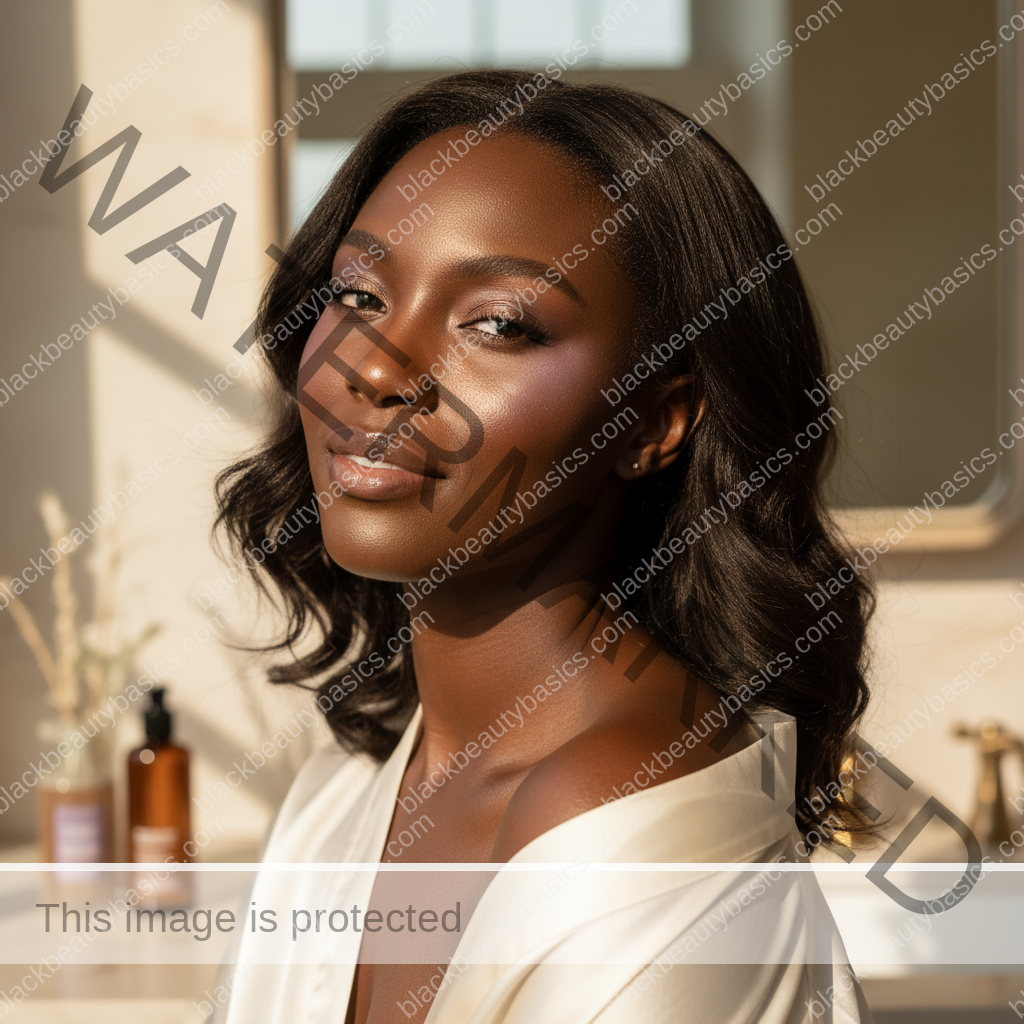
The most useful sunscreen routine is the one you can repeat without dreading the finish. If your SPF pills, looks gray, or makes foundation separate, the answer is not to skip it. The answer is to adjust texture, amount, dry-down time, and the layers underneath. For Black women treating dark spots, that matters because inconsistent sunscreen can quietly undo the progress from every serum in the routine.
Start with thin, even skincare layers. Let moisturizer settle before SPF, and let SPF settle before makeup. If you need primer, choose one that does not fight the sunscreen texture. A silicone-heavy primer over a very dewy SPF may roll. A heavy cream under a fast-setting mineral formula may cling. Small adjustments can make sunscreen feel less like a chore and more like part of the look.
A makeup-friendly SPF rhythm
- AM cleanse: keep it gentle so your base does not start irritated.
- Moisturize lightly: use enough comfort without making the skin slippery.
- Apply SPF generously: spread it in sections and give it time to set.
- Makeup last: press makeup on instead of dragging if your sunscreen layer moves easily.
What to do next
Keep this SPF step connected to the rest of the Sunscreen for Dark Skin series. The goal is not a perfect routine that only works on quiet days. The goal is a sunscreen habit that still works with makeup, sweat, body care, texture preferences, and real Black women’s lives.
- reapply sunscreen over makeup
- tinted versus clear sunscreen on dark skin
- how to stop sunscreen from looking gray
Related next steps
Related posts:
 How to Reapply Sunscreen Over Makeup on Deep Skin
 Face Sunscreen Under Makeup on Melanin-Rich Skin
 The Ultimate Review of the Long Wear Frosted Liquid Lipstick Pack (‘Paparazzi’, ‘Couture’, ‘Sex Symbol’)
 Ditch the Discomfort: How This No-Itch Spray Transforms Braid & Wig Wear
 How to Make Any Lipstick Last All Day — Long-Wear Tips for Smooth, Flawless Lips
 Daily Body Sunscreen for Melanin-Rich Skin: Commutes, Errands, and Incidental Sun