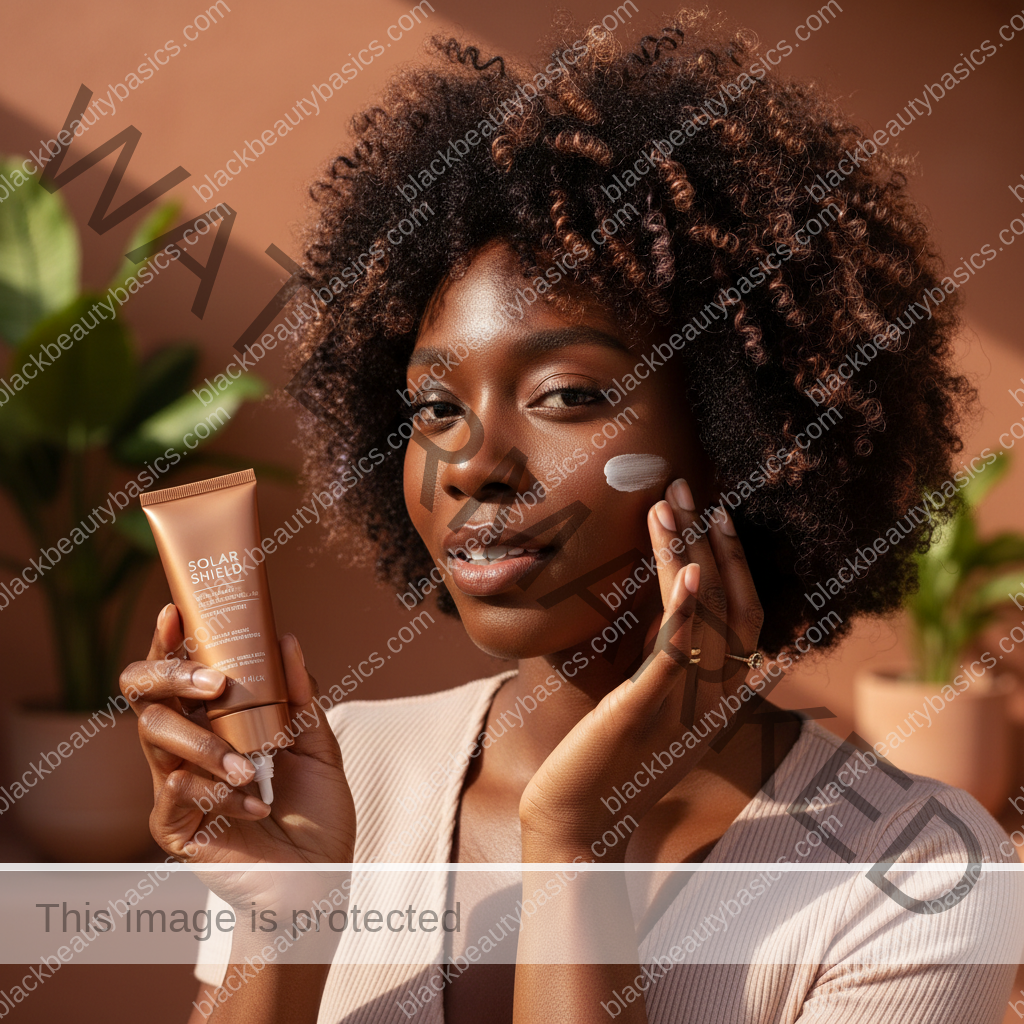
In the radiant tapestry of Black beauty, our skin tells stories of resilience, strength, and unparalleled glow. Yet, even the most luminous complexions require diligent protection, especially from the sun’s embrace. For our sisters with oily skin, the quest for the perfect sunscreen can feel like navigating a labyrinth, but fear not, for we are here to illuminate the path to sun-kissed confidence without the unwanted shine.
Welcome, radiant queens, to a comprehensive guide designed to empower your sun care ritual. We understand the unique concerns that come with melanin-rich, oily skin – the fear of white casts, the dread of greasy finishes, and the desire for products that truly complement our natural radiance. This exploration is not just about protection; it’s about embracing a sun care experience that feels luxurious, looks invisible, and celebrates the inherent beauty of your complexion.
The Unsung Hero: Why Sunscreen is Non-Negotiable for Dark Skin
Let’s dispel a persistent myth: dark skin does not mean immunity from sun damage. While melanin does offer a natural SPF of approximately 13-15, it is by no means a complete shield. Our skin is susceptible to UVA and UVB rays, leading to concerns that are often more pronounced or appear differently on darker complexions.
Beyond the Burn: Sun Damage on Melanin-Rich Skin
For many years, the narrative around sun protection focused heavily on sunburn, a phenomenon less common for those with higher melanin content. However, the impact of sun exposure on Black skin extends far beyond a surface-level burn:
- Hyperpigmentation: This is perhaps the most common and frustrating consequence. Sun exposure can exacerbate post-inflammatory hyperpigmentation (PIH) from acne or injuries, leading to stubborn dark spots that take months, if not years, to fade. It can also worsen melasma, a chronic skin condition causing brown or gray-brown patches.
- Premature Aging: UVA rays penetrate deeply, contributing to the breakdown of collagen and elastin. Over time, this can lead to fine lines, wrinkles, and a loss of firmness, even if these signs appear later or differently than on lighter skin tones.
- Uneven Skin Tone: Chronic sun exposure can lead to a mottled or uneven skin tone, diminishing that coveted uniform glow.
- Skin Cancer: Though less common, skin cancer, including melanoma, can occur on dark skin. When it does, it is often diagnosed at a later, more advanced stage, making early detection and prevention paramount.
Therefore, sunscreen isn’t just about preventing a burn; it’s about preserving your skin’s health, evening your tone, and maintaining its youthful vibrancy. It’s an act of self-love and a cornerstone of any effective skincare regimen.
The Oily Skin Conundrum: Finding Your Sunscreen Soulmate
For our sisters blessed with oily skin, the journey to finding the perfect sunscreen is often fraught with trials. The wrong formula can feel heavy, exacerbate shine, clog pores, or, worst of all, leave an unsightly white cast that clashes with our beautiful complexions. But understanding the nuances of texture can transform this challenge into a triumph.
Understanding Your Skin’s Needs
Oily skin is characterized by an overproduction of sebum, leading to a shiny appearance, larger pores, and a propensity for breakouts. When selecting a sunscreen, these factors become critical:
- Non-Comedogenic: Absolutely essential. This means the product is formulated not to clog pores, reducing the risk of breakouts.
- Oil-Free/Matte Finish: These formulations are designed to control shine, often containing ingredients that absorb excess oil or provide a blurring effect.
- Lightweight Feel: Heavy sunscreens can feel suffocating and contribute to a greasy sensation. A lightweight texture ensures comfort throughout the day.
- No White Cast: This is a universal concern for dark skin, but especially important for daily wear. We need formulas that blend seamlessly, leaving no ashy residue.
Mineral vs. Chemical: A Texture Perspective
The two main types of sunscreens offer distinct textural experiences:
Mineral Sunscreens (Physical Blockers)
These use zinc oxide and/or titanium dioxide to create a physical barrier on the skin’s surface, reflecting UV rays. Historically, mineral sunscreens were notorious for leaving a thick, white cast. However, advancements in formulation have led to micronized or nano-particle versions that are much more sheer and blendable. For oily skin, mineral sunscreens can sometimes offer a slightly mattifying effect, but their texture can still be a bit thicker than chemical options.
Chemical Sunscreens (Organic Filters)
These absorb UV rays and convert them into heat, which is then released from the skin. Chemical sunscreens typically offer a lighter, more fluid texture, making them easier to blend and less likely to leave a white cast. They often feel more like a regular moisturizer. However, some individuals with sensitive skin may find certain chemical filters irritating, though modern formulations are increasingly gentle.
The Best Sunscreen Textures for Oily Dark Skin: A Deep Dive
Now, let’s explore the textures that truly shine (without the literal shine!) for oily, melanin-rich skin. These formulations are designed to provide robust protection while feeling weightless and looking invisible.
1. Gels & Gel-Creams: The Featherlight Finish
Why they work: Gel and gel-cream textures are often water-based, making them incredibly lightweight and non-greasy. They absorb quickly, leaving a fresh, often matte or semi-matte finish. Their non-comedogenic nature makes them ideal for preventing breakouts.
Look for: “Oil-free,” “water-based,” “gel,” “gel-cream.” These often contain hydrating ingredients without the heavy emollients that can clog pores.
Ideal for: Daily wear, humid climates, those who dislike the feeling of anything heavy on their skin.
Shop Gel Sunscreen for Oily Skin on Amazon
2. Fluid & Serum Textures: The Invisible Shield
Why they work: These are among the lightest formulations available. Fluids are typically very thin, almost watery lotions, while serums are even more concentrated and often packed with additional skincare benefits. They spread effortlessly, absorb instantly, and leave virtually no trace, making them perfect for layering under makeup.
Look for: “Fluid,” “serum,” “ultra-light,” “invisible finish.” Many Asian beauty brands excel in this category.
Ideal for: Makeup wearers, those seeking a truly undetectable sunscreen, anyone who wants a “barely there” feel.
Shop Fluid Sunscreen for Oily Skin on Amazon
3. Matte Finish Lotions & Creams: The Shine Control Powerhouses
Why they work: While “cream” might sound heavy, many modern lotions and creams are specifically formulated for oily skin with a matte finish. These often contain silica, starch, or other oil-absorbing ingredients that help control shine throughout the day. They provide a comfortable, velvety feel without feeling dry.
Look for: “Matte finish,” “oil control,” “pore-minimizing,” “velvet finish.”
Ideal for: Those who prefer a slightly more substantial feel than a gel but still need shine control, individuals with very oily skin.
Shop Matte Finish Sunscreen for Oily Skin on Amazon
4. Tinted Mineral Sunscreens: The Multitasking Marvel
Why they work: For those who prefer mineral sunscreens but dread the white cast, tinted formulas are a game-changer. The tint, often derived from iron oxides, helps to neutralize the white appearance of zinc oxide and titanium dioxide, allowing it to blend seamlessly into a range of darker skin tones. Many also offer a light coverage, acting as a primer or a very sheer foundation.
Look for: “Tinted mineral sunscreen,” “broad-spectrum,” “sheer coverage.” Ensure the tint matches your undertone.
Ideal for: Mineral sunscreen enthusiasts, those who want light coverage and sun protection in one step, individuals seeking a natural, “no-makeup” look.
Shop Tinted Mineral Sunscreen for Dark Skin on Amazon
Beyond Texture: Essential Sunscreen Features for Oily Dark Skin
While texture is paramount, other features ensure your sunscreen is truly effective and enjoyable to use.
Broad-Spectrum Protection: Your Non-Negotiable Shield
Always look for “broad-spectrum” on the label. This indicates that the sunscreen protects against both UVA (aging rays) and UVB (burning rays). Both types of rays contribute to hyperpigmentation and skin cancer, so comprehensive protection is essential.
SPF 30 or Higher: The Gold Standard
The American Academy of Dermatology recommends an SPF of 30 or higher for daily use. An SPF 30 blocks about 97% of UVB rays, while SPF 50 blocks about 98%. The difference is minimal, but consistency in application is key.
Water-Resistant: For Active Lifestyles
If you’re active, prone to sweating, or will be swimming, opt for a water-resistant formula. These are typically labeled for 40 or 80 minutes of protection while wet, after which reapplication is necessary.
Added Skincare Benefits: A Bonus for Your Routine
Many sunscreens now come infused with beneficial ingredients:
- Antioxidants (Vitamin C, E, Ferulic Acid): These help neutralize free radicals generated by UV exposure, offering an extra layer of protection.
- Niacinamide: Known for its ability to reduce inflammation, minimize pores, and improve skin barrier function, making it excellent for oily and acne-prone skin.
- Hyaluronic Acid: Provides lightweight hydration without adding oiliness, helping to balance the skin.
Application Techniques for a Flawless Finish
Even the best sunscreen can underperform if not applied correctly. For oily, dark skin, technique matters.
The Two-Finger Rule: Ensuring Adequate Coverage
Dispense a line of sunscreen onto your index and middle fingers. This is generally the right amount for your face and neck. Don’t skimp! Most people apply far less than needed, significantly reducing the stated SPF.
Layering for Success: Skincare & Makeup Integration
Apply sunscreen as the last step in your skincare routine, after moisturizers and serums, but before makeup. Allow it to fully absorb for a few minutes before applying foundation or concealer.
Pat, Don’t Rub: Minimizing Pilling & White Cast
Instead of vigorously rubbing, gently pat and press the sunscreen into your skin. This helps it absorb evenly, reduces the likelihood of pilling (especially with mineral formulas), and helps it blend seamlessly into darker skin tones.
Reapplication is Key: Maintaining Protection
Sunscreen isn’t a one-and-done application. Reapply every two hours, or immediately after swimming or excessive sweating. For reapplication over makeup, consider using a sunscreen mist or powder.
Comparison Table: Sunscreen Textures for Oily Dark Skin
| Texture Type | Key Characteristics | Pros for Oily Dark Skin | Cons for Oily Dark Skin | Best For |
|---|---|---|---|---|
| Gels & Gel-Creams | Water-based, lightweight, non-greasy | Absorbs quickly, matte/semi-matte finish, non-comedogenic, no white cast | Can sometimes feel less hydrating for combination skin | Daily wear, humid climates, breakout-prone skin |
| Fluids & Serums | Very thin, watery, often concentrated | Invisible finish, blends seamlessly, excellent under makeup, often packed with benefits | Can be more expensive, requires precise application to ensure full coverage | Makeup wearers, those who hate the feel of sunscreen, minimalists |
| Matte Finish Lotions/Creams | Creamy but with oil-absorbing ingredients | Controls shine all day, comfortable velvety feel, good for very oily skin | Can sometimes feel slightly heavier than gels/fluids, potential for slight white cast if mineral-based | Very oily skin, those who prefer a more traditional cream feel |
| Tinted Mineral Sunscreens | Creamy or fluid with added pigment (iron oxides) | Neutralizes white cast, offers light coverage, physical barrier protection, good for sensitive skin | Finding the right shade match can be challenging, can sometimes feel slightly heavier than chemical options | Mineral sunscreen preference, sensitive skin, “no-makeup” makeup days |
Tips for Choosing Your Perfect Sunscreen
- Patch Test: Before committing to a full-face application, test a new sunscreen on a small area of your jawline or behind your ear for a few days to check for irritation or breakouts.
- Read Reviews (from diverse sources): Look for reviews from individuals with similar skin types and tones. Pay attention to comments about white cast, finish, and how it wears throughout the day.
- Consider Your Environment: If you live in a hot, humid climate, lightweight gels and fluids will be your best friend. For drier environments, a matte lotion might offer a bit more comfort.
- Don’t Fear the Reapplication: Find a reapplication method that works for you – whether it’s a powder, mist, or simply reapplying your primary sunscreen.
- Check the Expiration Date: Sunscreen efficacy diminishes over time. Always check the expiration date and store your sunscreen in a cool, dry place.
- Look for “Non-Comedogenic” and “Oil-Free”: These labels are crucial for preventing clogged pores and excess shine on oily skin.
Oily Skin Does Not Need to Be Stripped Before SPF
A lot of oily-skin advice starts from the idea that shine must be controlled at all costs. That can lead to harsh cleansers, drying toners, and mattifying layers that leave the skin tight underneath. For melanin-rich skin, that cycle can create irritation, and irritation can feed dark marks. The better sunscreen strategy is to choose textures that feel light while still respecting the barrier.
Gel creams, serum-like sunscreens, and soft-matte formulas often work well when they dry down without ashiness. If your sunscreen makes you greasy in ten minutes, it may be too rich for daytime. If it makes your skin tight or flaky, it may be too drying. The sweet spot is a formula that lets your skin move, sweat, and live without making you want to wash your face by noon.
What to look for
- Lightweight finish: gel, fluid, or soft-matte textures often feel better.
- No white cast: test in daylight, not only bathroom lighting.
- Comfortable under makeup: avoid formulas that pill over your moisturizer.
- Oil control without punishment: choose balance over a chalky, tight finish.
What to do next
Keep this SPF step connected to the rest of the Sunscreen for Dark Skin series. The goal is not a perfect routine that only works on quiet days. The goal is a sunscreen habit that still works with makeup, sweat, body care, texture preferences, and real Black women’s lives.
- matte versus dewy sunscreen on deep skin
- how to find a daily sunscreen
- stop sunscreen from looking gray
Frequently Asked Questions About Sunscreen for Oily Dark Skin
Q1: Will sunscreen make my oily skin even oilier or cause breakouts?
A: Not if you choose the right formula! Many sunscreens are specifically designed for oily and acne-prone skin. Look for textures like gels, fluids, or matte-finish lotions that are labeled “oil-free,” “non-comedogenic,” and “non-acnegenic.” These formulations help control shine and prevent clogged pores, actually reducing the likelihood of breakouts.
Q2: Do I really need to wear sunscreen every day, even when I’m indoors or on cloudy days?
A: Absolutely. UVA rays, which contribute to aging and hyperpigmentation, can penetrate clouds and even windows. Consistent daily use, regardless of the weather or whether you’re indoors, is crucial for preventing sun damage, especially hyperpigmentation on darker skin tones. Make it a non-negotiable step in your morning routine.
Q3: How can I reapply sunscreen over makeup without disturbing it?
A: Reapplying sunscreen over makeup can be tricky but is essential. Consider using a translucent SPF setting powder, an SPF mist, or a cushion compact with SPF. Gently patting a fluid or serum sunscreen with a beauty blender can also work for some, but a mist or powder is generally the least disruptive option.
Q4: Are mineral sunscreens better for oily dark skin than chemical sunscreens?
A: Neither is inherently “better”; it truly depends on your skin’s needs and preferences. Mineral sunscreens (zinc oxide, titanium dioxide) can sometimes offer a mattifying effect and are often preferred by those with sensitive skin. However, they traditionally leave a white cast, though tinted mineral formulas have largely solved this. Chemical sunscreens tend to be lighter, more sheer, and blend seamlessly, making them excellent for dark skin. The best choice is the one you will consistently use and enjoy.
Q5: What SPF level should I look for?
A: For daily use, an SPF of 30 or higher is recommended. An SPF 30 blocks about 97% of UVB rays, while SPF 50 blocks about 98%. While higher SPF numbers offer slightly more protection, the most crucial factor is applying enough sunscreen and reapplying it regularly. Don’t rely solely on a high SPF number; consistent application is key.
Q6: Can I skip moisturizer if my sunscreen is hydrating?
A: It depends on your skin’s specific needs and the sunscreen’s formulation. Many sunscreens for oily skin are lightweight and may not provide sufficient hydration on their own, especially if you use active ingredients in your routine. If your skin feels comfortable and not tight or dry after applying sunscreen, and it contains some hydrating ingredients, you might be able to skip a separate moisturizer. However, if your skin still feels like it needs more, apply a lightweight, oil-free moisturizer before your sunscreen.
Q7: Why do some sunscreens pill on my skin?
A: Pilling can occur for several reasons:
- Product Incompatibility: Certain ingredients in your skincare layers (e.g., silicones) can react with sunscreen ingredients, causing pilling.
- Not Enough Absorption Time: Applying sunscreen too quickly after other skincare products can cause it to pill. Give each layer a minute or two to absorb.
- Too Much Product: Applying too much sunscreen at once can lead to pilling. Try applying in thinner layers.
- Application Technique: Rubbing too vigorously can cause products to ball up. Gently patting or pressing the sunscreen can help.
Experiment with different sunscreens and application methods to find what works best for your routine.
Dear Black Beauty, your skin is a masterpiece, deserving of the finest care and unwavering protection. The journey to finding your perfect sunscreen for oily, dark skin doesn’t have to be daunting. With this guide, armed with knowledge of textures, ingredients, and application techniques, you are now empowered to choose a sun shield that not only safeguards your health but also enhances your natural luminosity. Step out with confidence, knowing your glow is protected, refined, and utterly breathtaking. Your radiant future awaits, beautifully shielded.
How to test an oily-skin sunscreen without judging it too fast
Oily skin can make sunscreen feel like a negotiation. A formula may look beautiful for twenty minutes and then turn shiny by lunch, or it may start matte and begin to pill once makeup goes on top. That does not always mean the sunscreen is wrong for you. Sometimes the issue is the amount of moisturizer underneath, the primer layered above it, or how quickly you judge the finish before the film has set. Give a new SPF a fair test on a low-pressure day before deciding whether it belongs in your routine.
Start with a simple base: cleanser, a light moisturizer only where you need it, sunscreen, and then makeup if you wear it. If your T-zone gets oily but your cheeks feel normal, you do not have to apply the same amount of moisturizer everywhere. Many Black women with combination skin do better with strategic moisture instead of skipping moisturizer completely. Dehydrated skin can still produce oil, and when the barrier feels tight, a harsh matte sunscreen may make the face look flat, gray, or textured.
Pay attention to the first hour, the third hour, and the end of the day. In the first hour, you are looking for sting, ashiness, pilling, or a greasy film that never settles. Around the third hour, check whether the sunscreen still feels comfortable and whether shine can be managed with blotting instead of another layer of powder. By the end of the day, notice whether your skin feels clogged, itchy, or stripped. A good oily-skin sunscreen should help you feel protected without making your face feel coated.
Midday adjustments that do not punish oily skin
- Blot before adding powder so you are not trapping oil under more product.
- Use a thinner moisturizer under SPF on humid days, not a harsher cleanser at night.
- Let sunscreen set before foundation, especially around the nose and brows where pilling starts.
- Keep one SPF for bare-skin days and one that plays well under makeup if your budget allows.
Do not confuse healthy sheen with failure
Oily skin does not have to look completely flat to be cared for well. Sometimes the goal is controlled comfort, not a powder-dry finish from morning to night. On deep skin, a little natural sheen can look healthy and dimensional, while an overly dry sunscreen can make texture, ashiness, or makeup separation more obvious. If your SPF feels comfortable, does not sting, and can be refreshed with blotting, it may still be a good option even if your face is not matte all day.
Related next steps
Related posts:
 Best Sunscreen Textures for Dry Dark Skin
 Best Sunscreen Textures for Sensitive Melanin-Rich Skin
 SPF for Oily and Combination Dark Skin: Shine, Texture, and Staying Power
 Finding Non-Ashy Sunscreen Textures for Melanin-Rich Skin
 Moisture Balance for Oily but Dehydrated Dark Skin
 Building Routines for Oily, Dry, and Combination Dark Skin