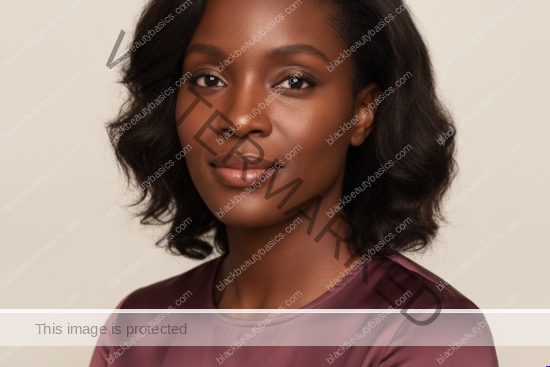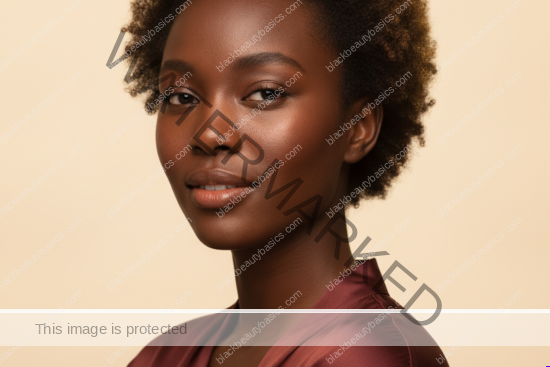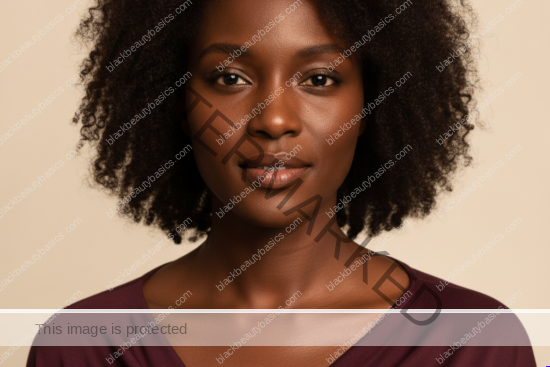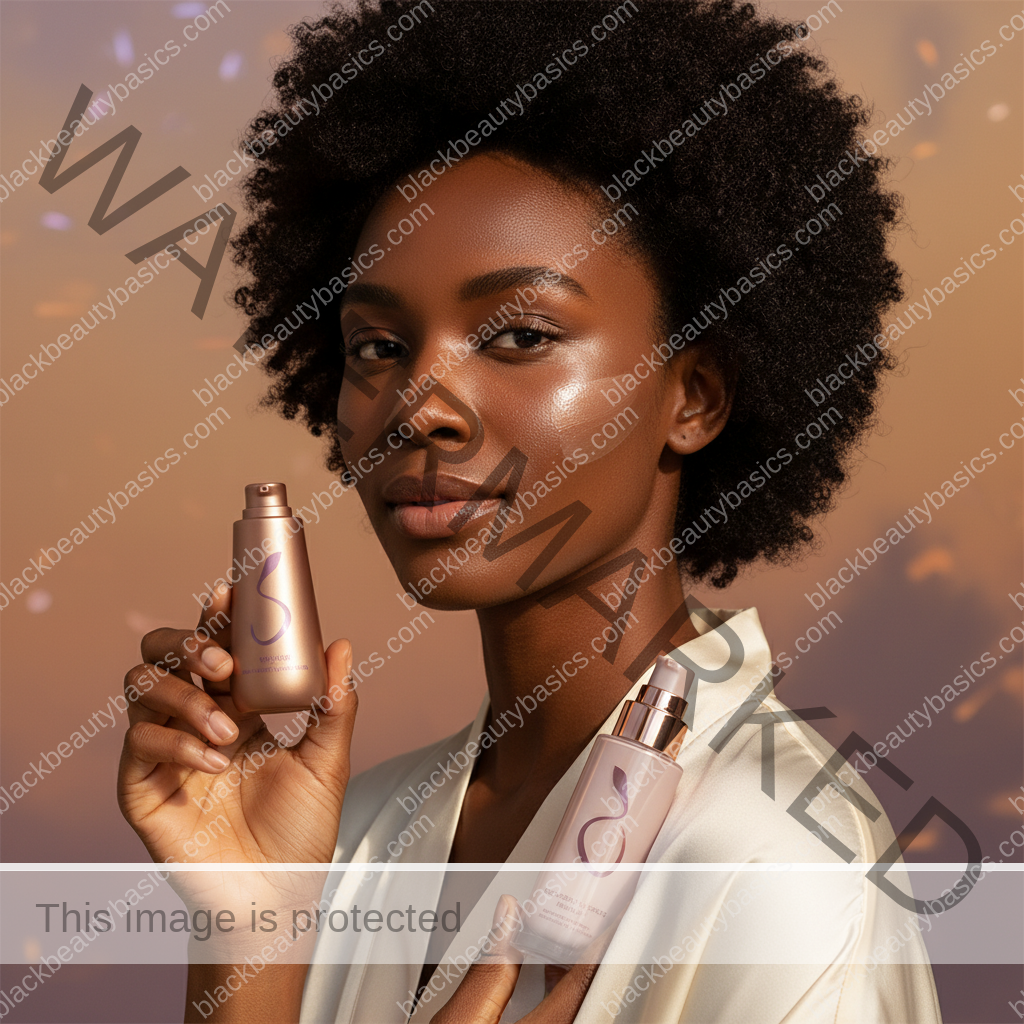
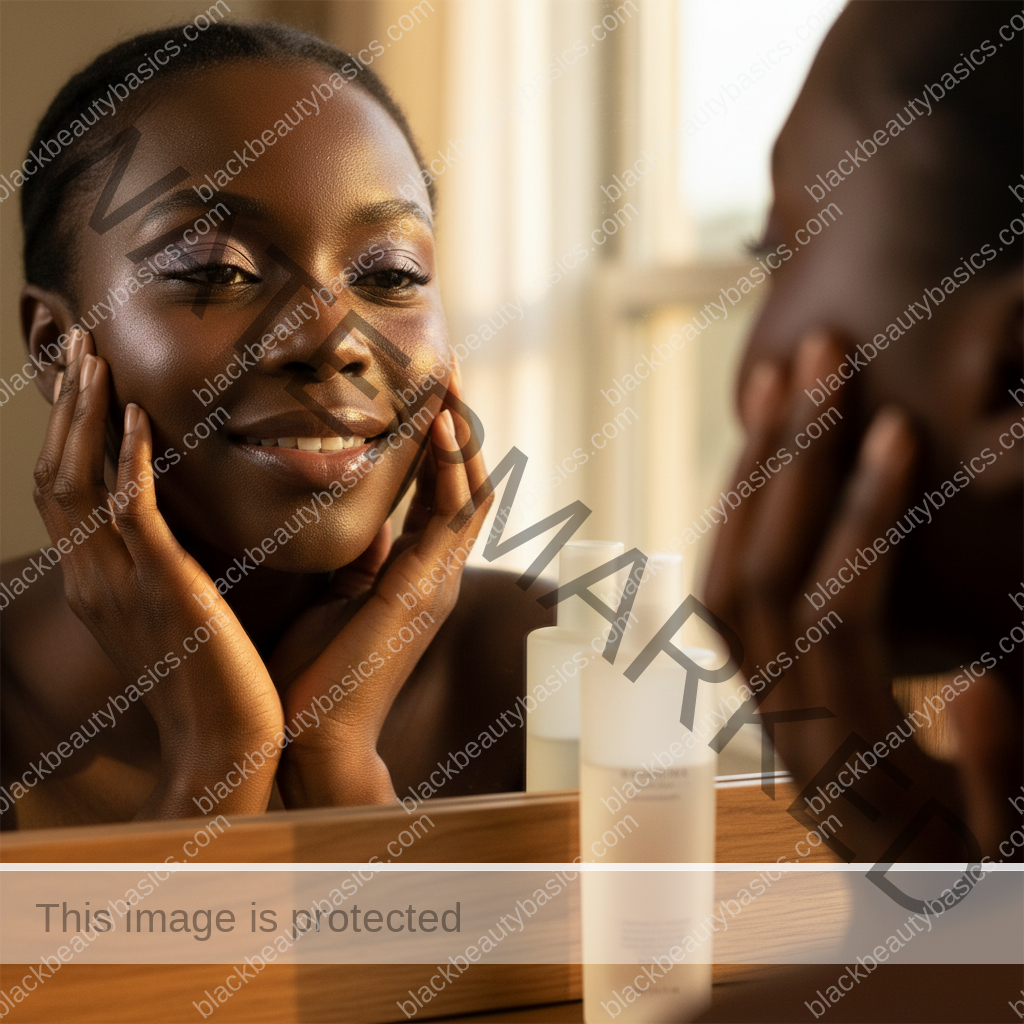
The sun, a source of life and warmth, often presents a complex relationship for those of us with melanin-rich skin. For too long, the narrative suggested our beautiful complexions were naturally protected, leading to a neglect of vital sun care. But we know better now, understanding that true skin health and luminosity for African American women begins with diligent protection, and the right sunscreen is not just a shield, but a luxurious extension of our skincare ritual.
The Unseen Power: Why Sunscreen is Non-Negotiable for Deep Skin
For generations, a pervasive myth lingered: melanin-rich skin doesn’t need sunscreen. This misconception, rooted in a misunderstanding of how UV radiation interacts with darker complexions, has unfortunately led to a higher incidence of advanced skin cancers and exacerbated hyperpigmentation issues within our community. It’s time to dismantle this myth and embrace the truth: sunscreen is a foundational pillar of healthy, radiant skin for everyone, especially for African American women.
While melanin does offer a natural SPF of approximately 7-13, it is by no means a complete defense. UVA and UVB rays penetrate deep into the skin, causing damage that manifests in various ways:
- Hyperpigmentation: Sun exposure is a primary trigger for post-inflammatory hyperpigmentation (PIH) and melasma, conditions that disproportionately affect deep skin tones. UV radiation stimulates melanocytes, leading to an overproduction of melanin and the dreaded dark spots that can be incredibly challenging to fade.
- Premature Aging: Fine lines, wrinkles, and loss of elasticity are not exclusive to lighter skin tones. UV damage breaks down collagen and elastin, accelerating the aging process and diminishing our skin’s natural resilience.
- Skin Cancer Risk: Though less common in deep skin tones, skin cancers like melanoma can be more aggressive and often diagnosed at later stages due to delayed detection. Sunscreen significantly reduces this risk.
- Uneven Skin Tone: Consistent sun exposure without protection can lead to a dull, uneven complexion, masking our skin’s natural vibrancy.
Embracing sunscreen isn’t just about protection; it’s about preservation. It’s about maintaining the even tone we strive for, safeguarding our skin’s youthful bounce, and ensuring our inherent glow remains unblemished. It’s an act of self-care, a declaration that our skin deserves the utmost respect and defense against environmental aggressors.
Beyond the Basics: Understanding Sunscreen Formulations
Gone are the days of thick, chalky sunscreens that left an unsightly white cast on our beautiful complexions. Today’s market offers a sophisticated array of formulations designed with diverse skin tones and preferences in mind. When choosing a sunscreen, understanding the two primary types is crucial:
Mineral vs. Chemical Sunscreens
- Mineral Sunscreens (Physical Blockers): These formulations use zinc oxide and/or titanium dioxide to create a physical barrier on the skin’s surface, reflecting UV rays away.
- Pros: Generally gentler for sensitive skin, immediate protection upon application, less likely to cause irritation.
- Cons: Can sometimes leave a white cast, though micronized and tinted versions have significantly improved this.
- Chemical Sunscreens: These sunscreens absorb UV rays and convert them into heat, which is then released from the skin. Common active ingredients include oxybenzone, avobenzone, octinoxate, and octisalate.
- Pros: Typically sheerer, lighter texture, often blend seamlessly into deep skin tones without a white cast.
- Cons: Can sometimes cause irritation for very sensitive skin, requires about 15-20 minutes to become effective after application.
Many modern sunscreens combine both mineral and chemical filters to offer broad-spectrum protection with an elegant feel. The key is to look for “broad-spectrum” on the label, indicating protection against both UVA (aging) and UVB (burning) rays, and an SPF of 30 or higher for daily use.
Choosing the right sunscreen for deep skin goes beyond just avoiding a white cast. It’s about finding a formula that complements your skin type, addresses your concerns, and integrates seamlessly into your daily routine. This is where the matte vs. dewy debate truly begins to shine.
The Great Debate: Matte vs. Dewy Sunscreen for Deep Skin
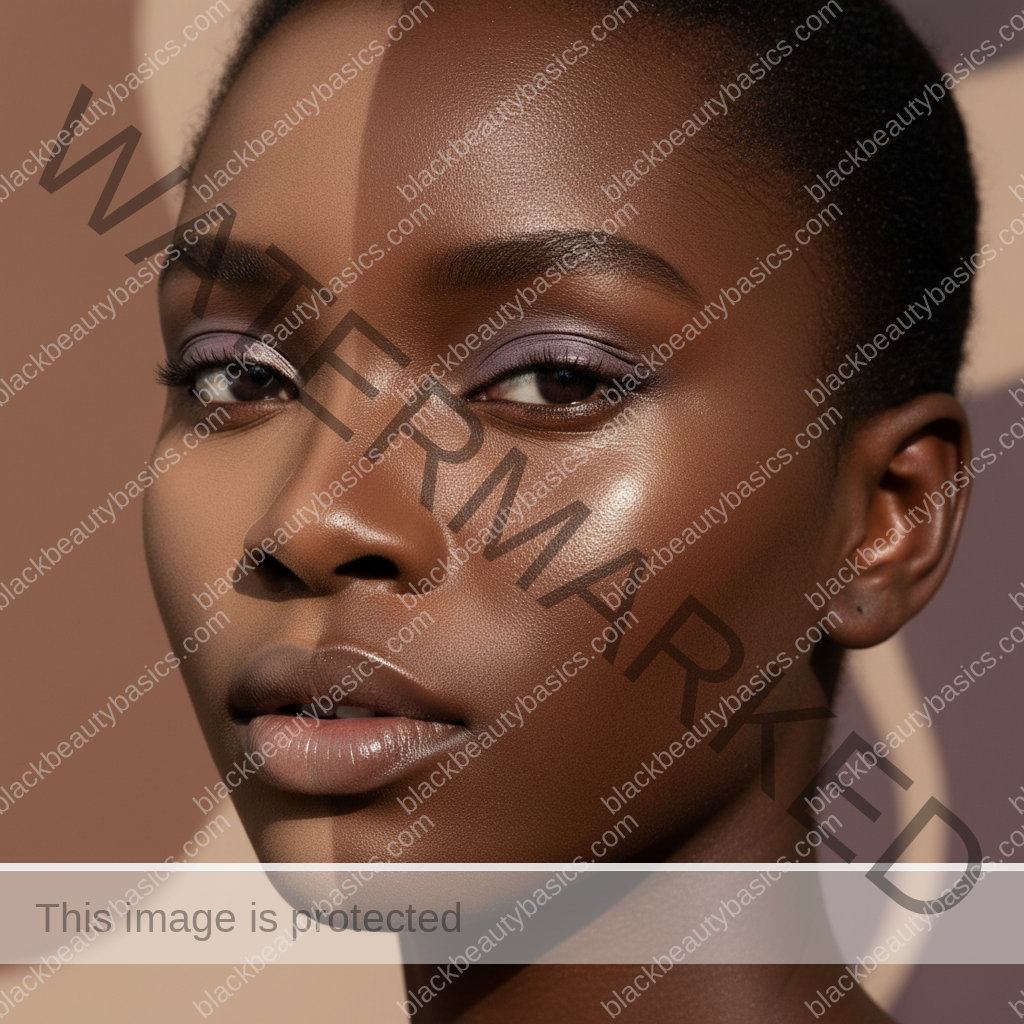
The finish of your sunscreen can dramatically impact your overall complexion, especially for deep skin tones where natural luminosity is highly prized. Do you prefer a sophisticated, shine-free look, or a radiant, hydrated glow? The choice between matte and dewy sunscreen isn’t just aesthetic; it’s about how the product interacts with your skin’s natural oils, your climate, and your desired makeup look.
Matte Sunscreen: The Sophisticated, Shine-Free Shield
Matte sunscreens are formulated to absorb excess oil, minimize the appearance of pores, and leave the skin with a velvety, non-greasy finish. For African American women, particularly those with oily or combination skin, a matte sunscreen can be a game-changer, providing protection without contributing to unwanted shine, especially in humid climates.
Who Benefits Most from Matte Sunscreen?
- Oily Skin Types: If your T-zone tends to get shiny by midday, a matte sunscreen can help control oil production and maintain a fresh look.
- Combination Skin: For those with both oily and dry areas, a matte formula can balance the skin, preventing shine where it’s not desired.
- Humid Climates: In hot, sticky environments, matte sunscreens prevent that “melting” feeling and keep makeup in place.
- Those Prone to Breakouts: Many matte formulas are non-comedogenic, meaning they won’t clog pores, making them suitable for acne-prone skin.
- Under Makeup: Matte sunscreens create an excellent primer-like base, helping foundation and other complexion products adhere better and last longer.
Key Ingredients to Look For in Matte Sunscreens:
- Silica: A powerful oil-absorbing ingredient that provides a smooth, blurring effect.
- Niacinamide (Vitamin B3): Helps regulate sebum production, reduce inflammation, and minimize the appearance of pores.
- Clay (Kaolin, Bentonite): Natural absorbents that soak up excess oil.
- Starch (Tapioca, Corn): Provides a soft-focus, matte finish.
- Zinc Oxide (Micronized/Tinted): Often found in mineral matte sunscreens, modern formulations are designed to be sheer.
When selecting a matte sunscreen, pay close attention to the texture. The best ones will feel lightweight, spread easily, and absorb quickly without pilling or leaving a residue. Look for formulas that are specifically designed to be “invisible” on deep skin tones, often achieved through tinting or advanced micronization of mineral filters.
Shop Matte Sunscreen on Amazon
Dewy Sunscreen: The Luminous, Hydrated Glow
Dewy sunscreens are crafted to impart a healthy, radiant glow to the skin, mimicking the look of well-hydrated, plump skin. These formulations often contain moisturizing ingredients that nourish the skin while providing sun protection. For African American women, who often celebrate a natural, lit-from-within radiance, a dewy sunscreen can enhance our inherent luminosity.
Who Benefits Most from Dewy Sunscreen?
- Dry Skin Types: The added hydration helps combat dryness and flakiness, leaving skin feeling comfortable and looking supple.
- Normal Skin Types: For those with balanced skin, a dewy finish can enhance natural radiance without feeling heavy.
- Mature Skin: Dewy formulas can help plump up the skin, reducing the appearance of fine lines and giving a more youthful, fresh look.
- Cooler/Drier Climates: In less humid environments, the extra moisture can be particularly beneficial.
- Those Desiring a “Glass Skin” Look: If you love a radiant, reflective finish, dewy sunscreens are your go-to.
Key Ingredients to Look For in Dewy Sunscreens:
- Hyaluronic Acid: A powerful humectant that draws moisture into the skin, providing intense hydration and a plump appearance.
- Glycerin: Another excellent humectant that helps skin retain moisture.
- Squalane/Ceramides: Emollients that help strengthen the skin barrier and prevent moisture loss.
- Antioxidants (Vitamin C, E): Provide additional environmental protection and contribute to a healthy glow.
- Light-reflecting particles (subtle mica): Some dewy formulas may contain these for an added luminous effect, but ensure they don’t create a glittery finish.
When choosing a dewy sunscreen, look for formulas that feel nourishing but not heavy or greasy. The best ones will melt into the skin, leaving a healthy sheen that looks natural and not overly shiny. They should provide a comfortable, hydrated feel throughout the day without contributing to congestion.
Making the Choice: Matte or Dewy?
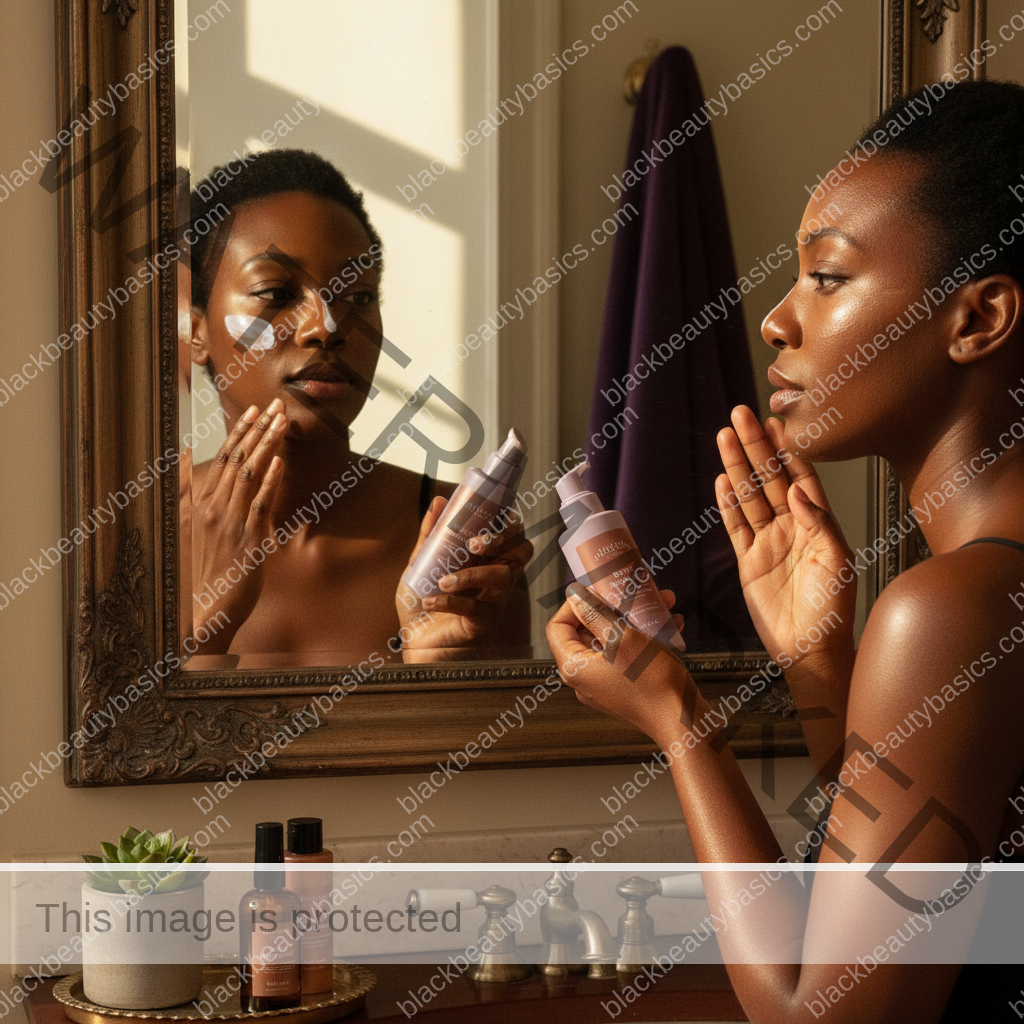
The decision between a matte and dewy finish ultimately comes down to your personal preferences, skin type, and lifestyle. However, for deep skin tones, there are nuances to consider that go beyond the basic finish.
Consider Your Skin Type and Concerns
- Oily/Acne-Prone Skin: Matte sunscreens are often preferred as they help control shine and are less likely to exacerbate breakouts. Look for “non-comedogenic” and “oil-free” labels.
- Dry/Normal Skin: Dewy sunscreens can provide much-needed hydration and enhance a healthy glow.
- Combination Skin: You might consider a matte sunscreen for your T-zone and a dewy one for drier areas, or opt for a “natural finish” sunscreen that offers a balance.
- Hyperpigmentation Concerns: Both types are effective, but ensure they are broad-spectrum and contain ingredients like niacinamide or vitamin C for added benefits.
Consider Your Climate and Lifestyle
- Hot, Humid Climates: Matte sunscreens can help you stay shine-free and comfortable.
- Dry, Arid Climates: Dewy sunscreens can prevent moisture loss and keep your skin hydrated.
- Active Lifestyle/Workout: Look for “water-resistant” formulas, and consider a matte finish to minimize sweat-induced shine.
- Daily Office Wear vs. Outdoor Activities: Your daily routine might influence your preference.
Consider Your Makeup Preferences
- Full Coverage/Matte Makeup: A matte sunscreen creates an ideal base, preventing your makeup from looking too shiny or breaking down.
- Natural/Dewy Makeup: A dewy sunscreen can enhance your desired luminous look, allowing your natural skin to shine through.
- No Makeup: Both can work, depending on whether you prefer a natural, shine-free look or a radiant glow.
Matte vs. Dewy Sunscreen: A Quick Comparison for Deep Skin
| Feature | Matte Sunscreen | Dewy Sunscreen |
|---|---|---|
| Finish | Velvety, shine-free, blurring | Luminous, radiant, hydrated glow |
| Best For Skin Type | Oily, Combination, Acne-Prone | Dry, Normal, Mature |
| Key Benefit | Oil control, pore minimization, primer-like base | Hydration, plumpness, enhanced natural glow |
| Ideal Climate | Hot, Humid | Cool, Dry |
| Makeup Compatibility | Excellent under matte/full-coverage makeup | Enhances dewy/natural makeup looks |
| Common Ingredients | Silica, Niacinamide, Clay, Starch | Hyaluronic Acid, Glycerin, Squalane, Ceramides |
| Potential Drawback | Can feel drying for very dry skin | Can appear too shiny on very oily skin |
Shop Sunscreen for Oily Deep Skin on Amazon
Shop Sunscreen for Dry Deep Skin on Amazon
Beyond Finish: Other Crucial Sunscreen Factors for Deep Skin
While the matte vs. dewy debate is significant, it’s just one piece of the puzzle. For African American women, there are several other critical considerations when selecting a sunscreen to ensure optimal protection and cosmetic elegance.
No White Cast, Period.
This is arguably the most important factor for deep skin tones. A white cast, often caused by zinc oxide and titanium dioxide in mineral sunscreens, can make our complexions look ashy or ghostly. Fortunately, advancements in formulation have largely overcome this challenge:
- Micronized or Nanoparticle Minerals: These smaller particles blend more seamlessly.
- Tinted Mineral Sunscreens: Many brands now offer tinted mineral sunscreens that come in a range of shades, often blending beautifully into deep skin.
- Chemical Sunscreens: Generally, chemical sunscreens are inherently sheer and leave no white cast.
Always patch test a new sunscreen on a small area of your jawline or neck to ensure it blends invisibly before committing to a full face application.
Broad-Spectrum Protection (UVA/UVB)
Ensure your chosen sunscreen explicitly states “broad-spectrum” on the label. UVA rays contribute to aging and hyperpigmentation, while UVB rays cause sunburn. Both are detrimental to deep skin, and comprehensive protection is non-negotiable.
SPF 30 or Higher
The American Academy of Dermatology recommends an SPF of 30 or higher for daily use. SPF 30 blocks about 97% of UVB rays, while SPF 50 blocks about 98%. The difference is minimal, but consistent application of at least SPF 30 is key.
Non-Comedogenic and Hypoallergenic
Especially for those with acne-prone or sensitive skin, look for these labels to minimize the risk of clogged pores and irritation.
Water-Resistant (If Active)
If you’re exercising, swimming, or spending time outdoors, opt for a water-resistant formula that maintains its efficacy for 40 or 80 minutes, as indicated on the label.
Antioxidant Boost
Many modern sunscreens incorporate antioxidants like Vitamin C, Vitamin E, or green tea extract. These ingredients provide an extra layer of defense against environmental damage and can help brighten the complexion.
Shop Tinted Mineral Sunscreen on Amazon
Shop Chemical Sunscreen for Deep Skin on Amazon
Tips for Flawless Sunscreen Application on Deep Skin
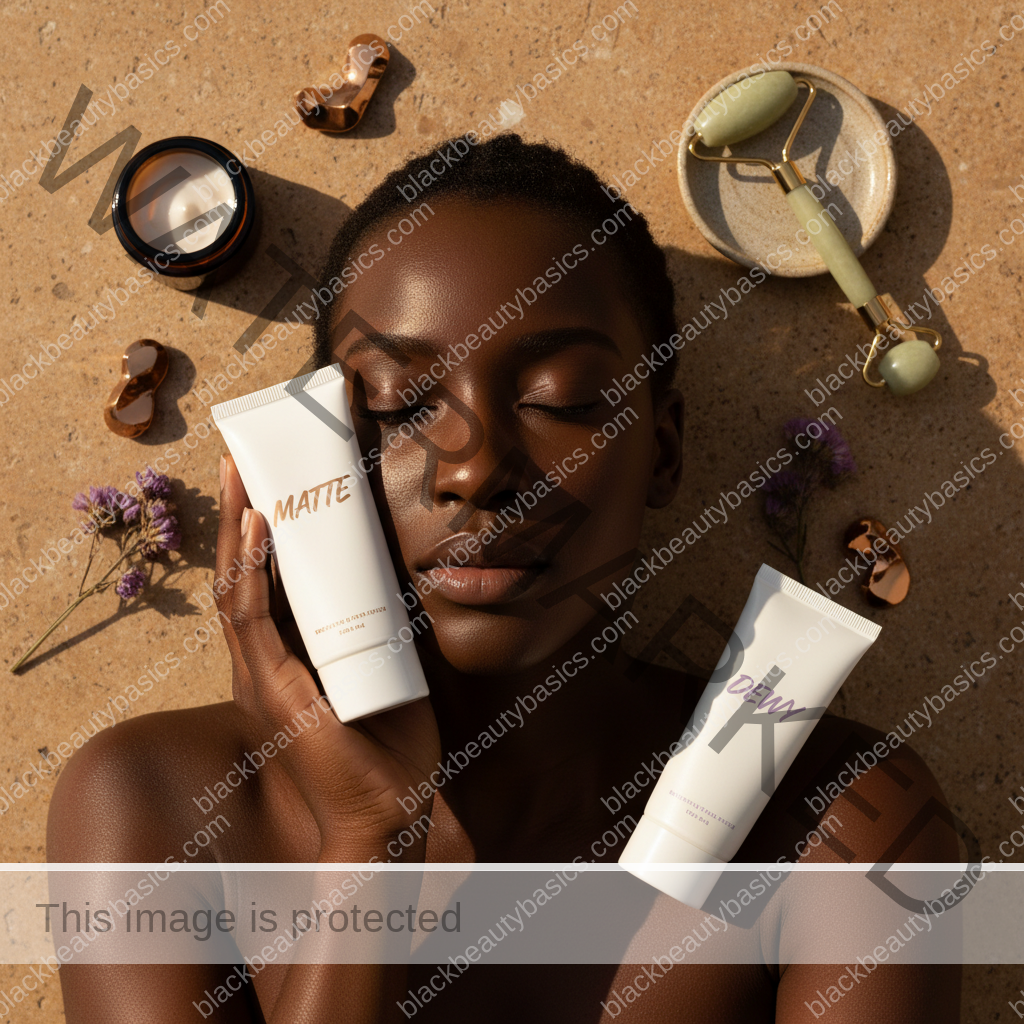
The best sunscreen in the world is only effective if applied correctly. Here’s how to ensure your skin gets the full benefit:
Sunscreen Application Tips for African American Women
- Apply Generously: Don’t skimp! The general recommendation is about a nickel-sized amount for your face and neck. Most people apply far too little.
- Layer Correctly: Sunscreen should be the last step in your skincare routine before makeup. After cleansing, toning, serums, and moisturizer, apply your sunscreen.
- Blend Thoroughly: Work the sunscreen into your skin using gentle, upward motions until it’s fully absorbed and invisible. Pay attention to the hairline, ears, and neck.
- Don’t Forget Exposed Areas: Hands, chest, and any other exposed skin need protection too.
- Reapply, Reapply, Reapply: This is crucial. Sunscreen effectiveness diminishes over time. Reapply every two hours, or more frequently if swimming or sweating.
- Consider Sunscreen Sticks/Sprays for Reapplication: These can be convenient for reapplication over makeup or on the go, but ensure you spray/swipe generously.
- Use Year-Round: UV rays are present even on cloudy days and in winter. Make sunscreen a daily habit, regardless of the weather.
- Pair with Other Sun Protection: Sunscreen is your first line of defense, but complement it with wide-brimmed hats, sunglasses, and seeking shade, especially during peak sun hours (10 AM – 4 PM).
Shop Sunscreen Sticks on Amazon
Shop Sunscreen Sprays on Amazon
Finish Is Personal, Not Moral
Beauty language can make matte sound disciplined and dewy sound messy, or make glow sound healthy and matte sound dull. None of that is useful. Deep skin can look beautiful with a soft matte finish, a satin finish, or a moisturized glow. The question is not which finish is universally better. The question is which finish helps you wear enough sunscreen consistently.
If you are oily, a dewy sunscreen may feel heavy by midday. If you are dry, a matte sunscreen may cling and make your skin look dusty. If you wear makeup, either finish can work depending on the primer and foundation you use. If you are treating dark spots, the best finish is the one you do not avoid.
Finish matching
- Oily or humid days: try soft-matte or satin textures.
- Dry or flaky days: try creamier or dewy textures with moisturizer underneath.
- Makeup days: let SPF dry down before judging the finish.
- Photo days: test for cast and flashback before the event.
What to do next
Keep this SPF step connected to the rest of the Sunscreen for Dark Skin series. The goal is not a perfect routine that only works on quiet days. The goal is a sunscreen habit that still works with makeup, sweat, body care, texture preferences, and real Black women’s lives.
- best sunscreen textures for oily dark skin
- best sunscreen textures for dry dark skin
- tinted versus clear sunscreen on dark skin
Frequently Asked Questions About Sunscreen for Deep Skin
Q1: Do I really need sunscreen if I have dark skin?
A: Absolutely, yes. While melanin provides some natural protection (equivalent to an SPF of 7-13), it is not enough to prevent sun damage. Deep skin tones are still susceptible to UVA and UVB rays, which cause hyperpigmentation, premature aging, and increase the risk of skin cancer. Sunscreen is essential for maintaining skin health, preventing dark spots, and preserving an even, radiant complexion.
Q2: Will sunscreen make my deep skin look ashy or leave a white cast?
A: This was a common issue in the past, but modern sunscreen formulations have largely resolved it. Look for chemical sunscreens, tinted mineral sunscreens, or mineral sunscreens that use micronized or nanoparticle zinc oxide and titanium dioxide. Many brands now specifically formulate sunscreens to be invisible on deep skin tones. Always patch test to ensure a seamless blend.
Q3: What SPF is best for African American women?
A: The American Academy of Dermatology recommends an SPF of 30 or higher for daily use, regardless of skin tone. SPF 30 blocks about 97% of UVB rays. For extended outdoor activity or if you have a history of hyperpigmentation, an SPF 50 or higher can provide an extra margin of safety.
Q4: How much sunscreen should I apply to my face and body?
A: For your face and neck, aim for about a nickel-sized amount. For your body, a good rule of thumb is to use about one ounce (a shot glass full) for all exposed areas. Most people under-apply sunscreen, significantly reducing its effectiveness. Be generous!
Q5: How often should I reapply sunscreen?
A: Sunscreen should be reapplied every two hours, or more frequently if you are swimming, sweating heavily, or towel drying. Even if your sunscreen is water-resistant, reapplication is crucial to maintain protection throughout the day.
Q6: Can I just use makeup with SPF?
A: While makeup with SPF offers some protection, it’s generally not enough on its own. To achieve the stated SPF on the label, you would need to apply a very thick layer of makeup, which is often impractical. It’s best to use a dedicated sunscreen as the last step in your skincare routine, and then apply makeup with SPF as an added layer of protection.
Q7: What’s the difference between mineral and chemical sunscreens for deep skin?
A: Mineral (physical) sunscreens use zinc oxide and titanium dioxide to sit on the skin’s surface and reflect UV rays. They are often preferred for sensitive skin but can sometimes leave a white cast if not formulated well (look for tinted or micronized versions). Chemical sunscreens absorb UV rays and convert them into heat. They are typically sheerer and blend invisibly, making them a popular choice for deep skin tones, but some people with very sensitive skin may find certain chemical filters irritating.
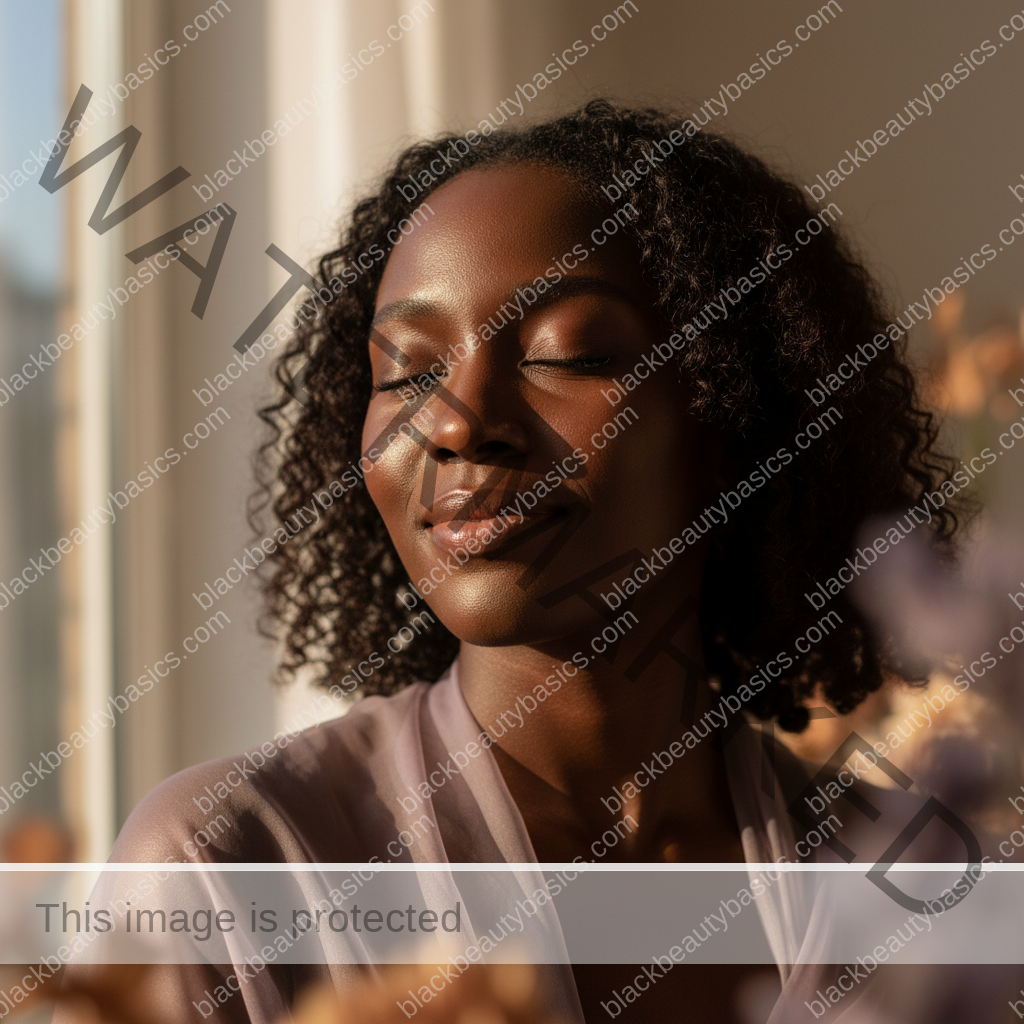
Choosing the right sunscreen is a deeply personal journey, reflecting not just your skin’s needs but also your desired aesthetic. Whether you gravitate towards the elegant control of a matte finish or the radiant luminosity of a dewy glow, the most crucial decision is to wear it, consistently and proudly. Our melanin-rich skin is a masterpiece, deserving of the finest care and unwavering protection. Embrace the sun responsibly, knowing that with the perfect sunscreen, your glow will always be your own, uncompromised and utterly magnificent.
Match your sunscreen finish to the day, not to a rule
Matte and dewy sunscreen both have a place on deep skin. The mistake is treating one finish as more correct than the other. A soft matte SPF can help if your makeup breaks apart quickly, if your T-zone gets shiny, or if you live somewhere humid. A dewy SPF can make dry or textured skin look more comfortable, especially when mineral formulas tend to sit visibly on top. Neither finish is automatically better for Black skin. The better choice is the one that looks natural on your face after it has settled.
Climate matters more than many routines admit. In a dry winter apartment, a sunscreen that looked perfect in July may suddenly feel tight or make foundation cling to flakes. In summer heat, the glowy formula that made your cheeks look expensive in the morning may slide by midafternoon. Instead of blaming your skin, consider having seasonal lanes: a richer or more radiant SPF for dry months and a lighter satin or soft matte option for humid days. That kind of adjustment is normal skincare, not inconsistency.
Makeup style matters too. If you wear powder foundation, a very matte sunscreen underneath can make the full face look dry, especially around smile lines and under the eyes. If you wear liquid foundation, an extremely dewy sunscreen may shorten wear time unless you let it set well. Think of sunscreen as part of the base. It has to agree with moisturizer, primer, foundation, powder, and your real schedule. A sunscreen that photographs well for one hour may not be the one you want for a twelve-hour workday.
Finish checks before you commit
- Look at your face in window light after the SPF has set for ten to fifteen minutes.
- Notice whether your skin looks protected and comfortable, not chalky, greasy, or tight.
- Test with your usual makeup before deciding the sunscreen is a daily keeper.
- Let your skin type, climate, and makeup habits guide the finish instead of chasing trends.
Related next steps
Related posts:
 Matte, Natural, and Dewy Finishes on Melanin-Rich Skin: Finding Your Perfect SPF Glow
 The INKEY List Dewy Sunscreen SPF 30 Review
 Tinted Sunscreen vs Clear Sunscreen on Dark Skin
 Smashbox Always On Longwear Matte Liquid Lipstick| Long Lasting, Waterproof + Non-Drying
 How to Stop Sunscreen From Making Deep Skin Look Gray
 How to Reapply Sunscreen Over Makeup on Deep Skin