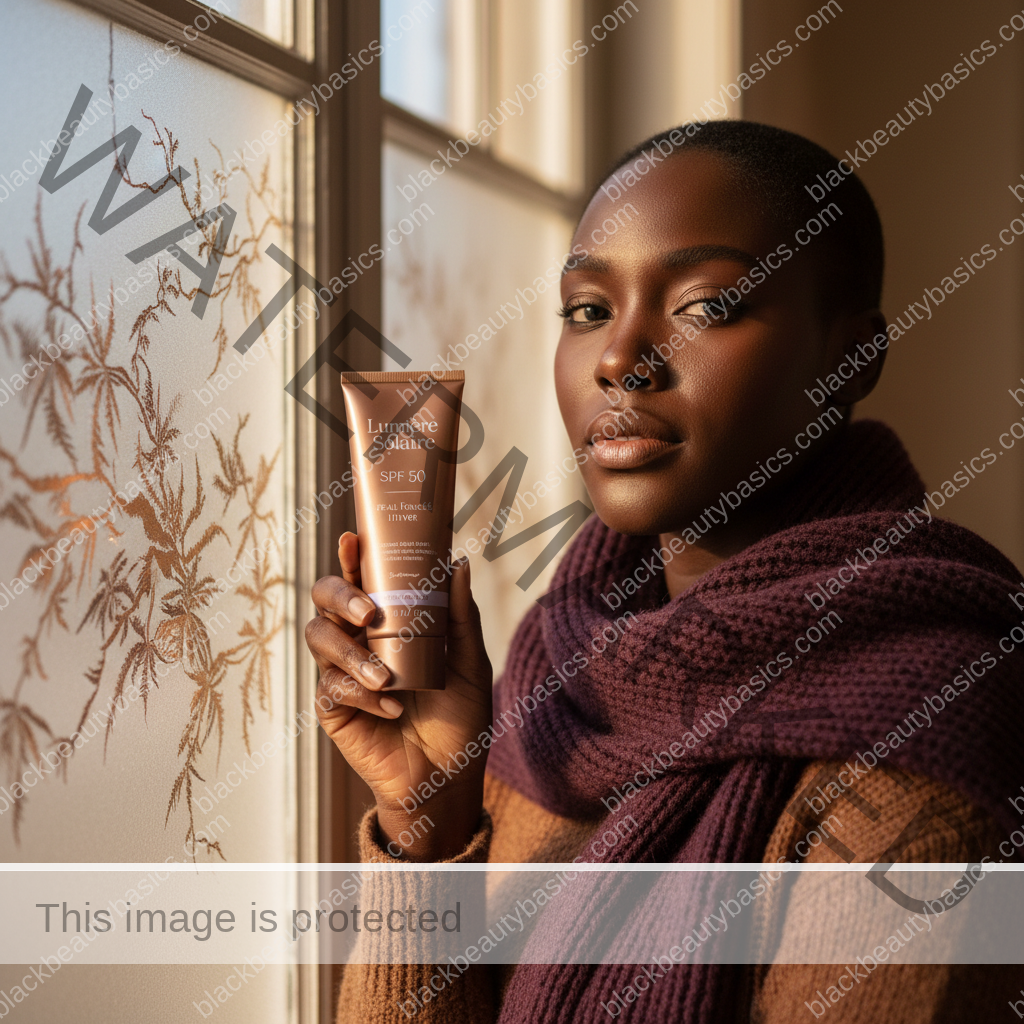
As the crisp embrace of winter settles in, a common misconception often takes root: that the sun’s potent rays somehow diminish their power, especially for our melanin-rich skin. Yet, for the discerning woman of color, this couldn’t be further from the truth. Our radiant complexions, while blessed with natural protection, still require diligent care, and the cornerstone of that care, even in the coldest months, remains a steadfast commitment to sunscreen.
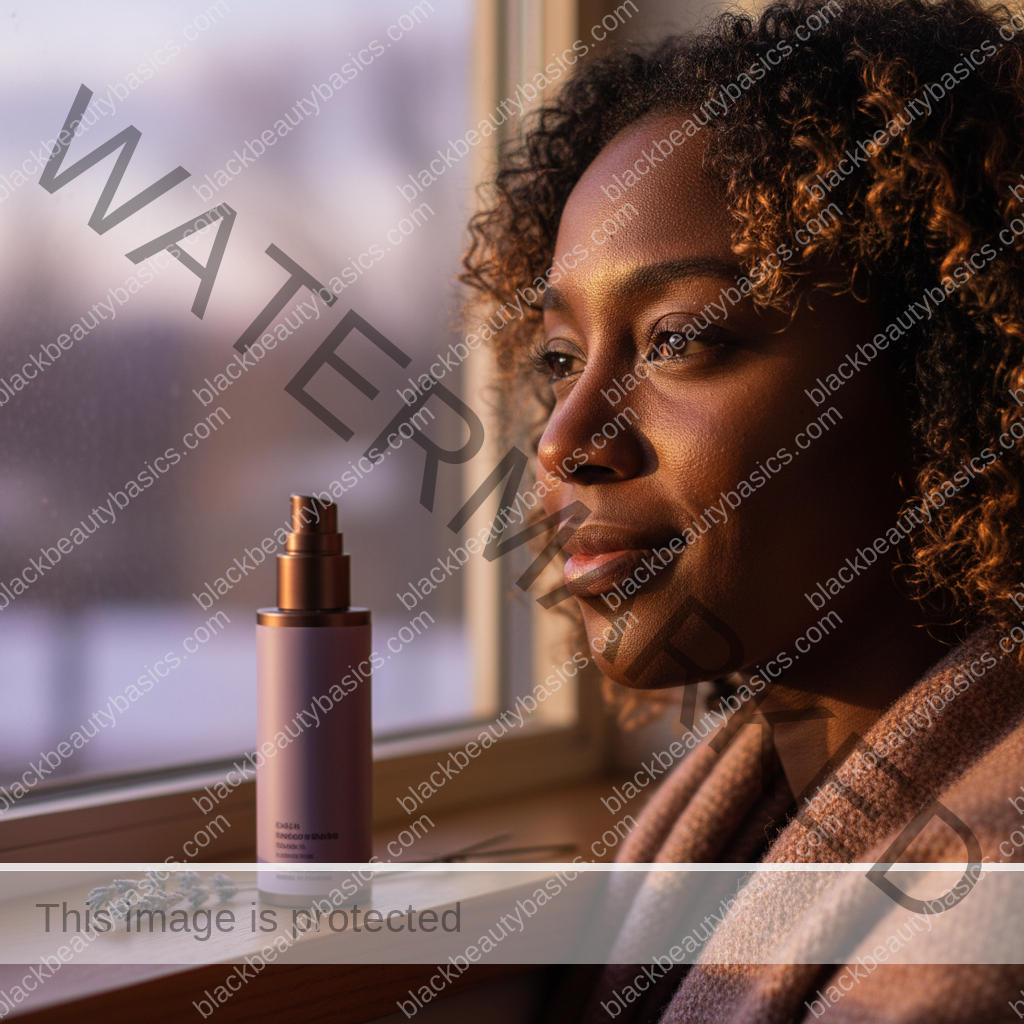
At Black Beauty Basics, we understand that true elegance is rooted in knowledge and self-care. This winter, let us dispel the myths and illuminate the enduring importance of protecting your precious skin, ensuring your glow remains vibrant and unblemished, season after season.
The Enduring Radiance: Why Sunscreen is Non-Negotiable for Dark Skin, Even in Winter
The winter months often bring a sense of reprieve from the intense summer sun, leading many to believe that sunscreen becomes an optional step in their beauty ritual. For women with melanin-rich skin, this oversight can be particularly detrimental. While our complexions possess a natural advantage due to higher melanin content, this protection is not absolute, nor is it a shield against all forms of sun damage. The sun’s ultraviolet (UV) radiation remains a pervasive threat, regardless of the temperature or the season.
Understanding the nuances of UV radiation and its impact on darker skin tones is paramount. UVA rays, responsible for premature aging, penetrate clouds and glass with ease, meaning they are a year-round concern. UVB rays, the primary cause of sunburn, may be less intense in winter but are still present, especially at higher altitudes or when reflected off snow. Our skin, while resilient, is not immune to these aggressors. The consequences of unprotected sun exposure can manifest as hyperpigmentation, uneven skin tone, and, most critically, an increased risk of skin cancer.
Embracing sunscreen as a daily, year-round practice is not merely about preventing sunburn; it’s about preserving the health, uniformity, and youthful vitality of your skin. It’s an act of self-love, a commitment to maintaining the exquisite canvas that is your complexion.

Debunking the Myths: Winter Sun and Melanin
The narrative surrounding dark skin and sun protection has long been mired in misconceptions. Let’s dismantle these myths with clarity and precision.
Myth 1: “Dark Skin Doesn’t Burn”
While melanin provides a natural SPF ranging from 7 to 13, it does not render skin immune to sunburn. Darker skin can and does burn, though the signs might be less obvious than on lighter skin tones. Instead of a vivid red, sunburn on dark skin might appear as a deeper brown, purple, or grey, often accompanied by tenderness, warmth, and itching. The long-term effects, however, are the same: cellular damage and increased risk of skin cancer.
Myth 2: “Winter Sun is Weak and Harmless”
The sun’s intensity may feel less potent in winter, but its UV radiation, particularly UVA rays, remains a constant. UVA rays penetrate deep into the skin, contributing to collagen breakdown, fine lines, wrinkles, and hyperpigmentation. Even on cloudy days, up to 80% of UV rays can penetrate cloud cover. Furthermore, snow can reflect up to 80% of UV radiation, effectively doubling your exposure. This means that activities like skiing or even just walking in a snowy landscape can lead to significant sun damage.
Myth 3: “Sunscreen is Only for Preventing Skin Cancer”
While skin cancer prevention is a critical reason for using sunscreen, it’s far from the only one. For women of color, sunscreen is an indispensable tool in the fight against hyperpigmentation, including post-inflammatory hyperpigmentation (PIH) and melasma. Sun exposure can exacerbate these conditions, making them darker and more persistent. Consistent sunscreen use helps prevent new dark spots from forming and keeps existing ones from worsening, leading to a more even and luminous complexion.
The Silent Threat: Hyperpigmentation and Dark Spots
Hyperpigmentation is a primary concern for many women with darker skin tones. It manifests as dark spots, patches, or an uneven skin tone, often triggered by inflammation, acne, or injury. Sun exposure, even incidental exposure during winter, is a major exacerbating factor. UV radiation stimulates melanocytes (the cells that produce melanin) to produce more pigment, leading to darker and more stubborn hyperpigmentation.
For those managing conditions like melasma, a chronic form of hyperpigmentation, sunscreen is not just a recommendation but a vital component of treatment. Without daily, year-round sun protection, melasma can be incredibly difficult to control, often reappearing even after successful lightening treatments. By diligently applying sunscreen, you create a protective barrier that helps to regulate melanin production, safeguarding your skin’s clarity and evenness.
Shop Hyperpigmentation Treatment for Dark Skin on Amazon
Choosing Your Winter Armor: The Best Sunscreens for Dark Skin
Selecting the right sunscreen is an art, particularly when catering to the unique needs of melanin-rich skin. The goal is effective protection without the dreaded white cast, a common concern with many mineral sunscreens. Fortunately, advancements in formulations mean there are now exquisite options that blend seamlessly into darker complexions, leaving behind a radiant, invisible finish.
Mineral vs. Chemical: Understanding Your Options
Sunscreen formulations generally fall into two categories: mineral (physical) and chemical. Each has its distinct mechanism of action and aesthetic considerations.
Mineral Sunscreens (Physical Blockers)
Mineral sunscreens use zinc oxide and/or titanium dioxide to create a physical barrier on the skin’s surface, reflecting UV rays. Historically, these were notorious for leaving a noticeable white or ashy cast, especially on darker skin. However, modern formulations often use micronized or nano-sized particles of these minerals, or are tinted, allowing them to blend beautifully without a ghostly appearance. They are generally considered gentle and suitable for sensitive skin.
Pros: Immediate protection upon application, less likely to irritate sensitive skin, broad-spectrum protection.
Cons: Older formulations can leave a white cast; some may feel thicker.
Shop Mineral Sunscreen for Dark Skin on Amazon
Chemical Sunscreens
Chemical sunscreens absorb UV radiation and convert it into heat, which is then released from the skin. Common active ingredients include oxybenzone, avobenzone, octinoxate, and octisalate. These formulations tend to be lighter in texture and absorb invisibly into the skin, making them a popular choice for those seeking a seamless finish.
Pros: Lightweight, invisible finish, easy to spread.
Cons: May require 15-20 minutes to become effective, some ingredients can be irritating for very sensitive skin, environmental concerns with certain filters.
Shop Chemical Sunscreen for Dark Skin on Amazon
Key Ingredients and Formulations to Look For
When selecting your winter sunscreen, consider these crucial factors:
- Broad-Spectrum Protection: This is non-negotiable. Ensure your sunscreen protects against both UVA (aging rays) and UVB (burning rays). Look for “Broad Spectrum” on the label.
- SPF 30 or Higher: While SPF 15 is often cited as a minimum, for consistent protection against hyperpigmentation and aging, an SPF of 30 or higher is recommended, even in winter. For extended outdoor activities, SPF 50+ is ideal.
- No White Cast: This is a primary concern for darker skin. Look for formulations specifically marketed as “sheer,” “invisible,” “tinted,” or “no white cast.” Many brands now offer mineral sunscreens with iron oxides that provide a subtle tint to counteract the whiteness.
- Hydrating Ingredients: Winter air can be drying. Choose sunscreens that also offer moisturizing benefits. Look for ingredients like hyaluronic acid, glycerin, ceramides, and nourishing oils.
- Antioxidants: Ingredients like Vitamin C, Vitamin E, ferulic acid, and green tea extract can provide an extra layer of defense against environmental damage and free radicals, complementing your sunscreen’s protection.
- Non-Comedogenic: If you have acne-prone skin, ensure your sunscreen won’t clog pores.
Shop Broad Spectrum Sunscreen for Dark Skin on Amazon
Comparison Table: Top Sunscreen Picks for Dark Skin in Winter
Navigating the myriad of sunscreen options can be daunting. Here’s a curated selection of formulations that consistently perform well on melanin-rich skin, offering both protection and a beautiful finish.
| Sunscreen Type | Key Features for Dark Skin | Pros for Winter Use | Considerations | Example Product Type |
|---|---|---|---|---|
| Tinted Mineral Sunscreen | Contains iron oxides to neutralize white cast; often provides a subtle blurring effect. | Excellent for blending into various skin tones; can double as a light foundation/primer; gentle for sensitive skin. | Shade matching might be necessary; some tints may not suit all undertones perfectly. | Shop Tinted Mineral Sunscreen on Amazon |
| Sheer Chemical Sunscreen | Designed for invisible application; lightweight and fast-absorbing. | Leaves no white cast; often feels weightless under makeup; good for daily, non-greasy wear. | Some chemical filters may cause sensitivity in very reactive skin; reapplication is key. | Shop Sheer Chemical Sunscreen on Amazon |
| Hybrid Sunscreen (Mineral + Chemical) | Combines the benefits of both types for enhanced protection and texture. | Often offers a good balance of efficacy, blendability, and a comfortable feel. | Can be harder to categorize; check ingredient list for specific filters. | Shop Hybrid Sunscreen on Amazon |
| Sunscreen with Added Skincare Benefits | Formulated with hyaluronic acid, ceramides, niacinamide, or antioxidants. | Addresses winter dryness; provides additional protection against environmental stressors; streamlines routine. | May be slightly richer in texture; ensure SPF level is still adequate. | Shop Hydrating Sunscreen for Dark Skin on Amazon |
Your Winter Sun Protection Ritual: Beyond the Bottle
While a high-quality sunscreen is the cornerstone of your winter sun protection, a holistic approach ensures comprehensive defense. Think of it as layering elegance – each step contributing to the overall integrity and beauty of your skin.
Application: The Art of Coverage
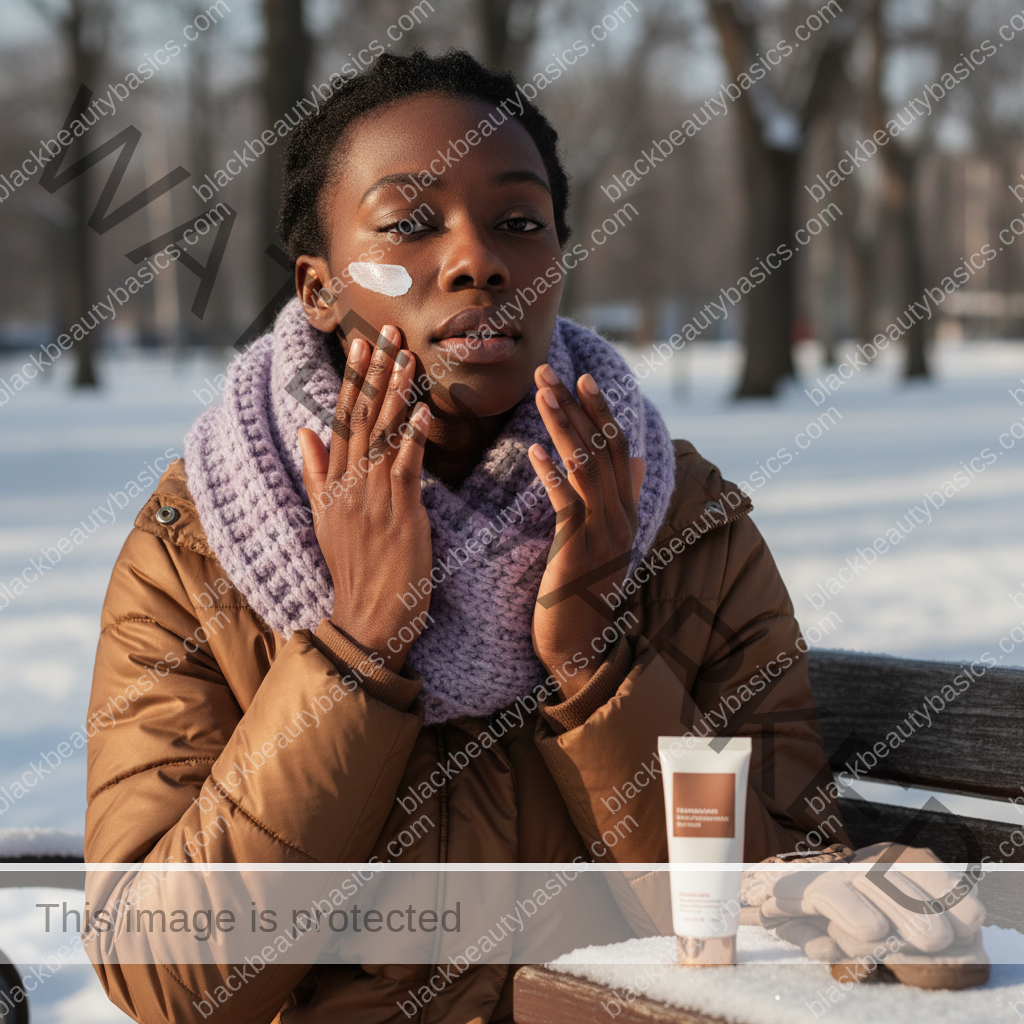
Applying sunscreen correctly is just as important as choosing the right one. Many people under-apply, significantly reducing the stated SPF. For the face, neck, and ears, aim for about a nickel-sized amount. Don’t forget often-neglected areas like the back of the neck, décolletage, and hands, especially if exposed.
Tips for Flawless Sunscreen Application:
- Apply as the Last Step (Before Makeup): Sunscreen should be the final layer in your skincare routine, after serums and moisturizers, but before any makeup. This ensures it forms an effective barrier.
- Allow Absorption: Give your sunscreen a few minutes to settle into the skin before applying makeup. This prevents pilling and ensures an even finish.
- Don’t Skimp: Use enough product! A common guideline is the “two-finger rule” – squeeze a line of sunscreen down the length of your index and middle finger for adequate facial coverage.
- Reapply Diligently: For continuous protection, reapply every two hours, or more frequently if sweating or engaging in water activities (though less common in winter, still relevant for snow sports).
- Extend to Exposed Areas: Remember hands, neck, chest, and any other skin not covered by clothing.
Shop Sunscreen Applicator on Amazon
Layering for Enhanced Protection: The Power of Antioxidants
Think of your winter skincare routine as a symphony, where each ingredient plays a vital role. Antioxidants, such as Vitamin C, Vitamin E, and ferulic acid, are powerful allies that work synergistically with sunscreen. They help neutralize free radicals generated by UV radiation and environmental pollutants, offering an additional layer of defense against cellular damage and premature aging. Applying an antioxidant serum before your sunscreen can boost your skin’s resilience.
Shop Vitamin C Serum for Dark Skin on Amazon
Protective Clothing and Accessories: Your Stylish Shield
Sunscreen is essential, but it’s not the only line of defense. Incorporating protective clothing and accessories into your winter wardrobe offers a stylish and effective way to shield your skin.
Winter Sun Protection Checklist:
- Wide-Brimmed Hats: A chic wool or felt hat can protect your face, scalp, and ears from direct sun exposure, especially crucial when sunlight reflects off snow.
- UV-Protective Clothing: For extended outdoor activities like skiing or hiking, consider clothing with a UPF (Ultraviolet Protection Factor) rating. These fabrics are specifically designed to block UV rays.
- Sunglasses: Protect the delicate skin around your eyes and prevent UV-induced damage to your eyes themselves. Look for sunglasses that block 99-100% of UVA and UVB rays.
- Scarves and High Collars: These can provide excellent coverage for the neck and décolletage, areas often exposed and prone to sun damage.
- Gloves: Your hands are one of the first areas to show signs of aging. Protect them with stylish gloves, especially when driving or spending time outdoors.
Shop UV Protective Clothing on Amazon
Beyond the Face: Full Body Sun Protection in Winter
While our faces are often the primary focus of skincare, the rest of our body, particularly exposed areas, also deserves diligent protection. Winter clothing provides a natural barrier for much of our body, but certain areas remain vulnerable.
Hands: The Unsung Heroes
Our hands are constantly exposed to the elements and are one of the first areas to betray signs of aging, including sunspots and uneven tone. Even brief exposure, such as driving, can accumulate damage over time. Make it a habit to apply sunscreen to your hands each morning, and consider keeping a travel-sized tube in your bag for reapplication.
Shop Hand Sunscreen on Amazon
Neck and Décolletage: The Extension of Your Face
These delicate areas are often overlooked but are highly susceptible to sun damage, leading to hyperpigmentation, fine lines, and texture changes. Extend your facial sunscreen application down to your neck and chest, ensuring comprehensive coverage. A rich, hydrating body lotion with SPF can also be a wonderful addition to your winter routine.
Shop Neck and Décolletage Sunscreen on Amazon
Lips: A Vulnerable Spot
The skin on our lips is thin and lacks melanin, making it highly vulnerable to sun damage. Sun exposure can lead to dryness, chapping, and even an increased risk of skin cancer on the lips. Always use a lip balm or lipstick with SPF 15 or higher, and reapply frequently throughout the day.
Shop SPF Lip Balm on Amazon
The Long-Term Investment: Benefits of Year-Round Sun Protection
Committing to year-round sun protection is not just about immediate defense; it’s a profound investment in the long-term health and beauty of your skin. The cumulative effects of consistent sun care are truly transformative, especially for melanin-rich skin.
Preserving Skin Uniformity and Radiance
One of the most cherished attributes of darker skin tones is their inherent luminosity and evenness. Sun exposure, even in winter, can disrupt this harmony, leading to the development or worsening of hyperpigmentation. By consistently using sunscreen, you actively work to prevent these disruptions, maintaining a clear, radiant, and uniformly toned complexion that truly glows from within.
Delaying Signs of Aging
While genetics play a role, UV radiation is the primary external factor contributing to premature skin aging. It breaks down collagen and elastin, leading to fine lines, wrinkles, and a loss of firmness. Consistent sunscreen use significantly mitigates this damage, helping your skin retain its youthful elasticity and smoothness for longer. This is particularly empowering for women of color, whose skin often ages gracefully but can still benefit immensely from preventative measures.
Reducing the Risk of Skin Cancer
Perhaps the most critical benefit of year-round sun protection is the reduction in skin cancer risk. While skin cancer is less common in people of color, it is often diagnosed at later, more advanced stages, making it more dangerous. This delay in diagnosis is partly due to the misconception that dark skin is immune to skin cancer, leading to less vigilance from both individuals and healthcare providers. Regular sunscreen use, coupled with self-examinations and professional skin checks, is a vital preventative measure for everyone, regardless of skin tone.
FAQ: Your Most Pressing Questions About Winter Sunscreen for Dark Skin
Q1: Do I really need SPF 30+ in winter if I’m mostly indoors?
A1: Yes, absolutely. While indoors, you’re still exposed to UVA rays through windows, which penetrate glass and contribute to aging and hyperpigmentation. If you work near a window or spend time in a car, consistent SPF 30+ is crucial. For incidental outdoor exposure, it’s also your best defense. Think of it as a daily vitamin for your skin.
Q2: My foundation has SPF. Is that enough for winter?
A2: While foundations with SPF offer some protection, they are rarely enough. To achieve the stated SPF on the label, you would need to apply a much thicker layer of foundation than most people typically use. It’s best to consider SPF in makeup as a bonus, not your primary source of sun protection. Always apply a dedicated sunscreen underneath your makeup.
Q3: How often should I reapply sunscreen in winter?
A3: The general rule of thumb is to reapply every two hours, especially if you’re outdoors for extended periods, sweating, or engaging in activities like skiing. If you’re mostly indoors with minimal sun exposure, a morning application may suffice, but if you step out for lunch or errands, a quick reapplication, perhaps with a sunscreen mist or powder, is beneficial.
Q4: Can I skip sunscreen on cloudy or rainy winter days?
A4: No. Clouds block visible light, but they do not block all UV radiation. Up to 80% of UV rays can penetrate cloud cover. Rain also doesn’t eliminate UV rays. Therefore, consistent daily application, regardless of the weather, is essential for year-round protection.
Q5: What’s the difference between SPF and UPF, and which should I look for in winter?
A5: SPF (Sun Protection Factor) measures a sunscreen’s ability to protect against UVB rays and is used for skincare products. UPF (Ultraviolet Protection Factor) measures a fabric’s ability to block both UVA and UVB rays and is used for clothing. In winter, look for SPF 30+ in your skincare and consider UPF-rated clothing for extended outdoor activities, especially in snowy environments where reflection is high.
Q6: I have sensitive, acne-prone skin. What type of winter sunscreen should I choose?
A6: For sensitive and acne-prone skin, mineral sunscreens (zinc oxide, titanium dioxide) are often a good choice as they are less likely to cause irritation. Look for formulations that are labeled “non-comedogenic” (won’t clog pores) and “fragrance-free.” Many brands now offer sheer or tinted mineral options that blend beautifully without a white cast.
Q7: Are there specific ingredients in winter sunscreens that are beneficial for dark skin?
A7: Yes! Beyond broad-spectrum SPF 30+, look for sunscreens that incorporate hydrating ingredients like hyaluronic acid, ceramides, or glycerin to combat winter dryness. Antioxidants (Vitamin C, E, ferulic acid) are also excellent for added environmental protection. For those concerned about hyperpigmentation, formulations with niacinamide can offer additional benefits.
As the days grow shorter and the air turns crisp, let your commitment to radiant skin remain unwavering. The winter sun, though seemingly gentle, still holds the power to diminish your glow if left unchecked. By embracing year-round sun protection, you’re not just applying a product; you’re affirming your dedication to preserving the health, uniformity, and exquisite beauty of your melanin-rich complexion. Let this winter be a testament to your informed elegance, a season where your skin thrives, protected and resplendent, ready to face the world with confidence and grace.
Winter SPF is about quiet exposure, not summer fear
Winter sun can feel gentle, but the skin still receives daylight during commutes, errands, school runs, office window time, and outdoor breaks. For richly melanated skin, the concern is not only sunburn. It is also the way repeated light exposure can keep uneven tone and dark marks looking more persistent. That does not mean winter needs to become another season of skincare anxiety. It means the SPF habit should stay present, softer, and adjusted for cold-weather comfort.
The biggest winter mistake is using the exact same routine from humid summer mornings when your skin is now drier, tighter, or more textured. A sunscreen that felt weightless in July may not give enough comfort in January. Layering matters. A gentle cleanser, a moisturizer that supports the barrier, and a sunscreen that does not turn gray on deep skin can make the step feel less like a chore.
If makeup sits differently in winter, look at the entire base instead of blaming SPF first. Dry patches, heavier creams, and rushed layering can all make sunscreen pill or foundation cling. Let moisturizer settle, use the right amount of sunscreen in sections, and give the film a moment before makeup. SPF still matters; it simply needs a winter version.
Cold-weather SPF checks
- Keep SPF in the morning routine even when the day is cloudy.
- Use more supportive moisture underneath if skin feels tight.
- Check for gray cast in window light before committing to a formula.
- Reapply based on actual exposure, especially snow glare, long drives, or window-heavy days.
What to do next

Keep this guide connected to the rest of the Sunscreen for Dark Skin series. The goal is not to treat SPF like a one-size-fits-all rule. The goal is to build sun protection that works with deep skin, real schedules, makeup, body care, outdoor plans, and hyperpigmentation goals.
- daily sunscreen routine with makeup
- how much sunscreen to use on deep skin
- do Black women need sunscreen indoors
Related next steps
Related posts:
 Winter and Cloudy-Day SPF on Dark Skin: Protecting Your Radiance Beyond Summer Sunshine
 Drugstore vs Prestige Skincare for Melanin-Rich Skin: What Actually Matters
 Winter Skincare for Melanin-Rich Skin: Embrace Comfort & Glow
 The Ultimate Winter Haircare Guide for African American Women: Tailored to Hair Type, Texture, and Concerns
 Effortless Winter Haircare: A Step-by-Step Guide for African American Women
 Mastering Seasonal Shifts: The Ultimate Winter vs. Summer Natural Hair Routine for Black Women