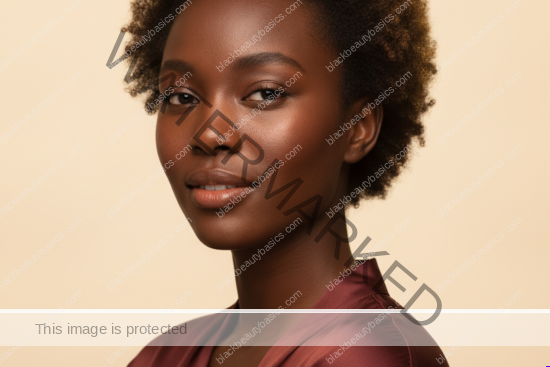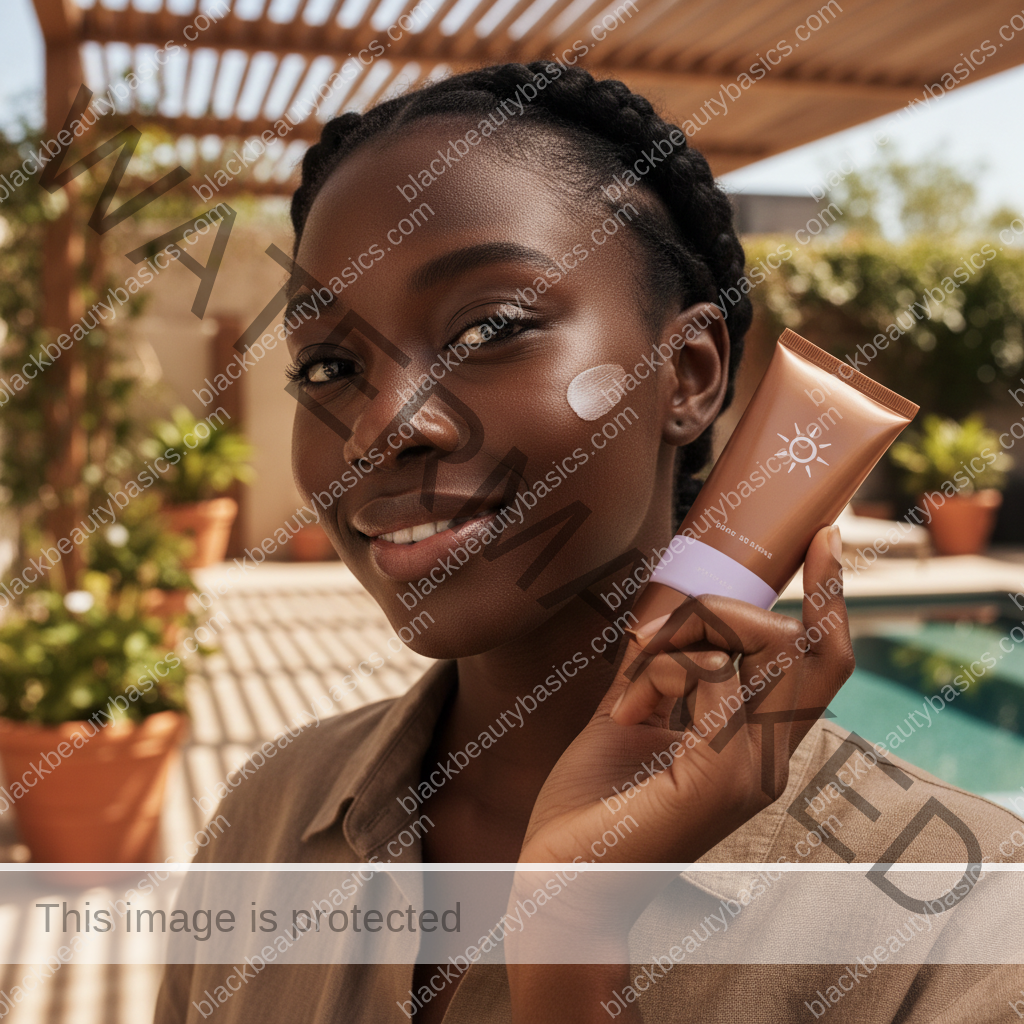
The journey through adolescence is a beautiful, transformative odyssey, marked by self-discovery and the blossoming of individuality. For our radiant Black teens, this era is also a powerful opportunity to lay the foundation for lifelong skin health, embracing practices that honor and protect their magnificent melanin. Among these, discerning the perfect sunscreen isn’t just a suggestion; it’s a profound act of self-love, a vital shield against the sun’s embrace, ensuring their luminous complexions remain vibrant and unblemished for years to come.
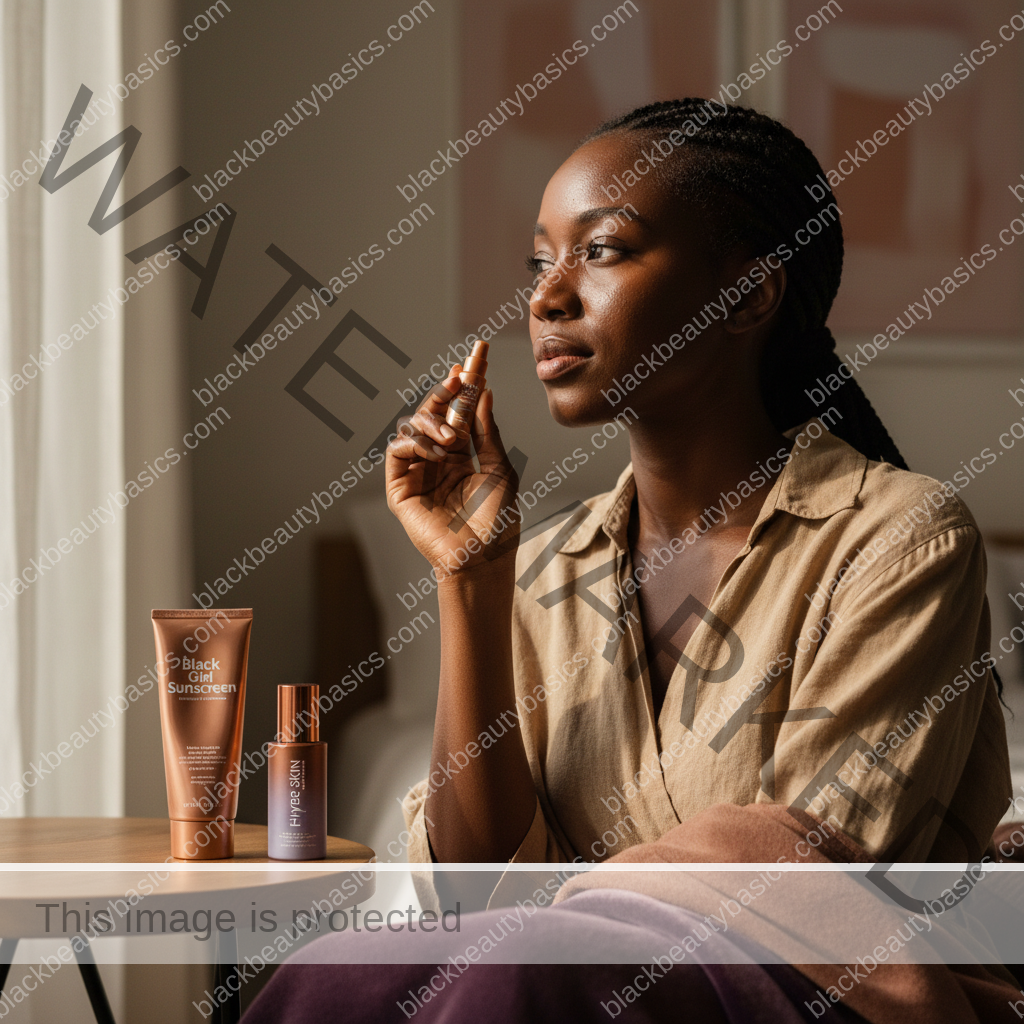
The Melanin Myth: Why Sunscreen is Non-Negotiable for Deep Skin
For far too long, a pervasive myth has whispered through communities of color: “Black don’t crack, and Black don’t burn.” While our melanin-rich skin indeed possesses natural photoprotective qualities, offering an estimated SPF of 13-15, this inherent advantage is often misconstrued as an impenetrable shield. The truth, however, is far more nuanced and critically important for the health and longevity of our skin.
Unpacking the Science: Melanin’s Role and Limitations
Melanin, the pigment responsible for the beautiful spectrum of deep skin tones, is a powerful natural antioxidant and UV absorber. It acts as a natural defense mechanism, scattering and absorbing harmful UV radiation before it can damage skin cells. This is why individuals with deeper complexions are less prone to visible sunburn and have a lower incidence of certain types of skin cancer compared to their fairer-skinned counterparts.
However, “less prone” does not mean “immune.” UV radiation, whether from the sun or artificial sources like tanning beds, still penetrates deep skin, causing damage at a cellular level. This damage manifests differently in deep skin, often presenting as:
- Hyperpigmentation: Post-inflammatory hyperpigmentation (PIH) is a common concern for Black skin. Sun exposure exacerbates PIH, making dark spots from acne, insect bites, or minor injuries darker and longer-lasting.
- Premature Aging: While “Black don’t crack” holds some truth regarding fine lines and wrinkles, UV radiation still contributes to collagen breakdown, leading to loss of elasticity, uneven texture, and a duller complexion over time.
- Skin Cancer: Though less common, skin cancer in people of color is often diagnosed at later, more advanced stages, leading to poorer prognoses. This is partly due to the misconception that deep skin is immune, leading to less vigilance and later detection. Melanoma, the most dangerous form of skin cancer, can occur in anyone, regardless of skin tone, often appearing in less sun-exposed areas like the palms, soles, and nail beds.
For teens, who are often more active outdoors and sometimes less diligent about skincare, these risks are particularly pertinent. Establishing a consistent sunscreen habit now is an investment in their future skin health, preventing issues that are much harder to reverse later.

Beyond Sunburn: Understanding UV Damage in Deep Skin
The immediate, painful redness of a sunburn is a clear indicator of sun damage for lighter skin tones. For deep skin, the signs are often more subtle, insidious, and cumulative. Instead of a fiery red, sun-damaged deep skin might appear:
- Darker and more uneven: Existing hyperpigmentation can deepen, and new dark spots can emerge.
- Dull and ashy: UV damage can compromise the skin barrier, leading to dehydration and a loss of natural radiance.
- Leathery or thickened: Chronic sun exposure can alter skin texture, making it feel rougher.
- More prone to breakouts: Sun damage can trigger inflammation, exacerbating acne for many teens.
It’s crucial for teens and their parents to understand that “not burning” does not equate to “not being damaged.” Every day spent unprotected under the sun contributes to cellular damage that accumulates over a lifetime.
This understanding empowers our teens to embrace sunscreen not as a burden, but as a powerful tool for preserving their skin’s inherent beauty and health. It’s about proactive care, celebrating their unique glow, and ensuring it remains vibrant for decades to come.
Choosing the Perfect Sunscreen: A Guide for Deep Skin Teens
Navigating the myriad of sunscreen options can be daunting, especially when considering the unique needs of deep skin. The primary concern often revolves around the dreaded “white cast” – that ghostly, chalky residue that many mineral sunscreens leave behind. Thankfully, formulators have made incredible strides, offering elegant, cast-free options tailored for melanin-rich complexions.
Mineral vs. Chemical: Understanding the Differences
Sunscreen formulations generally fall into two main categories: mineral (physical) and chemical. Both are effective, but they work differently and have distinct characteristics that might appeal to different skin types and preferences.
Mineral Sunscreens (Physical Blockers)
- Active Ingredients: Zinc Oxide and/or Titanium Dioxide.
- How They Work: They sit on top of the skin, creating a physical barrier that reflects and scatters UV rays away from the skin.
- Pros for Deep Skin:
- Generally less irritating, making them ideal for sensitive or acne-prone skin.
- Offer broad-spectrum protection immediately upon application.
- Often recommended by dermatologists for their gentle nature.
- Cons for Deep Skin:
- Historically notorious for leaving a white cast, though modern formulations have largely overcome this.
- Can sometimes feel thicker or heavier on the skin.
Chemical Sunscreens (Organic Filters)
- Active Ingredients: Oxybenzone, Avobenzone, Octinoxate, Octisalate, Homosalate, Octocrylene, etc.
- How They Work: They absorb into the skin and convert UV rays into heat, which is then released from the skin.
- Pros for Deep Skin:
- Tend to be lighter in texture and absorb seamlessly, leaving no white cast.
- Often formulated into elegant, cosmetically appealing lotions and sprays.
- Cons for Deep Skin:
- Some individuals with sensitive skin may experience irritation or allergic reactions.
- Require about 15-20 minutes to become effective after application.
- Certain chemical filters (like oxybenzone) have raised environmental concerns regarding coral reefs, leading to “reef-safe” alternatives.
The White Cast Conundrum: Finding Cast-Free Formulations
The “white cast” is often the biggest deterrent for teens with deep skin. It’s a valid concern, as no one wants their beautiful complexion obscured. Fortunately, advancements in sunscreen technology have addressed this head-on. When shopping, look for:
- Tinted Mineral Sunscreens: Many mineral formulas now come with a subtle tint that blends seamlessly into deeper skin tones, neutralizing the white cast. Look for shades labeled “universal tint” or those with a range of deeper tones.
- Micronized or Nanoparticle Zinc Oxide/Titanium Dioxide: These smaller particles are less likely to leave a visible residue. Ensure they are still broad-spectrum.
- Chemical Sunscreens: By their nature, chemical sunscreens absorb invisibly, making them a reliable choice for avoiding a white cast.
- Hybrid Formulas: Some sunscreens combine both mineral and chemical filters, offering the benefits of both with a cosmetically elegant finish.
- “Sheer,” “Invisible,” or “Clear” Formulas: Many brands now specifically formulate and market sunscreens that promise an invisible finish on all skin tones.
Key Factors to Consider When Choosing
Beyond the white cast, several other factors are crucial for teens to consider:
- SPF 30 or Higher: This is the minimum recommended by dermatologists for daily use. For extended outdoor activity, SPF 50+ is ideal.
- Broad-Spectrum Protection: Ensures protection against both UVA (aging rays) and UVB (burning rays). This is non-negotiable.
- Non-Comedogenic: Essential for acne-prone teen skin, meaning it won’t clog pores.
- Oil-Free or Mattifying: Many teens experience oily skin. Look for formulas that control shine without drying out the skin.
- Water-Resistant: Crucial for active teens, especially those involved in sports, swimming, or who sweat frequently. Reapply after swimming or excessive sweating.
- Texture and Finish: Does it feel good on the skin? Does it layer well under makeup (if applicable)? A pleasant texture encourages consistent use.
- Ingredients for Skin Concerns: Some sunscreens include beneficial ingredients like hyaluronic acid for hydration, niacinamide for brightening, or antioxidants for added protection.
Encourage your teen to experiment with different brands and formulations. What works for one person may not work for another. The “best” sunscreen is the one they will consistently use and enjoy.
Shop Sunscreen for Teens With Deep Skin on Amazon
Top Sunscreen Picks for Melanin-Rich Teen Skin
Finding the perfect sunscreen for deep skin that doesn’t leave a white cast and addresses common teen skin concerns has never been easier. Here are some highly recommended categories and specific product types that consistently receive rave reviews from our community.
Sheer Mineral Sunscreens
These formulations have mastered the art of invisible protection, using finely milled zinc oxide and titanium dioxide, often with a subtle tint, to blend seamlessly.
- Tinted Mineral SPF: Many brands now offer mineral sunscreens with a universal tint or a range of shades designed to disappear into deeper skin tones. These are excellent for a subtle evening of skin tone while providing robust protection.
Shop Tinted Mineral SPF on Amazon - Invisible Zinc Oxide Formulas: Look for products specifically marketed as “sheer,” “invisible,” or “clear” zinc oxide. These often use advanced dispersion technologies to prevent a white cast.
Shop Invisible Zinc Oxide Formulas on Amazon
Elegant Chemical Sunscreens
For those who prefer a lightweight, completely transparent finish, chemical sunscreens are a fantastic choice. Modern formulations are often packed with skin-loving ingredients.
- Gel or Fluid Textures: These are often the lightest and absorb the quickest, making them ideal for oily or acne-prone skin. They feel weightless and layer beautifully under makeup.
Shop Gel or Fluid Sunscreen on Amazon - Hybrid Chemical/Mineral Formulas: These combine the best of both worlds – the broad-spectrum protection of minerals with the elegant, cast-free finish of chemical filters.
Shop Hybrid Chemical/Mineral Sunscreen on Amazon
Sunscreen for Specific Teen Skin Concerns
Teen skin often comes with its own set of challenges, from acne to oiliness. Choosing a sunscreen that addresses these concerns can make compliance much easier.
- Acne-Prone Skin: Look for “non-comedogenic,” “oil-free,” and “fragrance-free” formulas. Some sunscreens even include ingredients like niacinamide or salicylic acid to help manage breakouts.
Shop Sunscreen for Acne-Prone Skin on Amazon - Oily Skin: Mattifying sunscreens or those with a “dry touch” finish can help control shine throughout the day. Gel or fluid textures are also excellent choices.
Shop Mattifying Sunscreen on Amazon - Sensitive Skin: Mineral sunscreens are generally preferred for sensitive skin due to their gentle nature. Look for formulas free of fragrance, parabens, and common irritants.
Shop Sunscreen for Sensitive Skin on Amazon
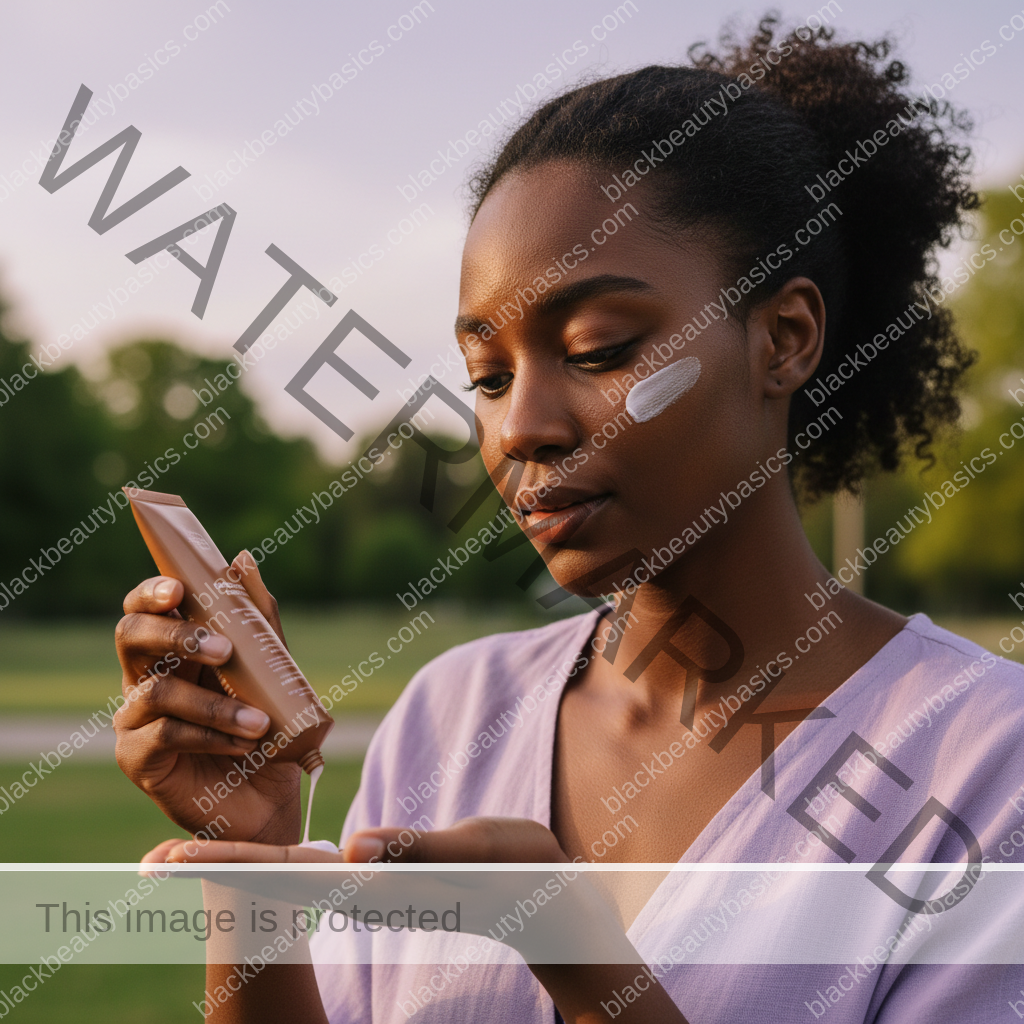
Comparison Table: Mineral vs. Chemical Sunscreens for Deep Skin
To help you and your teen make an informed decision, here’s a quick comparison:
| Feature | Mineral Sunscreen (Zinc Oxide/Titanium Dioxide) | Chemical Sunscreen (Avobenzone, Oxybenzone, etc.) |
|---|---|---|
| How it Works | Reflects UV rays off the skin surface. | Absorbs UV rays and converts them to heat. |
| White Cast Potential | Historically high, but modern formulas (tinted, micronized) are often invisible. | Generally no white cast, absorbs invisibly. |
| Application Time | Effective immediately upon application. | Needs 15-20 minutes to absorb and become effective. |
| Skin Sensitivity | Generally well-tolerated, good for sensitive/acne-prone skin. | Some chemical filters can cause irritation for sensitive skin. |
| Texture | Can be thicker, but many modern formulas are light and elegant. | Typically lighter, more fluid, and cosmetically elegant. |
| Reef-Safe Options | Many mineral sunscreens are inherently reef-safe. | Look for “reef-safe” labels, as some filters are harmful to coral. |
| Best For | Sensitive skin, acne-prone skin, those who prefer natural ingredients. | Anyone seeking a completely invisible, lightweight formula. |
Ultimately, the best sunscreen is the one your teen will use consistently. Encourage them to try samples and find a formula they genuinely enjoy wearing every day.
Beyond the Bottle: Sun Protection Habits for Life
While sunscreen is a cornerstone of sun protection, it’s just one piece of the puzzle. Cultivating a holistic approach to sun safety from a young age empowers teens to protect their skin comprehensively, ensuring their radiant glow endures.
The Art of Application: How Much and How Often?
Even the best sunscreen is ineffective if not applied correctly. Educating teens on proper application is key:
- The “Two-Finger Rule”: For the face and neck, squeeze a line of sunscreen onto your index and middle finger. This is generally enough for adequate coverage.
- Don’t Forget Key Areas: Hairline, ears, back of the neck, and chest are often overlooked.
- Apply Generously: Most people apply only 25-50% of the recommended amount. Be generous!
- Reapply, Reapply, Reapply: This is perhaps the most crucial step. Sunscreen should be reapplied every two hours, or immediately after swimming, sweating heavily, or towel drying. This is especially important for active teens.
- Layering: Apply sunscreen as the last step in their skincare routine, before makeup (if worn).
Make it a habit. Place sunscreen in visible spots, like next to their toothbrush or by the door, to serve as a daily reminder.
Seeking Shade and Protective Clothing
Sunscreen is a vital tool, but it’s not a license to bake in the sun. Encourage teens to adopt additional sun-smart behaviors:
- Seek Shade: Especially during peak sun hours (10 AM to 4 PM), encourage them to stay under trees, umbrellas, or indoors.
- Wear Sun-Protective Clothing: Long-sleeved shirts, pants, and wide-brimmed hats offer excellent physical protection. Look for clothing with a UPF (Ultraviolet Protection Factor) rating for superior blocking.
Shop UPF Clothing for Teens on Amazon - Sunglasses: Protect the delicate skin around the eyes and prevent cataracts. Look for sunglasses that block 99-100% of UVA and UVB rays.
Shop UV Protective Sunglasses for Teens on Amazon
The Daily Ritual: Integrating Sunscreen into Skincare
For teens, skincare can sometimes feel like a chore. Framing sunscreen as an essential, non-negotiable step in their daily routine, much like brushing their teeth, is vital. It’s not just for beach days; it’s for every day, rain or shine, indoors or out.
- Morning Routine: Cleanse, tone (if applicable), serum (if applicable), moisturizer, then SUNSCREEN.
- Makeup Application: If they wear makeup, sunscreen goes on before foundation. Many foundations and primers now include SPF, but it’s often not enough on its own. It’s best to use a dedicated sunscreen first.
- Reapplication Tools: For reapplication over makeup, consider SPF setting sprays or powder sunscreens. While not as robust as a cream, they offer a convenient touch-up.
Shop SPF Setting Spray on Amazon
Tips for Encouraging Consistent Sunscreen Use in Teens
Getting teens to adopt new habits can be challenging. Here are some empathetic and practical tips:
- Lead by Example: Parents and guardians who consistently use sunscreen set a powerful precedent.
- Educate, Don’t Scare: Focus on the benefits – preventing dark spots, maintaining an even skin tone, and preserving youthful radiance – rather than just the risks of skin cancer.
- Let Them Choose: Give them options. If they find a sunscreen they like the feel and look of, they’re far more likely to use it.
- Make it Accessible: Keep sunscreen readily available in their bathroom, backpack, and by the door.
- Address Their Concerns: Listen to their specific worries, whether it’s the white cast, feeling greasy, or breakouts. Help them find solutions.
- Connect it to Their Interests: If they play sports, emphasize how it protects them during practice. If they care about clear skin, explain how it prevents PIH.
- Gift Them Good Sunscreen: A high-quality, elegant sunscreen can feel like a treat rather than a chore.
- Explain the “Blue Light” Factor: For teens spending hours on screens, explain that some sunscreens (especially tinted mineral ones) can offer protection against blue light, which can also contribute to hyperpigmentation.
By empowering teens with knowledge and providing them with the right tools and habits, we instill a lifelong commitment to skin health that celebrates and protects their magnificent melanin.
FAQ: Your Sunscreen Questions Answered
Q1: Do I really need sunscreen every day, even when it’s cloudy or I’m indoors?
A: Yes, absolutely! Up to 80% of the sun’s UV rays can penetrate clouds, so cloudy days offer little protection. Moreover, UVA rays, which contribute to aging and hyperpigmentation, can penetrate windows. If you’re near a window at home, in the car, or at school, you’re still exposed. Consistent daily use is key to preventing cumulative damage and maintaining an even, radiant complexion.
Q2: My skin is acne-prone. Will sunscreen make me break out?
A: Not if you choose the right one! Many sunscreens are specifically formulated for acne-prone skin. Look for labels that say “non-comedogenic” (meaning it won’t clog pores), “oil-free,” and “fragrance-free.” Mineral sunscreens (zinc oxide and titanium dioxide) are often a good choice for sensitive and acne-prone skin as they sit on top of the skin rather than absorbing into it. Experiment with different textures like gels or fluids, which tend to be lighter.
Q3: How much sunscreen should I apply to my face and body?
A: For your face and neck, a good rule of thumb is the “two-finger rule” – squeeze a line of sunscreen onto your index and middle finger. For the body, you’ll need about a shot glass full (approximately one ounce) to cover all exposed areas. Most people apply far too little, so be generous! Remember to cover often-missed spots like the ears, back of the neck, and tops of the feet.
Q4: How often should I reapply sunscreen, especially if I’m active?
A: Sunscreen should be reapplied every two hours, regardless of the SPF. If you’re swimming, sweating heavily (e.g., during sports), or towel drying, you need to reapply immediately after. Water-resistant formulas can maintain their SPF for 40 or 80 minutes in water, but reapplication is still crucial after these periods or drying off.
Q5: Can I use makeup with SPF instead of a separate sunscreen?
A: While makeup with SPF offers some protection, it’s generally not enough on its own. To achieve the SPF listed on the product, you’d need to apply a much thicker layer than most people typically do for makeup. It’s best to use a dedicated broad-spectrum sunscreen with an SPF of 30 or higher as the last step in your skincare routine, before applying any makeup. Think of SPF in makeup as an added bonus, not your primary defense.
Q6: What’s the difference between UVA and UVB rays, and why do I need protection from both?
A: UVA rays (think “Aging”) penetrate deeper into the skin and are responsible for premature aging, wrinkles, hyperpigmentation, and contribute to skin cancer. UVB rays (think “Burning”) are the primary cause of sunburn and also play a significant role in skin cancer development. Broad-spectrum sunscreen protects against both UVA and UVB rays, which is essential for comprehensive skin health and preventing both visible damage and long-term risks.
Q7: I’ve heard about “reef-safe” sunscreens. What does that mean, and should I use them?
A: “Reef-safe” sunscreens are formulated without certain chemical filters, notably oxybenzone and octinoxate, which have been shown to harm coral reefs and marine life. If you’re swimming in the ocean or sensitive aquatic environments, choosing a reef-safe mineral sunscreen (containing only zinc oxide and titanium dioxide) is an excellent choice for environmental protection. Even if you’re not near a reef, many people prefer these formulas for their generally gentler ingredients.
Teen SPF has to be simple enough to repeat
Teen skincare can get loud fast. Acne, dark marks, sports, makeup, school schedules, social pressure, and TikTok advice can all collide in one bathroom mirror. For teens with deep skin, sunscreen is often introduced too late, especially after hyperpigmentation has already become frustrating. The goal is not to scare a teen into a complicated routine. The goal is to make SPF feel normal, wearable, and connected to the skin concerns they already care about.
A teen routine should be short. Gentle cleanser, moisturizer if needed, sunscreen in the morning, and acne or dark-spot treatments only when appropriate. If sunscreen feels greasy, gray, or embarrassing, the habit will not stick. Texture matters because teens are not going to keep using a product that makes them feel ashy at school or heavy during practice.
Language matters too. Avoid telling teens they need sunscreen because their skin is flawed or because dark marks make them less beautiful. Say the truth plainly: deep skin has melanin, but melanin is not full sun protection. Sunscreen helps protect skin, supports acne-mark routines, and makes outdoor days safer. That is enough.
Teen-friendly SPF rules
- Keep the morning routine short and repeatable.
- Prioritize no-cast textures that feel comfortable at school.
- Connect SPF to acne marks and outdoor activities without shame.
- Let teens help choose the formula so the habit feels like theirs.
What to do next

Keep this guide connected to the rest of the Sunscreen for Dark Skin series. The goal is not to treat SPF like a one-size-fits-all rule. The goal is to build sun protection that works with deep skin, real schedules, makeup, body care, outdoor plans, and hyperpigmentation goals.
Related next steps
Related posts:
 Helping Teens With Melanin-Rich Skin Build SPF Habits
 Matte Sunscreen vs Dewy Sunscreen on Deep Skin
 How Much Sunscreen to Use on Deep Skin Without Looking Heavy
 Tinted Sunscreen vs Clear Sunscreen on Dark Skin
 How to Stop Sunscreen From Making Deep Skin Look Gray
 How to Reapply Sunscreen Over Makeup on Deep Skin