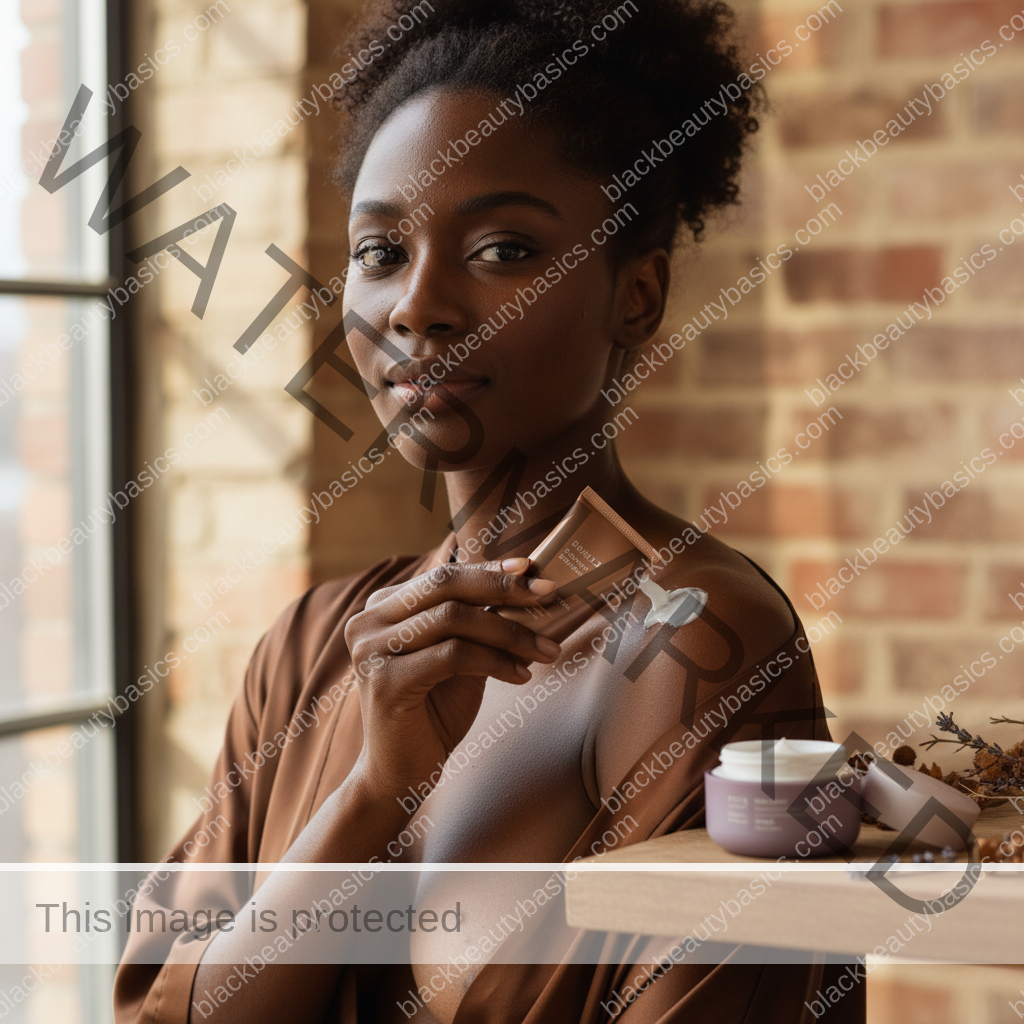
For the discerning woman of color, our skin is a canvas, a testament to our heritage, and a source of profound beauty. Yet, even the most radiant complexions can face challenges, and among them, acne stands as a persistent concern. While we often dedicate meticulous care to our faces, the skin on our bodies, equally precious and prone to blemishes, often gets overlooked or treated with a one-size-fits-all approach. It’s time to elevate our body care, recognizing that the unique landscape of our décolletage, back, and beyond demands a routine as nuanced and sophisticated as our facial regimen.

The Distinctive Nature of Body Acne in Melanin-Rich Skin
Our skin, particularly melanin-rich skin, possesses remarkable resilience and unique characteristics. However, this also means that when issues like acne arise, they can manifest differently and require tailored solutions. Body acne, often dismissed as less significant than facial acne, can lead to hyperpigmentation, scarring, and discomfort, impacting our confidence and the very texture of our skin. Understanding its distinct nature is the first step towards a truly effective and empowering skincare strategy.
Why Body Skin Isn’t Facial Skin: A Biological Breakdown
While both facial and body skin share fundamental structures, there are crucial differences that dictate how acne develops and should be treated. The skin on our back, chest, and buttocks is generally thicker, with larger pores and a higher density of sebaceous glands. This means more oil production, which can lead to more significant blockages and inflammation. Furthermore, these areas are often subjected to more friction from clothing, sweat, and environmental factors, exacerbating acne concerns.
Thicker Skin and Larger Pores: A Double-Edged Sword
The thicker epidermis on the body means that active ingredients may need to be more potent or applied more consistently to penetrate effectively. Larger pores, while beneficial for thermoregulation, can also become more easily clogged with sebum, dead skin cells, and bacteria, leading to more widespread and sometimes deeper lesions. This anatomical difference necessitates a different approach to exfoliation and active ingredient delivery.
Sweat, Friction, and Occlusion: The Body’s Unique Challenges
Areas like the back and chest are prone to sweating, especially during physical activity or in warmer climates. Sweat, combined with friction from tight clothing, can create an occlusive environment that traps bacteria and irritates hair follicles, leading to a specific type of acne known as “acne mechanica” or “folliculitis.” This is particularly relevant for active women who may experience breakouts along bra lines, waistbands, or under athletic gear. Addressing these external factors is paramount in a body acne routine.
The Melanin Factor: Post-Inflammatory Hyperpigmentation (PIH)
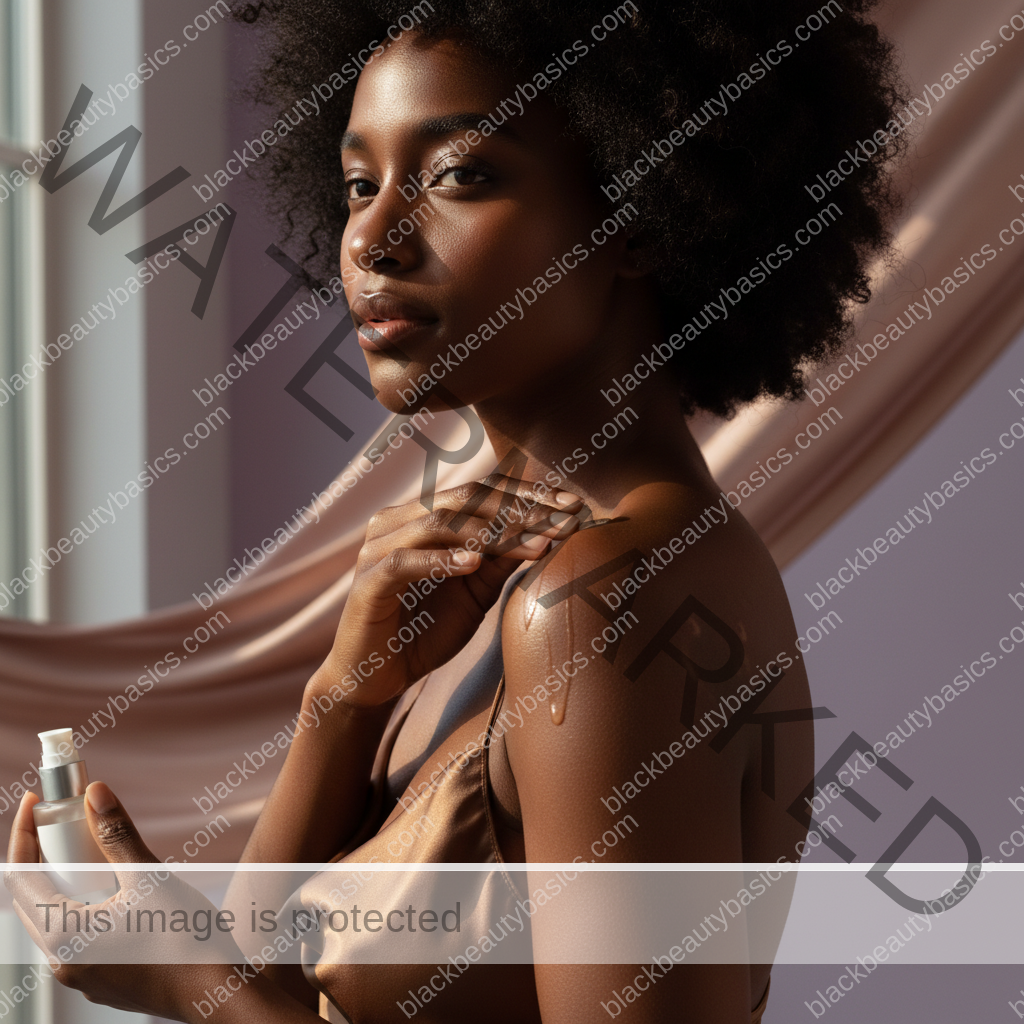
For African American women, any form of inflammation or trauma to the skin, including acne, carries a significant risk of post-inflammatory hyperpigmentation (PIH). Body acne, due to its often deeper and more inflamed nature, can leave behind stubborn dark spots that linger long after the blemish has healed. This makes prevention and gentle, targeted treatment even more critical. Our approach must not only clear existing breakouts but also meticulously safeguard against future discoloration.
Crafting Your Body Acne Regimen: Beyond the Face
Now that we understand the nuances, it’s time to build a body acne routine that is as effective as it is luxurious. This isn’t about harsh treatments; it’s about intelligent, targeted care that respects the integrity of our melanin-rich skin.
Cleansing: The Foundation of Flawless Skin
A proper cleanse is non-negotiable. For body acne, this means choosing a cleanser that can effectively remove impurities, excess oil, and bacteria without stripping the skin. Look for formulations with active ingredients that gently exfoliate and purify.
Key Ingredients for Body Cleansers:
- Salicylic Acid (BHA): A lipid-soluble exfoliant that penetrates oil to deep-clean pores, making it excellent for body acne. It helps to dissolve dead skin cells and sebum, preventing blockages.
- Benzoyl Peroxide: An antibacterial agent that targets acne-causing bacteria (P. acnes). It can be very effective but should be used with caution as it can be drying and may bleach fabrics.
- Glycolic Acid (AHA): A water-soluble exfoliant that works on the skin’s surface to remove dead skin cells and improve texture. Useful for preventing clogged pores and addressing surface roughness.
- Tea Tree Oil: A natural antiseptic with anti-inflammatory properties. Look for it in gentle formulations.
Tip: Consider a body wash with a higher concentration of active ingredients than your facial cleanser, as body skin can often tolerate more. However, always patch test first.
Shop Body Acne Cleansers on Amazon
Targeted Treatments: Precision for Persistent Blemishes
After cleansing, targeted treatments deliver potent ingredients directly to problem areas. These are the workhorses of your body acne routine.
Serums and Sprays:
- Salicylic Acid Sprays: Ideal for hard-to-reach areas like the back. These sprays deliver a fine mist of BHA to exfoliate and treat breakouts without needing to rub.
- Benzoyl Peroxide Gels/Lotions: For localized, stubborn breakouts. Start with a lower concentration (2.5-5%) to assess tolerance, especially if you’re prone to dryness or irritation.
- Alpha Hydroxy Acid (AHA) Lotions: Glycolic or lactic acid lotions can be excellent for overall skin texture, preventing ingrown hairs, and reducing the appearance of PIH over time.
Application Tip: Apply treatments to clean, dry skin. Allow them to fully absorb before dressing to prevent transfer to clothing. For sprays, ensure even coverage.
Shop Body Acne Treatment Sprays on Amazon
Moisturizing: The Unsung Hero of Acne-Prone Skin
Many believe that acne-prone skin doesn’t need moisturizer, but this is a misconception, especially for melanin-rich skin. Proper hydration helps maintain a healthy skin barrier, which is crucial for preventing irritation and promoting healing. Choose non-comedogenic, lightweight formulas.
Look for Moisturizers with:
- Hyaluronic Acid: Provides hydration without feeling heavy or greasy.
- Ceramides: Help to repair and strengthen the skin barrier.
- Niacinamide (Vitamin B3): Offers anti-inflammatory benefits, helps regulate oil production, and can improve the appearance of PIH.
- Non-comedogenic label: Ensures the product won’t clog pores.
Remember: Even if your skin feels oily, it still needs hydration. Dehydrated skin can sometimes produce more oil to compensate, leading to a vicious cycle.
Shop Non-Comedogenic Body Lotions on Amazon
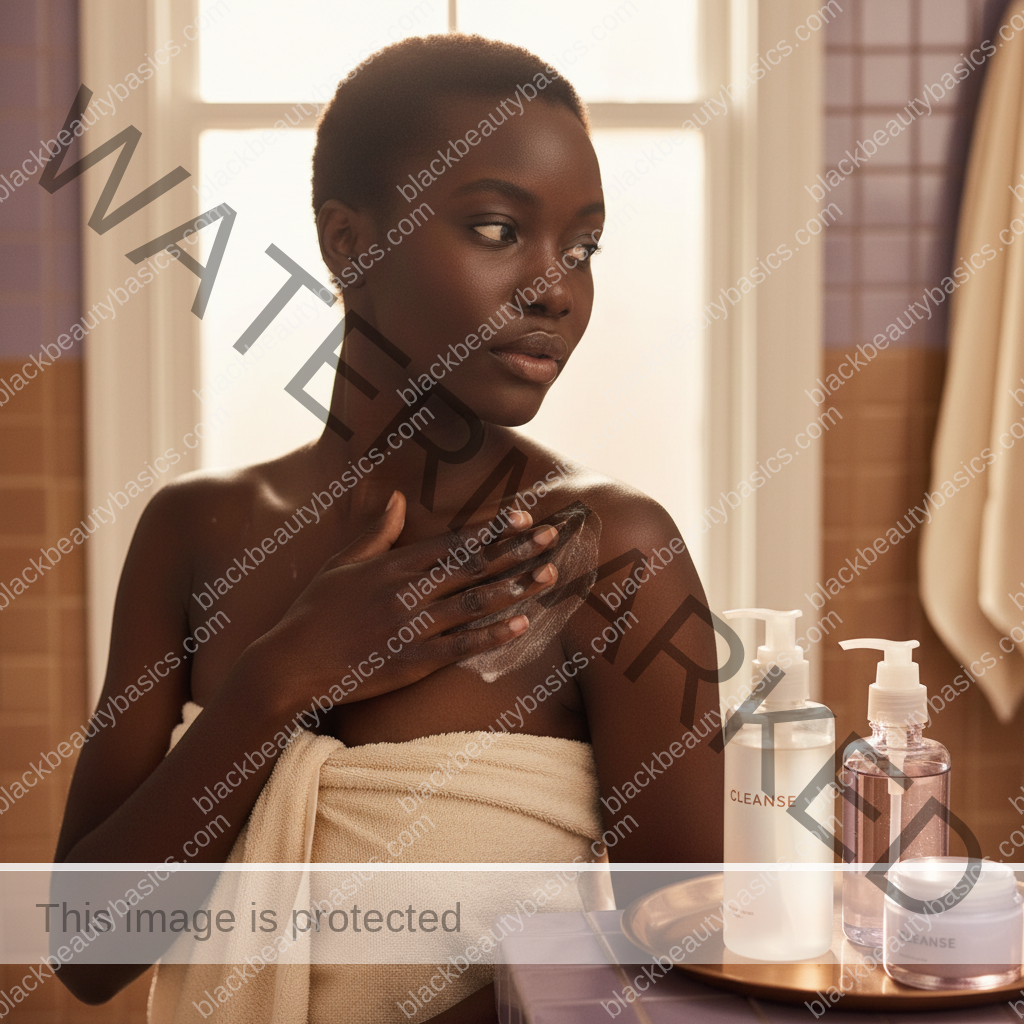
Beyond the Bottle: Lifestyle Adjustments for Clearer Body Skin
Skincare is holistic. What we do outside of our routine can significantly impact our skin’s health. For body acne, lifestyle adjustments play an even more critical role due to the environmental factors involved.
Clothing Choices and Laundry Habits
Your wardrobe can be a secret culprit. Opt for loose-fitting, breathable fabrics like cotton, linen, or moisture-wicking athletic wear. Avoid tight clothing that traps sweat and creates friction, especially after workouts. Wash workout clothes immediately after use with a fragrance-free, hypoallergenic detergent to remove sweat, bacteria, and residue.
Shop Hypoallergenic Laundry Detergent on Amazon
Shower Habits: Timing and Technique
Showering immediately after sweating is crucial. This removes sweat, bacteria, and dead skin cells before they can clog pores. Use lukewarm water, not hot, as hot water can strip the skin of its natural oils and exacerbate irritation. Be gentle; avoid harsh scrubbing, which can worsen inflammation and spread bacteria.
Hair Care and Product Residue
Hair products, especially conditioners, oils, and styling creams, can often contain ingredients that clog pores. If you have long hair, consider washing and rinsing your hair forward, away from your back and shoulders, to prevent product residue from running down your body. Always cleanse your body after rinsing out hair conditioner.
Shop Non-Comedogenic Hair Products on Amazon
Diet and Hydration: Fueling Skin from Within
While the link between diet and acne is complex and individual, a balanced diet rich in antioxidants, lean proteins, and healthy fats can support overall skin health. Staying well-hydrated is also essential for skin function and detoxification. Limit processed foods, excessive sugar, and dairy if you notice a correlation with breakouts.
When to Seek Professional Guidance
While a diligent at-home routine is powerful, some instances of body acne may require professional intervention. Dermatologists specializing in melanin-rich skin can offer advanced treatments and personalized advice.
Advanced Treatments a Dermatologist Might Recommend:
- Topical Prescription Medications: Stronger retinoids, antibiotics, or dapsone gels.
- Oral Medications: Oral antibiotics, hormonal therapies (like spironolactone), or isotretinoin for severe, cystic acne.
- Chemical Peels: Professional-grade peels can help exfoliate and reduce PIH on the body.
- Laser and Light Therapies: Can target inflammation, bacteria, and improve the appearance of scarring and PIH.
Don’t hesitate to consult a board-certified dermatologist, especially if your body acne is painful, widespread, or leaving significant scarring and hyperpigmentation. Early intervention can prevent long-term skin damage.
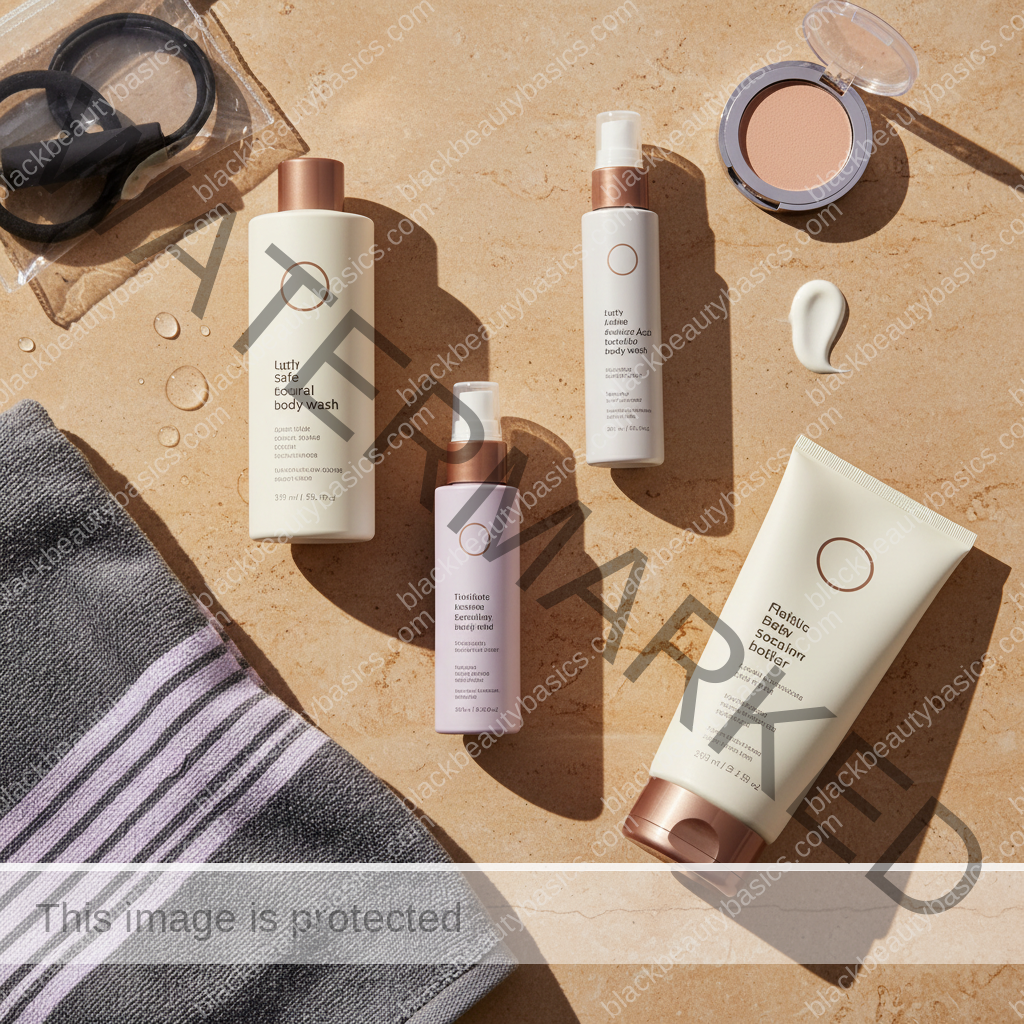
Comparison Tables and Tip Lists
Facial Acne vs. Body Acne Routine: Key Differences
Understanding the nuances allows for a more effective and targeted approach.
| Feature | Facial Acne Routine | Body Acne Routine |
|---|---|---|
| Skin Thickness | Thinner, more delicate | Thicker, more resilient |
| Pore Size/Density | Smaller, fewer sebaceous glands | Larger, higher density of sebaceous glands |
| Common Causes | Hormones, diet, stress, makeup, genetics | Hormones, sweat, friction, tight clothing, hair products, genetics |
| Active Ingredient Strength | Often lower concentrations (e.g., 0.5-2% Salicylic Acid) | Can tolerate higher concentrations (e.g., 2-5% Salicylic Acid, 5-10% Benzoyl Peroxide) |
| Application Method | Creams, serums, targeted spot treatments | Sprays for hard-to-reach areas, larger coverage lotions/gels |
| Exfoliation Frequency | Gentle, 2-3 times/week | Can be more frequent, 3-5 times/week, depending on tolerance |
| Risk of PIH | High, but often more visible | High, can be more widespread and stubborn due to deeper lesions |
| Clothing Impact | Minimal direct impact | Significant impact (friction, occlusion) |
Essential Tips for Managing Body Acne in Melanin-Rich Skin
A curated list of actionable advice to elevate your body care.
- Shower Immediately Post-Workout: Don’t let sweat and bacteria linger on your skin.
- Choose Breathable Fabrics: Opt for cotton or moisture-wicking materials to minimize friction and sweat retention.
- Rinse Hair Forward: Prevent conditioner and hair product residue from running down your back and chest.
- Exfoliate Regularly, Gently: Use chemical exfoliants (AHAs/BHAs) rather than harsh physical scrubs to avoid irritation and PIH.
- Moisturize Diligently: Even oily, acne-prone body skin needs hydration to maintain a healthy barrier. Choose non-comedogenic formulas.
- Avoid Picking or Squeezing: This can worsen inflammation, spread bacteria, and significantly increase the risk of PIH and scarring.
- Change Bed Linens Frequently: Especially pillowcases and sheets, to reduce bacteria and oil buildup.
- Be Patient and Consistent: Skincare takes time. Stick to your routine for at least 6-8 weeks to see results.
- Protect from the Sun: Sun exposure can darken PIH. Use broad-spectrum SPF on exposed body areas, especially if you have active breakouts or dark spots.
- Consult a Dermatologist: If at-home treatments aren’t effective, or if you’re experiencing severe acne or significant scarring.
Body skin has different pressures than facial skin
Body acne is often treated like facial acne in a different location, but the body deals with sweat, clothing, friction, hair products, backpacks, sports gear, and larger surface areas. The routine may need different formats, timing, and textures.
Chest and back skin can sometimes tolerate wash-off treatments that the face cannot, but harsh scrubbing is still a problem. For dark skin, body breakouts can leave marks on shoulders, chest, back, and legs, especially when friction continues after the bump forms.
A separate body routine can include shower timing, product rinse order, breathable clothing, and targeted body treatments. It should still include moisture and sun protection for exposed marked areas.
Body vs face routine differences
- Consider sweat, clothing, and friction patterns.
- Use body formats thoughtfully instead of face products everywhere.
- Rinse hair products off the body well.
- Protect exposed dark marks from sun.
What to do next
Keep this guide connected to the rest of the Acne & Sensitive Skin in Black Women series. Acne care on deep skin works best when product choices, makeup habits, body routines, stress patterns, and PIH prevention are treated as one connected system.
Keep the routine protective after the breakout
Body acne is not a hygiene failure. It often needs a routine that respects the body’s environment. For Black women and people with richly melanated skin, acne care is rarely only about making the bump smaller. It is also about lowering inflammation, protecting the skin barrier, and reducing the chance that every flare leaves a new dark mark. That means the routine has to be effective without becoming harsh.
When the skin starts feeling raw, tight, hot, itchy, or unusually tender, treat that as useful feedback. Pause the extras, return to a gentle cleanser and moisturizer, keep sunscreen steady in the morning, and restart actives only when the skin feels calmer. A routine that your skin can tolerate for months will usually serve you better than a dramatic routine that creates a setback in a week.
Frequently Asked Questions (FAQs)
Q1: Can I use my facial acne products on my body?
While some facial acne products can be used on the body, it’s often not the most effective approach. Body skin is thicker and can tolerate higher concentrations of active ingredients like salicylic acid or benzoyl peroxide. Facial products might be too mild for body acne, or conversely, if potent, might be too expensive for widespread body application. It’s best to invest in dedicated body acne products formulated for the unique needs of body skin.
Q2: How long does it take to see results from a body acne routine?
Patience is key in skincare. You should typically expect to see initial improvements within 4-6 weeks of consistent use. However, significant changes, especially for stubborn or widespread body acne and the fading of PIH, can take 2-3 months or even longer. Consistency is far more important than intensity.
Q3: Is it okay to use physical exfoliants (scrubs) for body acne?
For melanin-rich skin, physical exfoliants, especially harsh ones, can be too abrasive and lead to micro-tears, irritation, and increased risk of post-inflammatory hyperpigmentation. Chemical exfoliants like AHAs (glycolic, lactic acid) and BHAs (salicylic acid) are generally preferred for body acne as they gently dissolve dead skin cells and clear pores without physical scrubbing. If you must use a scrub, choose one with very fine, spherical particles and use it gently, no more than once or twice a week.
Q4: What’s the best way to prevent body acne after working out?
The most crucial step is to shower immediately after your workout. Use a body wash containing salicylic acid or benzoyl peroxide. If showering isn’t immediately possible, use salicylic acid wipes to quickly cleanse affected areas. Also, change out of sweaty clothes into clean, dry ones as soon as possible. Opt for moisture-wicking activewear over cotton, which can hold sweat against the skin.
Q5: Can diet really impact body acne?
While diet’s role in acne is complex and varies by individual, some studies suggest a link between high glycemic index foods (sugars, refined carbs) and dairy products with acne flare-ups. A diet rich in fruits, vegetables, lean proteins, and healthy fats, along with adequate hydration, supports overall skin health. Pay attention to your own body; if you notice certain foods trigger breakouts, consider reducing them in your diet.
Q6: How can I prevent dark spots (PIH) from body acne?
Prevention is paramount. Avoid picking, squeezing, or aggressively scrubbing breakouts, as this increases inflammation and the risk of PIH. Treat active acne promptly to reduce its severity and duration. Once breakouts heal, incorporate ingredients like niacinamide, vitamin C, alpha arbutin, or azelaic acid into your routine to help fade existing PIH. Consistent use of broad-spectrum sunscreen on exposed body areas is also crucial, as UV exposure can darken PIH.
Q7: Should I use a separate towel for my body acne areas?
While not strictly necessary, using a clean, fresh towel daily for your body (and face) is always a good practice. If you have active, inflamed body acne, using a separate, clean towel for those areas or simply patting dry with a designated section of your main towel can help prevent the spread of bacteria and reduce irritation. Ensure all towels are washed regularly with a gentle, fragrance-free detergent.

Embrace the journey of nurturing your skin, from head to toe, with the reverence it deserves. By understanding the unique needs of your body’s canvas, you unlock a deeper level of care, revealing the radiant, unblemished beauty that is inherently yours. Let this tailored approach be a testament to your commitment to holistic well-being, allowing your confidence to shine through every inch of your magnificent, melanin-rich skin.
Why body acne routines need different timing
Facial routines usually happen at the sink, morning and night. Body acne routines are tied to showers, workouts, laundry, hair wash days, uniforms, sports bras, and sleepwear. That timing changes everything. A treatment wash may work best in the shower, but it needs enough contact time and a careful rinse. A body lotion may feel fine in winter but too heavy under tight clothing in summer. A backpack strap may undo progress on the shoulders if friction stays the same every day.
Body skin can sometimes tolerate different product formats than the face, but that does not mean it wants rough treatment. Scrubbing the back with harsh tools, using multiple acne washes, or skipping moisturizer because the skin is on the body can still create inflammation. On melanin-rich skin, inflamed body breakouts can leave visible marks on the chest, shoulders, back, and legs.
Think of the body routine as a sequence. Rinse hair products away from breakout-prone areas, cleanse after sweat when possible, use one acne-focused body product consistently, moisturize enough to prevent dryness, and protect exposed marks from sun. If bumps are itchy, uniform, painful, or spreading, the routine may need professional guidance because not every body breakout is ordinary acne.
Clothing choices can support the routine too. Breathable fabrics, changing out of damp workout clothes, and washing items that rub the same areas repeatedly can lower friction. These steps are not glamorous, but they are often the difference between a product-only plan and a routine that actually matches your life.
How to choose body acne products without overdoing it
Body acne shelves can make it seem like you need a separate product for every inch of skin. In reality, start with the role you need most. If sweat and clogged-feeling skin are the issue, a treatment wash may make sense. If friction and dryness are part of the problem, a lightweight moisturizer and clothing changes may matter just as much. If dark marks are already present, sunscreen on exposed areas becomes part of the plan.
Choose one treatment category at a time. A benzoyl peroxide body wash, salicylic acid body product, or sulfur option can each be useful for some people, but combining them aggressively can dry out the skin and leave more irritation. Wash-off treatments may be easier to control at first because they do not sit on the body all day. Leave-on products need more caution, especially under tight clothing.
Also look at what happens after the shower. Heavy oils, fragranced lotions, tight synthetic clothes, and damp workout gear can all keep the same areas irritated. That does not mean you need to throw everything away. It means you can test one change at a time and watch whether new breakouts slow down.
If body acne is painful, cyst-like, itchy, uniform, or leaving scars, a dermatologist can help you sort out whether it is acne, folliculitis, irritation, or another pattern. Getting clarity is not dramatic. It can prevent months of treating the wrong thing.
If you are not sure whether your body routine is helping, track the pattern for two weeks. Notice where new bumps appear, what clothing or workouts happened before them, and whether marks are slowing down. This is not about obsessing over your body. It is about collecting enough information to stop guessing and start changing the one or two habits that actually matter.
A separate body acne plan gives you room to treat the body with the same patience and respect you give your face.
That distinction helps the routine stay specific, gentle, and much easier to repeat.
That is the whole goal: fewer mixed signals, less irritation, and a routine your skin can actually tolerate.
Related next steps
Related posts:
 Heat Styling, Color, and Porosity Changes Over Time: Adapting Your Routine for Evolving Needs
 How Climate and Seasons Change Your Hair Needs: Adapting Your Routine with Grace
 Facial & Body Hair Patterns in PCOS and Their Skin Fallout
 Facial Hyperpigmentation on Melanin-Rich Skin: Acne Marks, Melasma & Uneven Tone
 Acne Marks and Post-Inflammatory Hyperpigmentation on Dark Facial Skin
 Acne and Stress on Black Women: Routine Timing and Flare Awareness