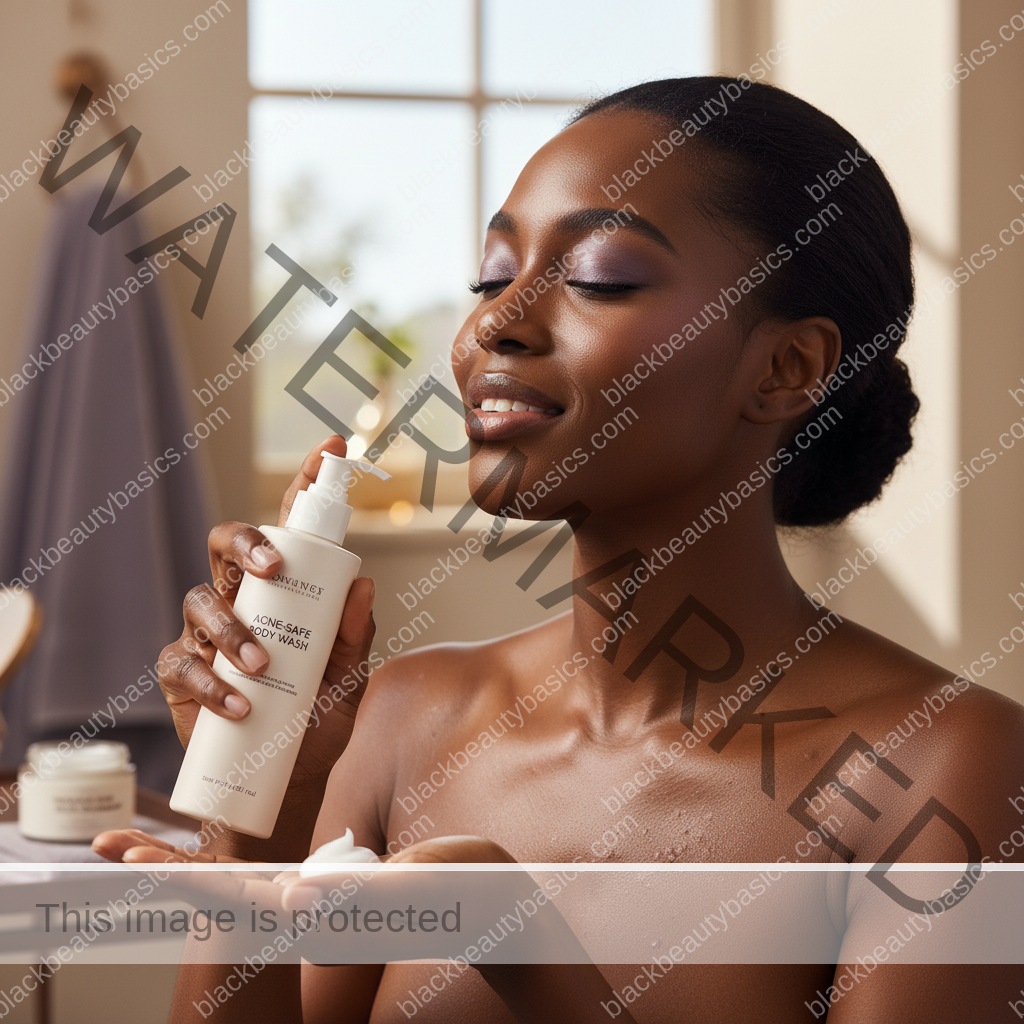
The journey to radiant, blemish-free skin is a deeply personal one, often marked by moments of frustration, self-consciousness, and a yearning for clarity. For many Black women, the challenge of chest and back acne, often called “bacne,” can feel particularly isolating, leaving behind not just physical marks but also a quiet dent in our confidence. But know this, beloved: your skin’s story is one of resilience and beauty, and achieving that coveted smooth, even-toned décolletage and back is not just a dream, but an attainable reality with the right knowledge and a touch of dedicated care.
Embracing Your Canvas: Understanding Chest and Back Acne in Melanin-Rich Skin
Our melanin-rich skin is a marvel, offering inherent protection and a stunning spectrum of tones. However, it also comes with unique considerations, especially when dealing with inflammatory conditions like acne. Chest and back acne, while similar in cause to facial acne, can often be more stubborn and leave behind more pronounced hyperpigmentation, a common concern for Black women. Understanding these nuances is the first step toward a truly effective and empowering skincare routine.
Why Melanin Matters: Unique Considerations for Black Skin
When it comes to acne, our skin’s rich melanin content plays a significant role. Post-inflammatory hyperpigmentation (PIH) – those dark spots that linger long after a blemish has healed – is a primary concern. Our melanocytes, the cells responsible for producing melanin, are more reactive to inflammation. This means even a minor breakout can trigger an overproduction of pigment, leading to persistent dark marks that can be more distressing than the acne itself.
Furthermore, some acne treatments can be too harsh, leading to irritation that, in turn, can exacerbate PIH. The goal is always to treat effectively yet gently, respecting our skin’s delicate balance.
The Culprits Behind Bacne: What Causes Breakouts Below the Neck?
Just like facial acne, chest and back acne stems from a combination of factors:
- Excess Sebum Production: Overactive oil glands can clog pores.
- Dead Skin Cell Buildup: When dead skin cells don’t shed properly, they mix with oil and block follicles.
- Bacterial Overgrowth: P. acnes bacteria thrive in clogged, oily environments, leading to inflammation.
- Friction and Sweat: Tight clothing, sports bras, backpacks, and excessive sweating can trap heat and moisture, creating a breeding ground for bacteria and irritation.
- Hormonal Fluctuations: Androgens can stimulate oil production, explaining why bacne can flare during puberty, menstruation, pregnancy, or stress.
- Genetics: If your parents experienced body acne, you might be more predisposed.
- Diet: While not a direct cause, some studies suggest high glycemic index foods or dairy might exacerbate acne in some individuals.
- Certain Medications: Some drugs can trigger acne as a side effect.
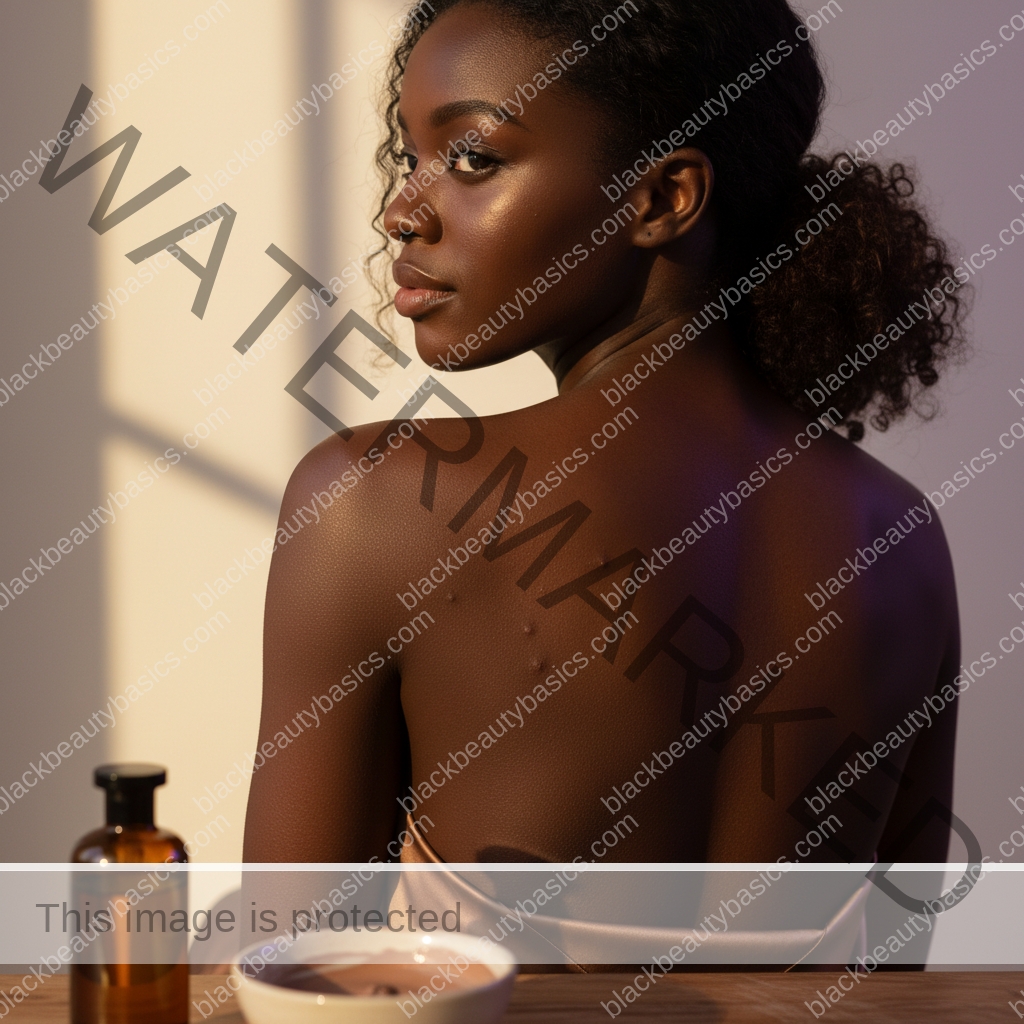
The Black Beauty Basics Guide: Your Definitive Chest and Back Acne Routine
Crafting a routine for chest and back acne requires consistency, patience, and a mindful approach tailored to melanin-rich skin. Our focus is on gentle exfoliation, targeted treatment, hydration, and protection, all while minimizing the risk of hyperpigmentation.
Step 1: The Cleansing Ritual – Purify and Prepare
Cleansing is the cornerstone of any effective acne routine. For the body, this means using a dedicated body wash designed to address breakouts without stripping the skin.
Choosing Your Cleanser: Key Ingredients to Look For
- Salicylic Acid (BHA): A superstar ingredient, salicylic acid is oil-soluble, meaning it can penetrate deep into pores to dissolve sebum and dead skin cells. Look for concentrations between 0.5% and 2%. It’s excellent for preventing clogged pores.
- Glycolic Acid (AHA): An alpha hydroxy acid that exfoliates the skin’s surface, helping to shed dead cells and improve texture. It can also help fade existing dark spots over time. Concentrations around 5-10% are often effective for body washes.
- Benzoyl Peroxide: A powerful ingredient that kills acne-causing bacteria and helps shed dead skin cells. Start with lower concentrations (2.5-5%) as it can be drying and, in higher concentrations, may bleach fabrics. Use with caution, especially if you have sensitive skin, and always rinse thoroughly.
Application Technique for Optimal Results
- Shower Immediately After Sweating: This is crucial. Don’t let sweat and bacteria linger on your skin.
- Use Lukewarm Water: Hot water can strip your skin’s natural oils, leading to irritation.
- Apply with a Soft Cloth or Hands: Avoid harsh loofahs or scrub brushes, which can spread bacteria and cause micro-tears, leading to more inflammation and PIH.
- Lather and Let Sit: For medicated cleansers, allow the product to sit on the affected areas for 1-2 minutes before rinsing. This gives the active ingredients time to work.
- Rinse Thoroughly: Ensure all traces of cleanser are removed to prevent residue buildup.
- Pat Dry: Gently pat your skin dry with a clean towel. Avoid rubbing.
Shop Salicylic Acid Body Wash on Amazon
Shop Benzoyl Peroxide Body Wash on Amazon
Step 2: Targeted Treatment – Spotting and Soothing
After cleansing, applying targeted treatments can address active breakouts and prevent new ones. This step is where you bring in the heavy hitters for specific concerns.
Over-the-Counter Heroes for Body Acne
- Salicylic Acid Sprays/Lotions: Ideal for hard-to-reach areas like the back. These provide continuous exfoliation and pore clearing. Look for leave-on formulas.
- Benzoyl Peroxide Gels/Creams: Apply a thin layer to active breakouts. Remember the potential for bleaching fabrics.
- Alpha Hydroxy Acid (AHA) Lotions: Glycolic or lactic acid lotions can help with surface exfoliation and improve skin texture, gradually fading hyperpigmentation.
- Niacinamide (Vitamin B3): A powerhouse ingredient that helps reduce inflammation, minimize pore appearance, and improve skin barrier function. It’s excellent for melanin-rich skin as it also helps with hyperpigmentation.
When to Consider Prescription Strength
If over-the-counter options aren’t delivering the desired results after several weeks, it’s time to consult a board-certified dermatologist. They can prescribe stronger topical retinoids (like tretinoin or adapalene), oral antibiotics, or other treatments tailored to your skin’s needs. For melanin-rich skin, a dermatologist can also guide you on treatments that minimize PIH risk.
Shop Salicylic Acid Body Spray on Amazon
Shop Niacinamide Body Lotion on Amazon
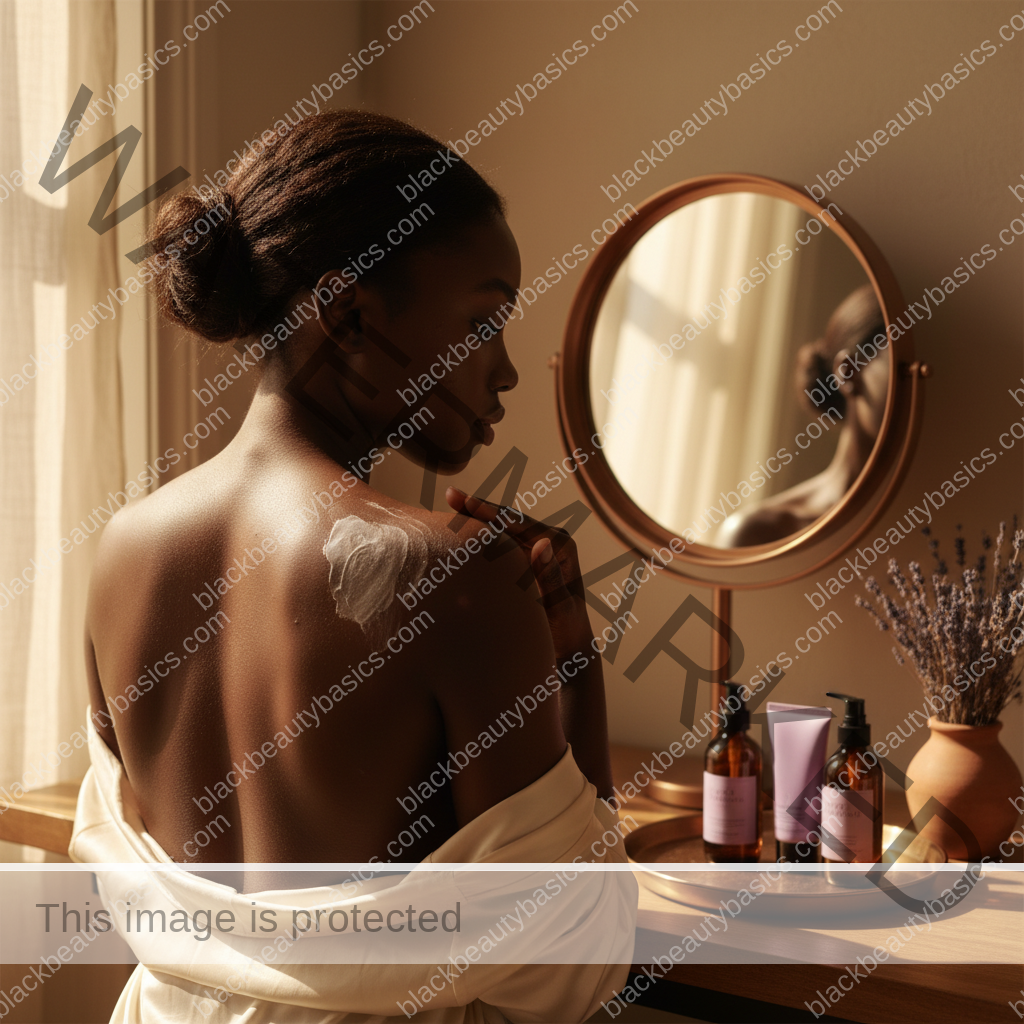
Step 3: Hydration and Healing – Nurturing Your Skin Barrier
Many believe that acne-prone skin doesn’t need moisturizer, but this is a myth, especially for melanin-rich skin. Over-drying can trigger more oil production and compromise your skin barrier, leading to irritation and increased PIH. Hydration is key to healthy, resilient skin.
Choosing the Right Moisturizer
- Non-Comedogenic: Always look for this label, meaning it won’t clog pores.
- Lightweight and Oil-Free: Opt for gel-creams or lotions that absorb quickly.
- Soothing Ingredients: Look for ceramides, hyaluronic acid, glycerin, and colloidal oatmeal to calm and repair the skin barrier.
- Niacinamide: Again, a fantastic ingredient for its anti-inflammatory and barrier-supporting properties, also aiding in fading dark spots.
The Role of Sun Protection: Your Best Defense Against PIH
This step cannot be overstated. Sun exposure significantly darkens existing hyperpigmentation and can make new dark spots more pronounced and longer-lasting. For melanin-rich skin, daily sun protection is non-negotiable.
- Broad-Spectrum SPF 30+: Apply to any exposed skin on your chest and back, even on cloudy days.
- Mineral Sunscreens: Zinc oxide and titanium dioxide are often preferred for sensitive or acne-prone skin as they are less likely to cause irritation. Look for tinted formulas if you’re concerned about a white cast.
- Reapply: Especially after sweating or swimming.
Shop Non-Comedogenic Body Lotion on Amazon
Shop Mineral Sunscreen for Body on Amazon
Step 4: Lifestyle Adjustments – Beyond the Bottle
Skincare isn’t just about what you apply; it’s also about how you live. Holistic care plays a significant role in managing chest and back acne.
Clothing Choices and Fabric Finesse
- Breathable Fabrics: Opt for cotton, linen, or moisture-wicking athletic wear.
- Loose-Fitting Apparel: Avoid tight clothing that traps sweat and creates friction.
- Clean Laundry: Wash your clothes, especially workout gear, regularly with a gentle, fragrance-free detergent.
- Shower Immediately After Sweating: We mentioned this, but it bears repeating – it’s crucial.
Diet and Hydration: Fueling Your Skin from Within
- Balanced Diet: Focus on whole foods, fruits, vegetables, and lean proteins.
- Hydration: Drink plenty of water throughout the day.
- Consider Dairy/Sugar Intake: If you suspect certain foods trigger your breakouts, try an elimination diet under professional guidance.
Stress Management and Sleep: The Unsung Heroes
- Stress Reduction: Chronic stress can wreak havoc on hormones, potentially worsening acne. Incorporate mindfulness, meditation, or gentle exercise.
- Quality Sleep: Aim for 7-9 hours of restorative sleep. Your skin repairs itself overnight.
- Clean Bedding: Change your sheets and pillowcases regularly, especially if you sleep on your back.
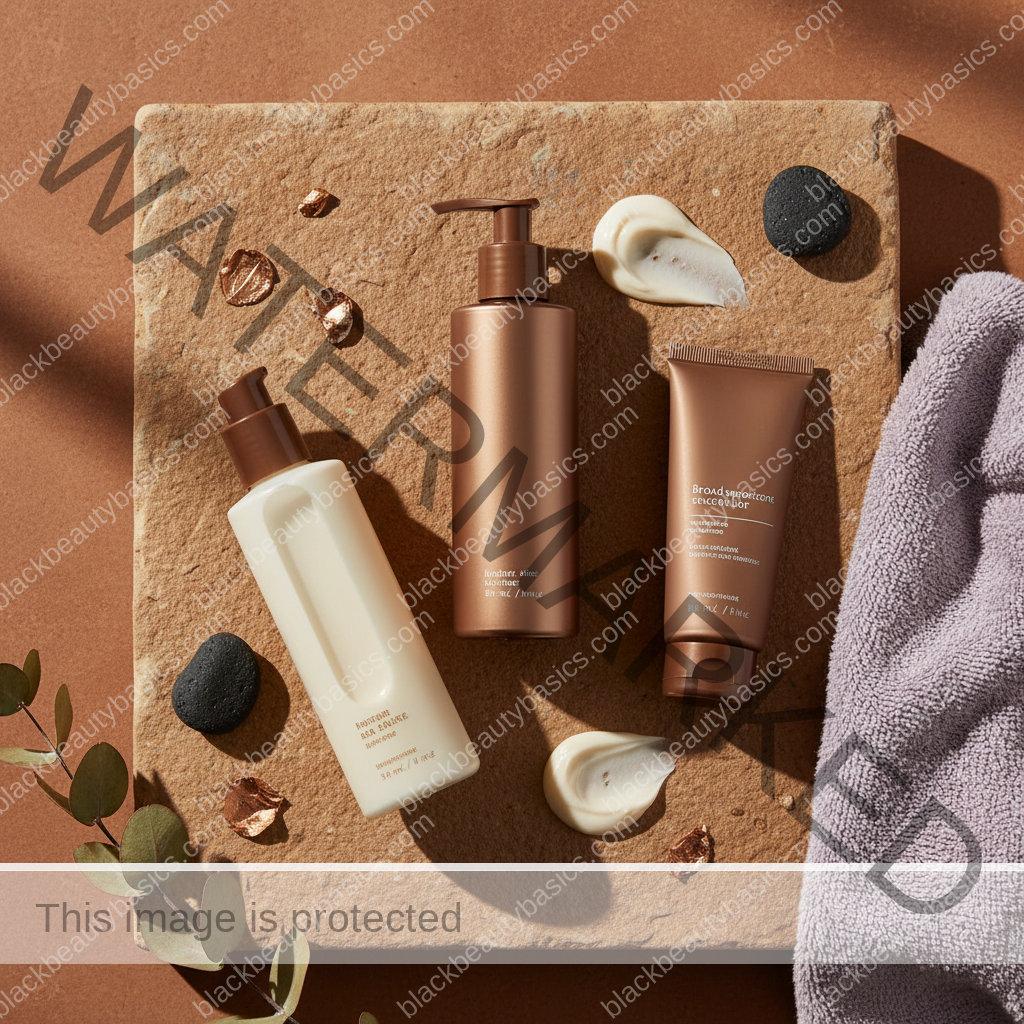
Advanced Strategies & Targeted Treatments for Melanin-Rich Skin
When dealing with persistent acne and the inevitable hyperpigmentation, sometimes a little extra care is needed. These advanced strategies are designed to accelerate healing and restore an even-toned complexion.
Addressing Post-Inflammatory Hyperpigmentation (PIH)
This is often the most challenging aspect of acne for Black women. Patience is key, but certain ingredients can significantly help.
- Niacinamide: As mentioned, it’s a fantastic all-rounder.
- Alpha Arbutin: A natural skin brightener that inhibits melanin production.
- Kojic Acid: Another effective ingredient for reducing dark spots.
- Vitamin C: A powerful antioxidant that brightens skin and helps fade hyperpigmentation. Look for stable forms like L-Ascorbic Acid or Ascorbyl Tetraisopalmitate.
- Azelaic Acid: Excellent for reducing inflammation, killing bacteria, and fading PIH. It’s often well-tolerated by sensitive skin.
- Chemical Peels (Professional): Superficial peels with lactic, glycolic, or salicylic acid, performed by a dermatologist experienced with melanin-rich skin, can be highly effective for PIH. Never attempt strong peels at home.
Shop Alpha Arbutin Body Serum on Amazon
Shop Azelaic Acid Body Treatment on Amazon
Comparison: Key Acne-Fighting Ingredients for Melanin-Rich Skin
| Ingredient | Primary Benefit | Melanin-Rich Skin Consideration | Product Type Examples |
|---|---|---|---|
| Salicylic Acid (BHA) | Deep pore exfoliation, oil control | Generally well-tolerated, helps prevent PIH by preventing clogs. | Body wash, spray, leave-on lotion |
| Benzoyl Peroxide | Kills acne bacteria, exfoliates | Start low (2.5-5%), can be drying, may bleach fabrics. Use carefully to avoid irritation which can lead to PIH. | Body wash, spot treatment gel |
| Glycolic Acid (AHA) | Surface exfoliation, improves texture, fades PIH | Effective for PIH, but can be irritating if too strong. Use gentle concentrations. | Body wash, lotion, serum |
| Niacinamide | Reduces inflammation, improves barrier, fades PIH | Excellent for melanin-rich skin, very well-tolerated, multi-beneficial. | Body lotion, serum, spray |
| Azelaic Acid | Anti-inflammatory, antibacterial, fades PIH | Great for sensitive, acne-prone skin, effective for PIH. | Cream, gel, serum |
When to Consult a Professional
While this guide provides a robust framework, severe or persistent chest and back acne, especially if accompanied by cysts or nodules, warrants a visit to a board-certified dermatologist. They can offer:
- Prescription Topicals: Stronger retinoids, antibiotics, or combination therapies.
- Oral Medications: Such as antibiotics, hormonal therapies (e.g., spironolactone), or isotretinoin for severe cases.
- In-Office Procedures: Chemical peels, extractions, or light/laser therapies (ensure the practitioner has experience with melanin-rich skin to prevent complications like PIH).
Tips for Preventing Future Breakouts & PIH
- Consistency is Key: Stick to your routine daily, even when skin looks clear.
- Hands Off: Avoid picking or squeezing blemishes, which can worsen inflammation and lead to PIH.
- Clean Tools: Regularly wash bath towels, loofahs (if you must use them, replace often), and anything that touches your skin.
- Hair Care: If you have long hair, keep it off your back, especially when using oily hair products that can transfer to skin and clog pores.
- Patch Test New Products: Always test new products on a small, inconspicuous area first, especially if you have sensitive skin.
- Be Patient: Skincare results take time. Give your routine at least 6-8 weeks to show significant improvement.
Body acne needs a routine that respects sweat, friction, and marks
Chest and back acne can be triggered or worsened by sweat, tight clothing, sports bras, hair products rinsing down the body, occlusive lotions, and friction from bags or straps. On melanin-rich skin, body breakouts can leave dark marks on the shoulders, chest, back, and upper arms that linger longer than the bump itself.
A body routine can usually be a little different from a face routine because the skin is thicker, but that does not mean harsher is always better. Over-scrubbing the back or using multiple strong washes can irritate the skin and make post-inflammatory hyperpigmentation more stubborn.
Start with timing. Shower after sweat when possible, rinse conditioner thoroughly, change out of damp workout clothes, and choose one treatment step at a time. A benzoyl peroxide wash, salicylic acid body product, or sulfur option may help some people, but irritation should be the signal to slow down.
Body acne routine basics
- Cleanse after sweat without scrubbing aggressively.
- Rinse hair products away from the chest and back.
- Use one acne-focused body product at a time.
- Moisturize and protect exposed areas from sun when marks are present.
What to do next
Keep this guide connected to the rest of the Acne & Sensitive Skin in Black Women series. Acne care on deep skin works best when the routine considers triggers, active ingredients, sensitive skin, and the dark marks that can follow inflammation.
- forehead acne hair products and sweat
- sulfur products for acne-prone dark skin
- body acne needs different routine
A gentle acne routine has to protect the skin after the breakout
Body acne is not dirty skin. It is often skin responding to sweat, friction, products, and inflammation. On melanin-rich skin, the breakout itself is often only one part of the story. Irritation, picking, harsh scrubbing, skipped moisture, and too many active ingredients can leave dark marks that linger long after the bump is gone. That is why BBB acne guidance always treats comfort, barrier support, and post-inflammatory hyperpigmentation as part of the same conversation.
The most useful routine is not the most aggressive one. It is the one you can repeat without making your skin sting, peel, or panic. If a product causes burning, swelling, rash-like irritation, or worsening tenderness, pause and simplify. If acne is painful, cystic, spreading quickly, or scarring, professional care is a strength move, not a failure. Your skin deserves strategy, not punishment.
Frequently Asked Questions About Chest and Back Acne for Melanin-Rich Skin
Q1: Can certain foods really cause chest and back acne in Black women?
While diet is not a direct cause of acne, some studies suggest that high glycemic index foods (like refined sugars and white bread) and dairy products may exacerbate acne in some individuals. This correlation can vary greatly from person to person. If you suspect a dietary link, consider keeping a food diary to identify potential triggers, and discuss it with a dermatologist or nutritionist. Focusing on a balanced diet rich in whole foods, fruits, and vegetables is generally beneficial for overall skin health.
Q2: Is it okay to use the same acne products on my face for my chest and back?
Generally, yes, if your facial acne products are well-tolerated. However, the skin on your body is often thicker and less sensitive than facial skin, allowing you to potentially use slightly stronger concentrations of active ingredients (like salicylic acid or benzoyl peroxide) on your chest and back if needed. Conversely, if your facial products are very strong, they might be too harsh for body areas. Always observe how your skin reacts and adjust accordingly. Body-specific products are often formulated in larger sizes and sometimes with higher concentrations for this reason.
Q3: How long does it take to see results from a chest and back acne routine?
Patience is paramount in skincare. You should typically expect to see initial improvements within 4-6 weeks of consistent use. Significant changes, especially in reducing active breakouts and fading hyperpigmentation, can take 2-3 months or even longer. Remember that treating PIH often takes more time than treating the active acne itself. Stick with your routine diligently, and consult a dermatologist if you don’t see improvement after 3 months.
Q4: What’s the best way to prevent post-inflammatory hyperpigmentation (PIH) from chest and back acne?
The best way to prevent PIH is to prevent the acne itself. This means consistent cleansing, targeted treatments, and avoiding picking or squeezing blemishes. If a breakout does occur, treat it gently and effectively to reduce inflammation. Crucially, daily broad-spectrum sun protection (SPF 30+) on all exposed areas of your chest and back is non-negotiable, as UV exposure significantly darkens PIH. Incorporating ingredients like niacinamide, alpha arbutin, or azelaic acid into your routine can also help minimize and fade existing dark spots.
Q5: Can showering with hot water make my bacne worse?
Yes, showering with very hot water can potentially exacerbate bacne. Hot water strips the skin of its natural oils, leading to dryness and irritation. In response, your skin might produce more oil to compensate, potentially leading to more clogged pores and breakouts. It can also worsen inflammation, which is a precursor to PIH in melanin-rich skin. Opt for lukewarm water instead, which is much gentler on your skin.
Q6: Are natural remedies effective for chest and back acne in Black skin?
While some natural ingredients like tea tree oil (diluted) or witch hazel have mild antiseptic or astringent properties, they are generally not as effective or consistent as scientifically backed ingredients like salicylic acid, benzoyl peroxide, or retinoids for treating established acne. For melanin-rich skin, relying solely on natural remedies might delay effective treatment, potentially leading to more severe breakouts and increased PIH. If you wish to incorporate natural elements, use them as supplementary care and always ensure they don’t cause irritation. Prioritize proven active ingredients for core treatment.
Q7: Should I exfoliate my chest and back if I have acne?
Yes, gentle exfoliation is crucial for managing chest and back acne, but the key word is “gentle.” Chemical exfoliants like salicylic acid (BHA) and glycolic acid (AHA) are highly effective. BHAs penetrate oil to clear pores, while AHAs remove dead skin cells from the surface, improving texture and helping to fade PIH. Avoid harsh physical scrubs, loofahs, or brushes, which can cause micro-tears, spread bacteria, and worsen inflammation, leading to more breakouts and hyperpigmentation. Stick to medicated body washes or leave-on lotions/sprays with chemical exfoliants.
Choosing the right clothing can significantly impact body acne. Opt for loose-fitting garments made from breathable, natural fabrics like cotton or linen. These materials allow your skin to breathe and prevent sweat and heat from getting trapped, which can create a breeding ground for bacteria. For workouts, choose moisture-wicking athletic wear that pulls sweat away from your skin. Always shower immediately after sweating and change into clean, dry clothes. Avoid tight clothing, especially synthetic materials, that can cause friction and irritation.
Dear one, your skin is a testament to your heritage, a canvas of rich beauty that deserves to be celebrated and cared for with the utmost intention. Navigating chest and back acne, especially with the unique considerations of melanin-rich skin, requires a blend of knowledge, patience, and self-compassion. Embrace this journey with confidence, knowing that each step you take, from choosing the right cleanser to protecting your skin from the sun, is an act of love. May your décolletage and back reflect the radiant, smooth, and even-toned beauty that is inherently yours. With consistency and the right tools, your path to clear, luminous skin is not just possible, it’s inevitable. Continue to shine, beautifully.
Think about what touches your chest and back all day
Body acne routines work better when they account for contact. A sports bra, backpack strap, tight tank, wig unit, conditioner rinse, body oil, laundry fragrance, or sweaty shirt can keep the same areas irritated. This does not mean everything in your life is a trigger. It means the routine should look at the skin’s environment, not only the products used in the shower.
For melanin-rich skin, the contact pattern matters because repeated irritation can leave repeated marks. If breakouts cluster under straps, around the bra line, along the shoulders, or where hair products rinse down the back, shift one variable at a time. Change out of damp clothing sooner, rinse the body after conditioner, use a lighter moisturizer on breakout-prone areas, and keep treatment products consistent enough to judge. Slow changes are easier to read than ten new rules at once.
Related next steps
Related posts:
 Adapting Face Routines for Chest and Back Acne on Dark Skin
 Chest Acne on Dark Skin: Sweat, Fabric, and Fragrance
 Fungal-Like Acne Patterns on Forehead, Chest, and Back in Dark Skin
 Spotting PIH and Scarring Patterns After Acne on Face, Chest, and Back
 When Body Acne Needs a Different Routine Than Facial Acne
 Night Skincare Routine for Melanin-Rich Skin When You Are Too Tired for a Full Routine