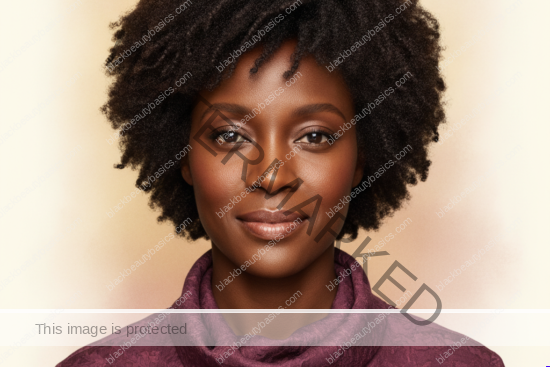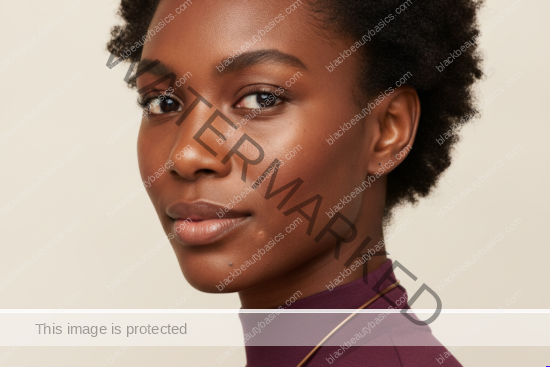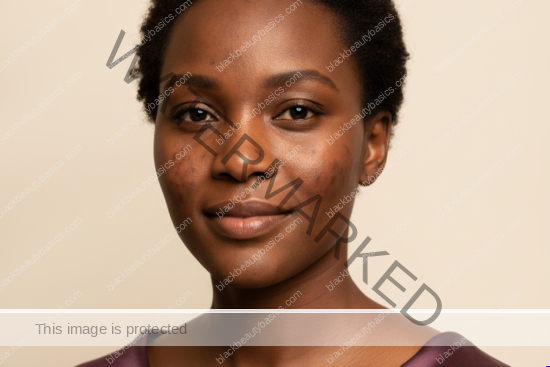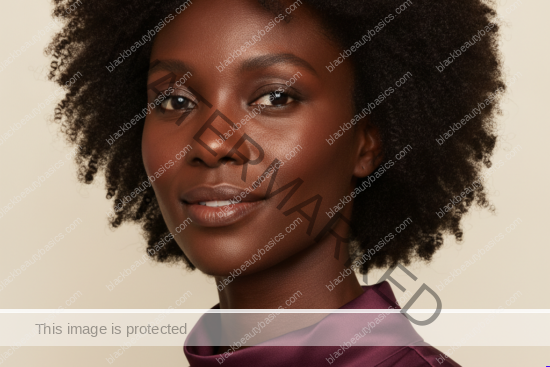
Our skin, a canvas of rich, deep hues, tells stories of resilience, beauty, and heritage. Yet, sometimes, even the most radiant complexions face a common, frustrating challenge: the persistent appearance of forehead acne. For Black women, this isn’t just about a few blemishes; it’s often a complex interplay of environmental factors, unique hair care practices, and the very products we use to keep our crowns glorious.
This isn’t merely a cosmetic concern; it’s a call to understand the nuanced relationship between our hair, our lifestyle, and the delicate skin on our foreheads. Join us as we delve into the heart of this issue, offering not just solutions, but a celebration of informed self-care tailored for the exquisite beauty of Black women.
The Unique Landscape of Black Skin and Acne
Before we pinpoint the culprits behind forehead acne, it’s essential to appreciate the distinct characteristics of melanin-rich skin. Our skin possesses incredible natural photoprotection and a radiant glow that is truly unmatched. However, it also has specific predispositions that influence how acne manifests and heals.
Understanding Post-Inflammatory Hyperpigmentation (PIH)
One of the most significant concerns for Black women dealing with acne, especially on the forehead, is Post-Inflammatory Hyperpigmentation (PIH). While acne itself is temporary, the dark spots or patches it leaves behind can linger for months, sometimes even years. This heightened risk of PIH means that preventing acne is not just about clear skin, but about maintaining an even, luminous complexion.
Our melanocytes, the cells responsible for producing melanin, are more reactive. When inflammation occurs – as it does with acne – these cells can overproduce melanin, leading to those persistent dark marks. This makes a proactive, gentle, and consistent approach to skincare paramount.
Sebum Production and Follicular Structure
Research suggests that Black skin can sometimes produce more sebum (oil) than lighter skin types, though this isn’t universally true for everyone. Excess sebum is a known contributor to acne, as it can mix with dead skin cells and clog pores. Furthermore, the structure of hair follicles can also play a role. Ingrown hairs, for instance, are more common in individuals with curly or coily hair textures, and while not directly acne, they can cause similar inflammatory bumps, especially in areas where hair meets skin, like the forehead.
The Role of Climate and Environment
Living in diverse climates, from humid urban centers to drier regions, also impacts our skin. Humidity can increase sweat production and create an environment where bacteria thrive, while dry conditions might prompt the skin to overproduce oil to compensate, both potentially exacerbating forehead acne.
Understanding these foundational aspects of Black skin allows us to approach forehead acne with the precision and care it deserves, moving beyond generic advice to solutions that truly resonate with our unique beauty needs.

Hair Products: The Silent Saboteurs of Forehead Skin
For many Black women, our hair is a crown, a statement, and a source of immense pride. The elaborate routines, protective styles, and nourishing products we use are essential for maintaining its health and beauty. However, the very ingredients designed to moisturize, define, and protect our hair can, ironically, be detrimental to the delicate skin on our foreheads.
Comedogenic Ingredients in Hair Products
The primary culprit often lies in what’s known as “comedogenic” ingredients. These are substances that have a tendency to clog pores, leading to the formation of whiteheads, blackheads, and inflammatory acne. Many hair products, especially those formulated for textured hair, are rich in heavy oils, butters, and waxes to provide moisture, shine, and hold. While excellent for hair, these can be problematic for skin.
Common Comedogenic Ingredients to Watch For:
- Heavy Oils: Mineral oil, petroleum jelly, coconut oil (especially in high concentrations), olive oil. While beneficial for hair, they can create a barrier on the skin that traps sweat and dead skin cells.
- Butters: Shea butter, cocoa butter. Again, fantastic for hair moisture, but can be occlusive on the skin.
- Waxes: Beeswax, candelilla wax. Often found in edge controls, styling gels, and pomades for hold.
- Silicones: Dimethicone, cyclomethicone. These create a smooth, shiny finish on hair but can also form a film on the skin.
- Fragrances and Dyes: While not inherently comedogenic, artificial fragrances and dyes can be irritating to sensitive skin, triggering inflammation that can lead to acne.
It’s crucial to remember that “natural” doesn’t always mean “non-comedogenic.” Many natural oils and butters, while wonderful for hair, can still clog pores on the skin.
Application Habits and Product Transfer
Beyond the ingredients themselves, how we apply and manage our hair products significantly impacts forehead acne. Think about:
- Edge Control and Gels: These are applied directly to the hairline, often making direct contact with the forehead. Their sticky, occlusive nature is a prime recipe for clogged pores.
- Leave-in Conditioners and Moisturizers: When applied close to the scalp, these can migrate onto the forehead, especially when sweating or during sleep.
- Styling Products: Mousses, creams, and sprays can drift onto the skin during application.
- Hair Touching: Frequently touching your hair and then your face can transfer product residue.
Protective Styles and Their Impact
Protective styles like braids, twists, and weaves are cornerstones of Black hair care, promoting growth and reducing manipulation. However, the installation and maintenance of these styles can inadvertently contribute to forehead acne:
- Tension and Friction: Tight styles can cause friction along the hairline, irritating the skin and potentially leading to inflammation.
- Product Buildup: Maintaining protective styles often involves using specific products (e.g., braid sprays, oils) that can accumulate at the hairline.
- Limited Cleansing: It can be challenging to thoroughly cleanse the forehead and hairline when wearing intricate styles, leading to product and sweat buildup.
The solution isn’t to abandon our beloved hair products or styles, but to become more discerning consumers and mindful practitioners. By understanding the potential pitfalls, we can adapt our routines to protect our skin while still nurturing our hair.
Shop Non-Comedogenic Hair Products on Amazon
Sweat and Environmental Factors: The Unseen Aggravators
Beyond the products we meticulously apply, our environment and natural bodily processes play a significant, often overlooked, role in the development of forehead acne. Sweat, humidity, and even the air we breathe contribute to the delicate balance of our skin.
The Science of Sweat and Skin
Sweat is a natural and essential bodily function, helping to regulate our temperature. However, for the skin, particularly on the forehead, it can be a double-edged sword. Here’s why:
- Pore Clogging: When sweat mixes with dead skin cells, oil, and any residual hair product on the skin’s surface, it creates a perfect storm for clogged pores. This is especially true in areas like the forehead, where hair often meets skin.
- Bacterial Growth: Warm, moist environments are ideal breeding grounds for bacteria, including P. acnes (now often referred to as C. acnes), the bacteria commonly associated with acne. Sweat provides this environment.
- Irritation: The salts and other components in sweat can be mildly irritating to sensitive skin, potentially triggering inflammation that precedes acne breakouts.
Humidity and Heat
Living in humid climates or experiencing hot weather can amplify the effects of sweat. Increased humidity means less efficient evaporation of sweat from the skin, leading to prolonged moisture and a higher risk of pore occlusion and bacterial proliferation. Similarly, intense heat naturally increases sweat production, compounding the issue.
Friction and Occlusion
Consider how often your forehead comes into contact with external elements:
- Hats and Headbands: While stylish or practical, hats, headbands, and even bonnets or scarves worn for hair protection can create friction and trap heat and sweat against the forehead. This occlusion prevents the skin from breathing and can push products deeper into pores.
- Hair Touching the Forehead: Bangs, wisps, or even just long hair falling onto the forehead can trap sweat and product residue, creating a localized environment ripe for breakouts.
- Pillows and Bedding: If you’re not regularly washing your pillowcases, they can accumulate sweat, oil, and hair product residue, transferring it back onto your forehead each night.
The “Workout Breakout” Phenomenon
For active Black women, post-workout breakouts on the forehead are a common complaint. Intense exercise leads to increased sweat production, and if not promptly cleansed, this sweat, combined with any makeup or residual hair products, can lead to immediate pore clogging. The friction from headbands or towels used during workouts can also exacerbate the problem.
Addressing sweat and environmental factors requires a conscious effort to keep the forehead clean, cool, and free from unnecessary occlusion, especially during and after activities that induce sweating.
Shop Sweat-Absorbing Headbands on Amazon
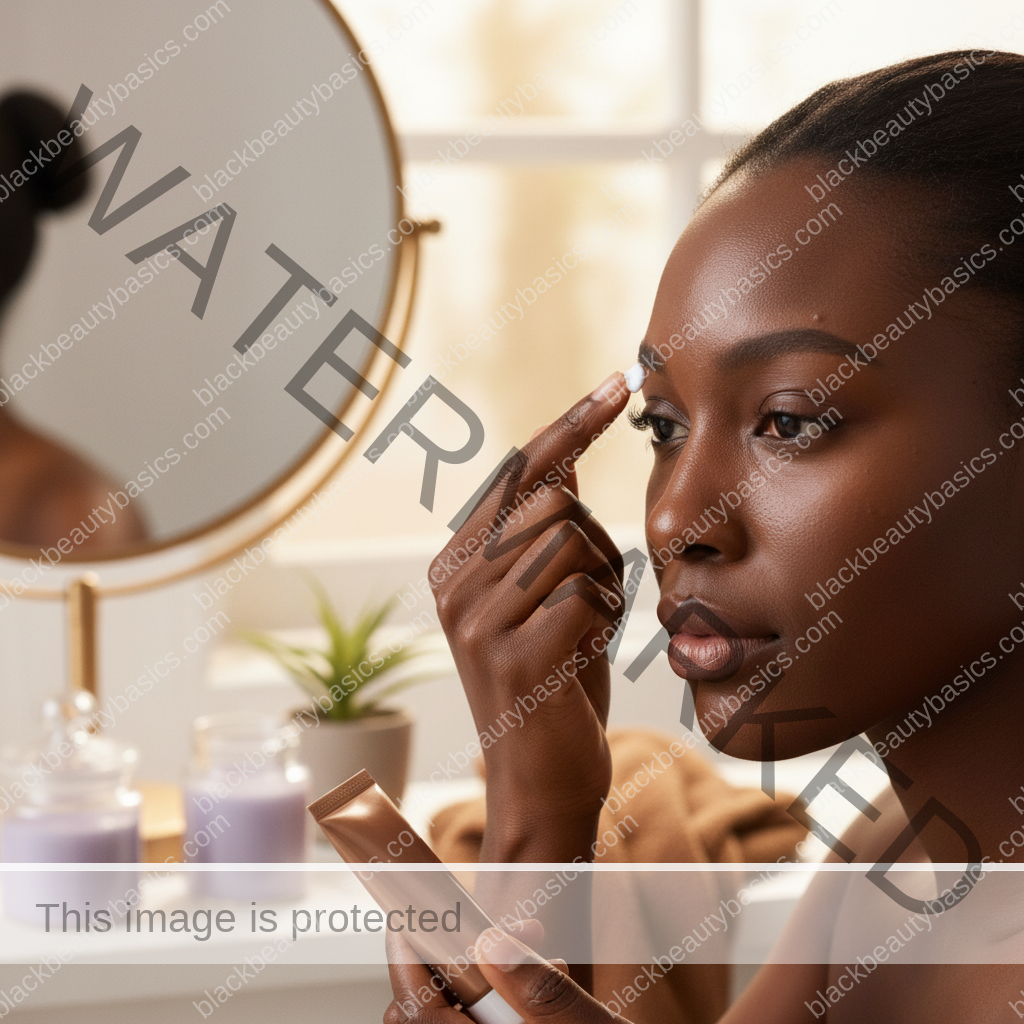
Buildup: The Cumulative Effect
Forehead acne isn’t usually the result of a single factor but rather a cumulative effect of various elements converging on this specific area. This “buildup” refers to the accumulation of dead skin cells, excess sebum, hair product residue, sweat, and environmental impurities that collectively clog pores and trigger inflammation.
Dead Skin Cells and Sebum
Our skin naturally sheds dead skin cells every day. However, sometimes this process can be sluggish, leading to a buildup of cells on the surface. When these dead cells mix with excess sebum (oil), they form a sticky plug that can block hair follicles, creating a perfect environment for acne-causing bacteria to thrive. On the forehead, this process is often exacerbated by the presence of hair products and sweat.
Hair Product Residue
As discussed, many hair products contain ingredients that are occlusive or sticky. Over time, even with regular cleansing, microscopic residues of these products can accumulate on the forehead, especially along the hairline. This residue acts as a magnet for dirt and pollution, further contributing to pore congestion.
Environmental Impurities
Our skin is constantly exposed to environmental pollutants, dust, and grime. These microscopic particles can settle on the skin, especially on exposed areas like the forehead. When combined with sweat, oil, and product residue, they contribute to the overall burden on the pores, making breakouts more likely.
The Cycle of Inflammation and PIH
When pores become clogged, it creates an anaerobic (low oxygen) environment that is ideal for the proliferation of C. acnes bacteria. This bacterial overgrowth triggers an inflammatory response, leading to the redness, swelling, and pus associated with acne. For Black women, this inflammation is the precursor to Post-Inflammatory Hyperpigmentation (PIH), making the cycle of buildup, breakout, and dark spots a particularly frustrating one.
How Buildup Manifests on the Forehead:
- Comedones: Small, non-inflammatory bumps (whiteheads and blackheads) are often the first sign of buildup.
- Papules and Pustules: As inflammation increases, these turn into red bumps (papules) or pus-filled lesions (pustules).
- Cystic Acne: In more severe cases, deep, painful cysts can form, which are particularly prone to leaving significant PIH.
Understanding buildup as a multifaceted problem highlights the need for a holistic approach to prevention and treatment. It’s not just about one product or one habit, but a comprehensive strategy that addresses all contributing factors.
Shop Gentle Exfoliants for Black Skin on Amazon
Strategic Solutions: A Holistic Approach to Clear Forehead Skin
Achieving and maintaining a clear forehead requires a thoughtful, multi-pronged strategy that addresses hair care, skincare, and lifestyle habits. This isn’t about quick fixes, but about cultivating sustainable practices that honor the unique needs of Black skin.
1. Re-evaluating Your Hair Care Arsenal
This is often the most critical first step. Scrutinize the ingredient lists of your most frequently used hair products, especially those applied near the hairline.
Hair Product Audit & Alternatives:
- Edge Controls & Gels: Look for water-based, non-comedogenic formulas. Many brands now offer “acne-safe” or “non-comedogenic” edge controls. Opt for lighter hold products if possible. Shop Non-Comedogenic Edge Control on Amazon
- Leave-ins & Moisturizers: If your hair requires heavy moisture, apply these products a few inches away from the hairline. Consider lighter serums or mists for the hair near your face.
- Styling Creams & Butters: Be mindful of how much product you use and where it lands. If you use heavy butters, ensure they are thoroughly absorbed by the hair and not sitting on the skin.
- Sulfate-Free Shampoos: While not directly causing forehead acne, harsh sulfates can strip the scalp, leading to overproduction of oil, which can then migrate. Opt for gentle, sulfate-free cleansers. Shop Sulfate-Free Shampoos on Amazon
Comparison Table: Hair Product Ingredients & Skin Impact
| Ingredient Type | Common Examples | Potential Skin Impact | Recommendation for Acne-Prone Forehead |
|---|---|---|---|
| Heavy Oils/Butters | Mineral Oil, Petroleum Jelly, Coconut Oil, Shea Butter, Cocoa Butter | Highly occlusive, can clog pores, trap sweat and dead skin cells. | Use sparingly, keep away from hairline. Opt for lighter, non-comedogenic oils (e.g., Squalane, Jojoba) if needed. |
| Waxes | Beeswax, Candelilla Wax | Creates a strong barrier, excellent for hold but very occlusive. | Avoid direct skin contact. Look for water-soluble alternatives in edge controls. |
| Silicones | Dimethicone, Cyclomethicone | Forms a film on skin, can trap impurities. Some are more breathable than others. | Choose “cycl-” or “methiconol” silicones which are more volatile and less likely to build up. |
| Fragrances/Dyes | Parfum, Synthetic Colors | Potential irritants, can trigger inflammation leading to breakouts. | Opt for fragrance-free and dye-free hair products, especially for those applied near the face. |
| Water-Based Formulas | Glycerin, Aloe Vera, Hyaluronic Acid (as primary ingredients) | Generally non-comedogenic, hydrating without heavy occlusion. | Prioritize these ingredients in hair products, especially for edge controls and leave-ins. |
2. Mastering Your Skincare Routine for the Forehead
A targeted skincare routine is paramount for managing and preventing forehead acne.
- Gentle Cleansing: Wash your face twice daily, and immediately after sweating (e.g., after a workout). Use a gentle, sulfate-free cleanser. Pay special attention to the hairline. Shop Gentle Cleansers for Black Skin on Amazon
- Targeted Treatments:
- Salicylic Acid (BHA): A lipid-soluble exfoliant that penetrates oil to dissolve clogs within the pores. Ideal for blackheads, whiteheads, and mild inflammatory acne. Look for cleansers, toners, or serums with 0.5% to 2% Salicylic Acid. Shop Salicylic Acid Serums on Amazon
- Benzoyl Peroxide: An antibacterial agent that kills acne-causing bacteria and helps shed dead skin cells. Can be drying, so start with lower concentrations (2.5%) and use as a spot treatment or short-contact therapy. Be mindful that it can bleach fabrics. Shop Benzoyl Peroxide Washes on Amazon
- Alpha Hydroxy Acids (AHAs – Glycolic, Lactic Acid): Water-soluble exfoliants that work on the skin’s surface to remove dead skin cells, improving texture and reducing PIH. Use a gentle AHA toner or serum a few times a week. Shop AHA Toners on Amazon
- Niacinamide (Vitamin B3): An anti-inflammatory powerhouse that helps reduce redness, minimize pore appearance, and strengthen the skin barrier. Excellent for managing PIH. Shop Niacinamide Serums on Amazon
- Retinoids (Retinol, Adapalene): Gold standard for acne and anti-aging. They increase cell turnover, prevent clogged pores, and improve PIH. Start slowly (2-3 times a week) to build tolerance, as they can cause initial dryness or purging. Adapalene (Differin) is available over-the-counter and is often well-tolerated. Shop Adapalene Gels on Amazon
- Moisturize: Even oily or acne-prone skin needs moisture. Choose a lightweight, non-comedogenic moisturizer to support your skin barrier. Shop Non-Comedogenic Moisturizers on Amazon
- Sun Protection: Non-negotiable for Black skin, especially when dealing with acne and PIH. Sun exposure darkens existing PIH and can trigger new inflammation. Use a broad-spectrum SPF 30+ daily, preferably one that leaves no white cast. Shop No White Cast Sunscreens on Amazon
3. Mindful Lifestyle Adjustments
Your daily habits significantly impact your skin’s health.
- Sweat Management:
- Post-Workout Cleanse: Wash your face immediately after exercise. If a full cleanse isn’t possible, use a gentle cleansing wipe. Shop Gentle Cleansing Wipes on Amazon
- Pat, Don’t Rub: Gently pat away sweat with a clean, soft cloth or paper towel throughout the day.
- Hair Up: Keep hair off your forehead during workouts and in hot weather.
- Pillowcase Hygiene: Change your pillowcase every 2-3 days, or more frequently if you use heavy hair products. Silk or satin pillowcases can also reduce friction on both hair and skin. Shop Satin Pillowcases on Amazon
- Hands Off: Avoid touching your forehead unnecessarily, as this can transfer oils, bacteria, and hair product residue.
- Diet and Hydration: While not a direct cause, a balanced diet rich in antioxidants and adequate water intake supports overall skin health.
- Stress Management: Stress can trigger hormonal fluctuations that exacerbate acne. Incorporate stress-reducing practices into your routine.
4. Consulting a Dermatologist
If over-the-counter solutions aren’t yielding results after 6-8 weeks, or if you’re experiencing painful, cystic acne, it’s time to consult a board-certified dermatologist, preferably one experienced with skin of color. They can offer prescription-strength treatments, such as oral antibiotics, hormonal therapies, or stronger topical retinoids, and provide guidance on managing PIH effectively.
Shop Dermatologist Recommended Acne Products on Amazon
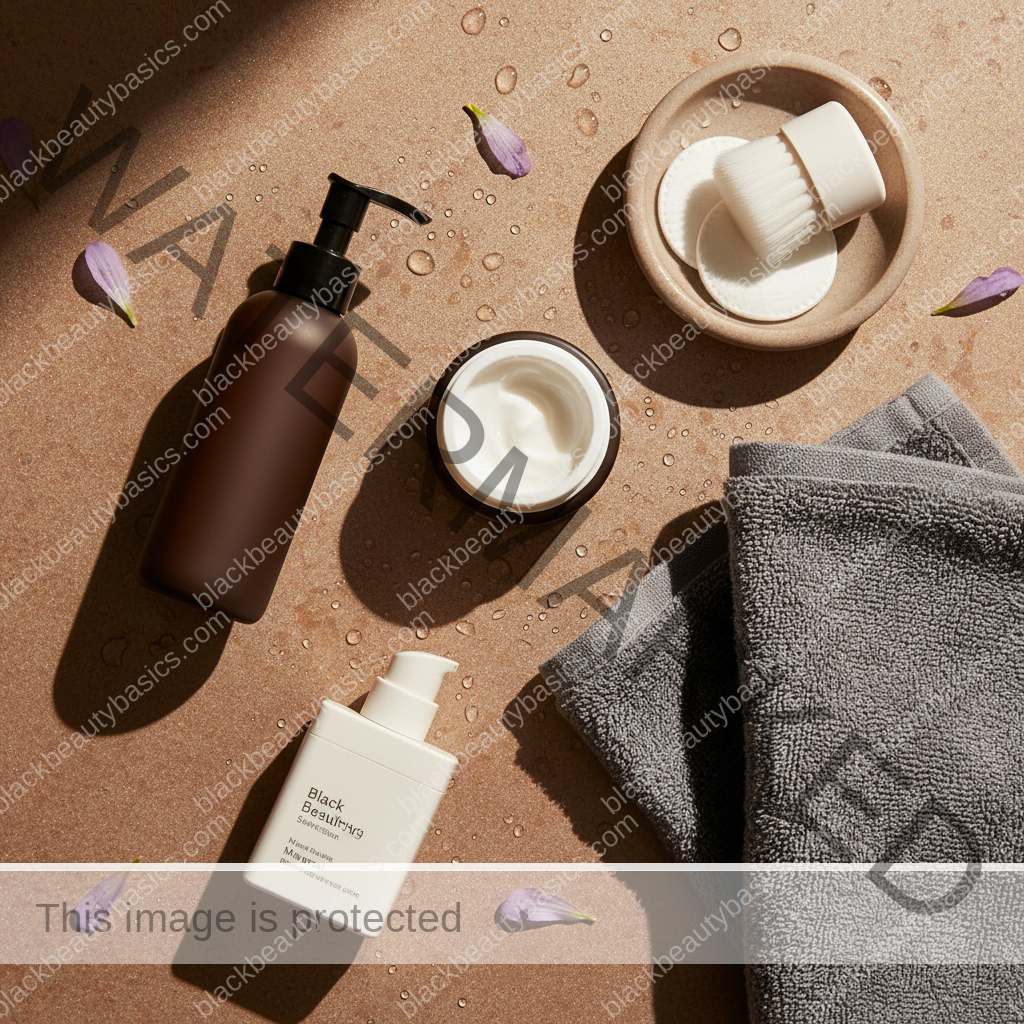
Tip List: Your Daily Forehead Acne Prevention Checklist
Integrate these actionable tips into your daily routine to proactively combat forehead acne and maintain a radiant, clear complexion.
- Hairline First, Always: When applying hair products, especially edge controls, gels, or heavy moisturizers, apply them at least an inch away from your hairline. If you must apply closer, use a small amount and blot any excess immediately.
- Post-Hair Routine Cleanse: After styling your hair, especially if you’ve used sprays or gels, take a moment to gently cleanse your forehead and hairline with a mild cleanser or a damp, clean cloth.
- Workout Wipe-Down: Carry gentle, non-comedogenic cleansing wipes with you and use them to refresh your forehead immediately after a workout or any activity that causes significant sweating.
- Nighttime Barrier: If you use heavy hair oils or butters overnight, consider wrapping your hair in a satin scarf or bonnet that doesn’t rest directly on your forehead. Alternatively, apply a thin layer of a non-comedogenic moisturizer to your forehead as a protective barrier before bed.
- Pillowcase Power: Make changing your pillowcase a non-negotiable habit every 2-3 days. This removes accumulated hair product, sweat, and oil. Silk or satin is preferred for both hair and skin.
- Hands-Off Policy: Consciously avoid touching your forehead throughout the day, especially after touching your hair. This minimizes the transfer of oils, bacteria, and hair product residue.
- Strategic Hair Styling: When possible, opt for hairstyles that keep your hair off your forehead. If you love bangs, consider pinning them back at night or during workouts.
- Ingredient Investigator: Become an expert label reader. Prioritize hair products labeled “non-comedogenic” or “oil-free” for areas near your face. Be wary of heavy oils (mineral oil, coconut oil, olive oil), petroleum, and waxes in products that touch your forehead.
- Daily SPF, No Excuses: Protect your skin from the sun every single day with a broad-spectrum SPF 30+ sunscreen. This prevents PIH from darkening and helps your skin heal. Choose a formula that doesn’t leave a white cast.
- Consistent Skincare: Commit to a consistent, gentle skincare routine that includes cleansing, targeted acne treatments (like salicylic acid or retinoids), and a lightweight moisturizer. Consistency is key for results.
Forehead acne often sits at the intersection of hair and skin
Forehead bumps can come from many places: sweat, hats, edge control, oils, leave-ins, gel, scarves, pillowcases, makeup, or fungal-like patterns. For Black women who wear protective styles, wigs, braids, silk scarves, or laid edges, the hairline is not separate from skincare. Product migration matters.
The answer is not to shame hair products or stop caring for textured hair. The answer is to notice what touches the skin and how often. Heavy oils and waxy stylers can move onto the forehead during heat, sleep, workouts, or humid days. Sweat can trap that mixture against the skin. Tight headwear and repeated friction can add irritation.
A gentle reset usually starts with cleansing the hairline well, keeping heavy products slightly behind the hairline when possible, washing scarves and pillowcases consistently, and avoiding aggressive exfoliation. If bumps are itchy, uniform, or spreading, consider professional guidance because not every forehead breakout responds to typical acne products.
Forehead routine checks
- Notice which hair products touch the forehead or temples.
- Cleanse the hairline without stripping the rest of your face.
- Wash hats, scarves, bonnets, and pillowcases regularly.
- Watch for itchy, uniform bumps that may need a different approach.
What to do next
Keep this guide connected to the rest of the Acne & Sensitive Skin in Black Women series. Acne care on deep skin works best when the routine considers triggers, active ingredients, sensitive skin, and the dark marks that can follow inflammation.
- hormonal acne patterns by age and cycle
- acne-safe gym routine for dark skin
- patch test acne products on Black skin
Frequently Asked Questions About Forehead Acne on Black Women
Q1: Why is forehead acne so common for Black women specifically?
Forehead acne in Black women is often a confluence of factors unique to our hair care practices and skin characteristics. Many hair products formulated for textured hair are rich in heavy oils, butters, and waxes (comedogenic ingredients) that can clog pores when they transfer to the forehead. Additionally, Black skin is prone to Post-Inflammatory Hyperpigmentation (PIH), meaning even mild acne can leave persistent dark spots. Sweat, friction from protective styles or head coverings, and inadequate cleansing of the hairline also contribute significantly.
Q2: Are there specific hair product ingredients I should absolutely avoid if I have forehead acne?
Yes, prioritize avoiding highly comedogenic ingredients, especially in products applied near your hairline. These include mineral oil, petroleum jelly, coconut oil (in high concentrations), shea butter, cocoa butter, and waxes (like beeswax). Silicones can also be occlusive. Opt for water-based formulas and products specifically labeled “non-comedogenic” or “oil-free.” Fragrances and dyes can also be irritating, so fragrance-free options are often a safer bet.
Q3: How can I use edge control without breaking out my forehead?
The key is mindful application and product choice. First, look for water-based, non-comedogenic edge controls. Apply a very small amount precisely to your edges, avoiding direct contact with your forehead skin. After application, gently wipe any excess product from your forehead with a damp cloth or cotton pad. Consider using a cleansing wipe on your forehead after your entire hair routine is complete. If possible, opt for styles that don’t require heavy edge control daily.
Q4: My forehead acne gets worse after I work out. What can I do?
This is a common issue due to sweat, heat, and friction. Always cleanse your face immediately after a workout. If a full wash isn’t feasible, use a gentle, non-comedogenic cleansing wipe to remove sweat and impurities. Wear a clean, sweat-wicking headband during exercise to keep hair off your forehead and absorb sweat, but ensure it’s not too tight to avoid friction. Keep your hair pulled back and away from your face during physical activity.
Q5: How do protective styles like braids or wigs affect forehead acne?
Protective styles can contribute to forehead acne in several ways. The products used to install and maintain them (gels, oils, braid sprays) can be comedogenic. Tight styles can cause friction and irritation along the hairline. Wigs, especially with glues or tapes, can trap heat and sweat, creating an occlusive environment. To mitigate this, ensure your hairline and forehead are thoroughly cleansed when you wash your hair. Use lightweight, non-comedogenic products for maintenance. If wearing wigs, ensure your skin is clean underneath and take breaks to let your skin breathe.
Q6: What skincare ingredients are best for treating forehead acne and the dark spots it leaves behind?
For active acne, look for Salicylic Acid (BHA) to unclog pores and Benzoyl Peroxide to kill bacteria. For both acne prevention and treating Post-Inflammatory Hyperpigmentation (PIH), retinoids (like Adapalene or Retinol) are excellent as they increase cell turnover. Niacinamide (Vitamin B3) is also fantastic for reducing inflammation and improving skin tone. AHAs (Glycolic, Lactic Acid) can help exfoliate and fade PIH. Always pair these with a non-comedogenic moisturizer and daily broad-spectrum SPF to prevent further darkening of PIH.
Q7: How long does it take to see results from changing my routine?
Consistency is key, and results won’t be immediate. You should typically give a new skincare or hair care routine at least 4-6 weeks to see noticeable improvements. For PIH, fading can take even longer, often several months, so patience and diligent sun protection are crucial. If you don’t see improvement after 6-8 weeks, or if your acne worsens, consult a dermatologist.
Our journey to radiant skin is a personal one, filled with discovery and empowerment. Understanding the intricate dance between our hair products, our environment, and our unique skin is not just about addressing a concern; it’s about embracing a deeper level of self-care. By making informed choices and adopting a holistic approach, you can confidently navigate the path to a clear, luminous forehead, allowing your natural beauty to shine without reservation. Here’s to celebrating every inch of your magnificent skin, from crown to décolletage, with knowledge, grace, and unwavering pride.
Related next steps
Related posts:
 Fungal-Like Acne Patterns on Forehead, Chest, and Back in Dark Skin
 Face Acne Patterns on Melanin-Rich Skin: Forehead, Cheeks, Jawline
 Lifestyle Triggers (Sweat, Fabric, Stress, Sleep) in Melanin-Rich Acne
 Chest Acne on Dark Skin: Sweat, Fabric, and Fragrance
 What Causes Those Little Bumps on My Forehead or Cheeks?
 When Body Acne Needs a Different Routine Than Facial Acne