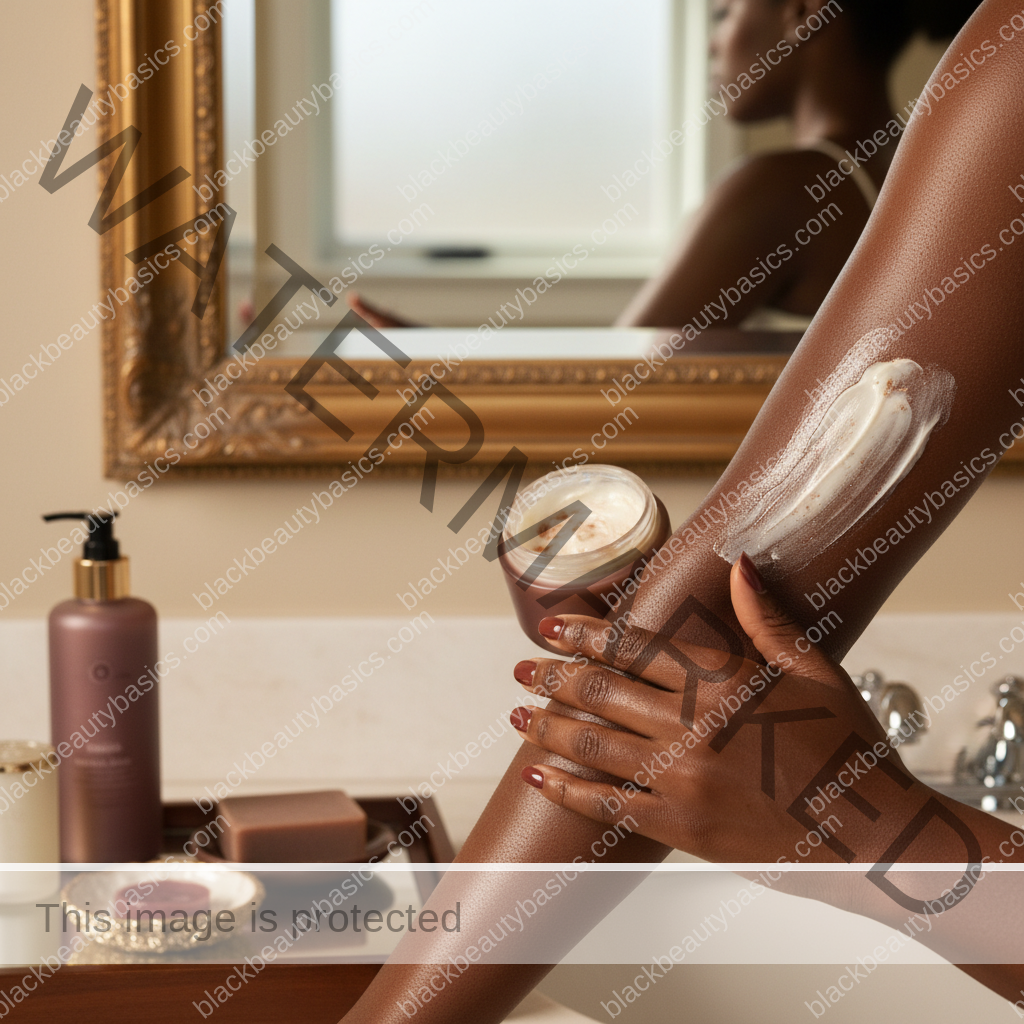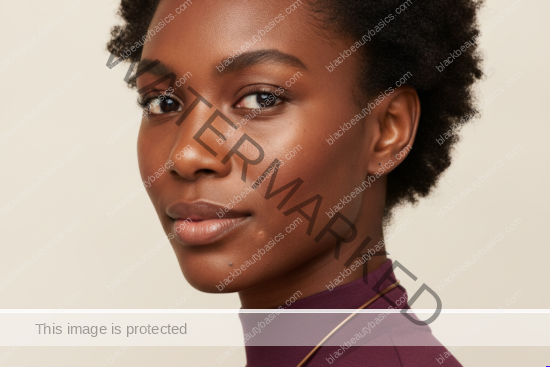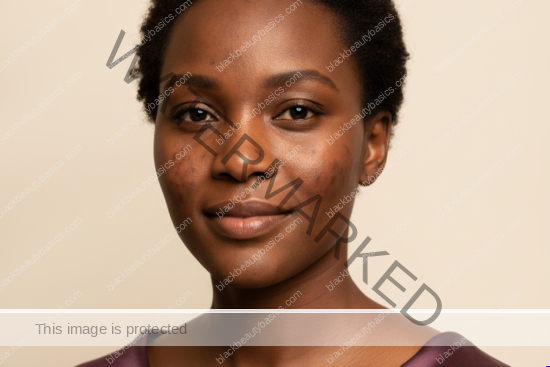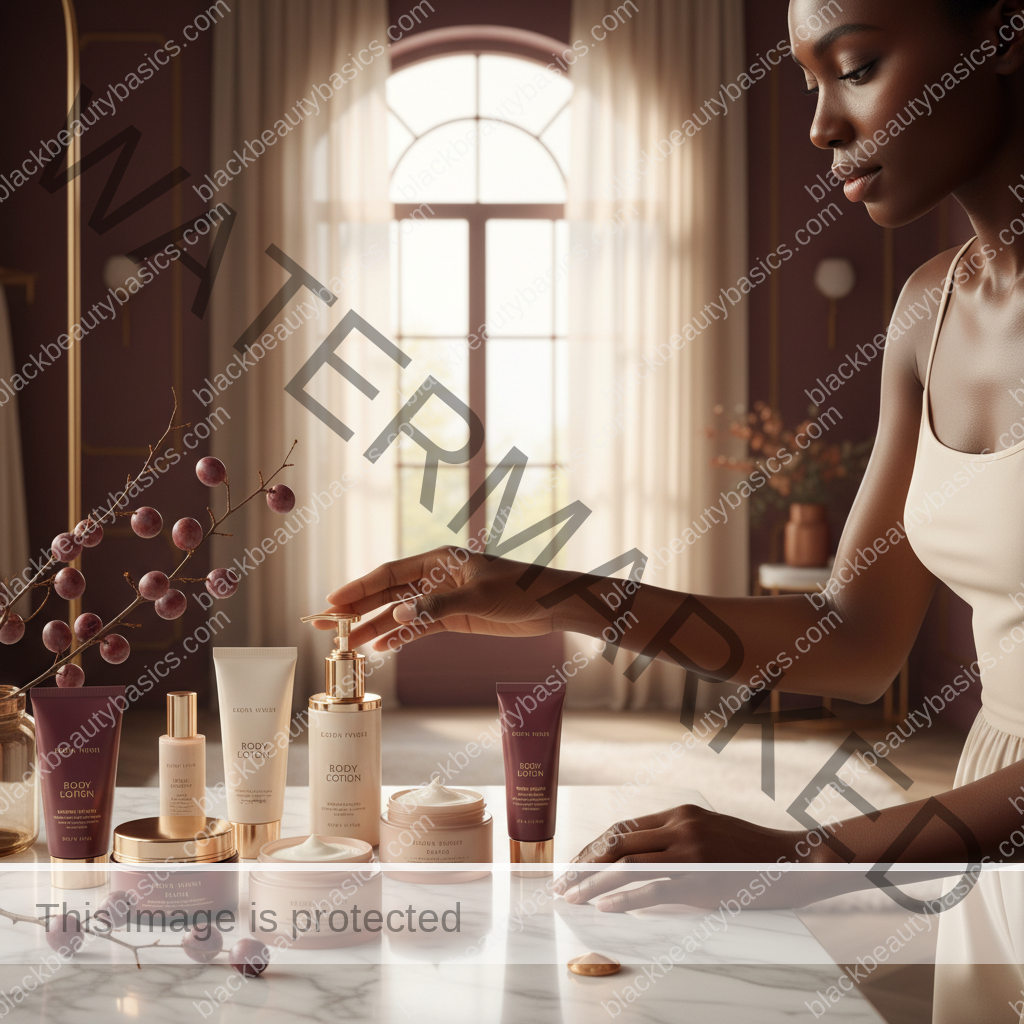
Our melanin-rich skin tells a story of resilience, beauty, and strength, yet its unique needs often go overlooked in mainstream beauty narratives. From the vibrant glow that captivates to the inherent protection it offers, our skin deserves a bespoke approach, especially when it comes to hydration that truly honors its delicate balance against the whims of climate. Start with the related BBB body-care cluster guide if you want the broader map.
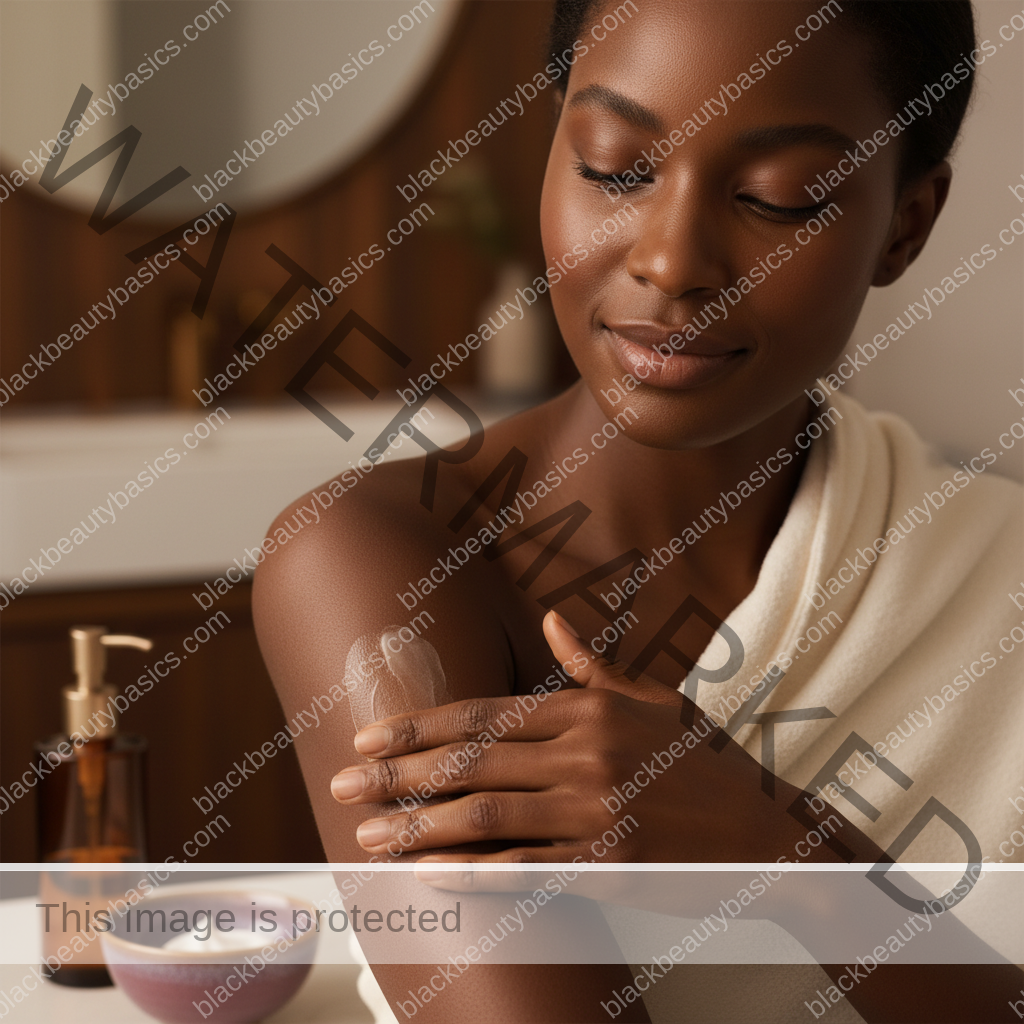
Understanding how different environments impact our skin’s moisture barrier is not just about comfort; it’s about preserving that radiant luminosity and ensuring our skin remains supple, healthy, and exquisitely cared for, no matter the season or the latitude.
The Melanin Advantage: Understanding Dark Skin’s Unique Hydration Needs
Our skin, blessed with a higher concentration of melanin, possesses incredible natural defenses against UV radiation, contributing to a slower aging process and a more even tone. However, this same melanin can also influence how our skin responds to environmental stressors, particularly when it comes to moisture retention. Darker skin tones are often prone to conditions like ashiness, hyperpigmentation, and dryness, which can be exacerbated by inappropriate hydration practices or climate changes.
The stratum corneum, our skin’s outermost layer, acts as a critical barrier. In darker skin, this barrier can sometimes be more susceptible to transepidermal water loss (TEWL) if not adequately nourished. This means that while our skin is robust in many ways, it requires thoughtful, consistent hydration to maintain its integrity, elasticity, and that coveted, deep glow. Choosing the right moisturizer isn’t a one-size-fits-all endeavor; it’s a strategic decision tailored to your skin’s inherent needs and the specific climate you inhabit.
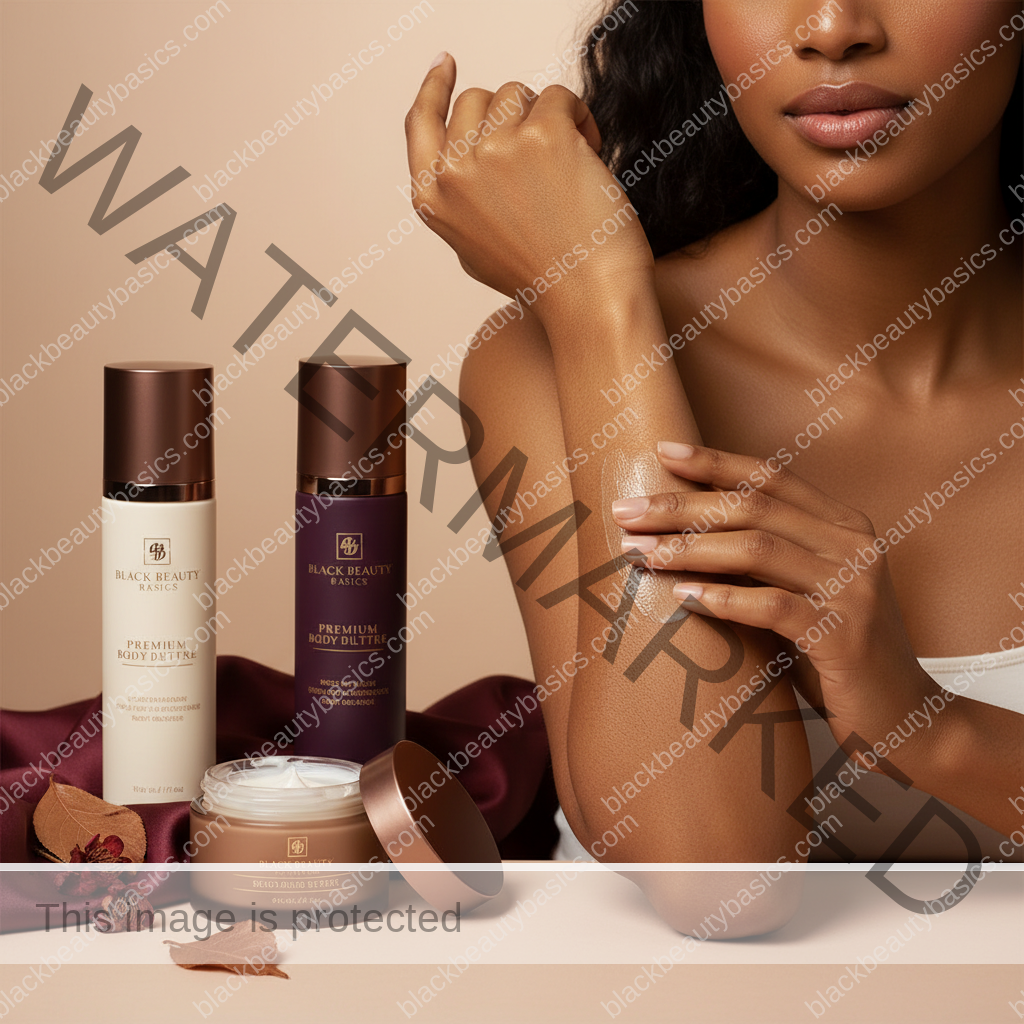
Why Climate Matters: Adapting Your Skincare for Optimal Results
Just as you wouldn your wardrobe to suit the weather, your skincare regimen, particularly your body moisturizer, must adapt to the climate. What works beautifully in a humid tropical paradise might fall short in an arid desert or a biting winter chill. Each climate presents unique challenges and opportunities for your skin:
- Humidity: High humidity can feel like a blessing, but it can also lead to clogged pores if your moisturizer is too heavy. Low humidity, conversely, strips moisture, demanding richer, more occlusive formulations.
- Temperature: Cold temperatures constrict blood vessels and reduce oil production, leading to dryness. Warm temperatures can increase perspiration, necessitating lighter, breathable formulas.
- Wind: Windburn can compromise the skin barrier, leading to increased TEWL, regardless of temperature.
- Sun Exposure: While melanin offers natural protection, prolonged sun exposure still dehydrates the skin and can exacerbate hyperpigmentation.
By understanding these climatic influences, we can make informed choices, ensuring our skin remains a testament to health and radiance, no matter where life takes us.
The Best Body Moisturizers for Warm & Humid Climates
In environments where the air is thick with moisture and temperatures soar, our skin often feels dewy, but this doesn’t mean it’s perfectly hydrated. The challenge here is to provide sufficient moisture without occluding pores or feeling heavy and sticky. The goal is lightweight hydration that allows the skin to breathe.
Key Ingredients for Humid Climates:
- Humectants: Draw moisture from the air into the skin. Look for hyaluronic acid, glycerin, and urea.
- Lightweight Emollients: Smooth and soften the skin without feeling greasy. Examples include squalane, sunflower oil, and jojoba oil.
- Non-Comedogenic Oils: Oils that won’t clog pores. Grapeseed oil, rosehip oil, and argan oil are excellent choices.
- Antioxidants: Protect against environmental damage. Vitamin C, E, and green tea extract are beneficial.
Product Formulations to Seek:
- Gels & Gel-Creams: These water-based formulas are incredibly light, absorb quickly, and provide a refreshing burst of hydration.
- Lotions: Lighter than creams, lotions offer a good balance of moisture and breathability.
- Mists & Sprays: Perfect for a quick refresh and light hydration throughout the day without feeling heavy.
Recommended Products for Warm & Humid Climates:
For those balmy days and sultry nights, opt for formulas that feel like a second skin, offering hydration without the weight.
- Lightweight Hydrating Lotion: A non-greasy lotion with hyaluronic acid and niacinamide. Shop Lightweight Hydrating Lotions on Amazon
- Gel-Based Body Moisturizer: Infused with aloe vera and cucumber extract for a cooling sensation. Shop Gel Body Moisturizers on Amazon
- Squalane Body Oil: A dry oil that absorbs quickly, leaving a silky finish without residue. Shop Squalane Body Oils on Amazon
Tip List: Maintaining Hydration in Humid Climates
- Shower with Lukewarm Water: Hot showers can strip natural oils, even in humid conditions.
- Apply to Damp Skin: Lock in moisture by applying your moisturizer immediately after patting your skin dry.
- Exfoliate Regularly (but Gently): Prevent clogged pores and allow products to penetrate better.
- Stay Hydrated Internally: Drink plenty of water throughout the day.
- Consider SPF: Even on cloudy, humid days, UV rays are present. Choose a moisturizer with SPF or layer it.
The Best Body Moisturizers for Cold & Dry Climates
Winter’s chill and arid environments are perhaps the most challenging for our skin. Low humidity, biting winds, and indoor heating conspire to strip moisture, leaving skin feeling tight, flaky, and sometimes even irritated. Darker skin tones are particularly susceptible to ashiness and dullness in these conditions, making robust hydration essential.
Key Ingredients for Cold & Dry Climates:
- Occlusives: Form a protective barrier on the skin to prevent TEWL. Petrolatum, shea butter, cocoa butter, and lanolin are powerhouse occlusives.
- Emollients: Fill in gaps between skin cells, making the skin feel smooth and soft. Ceramides, fatty acids, and cholesterol are vital for barrier repair.
- Humectants: Still important, but should be paired with occlusives to trap the moisture they attract. Glycerin and hyaluronic acid remain key.
- Soothing Agents: To calm irritated or chapped skin. Colloidal oatmeal, allantoin, and bisabolol are excellent.
Product Formulations to Seek:
- Rich Creams & Balms: These dense formulations provide intense hydration and a protective barrier against harsh elements.
- Body Butters: Often rich in natural oils and butters, they offer deep nourishment and a luxurious feel.
- Thick Lotions: While still lotions, these are significantly richer than their warm-climate counterparts, often containing more oils and occlusives.
Recommended Products for Cold & Dry Climates:
When the air bites and moisture is scarce, your skin needs a comforting embrace of rich, restorative hydration.
- Ultra-Rich Body Cream: Packed with ceramides, shea butter, and hyaluronic acid to repair and protect. Shop Ultra-Rich Body Creams on Amazon
- Deeply Nourishing Body Butter: Featuring cocoa butter, mango butter, and vitamin E for intense moisture. Shop Deeply Nourishing Body Butters on Amazon
- Healing Body Balm: A concentrated balm with petrolatum and colloidal oatmeal for severely dry or chapped skin. Shop Healing Body Balms on Amazon
Comparison Table: Humid vs. Dry Climate Moisturizers
| Feature | Warm & Humid Climate Moisturizer | Cold & Dry Climate Moisturizer |
|---|---|---|
| Texture | Lightweight, gel, lotion, mist | Rich, thick cream, balm, body butter |
| Key Humectants | Hyaluronic acid, glycerin, urea | Hyaluronic acid, glycerin (paired with occlusives) |
| Key Emollients | Squalane, jojoba oil, sunflower oil | Ceramides, fatty acids, cholesterol, lanolin |
| Key Occlusives | Minimal or none (e.g., light silicones) | Shea butter, cocoa butter, petrolatum, mineral oil |
| Primary Goal | Hydrate without clogging, refresh | Intensely moisturize, protect barrier, prevent TEWL |
| Feel on Skin | Weightless, quickly absorbed, breathable | Protective, nourishing, comforting, sometimes richer feel |
The Best Body Moisturizers for Temperate & Moderate Climates
Temperate climates offer a beautiful balance, with distinct seasons that transition between warm and cool, humid and dry. This means your skincare needs will fluctuate, requiring a flexible approach. The key here is adaptability – having a few staples you can rotate or layer as the seasons change.
Key Ingredients for Temperate Climates:
- Balanced Humectants & Emollients: A good mix to provide hydration and barrier support.
- Medium-Weight Oils: Jojoba, almond, and grapeseed oils offer good versatility.
- Ceramides & Niacinamide: Excellent for maintaining a healthy skin barrier year-round.
- Antioxidants: To protect against daily environmental stressors.
Product Formulations to Seek:
- Versatile Lotions: Not too heavy, not too light, suitable for most days.
- Medium-Weight Creams: Can be used alone in cooler months or layered with a lighter oil in drier periods.
- Hydrating Body Oils: Can be mixed with lotions or applied alone for an extra boost.
Recommended Products for Temperate & Moderate Climates:
For climates that offer a bit of everything, versatility is your best friend. Look for products that adapt as gracefully as you do.
- Everyday Hydrating Lotion: A balanced formula with glycerin and ceramides, perfect for daily use. Shop Everyday Hydrating Lotions on Amazon
- Nourishing Body Milk: A slightly richer option with almond oil and vitamin B5 for added suppleness. Shop Nourishing Body Milks on Amazon
- Lightweight Body Oil Blend: A mix of jojoba and rosehip oils that can be used alone or added to your lotion. Shop Lightweight Body Oil Blends on Amazon
The Best Body Moisturizers for Arid & Desert Climates
Arid and desert climates are characterized by extremely low humidity and often high temperatures during the day, with significant drops at night. This combination is incredibly dehydrating, pulling moisture directly from the skin. For melanin-rich skin, this can quickly lead to severe dryness, flakiness, and a compromised barrier.
Key Ingredients for Arid Climates:
- Heavy Occlusives: Essential to seal in moisture. Petrolatum, mineral oil, and thick waxes are crucial.
- Rich Emollients: To deeply nourish and repair the barrier. Shea butter, cocoa butter, and ceramides are non-negotiable.
- Strong Humectants: To draw any available moisture into the skin, but always paired with occlusives.
- Barrier Repairing Ingredients: Cholesterol, fatty acids, and niacinamide help fortify the skin’s natural defenses.
Product Formulations to Seek:
- Ultra-Thick Balms: The most protective option, creating a robust shield against moisture loss.
- Intensive Body Butters: Richer than those for cold climates, designed for extreme dryness.
- Oil-Based Serums: Applied under a balm or cream for an extra layer of nourishment.
Recommended Products for Arid & Desert Climates:
When facing the relentless dryness of the desert, your skin needs an impenetrable shield of hydration and profound nourishment.
- Extreme Moisture Barrier Balm: A petroleum-based balm with shea butter and ceramides for ultimate protection. Shop Extreme Moisture Barrier Balms on Amazon
- Desert-Proof Body Butter: A blend of cupuaçu butter, babassu oil, and squalane for intense, long-lasting hydration. Shop Desert-Proof Body Butters on Amazon
- Restorative Body Oil Concentrate: A blend of argan, marula, and prickly pear oils to deeply replenish lipids. Shop Restorative Body Oil Concentrates on Amazon
Beyond Climate: Other Factors Influencing Your Moisturizer Choice
While climate is a primary driver, several other factors contribute to finding your perfect body moisturizer. Our skin is a complex organ, and its needs are multifaceted.
Skin Type & Concerns:
- Dry Skin: Naturally lacks oil and moisture. Benefits from rich creams, balms, and occlusives.
- Oily/Acne-Prone Skin: May still need hydration. Opt for non-comedogenic, lightweight lotions or gels.
- Sensitive Skin: Avoid fragrances, dyes, and harsh chemicals. Look for hypoallergenic, fragrance-free formulas with soothing ingredients like colloidal oatmeal.
- Eczema/Psoriasis-Prone Skin: Requires specialized, often thicker, barrier-repairing creams with ingredients like ceramides and emollients, often prescribed by a dermatologist.
- Hyperpigmentation Concerns: Look for ingredients that also help with evening skin tone, such as niacinamide, vitamin C, or alpha hydroxy acids (AHAs) in gentle concentrations.
Lifestyle & Activities:
- Active Lifestyle: Frequent sweating and showering can dehydrate the skin. Choose easily absorbed, breathable formulas, and reapply after activities.
- Frequent Travel: Be prepared for climate shifts. Consider travel-sized versions of both light and rich moisturizers.
- Indoor Environments: Air conditioning and heating can be very drying. Even in humid climates, indoor air can be dry.
Personal Preferences:
- Scent: Some prefer fragrance-free, while others enjoy subtle, luxurious scents. Be mindful of potential irritants if your skin is sensitive.
- Texture: Do you prefer a quick-absorbing lotion or a rich, indulgent balm? This impacts compliance.
- Ingredients: Are you looking for natural, organic, or specific dermatologist-recommended ingredients?
Tip List: General Moisturizing Best Practices for Dark Skin
- Moisturize on Damp Skin: Always apply moisturizer within minutes of showering or bathing to lock in moisture.
- Layering is Key: In very dry conditions, consider layering a hydrating serum or oil under your cream.
- Don’t Forget Often-Neglected Areas: Elbows, knees, feet, and shins are prone to extra dryness and ashiness.
- Patch Test New Products: Especially if you have sensitive skin, to check for irritation or allergic reactions.
- Consistency is Crucial: Daily application is far more effective than sporadic use.
- Listen to Your Skin: Your skin’s needs can change. Adjust your routine as necessary.
- Consider a Humidifier: In dry indoor environments, a humidifier can add much-needed moisture to the air.
FAQ: Your Most Pressing Questions About Body Moisturizers for Dark Skin
Q1: Why is my dark skin still ashy even after I moisturize?
A1: Ashiness on dark skin often indicates that your moisturizer isn’t providing sufficient hydration or creating an adequate barrier. This could be due to using a product that’s too light for your skin’s needs or your climate, or not applying it to damp skin. Ensure your moisturizer contains occlusive ingredients like shea butter or petrolatum, especially in dry conditions, and apply generously right after showering to seal in water.
Q2: Can I use the same moisturizer year-round if I live in a temperate climate?
A2: While some balanced formulas might work, it’s generally best to adapt. In temperate climates, you’ll likely need a lighter lotion or gel-cream in warmer, more humid months and a richer cream or body butter in cooler, drier months. Your skin’s needs shift with the seasons, and adjusting your moisturizer ensures optimal hydration and comfort.
Q3: Are body oils better than lotions or creams for dark skin?
A3: Body oils are excellent emollients and can help seal in moisture, giving a beautiful sheen to dark skin. However, they are not humectants, meaning they don’t draw moisture into the skin. For comprehensive hydration, especially in dry climates, oils are best used layered over a water-based lotion or cream, or in conjunction with products containing humectants. In humid climates, a lightweight dry oil might suffice alone.
Q4: How often should I moisturize my body?
A4: For most individuals, moisturizing once daily, preferably after showering or bathing, is sufficient. If you have very dry skin, live in an arid climate, or engage in activities that strip moisture (like swimming), you might benefit from moisturizing twice a day or reapplying to specific dry areas as needed.
Q5: What ingredients should I avoid if I have sensitive dark skin?
A5: If you have sensitive dark skin, it’s best to avoid common irritants like synthetic fragrances, harsh dyes, parabens, and certain alcohols (like denatured alcohol). Look for products labeled “fragrance-free,” “hypoallergenic,” and “dermatologist-tested.” Ingredients like colloidal oatmeal, allantoin, and ceramides are generally well-tolerated and soothing.
Q6: Does diet affect my skin’s hydration?
A6: Absolutely! Hydration starts from within. Drinking plenty of water throughout the day is crucial for overall skin health and suppleness. A diet rich in essential fatty acids (from foods like avocados, nuts, seeds, and fatty fish) also supports a healthy skin barrier, which is key to retaining moisture.
Q7: Can men with dark skin benefit from these recommendations?
A7: Yes, these recommendations are universally applicable for all individuals with melanin-rich skin, regardless of gender. The principles of understanding skin’s unique needs in different climates and selecting appropriate ingredients remain the same for everyone.
A8: You’ll know your moisturizer is working effectively if your skin feels soft, smooth, supple, and looks radiant. There should be no signs of ashiness, flakiness, tightness, or irritation. Your skin should feel comfortable and hydrated throughout the day, without feeling greasy or heavy.
Embracing the nuanced beauty of our melanin-rich skin means understanding its exquisite needs and honoring them with intentional care. By aligning your body moisturizer choices with the demands of your environment, you’re not just applying a product; you’re cultivating a ritual of self-love, ensuring your skin remains a luminous testament to its inherent glory, every single day, in every single climate.
How to build the routine around what your skin is actually telling you
For Black women and people with richly melanated skin, body care is rarely just about feeling smooth for one day. The larger goal is comfort, less irritation, fewer preventable bumps, and fewer marks left behind after friction, shaving, dryness, or inflammation. This guide focuses on choosing lotion, cream, balm, and oil textures by humidity, winter air, heat, air conditioning, and daily comfort, while keeping the correct body-care cluster as the home base.
The first step is to stop treating every body concern as a need for stronger products. Dryness may need better moisture timing. Bumps may need less pressure and less friction. Texture may need gentle exfoliation, not daily scrubbing. Dark marks may need the irritation cycle to calm down before any brightening step can make sense. When the routine starts with the real cause, the skin has less to recover from.
This is also where tone matters. A body-care routine should never imply that lighter, perfectly even, poreless skin is the goal. Rich brown skin can have texture, deeper areas, stretch, folds, hair, and changing tone. The goal is not to erase your body. The goal is to care for it in a way that feels steady, respectful, and repeatable.
A practical checkpoint before you add anything new
- Notice whether the issue is dryness, friction, bumps, hair removal, sweat, or product residue.
- Keep the routine simple enough to repeat for several weeks.
- Add only one new treatment step at a time so irritation is easier to trace.
- Use moisture and barrier support as the default, not as an afterthought.
- Pause any step that causes burning, rawness, swelling, or new persistent dark marks.
What usually makes this worse
The biggest mistake is trying to force a fast result. Whether you are dealing with ashiness, bumps, shaving irritation, or dark marks, pushing harder usually creates more inflammation. Melanin-rich skin can respond to that inflammation with marks that last longer than the original problem. That is why slow, boring consistency is often more protective than a dramatic reset.
Another common issue is mixing too many strong steps in the same week. A harsh scrub, an exfoliating acid, shaving, fragrance, tight clothing, and a drying cleanser can all overlap. Each step may seem small by itself, but together they can leave body skin tender and reactive. When that happens, simplify before you intensify.
Finally, do not ignore friction. Waistbands, sports bras, underwear seams, leggings, deodorant, shaving direction, towels, and even how quickly you moisturize after a shower can change how the skin behaves. If friction is part of the pattern, product alone will not carry the whole routine.
What to do next
Keep this article connected to the Body Care & Hair Removal on Dark Skin system. The most useful next read depends on whether your main issue is moisture, exfoliation, shaving, ingrowns, or post-shave dark marks.
- Body Care & Hair Removal on Dark Skin
- The related body-care cluster guide
- daily body care routine for ashy skin
- body exfoliation without overdoing it
- non-sticky body sunscreen routine
How to keep the routine realistic for real life
A routine that only works when you have unlimited time is not a routine most people can keep. Build a short version and a slower version. The short version might be cleanse, moisturize, and avoid the habit that causes the most irritation. The slower version can include exfoliation, shaving prep, richer moisture, or more careful aftercare when you have the space for it.
Budget matters too. You do not need the most expensive body product to care for dark skin well. You need textures your skin tolerates, ingredients that make sense for the job, and a rhythm you can repeat. If the product is lovely but you use it once a month because it feels too precious, it may not be the best daily tool.
Watch the skin over several weeks instead of judging every morning. Is there less tightness, less itching, fewer bumps, fewer angry patches, or less picking? Those are meaningful signs. Progress on body skin can be quiet before it becomes visible. Give your body room to respond without turning every mark into a crisis.
If irritation becomes painful, spreads, blisters, bleeds, scars, or keeps returning despite a careful routine, bring in a dermatologist or qualified clinician. Home care can support the skin, but it should not replace professional care when the pattern is persistent, severe, or confusing.