
In the symphony of Black beauty, every curve, every contour, and every strand tells a story of resilience, elegance, and undeniable grace. Yet, sometimes, a whisper of unwanted hair can disrupt this harmony, particularly for melanin-rich skin that demands a nuanced approach to care. Today, we turn our gaze to a topic often shrouded in hushed tones but deserving of our full, empowered attention: face shaving for Black women, specifically addressing the delicate areas of the chin, jaw, and upper lip. Start with the related BBB body-care cluster guide if you want the broader map.
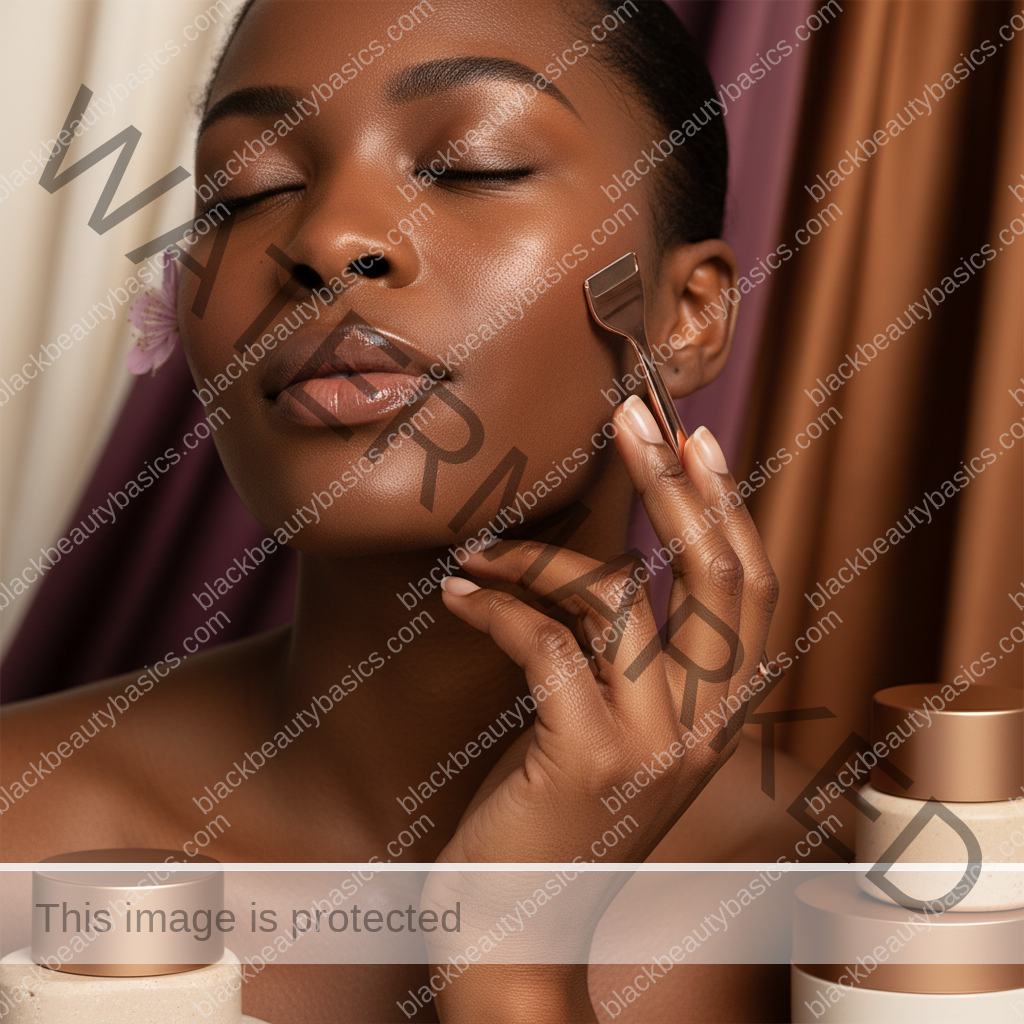
Embracing the Shave: A Melanin-Rich Perspective on Facial Hair Removal
For generations, the conversation around facial hair removal for Black women has been complex, often fraught with concerns about hyperpigmentation, ingrown hairs, and irritation. While methods like waxing, threading, and depilatory creams have their place, face shaving, when executed with precision and knowledge, can be a surprisingly gentle and effective solution. It’s about understanding our unique skin physiology and arming ourselves with the right techniques and tools to achieve a smooth, radiant complexion without compromise.
Our skin, rich in melanin, possesses a natural protective barrier, but it also means we are more prone to post-inflammatory hyperpigmentation (PIH) when subjected to trauma or irritation. This makes careful consideration of any hair removal method paramount. Face shaving, particularly with a dermaplaning-style approach, offers exfoliation alongside hair removal, which can be beneficial when done correctly. It’s not just about removing hair; it’s about refining your canvas.
Why Consider Face Shaving? Beyond Just Hair Removal
The benefits of face shaving extend beyond simply removing unwanted hair. For many Black women, it’s a strategic move in their skincare arsenal:
- Exfoliation: Shaving gently removes the outermost layer of dead skin cells, revealing brighter, smoother skin underneath. This can improve skin texture and tone.
- Enhanced Product Absorption: With dead skin cells and vellus hair (peach fuzz) gone, your serums, moisturizers, and treatments can penetrate more effectively, maximizing their benefits.
- Flawless Makeup Application: Makeup glides on seamlessly, creating a smoother, more airbrushed finish without “clinging” to fine hairs.
- Reduced Hyperpigmentation Risk (Compared to Other Methods): When done correctly, shaving can be less irritating than waxing or plucking, potentially reducing the risk of PIH caused by trauma.
- Convenience and Cost-Effectiveness: It’s a quick, at-home method that doesn’t require salon appointments or expensive treatments.
Preparing Your Canvas: The Essential Pre-Shave Ritual for Dark Skin
The secret to a successful and irritation-free shave lies almost entirely in the preparation. For melanin-rich skin, this step is non-negotiable. Think of it as preparing a precious silk canvas before applying the finest paints.
Cleansing: The Foundation of a Flawless Shave
Begin with a gentle, hydrating cleanse. This removes dirt, oil, and makeup, preventing bacteria from entering freshly exposed pores. Opt for a cleanser that won’t strip your skin of its natural moisture.
- Recommendation: Use a hydrating facial cleanser with ingredients like hyaluronic acid or ceramides.
- Technique: Wash your face with lukewarm water, gently massaging the cleanser in circular motions for about 60 seconds. Rinse thoroughly and pat dry with a clean, soft towel.
Exfoliation: A Gentle Buff for Smoother Results
While shaving itself is a form of exfoliation, a very gentle pre-shave exfoliation can help lift hairs and prevent ingrowns. However, this step requires caution for sensitive or acne-prone skin.
- Recommendation: If you choose to exfoliate, use a mild chemical exfoliant (like a low-concentration AHA or BHA) a day or two *before* shaving, not immediately before. Avoid harsh physical scrubs.
- Frequency: Limit pre-shave exfoliation to once a week, or skip if your skin is easily irritated.
The Art of Softening: Warmth and Moisture
Softening the hair and skin makes for a smoother glide and reduces tugging. This is crucial for preventing irritation and razor burn.
- Recommendation: Apply a warm, damp towel to the areas you intend to shave for 2-3 minutes. This opens pores and softens hair follicles.
- Pre-Shave Oil: Follow with a few drops of a lightweight, non-comedogenic facial pre-shave oil. This creates a protective barrier, allowing the razor to glide effortlessly and reducing friction. Look for oils with ingredients like jojoba, argan, or squalane.
Mastering the Blade: Techniques for Chin, Jaw, and Upper Lip
The technique is paramount, especially when navigating the delicate contours of the face. Precision and a light hand are your allies.

Choosing Your Weapon: The Right Razor Matters
Forget the multi-blade razors designed for legs. For facial shaving, especially for melanin-rich skin, simplicity is key.
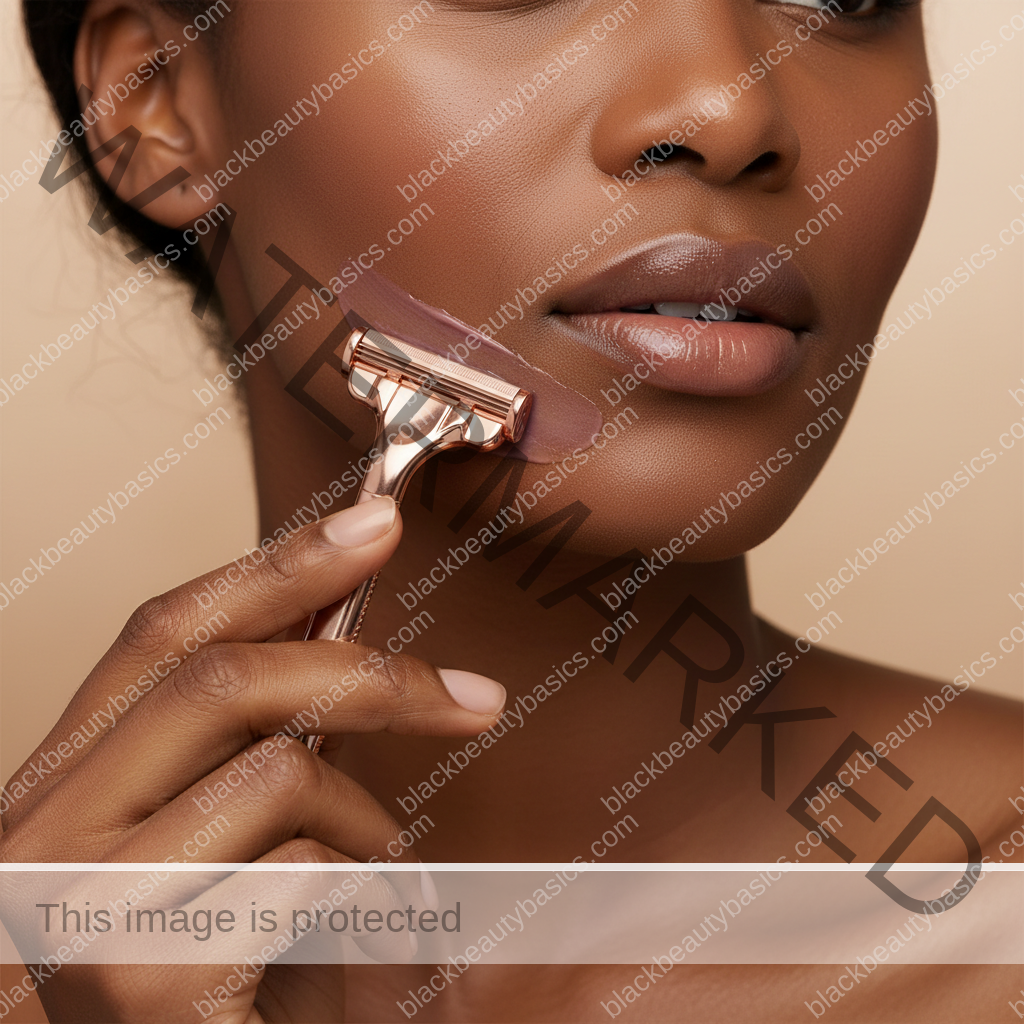
- Dermaplaning Tool/Single-Blade Razor: These are ideal. They offer precise control and minimize irritation by having only one blade making contact with the skin. Shop dermaplaning tools on Amazon.
- Eyebrow Razors: Often marketed for eyebrows, these small, single-blade razors are excellent for facial hair removal due to their size and precision. Shop facial razors on Amazon.
- Electric Facial Shavers: For those with very sensitive skin or who prefer a dry shave, a gentle electric facial shaver can be an option, though it may not provide as close a shave. Shop electric facial shavers on Amazon.
Always ensure your blade is fresh and sharp. A dull blade is a recipe for irritation, nicks, and ingrown hairs.
The Shaving Medium: Gel, Cream, or Oil?
Never dry shave. A good shaving medium provides lubrication and allows the razor to glide smoothly without dragging.
- Clear Shaving Gel/Oil: A transparent formula allows you to see exactly where you’re shaving, which is crucial for precision on the face. Look for hydrating, non-foaming options. Shop clear facial shaving gel on Amazon.
- Gentle Shaving Cream: If you prefer a cream, choose one specifically designed for sensitive skin, free of harsh fragrances or alcohols. Shop sensitive skin shaving cream on Amazon.
The Art of the Stroke: Chin, Jaw, and Upper Lip
Each area requires a slightly different approach to ensure safety and effectiveness.
Chin and Jawline
- Stretch the Skin: With your free hand, gently pull the skin taut in the area you are shaving. This creates a flat surface for the razor.
- Angle the Blade: Hold the razor at a 45-degree angle to your skin.
- Short, Gentle Strokes: Use short, light, downward strokes, moving in the direction of hair growth. Shaving against the grain increases the risk of irritation and ingrown hairs, especially for our skin type.
- Rinse Frequently: Rinse your blade after every few strokes to prevent buildup.
Upper Lip
- Pout and Stretch: Pout your lips or gently stretch the upper lip area with your tongue or fingers to create a flat, firm surface.
- Small Strokes: This area is delicate. Use very small, precise strokes, always with a light hand.
- Direction of Growth: Typically, hair on the upper lip grows downwards. Shave in that direction.
General Shaving Tips for Melanin-Rich Skin
- Light Pressure: Let the sharpness of the blade do the work, not your pressure.
- Shave with the Grain: This is paramount for preventing ingrown hairs and razor bumps (pseudofolliculitis barbae), which are more common in curly hair textures.
- Rinse and Reapply: If you need to go over an area, reapply your shaving medium first.
- Clean Blade: Always use a clean, sharp blade. Replace your dermaplaning tool or razor head frequently (after 2-3 uses for disposable ones).
Post-Shave Sanctuary: Nurturing Your Skin Back to Radiance
The post-shave routine is just as critical as the preparation, particularly for preventing irritation, hyperpigmentation, and maintaining skin health.
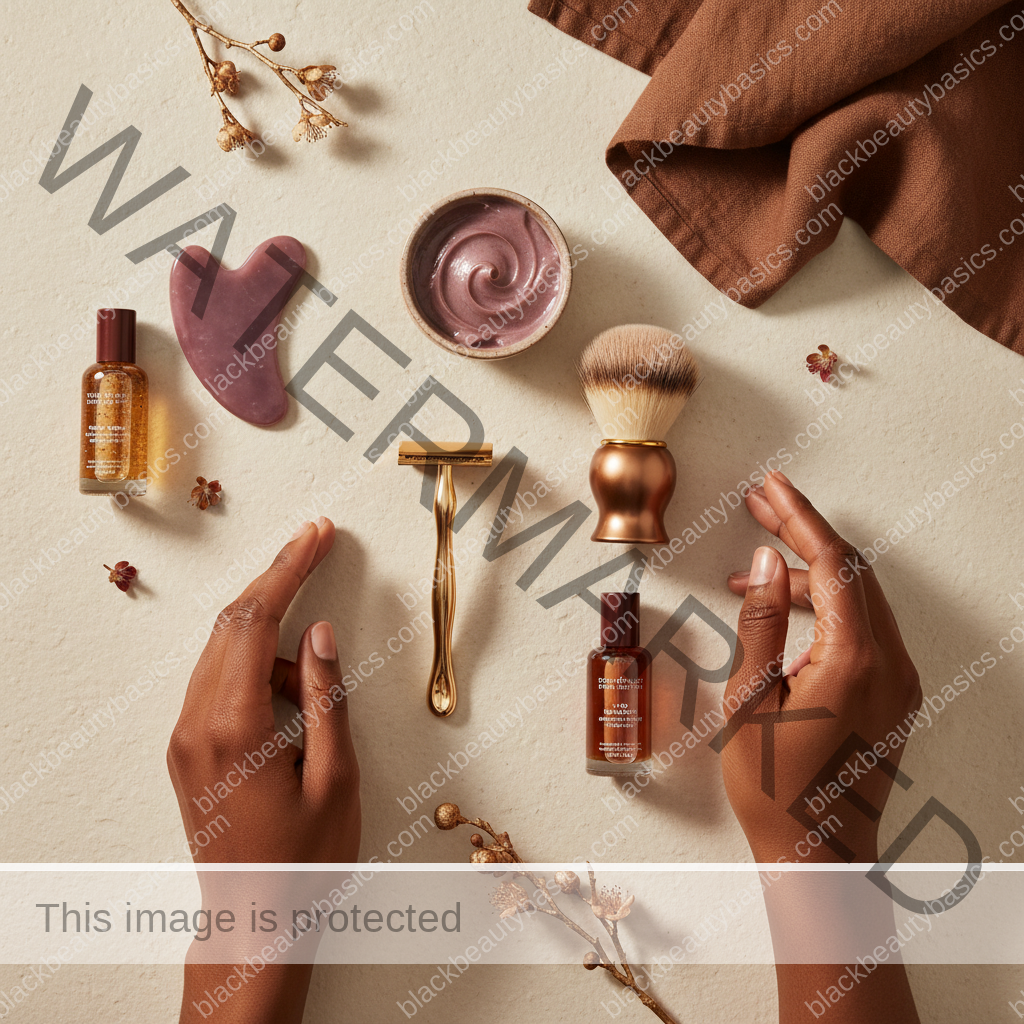
Rinsing and Soothing: The Immediate Aftermath
- Cool Rinse: Immediately after shaving, rinse your face thoroughly with cool water to remove any remaining shaving product and close pores.
- Gentle Pat Dry: Pat your skin dry with a clean, soft towel. Avoid rubbing.
Calming and Hydrating: Preventing Irritation and Dryness
This is where you soothe and replenish your skin’s barrier.
- Alcohol-Free Toner: A gentle, alcohol-free toner can help balance the skin’s pH and provide a first layer of hydration. Look for ingredients like rose water or witch hazel (alcohol-free). Shop alcohol-free facial toner on Amazon.
- Soothing Serum: Apply a calming serum with ingredients like aloe vera, niacinamide, or centella asiatica (Cica). These help reduce redness and inflammation. Shop calming facial serum on Amazon.
- Rich Moisturizer: Lock in moisture with a rich, non-comedogenic facial moisturizer. Hydrated skin is less prone to irritation and ingrown hairs.
Sun Protection: Your Melanin’s Best Friend
Freshly shaved skin is more vulnerable to sun damage, which can exacerbate hyperpigmentation. This step is non-negotiable for melanin-rich skin.
- Broad-Spectrum SPF 30+: Apply a broad-spectrum sunscreen with at least SPF 30 every single day, even indoors or on cloudy days. Choose one that doesn’t leave a white cast.
Troubleshooting & Prevention: Common Concerns for Dark Skin
While face shaving can be beneficial, it’s crucial to be aware of potential pitfalls and how to prevent them, especially for melanin-rich skin.
Ingrown Hairs (Pseudofolliculitis Barbae)
These occur when hair curls back into the skin, causing inflammation and bumps. They are more common with curly hair textures.
- Prevention: Always shave with the grain. Use a sharp, single-blade razor. Exfoliate gently (chemically, not physically) a day or two before shaving. Keep skin well-hydrated.
- Treatment: Do not pick! Apply a warm compress. Use an ingrown hair serum containing salicylic acid or glycolic acid (use sparingly and patch test first).
Hyperpigmentation (Dark Spots)
Post-inflammatory hyperpigmentation (PIH) is a significant concern for dark skin, often triggered by irritation or trauma.
- Prevention: Minimize irritation by using proper technique, sharp blades, and soothing products. Always use SPF.
- Treatment: Incorporate ingredients like niacinamide, Vitamin C, alpha arbutin, or azelaic acid into your routine. Consult a dermatologist for persistent dark spots. Shop hyperpigmentation serum on Amazon.
Razor Burn and Irritation
Redness, stinging, and bumps immediately after shaving.
- Prevention: Ensure skin is well-prepped and lubricated. Use a fresh, sharp blade. Shave with light pressure and with the grain.
- Treatment: Apply a cold compress. Use soothing ingredients like aloe vera, colloidal oatmeal, or cica. Avoid harsh products or fragrances.
Comparison Table: Facial Hair Removal Methods for Dark Skin
| Method | Pros for Dark Skin | Cons for Dark Skin | Best For |
|---|---|---|---|
| Shaving (Dermaplaning) | Exfoliates, quick, cost-effective, less risk of PIH if done correctly, smooth makeup base. | Risk of ingrowns/irritation if not done correctly, hair grows back quickly, requires technique. | Vellus hair (peach fuzz), light terminal hair, exfoliation. |
| Waxing/Sugaring | Longer-lasting results, hair grows back finer over time. | High risk of PIH due to trauma, pain, risk of burns, can cause breakouts. | Coarse terminal hair, but with extreme caution and professional. |
| Threading | Precise, no chemicals, minimal skin irritation if done correctly. | Painful, can cause PIH if technician is not skilled, not ideal for large areas. | Small areas like eyebrows, upper lip. |
| Depilatory Creams | Painless, easy at-home use. | Risk of chemical burns, strong odor, can cause severe irritation/PIH, not for sensitive skin. | Fine to medium hair, but patch test extensively. |
| Laser Hair Removal | Long-term reduction, effective for coarse hair. | Expensive, requires multiple sessions, risk of PIH/burns if not performed by experienced professional with appropriate laser for dark skin (Nd:YAG). | Permanent reduction of coarse, dark hair. |
Tips for Maintaining a Smooth, Even-Toned Complexion
- Consistency is Key: Stick to a regular shaving schedule (e.g., once a week or every two weeks) to avoid excessive hair growth that can be harder to manage.
- Hydrate, Hydrate, Hydrate: Internally and externally. Drink plenty of water and use a good moisturizer daily.
- Gentle Exfoliation: Incorporate a mild chemical exfoliant (like lactic or mandelic acid) into your *non-shaving* days to keep pores clear and prevent ingrowns.
- Sun Protection: We cannot stress this enough. Daily SPF is your best defense against hyperpigmentation.
- Clean Tools: Always use clean, sharp razors and store them properly to prevent bacterial growth.
- Listen to Your Skin: If your skin feels irritated, take a break from shaving or adjust your technique/products.
How to build the routine around what your skin is actually telling you
For Black women and people with richly melanated skin, body care is rarely just about feeling smooth for one day. The larger goal is comfort, less irritation, fewer preventable bumps, and fewer marks left behind after friction, shaving, dryness, or inflammation. This guide focuses on thinking through facial shaving around chin hair, jawline friction, upper-lip sensitivity, makeup, and dark-mark risk, while keeping the correct body-care cluster as the home base.
The first step is to stop treating every body concern as a need for stronger products. Dryness may need better moisture timing. Bumps may need less pressure and less friction. Texture may need gentle exfoliation, not daily scrubbing. Dark marks may need the irritation cycle to calm down before any brightening step can make sense. When the routine starts with the real cause, the skin has less to recover from.
This is also where tone matters. A body-care routine should never imply that lighter, perfectly even, poreless skin is the goal. Rich brown skin can have texture, deeper areas, stretch, folds, hair, and changing tone. The goal is not to erase your body. The goal is to care for it in a way that feels steady, respectful, and repeatable.
A practical checkpoint before you add anything new
- Notice whether the issue is dryness, friction, bumps, hair removal, sweat, or product residue.
- Keep the routine simple enough to repeat for several weeks.
- Add only one new treatment step at a time so irritation is easier to trace.
- Use moisture and barrier support as the default, not as an afterthought.
- Pause any step that causes burning, rawness, swelling, or new persistent dark marks.
What usually makes this worse
The biggest mistake is trying to force a fast result. Whether you are dealing with ashiness, bumps, shaving irritation, or dark marks, pushing harder usually creates more inflammation. Melanin-rich skin can respond to that inflammation with marks that last longer than the original problem. That is why slow, boring consistency is often more protective than a dramatic reset.
Another common issue is mixing too many strong steps in the same week. A harsh scrub, an exfoliating acid, shaving, fragrance, tight clothing, and a drying cleanser can all overlap. Each step may seem small by itself, but together they can leave body skin tender and reactive. When that happens, simplify before you intensify.
Finally, do not ignore friction. Waistbands, sports bras, underwear seams, leggings, deodorant, shaving direction, towels, and even how quickly you moisturize after a shower can change how the skin behaves. If friction is part of the pattern, product alone will not carry the whole routine.
What to do next
Keep this article connected to the Body Care & Hair Removal on Dark Skin system. The most useful next read depends on whether your main issue is moisture, exfoliation, shaving, ingrowns, or post-shave dark marks.
- Body Care & Hair Removal on Dark Skin
- The related body-care cluster guide
- shaving routines for dark skin
- pre- and post-hair removal care
- waxing vs sugaring on dark skin
How to keep the routine realistic for real life
A routine that only works when you have unlimited time is not a routine most people can keep. Build a short version and a slower version. The short version might be cleanse, moisturize, and avoid the habit that causes the most irritation. The slower version can include exfoliation, shaving prep, richer moisture, or more careful aftercare when you have the space for it.
Budget matters too. You do not need the most expensive body product to care for dark skin well. You need textures your skin tolerates, ingredients that make sense for the job, and a rhythm you can repeat. If the product is lovely but you use it once a month because it feels too precious, it may not be the best daily tool.
Watch the skin over several weeks instead of judging every morning. Is there less tightness, less itching, fewer bumps, fewer angry patches, or less picking? Those are meaningful signs. Progress on body skin can be quiet before it becomes visible. Give your body room to respond without turning every mark into a crisis.
If irritation becomes painful, spreads, blisters, bleeds, scars, or keeps returning despite a careful routine, bring in a dermatologist or qualified clinician. Home care can support the skin, but it should not replace professional care when the pattern is persistent, severe, or confusing.
Frequently Asked Questions About Face Shaving for Black Women
Q1: Will shaving make my hair grow back thicker, darker, or faster?
A: This is a common myth! Shaving only cuts the hair at the surface of the skin, giving it a blunt tip. This blunt tip can *feel* coarser as it grows out, but shaving does not change the hair follicle itself, nor does it affect the hair’s thickness, color, or growth rate. Your hair will grow back exactly as it was before.
Q2: How often should Black women shave their face?
A: The frequency depends on your hair growth rate and skin sensitivity. For most, once a week or every two weeks is sufficient for vellus hair (peach fuzz). If you have coarser terminal hair, you might shave more frequently, but always listen to your skin. If you experience irritation, reduce the frequency.
Q3: Can face shaving cause breakouts or acne?
A: If done incorrectly, yes. Using a dull blade, shaving against the grain, or not properly cleansing your skin beforehand can introduce bacteria, clog pores, and lead to breakouts. However, with proper hygiene, sharp blades, and correct technique, face shaving can actually *improve* skin texture by providing gentle exfoliation, which can help prevent clogged pores.
Q4: Is dermaplaning the same as face shaving?
A: Essentially, yes. Dermaplaning is a professional or at-home exfoliation technique that uses a sterile, single-blade surgical scalpel (or a specialized dermaplaning tool) to remove dead skin cells and vellus hair (peach fuzz) from the surface of the skin. While “face shaving” can be a broader term, when discussing facial hair removal for women using a single-blade tool, it’s often referring to a dermaplaning-style shave.
Q5: What should I do if I get a cut or nick while shaving?
A: Don’t panic. Immediately rinse the area with cool water. Apply gentle pressure with a clean cloth or tissue. For minor nicks, an antiseptic styptic pencil can help stop bleeding. Follow up with a soothing, antibacterial balm or serum to prevent infection and aid healing. Avoid applying makeup directly over the cut.
Q6: Can I shave over active acne or blemishes?
A: No, absolutely not. Shaving over active acne, pimples, or open sores can spread bacteria, cause further irritation, and lead to infection or scarring. It’s best to wait until your skin is clear before shaving. If you have persistent acne, consult a dermatologist.
Q7: Are there any specific ingredients I should look for or avoid in products for face shaving on dark skin?
A: Look for: Hydrating ingredients like hyaluronic acid, glycerin, ceramides. Soothing ingredients like aloe vera, niacinamide, centella asiatica, chamomile. Non-comedogenic oils like jojoba, squalane, argan. Gentle exfoliants like lactic or mandelic acid (for non-shaving days).
Avoid: Harsh alcohols, strong fragrances, abrasive physical scrubs, menthol, camphor, or eucalyptus, which can be irritating. Also, avoid multi-blade razors designed for body shaving.
A: The most effective prevention strategies include always shaving with the grain of your hair growth, using a sharp, single-blade razor, preparing your skin thoroughly with warmth and lubrication, and following up with a gentle, hydrating, and possibly mildly exfoliating (chemical, not physical) post-shave routine. Regular, gentle exfoliation on non-shaving days helps keep the hair follicle clear.
In the radiant tapestry of Black beauty, every choice we make for our skin is an act of self-love and empowerment. Face shaving, when approached with knowledge, precision, and the right tools, can be a transformative ritual, revealing a canvas that is not only smooth and luminous but also deeply cared for. Embrace this elegant practice with confidence, knowing you are nurturing your skin with the respect and attention it so richly deserves. Your journey to a flawlessly radiant complexion begins now, guided by the wisdom of Black Beauty Basics.
Related next steps
Related posts:
 Chin and Jaw Acne on Dark Skin: How to Think Through Common Patterns
 Face and Neck Shaving Routines and Razor-Bump Prevention for Melanin-Rich Skin
 Bikini-Line Shaving Routine for Melanin-Rich Skin
 How to Prevent Ingrown Hairs After Shaving Curly Body Hair
 How to Actually Get Rid of Blackheads on the Nose and Chin
 Hormonal-Pattern Acne on Melanin-Rich Skin: Jawline, Chin, and Cycle-Linked Flares