Our skin, in all its glorious hues, tells a story—a testament to our heritage, our resilience, and the sheer beauty of melanin. Yet, sometimes, certain areas like our knees and elbows develop a deeper, more pronounced tone, prompting questions about their care. This isn’t a flaw, but rather a unique characteristic that, with the right understanding and luxurious attention, can be embraced and beautifully managed. Start with the related BBB body-care cluster guide if you want the broader map.

Understanding the Melanin Magic: Why Knees and Elbows Darken
For the discerning woman of color, understanding the nuances of our skin is not just about aesthetics; it’s about empowerment. The phenomenon of darker knees and elbows is a common and entirely natural occurrence, rooted deeply in our rich melanin. It’s not a defect, but rather a testament to the unique way our skin protects and expresses itself.
The Science of Hyperpigmentation in Flexural Areas
At the heart of this lies hyperpigmentation, a term often misunderstood. For melanin-rich skin, hyperpigmentation isn’t just about sun exposure; it’s a complex interplay of genetics, friction, and inflammation. Our melanocytes, the cells responsible for producing melanin, are more active and reactive. In areas like the knees and elbows, which are constantly bending, stretching, and often leaning on surfaces, the skin experiences regular friction and pressure. This constant mechanical stress can trigger an inflammatory response, prompting melanocytes to produce an excess of melanin as a protective mechanism. The result? A natural, yet sometimes more pronounced, darkening of these areas.
Furthermore, the skin on our knees and elbows is naturally thicker and has fewer oil glands than other parts of the body. This makes it more prone to dryness, which can exacerbate the appearance of darkness. Dry, ashy skin can look duller and less vibrant, making any underlying hyperpigmentation seem more prominent. It’s a cycle: friction leads to inflammation, inflammation leads to melanin overproduction, and dryness makes it all look more pronounced.
Common Misconceptions and Cultural Perspectives
In many cultures, including our own, there can be an unspoken pressure to achieve a uniform skin tone. This often leads to misconceptions about darker knees and elbows, sometimes unfairly labeled as “dirty” or “uncared for.” This narrative is not only inaccurate but also dismissive of the biological realities of melanin-rich skin. It’s crucial to dismantle these outdated ideas and embrace a perspective that celebrates the diversity of our skin tones, even within our own bodies.
The truth is, this darkening is a natural part of our skin’s protective architecture. It’s akin to the beautiful variations in tone found across our bodies, from the delicate skin of our décolletage to the resilient skin of our feet. Our goal isn’t to erase these natural variations, but to nourish, protect, and enhance the health and luminosity of our skin, ensuring that every inch feels and looks its absolute best.
Understanding these foundational aspects – the science of hyperpigmentation in flexural areas and the cultural context – empowers us to approach the care of our knees and elbows not with a sense of correction, but with a spirit of luxurious nurture and informed elegance.
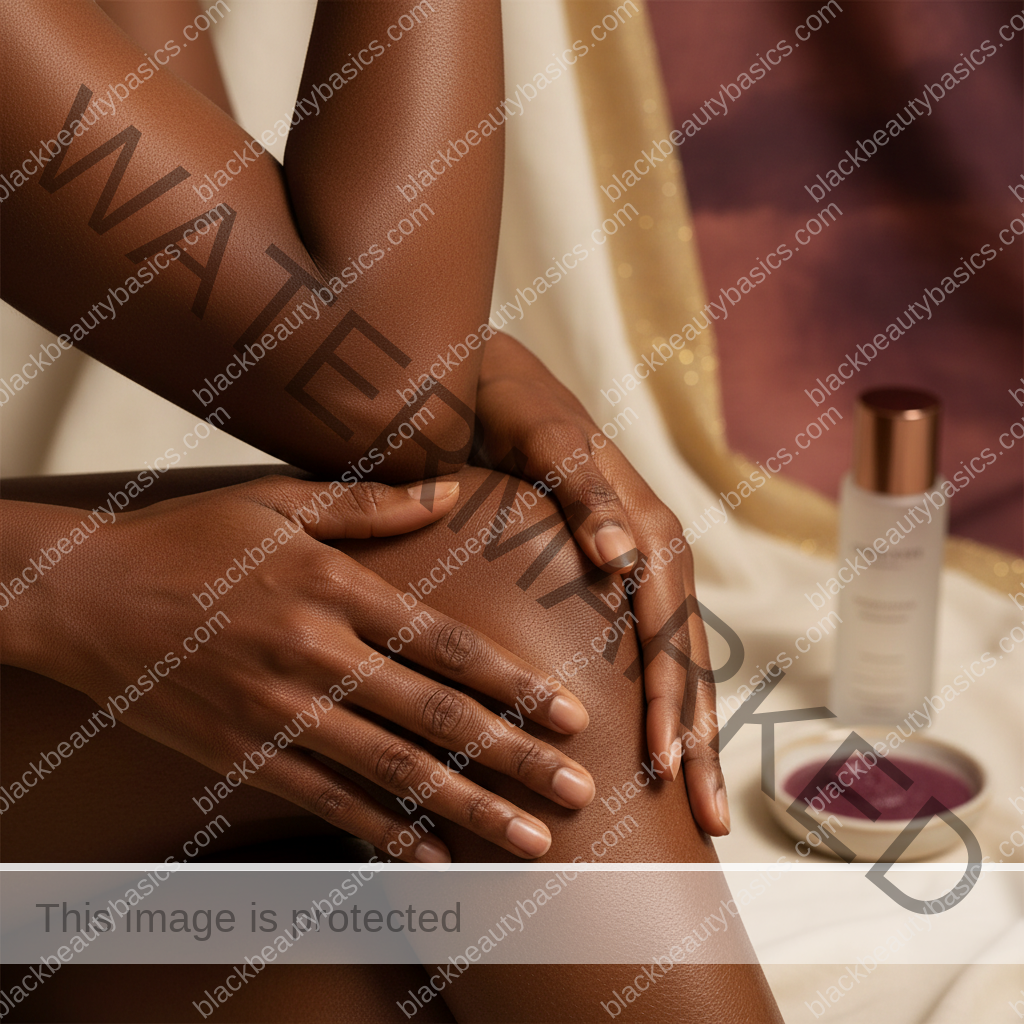
The Exfoliation Imperative: Gently Unveiling Radiance
Exfoliation, when approached with precision and reverence for melanin-rich skin, is not merely a step in a routine; it’s an art form. For areas like our knees and elbows, where skin can become thicker and prone to dryness and hyperpigmentation, thoughtful exfoliation is paramount. It’s about gently sweeping away the old to reveal the vibrant, luminous skin beneath, without stripping its natural defenses.
Chemical Exfoliants: The Gentle Powerhouses
For our precious skin, chemical exfoliants often prove to be the most elegant and effective choice. Unlike harsh physical scrubs that can cause micro-tears and exacerbate hyperpigmentation, chemical exfoliants work by dissolving the bonds between dead skin cells, allowing them to slough off naturally and evenly. This process is particularly beneficial for melanin-rich skin, as it minimizes the risk of post-inflammatory hyperpigmentation (PIH), a common concern when skin is irritated.
AHAs (Alpha Hydroxy Acids): Glycolic and Lactic Acid
AHAs are water-soluble acids derived from natural substances. They work on the skin’s surface, promoting cell turnover and improving skin texture and tone. For knees and elbows, Glycolic Acid and Lactic Acid are stellar choices:
- Glycolic Acid: Known for its small molecular size, glycolic acid penetrates effectively to dissolve dead skin cells, revealing brighter, smoother skin. It also has humectant properties, helping to attract and retain moisture. Look for body lotions or serums containing 5-10% glycolic acid. Shop Glycolic Acid Body Lotions on Amazon
- Lactic Acid: A gentler AHA, lactic acid is celebrated for its hydrating properties. It exfoliates while simultaneously drawing moisture into the skin, making it ideal for dry, rough areas. Concentrations of 5-12% in body treatments are highly effective. Shop Lactic Acid Body Serums on Amazon
When incorporating AHAs, start slowly (2-3 times a week) and always follow with a rich moisturizer and sun protection during the day.
BHAs (Beta Hydroxy Acids): Salicylic Acid
While often lauded for acne treatment, Salicylic Acid (a BHA) also has a place in body care, especially for areas prone to congestion or rough texture. BHAs are oil-soluble, meaning they can penetrate deeper into the pores to dissolve sebum and dead skin cells. For knees and elbows, salicylic acid can help smooth rough patches and reduce the appearance of bumps. A body wash or lotion with 1-2% salicylic acid can be beneficial. Shop Salicylic Acid Body Washes on Amazon
Physical Exfoliants: The Art of Gentle Touch
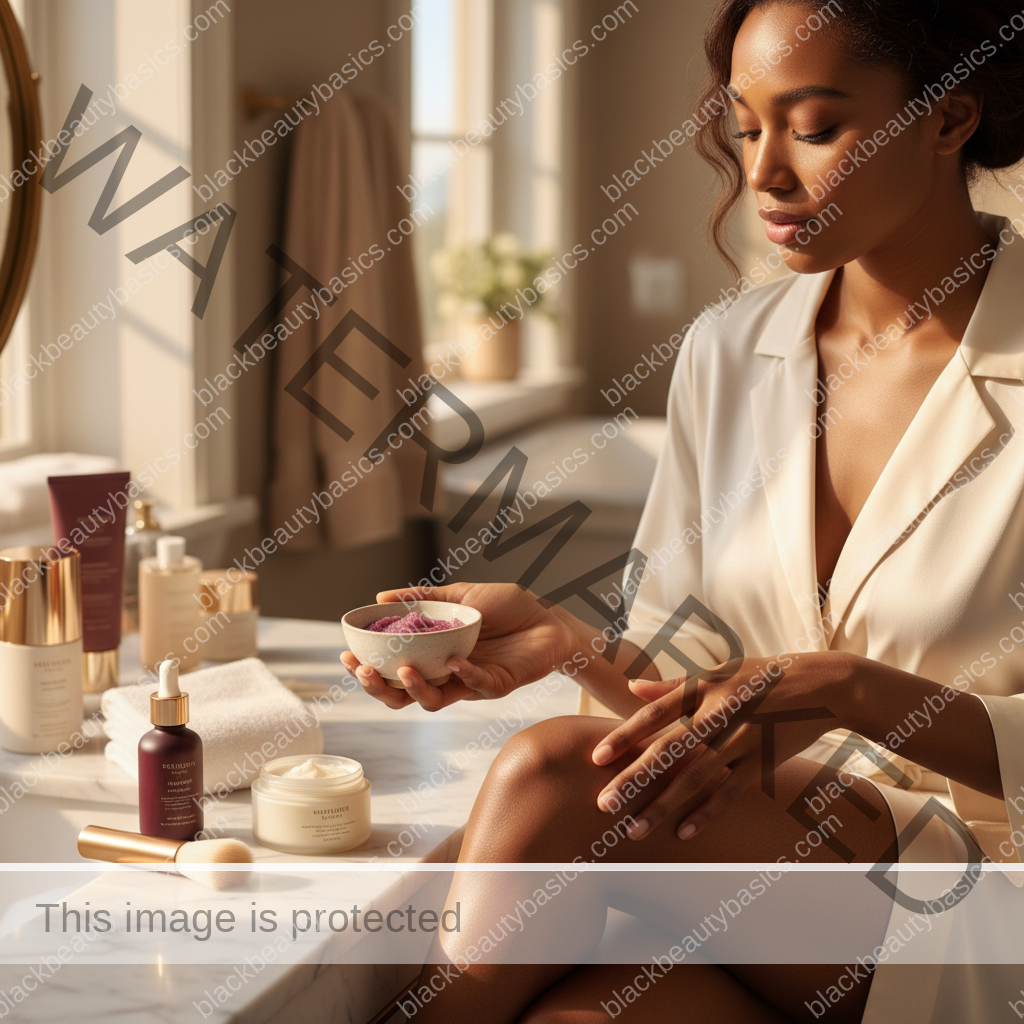
While chemical exfoliants are often preferred, there’s a place for physical exfoliation, provided it’s executed with utmost delicacy. The key is “gentle.” Abrasive scrubs with large, irregular particles can cause irritation and micro-tears, leading to PIH, which is the exact opposite of our goal. Instead, opt for fine-grained polishes or exfoliating gloves.
- Fine-grained Body Polishes: Look for scrubs with finely milled particles like sugar, coffee grounds, or jojoba beads. These provide a gentle buffing action without being overly abrasive. Use them once or twice a week in the shower, applying light pressure in circular motions. Shop Fine-Grained Body Polishes on Amazon
- Exfoliating Gloves or Cloths: These can be excellent tools for gentle daily or every-other-day exfoliation. Pair them with your favorite moisturizing body wash. The textured surface helps to lift dead skin cells without harsh scrubbing. Ensure they are clean and dry between uses to prevent bacterial growth. Shop Exfoliating Gloves on Amazon
Exfoliation Frequency and Best Practices
The frequency of exfoliation is highly personal and depends on your skin’s sensitivity and the type of exfoliant used. For most, 2-3 times a week for chemical exfoliants and 1-2 times a week for gentle physical exfoliants is a good starting point. Always listen to your skin. If you notice any redness, irritation, or increased dryness, reduce the frequency.
Key Exfoliation Tips:
- Patch Test: Before applying any new product to a large area, test it on a small, inconspicuous patch of skin.
- Apply to Damp Skin: For most exfoliants, applying to damp (not soaking wet) skin can help with even distribution and reduce friction.
- Gentle Pressure: Whether chemical or physical, never scrub aggressively. Let the product do the work.
- Follow with Moisturizer: Exfoliation removes the top layer of dead skin, making the new skin more receptive to moisture. Always follow immediately with a rich, nourishing moisturizer.
- Sun Protection: Exfoliated skin is more sensitive to the sun. If your knees and elbows are exposed, always apply a broad-spectrum SPF 30 or higher. Shop Broad Spectrum SPF 30 Body Sunscreen on Amazon
By embracing the art of gentle exfoliation, we not only address the appearance of darker knees and elbows but also cultivate a ritual of self-care that honors and enhances the natural luminosity of our melanin-rich skin.
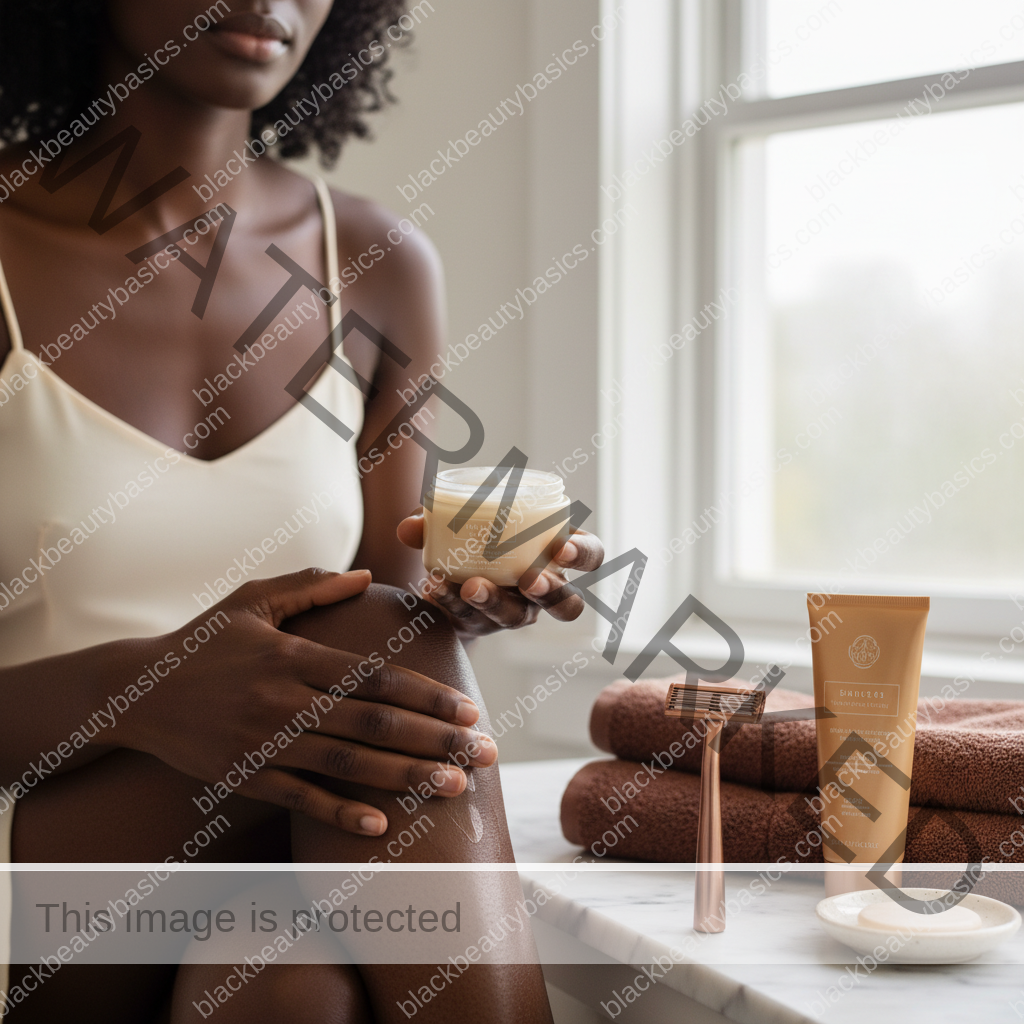
The Moisturization Mandate: Nurturing Suppleness and Even Tone
If exfoliation is the art of revealing, then moisturization is the profound act of nurturing. For our melanin-rich skin, especially on areas like the knees and elbows, consistent, luxurious moisturization is not just a recommendation—it is a mandate. It’s the cornerstone of maintaining skin health, promoting an even tone, and ensuring these often-neglected areas feel as supple and radiant as the rest of our body.
The Critical Role of Hydration for Melanin-Rich Skin
Melanin-rich skin, while resilient, is also prone to transepidermal water loss (TEWL), meaning it can lose moisture more quickly than lighter skin tones. This tendency, combined with the naturally thicker, drier nature of skin on the knees and elbows, makes these areas particularly susceptible to ashiness and a dull appearance. When skin is dehydrated, it can exacerbate the look of hyperpigmentation, making darker areas appear even more pronounced and less vibrant.
Proper hydration does more than just make skin feel soft. It strengthens the skin barrier, making it more resilient against environmental aggressors and friction. A well-hydrated skin barrier functions optimally, reducing inflammation and, consequently, minimizing the triggers for hyperpigmentation. It also allows for light to reflect more evenly, giving the skin a natural, healthy glow that diminishes the stark contrast of darker areas.
Hero Ingredients for Deep Moisturization and Tone Evening
Choosing the right moisturizers involves looking beyond mere hydration to ingredients that actively support skin barrier health and gently encourage an even tone. Here are the hero ingredients to seek out:
Humectants: Drawing in Moisture
- Hyaluronic Acid: A powerhouse humectant, hyaluronic acid can hold up to 1,000 times its weight in water, drawing moisture from the environment into the skin. It plumps the skin, reducing the appearance of fine lines and creating a smoother surface. Look for body lotions or serums containing various molecular weights of hyaluronic acid for multi-depth hydration. Shop Hyaluronic Acid Body Lotions on Amazon
- Glycerin: Another excellent humectant, glycerin is a natural component of healthy skin. It helps to maintain skin hydration and barrier function, making it a staple in many effective moisturizers.
Emollients: Smoothing and Softening
- Shea Butter: A beloved ingredient in Black beauty, shea butter is rich in vitamins and fatty acids. It deeply moisturizes, softens rough skin, and has anti-inflammatory properties, making it perfect for soothing and nourishing knees and elbows. Shop Shea Butter Body Creams on Amazon
- Cocoa Butter: Known for its rich texture and ability to improve skin elasticity, cocoa butter forms a protective barrier on the skin, locking in moisture and helping to diminish the appearance of marks over time. Shop Cocoa Butter Body Lotions on Amazon
- Jojoba Oil & Squalane: These oils mimic the skin’s natural sebum, providing lightweight yet effective moisturization without feeling greasy. They help to balance the skin’s oil production and improve suppleness. Shop Jojoba Oil on Amazon
Occlusives: Sealing in Goodness
- Petrolatum & Mineral Oil: Often misunderstood, these ingredients are highly effective occlusives. They create a protective barrier on the skin’s surface, preventing moisture loss and allowing the skin to heal and hydrate from within. They are particularly beneficial for very dry, compromised areas. Shop Petrolatum Jelly on Amazon
- Ceramides: Essential lipids found naturally in the skin barrier, ceramides help to hold skin cells together, preventing moisture loss and protecting against environmental damage. Replenishing ceramides is crucial for a strong, healthy skin barrier. Shop Ceramide-Rich Body Creams on Amazon
Tone-Evening Actives (Gentle & Non-Irritating)
- Niacinamide (Vitamin B3): A true multi-tasker, niacinamide helps to reduce inflammation, strengthen the skin barrier, and most importantly for our goal, inhibit the transfer of melanin to skin cells, thereby reducing the appearance of hyperpigmentation. Look for body lotions with 2-5% niacinamide. Shop Niacinamide Body Lotions on Amazon
- Vitamin C (Ascorbic Acid and derivatives): A powerful antioxidant, Vitamin C brightens the skin, protects against free radical damage, and helps to fade hyperpigmentation by inhibiting melanin production. Stable forms of Vitamin C in body serums or lotions can be highly effective. Shop Vitamin C Body Serums on Amazon
- Licorice Root Extract: A natural ingredient known for its soothing properties and ability to brighten skin and reduce hyperpigmentation.
Moisturization Frequency and Techniques
For optimal results, moisturize your knees and elbows at least twice daily: immediately after showering or bathing when the skin is still damp (to lock in moisture), and again before bed. For very dry or dark areas, a third application during the day can be beneficial.
Application Techniques:
- Warm Product: Dispense a generous amount of moisturizer into your palms and gently warm it between your hands before applying.
- Massage In: Use gentle, circular motions to massage the product into your knees and elbows until fully absorbed. This also stimulates blood flow.
- Layering (Optional): For intense hydration, consider layering. Start with a hydrating serum (e.g., hyaluronic acid), followed by a rich cream or balm, and finish with an occlusive if needed.
- Overnight Masks: For an extra boost, apply a very thick layer of a rich balm or cream to your knees and elbows before bed, and cover with soft cotton socks or wraps to create an occlusive environment. Shop Overnight Body Masks on Amazon
Consistent, thoughtful moisturization is the ultimate act of self-love for your skin. It not only addresses the appearance of darker knees and elbows but transforms them into areas of undeniable softness, resilience, and radiant health.
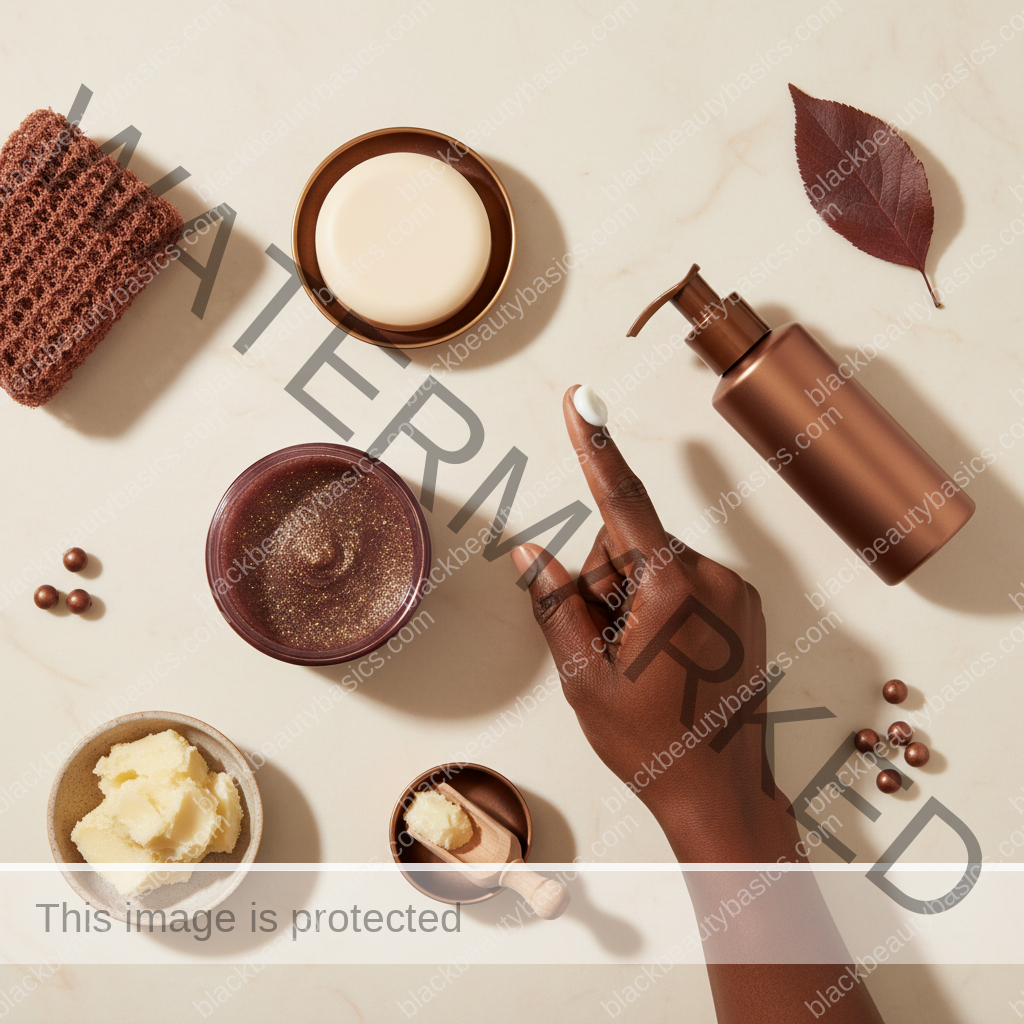
The Exfoliation vs. Moisturization Debate: A Harmonious Partnership
The question isn’t truly “exfoliation versus moisturization,” but rather “how do exfoliation and moisturization work in concert for optimal results?” For our melanin-rich skin, especially on areas prone to hyperpigmentation like the knees and elbows, these two pillars of skincare are not adversaries but essential partners in a luxurious dance toward radiant, even-toned skin.
Finding Your Personal Balance: A Tailored Approach
The ideal balance between exfoliation and moisturization is deeply personal, influenced by your skin type, lifestyle, and the specific concerns of your knees and elbows. Think of it as a symphony where each instrument plays a vital role, but the conductor (you) dictates the tempo and emphasis.
Scenario 1: Predominantly Dry & Ashy Knees/Elbows with Mild Darkness
If your primary concern is dryness and a slightly dull, ashy appearance, moisturization should take center stage. You’ll still exfoliate, but perhaps less frequently or with gentler methods, to ensure you’re not stripping the skin further. The focus will be on barrier repair and intense hydration.
Scenario 2: Noticeably Darker, Rough, and Textured Knees/Elbows
If hyperpigmentation and rough texture are more pronounced, a more consistent exfoliation routine will be crucial to help shed the pigmented dead skin cells. However, this must be immediately and consistently followed by robust moisturization to prevent irritation and support the newly revealed skin.
Scenario 3: Sensitive Skin Prone to Irritation
For sensitive skin, both exfoliation and moisturization need to be approached with extreme caution. Opt for the mildest chemical exfoliants (like lactic acid) or very gentle physical methods, and prioritize soothing, barrier-repairing moisturizers. Less is often more.
Comparison Table: Exfoliation vs. Moisturization Priorities
| Aspect | Exfoliation Priority | Moisturization Priority |
|---|---|---|
| Primary Goal | Remove dead skin cells, improve texture, encourage cell turnover, reduce hyperpigmentation. | Hydrate, soften, strengthen skin barrier, prevent dryness, soothe, maintain elasticity. |
| Key Benefits for Dark Knees/Elbows | Smoother skin, brighter appearance, allows better penetration of brightening/hydrating ingredients. | Reduces ashiness, prevents irritation, supports healing, enhances natural glow, reduces friction-induced darkening. |
| Risk if Overdone | Irritation, inflammation, increased hyperpigmentation (PIH), compromised skin barrier, dryness. | None, but insufficient moisturization can lead to dryness, dullness, and exacerbated darkness. |
| Risk if Underdone | Dull, rough, textured skin; ineffective penetration of other products; persistent hyperpigmentation. | Dryness, ashiness, compromised skin barrier, increased sensitivity, worsened appearance of darkness. |
| Ideal Frequency | 2-3 times/week (chemical), 1-2 times/week (gentle physical). Adjust based on skin response. | Daily, at least twice (after shower & before bed), or more as needed. |
| Key Product Types | AHAs (Glycolic, Lactic Acid), BHAs (Salicylic Acid), fine-grained body polishes, exfoliating gloves. | Rich creams/balms, body oils, lotions with humectants (HA, Glycerin), emollients (Shea, Cocoa Butter), occlusives (Petrolatum, Ceramides), tone-evening actives (Niacinamide, Vitamin C). |
Synergistic Strategies for Optimal Results
The true magic happens when exfoliation and moisturization are viewed as complementary forces, each enhancing the other’s efficacy.
- Exfoliate, Then Moisturize: This is the golden rule. Exfoliation primes the skin, removing the barrier of dead cells, allowing your luxurious moisturizers and serums to penetrate more deeply and work more effectively. Always apply your moisturizer immediately after exfoliating.
- Gentle Exfoliation, Rich Moisturization: If you’re exfoliating, err on the side of gentleness. This allows you to exfoliate regularly without causing irritation. Counterbalance this by being extra generous and consistent with your moisturizing routine.
- Targeted Treatments: Incorporate products that offer both benefits. For instance, a body lotion with a low concentration of lactic acid (an AHA) combined with ceramides and shea butter offers gentle exfoliation and intense moisturization in one elegant step. Shop Lactic Acid & Ceramide Body Lotions on Amazon
- Consistency is Key: Neither exfoliation nor moisturization will yield lasting results if done sporadically. Establish a consistent routine that you can adhere to, and remember that visible improvements take time and dedication.
- Listen to Your Skin: Your skin is constantly communicating with you. If it feels tight, dry, or irritated, scale back on exfoliation and amp up moisturization. If it feels dull and rough, it might be time for a gentle exfoliation session.
By understanding the unique needs of our melanin-rich skin and allowing exfoliation and moisturization to work in a beautiful, balanced partnership, we unlock the full potential for luminous, even-toned knees and elbows that reflect the elegance and care we bestow upon them.
Beyond the Basics: Lifestyle and Advanced Care
While exfoliation and moisturization form the bedrock of care for darker knees and elbows, a truly holistic approach encompasses lifestyle adjustments and, for some, the consideration of advanced treatments. This comprehensive strategy ensures that we’re not just treating symptoms, but nurturing our skin from every angle.
Preventative Measures and Daily Habits
Prevention is always more elegant than correction. Incorporating these simple habits into your daily life can significantly impact the appearance and health of your knees and elbows:
- Mindful Movement: Pay attention to how you sit, kneel, and lean. Minimize prolonged pressure or friction on your knees and elbows. If your work or daily activities involve a lot of kneeling, consider using soft knee pads.
- Soft Fabrics: Opt for soft, breathable fabrics for clothing that comes into contact with these areas. Rough materials can contribute to friction and irritation.
- Hydration from Within: Drink plenty of water throughout the day. Hydrated skin is healthy skin, and internal hydration supports overall skin barrier function and elasticity.
- Balanced Nutrition: A diet rich in antioxidants (from fruits and vegetables), healthy fats (omega-3s), and vitamins (especially C and E) supports skin health, reduces inflammation, and aids in repair.
- Sun Protection: While often overlooked for body parts, consistent sun protection is crucial. UV exposure can worsen hyperpigmentation. Use a broad-spectrum SPF 30 or higher on exposed knees and elbows, especially after exfoliation. Shop Body Sunscreen for Dark Skin on Amazon
- Avoid Hot Water: Hot showers and baths can strip the skin of its natural oils, leading to dryness. Opt for lukewarm water and keep shower times brief.
When to Consider Professional Treatments
For persistent or more pronounced hyperpigmentation, sometimes a professional touch is warranted. These treatments should always be performed by a dermatologist experienced with melanin-rich skin to avoid adverse effects like further hyperpigmentation or scarring.
- Chemical Peels: Professional-grade chemical peels (e.g., higher concentrations of glycolic, lactic, or salicylic acid, or specialized peels like Mandelic Acid) can be highly effective in accelerating cell turnover and reducing hyperpigmentation. A dermatologist will select the appropriate peel depth and type for your skin tone and concerns.
- Microdermabrasion: This procedure uses a device to gently abrade the top layer of skin, promoting cell renewal. For melanin-rich skin, it must be performed with caution and a light hand to prevent irritation.
- Laser Therapy: Certain lasers, such as Q-switched Nd:YAG or PicoSure lasers, can be used to target and break down melanin in hyperpigmented areas. This is a more advanced option and requires a highly skilled practitioner with extensive experience treating darker skin tones to avoid complications like hypopigmentation (lightening) or post-inflammatory hyperpigmentation.
- Prescription-Strength Topicals: A dermatologist can prescribe stronger formulations of ingredients like hydroquinone (used cautiously and for limited periods), retinoids (tretinoin), or other brightening agents that are more potent than over-the-counter options.
Always have a thorough consultation with a board-certified dermatologist to discuss the best course of action for your specific needs and to ensure the chosen treatment is safe and effective for your skin type.
Tip List: Elevating Your Knee & Elbow Care Ritual
Infuse elegance and efficacy into your routine with these refined tips:
- The “Slugging” Method: For intense overnight hydration, apply your richest moisturizer or a thin layer of petrolatum to your knees and elbows before bed. This creates an occlusive barrier, locking in moisture.
- DIY Hydrating Masks: Once a week, treat your knees and elbows to a homemade mask. Mix plain yogurt (lactic acid) with a touch of honey (humectant) and a few drops of almond oil. Apply, leave for 15-20 minutes, then rinse.
- Post-Shower Oil Application: While skin is still damp from the shower, massage in a luxurious body oil (like argan, rosehip, or marula oil). This helps to seal in moisture and adds a beautiful sheen. Shop Luxurious Body Oils on Amazon
- Consistency is Your Crown: Remember that visible improvements take time. Be consistent and patient with your routine, and celebrate small victories along the way.
- Gentle Drying: After washing, pat your knees and elbows dry with a soft towel rather than rubbing vigorously, which can cause friction and irritation.
- Layering Serums: Just as you would for your face, consider layering a brightening serum (e.g., with Vitamin C or Niacinamide) specifically designed for the body underneath your moisturizer for an extra boost. Shop Body Brightening Serums on Amazon
- Weekly Deep Treatment: Dedicate one evening a week to a more intensive treatment: a gentle exfoliation, followed by a rich mask, and then a generous application of your most nourishing body cream.
By integrating these lifestyle considerations and advanced care options, you transform your routine from basic maintenance into a truly luxurious and effective regimen, ensuring your knees and elbows receive the exquisite attention they deserve.
How to think through this body-care concern without overcorrecting
For Black women and people with richly melanated skin, body care works best when it starts with the real pattern. This guide focuses on deciding when dark knees and elbows need moisture, gentle exfoliation, friction control, or professional care, while keeping the related BBB body-care cluster as the home base. The goal is not a perfectly poreless or one-shade body. The goal is comfort, less irritation, fewer preventable marks, and a routine you can repeat.
The most protective first move is usually to reduce the thing that keeps restarting the problem. That may be friction, pressure, fragrance, shaving too closely, exfoliating too often, skipping moisture, or exposing fresh marks to daylight without protection. Products can help, but they work better when the routine stops creating new irritation every week.
Melanin-rich skin can hold onto evidence of irritation. A bump, nick, rash, or raw patch may fade slowly, especially on areas that rub against clothing or get shaved often. That does not mean your skin is doing something wrong. It means the routine needs to respect inflammation, barrier support, and time.
A gentler decision framework
- Name the main issue before adding a new product.
- Reduce friction and pressure where you can.
- Keep moisture steady, especially after cleansing or hair removal.
- Use exfoliation as a measured tool, not a daily punishment.
- Seek professional care for painful, spreading, infected-looking, or scar-forming concerns.
What usually makes this harder
One common mistake is stacking too many corrective steps. Shaving, scrubbing, acids, fragrance, tight clothing, and sweat can pile up quickly. When the skin starts to sting, burn, peel, or mark more easily, simplify the routine instead of adding another active.
Another mistake is treating darker areas as if they are dirty. Knees, elbows, underarms, thighs, bikini lines, and areas with hair removal can all be deeper in tone. Care can help with comfort and irritation, but the language matters. The goal is not to bleach your body into sameness.
The third issue is judging too fast. Body skin often needs several weeks of less irritation before it looks calmer. Track comfort first: less itching, less tenderness, fewer bumps, and less rawness. Visible tone changes usually follow after the irritation cycle quiets down.
What to do next
Keep this article connected to the Body Care & Hair Removal on Dark Skin system. Choose the next guide based on whether your main issue is bumps, hair removal, friction, texture, body SPF, or post-care.
- Body Care & Hair Removal on Dark Skin
- The related body-care cluster guide
- full-body tone and texture maintenance
- body exfoliation without overdoing it
- body care for friction darkening
Frequently Asked Questions About Dark Knees and Elbows
Q1: Is it normal for my knees and elbows to be darker than the rest of my body?
A: Absolutely, yes. For melanin-rich skin, it is entirely normal and very common for areas like the knees and elbows to have a naturally deeper tone. This is due to several factors including genetics, the skin being naturally thicker in these flexural areas, and constant friction and pressure, which can stimulate melanocytes (melanin-producing cells) to produce more pigment as a protective response. It’s a natural characteristic, not a flaw.
Q2: Can I completely get rid of the darkness on my knees and elbows?
A: While it’s possible to significantly lighten and even out the tone of your knees and elbows, aiming for a complete “erasure” of their natural deeper hue might be unrealistic and unnecessary. The goal is to reduce hyperpigmentation, improve skin texture, and promote overall skin health and luminosity, rather than striving for an unnatural, uniform tone. With consistent care, you can achieve a beautifully even and radiant appearance that celebrates your natural skin variations.
Q3: Which is more important: exfoliation or moisturization?
A: Neither is “more” important; they are equally crucial and work synergistically. Exfoliation gently removes dead, pigmented skin cells, allowing new, brighter skin to emerge and enabling moisturizers to penetrate more effectively. Moisturization then hydrates, nourishes, and protects this newly revealed skin, strengthening its barrier and preventing further dryness and irritation that can exacerbate darkness. Think of them as two essential steps in a luxurious ritual, each enhancing the other’s benefits.
Q4: How often should I exfoliate my knees and elbows?
A: For melanin-rich skin, gentle exfoliation is key to avoid irritation that can lead to post-inflammatory hyperpigmentation (PIH). For chemical exfoliants (like AHAs), 2-3 times a week is generally a good starting point. For very gentle physical exfoliants (fine-grained scrubs or exfoliating gloves), 1-2 times a week is usually sufficient. Always listen to your skin; if you notice any redness, sensitivity, or excessive dryness, reduce the frequency.
Q5: What ingredients should I look for in moisturizers for dark knees and elbows?
A: Look for a blend of humectants (like Hyaluronic Acid, Glycerin) to draw in moisture, emollients (like Shea Butter, Cocoa Butter, Jojoba Oil) to soften and smooth, and occlusives (like Ceramides, Petrolatum) to seal in hydration and strengthen the skin barrier. Additionally, ingredients like Niacinamide (Vitamin B3) and Vitamin C are excellent for gently brightening and evening out skin tone without irritation. Shop Moisturizers for Dark Spots on Body on Amazon
Q6: Can home remedies like lemon juice help lighten dark knees and elbows?
A: While some home remedies like lemon juice are often suggested, we strongly advise against them for melanin-rich skin. Lemon juice is highly acidic and can be extremely irritating, leading to photosensitivity, dryness, and potentially worsening hyperpigmentation (PIH), especially when exposed to the sun. Stick to professionally formulated skincare products with proven, gentle ingredients that are designed to be safe and effective for darker skin tones.
Q7: How long does it take to see results?
A: Patience and consistency are paramount. You can typically expect to see initial improvements in skin texture and hydration within a few weeks of consistent exfoliation and moisturization. Significant reduction in hyperpigmentation, however, can take anywhere from 2 to 6 months, or even longer, depending on the severity of the darkness and your skin’s response. Remember, skin cell turnover takes time, and gentle brightening is a gradual process.

Embrace the journey of nurturing your skin with the reverence it deserves. Your melanin is a masterpiece, and with the right care, your knees and elbows will radiate with the same exquisite glow that defines your unique beauty. Let this understanding empower you to curate a routine that is as effective as it is luxurious, celebrating every inch of your magnificent self.
Related next steps
Related posts:
 Dark Knees and Elbows on Dark Skin: Texture and Tone Together
 Focused Care for Knees, Elbows, Heels, and Inner Thighs
 Preparing for Skin Appointments: Photos, Timelines, and Priorities
 Gentle Full-Body Exfoliation on Dark Skin: Unveiling Your Natural Radiance
 Body Exfoliation for Deep Skin Without Overdoing It
 Post-Exfoliation Care for Dark Skin: Nurturing Melanin-Rich Complexions