The crown we wear, our glorious coils and intricate styles, is a profound expression of identity, heritage, and artistry. Yet, sometimes, the very practices that celebrate our beauty can, unintentionally, lead to challenges that dim our radiance. Understanding the subtle whispers our hair and scalp send us is the first, most powerful step in preserving that magnificent crown for generations to come. Start with the related BBB scalp-health cluster guide if you want the broader map.
The Silent Struggle: Unveiling Traction Alopecia in Black Women
For Black women, hair is more than just strands; it’s a legacy, a statement, a canvas. From intricate braids to sleek weaves, our styling traditions are rich and diverse. However, beneath the beauty of these protective styles and celebrated aesthetics, a silent struggle often begins: traction alopecia. This form of hair loss, caused by repetitive or prolonged tension on the hair follicles, disproportionately affects Black women due to cultural styling practices that often involve pulling, braiding, and weaving.
The journey to understanding and addressing traction alopecia begins with awareness. It’s about recognizing the subtle cues our bodies give us before the problem becomes extensive. This comprehensive guide from Black Beauty Basics is dedicated to empowering you with the knowledge to identify the early signs of traction alopecia, understand its nuances, and equip you with the tools to safeguard your precious tresses.
Why Black Women Are Uniquely Vulnerable
Our hair, while incredibly versatile and strong, also possesses unique characteristics that can make it more susceptible to certain types of damage. The tightly coiled structure of Afro-textured hair means that each strand has an elliptical shape and fewer cuticle layers compared to straight hair. This makes it inherently more fragile and prone to breakage, especially when subjected to constant tension. Furthermore, the cultural significance of certain hairstyles, passed down through generations, often involves techniques that, if not executed with care, can inadvertently contribute to traction alopecia.
The Cultural Tapestry of Styling Practices
From cornrows and box braids to weaves and dreadlocks, these styles are not just aesthetic choices; they are deeply woven into the fabric of Black identity. They offer versatility, protection from environmental elements, and a sense of belonging. However, the very nature of these styles, which often involve pulling the hair taut from the scalp, can place undue stress on the hair follicles. When this tension is consistent over time, the follicles can become inflamed, damaged, and eventually cease to produce hair.
Decoding the Whispers: Early Signs of Traction Alopecia
The key to preventing significant hair loss from traction alopecia lies in early detection. Our bodies are incredibly intelligent, and they often send us signals long before a problem becomes severe. Learning to interpret these signals is crucial. These aren’t always dramatic bald spots; often, they are subtle changes that can easily be dismissed or attributed to other factors. Let’s delve into the specific early indicators you should be vigilant about.
The Forehead and Temple: Tell-Tale Signs
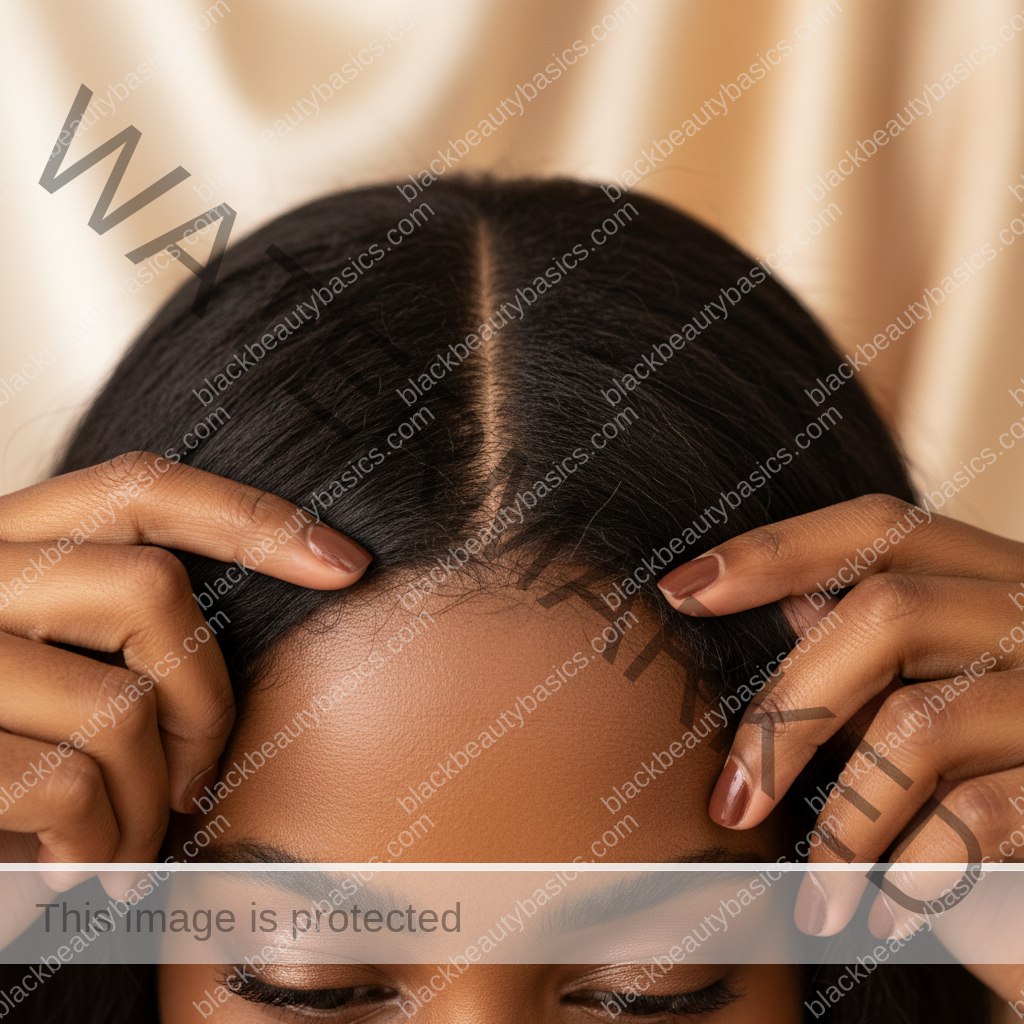
The hairline, particularly around the temples and forehead, is often the first area to show signs of traction alopecia. This is because these areas are frequently subjected to the most tension from tight hairstyles.
Receding Hairline and Thinning Edges
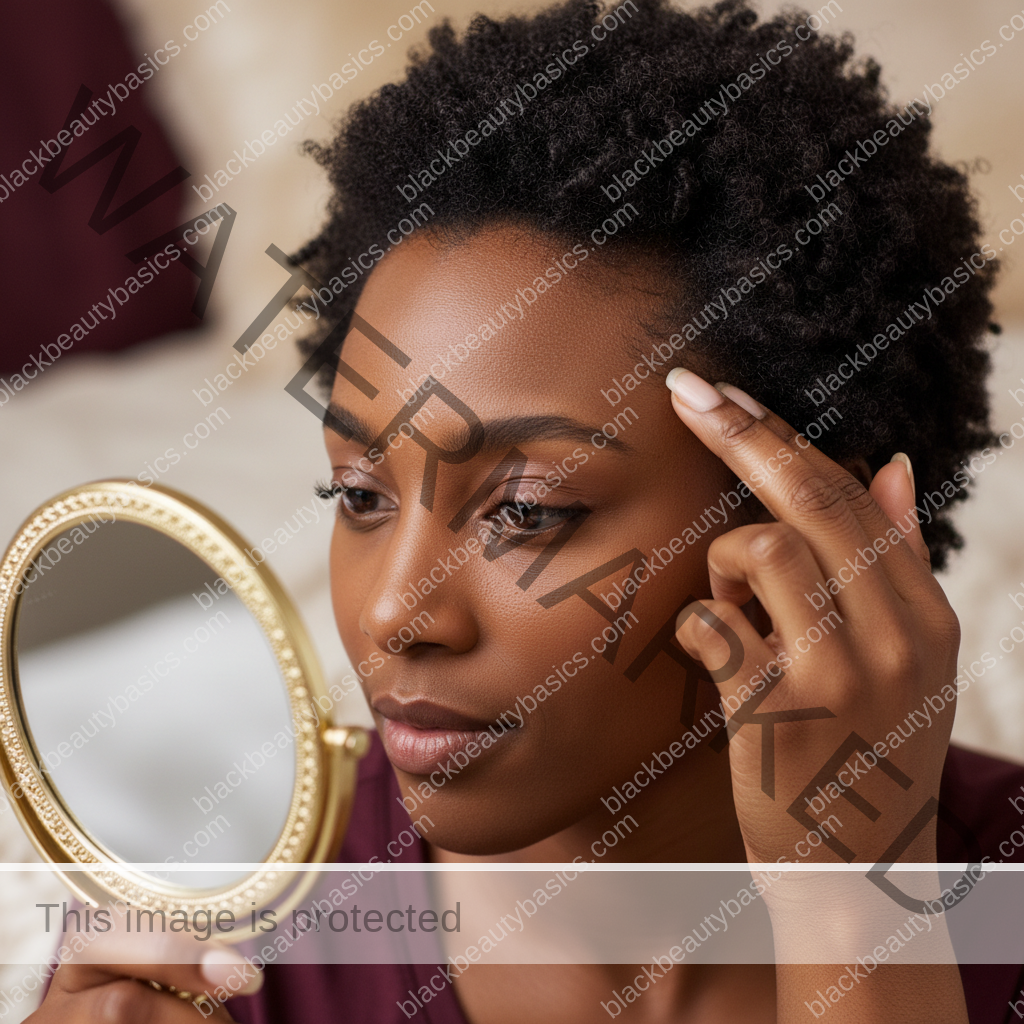
One of the most common and recognizable early signs is a receding hairline. You might notice that the hair around your temples and forehead appears sparser than usual. This isn’t just about a few stray hairs; it’s a noticeable reduction in density. The “edges,” as they are affectionately known, are particularly vulnerable. When these delicate hairs are constantly pulled, they can become weak and eventually stop growing.
What to look for:
- A noticeable shift in your natural hairline, moving further back.
- Finer, shorter, or fewer hairs along the temples and forehead.
- A “fuzzy” or “broken” appearance of the hair at the edges, rather than smooth growth.
Small Bumps and Irritation Along the Hairline
Before visible hair loss, your scalp might send you physical warnings. Small, pimple-like bumps (folliculitis) or general irritation along the hairline can be indicators of inflammation caused by excessive pulling. This inflammation is a precursor to follicular damage.
What to look for:
- Redness or irritation along the scalp where hair is pulled tight.
- Small, tender bumps, sometimes pus-filled, at the base of hair follicles.
- Itching or discomfort, particularly after styling or removing a style.
The Feel and Texture of Your Hair
Beyond what you see, how your hair feels can also provide crucial clues. Changes in texture and strength can signal underlying issues.
Excessive Breakage and Shedding
While some shedding is normal (we lose 50-100 hairs daily), excessive breakage, especially at the roots or along the shaft, is a red flag. If you notice an unusual amount of hair on your pillow, in your comb, or in the shower, it’s worth investigating. This breakage might be concentrated in areas of high tension.
What to look for:
- Hairs breaking off mid-strand, often with a white bulb at the end (indicating it pulled from the root).
- An increase in hair shedding, particularly from areas subjected to tension.
- Hair feeling weaker or more brittle than usual.
Pain, Tenderness, and Discomfort
Your scalp should not constantly be in pain from your hairstyle. If you experience persistent headaches, tenderness, or a feeling of tightness, particularly after getting a new style, it’s a clear sign that your hair is being pulled too tightly. This discomfort is your scalp’s way of crying out for relief.
What to look for:
- Headaches, especially around the temples or forehead, after styling.
- A feeling of “pulling” or tightness that doesn’t subside.
- Pain when touching the scalp, particularly at the roots.
Visual Cues Beyond the Hairline
Traction alopecia isn’t always confined to the edges. Depending on the style, other areas can be affected.
Shiny, Smooth Patches of Skin
In more advanced stages, or even as an early indicator in specific areas, you might notice small, shiny, and smooth patches of skin where hair once grew. This indicates that the hair follicles have been severely damaged and are no longer producing hair. The skin may appear slick because the follicles are no longer present to create texture.
What to look for:
- Small areas of skin that appear unusually smooth and shiny, devoid of hair.
- Absence of hair follicles within these patches.
Short, Broken Hairs Around Tension Points
Observe the areas where your hair is most frequently pulled. For example, if you often wear a tight ponytail, check the nape of your neck or the crown. If you see short, broken hairs that don’t seem to be growing, but rather snapping off, it’s a sign of excessive tension.
What to look for:
- A halo of short, stubby hairs around the perimeter of a ponytail or bun.
- Uneven hair length in areas that are consistently pulled.
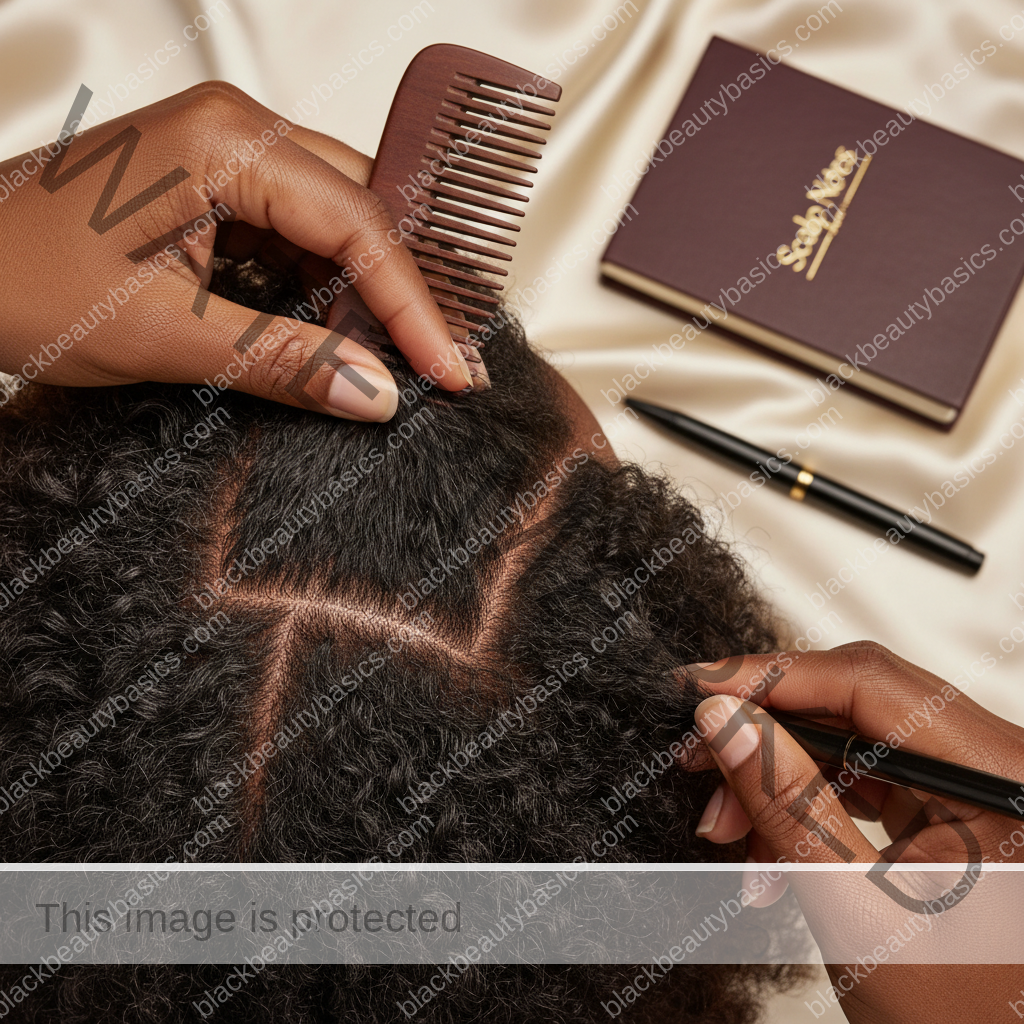
Differentiating Traction Alopecia from Other Hair Loss
While vigilance is key, it’s also important to understand that not all hair loss is traction alopecia. Other conditions can mimic its symptoms, making a proper diagnosis crucial. Here’s a comparison to help you distinguish between common types of hair loss affecting Black women.
Traction Alopecia vs. Central Centrifugal Cicatricial Alopecia (CCCA)
CCCA is a form of scarring alopecia that primarily affects Black women, causing permanent hair loss on the crown of the head. It’s often confused with traction alopecia due to similar symptoms like thinning and breakage, but their origins and progression differ significantly.
| Feature | Traction Alopecia | Central Centrifugal Cicatricial Alopecia (CCCA) |
|---|---|---|
| Cause | Repetitive pulling/tension on hair follicles (e.g., tight braids, weaves, ponytails). | Inflammation and scarring of hair follicles, often starting at the crown and spreading outwards. Exact cause unknown, but genetic predisposition, chemical relaxers, and heat styling are implicated. |
| Location | Primarily along the hairline (edges), temples, nape, or where hair is consistently pulled. | Typically starts at the crown of the head and expands centrifugally (outwards). |
| Early Signs | Receding hairline, thinning edges, small bumps/irritation, pain/tenderness, excessive shedding in tension areas. | Scalp itching, burning, tenderness, pustules, and gradual hair thinning/loss on the crown. |
| Scalp Appearance | May show redness, bumps, or smooth, shiny patches in affected areas. Follicles may be absent. | Inflamed, red, or scaly skin on the crown, eventually leading to smooth, shiny, scarred skin without visible follicular openings. |
| Progression | Often reversible in early stages if tension is removed. Can become permanent if follicles are severely damaged. | Progressive and permanent hair loss due to scarring. Early intervention is crucial to slow progression. |
| Treatment | Removing tension, gentle styling, topical minoxidil, anti-inflammatory treatments. | Topical/oral corticosteroids, antibiotics, antimalarials, minoxidil. Focus on reducing inflammation and preventing further scarring. |
Traction Alopecia vs. Telogen Effluvium
Telogen effluvium is a temporary form of hair loss that occurs when a large number of hairs enter the resting (telogen) phase prematurely, leading to widespread shedding. It’s usually triggered by a significant stressor.
| Feature | Traction Alopecia | Telogen Effluvium |
|---|---|---|
| Cause | Physical stress from consistent pulling on hair follicles. | Physiological stressor (e.g., childbirth, severe illness, surgery, extreme diet, significant emotional stress, certain medications). |
| Location | Localized to areas of tension (hairline, temples, nape, etc.). | Diffuse, widespread shedding across the entire scalp. |
| Onset | Gradual, over weeks or months of consistent tension. | Often sudden, 2-4 months after the triggering event. |
| Hair Loss Pattern | Thinning, breakage, and eventual bald patches in specific areas. | General thinning, but no complete bald patches; hair loss is usually uniform across the scalp. |
| Reversibility | Reversible in early stages by removing tension. | Usually self-resolving within 6-9 months once the stressor is removed. |
When to Seek Professional Help
If you suspect you have any form of hair loss, especially if you notice persistent shedding, scalp irritation, or changes in your hairline, it’s vital to consult with a dermatologist or a trichologist. These specialists can accurately diagnose the type of hair loss and recommend the most effective treatment plan. Early diagnosis can make a significant difference in the outcome, particularly with conditions like CCCA where scarring is involved.
Proactive Measures: Nurturing Your Crown
The good news is that traction alopecia is largely preventable and, in its early stages, reversible. By adopting mindful hair care practices and making informed styling choices, you can protect your follicles and maintain a healthy, thriving mane. Here are essential strategies to incorporate into your routine.
Mindful Styling Practices
The way we style our hair is often the primary culprit behind traction alopecia. Small adjustments can make a world of difference.
Loosen Up Your Styles
This is perhaps the most critical advice. Whether you’re getting braids, weaves, or a simple ponytail, ensure the style is not too tight. If it causes pain, headaches, or pulls at your scalp, it’s too tight. Communicate clearly with your stylist, or adjust it yourself.
Tips for Gentle Styling:
- Braids & Weaves: Ask for looser tension, especially around the hairline. Don’t let your stylist pull your hair so tight that your scalp feels stretched or you experience immediate pain.
- Ponytails & Buns: Avoid pulling your hair into the same tight style every day. Vary the position of your ponytail, and opt for looser, lower styles. Use soft hair ties like satin scrunchies or fabric hair ties instead of elastic bands that can snag and pull.
- Extensions: Ensure the extensions are not too heavy for your natural hair. The weight can also contribute to tension and breakage.
Take Breaks Between Protective Styles
While protective styles are excellent for growth and length retention, they shouldn’t be worn indefinitely. Give your hair and scalp a breather between installations. This allows your follicles to rest and recover.
Recommended Break Periods:
- After removing braids or weaves, allow your hair to be free for at least 2-4 weeks before reinstalling.
- During this break, focus on deep conditioning, moisturizing, and gentle manipulation.
Avoid Excessive Heat and Chemical Treatments
Heat styling and chemical relaxers can weaken the hair shaft, making it more susceptible to breakage when combined with tension. If you use these methods, do so sparingly and with utmost care.
Heat & Chemical Care:
- Always use a heat protectant spray when applying heat.
- Limit the frequency of relaxers and ensure they are applied by a professional.
- Consider transitioning to natural hair or using natural hair styling products that minimize chemical exposure.
Holistic Hair Care Regimen
A healthy scalp is the foundation for healthy hair. Incorporate practices that nourish and strengthen your hair from the inside out.
Gentle Cleansing and Conditioning
Use sulfate-free shampoos and rich conditioners to maintain moisture and prevent dryness, which can lead to breakage.
Product Recommendations:
- Sulfate-free shampoos for natural hair
- Deep conditioners for curly hair
- Leave-in conditioners for black hair
Regular Scalp Massages
Scalp massages can stimulate blood circulation to the hair follicles, promoting nutrient delivery and encouraging healthy growth. Use your fingertips or a scalp massager shampoo brush.
Benefits of Scalp Massage:
- Increases blood flow to follicles.
- Reduces stress and tension.
- Can be done with lightweight hair oils like jojoba or peppermint oil for added benefits.
Moisturize and Seal
Black hair thrives on moisture. Regularly hydrate your hair and seal in that moisture with an oil or butter to prevent dryness and breakage.
Moisturizing Essentials:
- Water-based moisturizers
- Sealing oils (e.g., castor oil, olive oil)
- Hair butters (e.g., shea butter)
Nutritional Support
A balanced diet rich in vitamins and minerals is fundamental for healthy hair growth. Ensure your diet includes adequate protein, iron, zinc, and vitamins A, C, D, and E.
Hair-Healthy Nutrients:
- Protein: Lean meats, fish, eggs, legumes.
- Iron: Spinach, lentils, red meat.
- Omega-3 Fatty Acids: Salmon, flaxseeds, walnuts.
- Biotin: Eggs, nuts, sweet potatoes.
- Consider a hair, skin, and nails vitamin if your diet is lacking, but always consult a doctor before starting new supplements.

Reversing the Tide: Treatment and Management
If you’ve identified early signs of traction alopecia, don’t despair. With prompt action and consistent care, it’s often possible to reverse the damage and stimulate regrowth. The key is to act quickly and be diligent.
Immediate Action Steps
Remove the Source of Tension
This is the absolute first and most crucial step. If you’re wearing a tight style, remove it immediately. Give your hair and scalp a complete break from any style that causes pulling or discomfort.
Gentle Detangling and Cleansing
Once the style is removed, gently detangle your hair using a wide-tooth comb or your fingers, starting from the ends and working your way up. Cleanse your scalp with a soothing, sulfate-free shampoo to remove any product buildup and calm irritation.
Topical Treatments and Products
Minoxidil for Regrowth
Over-the-counter minoxidil (2% or 5%) is a common and effective treatment for stimulating hair regrowth. It works by prolonging the growth phase of hair follicles and increasing their size. Consistency is key, and it may take several months to see results.
Anti-Inflammatory Agents
If your scalp is inflamed or irritated, topical corticosteroids (prescribed by a dermatologist) can help reduce inflammation and create a healthier environment for hair growth. Over-the-counter anti-itch scalp treatments can also provide relief.
Natural Oils and Serums
Certain natural oils are known for their hair growth-stimulating properties. While not a cure, they can support overall scalp health.
Beneficial Oils:
- Rosemary oil: Known to stimulate circulation and promote growth. Dilute with a carrier oil.
- Peppermint oil: Can increase blood flow to the scalp. Use sparingly and diluted.
- Castor oil: Rich in ricinoleic acid, which may help with hair growth and thickness.
- Black seed oil: Contains antioxidants and anti-inflammatory compounds.
When to Consult a Professional
While self-care is important, a dermatologist or trichologist can offer a more targeted approach, especially if:
- You don’t see improvement after several months of consistent home treatment.
- The hair loss is extensive or rapidly progressing.
- You experience significant pain, itching, or inflammation.
- You suspect another underlying condition, like CCCA.
A professional can provide stronger prescription treatments, steroid injections, or even discuss surgical options like hair transplantation in severe, permanent cases (though this is a last resort for traction alopecia).
FAQ: Your Pressing Questions Answered
Q1: Can traction alopecia be completely reversed?
A: In its early stages, yes, traction alopecia can often be completely reversed. If the hair follicles have not been permanently damaged or scarred, removing the source of tension and implementing a consistent hair care regimen can stimulate regrowth. However, if the pulling has been severe or prolonged, leading to scarring of the follicles, the hair loss may be permanent. Early detection and intervention are crucial for the best prognosis.
Q2: How long does it take to see regrowth after addressing traction alopecia?
A: Patience is key when it comes to hair regrowth. You might start to see fine, vellus hairs (peach fuzz) within 2-3 months of removing tension and starting treatment. Significant, noticeable regrowth of terminal hair (thicker, pigmented hair) typically takes 6-12 months. Consistency with your treatment plan, whether it’s topical minoxidil or natural oils, is vital during this period.
Q3: Are there certain hairstyles that are safer than others?
A: Absolutely. Styles that place minimal tension on the scalp are safest. Loose braids, twists, and buns are generally better than tight ones. Opt for styles that allow your scalp to breathe and your hair to move freely. Low ponytails, loose updos, and free-flowing natural styles are excellent choices. When wearing protective styles, ensure they are not too heavy and that your edges are not pulled taut. Regularly rotating your styles also helps prevent stress on the same areas.
Q4: Can wearing a wig cause traction alopecia?
A: Yes, wigs can potentially contribute to traction alopecia, especially if worn incorrectly or for prolonged periods. The main culprits are tight wig caps, wig combs or clips that pull at the hairline, or cornrows underneath that are braided too tightly. To prevent this, ensure your cornrows are loose, use a satin wig cap to reduce friction, and avoid using adhesive or clips that tug at your edges. Give your scalp regular breaks from wig wearing.
Q5: What should I do if my stylist braids my hair too tightly?
A: Communication is paramount. Politely but firmly express your discomfort during the styling process. If you feel pain or excessive pulling, ask them to loosen it immediately. If the style is already complete and causing pain, it’s best to remove it as soon as possible. Prioritize your scalp health over a temporary style. Seek out stylists who are known for their gentle technique and prioritize hair health.
Q6: Is it possible to have traction alopecia without any pain or discomfort?
A: Yes, it is possible. While pain and tenderness are common early signs, some individuals may not experience significant discomfort, especially if the tension is chronic and low-grade. The hair follicles can still be damaged over time, leading to thinning and hair loss without acute pain. This is why it’s crucial to also look for visual cues like a receding hairline, thinning edges, or small bumps, even in the absence of pain.
Q7: Are there any specific products I should avoid?
A: Avoid products that contain harsh sulfates, parabens, or heavy silicones that can build up and weigh down hair. Also, be wary of styling gels or edge controls that offer extreme hold and require excessive pulling or brushing to apply, as these can contribute to tension. Opt for gentle edge controls and moisturizing hair gels with nourishing ingredients.
A: It’s generally advisable to minimize or completely avoid heat styling if you are experiencing traction alopecia or are prone to it. Heat can further weaken already compromised hair strands, making them more susceptible to breakage and impeding the healing process of your follicles. If you must use heat, ensure your hair is thoroughly conditioned, use a high-quality heat protectant spray, and use the lowest effective temperature setting. Focus on air-drying whenever possible.
A Final Word on Your Magnificent Mane
Your hair is a testament to your strength, your heritage, and your unique beauty. Recognizing the early signs of traction alopecia is not a cause for alarm, but an empowering act of self-care, a conscious choice to protect and preserve the splendor that is uniquely yours. By embracing mindful practices, listening to your body’s whispers, and seeking knowledge, you hold the power to nurture your crown, ensuring it remains vibrant, healthy, and a source of profound pride for years to come.
How to notice the pattern without diagnosing yourself
For Black women with textured hair, scalp and hair-loss concerns can be emotionally loaded because they often sit at the intersection of styling, identity, health, and being dismissed. This guide focuses on noticing early traction patterns around edges, parts, tenderness, thinning, and style tension, while keeping the related BBB scalp-health cluster as the home base. The goal is not to diagnose yourself from a mirror. The goal is to notice patterns clearly enough to choose safer next steps.
Start with the timeline. Did the change begin after a new style, product, postpartum season, illness, medication change, stressful period, or scalp flare? Did it show up at the edges, crown, hairline, part, or all over? Is there pain, itch, flaking, bumps, tenderness, odor, bleeding, scaling, or smooth shiny areas? These details matter because different patterns need different care.
The safest home routine is usually the one that lowers tension, reduces irritation, and keeps the scalp clean without aggressive scraping. If a symptom is painful, spreading, scarring, repeatedly returning, or connected to visible thinning, professional care matters. Early documentation can help a dermatologist, primary care clinician, or other qualified professional see the pattern more clearly.
What to track gently
- Location: edges, crown, hairline, part, nape, or all over.
- Timing: new style, postpartum shift, cycle change, illness, product, or stress season.
- Sensations: tenderness, burning, itching, tightness, soreness, or pain.
- Visible signs: flakes, bumps, redness that may look subtle on brown skin, thinning, or broken hairs.
- When the pattern improves or worsens.
What usually makes scalp concerns harder to read
The first challenge is tension. Tight braids, ponytails, wigs, sew-ins, loc maintenance, edge styling, and repeated parting can make it harder to tell whether the scalp is reacting to the style, an underlying condition, or both. That does not mean protective styles are bad. It means comfort and scalp access need to be part of the plan.
The second challenge is product layering. Oils, gels, sprays, dry shampoo, edge control, medicated products, and sweat can build up together. A scalp can be dry and still have residue. It can itch from buildup, irritation, inflammation, or a condition that needs professional treatment. Scratching harder does not solve that confusion; it can create more irritation.
The third challenge is waiting too long because you do not want to be dramatic. You are allowed to ask questions early. You are allowed to document a change before it becomes severe. And you are allowed to want care that understands textured hair instead of telling you to abandon your whole beauty routine without nuance.
What to do next
Keep this article connected to the Scalp Health, CCCA & Hair Loss system. Use the related guides below to decide whether your next step is tension reduction, scalp-routine adjustment, pattern tracking, or professional evaluation.
- Scalp Health, CCCA & Hair Loss
- The related scalp-health cluster guide
- hair loss conditions in Black women
- protective style strategy
- professional scalp care pathways
Related next steps
Related posts:
 Edges Care and Regrowth: Traction Alopecia in Black Women
 Traction Alopecia & CCCA: Hair Loss Treatment for Black Women
 Traction Alopecia: Edges, Temples, and Styling Habits
 Adjusting Lifestyle and Style Habits When You Have CCCA or Traction Alopecia
 Sensitivity and Stinging on Dark Skin: Understanding Your Skin’s Early Warning Signs
 PCOS Thinning vs Traction Alopecia & CCCA: Distinguishing Hair Loss Patterns on Black Scalps